REVIEW · WORKSHOPS
Lisbon Tiles and Tales: Full-Day Tile Workshop and Tour
Book on GetYourGuide →Operated by Around Lisbon Tours · Bookable on GetYourGuide
Tiles tell Lisbon’s story in color. This full-day azulejo tour blends hands-on making with major tile stops, so you don’t just look at pretty walls—you learn how they’re built. I especially loved watching how traditional tiles are made, and then painting my own tile with guidance from a real pro.
You’ll start south of Lisbon in Azeitão, learn the basics of the craft, paint a tile that gets baked, and then spend the afternoon at the Madre de Deus Convent and its Azulejo Museum. One possible consideration: lunch isn’t included, and if you want your finished tile mailed home, shipping costs aren’t covered.
This art form has roots that reach back to the Portuguese period of Arabic occupation in the Iberian Peninsula, and you feel that long timeline as you move from workshop practice to museum collections. The day is guided in English, and the pacing works well for a single-day trip without feeling rushed—assuming you’re okay with an eight-hour schedule.
In This Review
- Key things to know before you go
- How Azulejo Culture Makes Lisbon Feel Personal
- Azeitão Workshop: Seeing Tiles Built the Old Way
- Your Turn at the Tile Table: Painting, Baking, and Shipping
- Tile-Watching Stops and a Practical Lunch in Sesimbra
- Madre de Deus Convent and the Azulejo Museum
- When the Tile Museum Doesn’t Cooperate: How the Guide Responds
- Price, Time, and What You Really Get for $117
- Who This Tour Fits Best
- Should You Book Lisbon Tiles and Tales?
- FAQ
- How long is the Lisbon Tiles and Tales tour?
- Where do you get picked up?
- What is included in the price?
- Is lunch included?
- Can I have my painted tile sent to me?
- What language is the guide?
- Does the tour include time at the Azulejo Museum?
- Is the tour only for small groups?
- What COVID-19 precautions are mentioned?
- Is free cancellation available?
Key things to know before you go
- Hands-on painting: You’ll paint your own tile after learning the basics, not just watch the process.
- Azeitão tile traditions: You’ll see how old techniques are used to replicate centuries-old artwork.
- Your tile ends up where you are: It’s baked later and sent to your hotel in Lisbon or to your home (shipping extra).
- Iconic tile sights on the drive back: You’ll stop to admire impressive tile artwork around Lisbon.
- Madre de Deus Convent + Azulejo Museum: A Baroque church interior plus a major tile collection from the 15th century onward.
- International styles included: The museum covers schools such as Spanish and Dutch, alongside Portuguese masters.
How Azulejo Culture Makes Lisbon Feel Personal
If you’ve ever wondered why Lisbon seems obsessed with painted ceramic, this day gives you the answer. Azulejo tiles aren’t just decoration here. They’re a way Portugal teaches stories, religion, history, and taste—layer by layer, kiln by kiln.
I like that the tour doesn’t treat azulejo like a single static style. You’ll hear how the craft developed over time, and you’ll connect that history to what you see in the streets later. Lisbon’s tile world makes more sense once you know what comes first: the process, the materials, and the discipline behind the patterns.
Another big win is the balance between making and seeing. One half is practical and tactile (the workshop). The other half is visual and curatorial (the museum and convent). That combo is great value because you end the day understanding both the method and the masterpieces.
You can also read our reviews of more tours and experiences in Lisbon



Azeitão Workshop: Seeing Tiles Built the Old Way
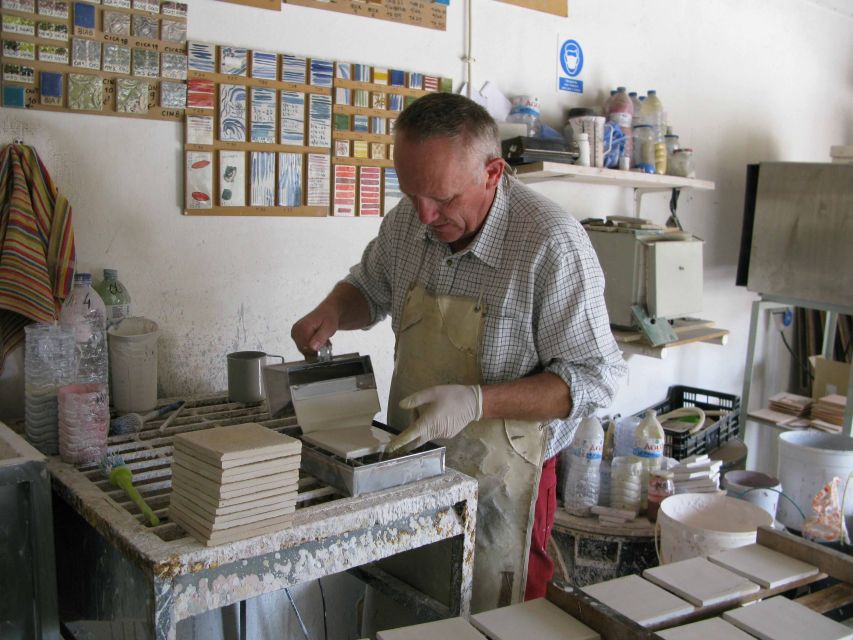
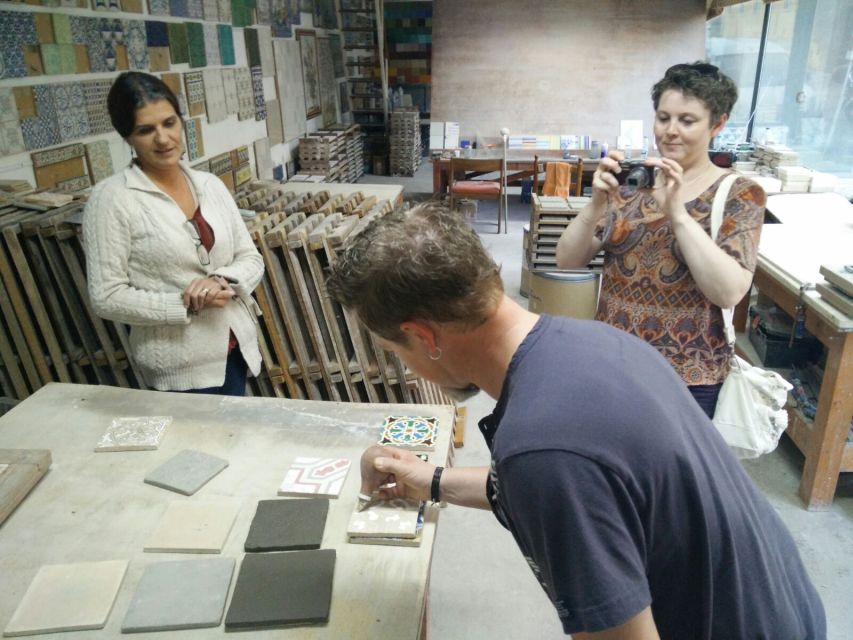
Morning starts with a drive south from Lisbon to the Azeitão region. Your first major stop is the well-known Azulejos de Azeitão workshop, where the focus is on old techniques still being used to recreate the look of earlier centuries.
This is the part that usually sticks with me. Watching tile production isn’t just eye candy. It gives you a new lens for every azulejo you’ve seen since landing in Lisbon. Once you understand the steps and the logic behind the designs, the city’s walls stop looking like random beauty and start looking like crafted communication.
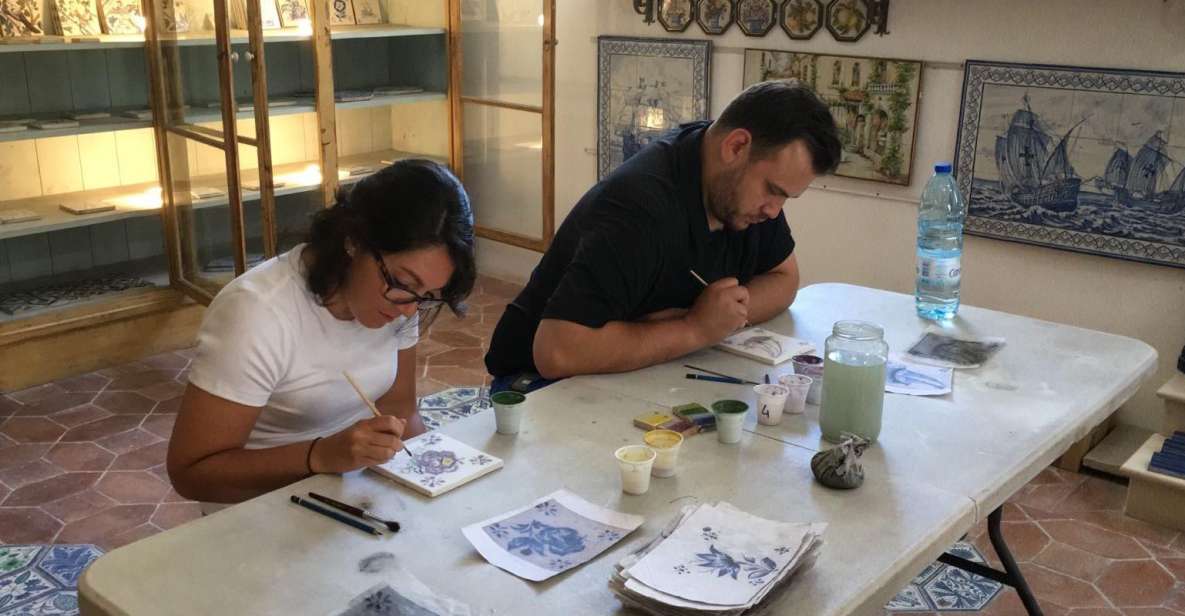
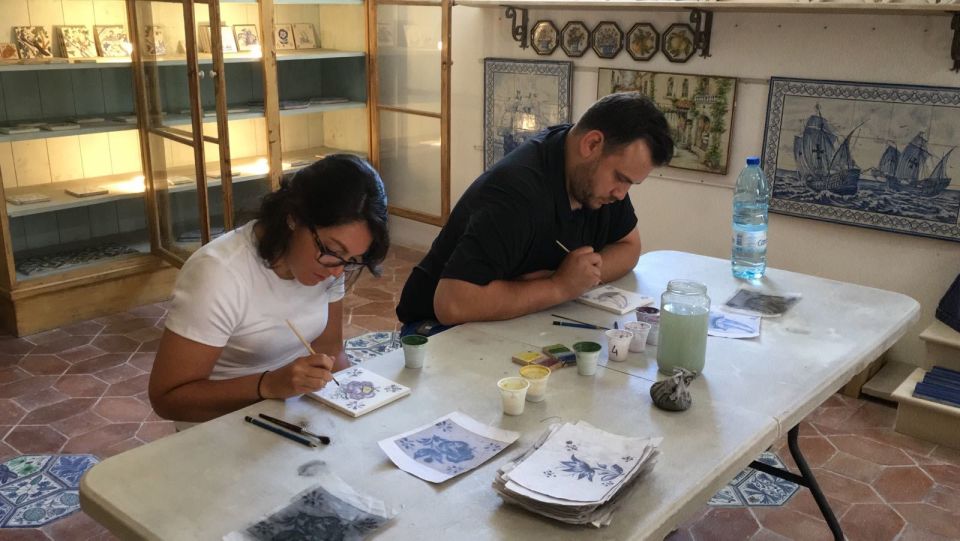
At the workshop, you’ll learn how tiles are made using traditional methods, then you’ll move straight into the guided painting session. The workshop rhythm matters: you’re not thrown into painting without context, and that makes your tile feel like it belongs in the larger azulejo story.
The tour runs for eight hours total, and this morning segment is a big reason the day feels complete. You get enough time to absorb the process and still have energy for the museum afterward.
Your Turn at the Tile Table: Painting, Baking, and Shipping
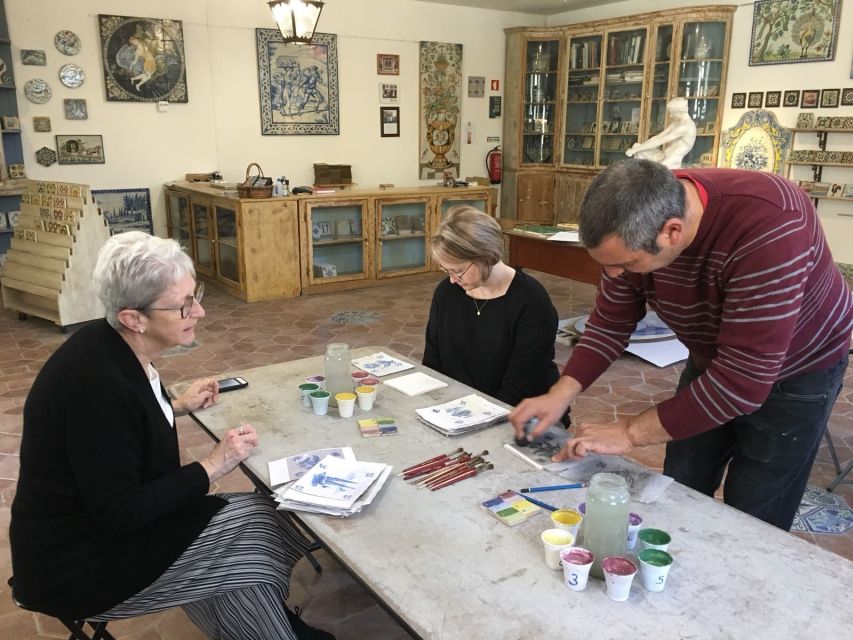
After learning the basics, you’ll paint your own tile. This is one of the most memorable parts of the experience because it’s active. You’re making a small object, but you’re also practicing the visual thinking behind Portuguese tile design.
What I like about this is how the tour frames the painting session. You’re not expected to create a perfect masterpiece. You’re learning the essentials in a guided way, then producing something you can actually take pride in.
Then comes the best part: your tile won’t be a fragile souvenir you have to carry around all day. It’s baked later and sent to your hotel in Lisbon, or—if you prefer—sent back home. Shipping is not included, but the fact that it’s handled for you in the first place is a practical advantage. You avoid the stress of transporting something that’s made to be kept.
If you want to bring this home as a real keepsake, you should think about what option works for you:
- Send to your Lisbon hotel if you’ll be in the city for a few days.
- Send home if you won’t want to carry it, but plan for shipping costs.
Also, because the tour is guided in English, you can ask questions and follow instructions without language barriers getting in the way.
Tile-Watching Stops and a Practical Lunch in Sesimbra
Once the morning workshop ends, you have time to choose your lunch. The guide gives you a simple, local option: Sesimbra, a fishing village that’s a short drive away. It’s a smart choice because you’re already in the right region geographically, and you get a break from tile-focused thinking without leaving the broader plan behind.
Lunch not being included matters for planning. You’ll want to budget time and money for it, and you’ll also want to decide what kind of lunch you want before the day gets busy.
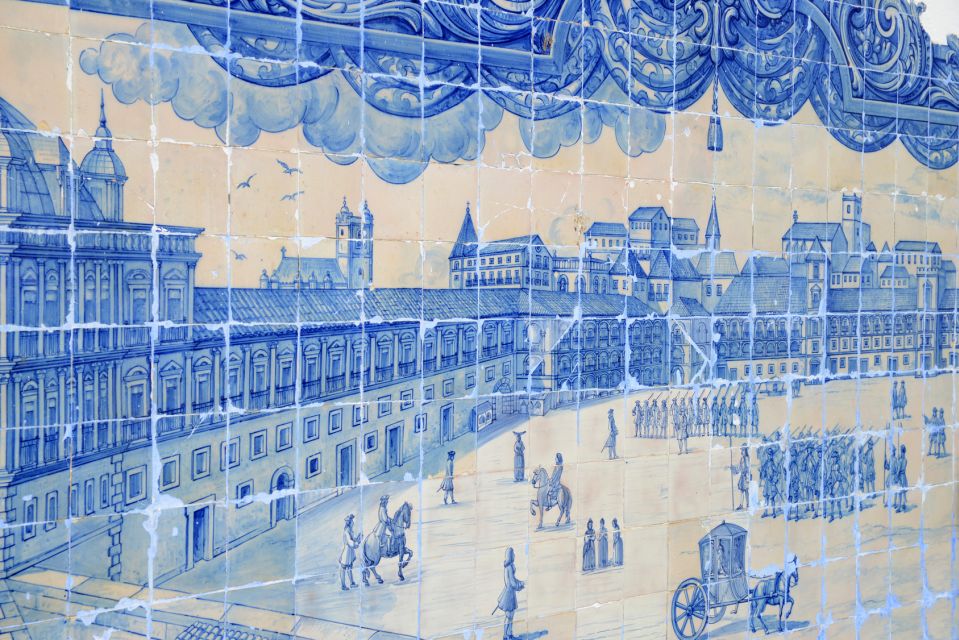
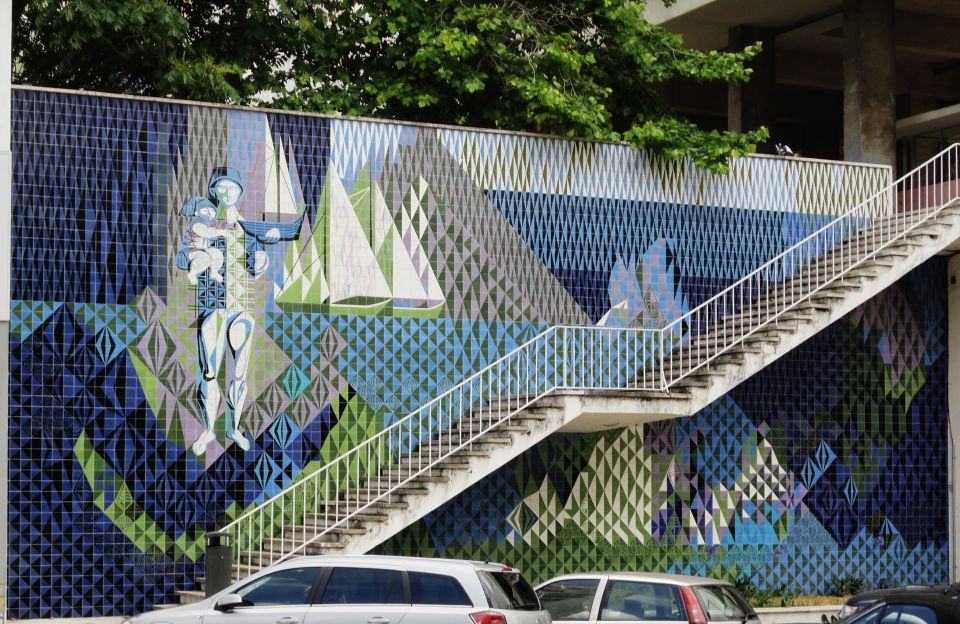
After lunch, the tour brings you back toward Lisbon with a fun twist: you’ll admire impressive tile artwork around the city en route. This is where the workshop learning starts to pay off. You’ll spot different styles and patterns with more confidence because you’ve just gone through the basics of the craft.
That drive-by element is useful if your time in Lisbon is limited. Even if you’re not stopping for every single tile façade, you still get a guided route that highlights what’s worth seeing.
Madre de Deus Convent and the Azulejo Museum
In the afternoon, you’ll visit the Madre de Deus Convent, dating from the 15th century. It also houses the Azulejo Museum, and this is where the day becomes more museum-like and more reflective.
The convent church is described as a Baroque masterpiece, designed as a total artwork where every element contributes to a whole. Even if you’re not a church specialist, that design approach changes how you look at the tiled decoration you’ll see later. The azulejo isn’t floating in isolation—it’s part of an overall visual system.
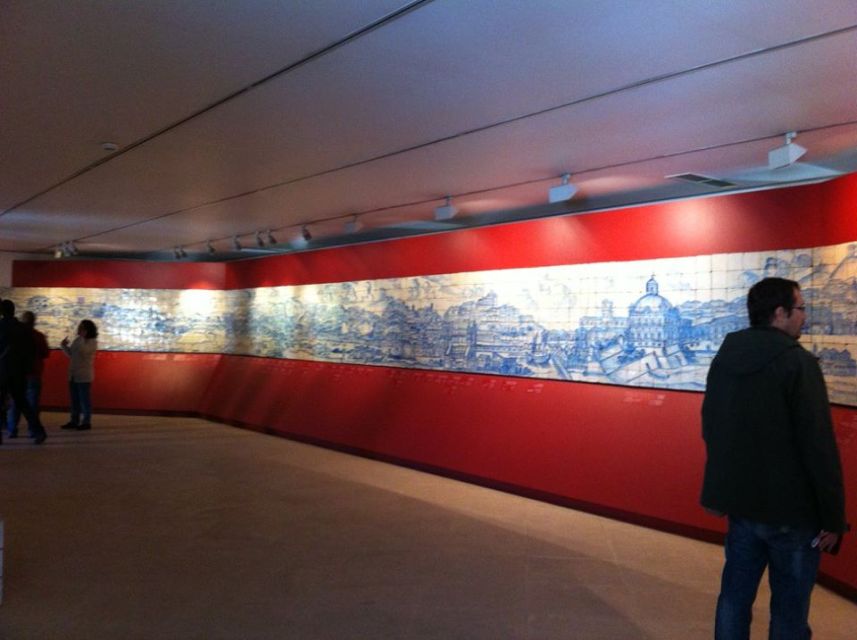
Then you’ll head into the museum collection, which spans from the 15th century into contemporary work. The museum isn’t limited to Portuguese production. It covers major international schools, including Spanish and Dutch styles, among others. That international context is important. It helps you see Portugal’s azulejo tradition not as a sealed-off local hobby, but as part of a wider artistic conversation.
You’ll also finish by seeing iconic works linked to Portuguese masters such as Bordalo Pinheiro, Raúl Lino, and Maria Keil. These names come up because they represent distinct approaches within Portuguese tile art, from traditional themes to more modern interpretations.
You can also read our reviews of more tours and experiences in Lisbon






When the Tile Museum Doesn’t Cooperate: How the Guide Responds
One thing I appreciate about this kind of guided day is that museums and schedules can change. In at least one case, the Azulejo Museum visit was impacted by an unexpected closure, and the guide offered alternative options so the day still delivered tile-focused highlights.
That substitute ended up including tile viewing at the Royal Palace in Sintra. While you should plan on the museum at Madre de Deus, it’s reassuring to know the guide can adapt when something doesn’t work as expected.
This matters because azulejo tours are often built around specific sites. When those sites change, the difference between a ruined day and a solid day is usually the quality and flexibility of the person leading it.
And you’ll have a live English guide the whole way, so you aren’t left to figure it out yourself.
Price, Time, and What You Really Get for $117
At $117 per person for an eight-hour day, the value question is really about what’s included.
Here’s what you’re getting as part of the price:
- Hotel/apartment pick-up and drop-off
- The tile workshop at Azulejos de Azeitão
- Azulejo Museum entrance
- A skip-the-ticket-line benefit
- Live English tour guidance
Lunch is not included, and if you ship your tile home, shipping isn’t included. Those two points are the main cost variables that can shift your total.
But if you compare this to doing the same day on your own, the savings come from two big things: transportation planning and guided instruction. The workshop includes the learning and the painting session, and the museum entrance keeps you from wasting time tracking tickets. The pickup/drop-off also reduces friction, especially if you don’t want to manage transit to Azeitão and back.
The eight-hour length can be perfect or too long, depending on your style. If you like structured days with a clear arc—from making to museum highlights—this length works well. If you prefer slower pacing with lots of free time, you’ll feel the schedule and want to plan lighter afternoons afterward.
Who This Tour Fits Best
This tour is a great match if you want:
- A hands-on art experience instead of a passive sightseeing day
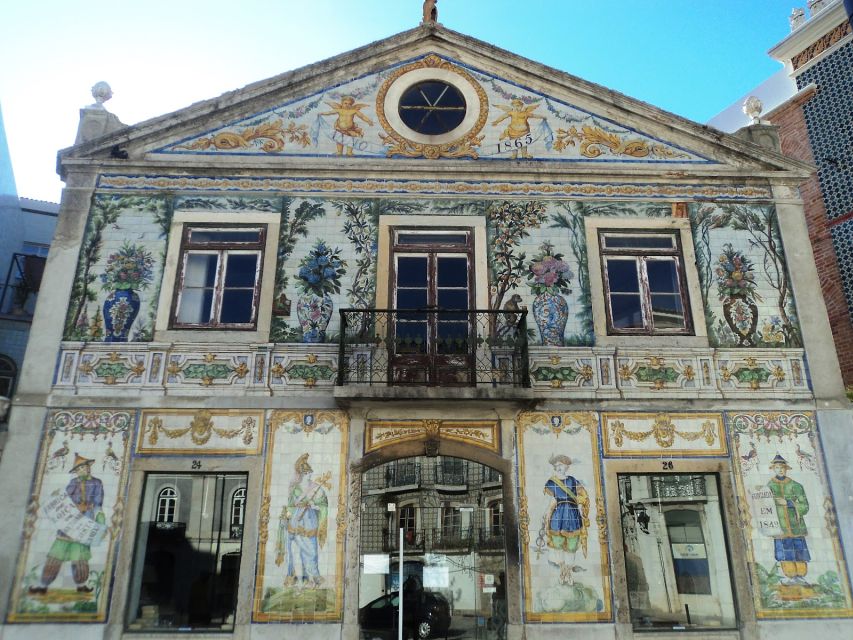
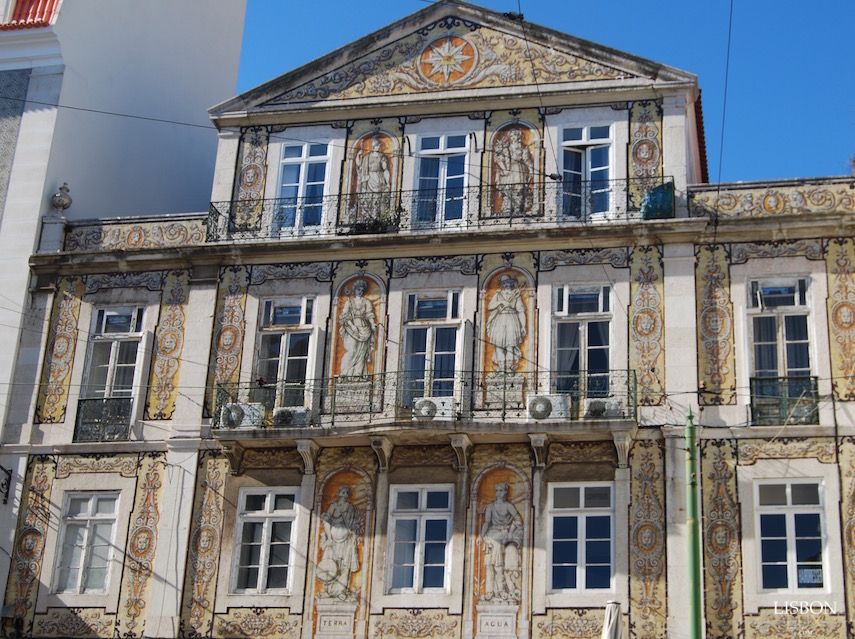
- Real context for why Lisbon is covered in azulejo tiles
- A structured route that connects workshop craft to museum-level masterpieces
- A day that works even if your Portuguese is limited (English guide)
It’s also ideal for couples or small groups who enjoy shared activities. The experience supports private or small groups, which usually means more practical attention during the workshop and painting session.
If you’re traveling with kids, it can work well because the painting component is engaging. Just keep in mind it’s still an eight-hour day with a workshop and a museum, so it’s best for families who can handle a full outing.
Should You Book Lisbon Tiles and Tales?
I’d book it if you want a Lisbon day that’s more than just looking. The workshop at Azulejos de Azeitão gives you the craft behind the art, and painting your own tile turns that learning into something you can keep. The Madre de Deus Convent and Azulejo Museum then show you the bigger picture, from the 15th century onward, with international styles and named Portuguese artists like Bordalo Pinheiro, Raúl Lino, and Maria Keil.
Skip this only if you strongly dislike structured schedules, don’t want any added costs beyond the base price (lunch and shipping can be extras), or if an eight-hour outing feels like too much time away from wandering on your own.
If you like learning by doing and you’re curious about how Lisbon’s most iconic decorative art is actually made, this one earns its place on your itinerary.
FAQ
How long is the Lisbon Tiles and Tales tour?
The tour lasts 8 hours.
Where do you get picked up?
Pickup and drop-off are included at your hotel or apartment.
What is included in the price?
The price includes the tile workshop, Azulejo Museum entrance, and hotel pickup/drop-off, plus a skip-the-ticket-line benefit.
Is lunch included?
No. Lunch is not included, and the guide offers a lunch choice in Sesimbra.
Can I have my painted tile sent to me?
Yes. After baking, your tile can be sent to your hotel in Lisbon or back home. Shipping costs are not included.
What language is the guide?
The tour guide is live and the tour is in English.
Does the tour include time at the Azulejo Museum?
Yes. You’ll visit the Azulejo Museum at the Madre de Deus Convent.
Is the tour only for small groups?
You can choose private or small groups.
What COVID-19 precautions are mentioned?
The vehicles are disinfected daily, social distancing measures are implemented, masks are available, masks are mandatory inside vehicles, and hand sanitizer is provided.
Is free cancellation available?
Yes. You can cancel up to 24 hours in advance for a full refund.