REVIEW · HISTORICAL TOURS
Lisbon: History, Stories and Lifestyle Walking Tour
Book on GetYourGuide →Operated by LISBOA AUTÊNTICA LDA · Bookable on GetYourGuide
Lisbon is made for hilltop stories. This 3-hour walking tour strings together Bairro Alto, miradouro views, and the classic tram ride so you quickly understand how the city grew and where to wander next.
I especially love the way it balances neighborhood life with big turning points, starting in the 16th-century Bairro Alto and moving through the places that shaped modern Lisbon. One drawback to plan for: it’s a walk-first route on steep streets, so comfy shoes matter.
In This Review
- Key highlights worth your time
- How this walking route helps Lisbon make sense fast
- Starting in Bairro Alto: 16th-century streets and the 1755 rebuilding story
- Miradouro São Pedro de Alcântara: the view that turns a walk into a map
- San Roque Church: Jesuit austerity outside, Mannerist and Baroque art inside
- Carmo Convent and Church: Gothic architecture and the 1974 Carnation Revolution
- Santa Justa elevator and the view that earns the uphill effort
- Baixa connections and the tram ride up toward Portas do Sol
- Alfama’s fado streets and St. Anthony festival energy
- Lisbon Cathedral ending: built in 1150, shaped by centuries
- Coffee and cake: the food stop that keeps the tour human
- Price and value: why $29 feels fair for a 3-hour sampler
- Who this tour fits best (and who should think twice)
- Should you book this Lisbon History, Stories and Lifestyle Walking Tour?
- FAQ
- How long is the Lisbon History, Stories and Lifestyle Walking Tour?
- How much does the tour cost?
- Where does the tour start?
- Is hotel pickup included?
- What’s included in the price?
- Is the tram ride included?
- What neighborhoods and sights are covered?
- What languages are available for the live guide?
- Are private or small-group options available?
- Can I get a refund if my plans change?
Key highlights worth your time
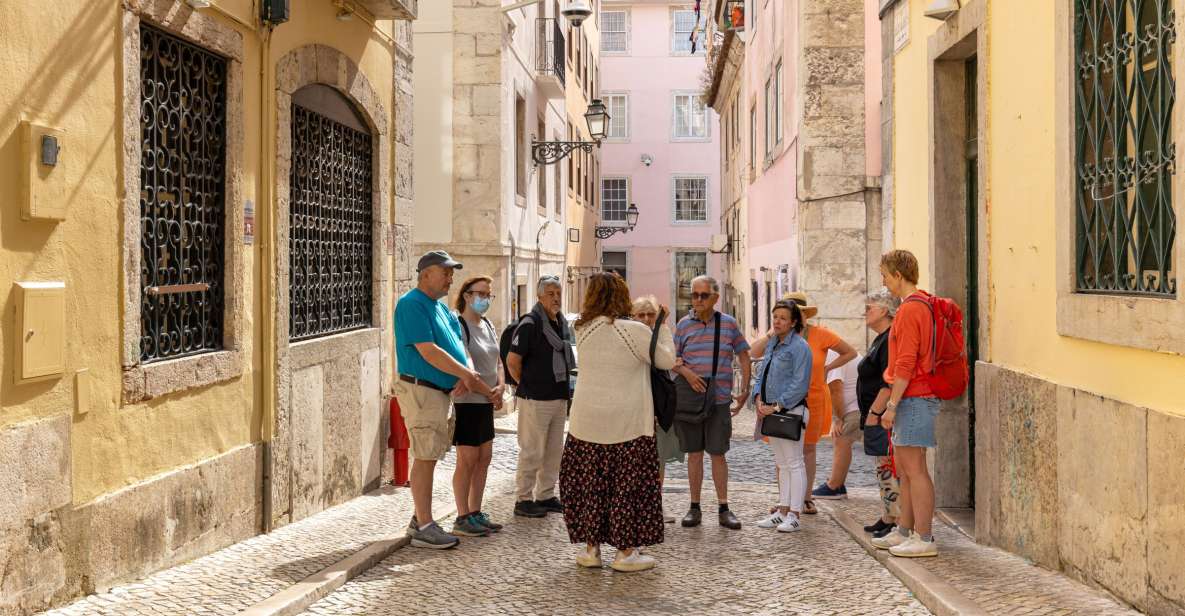
- Bairro Alto origins and Lisbon’s 1755 reset in one easy start
- Miradouro São Pedro de Alcântara viewpoints for Baixa and the Tagus
- San Roque Church with Jesuit-built façade and interior tile-and-painting details
- Carmo Convent and Church linked to the 1974 Carnation Revolution
- Iconic tram ride up toward Portas do Sol and into Alfama
- Lisbon Cathedral ending point with 12th-century roots and mixed styles
How this walking route helps Lisbon make sense fast
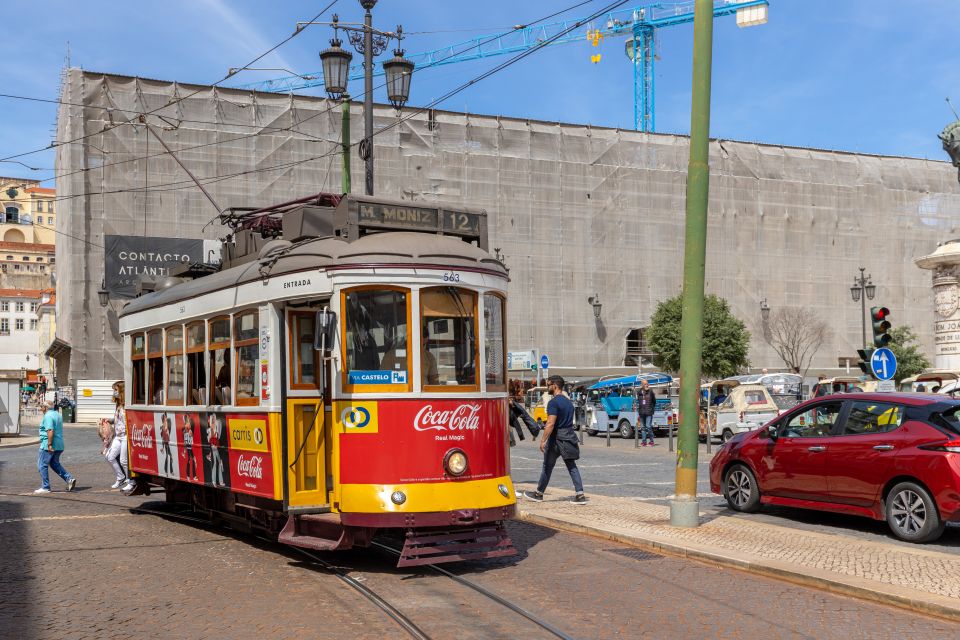
Lisbon doesn’t feel like a grid city. It’s hills, angles, and viewpoints, with neighborhoods stacked on top of each other like layers in a cake. This tour is built for that reality. In just 3 hours, you get a guided “map in motion,” moving from hilltop districts down into central Lisbon and back toward the river.
The value isn’t just that you hit famous sights. It’s that each stop explains why that place exists in the first place—earthquake-era rebuilding, religious power, and political change—while you’re still standing in the streets that shaped those stories.
I also like that the tour includes a few “breather moments.” A coffee-and-cake stop plus a tram ride breaks up the walking. That matters because Lisbon is best enjoyed when you’re not rushing between photo ops.
You can also read our reviews of more walking tours in Lisbon

Starting in Bairro Alto: 16th-century streets and the 1755 rebuilding story
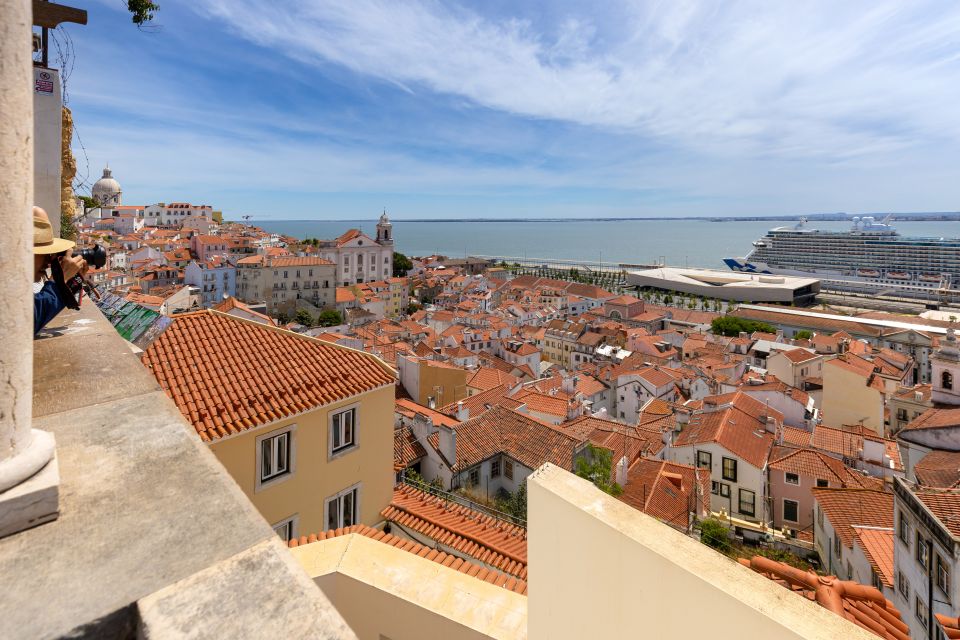
You begin in Bairro Alto, a district with roots going back to the 1500s. From there, your guide sets the historical tone: how Lisbon’s city life evolved, and how the city’s layout and neighborhoods shifted over time.
A key thread here is the 1755 earthquake. After that catastrophe, the areas around Baixa and Bairro started attracting families, and Bairro Alto became part of that renewal. Standing in the neighborhood, you can feel the point: Lisbon wasn’t rebuilt as a blank slate. It reassembled with human choices—where families moved, how communities formed, and what the city prioritized.
This start works well if it’s your first or second day in Lisbon. You don’t just see “old streets.” You understand why they’re old and why they look the way they do—without needing a whole separate museum day.
Miradouro São Pedro de Alcântara: the view that turns a walk into a map
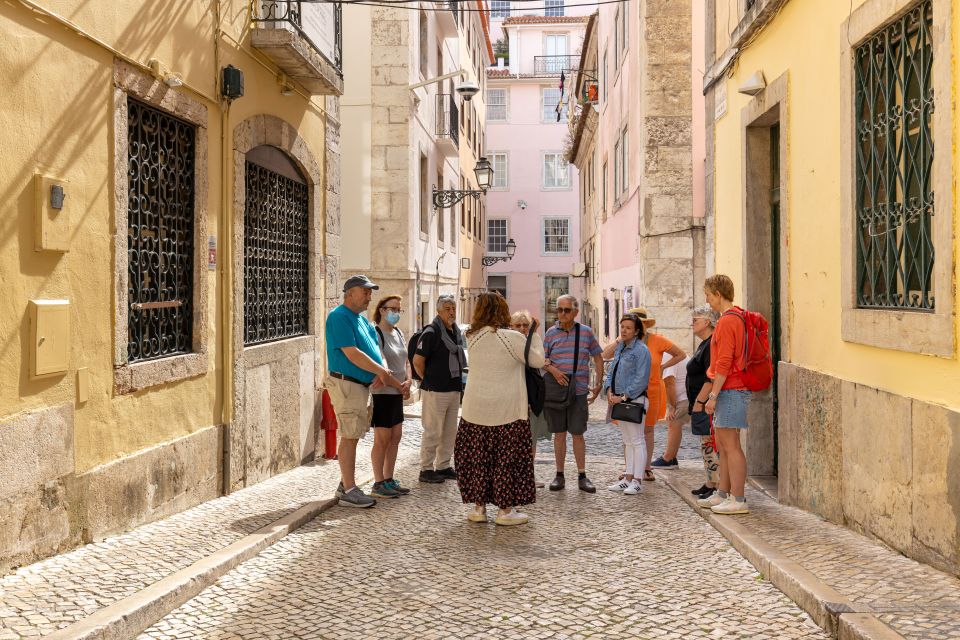
After Barrio Alto, the route takes you to Miradouro São Pedro de Alcântara, with a garden setting and big panoramic views over Baixa and the south bank of the Tagus River.
If you struggle with Lisbon’s geography, this is your fix. From a miradouro like this, you stop thinking of Lisbon as random hills and start recognizing the logic: who built where, why certain areas became central, and how the river shaped movement and trade.
You’ll also get a classic “Lisbon moment” here: looking outward before walking back inward. It changes how the next stops land, because you’re no longer just walking landmarks—you’re moving through a city you can actually visualize.
San Roque Church: Jesuit austerity outside, Mannerist and Baroque art inside
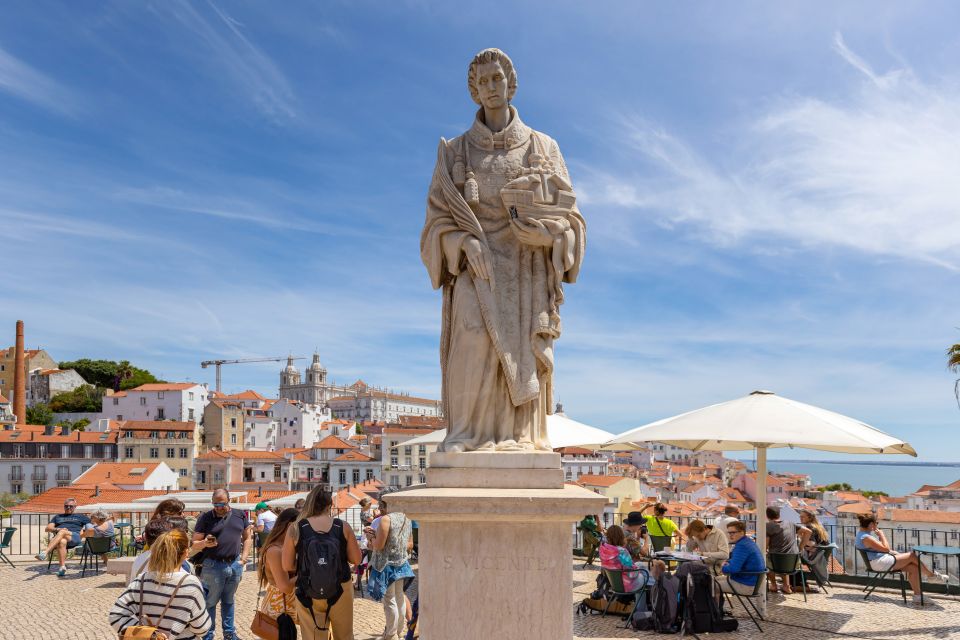
Next up is São Roque Church, built by the Jesuits. What’s great about this stop is the contrast it teaches you. The outside reads as restrained—almost austere—while the interior turns into a study in detail.
Inside, you’re looking at gilding, tiles, and paintings that bring together Mannerist and Baroque styles. In practical terms, this is one of the best “art decoding” moments on the tour: your guide helps you see what you’re looking at, so it doesn’t feel like you’re just staring at decorations.
The drawback? Churches can be dim, and some people move slower through interiors. If you’re sensitive to low light or you hate tight spaces, take your time and let the group regroup.
Carmo Convent and Church: Gothic architecture and the 1974 Carnation Revolution
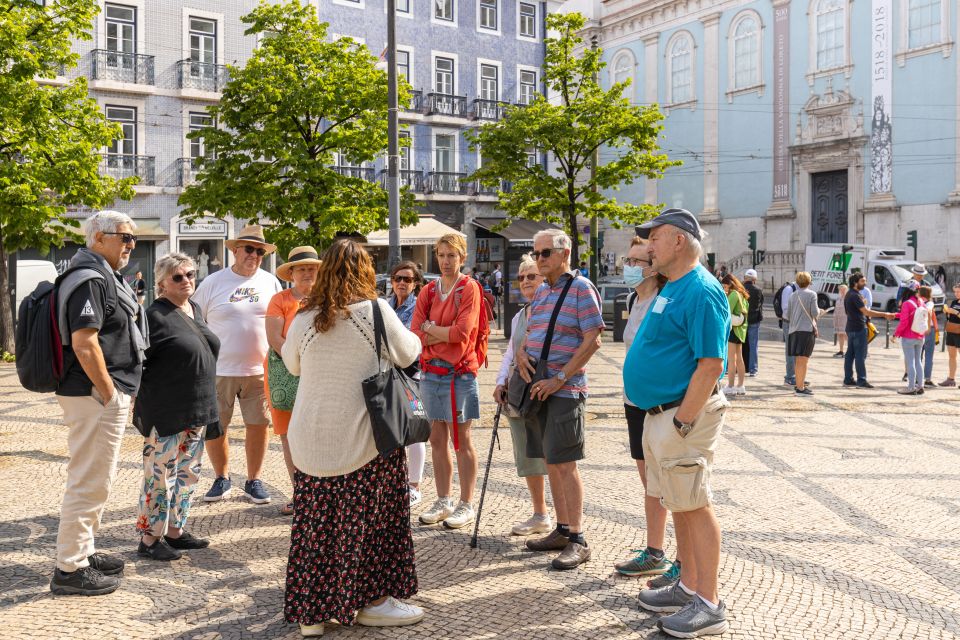
From there, you head down toward the Carmo convent and church, known for Gothic architecture and for historical weight. The stop becomes more than aesthetics when the tour ties this location to the Carnation Revolution in 1974—an event that ended nearly five decades of dictatorship.
That mix matters. You get architectural context, yes, but you also connect Portuguese political history to real walls and street-level space. It gives Lisbon’s “old city” a modern edge.
This section tends to hit especially hard if you like history that connects to the present. Lisbon isn’t stuck in the past. It keeps carrying lessons forward.
You can also read our reviews of more historical tours in Lisbon





Santa Justa elevator and the view that earns the uphill effort
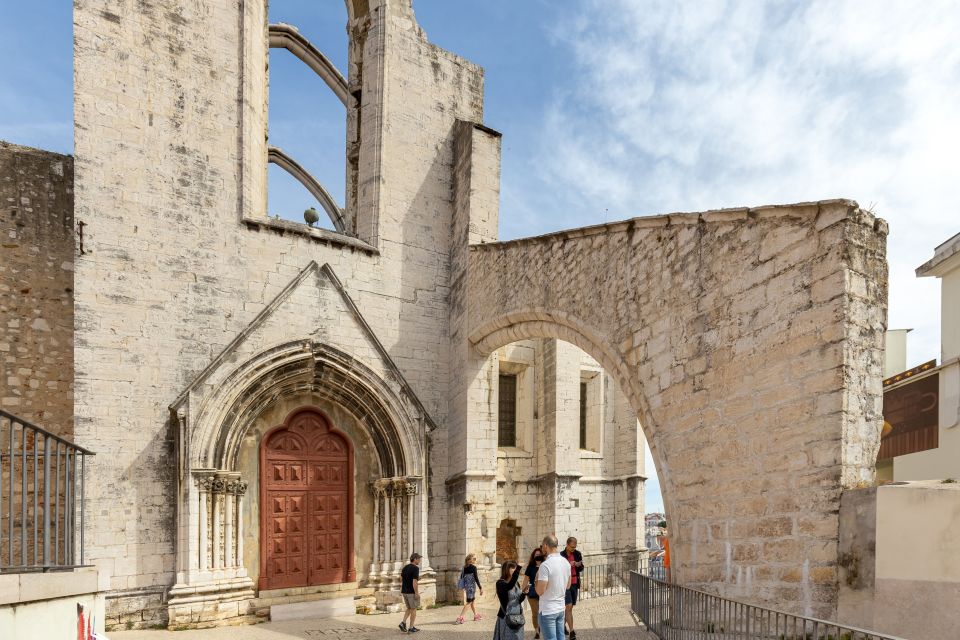
Next you reach the Santa Justa elevator, an imposing monument in the Gothic Revival style. Even if you don’t ride it (the tour frames it mainly as a viewpoint landmark), it’s hard to miss. The structure is dramatic, like it was built to be photographed from every angle.
Your guide uses it as a viewpoint anchor, one of the best angles for getting your bearings. And that’s the value: by the time you reach Santa Justa, the earlier miradouro stops start to “connect” in your mind.
Some guides have been praised for handling weather changes and even tram interruptions with calm flexibility. If conditions are rough, you’ll still have planned sightlines and places where the group can pause and reset.
Baixa connections and the tram ride up toward Portas do Sol
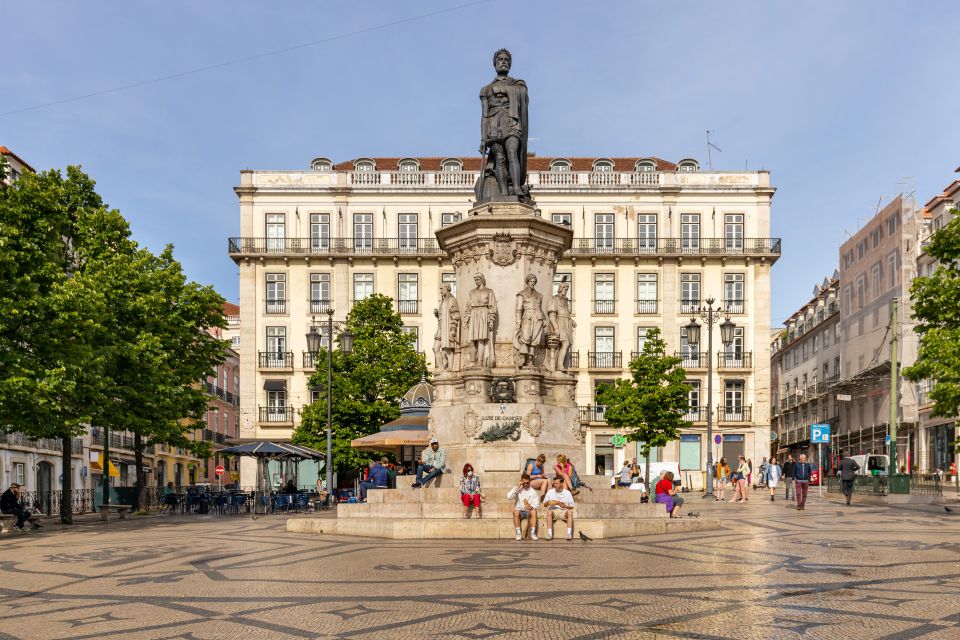
From Santa Justa, the tour makes time for Baixa—the heart of Lisbon. You see the kinds of attractions that define the central city, then you take a short break before the iconic part.
Now comes the tram ride: you’ll take an iconic Lisbon tram and travel up from the castle area toward Portas do Sol. This isn’t just for fun (though it is). It’s also a moving visual lesson. Lisbon’s hills feel different when you’re riding through them instead of climbing on foot.
At Portas do Sol, the tour spotlights a cluster of major landmarks:
- Monastery of São Vicente de Fora
- National Pantheon
- The gateway feeling of entering Alfama, Lisbon’s oldest neighborhood
This is a smart transition point because it cues you to slow down. Alfama is not the place for marathon walking. It’s for small pauses, side-street turns, and letting the sound of the neighborhood fill in the details.
Alfama’s fado streets and St. Anthony festival energy
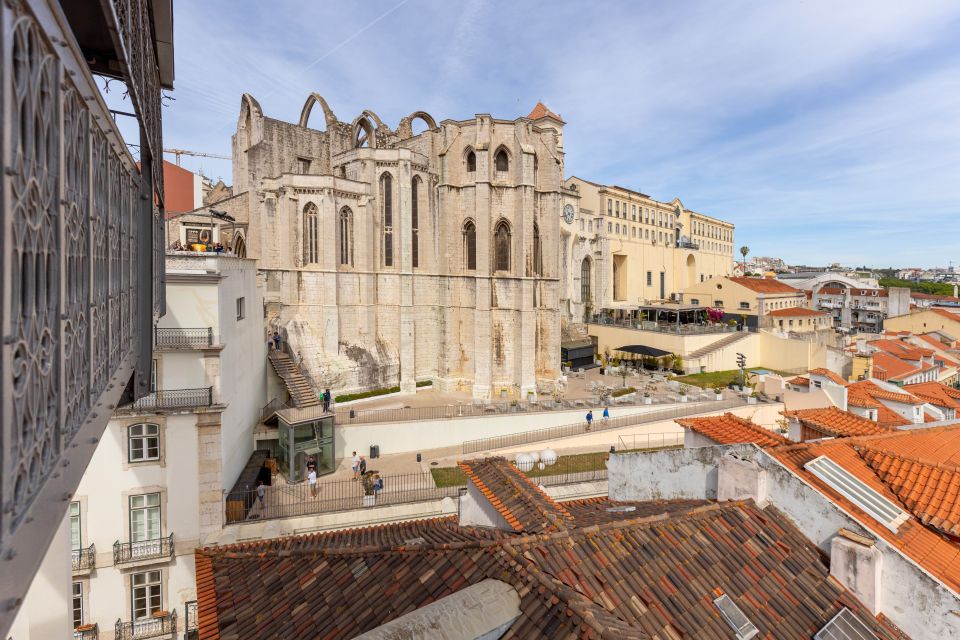
In Alfama, the tour shifts into traditional Lisbon life. You’ll pass through narrow streets and the type of neighborhood streets where fado houses naturally belong.
The tour also points out the role of saints and festivals—especially St. Anthony—as part of what makes Alfama feel alive across the year. Even if you’re not in the exact festival window, knowing this cultural rhythm helps you read what you see. You stop thinking of Alfama as a set of “pretty streets” and start treating it like a working neighborhood with rituals.
One more thing I appreciate: many recent guide reviews mention personal touches and local recommendations. People share that their guide gave them practical ideas for what to eat and where to go next. That kind of guidance is what makes a short tour feel like more than sightseeing.
Lisbon Cathedral ending: built in 1150, shaped by centuries
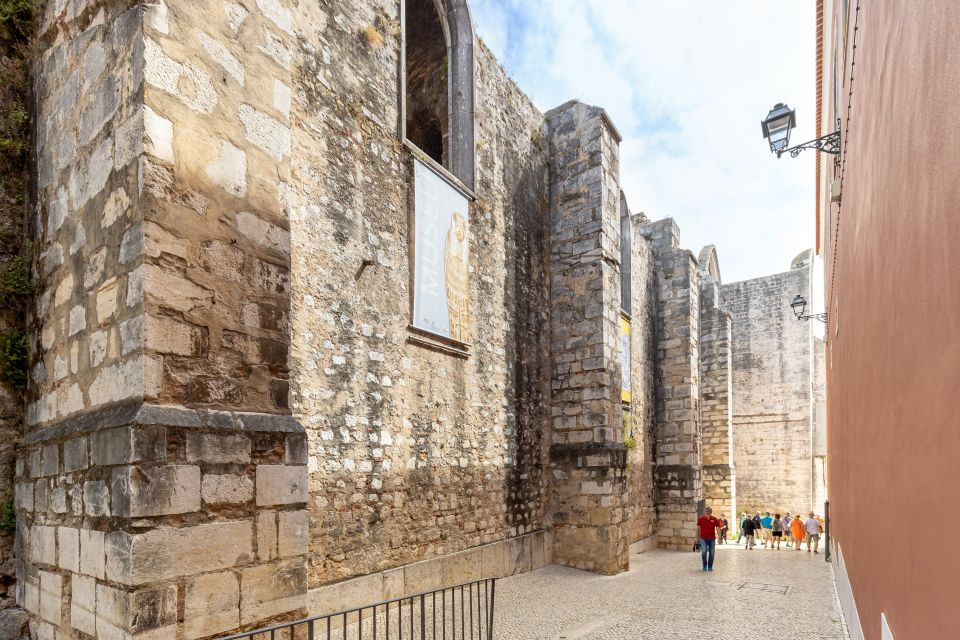
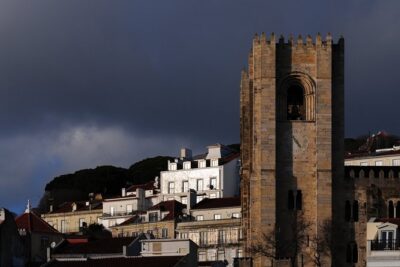
You finish at Lisbon Cathedral, founded in 1150, shortly after the city was taken from the Moors. Over time, it didn’t stay one style. Architectural changes left it a mix of different periods.
Ending here works because you’ve already traveled through Lisbon’s layers: old districts, religious art, Gothic church architecture, earthquake-era development, and modern political history. The cathedral gives the last “big picture” anchor, tying together time periods in one final stop.
If you like clear endings, this one does it. You walk out with a sense of Lisbon’s timeline, not just a list of places.
Coffee and cake: the food stop that keeps the tour human
The tour includes coffee and cake, and in practice this often means Lisbon’s sweet pastry culture. In guide reviews, I’ve seen specific praise for espresso and pastel de nata style stops, which makes sense given how common that treat is in Lisbon.
I like this included break for two reasons:
- It prevents the tour from turning into nonstop stair-climbing.
- It gives your guide a moment to talk without competing with your motion.
It also helps social dynamics. People mentioned meeting others during the coffee stop, and that makes a group tour feel warmer without being forced.
There’s one more practical plus: some guides have handled dietary needs kindly. One vegetarian guest reported a swap to a vegan option during the pastry moment. If food matters to you, that’s a good sign the guides think on their feet.
Price and value: why $29 feels fair for a 3-hour sampler
At $29 per person for 3 hours, this tour is priced like a serious primer, not a budget gimmick. Here’s what you’re really buying:
- a live local guide
- a tram trip
- a walking route through multiple neighborhoods
- coffee and cake included
If you tried to recreate it on your own, you’d spend more than that once you factor in time, transport, and paying for guided context at each stop. The tram portion alone adds value because it’s one of Lisbon’s most iconic rides, and it’s placed right when you need it—after you’ve built up an understanding of the city’s hills.
Also, reviews suggest the tour is often run in small groups or private options, which can make it easier to hear your guide and ask questions without feeling like you’re shouting over other people’s conversations.
Who this tour fits best (and who should think twice)
This tour fits you best if:
- you want a first-day overview that helps you choose where to return later
- you like stories tied to architecture and real events
- you enjoy viewpoints and don’t mind some hills
You should think twice if:
- you dislike stairs and steep slopes
- you want a slow museum-heavy day with long sit-down time
- you hate group walking and prefer fully independent exploration
That said, multiple recent reviews mention the pacing stays relaxed, with plenty of photo opportunities and regular stopping points. So it’s not a “march for three hours” type of deal.
Should you book this Lisbon History, Stories and Lifestyle Walking Tour?
I’d book it if you want to get oriented quickly, learn the why behind the sights, and end with a practical feel for where to go next. The route is tight enough to fit into a short visit, but it covers major districts—Bairro Alto, Baixa, Portas do Sol, and Alfama—so you don’t leave Lisbon only knowing one neighborhood.
It’s also a smart pick for families, solo travelers, and couples who want history without lectures. The guide-driven storytelling—seen repeatedly in praise for guides like Paulo, Ana, Beatrice, Ricardo, Lucía, Raquel, Helena, Claudio, Margarida, Juan, João, and others—seems to be the tour’s real engine.
If you’re standing in Lisbon thinking, I need a plan, this is one of the better ways to make the city click.
FAQ
How long is the Lisbon History, Stories and Lifestyle Walking Tour?
The tour lasts about 3 hours.
How much does the tour cost?
It’s $29 per person.
Where does the tour start?
The meeting point may vary depending on which option you booked.
Is hotel pickup included?
No. Hotel pickup and drop-off are not included.
What’s included in the price?
A live guide, a walking tour, a tram trip, plus coffee and cake are included.
Is the tram ride included?
Yes, the tour includes an iconic Lisbon tram ride.
What neighborhoods and sights are covered?
You’ll see Bairro Alto, Miradouro São Pedro de Alcântara, São Roque Church, Carmo convent and church, Santa Justa, Baixa, Portas do Sol, Monastery of São Vicente de Fora, the National Pantheon, Alfama, and Lisbon Cathedral.
What languages are available for the live guide?
Portuguese, Spanish, Italian, German, French, and English.
Are private or small-group options available?
Yes. Private or small groups are available.
Can I get a refund if my plans change?
You can cancel up to 24 hours in advance for a full refund.