REVIEW · FOOD
Winner 2025 Undiscovered Lisbon Food & Wine Tour by Eating Europe
Book on Viator →Operated by Eating Europe Food Tours Lisbon · Bookable on Viator
Lisbon can be a lot of walking, a little confusing, and a ton of choices. This tour turns the chaos into a clear food plan, with seven tastings spread across classic taverns and lesser-known spots. You also get cultural context at every stop, so the dishes make sense, not just taste good.
Two things I’d strongly recommend: first, you sample a mix of Portuguese comfort food and outside influences like Mozambican flavors. Second, the group stays small (max 12), which means your guide can keep things moving and still answer questions without herding people like luggage.
One thing to consider: you’re dealing with Lisbon hills and stairs. The tour is marked for moderate fitness, and some stops involve climbing, plus the pace can feel active if you’re not used to getting around on uneven streets.
In This Review
- Key Things to Know Before You Go
- Starting at Praça dos Restauradores: Lisbon’s Classics Before You Eat
- Ginjinha Popular: Fireman Chorizo and Bifana in a Proper Tavern
- A Church Photo Stop That Helps You Orient the Old City
- Cantinho do Aziz and Mouraria: Mozambican Influence Meets Fado Roots
- A Tasquinha Canto do Fado: VIP Fado-House Dining in Real Portuguese Style
- The Viewpoint Break: Downtown Lisbon and the Tagus River
- São Jorge Area Snacks: Peixinhos da Horta, Wasabi Mayo, and Green Wine
- Santo António Finish: Pastel de Nata to End the Loop
- What You Actually Get for $125.77: Value, Not Just Price
- Pacing, Shoes, and Dietary Reality Checks
- Who This Lisbon Food & Wine Tour Fits Best
- Should You Book? My Call
- FAQ
- How many tastings are included?
- How long is the experience?
- What’s included in the tour price?
- Do I need to bring a printed ticket?
- Is the group small?
- Can the tour accommodate dietary restrictions?
Key Things to Know Before You Go

- Small group size (up to 12) for a friend-to-friend vibe instead of a huge bus tour
- Seven tastings at five eateries, not one or two “main” stops that leave you hungry
- Mouraria focus, including the neighborhood’s fado roots and public art by Camilla Watson
- Fado-house VIP access paired with a full Portuguese dinner-style tasting set
- Drinks are part of the experience, with beer or wine paired at multiple stops
- A hill-and-view moment from São Jorge area, where snacks meet serious skyline views
Starting at Praça dos Restauradores: Lisbon’s Classics Before You Eat
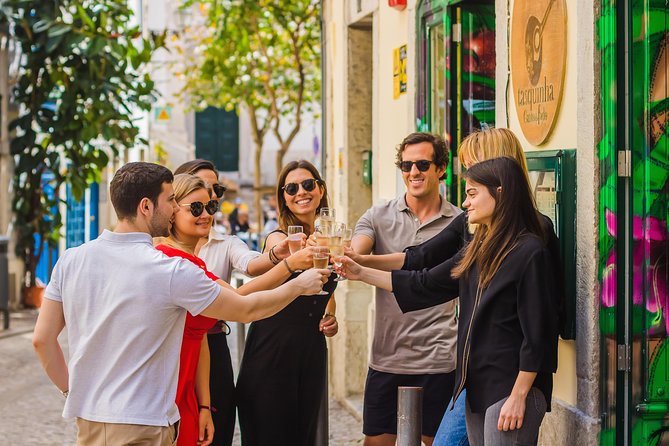
You meet near Praça dos Restauradores, a smart launching pad. It’s central, easy to reach by public transport, and it puts you close to the part of town where Lisbon’s dining culture shows up fast. From there, you’re not wandering blindly. You’re walking with a plan and a storyline.
Before the food starts piling up, you get context on the city itself: the route includes an iconic street where Lisbon’s past (including Moorish influence) connects to today’s restaurant-and-theater culture. Even if you’ve seen Lisbon postcards already, this kind of quick orientation helps you notice details later on your own.
The big value here is that the tour doesn’t treat food like trivia. It frames why certain dishes show up where they do, and how neighborhood identity shapes what people order. That makes the tastings feel like a guided “map” rather than just sample plates.
You can also read our reviews of more food & drink experiences in Lisbon



Ginjinha Popular: Fireman Chorizo and Bifana in a Proper Tavern

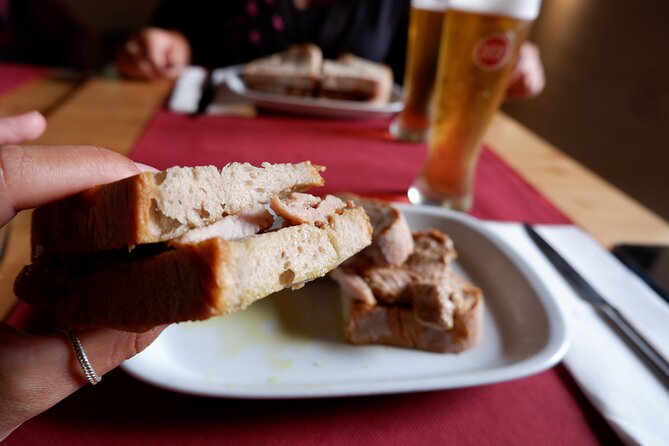
At Ginjinha Popular, you get the kind of Lisbon stop that feels instantly local. You start with a Portuguese tavern classic tasting: fireman chorizo plus a bifana pork sandwich. Your pairing is your choice of beer or wine, so you can match it to what you usually like.
Why this matters: bifana isn’t just tasty meat in bread. It’s a fast, everyday kind of food that fits how Lisbon eats on the go. Seeing how it’s served in a long-running tavern helps you understand why Lisbon dining isn’t always about elaborate courses.
The main tip here: come hungry, and don’t overthink the order. The tour gives you a mix of hot, salty, and savory bites. That balance sets you up well for the more specific flavors later.
A Church Photo Stop That Helps You Orient the Old City
Between tastings, the tour pauses for an unforgettable church photo moment at one of Lisbon’s oldest and most important churches. Even though you’re not sitting down here, it’s a useful beat in the walking rhythm.
This kind of stop does two jobs. It breaks up the eating schedule so you can breathe. And it gives you a landmark you’ll recognize later when you’re exploring on your own in the afternoon or evening.
If you’re the type who loves architecture, you’ll appreciate the quick focus. If not, it’s still worth it because it helps you orient the neighborhoods you’ll hit next.
Cantinho do Aziz and Mouraria: Mozambican Influence Meets Fado Roots
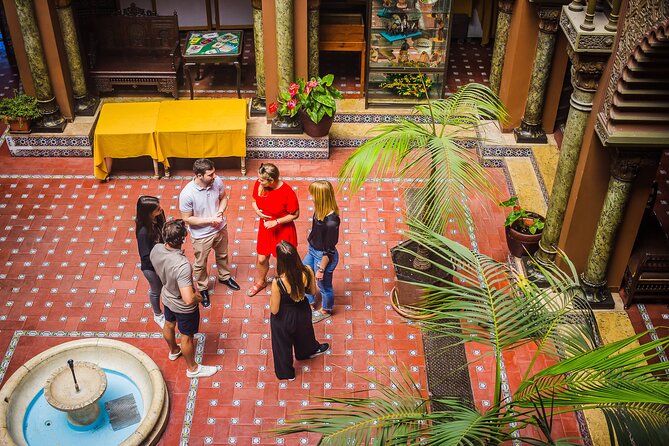
Next up is Cantinho do Aziz, a restaurant stop built around Mozambican influence in Lisbon cuisine. You’ll taste chamuças (Portuguese samosas) and sip an African beer. The tour also highlights the restaurant as one of the longest running Mozambican places in Lisbon, which gives the stop extra meaning.
This is one of my favorite ideas on the route: Lisbon’s food isn’t locked in one identity. It absorbed cultures through history, travel, and immigration, and you feel that in what people cook today. The Mozambican connection gives you a flavor contrast that stays grounded in Portuguese street food logic—savory bites, casual atmosphere, and bold seasoning.
Then you walk through Mouraria, one of Lisbon’s oldest neighborhoods and the birthplace of fado music. This neighborhood walk matters because it’s not just “pretty streets.” You get narrow lanes, a multicultural vibe, and the kind of daily life you won’t catch from major monuments.
There’s also mention of Camilla Watson’s murals, which show up as public storytelling. Look closely at what’s painted and you’ll see why the neighborhood’s history is still visible in the present tense.
Small practical note: Mouraria streets can be tight. Wear shoes with grip and expect a bit of stop-and-go walking.
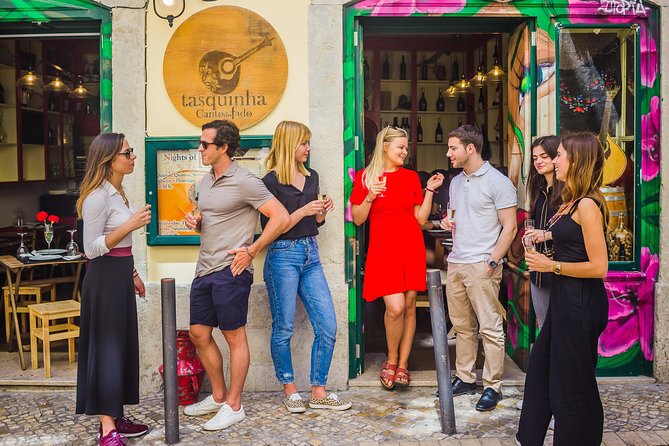
A Tasquinha Canto do Fado: VIP Fado-House Dining in Real Portuguese Style
Now you hit one of the tour’s biggest draws: a traditional fado house stop with VIP access. This is where the experience shifts from casual tavern tastings into something closer to a proper Portuguese dining moment.
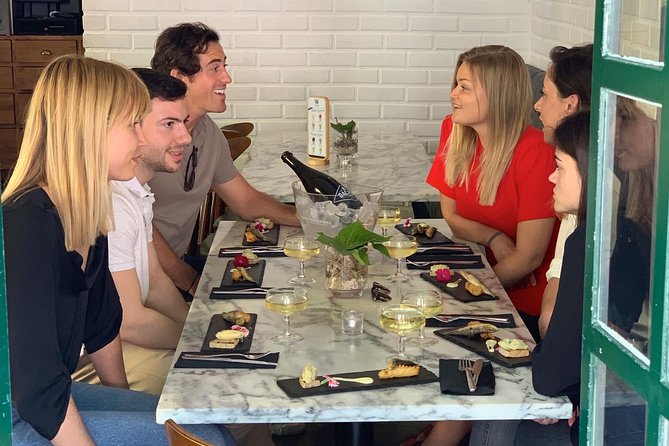
You start with octopus salad, then move into bacalhau à Brás (codfish with a comforting, egg-and-potato style). You’ll pair this with wine or beer, depending on what you choose.
The reason this stop lands so well is that fado and food belong together in Lisbon. You’re not just eating while walking past a landmark. You’re eating where Lisbon people go for atmosphere—music, room energy, and a sense of place. Even if you’re not a fado superfan, the “why” behind it makes the meal feel more intentional.
From the guide front, names like Fred, Carlos, Melissa, and Gabi (Gabriel) show up again and again in strong feedback, and a pattern emerges: the best moments aren’t only the recipes. It’s the way the guide connects dish choices to local culture so you understand what you’re tasting.
If you don’t drink: many stops offer non-alcohol pairings or you can usually focus on the food portion. Still, if you’re sensitive to alcohol or just don’t want any, ask in advance about what’s possible.
You can also read our reviews of more tours and experiences in Lisbon




The Viewpoint Break: Downtown Lisbon and the Tagus River
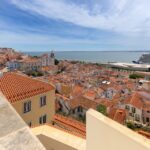
After the fado-house meal, you get a payoff: a viewpoint stop described as one of the best city lookouts, overlooking Lisbon’s downtown area and the Tagus River.
This moment is more than a photo pause. It’s a reset. After concentrated walking and concentrated flavors, the view gives you a mental map of what you just learned to notice. Suddenly, neighborhoods make sense in relation to the river and hills.
If you’re planning to continue exploring afterward, take a minute here to decide your next direction. This is where you can look at the sprawl and think: I want to go back there, later.
São Jorge Area Snacks: Peixinhos da Horta, Wasabi Mayo, and Green Wine
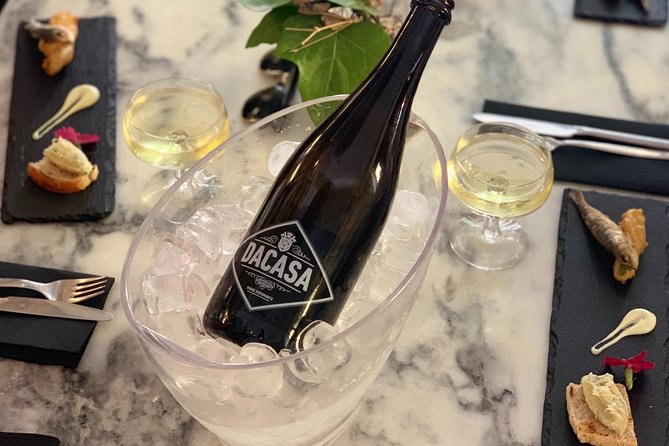
The São Jorge stop brings another classic Portuguese “comfort food” vibe. You try peixinhos da horta, which the tour translates as little fish from the garden. It’s breaded and fried green beans, served with homemade wasabi mayonnaise. Then you get a Portuguese cheese board paired with sparkling green wine.
This is the kind of tasting sequence that keeps things interesting without being random. You’ve had breaded fried flavors already. Now you see how Portuguese “snack logic” can show up in different ingredient forms—beans treated like a favorite seafood-style bite.
And yes, the wasabi mayo is an outside twist. That’s what makes the stop memorable: it’s not just trying to be Portuguese again and again. It’s letting Portuguese cooking meet modern or cross-cultural touches while staying friendly and familiar.
Also, expect some hill movement. Some feedback calls out that you’ll climb toward the castle area. Even if it’s not extreme, plan for it. Bring water if you like to sip between stops, and don’t wear anything that hates walking.
Santo António Finish: Pastel de Nata to End the Loop
The route finishes with a pastel de nata tasting in the Santo António area. The tour notes that the ending location may vary, but the pastry tasting is part of the guaranteed close.
Pastel de nata isn’t only dessert. It’s Lisbon’s signature “okay, now we’re done eating” marker. Finishing with something eggy, creamy, and caramelized also balances the earlier savory bites so you don’t feel like you’re dragging your stomach to the end.
If you’re planning dinner later that night, keep this in mind: after a tour like this, most people don’t want a huge meal right away. You’ll be set up for a lighter dinner or an earlier night out.
What You Actually Get for $125.77: Value, Not Just Price
At about $125.77 per person for about 3 hours 30 minutes, you’re paying for three things: access, guidance, and food volume.
Here’s what that means in real terms:
- Seven tastings across five eateries means you’re not stuck in one place. You get variety with minimal decision fatigue.
- You’ll sample Portuguese dishes and drinks that fit the local rhythm: tavern bites, a Mozambican-inflected stop, and a fado-house dinner set.
- Small-group format (max 12) keeps quality of interaction high. If your guide shares stories and context, you actually get to hear them rather than shout over a crowd.
Is it a “cheap” tour? No. But it’s also not priced like a single museum ticket. You’re buying a guided food route through Lisbon’s neighborhoods, with drinks included at several stops and VIP access at the fado house.
The only value-check I’d encourage: treat the tastings as tastings, not a full sit-down feast that replaces dinner completely. You’ll likely eat plenty, but the tour is built as a guided sampler across Lisbon—not a single restaurant’s full menu.
Pacing, Shoes, and Dietary Reality Checks
This tour is labeled for moderate physical fitness, and Lisbon’s terrain shows up. Expect hills and at least some stairs. One review note even points out the hill climb toward the castle. So: wear comfortable shoes. Your feet will do the rest of the “VIP access” work.
Dietary needs are handled with care, as long as they’re communicated. The tour says you can email or add a note at booking for help with vegetarian, gluten-free, or other dietary needs. It also warns that it isn’t suitable for severe or life-threatening allergies to ingredients found on the tour.
So if you have a serious allergy, don’t assume substitutions will work. You’ll want to be very explicit ahead of time, and even then, plan carefully.
One more practical point: the tour has a mobile ticket and runs in English with a local guide. Since it ends at a different location than it starts, I suggest keeping your plans flexible right after the tour so you’re not sprinting to the next booking.
Who This Lisbon Food & Wine Tour Fits Best
This is a great match if you want:
- a fast way to learn Lisbon through its food, with context at each stop
- a mix of classic Portuguese dishes and outside influences like Mozambican flavors
- the chance to experience a fado house setting instead of just hearing about it
- a small-group atmosphere led by guides with strong track records, including names like Melissa, Fred, Carlos, Kriszti, Annette, Camila, Amanda, and Gabi (Gabriel)
It’s not the best match if:
- you have severe food allergies and can’t rely on safe substitutions
- you hate stairs or you know you’ll struggle with uneven hill walking
Should You Book? My Call
If you want one guided “starter course” for Lisbon, this tour is an easy yes. The strongest part of the format is the mix: tavern classics like bifana, neighborhood context in Mouraria, a Mozambican-influenced stop at Cantinho do Aziz, and a fado-house meal with VIP access. Then you finish with São Jorge comfort bites and a pastel de nata closer.
Book it if you like eating your way through neighborhoods and you want practical guidance for what to hunt down later on your own. Skip it if hills and stairs are a dealbreaker, or if your dietary situation requires accommodations beyond what’s explicitly supported.
FAQ
How many tastings are included?
The tour includes seven tastings across five different eateries.
How long is the experience?
It runs about 3 hours 30 minutes.
What’s included in the tour price?
You get a local English-speaking guide, VIP access to a fado house, selected tastings (small plates), and Food & the City insider tips. Extra drinks are not included.
Do I need to bring a printed ticket?
No. It uses a mobile ticket.
Is the group small?
Yes. The tour has a maximum of 12 travelers.
Can the tour accommodate dietary restrictions?
The tour says you can request help for vegetarian, gluten-free, and other dietary needs by emailing or adding a note at booking. It also notes it isn’t suitable for severe or life-threatening food allergies.