REVIEW · 2-HOUR EXPERIENCES
Lisbon: 2-Hour Pastel de Nata Cooking Class
Book on GetYourGuide →Operated by Compadre Cooking School · Bookable on GetYourGuide
Pastel de Nata is everywhere, yet it’s still magic when you make it yourself. In this 2-hour class in Lisbon, you’ll work right in the kitchen with chefs Anna and Marta, learning the tart technique (and the story behind it) while you cook.
What I liked most: the class makes Pastel de Nata feel doable for non-bakers, not like a complicated pastry stunt. I also really enjoyed that you don’t just watch—you get to make two Portuguese treats, then sit down for a shared light meal with what you produced.
One caution: you’ll stand for about 1h20, and it’s not recommended for people with back problems.
In This Review
- Key Things to Know Before You Go
- Where the Class Happens (and Why It Matters)
- The Pastel de Nata Story You’ll Actually Remember
- Make Pastel de Nata: What You’ll Do in the Kitchen
- You’re not starting from raw dough magic
- Custard is taught as practical, not mysterious
- Baking and timing are part of the lesson
- The Second Portuguese Dessert: A Nice Twist
- The Tasting Moment (and the Light Meal Part)
- Price and Value: Is $64 a Good Deal?
- Who This Class Fits Best (and Who Should Skip It)
- Practical Tips Before You Show Up
- Should You Book This Pastel de Nata Class?
- FAQ
- How long is the cooking class?
- What recipes are included?
- Is the class taught in English?
- Where do I meet for the class?
- Is pickup or drop-off included?
- What food and drinks are included?
- Do I need to bring ingredients or cooking tools?
- What should I bring with me?
- Is it suitable for vegan diets?
- Is it okay if I have back problems?
- Are pets allowed?
Key Things to Know Before You Go
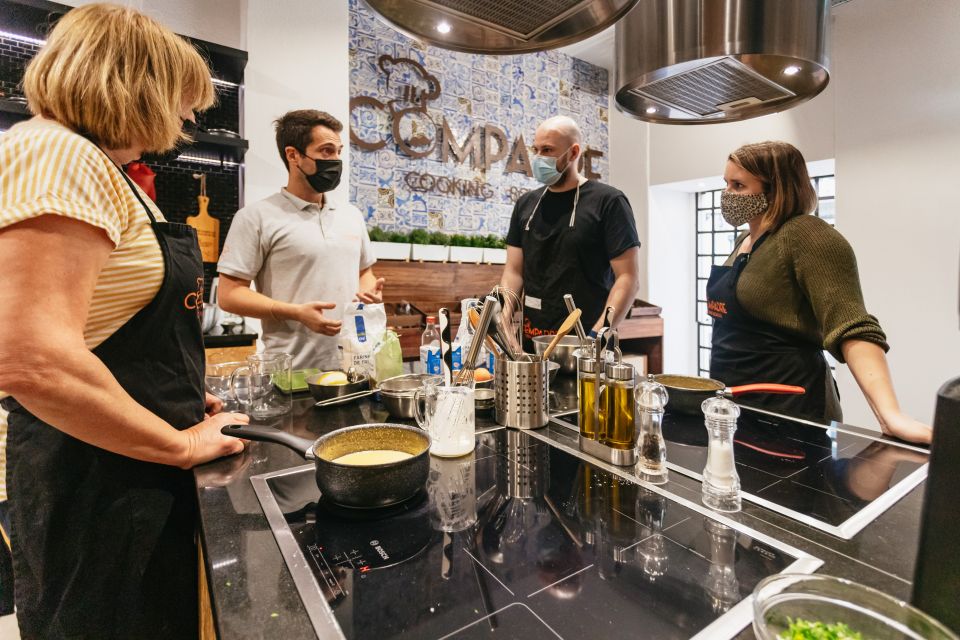
- Hands-on, not just watching: you’ll actively make your pastries in the kitchen.
- Two recipes in one session: Pastel de Nata plus a second traditional Portuguese dessert.
- Meet your chefs in the working kitchen: no formal tour bus setup—just a real prep space.
- Technique focus, not complicated from-scratch baking: dough and custard are simpler than you may expect.
- English instruction: you’ll follow step-by-step in English with the chefs guiding you.
- Vegan-friendly is limited: Portuguese cuisine isn’t very vegan friendly, so plan ahead if needed.
Where the Class Happens (and Why It Matters)
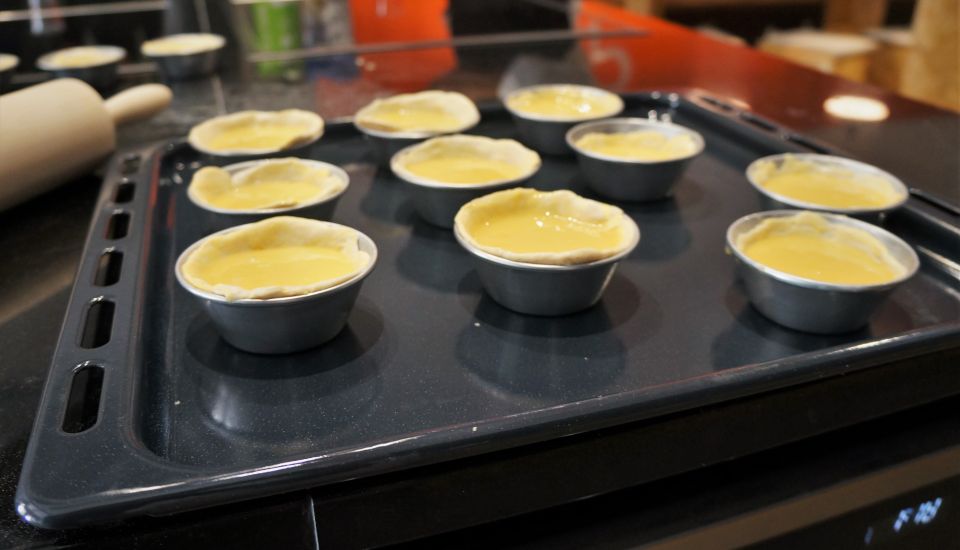
This isn’t a demo in a classroom. You meet in the kitchen of the local partner’s meeting location, so you start in the real work zone. That small detail changes everything: it feels like you’re joining a family cooking moment, not attending a performance.
The kitchen setup is part of the appeal. Multiple participants note it’s clean and well equipped, and at least one person mentioned air conditioning as a welcome bonus during Lisbon’s warmer days. Even if you come from sightseeing in the heat, you’ll likely feel more comfortable once you’re in.
Also note what you’re not dealing with: there’s no pickup or drop-off included. You’ll need to get yourself there on your own. For a 2-hour class, that matters because you can’t “flex” time with transfers. Plan to arrive a few minutes early, get settled, and start cooking without rushing.
Finally: comfortable shoes. The class involves standing for roughly 1 hour and 20 minutes, so treat it like a light walking day, not a sit-and-smile museum stop.
You can also read our reviews of more cooking classes in Lisbon


The Pastel de Nata Story You’ll Actually Remember
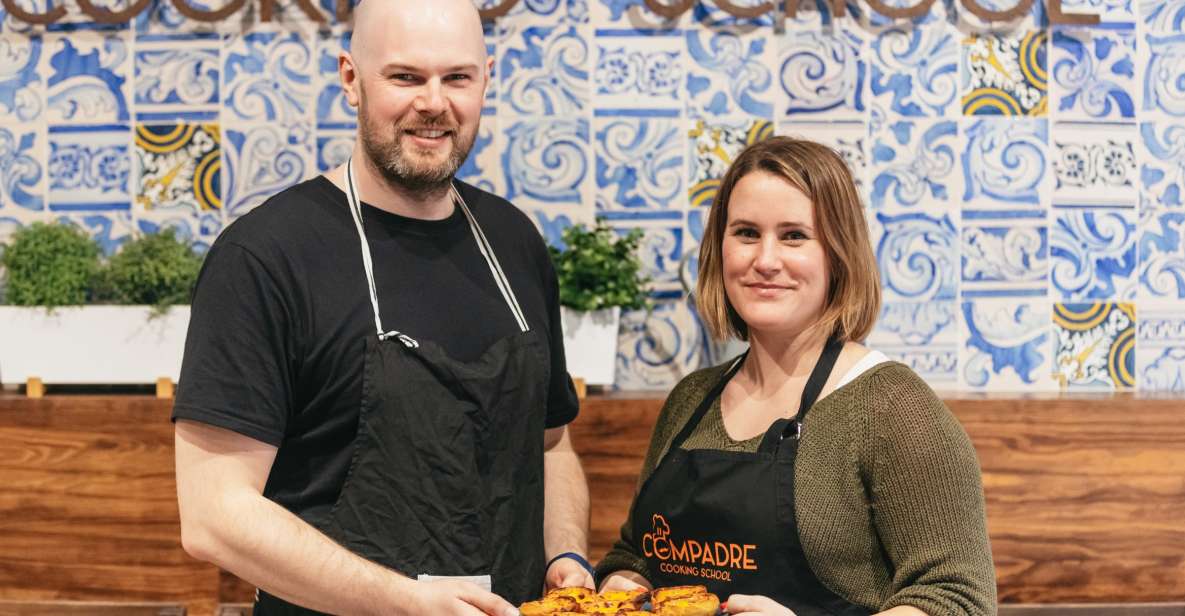
Pastel de Nata traces back to 19th-century origins connected to monasteries, and it grew into Portugal’s iconic pastry—so iconic it’s basically a national symbol. That context is more than trivia. When you understand that this tart comes from humble beginnings and a craft that spread beyond its original walls, the technique makes more sense.
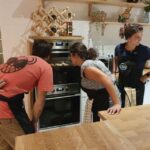
In class, you’ll hear the history while you cook. The chefs explain what matters and why—especially how to handle the pastry and the custard so the final tart comes out with that signature contrast: crisp edges, creamy interior, and a top that caramelizes instead of turning dull.
If you care about eating well in Lisbon beyond just ordering famous things, this is a smart move. You’re learning the “how,” not only the “what.”
Make Pastel de Nata: What You’ll Do in the Kitchen
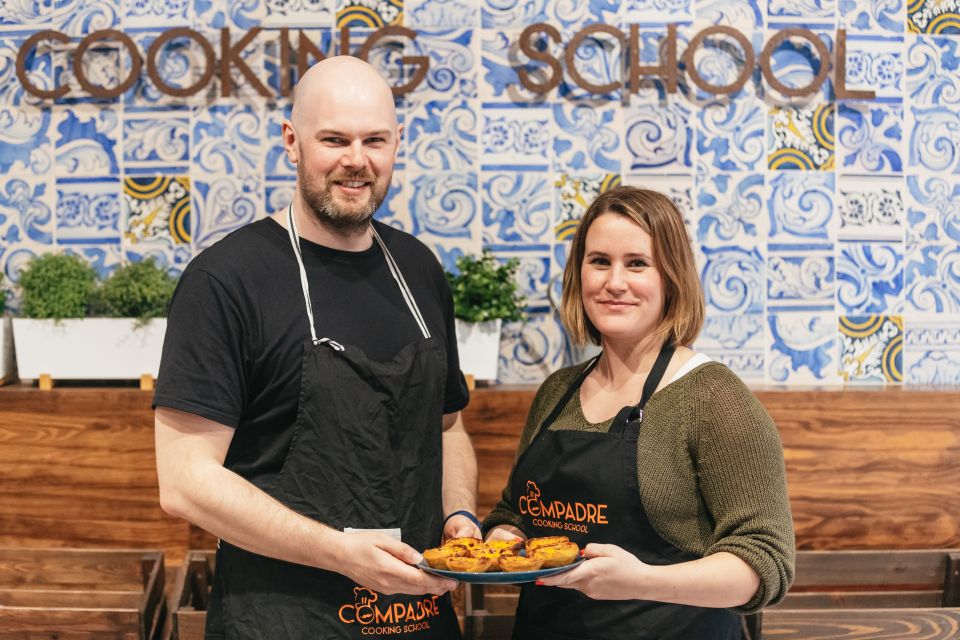
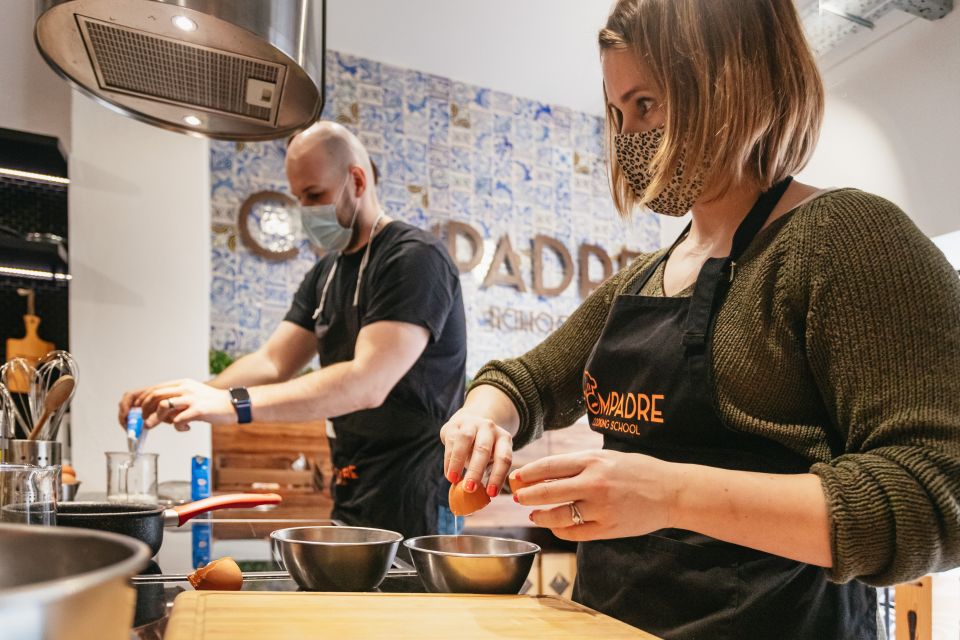
The core of the experience is simple in concept: you’ll make your own egg tarts. The hands-on part is the best payoff because you’ll leave with a clear process you can repeat at home.
Here’s what you should expect, based on how the class is structured and how participants describe the experience:
You’re not starting from raw dough magic
One useful reality check: some participants say the dough is pre made. That means you’re focusing on skills that matter—rolling/handling the pastry to fit the molds, filling properly, and baking to get the right texture—rather than spending your entire session learning pastry dough from scratch.
If you’re a nervous beginner, this is good news. You’ll still learn technique, but you won’t feel crushed if your first attempts aren’t perfect.
Custard is taught as practical, not mysterious
The custard is described as very simple by some participants. Again, that’s practical. You’re learning how to combine and portion it so the tarts bake evenly, set correctly, and don’t end up watery or scrambled.
You can also read our reviews of more tours and experiences in Lisbon




Baking and timing are part of the lesson
Even if dough and custard are straightforward, timing and oven results matter. The chefs guide you so you can see how the finished tarts should look. That visual cue is gold when you’re cooking again later at home.
By the end, you don’t just have a pastry. You have a mental recipe. And that’s the difference between eating a tart in Lisbon and bringing Lisbon to your kitchen.
The Second Portuguese Dessert: A Nice Twist
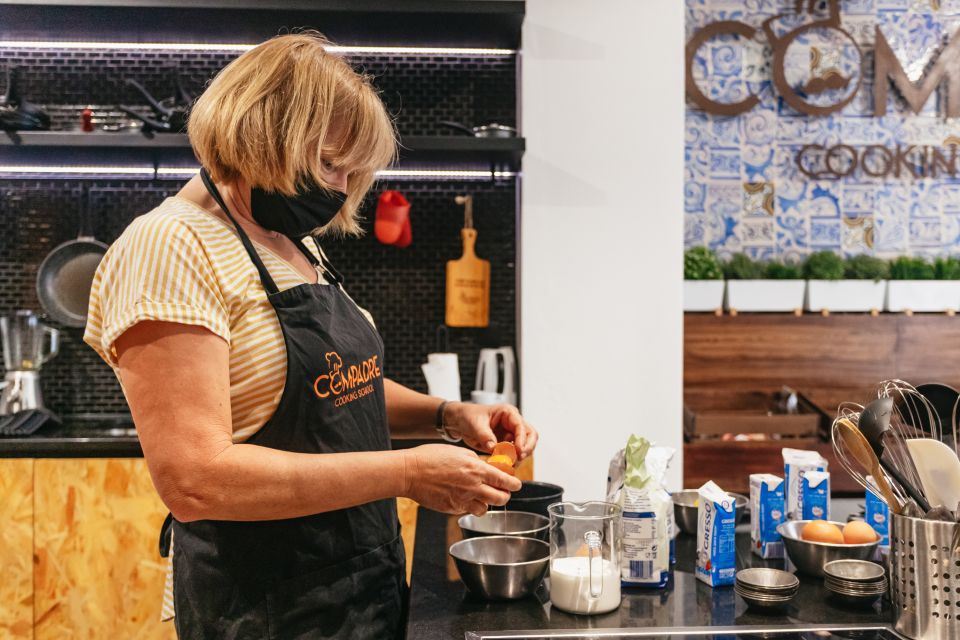
The package promise is two Portuguese recipes: Pastel de Nata plus another traditional treat. The second recipe can vary, and participants mention a few options, including:
- merengue/custard-style desserts such as farófios
- cod-based options such as cod fritters (described as bacal[a]o cakes or cod fritters in some accounts)
What this means for you: don’t worry if your second dessert name differs from what you expected when you booked. The point is that you’ll learn a second Portuguese method and not walk away with only one pastry skill.
This second course also makes the class feel more like a real cooking session. You’re not repeating the same motion twice; you’re switching gears and getting a broader taste of Portuguese home-style sweets and savories.
The Tasting Moment (and the Light Meal Part)
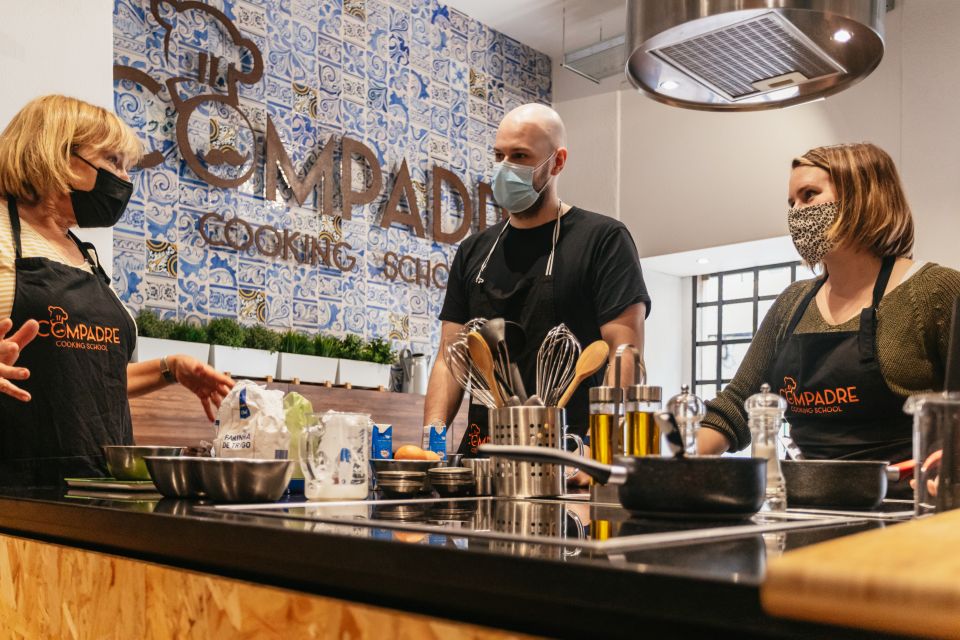
After you cook, you sit down together and enjoy a light meal to share. The class is built around that rhythm: hands-on cooking first, then tasting what you made.
Tea is included, and the description also mentions tea and coffee. One participant noted coffee or tea wasn’t offered when they arrived, but water was out at the end. So here’s my practical advice: if you’re thirsty right when you sit down, don’t hesitate to ask for water promptly. You shouldn’t have to hunt for it.
One more small but useful benefit: take-away recipes. You’re not only eating in the moment—you’re leaving with two recipes you can try again. That’s what makes a short 2-hour class worth the money instead of feeling like a one-time sugar hit.
And yes, the pastry is good enough that you might want to pace yourself.
Price and Value: Is $64 a Good Deal?
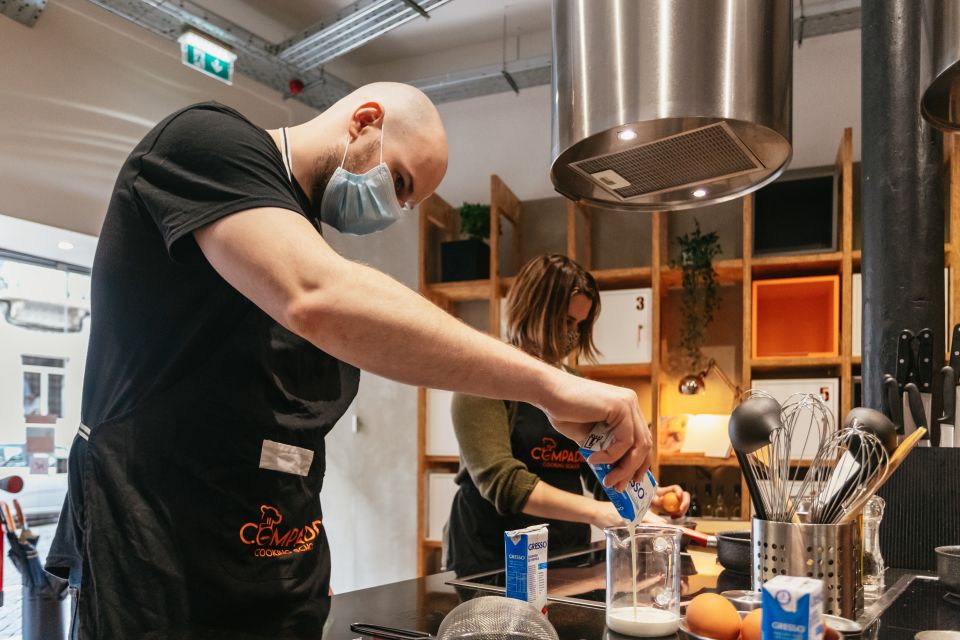
At $64 per person for a 2-hour class, you’re paying for three things at once:
- Instruction from working chefs (step-by-step guidance in English)
- Ingredients and equipment so you don’t buy anything just to do one workshop
- Two finished outputs plus take-home recipes
For Lisbon, this price often represents “learning time” more than “food value.” A typical bakery pastry is cheap compared to what you’d pay for a class, but you don’t get the technique, the method, or the ability to recreate the result.
So ask yourself this: do you want to eat Pastel de Nata in Lisbon, or do you want to understand why it turns out the way it does? If you’re the learning-type traveler (or you’re traveling with someone who loves food), this class is solid value. If you’re only chasing dessert, you may be better off buying tarts and spending that time elsewhere.
Also consider accessibility to skill. Because dough may be pre made and custard taught simply, it’s not an elite pastry bootcamp. You’re paying for clarity and coaching, not advanced training.
Who This Class Fits Best (and Who Should Skip It)
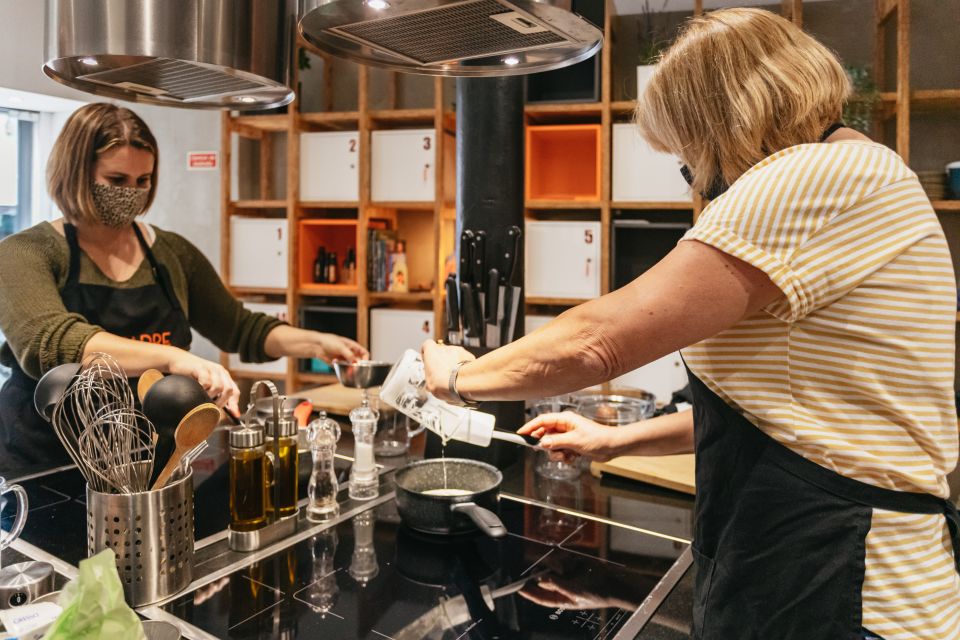
This is a great match if:
- you want an authentic food experience without needing culinary background
- you like interactive activities more than passive tours
- you’d enjoy meeting other people during a casual cooking session
- you want a practical souvenir you can use later (recipes + technique)
It may not fit as well if:
- you have back problems (you’ll stand around 1h20)
- you need fully vegan food (Portuguese cuisine isn’t very vegan friendly, and you’ll likely need to coordinate with the supplier beforehand)
If you’re an experienced cook, you might still enjoy it for the process and for how the chefs explain the tart-making logic. If you’re a total beginner, it’s one of the friendlier options because the class teaches you what matters and keeps the workload manageable.
Practical Tips Before You Show Up
A few small things will make your session smoother:
- Wear comfortable shoes. You’ll be on your feet for most of the class.
- Expect a real kitchen workflow. You might move between tasks—pastry handling, filling, baking, and cleanup.
- Go in with a beginner-friendly mindset. Some steps are taught in a simplified way (like pre made dough and straightforward custard), which helps you focus on results.
- Bring questions about dietary needs early. If you’re vegan, contact the supplier beforehand so they can advise on what’s possible.
- Plan your schedule around the 2-hour window. No long buffer for transit delays, since pickup/drop-off isn’t included.
Finally, if you’re hoping to feel extra cared for right on arrival (like a cold drink immediately), be prepared that some listed beverages may not always appear exactly as expected. Asking for water early is an easy fix.
Should You Book This Pastel de Nata Class?
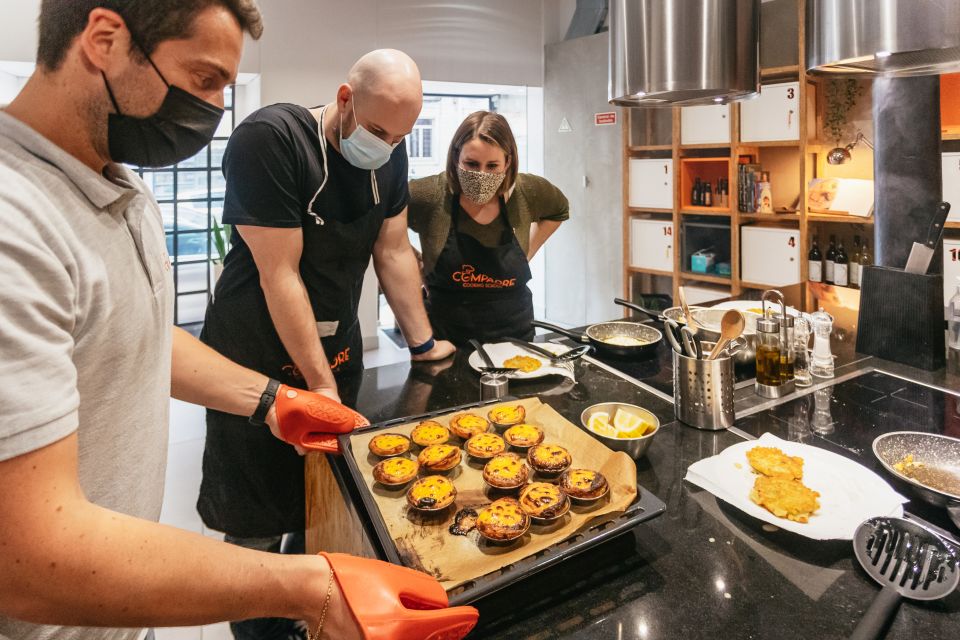
If you want more than a famous pastry photo, I’d book it. This class is built around technique, friendly coaching, and a satisfying finish: you make the tart, you make a second Portuguese treat, and you leave with recipes you can use at home.
Skip it if standing for about 1h20 would be uncomfortable for you, or if you need vegan food without any special coordination. Also skip if your only goal is dessert with zero interest in learning a repeatable method.
My quick decision rule: if you’d like to return from Lisbon and impress people with homemade Pastel de Nata, this is one of the best ways to spend a morning or afternoon doing something you’ll remember—because you’ll still be using it weeks later.
FAQ
How long is the cooking class?
The class lasts 2 hours.
What recipes are included?
You’ll make Pastel de Nata and another traditional Portuguese recipe, for a total of two Portuguese treats.
Is the class taught in English?
Yes, the instructor speaks English.
Where do I meet for the class?
You meet in the kitchen of the local partner’s meeting location in Lisbon.
Is pickup or drop-off included?
No. Pickup and drop-off are not included.
What food and drinks are included?
The class includes tea, and the description says you’ll also have tea and coffee, plus a light meal to share after cooking. Beverages beyond what’s listed are not included.
Do I need to bring ingredients or cooking tools?
No. Cooking equipment, utensils, and ingredients are provided.
What should I bring with me?
Bring comfortable shoes, since you’ll be standing for part of the class.
Is it suitable for vegan diets?
Portuguese cuisine isn’t very vegan friendly. Contact the local supplier beforehand if you’re vegan.
Is it okay if I have back problems?
It involves standing for about 1h20 and isn’t recommended for people with back problems.
Are pets allowed?
No, pets are not allowed.