REVIEW · COOKING CLASSES
Lisbon: Pastel de Nata Baking Class
Book on GetYourGuide →Operated by Homecooking Lisbon · Bookable on GetYourGuide
Pasteis de Nata start with your hands. In this class at Homecooking Lisbon HUB, you get hands-on step-by-step baking and Portuguese tastings like Porto wine while you learn what makes the custard and pastry work.
One consideration: this kitchen is not in the absolute center of Lisbon, and there’s no hotel pickup, so plan your trip to the meeting point ahead of time.
In This Review
- Key highlights you’ll care about
- Pastel de Nata at a Real Workbench, Not a Spectator Seat
- Price and What $64 Buys You in Lisbon
- Getting to Homecooking Lisbon HUB Without Stress
- What Happens in the 2-Hour Pastel de Nata Session
- 1) Welcoming the group and getting set up
- 2) Working with the dough: feel is part of the lesson
- 3) Custard basics: smooth filling, right consistency
- 4) Shaping and filling
- 5) Baking time: smell, wait, and learn what to look for
- 6) Taste your own pastel de nata with included drinks
- Why the Included Drinks Make the Class Better
- The Chef Factor: Patient Teaching and Clear Guidance
- Small-Group Timing: Enough Help, Not Too Much Waiting
- Tips to Get Better Results (Even if You Bake Less at Home)
- Pay attention to texture, not just steps
- Don’t overload the cups
- Eat soon after baking
- Ask what to look for at doneness
- Who Should Book This Pastel de Nata Class
- Should You Book This Pastel de Nata Baking Class?
- FAQ
- How long is the Pastel de Nata baking class in Lisbon?
- Where is the meeting point?
- What language is the class taught in?
- What is included in the price?
- Is hotel pickup or drop-off included?
- Is the class suitable for children or people with mobility needs?
Key highlights you’ll care about
- Real hands-on baking from dough feel to oven finish, not just watching
- Custard and pastry technique taught in small, manageable steps for a 2-hour session
- Included Portuguese drinks like homemade juice, coffee, Porto wine, and a ginginha tasting
- English instruction that keeps things clear from start to finish
- Small-group vibe with enough instructor attention to keep you moving
- You eat what you make straight after baking, when the pastries are at their best
Pastel de Nata at a Real Workbench, Not a Spectator Seat
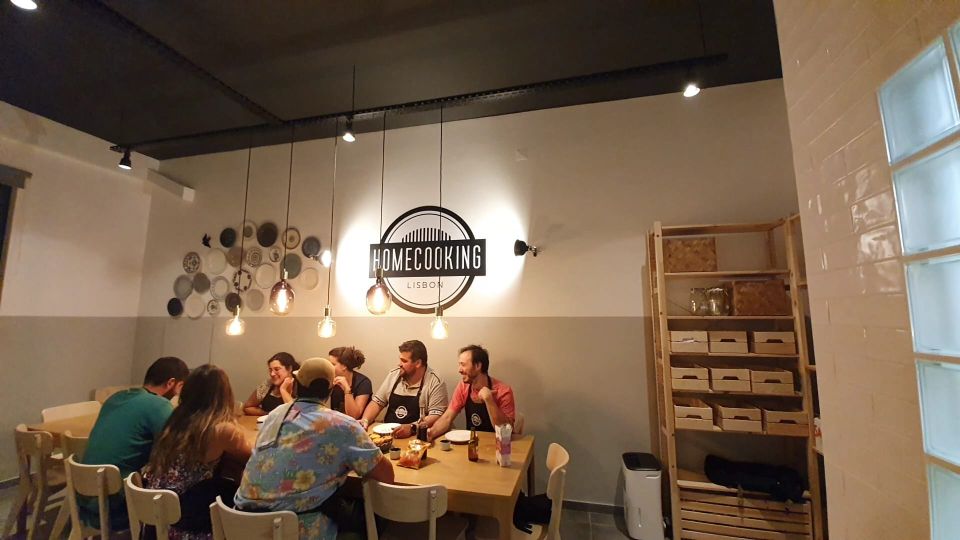
Lisbon’s pastel de nata is famous for a reason. But the real magic isn’t the name on a menu. It’s the texture contrast: a blistered, flaky pastry cup that holds a soft, creamy custard with a browned top.
What I like about this class is that it treats pastel de nata like a craft. You’re not just assembling ingredients. You’re learning how the dough should feel, how the custard behaves, and what to watch for so the result comes out right in an actual oven.
And the timing matters. This experience is built around a 2-hour rhythm, which means the session stays practical. You’ll be doing the work, but the teaching keeps pace so you’re not stuck waiting around for hours while someone else bakes.
There’s also a cultural layer. Along the way, you get Portuguese food context, and the included drinks help you connect dessert to the broader tastes of Lisbon. It turns a pastry moment into a mini evening out.
You can also read our reviews of more cooking classes in Lisbon


Price and What $64 Buys You in Lisbon
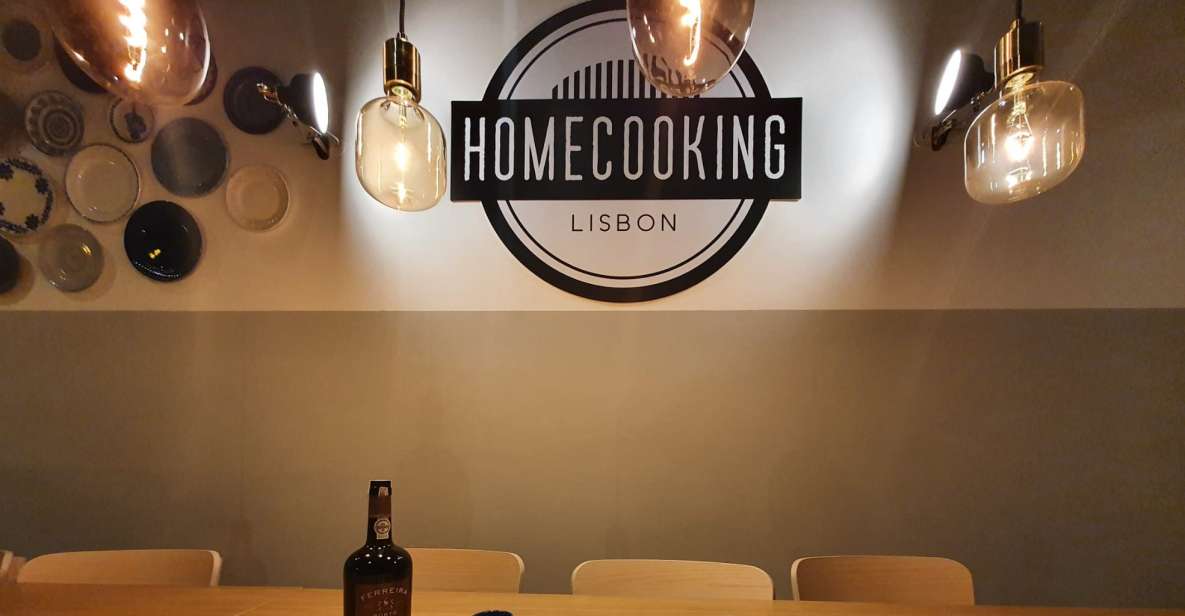
At $64 per person for about 2 hours, you’re paying for two things that matter on a trip: the guided know-how and the “everything handled” structure.
Here’s what’s included, and why it’s good value:
- All ingredients and cooking utensils are provided, so you’re not buying tools or hunting down supplies
- Instructors/chefs run the process, which is the hard part to learn from a recipe alone
- Drinks are included (homemade juice, coffee, water, Porto wine, and ginginha tasting)
- Insurance is included, which is one more piece of comfort when you’re booking an activity
The drawback to many food experiences is that you leave with photos and a vague memory. This one has a clearer return: you leave with the pastries you made, and you can recreate the steps later because you understand the technique, not just the outcome.
If you’re the kind of person who likes learning a skill you can repeat at home, this price tends to make sense. If you only want to eat pastel de nata, you might be happier skipping the class and just doing a tasting crawl. But if you want to understand why it works, the cost lines up with the service you’re getting.
Getting to Homecooking Lisbon HUB Without Stress
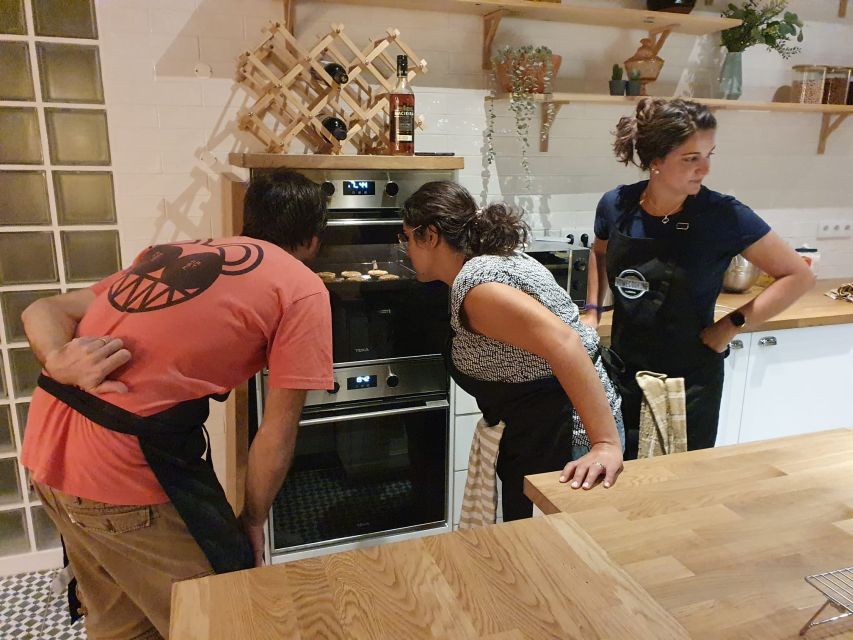
Your meeting point is Homecooking Lisbon HUB. There’s no hotel pickup, so plan to arrive under your own steam.
One practical detail: the hub may not be in the most central pocket of Lisbon. That’s not a dealbreaker, but it does change your day. Use a taxi if you don’t want to guess with public transit, or build extra time into your walking route.
What I’d do to make this smooth:
- Check your route early the day of class
- Give yourself a little buffer time so you’re not rushing into aprons and flour
- If you’re pairing this with other Lisbon plans, keep it as a “main event” chunk of your afternoon or morning
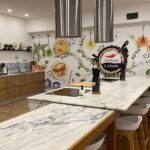
The benefit of meeting at a hub rather than floating around town is that the kitchen setup is ready. Less time commuting, more time working the dough.
What Happens in the 2-Hour Pastel de Nata Session
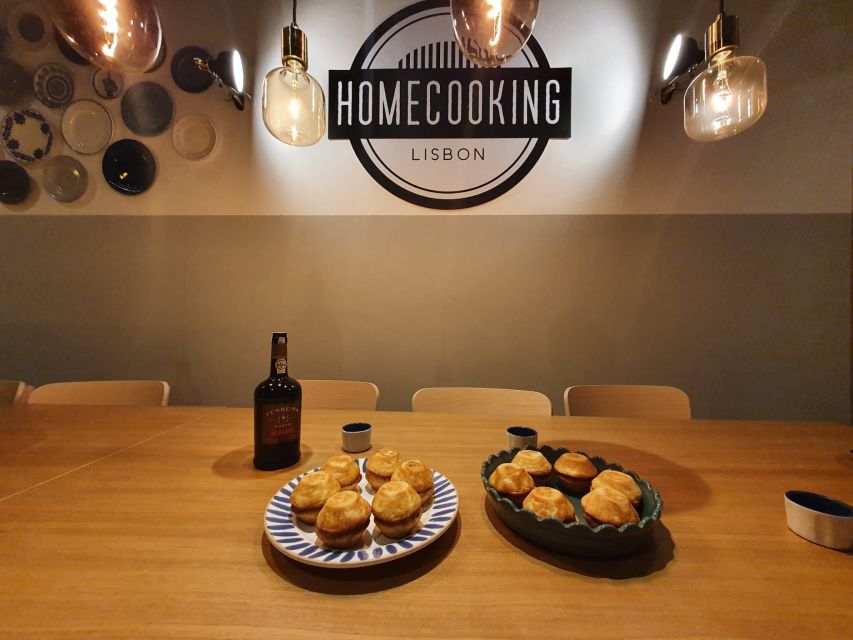
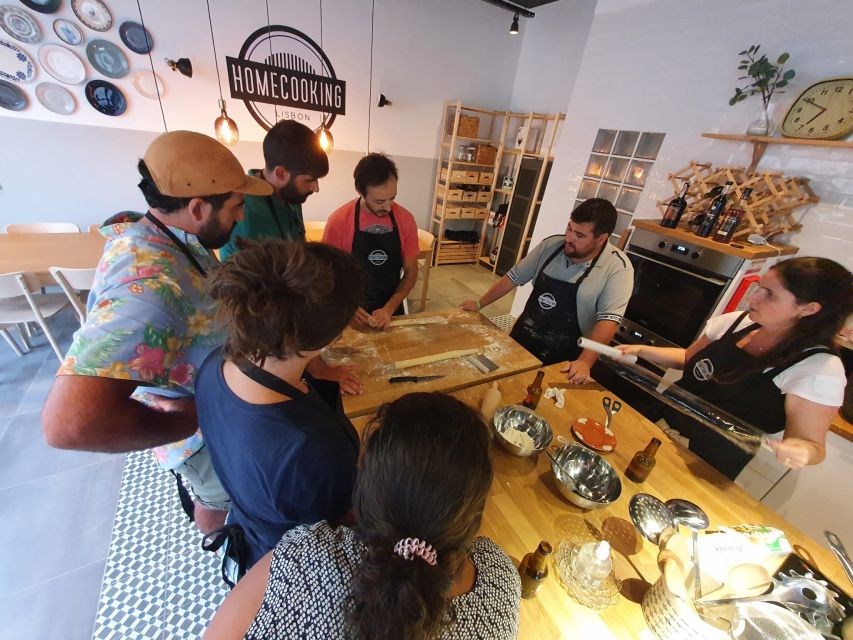
This is the kind of class where the schedule feels tight but fair. You move through the full process, from dough prep to baking, and you end by eating your own results.
1) Welcoming the group and getting set up
You’ll start in the kitchen with the materials already organized. The experience is taught in English, and instructors focus on clear step-by-step guidance so beginners aren’t lost.
You’ll likely notice that the class keeps you on track for the 2-hour window. Some ingredients may be pre-measured and portioned so you can spend time on the parts that require your hands and attention—especially the dough handling.
You can also read our reviews of more tours and experiences in Lisbon




2) Working with the dough: feel is part of the lesson
Pastel de nata pastry is about layering and technique. In the hands-on portion, you’ll get to work with the dough and feel the texture between your fingers.
This part is more important than it sounds. Recipes can say what to add, but they don’t always teach what the dough should feel like when it’s ready for the next step. Here, you get coaching for that.
Also, the dough segment teaches you a transferable skill: you learn how to follow technique cues, not just measurements. That makes it easier to repeat the process later.
3) Custard basics: smooth filling, right consistency
The custard is the heart of pastel de nata. You’ll be guided through making or preparing the custard mixture, with attention to how it pours and sets.
In a class like this, the goal is not to turn you into a pastry scientist. It’s to make sure you understand the key consistency signals so your final tart has that creamy interior with a browned top.
4) Shaping and filling
Once the pastry portioning is handled, you’ll shape and fill the cups. This is where the class becomes real baking practice. You’re learning how much to fill and how to handle the pastry without breaking the shape.
If you’re used to cooking at home, this is where you’ll appreciate instruction most. Small mistakes don’t ruin everything, but good technique helps your pastries look and bake correctly.
You might work in pairs depending on the session flow, which can be a positive if you’re traveling solo. It keeps the kitchen moving and makes it easier to ask questions while another person is working.
5) Baking time: smell, wait, and learn what to look for
Then comes the oven part. You’ll smell that classic pastry aroma when the tins go in. Baking is often where beginners panic—because you can’t see the custard setting until later.
This class helps you by guiding you on what “done” looks like. You’ll learn cues based on the baked top and overall pastry appearance, so you don’t need to guess next time.
6) Taste your own pastel de nata with included drinks
At the end, you tuck into what you made. This is the most satisfying moment because you taste the pastry at its best: warm, fresh, and right out of baking.
And you’re not eating dessert alone. Drinks are included during and after the experience, including homemade juice, coffee, water, Porto wine, and a ginginha tasting. That turns the class into a friendly, social food break rather than a rushed factory tour.
Why the Included Drinks Make the Class Better
Dessert classes can feel like sugar speed-runs. Here, the drink plan gives you pacing and context.
The drink lineup matters:
- Coffee helps balance sweetness and keeps the session feeling grown-up
- Homemade juice keeps it lighter if you want a non-alcoholic option
- Porto wine connects pastel de nata to Portugal’s classic pairing logic: rich sweets + fortified wines
- Ginginha tasting is a fun Lisbon-specific detail, since it’s tied to local drinking culture
It also changes the mood. You’re more likely to relax, chat, and actually absorb the technique when the experience includes more than just baking.
One more reason I like this setup: it gives you a sense of how Portuguese people might enjoy these flavors as part of everyday life, not as a standalone attraction.
The Chef Factor: Patient Teaching and Clear Guidance
You’re not left alone with a recipe. The instructor is listed as English-speaking, and the way the class is run gives you support at each step.
Depending on your session, you may work with different chefs. Names that show up include Beatrice, Marta, Miyuki, Pedro, Miguel, and Cynthia. Across these sessions, the consistent theme is that instructors keep things approachable—hands-on, attentive, and focused on getting you through each stage successfully.
What that means for you in practical terms:
- You can ask questions during the process rather than only at the end
- Beginners can participate without feeling behind
- People with some baking experience still benefit, because the class emphasizes method and timing
If you’re traveling with teens or friends who like doing something active, this is a good kind of cooking class. It’s not just a meal. It’s a shared task with a satisfying payoff.
Small-Group Timing: Enough Help, Not Too Much Waiting
This class runs in a kitchen format that aims for interaction. One booking mentioned a group size around 12 people, which is about right for hands-on work. Big enough to meet new people, small enough that an instructor can still spot when something needs adjusting.
The pacing also respects the reality of baking:
- Some parts need prep time
- Some parts are faster than they look
- Baking creates a built-in “pause,” which is where the drinks and conversation shine
If you’re the kind of traveler who hates standing around, the 2-hour structure is a plus. If you prefer very long, leisurely cooking sessions, you might find the time window a bit tight—but it’s also what makes the class fit neatly into a Lisbon day.
Tips to Get Better Results (Even if You Bake Less at Home)
You don’t need to be a pastry pro to get a good outcome here. Still, a few behaviors will help you nail your results.
Pay attention to texture, not just steps
Dough feel is a big part of this experience. Keep your hands ready for coaching, and don’t rush through the tactile parts just to get to the oven.
Don’t overload the cups
Filling correctly keeps pastry and custard balanced. Overfilling can create sloppy edges and uneven baking. Underfilling usually gives you less dramatic custard presence. Let the instructor guide your portioning.
Eat soon after baking
Pastel de nata is at its peak right after it comes out. Plan to taste right away and, if you have extra, enjoy it while still fresh. (Some people also report taking pastries along, but the main value is eating them warm.)
Ask what to look for at doneness
In baking, “done” is not a single minute. The class approach teaches cues—use them. If you learn the signs, you won’t rely on luck next time.
Who Should Book This Pastel de Nata Class
This is a strong match for:
- Foodies who want more than a tasting
- Beginners who like step-by-step coaching
- Couples and small groups looking for a shared activity
- Solo travelers who don’t mind pairing up during hands-on work
- Teens who enjoy cooking and want something more hands-on than a walking tour
It may not be ideal for:
- Children under 6
- People with mobility impairments, since it’s a kitchen-based activity
If you’re short on time and want one Lisbon food experience that feels both practical and cultural, this can be a smart choice. It’s also a fun “skill souvenir” you can bring home mentally, even if your kitchen setup isn’t as fancy as the class kitchen.
Should You Book This Pastel de Nata Baking Class?
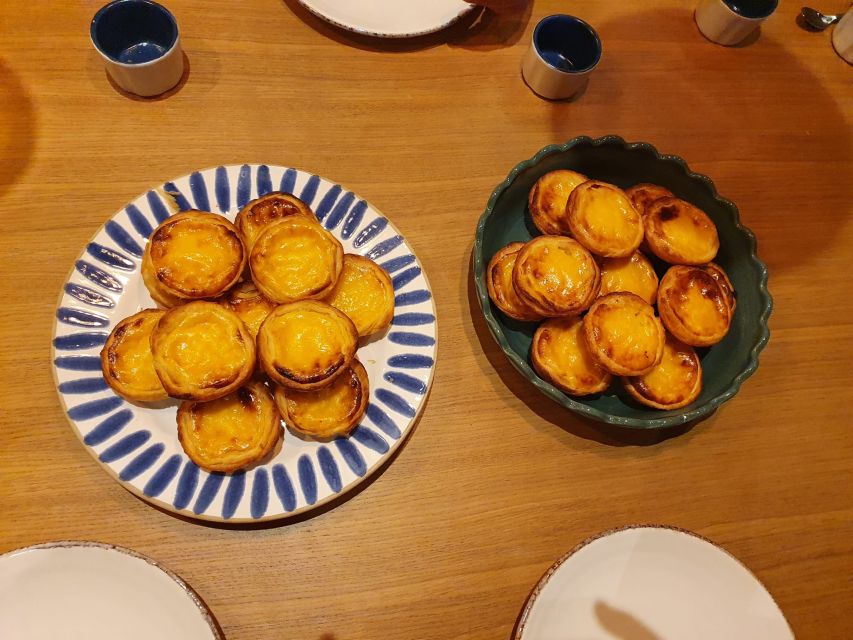
I think you should book if you want a real technique lesson with a clear payoff: you’ll bake your own batch, learn the method behind the dessert, and enjoy Portuguese drinks like Porto wine and a ginginha tasting along the way.
You might skip it if your goal is strictly to eat pastel de nata with maximum variety around the city. In that case, a tasting crawl could give you more flavors per hour and less time in one kitchen.
One last decision tip: if you’re the type who likes to come home with a recipe and the confidence to follow it, this class is the kind of activity that actually turns into repeatable skill.
If you want, tell me your travel dates and whether you’re going solo or as a couple. I can suggest a good time slot in Lisbon for a 2-hour cooking class so it fits cleanly with the rest of your day.
FAQ
How long is the Pastel de Nata baking class in Lisbon?
The class lasts 2 hours.
Where is the meeting point?
The meeting point is Homecooking Lisbon HUB.
What language is the class taught in?
The instruction is in English.
What is included in the price?
The price includes all ingredients, cooking utensils, instructors/chefs, drinks (homemade juice, coffee, water, Porto wine, and ginginha tasting), and insurance.
Is hotel pickup or drop-off included?
No, hotel pickup and drop-off are not included.
Is the class suitable for children or people with mobility needs?
It is not suitable for children under 6 and not suitable for people with mobility impairments.