
REVIEW · COOKING CLASSES
Lisbon: Traditional Portuguese Cooking Class
Book on GetYourGuide →Operated by Homecooking Lisbon · Bookable on GetYourGuide
Lisbon can be loud, but this class feels like someone opened a door to a real kitchen. I love the hands-on, step-by-step way you cook a full 4-course Portuguese meal, and I love the storytelling chefs who explain the why behind the techniques. One drawback: the menu includes some cuts and flavors that may not land for everyone, like pork ribs that can turn out tough if you get a less forgiving piece.
The vibe is friendly and focused, not showy. You start with snacks and Portuguese drinks, then cook in a small group capped at 10 people, so you actually get help when you need it. If you can’t do kitchen work on your feet or near counters, this may be a hard fit, since it’s not listed as suitable for mobility impairments and it runs as an active workshop.
In This Review
- Key things I’d bet on before you go
- Homecooking Lisbon HUB: a kitchen setup that makes cooking feel doable
- Welcome spread: snacks, wine, beer, and a quick Portuguese food primer
- The 3-hour flow: how the cooking class moves from prep to plates
- 1) Appetizers and drinks to start
- 2) Cooking in a traditional, guided style
- 3) Seasonal dishes and traditional techniques
- 4) Eating together: you taste the work immediately
- 5) Dessert moments you might not expect
- What you actually learn: technique, spices, and Portuguese cooking logic
- Clear instruction you can follow while cooking
- Comfort for different skill levels
- Practical flavor building
- Recipes you can bring home
- Drinks and food pairing: more than just alcohol
- Price and value: why $100 can make sense here
- Where it can disappoint (and how to plan around it)
- Who should book this cooking class in Lisbon
- Getting the most out of it: simple tips that pay off
- Should you book Lisbon: Traditional Portuguese Cooking Class?
- FAQ
- How long is the Lisbon Traditional Portuguese Cooking Class?
- Where is the meeting point?
- What is included in the price?
- Are drinks included?
- Is the class taught in English?
- How big is the group?
- Do I need hotel pickup or drop-off?
- Is it suitable for kids?
- What about cancellation?
- Is it accessible for people with mobility impairments?
Key things I’d bet on before you go
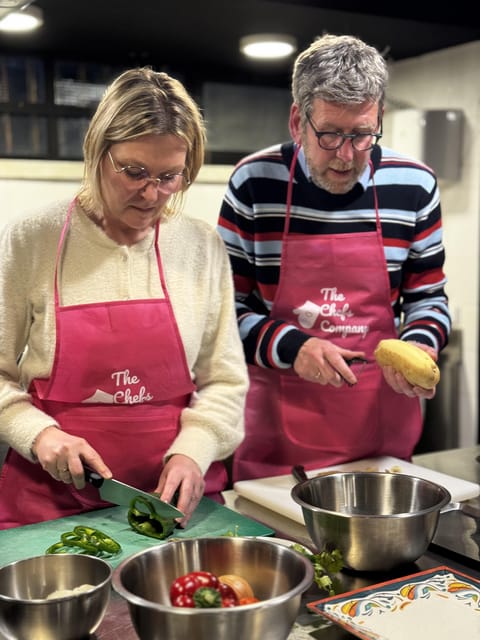
- Small group (max 10) means more attention at the stove.
- 4 courses + drinks included turns it into a full meal, not a short demo.
- English-speaking instruction keeps the cooking steps clear and practical.
- Chef-led technique links spices, timing, and local ingredients to the final plate.
- A social shared meal is built in, so you eat what you cooked right away.
- Recipes and guidance help you recreate the dishes later at home.
Homecooking Lisbon HUB: a kitchen setup that makes cooking feel doable
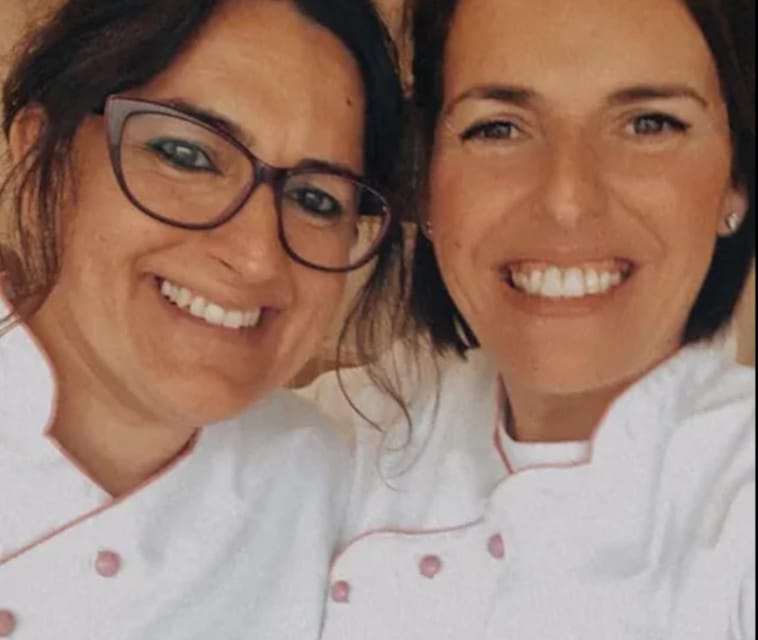
This is not a big cooking theater. It’s a cozy, organized kitchen at Homecooking Lisbon HUB, where the goal is simple: get you cooking Portuguese food without making you feel like you’re on trial.
The setup matters because the class is hands-on for real. You’ll be standing at the workstations, prepping, chopping, seasoning, stirring, and moving through steps as a group. That’s why the small group size is such a big deal. With a limited group (up to 10 participants), the chefs can watch what you’re doing and correct small things early, like how you’re handling spices or timing a pan.
A practical tip from past participants: getting there can be easy by public transport, with a bus that drops close to the front door. So you can plan to arrive under your own steam, then settle in right away.
You can also read our reviews of more cooking classes in Lisbon


Welcome spread: snacks, wine, beer, and a quick Portuguese food primer
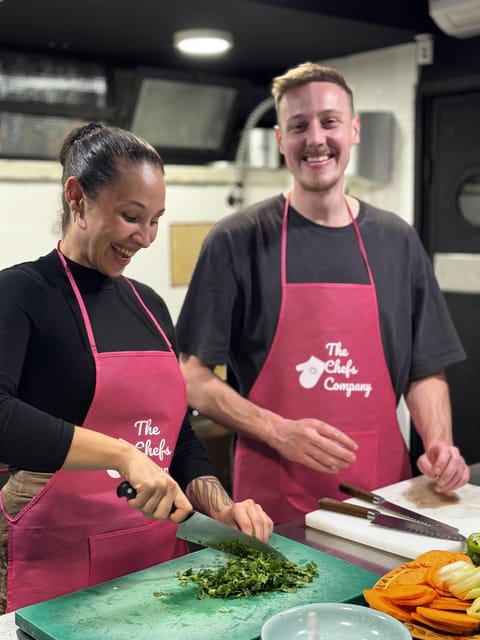
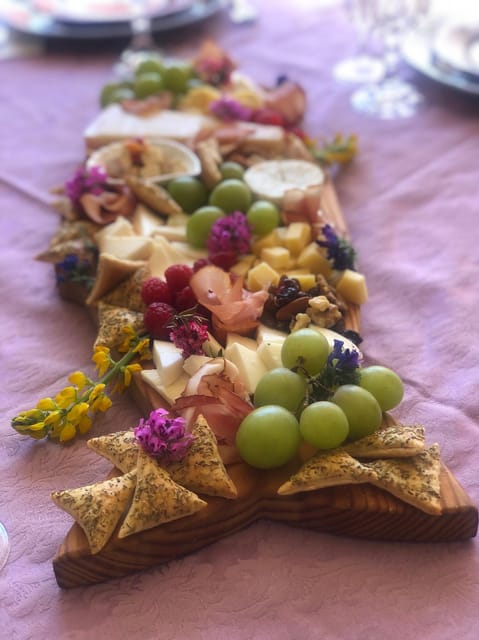
Before the apron-stuff really starts, you get a proper welcome: finger food and snacks, plus Portuguese drinks. The class includes drinks such as wine, beer, homemade juice, coffee, and water, and that changes the whole energy of the evening.
This is when the chef frames what you’re about to cook and how Portuguese cooking thinking works. You’ll hear about seasonal dishes, traditional approaches, and the role of spices and technique—not just the recipe list. It’s the difference between copying a dish and understanding it.
You’ll also notice the group chemistry tends to click fast here. People chat while snacking, then the chef pulls everyone into the workflow. If you like learning while eating, this part sets the tone.
The 3-hour flow: how the cooking class moves from prep to plates
The class runs for about 3 hours, and it’s paced so you’re not stuck waiting around. The rhythm is: welcome → cooking stations → each course cooked step-by-step → shared meal. The goal is that you leave full and with skills, not just photos.
Here’s how it typically feels, based on how the workshop is described and how it plays out in practice:
1) Appetizers and drinks to start
You begin in a relaxed mode with snacks and Portuguese wines and beer. This isn’t a formal sit-down meal first. It’s more like getting your cooking brain warmed up—then the chef transitions into the first dishes.
2) Cooking in a traditional, guided style
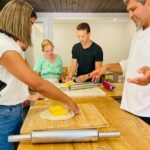
You’ll cook a 4-course meal using an instructor-guided, step-by-step approach. The chefs teach each dish with clear explanations (from spices to the cooking method), then you take over the hands-on work.
A key detail: you’re not doing every step alone. Many sessions run with paired cooking—people work together at stations—so the chef can assist quickly and no one gets left behind.
You can also read our reviews of more tours and experiences in Lisbon





3) Seasonal dishes and traditional techniques
The class focuses on traditional Portuguese cooking and aims to teach techniques, not shortcuts. That usually means paying attention to things like:
- when to add seasoning
- how to balance flavors
- how to treat ingredients so they don’t get overcooked or under-seasoned
If you’re a beginner, the “step-by-step” format is what helps you avoid that panicky moment where everything is happening too fast.
4) Eating together: you taste the work immediately
Once the dishes are finished, you sit down to enjoy what you cooked. Past participants highlight that the experience feels like a family dinner—shared, social, and practical. In at least one session, people cooked four dishes and ate them like a lunch, so plan your timing accordingly.
5) Dessert moments you might not expect
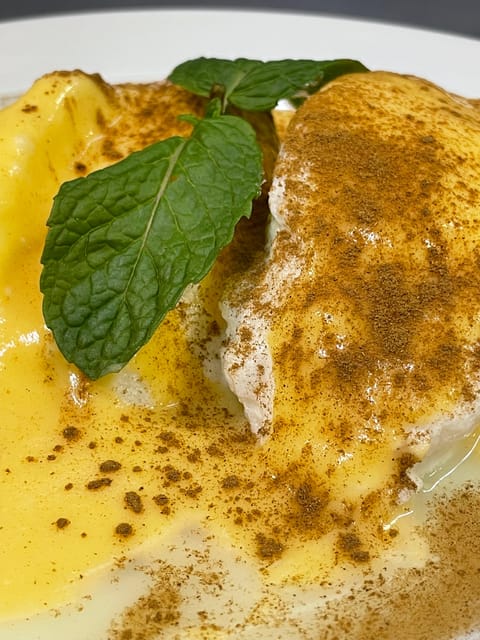
Portuguese desserts show up in this kind of class, and at least one participant specifically mentioned pastel de nata as part of the experience. If dessert is your weakness, keep your eyes and taste buds open for that.
What you actually learn: technique, spices, and Portuguese cooking logic
Cooking classes can turn into pure entertainment. This one aims for something more useful: you learn why the dish works.
You’ll hear explanations about Portuguese gastronomy and culture as you go, often with personal stories from the chef’s life and background. Several instructors are described as storytellers—linking Lisbon and Portuguese traditions to the dishes they teach. That storytelling matters because it gives you context for flavors and technique.
Here are a few “learning outcomes” that show up again and again in the way people describe the experience:
Clear instruction you can follow while cooking
People consistently say the instructions are clear and the chefs are attentive—checking in when needed, helping with hands-on steps, and making sure everyone is included.
Comfort for different skill levels
The class is designed so you don’t need advanced cooking skills. The instruction style is described as patient and supportive, including for people who were nervous or completely new to cooking classes.
Practical flavor building
Because you’re seasoning and cooking real dishes (not just sampling), you learn how Portuguese flavors come together—especially the balance of spices and the way traditional methods handle texture.
Recipes you can bring home
A big win is that you can take the recipes home and try again. Several participants mention getting recipes and planning to recreate the dishes later.
Drinks and food pairing: more than just alcohol
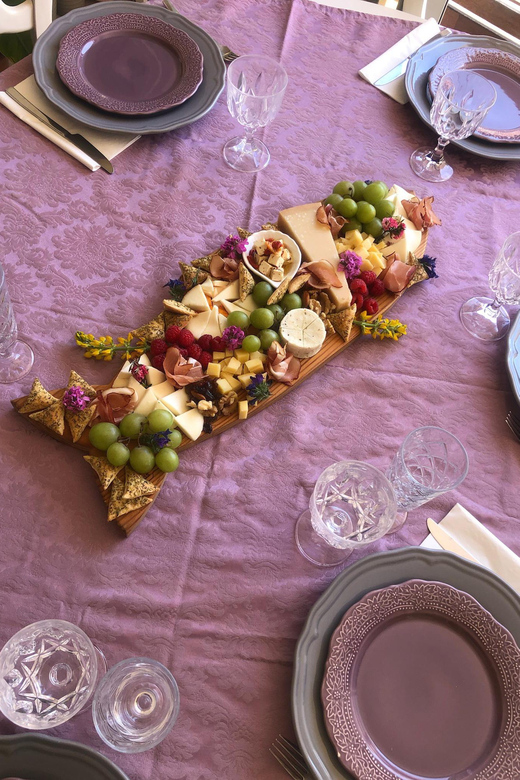
The included drinks are a major part of the value here. You get wine and beer as part of the experience, plus coffee, water, and homemade juice.
That matters for two reasons:
1) It keeps the evening moving
People often feel more relaxed in a guided kitchen when conversation and small tastings are happening during prep.
2) It frames how Portuguese meals are paced
Portuguese dining is not always a rushed timeline. Drinks and small bites help recreate that “eat, talk, cook, eat again” rhythm.
One practical thing I’d tell you: if you’re the type who drinks lightly, you can still enjoy the food part fully. The class isn’t only about tasting—your hands are busy through most of it.
Also, in at least one described session, participants mentioned sampling drinks like ginja and port wine, plus an almond liqueur at the end. That suggests some variety by session, so don’t assume the drink list is identical each time—just know alcohol is part of the experience.
Price and value: why $100 can make sense here
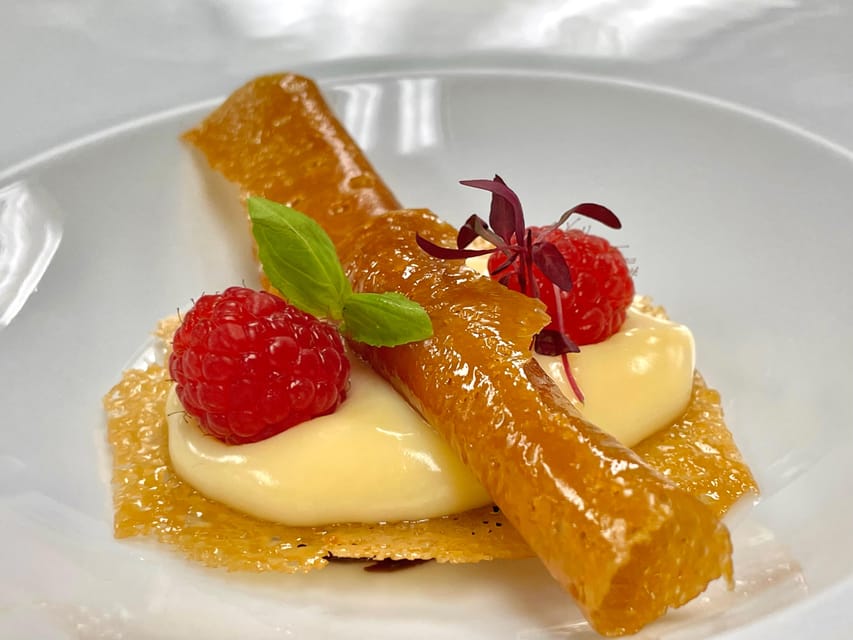
At $100 per person for a 3-hour, small-group, hands-on cooking class, the value comes from the bundle:
- All ingredients and gear are included
- You cook a 4-course meal
- Chefs/instructors guide each step
- Drinks are included (wine, beer, juice, coffee, water)
- You eat what you make
- Insurance is included
If you tried to recreate this on your own, you’d spend time sourcing ingredients, buying equipment, and figuring out timing and technique. Here, you pay for the structure and the coaching.
The biggest reason it feels worth it is that you leave with both outcomes: food in your stomach and skills you can use again.
Where it can disappoint (and how to plan around it)
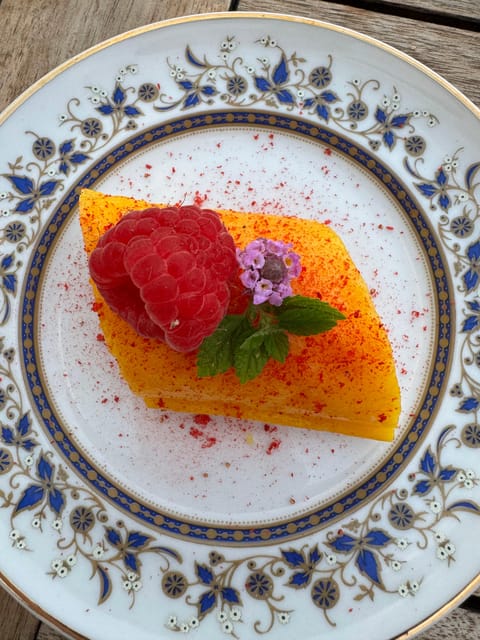
No class is perfect for every palate. One caution that popped up: some dishes can be texture-dependent—like pork ribs described as tough in one instance.
Here’s how to reduce the odds of an unpleasant plate:
- If you know you dislike a certain ingredient or texture (especially for meats), tell the instructor in advance when possible.
- Go in hungry. One participant specifically warned that you should arrive ready to eat plenty.
- Don’t treat it like a delicate tasting menu. This is a working kitchen meal, and portions can be generous.
Who should book this cooking class in Lisbon
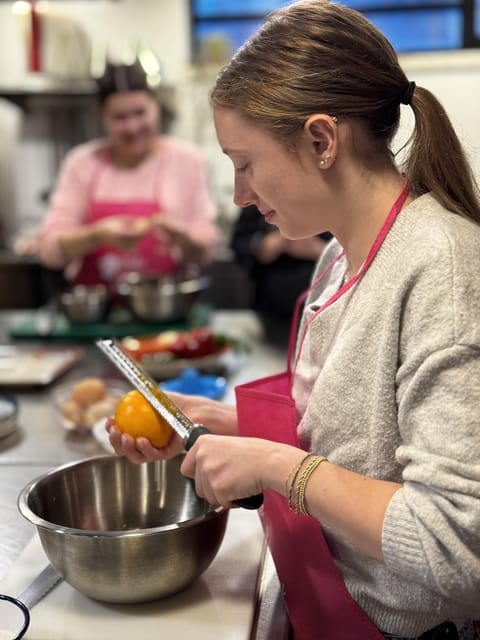
This is a great match if you want Lisbon beyond viewpoints and pastries. It suits you if you like:
- learning by doing (not just watching)
- meeting new people in a real activity
- eating what you cook right away
- Portuguese food culture with practical technique
It’s less ideal if:
- you need a fully seated, low-mobility activity (it’s listed as not suitable for mobility impairments)
- you’re traveling with small kids (children under 6 are not suitable)
- you want a quiet, strictly paced experience with zero social energy
If you’re traveling as a couple, friends, or solo, the small-group format is a big plus. People also mention enjoying the mixed international atmosphere.
Getting the most out of it: simple tips that pay off
A few small moves can make the class even better:
- Arrive hungry so the appetite and timing don’t fight each other.
- Ask questions early, especially about spices and timing. The chefs are described as attentive and helpful.
- Watch what the chef does with seasoning and heat—that’s where most of the skill lives.
- Take notes or photos of what you’re doing, especially for steps you want to repeat later.
- Plan for leftovers to be possible—some participants mention leaving with takeaway items like tarts (not guaranteed for every session, but it’s been reported).
And if you’re hoping for a specific Portuguese flavor like pastel de nata, mention dessert expectations when you arrive or check the session details when booking.
Should you book Lisbon: Traditional Portuguese Cooking Class?
If you want a Lisbon experience that’s active, social, and genuinely useful, I’d book it. For $100, you’re paying for coaching, ingredients, and a full 4-course meal with wine and beer included. That combination is hard to beat if you like food and want skills, not just souvenirs.
Book it especially if you:
- enjoy cooking classes and learn best by doing
- want Portuguese culture through technique, not lectures
- like the idea of a small group where the chef can guide you personally
Skip it if you:
- need a low-movement activity
- dislike the idea of a working kitchen (prep + stovetop time)
- have very specific ingredient restrictions and don’t want to manage them with the staff
FAQ
How long is the Lisbon Traditional Portuguese Cooking Class?
It lasts 3 hours.
Where is the meeting point?
The meeting point is Homecooking Lisbon HUB.
What is included in the price?
You get all ingredients and gear for a 4-course meal, instructor/chef guidance, drinks (wine, beer, homemade juice, coffee, and water), finger food and snacks, and insurance.
Are drinks included?
Yes. Wine, beer, homemade juice, coffee, and water are included.
Is the class taught in English?
Yes. The instructor teaches in English.
How big is the group?
It’s a small group limited to 10 participants.
Do I need hotel pickup or drop-off?
No. Hotel pickup and drop-off are not included.
Is it suitable for kids?
It’s not suitable for children under 6 years.
What about cancellation?
You can cancel up to 24 hours in advance for a full refund.
Is it accessible for people with mobility impairments?
It is not suitable for people with mobility impairments.