REVIEW · WORKSHOPS
Lisbon: Azulejos’ Design Create Your Own Tile Workshop
Book on GetYourGuide →Operated by Azulejos'design · Bookable on GetYourGuide
A ceramic tile at the end beats a postcard every time. This Lisbon workshop teaches you the azulejos tradition through a hands-on Formettes drawing method, and you leave with your finished 10cm x 10cm tile the same day. The vibe is relaxed, the instruction is clear, and the whole process feels practical rather than precious.
I love that you do not need art training. The Formettes method has no drawing prerequisites, so you can focus on pattern and color instead of worrying about your sketching skills.
One possible consideration: you only make one standard tile (extras cost extra), so if you want a whole set for gifts, plan for an add-on.
In This Review
- Key Points to Know Before You Go
- A Tile Workshop in Lisbon That Feels Personal
- Where You Meet: Bell N° 2
- The Azulejos Intro: What You Learn Before You Draw
- Formettes: A Beginner-Friendly Pattern Method
- Step by Step: Pencil to Marker to Watercolor
- Step 1: Pencils
- Step 2: Fine black marker
- Step 3: Erase pencil
- Step 4: Watercolor coloring
- The Real Magic: Photoshop Correction and Tile Multiplication
- The Thermal Press and Why It Matters
- Taking Your Tile Home the Same Day
- What’s Included (and What You’ll Need to Budget)
- Instructor and Studio Atmosphere: Patient, Small, and Cozy
- Best Time to Fit This Into Your Lisbon Day
- Who Should Book This Workshop
- Who Might Want a Different Activity
- Should You Book This Lisbon Azulejos Workshop?
- FAQ
- Where is the workshop meeting point?
- How long is the workshop?
- What tile size do I make?
- Do I need drawing experience?
- What materials are provided?
- Can I take my tile home the same day?
- What languages are offered and is it suitable for kids?
- How does cancellation and pay later work?
Key Points to Know Before You Go
- No drawing prerequisites: the method is built for beginners
- Formettes tool guides your pattern with a pencil-to-paint workflow
- You take your tile immediately after the workshop
- Small-group feel can make it feel personal, even if you join solo
- Heat-pressed transfer means your design becomes a ceramic keepsake quickly
A Tile Workshop in Lisbon That Feels Personal
If you like the look of azulejos in Lisbon but never know what to do with that inspiration, this workshop gives you a clear next step. It’s a design class built around how traditional tiled patterns work, but it keeps the stress low. You’re not copying a masterpiece. You’re creating your own pattern.
What makes this experience work is the balance: you start with a simple drawing plan, then you do the fun part with color. And then there’s a tech-assisted step that turns your design into something real on ceramic, without you needing to run any equipment.
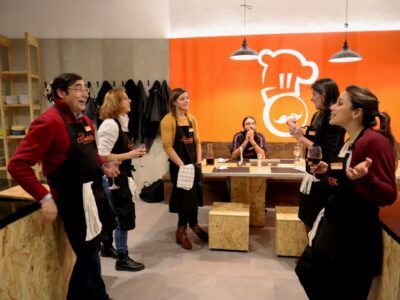
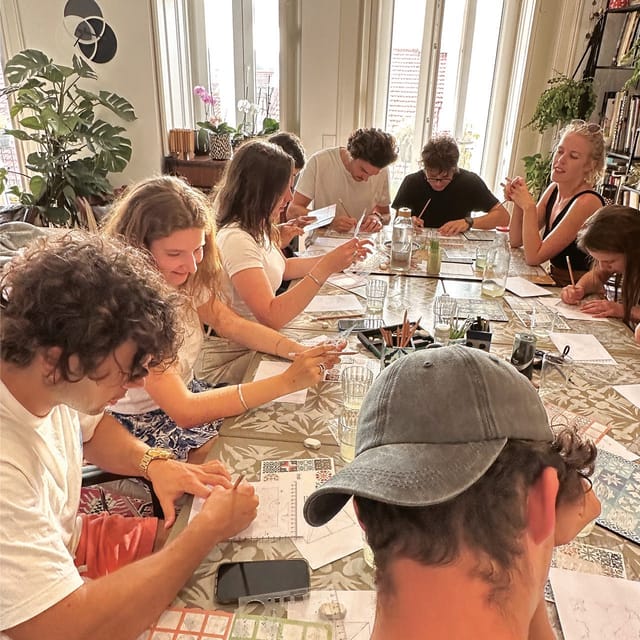
The setting also matters. Multiple people describe it as an artist home with a warm, comfortable atmosphere, not a big production line. That tends to change how long 2.5 hours feels. In a good studio, time passes while you’re busy.
You can also read our reviews of more tours and experiences in Lisbon


Where You Meet: Bell N° 2
Your meeting point is Bell N° 2. It’s the one practical detail that can make or break the start of your class, so don’t assume it’s obvious once you arrive in the area. If you’re walking, give yourself a buffer so you can actually find the exact spot before your session begins.
Once you’re in, you’ll get settled fast. The workshop isn’t treated like a lecture. You get a short presentation, then you start making choices for your own design.
The Azulejos Intro: What You Learn Before You Draw
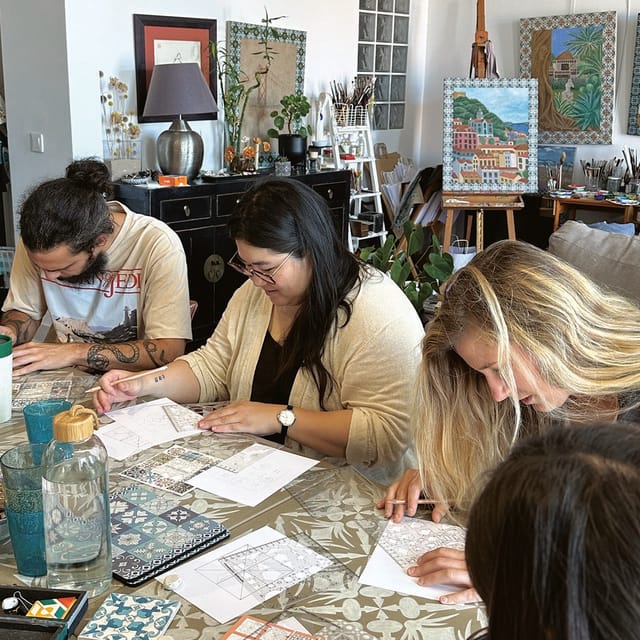
You’ll begin with a short overview of azulejos and how the design workflow works. This isn’t a history marathon. It’s more like getting your bearings so the rest of the session makes sense.
You also learn what the workshop is really about: taking your design from a personal sketch into a repeating tile pattern. The goal is to get you thinking in shapes and repeats, not in one-off drawings.
Formettes: A Beginner-Friendly Pattern Method
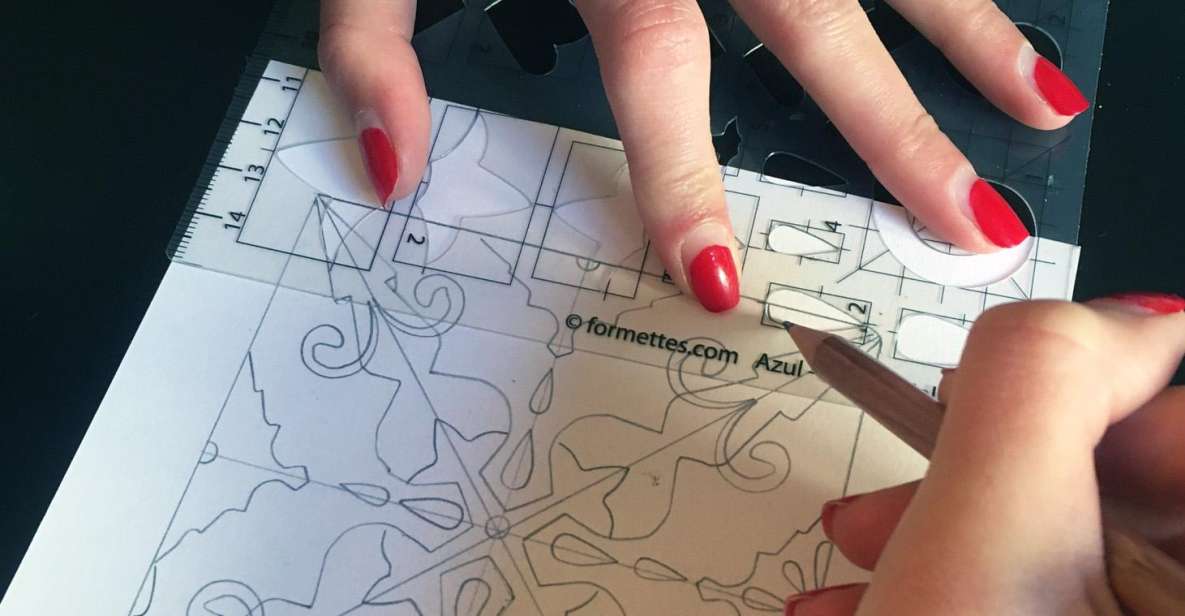
The star of the show is the Formettes drawing method. The pitch is simple: it helps you build a tile-worthy pattern without needing prior sketching skill.
Here’s how the class translates that idea into something you can do:
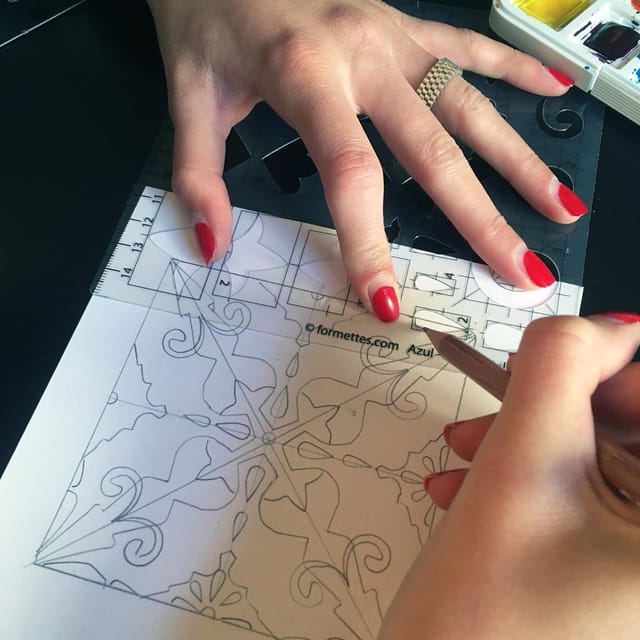
- You create a preliminary drawing in pencil
- The drawing is then marked using a fine black marker
- You remove pencil lines so what’s left reads clearly for the next steps
- Then you add color using watercolor
That workflow matters. Pencil lets you experiment. Black marker helps define the design lines. Watercolor brings it to life fast, without getting complicated.
Also, you get freedom. Some people describe it as relaxed and even meditative. Others say the instructions let them move quickly and still end up with something they like.
Step by Step: Pencil to Marker to Watercolor
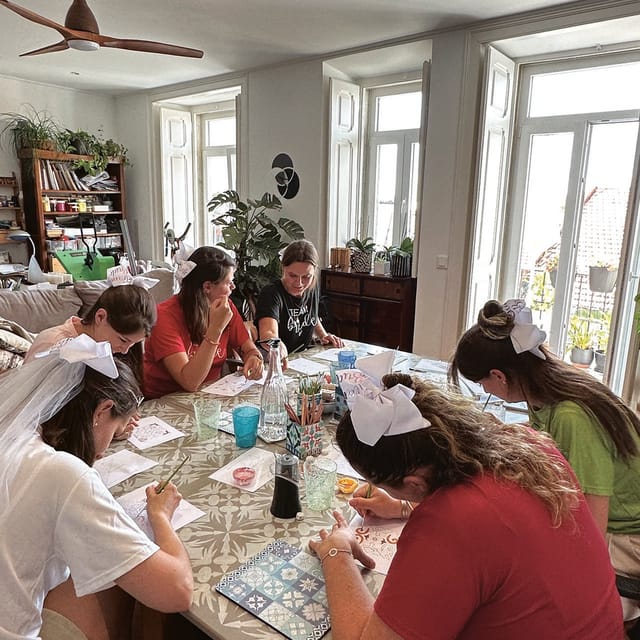
This is the part most people end up remembering, because it’s where you feel creative instead of coached.





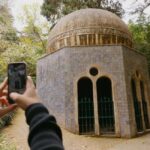
Step 1: Pencils
You start by making your design with pencil. This stage is about building shapes that can repeat nicely. Since you’re not being graded on realism, you can focus on balance and rhythm.
Step 2: Fine black marker
Next, you cover the drawing with the fine black marker. This increases contrast and locks in the lines for later processing.
Step 3: Erase pencil
Then you erase the pencil. This is key: the final look you’re making isn’t the messy pencil stage. It’s the clean pattern lines that the system can read.
Step 4: Watercolor coloring
Finally, you color with watercolor. This is where your tile starts to feel like an azulejos design rather than a sketch.
If you worry about color, you’ll likely appreciate that the class doesn’t demand a specific palette. You can go bold or keep it closer to traditional tones. The instructor helps you shape what you’re making.
The Real Magic: Photoshop Correction and Tile Multiplication
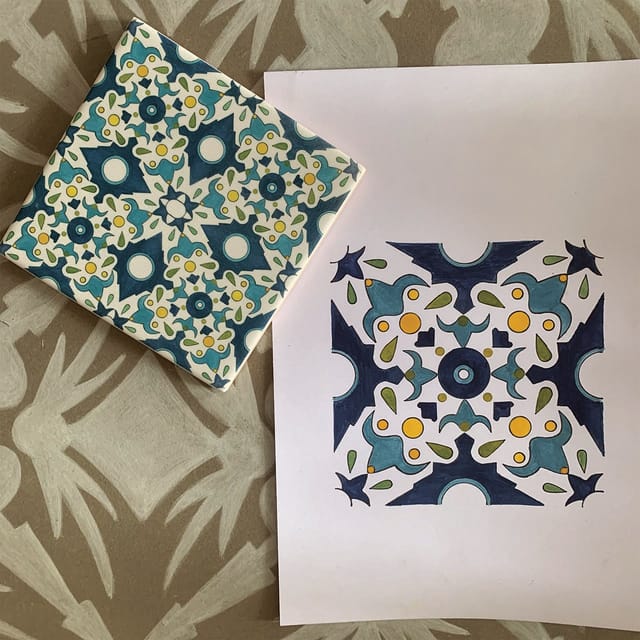
Here’s the part you don’t see in a typical souvenir workshop: the post-workshop production step. After you finish your drawing, each design goes through a digital workflow.
Your design is:
- worked on in Photoshop (light correction if needed)
- multiplied so it becomes a repeating pattern suitable for a tile
- then transferred using a thermal press
This is a big deal for value. It means you’re not trying to design something perfectly aligned by hand. You get guidance during the creative part, then you get help turning it into a tiled result.
In plain terms: you bring the ideas. The process turns them into a ceramic-ready pattern.
The Thermal Press and Why It Matters
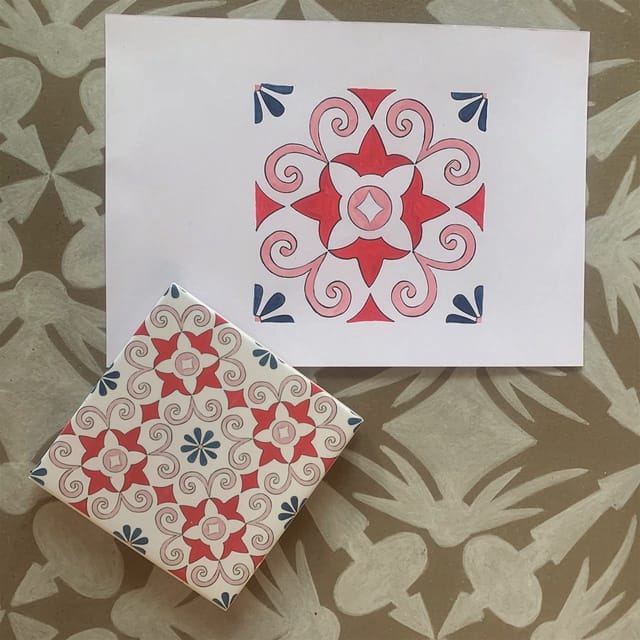
The workshop uses a thermal press to transfer your design onto a ceramic tile measuring 10cm x 10cm.
Why you should care:
- It speeds up the timeline so you can take the tile home right away.
- It makes the results look more “designed” than “painted,” because the transfer step helps the pattern land cleanly.
- It reduces the risk of smudging or misalignment compared with a purely hand-painted transfer.
Multiple people specifically highlight that the tile is heat-pressed and they can take it home immediately after the session.
Taking Your Tile Home the Same Day
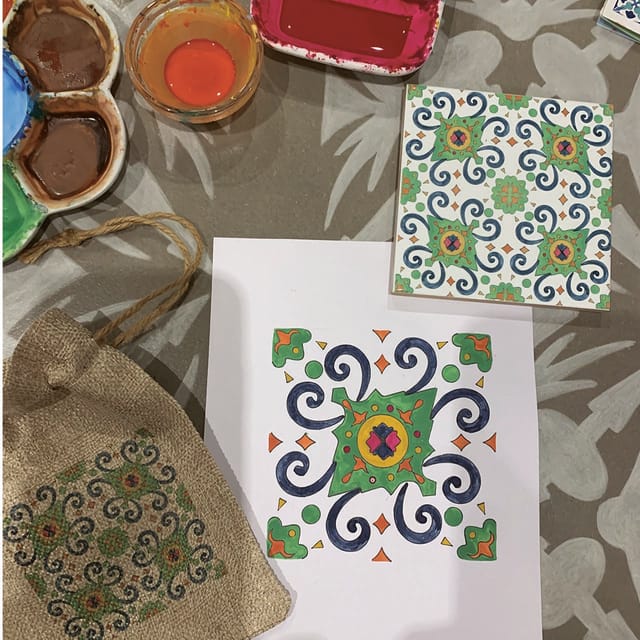
The best part of this workshop is also the simplest: you leave with your tile right after the class.
That matters for two reasons:
- It turns your class into a real trip memory you can physically keep.
- It means you don’t have to plan around shipping, later pick-up, or waiting on a finished product.
You also get a tangible sense of what you made. Seeing your pattern locked into ceramic is different from seeing it on paper.
If you end up loving your design, there’s also mention of people taking an extra tile for an additional fee (10€). The standard tile is included, but extra tiles are not.
What’s Included (and What You’ll Need to Budget)
Price is $64 per person for a 2.5-hour workshop.
Included:
- Instructor support
- Drawing and painting materials
- Tea or coffee
- Cookies
- One tile (10cm x 10cm)
Not included:
- Extra personalized objects
- Extra tiles
So is $64 worth it? In my view, it usually is, because you’re paying for four things together:
- professional guidance (you’re not just buying paint)
- a structured method that works even if your drawing is shaky
- production help via Photoshop and a thermal press
- a take-home ceramic tile of a size that’s display-worthy
If you only want a quick craft with a generic souvenir at the end, you can spend less elsewhere. But if you want a real design output with a personal pattern, the price makes sense.
Instructor and Studio Atmosphere: Patient, Small, and Cozy
The instruction style comes through clearly in the feedback. People mention instructors like Agathe, described as patient, friendly, and humorous. That matters because the workshop relies on people feeling safe enough to experiment with shapes and color.
Even better, the workshop often runs in private or small groups. Some sessions were as small as four people, which tends to make the class feel less rushed and more like hands-on support.
If you’re going solo, you’re not stuck. People have joined alone and still found the atmosphere comfortable.
Best Time to Fit This Into Your Lisbon Day
This is a 2.5-hour activity, so it works well as:
- a mid-day plan if your morning walking beats you up
- a rainy-day option when you want something indoor and calm
- a creative break between heavy sightseeing
Because you take your tile home right after, you can treat it like a fixed appointment. Just plan how you’ll carry it. Ceramic is light, but still handle it like it matters.
Who Should Book This Workshop
This workshop is a strong fit if you:
- want a souvenir you designed, not one you bought
- like artsy activities but get nervous about drawing skill
- enjoy small group settings in an actual artist studio
- want to understand azulejos through doing, not just looking
It’s also a good match for couples and friend groups. People mention girls trips and pairs having a relaxed time and learning together.
It’s not for very young kids. The workshop is not suitable for children under 10.
Who Might Want a Different Activity
If you hate any kind of guided craft, you might find the method steps feel like homework. And if you’re the type who needs a full-day plan packed with major sights, this won’t replace sightseeing time.
Also, if you’re planning to give multiple tiles as gifts, remember that only one standard tile is included. You’ll likely want to budget for extras.
Should You Book This Lisbon Azulejos Workshop?
Book it if you want a genuine Lisbon-style keepsake you can make in a couple of hours. The big selling points are practical:
- no drawing prerequisites
- a clear, structured Formettes method
- real production that results in a ceramic tile
- and you can take it home the same day
Skip it if you just want the fastest possible souvenir or if you dislike step-by-step making. Also consider skipping extras unless you truly love your design, because the included value is clearly built around one tile.
Bottom line: if you’re even a little curious about azulejos design, this workshop gives you a hands-on result that feels personal and worth the money.
FAQ
Where is the workshop meeting point?
The meeting point is Bell N° 2.
How long is the workshop?
The workshop lasts about 2.5 hours.
What tile size do I make?
You make one ceramic tile measuring 10cm x 10cm.
Do I need drawing experience?
No. The Formettes method has no drawing prerequisites, and you’re guided through the process.
What materials are provided?
You get drawing and painting materials, plus tea or coffee and cookies.
Can I take my tile home the same day?
Yes. The design is transferred onto the tile using a thermal press, and you leave with your tile immediately after the workshop.
What languages are offered and is it suitable for kids?
The instructor speaks French, English, and Portuguese. It is not suitable for children under 10.
How does cancellation and pay later work?
You can cancel up to 24 hours in advance for a full refund. You can also reserve now and pay later, keeping your plans flexible.