REVIEW · FATIMA, NAZARE & OBIDOS DAY TRIPS
From Lisbon: Fátima, Batalha, Nazaré & Óbidos Full-Day Tour
Book on GetYourGuide →Operated by Around Lisbon Tours · Bookable on GetYourGuide
Four towns, one unforgettable story. I liked how Fátima and its 1917 legend feel rooted in a real place, and I loved the stop at Batalha Monastery—a UNESCO masterpiece built after the 1385 Battle of Aljubarrota. The only real catch is that this is an 8-hour day with several major stops, so you may feel you could spend longer somewhere (usually Nazaré or one of the inland sites).
If you want a car-free day with expert storytelling and smooth logistics, this works well. I also liked that your guide meets you at your Lisbon hotel (or apartment) and you travel in an air-conditioned minivan with Wi-Fi and a bottle of water. On the best days, guides like Nuno and Oriana turn the drive time into part of the experience with history and legends you can actually picture.
In This Review
- Key highlights worth your attention
- A One-Day Portugal Time Machine From Lisbon
- Fátima Sanctuary: Devotion, the 1917 Apparitions, and Why It Feels Different
- What to expect on the ground
- A practical consideration
- Batalha Monastery (UNESCO): Late Gothic Architecture Built After a 1385 Battle
- Why I think it’s a smart stop
- The likely drawback
- Nazaré’s Cliffs, Fishermen, and the Mary Legend of Dom Fuas Roupinho
- Big waves: what you should realistically expect
- Lunch timing can change your experience
- Óbidos by the Walls: Medieval Streets, Whitewashed Houses, and Ginjinha
- The ginjinha tasting is part of the charm
- A practical note on time
- Price and Logistics: Is $94 Worth It?
- Where you may feel the cost
- Comfort and group size
- Guides Matter: What Makes This Day Feel Well Run
- Who Should Book This Tour (and Who Might Want a Different Plan)
- Should You Book This Full-Day Fátima, Batalha, Nazaré & Óbidos Tour?
- FAQ
- How long is the tour from Lisbon?
- What’s the price per person?
- Does the tour include hotel pickup and drop-off?
- What towns and sights are included?
- Is lunch included?
- What’s included for food or drinks besides lunch?
- Is transportation provided?
- What languages will the live guide speak?
- What should I bring?
- Are there any rules about safety or health in the vehicle?
Key highlights worth your attention
- Fátima’s Sanctuary atmosphere and the 1917 apparition story to three shepherd children
- Batalha Monastery (UNESCO): late Gothic architecture tied to the 1385 Battle of Aljubarrota
- Nazaré’s sea-town feel, including a visit to the Church of Nossa Senhora da Nazaré
- The big-wave legend and the record wave height of 24 meters (2011)
- Óbidos by the walls, plus a included taste of ginjinha cherry liqueur
A One-Day Portugal Time Machine From Lisbon
This tour is built for one thing: packing a lot of Portugal into a single, manageable day trip. You’ll leave Lisbon by air-conditioned minivan and head about 115 km north, which keeps the day moving without making you plan driving, parking, or ticket timing.
The “value” isn’t just that you hit four towns. It’s that the stops are connected by story. You start with a spiritual legend, then you move to a monument that marks a real medieval battle, then you get a seaside town where religion and folklore are tied to the cliffs, and finally you finish in a walled medieval village where the culture is still very much alive—whitewashed streets, craft shops, and that famous cherry liqueur.
The best version of this day is when your guide turns transit into context. Many guests call out guides who pair historical detail with fun, human “why this matters” moments—like Nuno weaving legends into the drive, or Oriana guiding with warm storytelling while also keeping the schedule flowing.
You can also read our reviews of more tours and experiences in Lisbon


Fátima Sanctuary: Devotion, the 1917 Apparitions, and Why It Feels Different
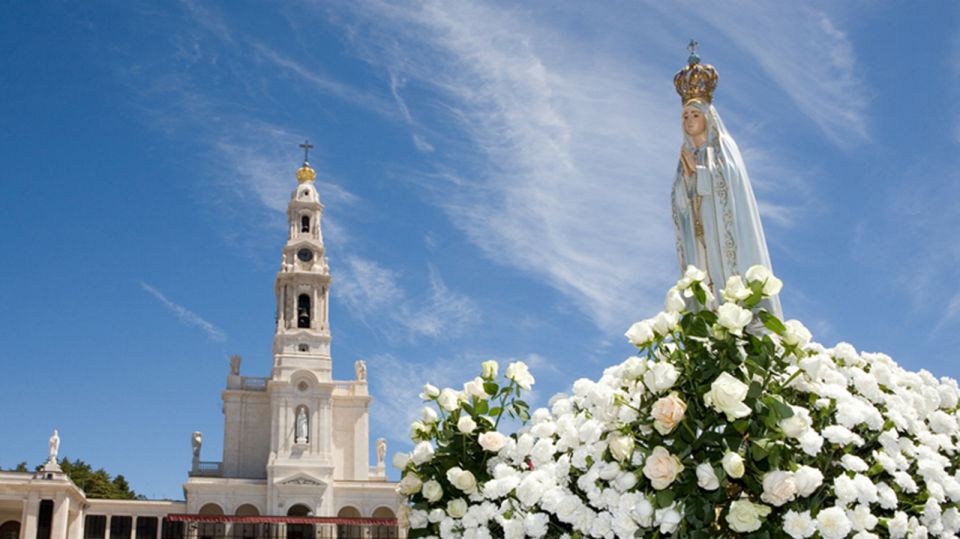
Fátima isn’t just a religious stop on a list. It’s a place with a distinct rhythm. Even if you’re not religious, you’ll notice the atmosphere: quiet focus, pilgrims moving with purpose, and an overall sense that people have come for something personal.
You’ll learn about the legend of the Virgin Mary’s apparitions in 1917 to three shepherd children. The tour explains how that story became one of Portugal’s most adored devotions—Our Lady of Fátima—and why so many people return year after year. What makes this part worthwhile is that the guide doesn’t treat it like a trivia worksheet. The story is tied to what you can see around the Sanctuary, so it feels less like history-from-a-book and more like a living tradition in a specific setting.
What to expect on the ground
You’re visiting a Sanctuary designed for crowds, so it’s normal to feel “in the middle of something.” Wear comfortable shoes. This is a walk-heavy stop, and you’ll want to be ready for cool waiting times or lingering to take in the scale and design.
A practical consideration
Because Fátima is such a major draw, your time there can feel like the most “must-see” portion. Some guests wished for more time in Fátima or Batalha, so if you know those are your top priorities, keep an open mind: the day is intentionally balanced across all four stops.
Batalha Monastery (UNESCO): Late Gothic Architecture Built After a 1385 Battle
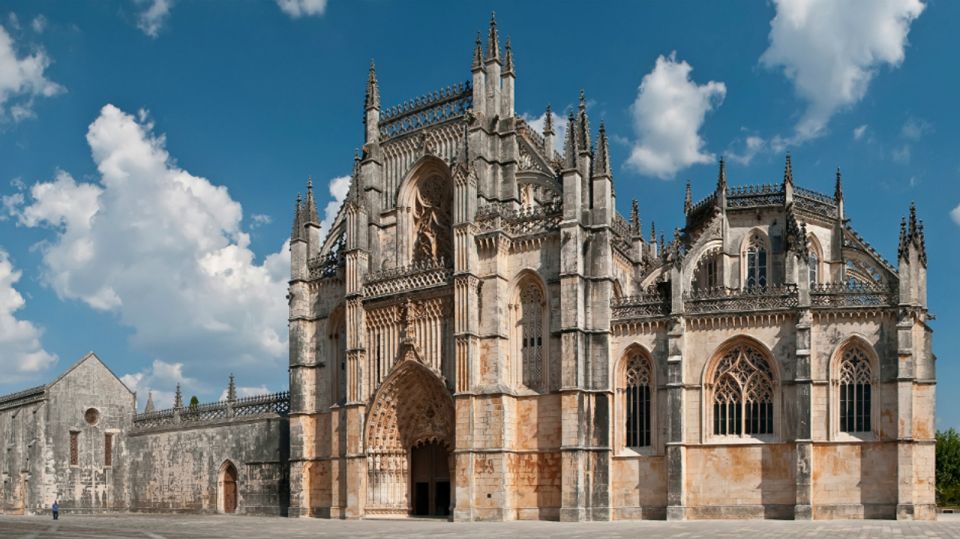
After Fátima, the trip shifts from devotion to stone and strategy. The Batalha Monastery is one of Portugal’s best examples of late Gothic architecture (14th century) and it’s a UNESCO World Heritage Site.
Here’s the key angle: it wasn’t built in a vacuum. The monastery was created in commemoration of the 1385 Battle of Aljubarrota, fought against the Castillians. The original name—Mosteiro de Santa Maria da Vitória—is literally tied to victory, and that context helps you read the building differently as you look at it.



Why I think it’s a smart stop
Even if you’re not an architecture nerd, you’ll feel the scale. This is the kind of site where your eyes keep finding details: stone work, vertical forms, and that late Gothic sense of motion. It’s also a relief after Fátima’s open, devotional spaces. You move into something more structured and monumental.
The likely drawback
This is one of those “worth it, but don’t blink” places. It’s big and impressive, but the overall day schedule means you won’t have endless time to wander. If you’re the kind of person who wants to linger for photos and slow reading, you may wish the day gave you another half-hour or hour here.
Still, as a single-stop “Wow” moment in the middle of the day, Batalha consistently lands well with first-time visitors.
Nazaré’s Cliffs, Fishermen, and the Mary Legend of Dom Fuas Roupinho
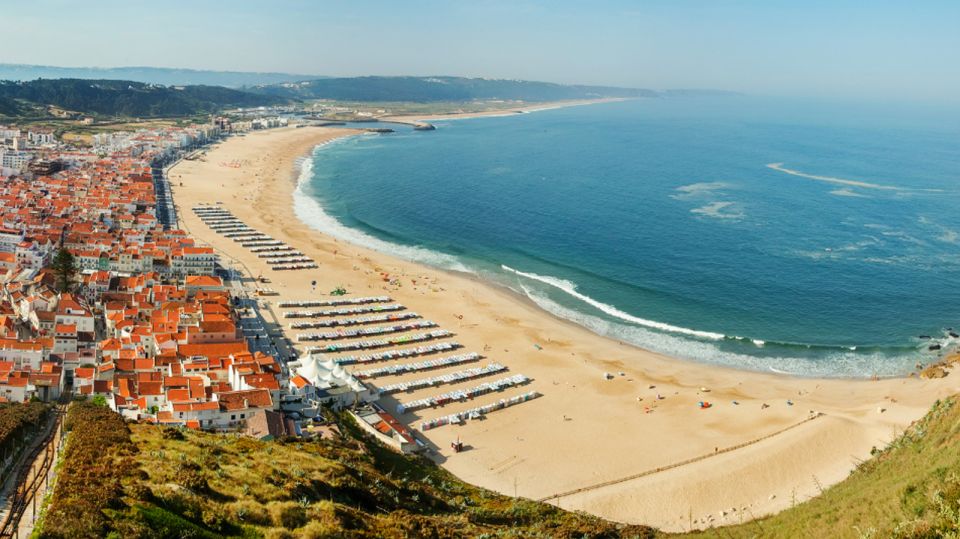
Then you hit the coast. Nazaré is charming in a very practical way: it’s a working fishing area, not just a staged viewpoint. You’ll see local fishermen bring in fresh catches, and that gives the town a grounded feel that you don’t get in every seaside stop.
You’ll also visit the Church of Nossa Senhora da Nazaré, which matters because the religious story here has a specific cliff connection. The tour shares the legend tied to 1182, when a miracle intervened to save the life of the Portuguese knight Dom Fuas Roupinho (possibly a Templar) after he fell from a cliff—reported at 100 meters—in dense fog while hunting deer. A chapel was built on that spot, tying the narrative directly to place.
Big waves: what you should realistically expect
Nazaré is famous for big wave surfing, including a record wave height of 24 meters in 2011. Even if you don’t see world-class surf that day, the viewpoints and coastline will still make the “how on earth do they do that?” feeling kick in.
Lunch timing can change your experience
Lunch is not included, but the tour encourages you to try fresh fish at lunchtime (own expense). Here’s the practical part: if you sit down for lunch and it runs long, it can squeeze the time you get for the best views.
A couple of guests noted that service at a restaurant took a good chunk of time, cutting into Nazaré viewing. That’s not the tour’s fault, but it is a real factor in a day like this. If Nazaré is your priority, plan for a quick lunch or keep your expectations flexible.
Óbidos by the Walls: Medieval Streets, Whitewashed Houses, and Ginjinha
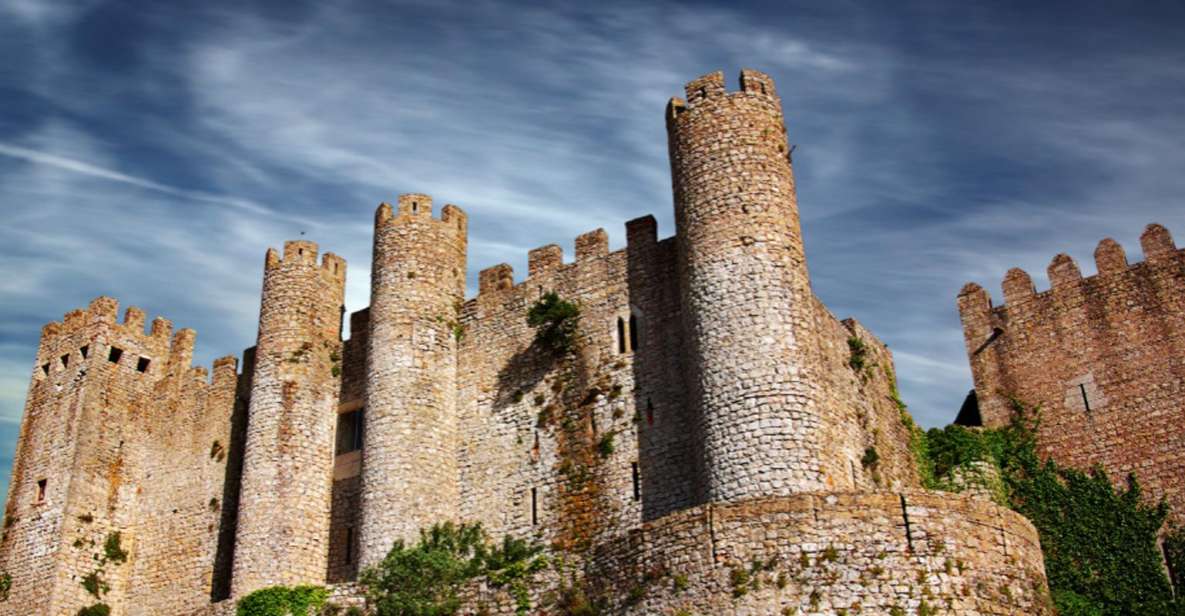
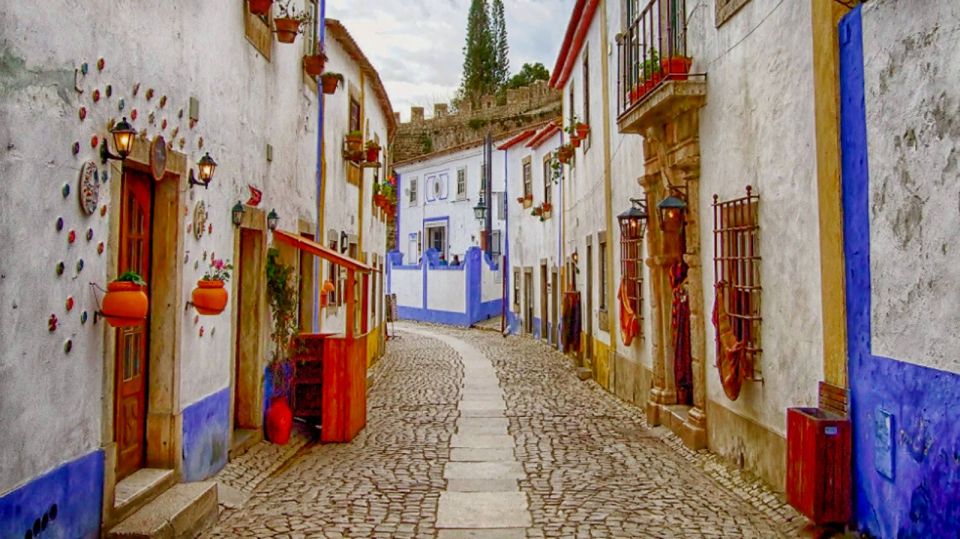
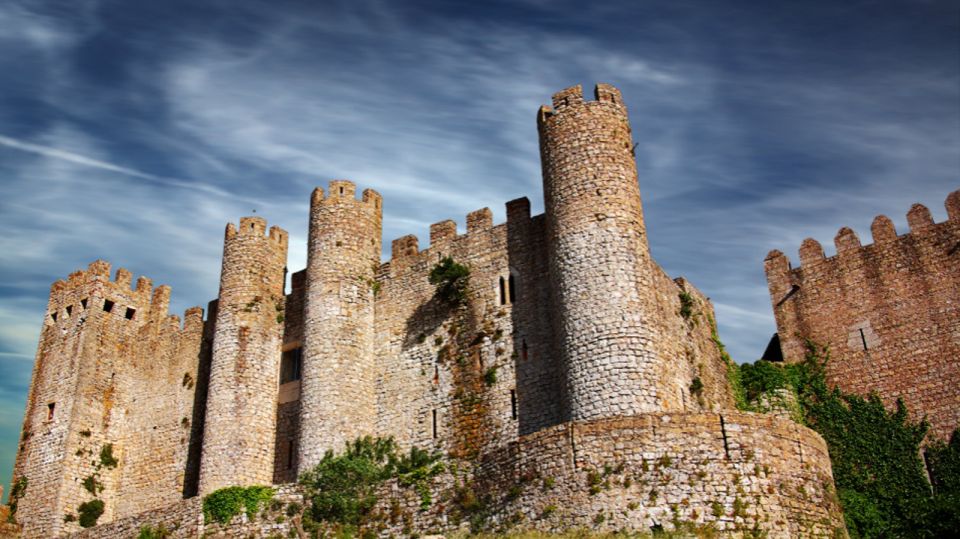
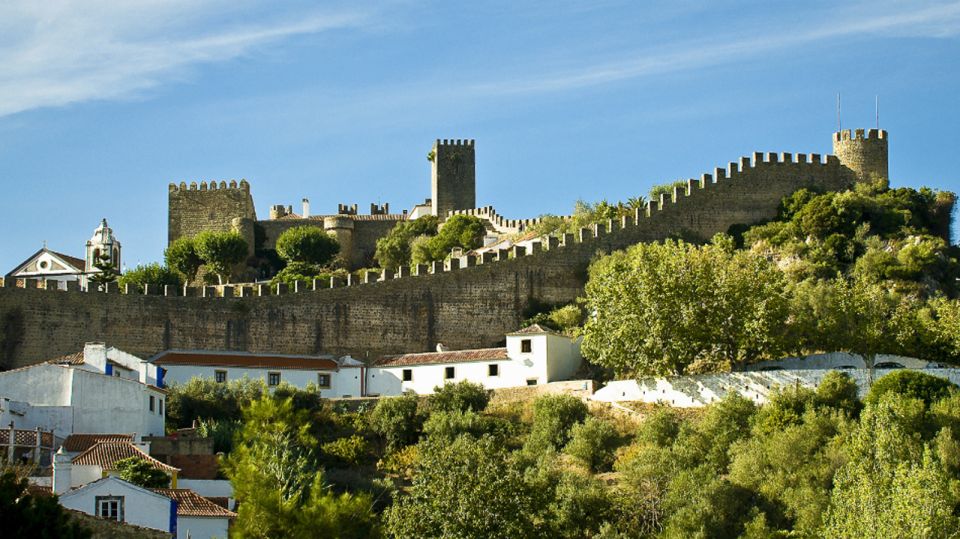
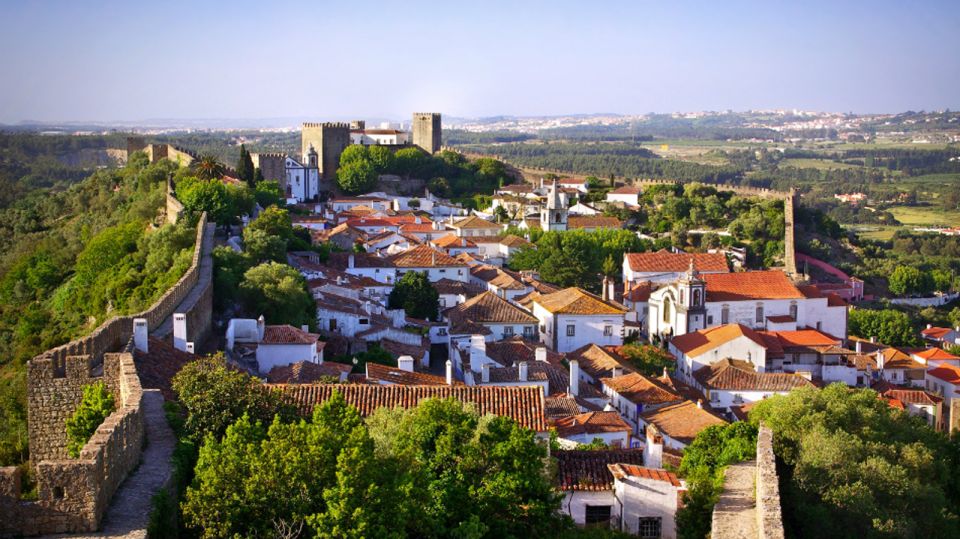
If there’s one stop that often steals the show, it’s Óbidos. It’s the medieval town with walls that actually lets you feel the era, not just observe it from the edge.
You’ll walk through cobbled streets lined with whitewashed houses, explore artisan shops, and take in the town’s layout inside ancient walls. It’s also one of those places where the “small-town” details add up: doors, tiles, shopfronts, and the feeling that you’re stepping into a living postcard.
The ginjinha tasting is part of the charm
The included cultural moment is ginjinha, a cherry liqueur. You’ll get a tasting here, and some guests even mention it being served in chocolate cups—so yes, it can turn into a longer linger than you planned. Either way, it’s a very “Portugal in one sip” kind of souvenir.
Finishing in Óbidos also works timing-wise. By the time you arrive, the town feels like it has more character, and the evening atmosphere can make the day feel complete.
A practical note on time
Several people wanted more hours in Óbidos. That’s a good sign, but it also explains why the tour’s format can feel a little rushed if you’re the type who wants to roam for longer. Still, for most first-timers, Óbidos delivers enough that you won’t feel cheated—you just might start planning a return trip.
Price and Logistics: Is $94 Worth It?
At $94 per person for a full day, the best way to think about value is what you’re not paying for: you get door-to-door style pickup and drop-off in Lisbon, plus an air-conditioned minivan, Wi-Fi onboard, and a guide. You also get a bottle of water, an included visit to the Church of Nossa Senhora da Nazaré, and the ginjinha tasting.
The real hidden cost in a day trip like this is usually planning fatigue. If you drive yourself, you’re managing time across four towns, parking stress, and the risk of missing the best moment because of traffic. This tour removes most of that from your plate.
Where you may feel the cost
The schedule is tight. You’ll cover multiple major places in one day, so if you expect a slow, museum-by-museum pace, you might feel rushed. A common theme is that guests either wanted more time at Nazaré or more time at Fátima/Batalha, depending on personal priorities.
Comfort and group size
The minivan ride is a big part of comfort. Reviews mention everything from small groups to just a couple of people on board, and guides who also served as drivers. That can be a big plus because you spend less time waiting and more time moving (with context).
Guides Matter: What Makes This Day Feel Well Run
This is the kind of tour where the guide can make—or break—the experience. You’re covering spiritual sites, an architectural monument, a seaside town with legends, and a medieval walled village. Without a good guide, that can turn into a checklist.
The best experiences are tied to guides who:
- connect legends to what you see around you (Fátima and Nazaré both benefit),
- keep the van ride informative (so travel time feels productive),
- give clear instructions and meeting points,
- maintain a realistic pace so you still have meaningful free time.
Names that come up include Nuno, Oriana, Tiago, and Joanna/Oriana/Joana variants, with many guests praising how guides handled timing and safety while still making the day fun.
Even when weather isn’t perfect, guides seem to keep the mood steady and adapt the flow so the day stays worthwhile.
Who Should Book This Tour (and Who Might Want a Different Plan)

This tour is ideal if you want:
- a first taste of Portugal outside Lisbon,
- a mix of religion, architecture, seaside culture, and medieval streets in one day,
- a guide who adds context so the places feel linked,
- minimal hassle compared to hiring a car.
You might want to consider a different plan if you’re the type who needs lots of free time in just one place. Nazaré viewpoints and beach time are sometimes the first thing that gets squeezed, and Fátima and Batalha also can feel like they could use more than a quick stop. If you want a slow travel pace, you may prefer an overnight plan or fewer stops.
Still, for a one-day sprint, this route hits a very balanced set of “Portugal feelings.”
Should You Book This Full-Day Fátima, Batalha, Nazaré & Óbidos Tour?
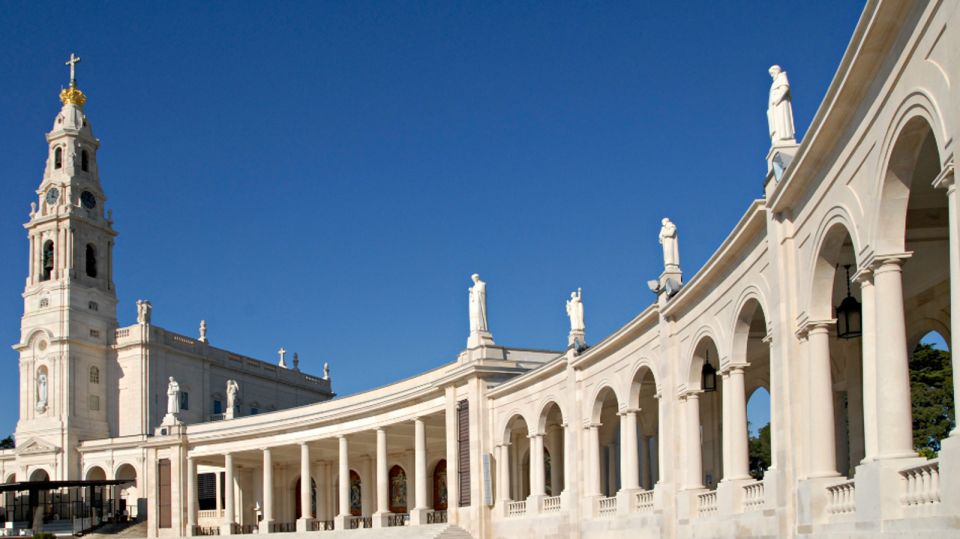
I’d book it if you’re staying in Lisbon and you want a guided day trip that combines major highlights without making you do logistics math. The included ginjinha tasting and the combination of Fátima’s devotion, Batalha’s UNESCO architecture, Nazaré’s cliff legends and big-wave identity, and Óbidos’s medieval streets make the day feel like more than the sum of its stops.
Book with eyes open: this is an 8-hour day, and time can feel short at the places you care about most. If your top priority is one stop—like lingering at Batalha or spending longer at Nazaré—plan to accept that the tour is designed to give a strong overview, not a slow deep stay.
FAQ
How long is the tour from Lisbon?
It runs for 8 hours.
What’s the price per person?
The price listed is $94 per person.
Does the tour include hotel pickup and drop-off?
Yes. Your guide picks you up at your Lisbon hotel or apartment and drops you back there.
What towns and sights are included?
You’ll visit Fátima, the Batalha Monastery (UNESCO), Nazaré (including the Church of Nossa Senhora da Nazaré), and Óbidos.
Is lunch included?
No. Lunch isn’t included, and meals are on your own.
What’s included for food or drinks besides lunch?
You get a ginjinha (cherry liqueur) tasting, plus a free bottle of water.
Is transportation provided?
Yes. You travel by air-conditioned minivan, and there is Wi-Fi onboard.
What languages will the live guide speak?
The live tour guide operates in English and Portuguese.
What should I bring?
Bring a passport or ID card, and wear comfortable shoes.
Are there any rules about safety or health in the vehicle?
Smoking isn’t allowed. Masks are available and mandatory inside vehicles, and vehicles are disinfected daily with hand sanitizer provided.