REVIEW · AUDIO TOURS
Lisbon: National Tile Museum E-Ticket & Audio Guide
Book on GetYourGuide →Operated by Clio Muse Tours Portugal · Bookable on GetYourGuide
Tiles tell Lisbon stories best. With the National Tile Museum e-ticket and an English phone audio guide, you can wander for 1 to 2 hours and let the place explain itself. I especially love tracking down the Mickey Mouse tile panel and the other standout designs like the Diamond-patterned works.
You’ll also like that it’s mostly low-pressure: download the app once, press play on your own schedule, and get stories about Portuguese tile-making from older centuries up to modern times. One caution: the audio path isn’t always perfectly matched to how you walk through the rooms, so if you’re short on time, you may need to jump ahead using the app controls.
In This Review
- Quick Hits Before You Go
- Getting In Smoothly: E-Ticket, Phone Audio, and the Right Mindset
- Your Smartphone Turns Into the Guide (Offline, English, and Practical)
- First Rooms Worth Prioritizing: Mickey Mouse and the Diamond Panel
- Mudéjar Patterns and the Dona Leonor Chapel: Details That Pay Off
- How the Museum Explains Lisbon’s Tile Industry Over Time
- Pacing for a 1–2 Hour Visit: Don’t Try to Do Everything
- On-Site Comfort: Courtyard Breaks and Garden Space
- Price and Value: Is $16 Worth It?
- Who Should Book This (And Who Might Skip It)
- Should You Book the National Tile Museum E-Ticket and Audio Guide?
- FAQ
- FAQ
- How long does the National Tile Museum visit take?
- Is the audio guide included, and what language is it in?
- What do I need on my phone to use the audio guide?
- Do I need headphones?
- How do I get my ticket and audio guide?
- Is there skip-the-line service?
- What is included in the ticket price?
- Is it wheelchair accessible?
- Is it suitable for small groups?
- Where do I meet, and where does it end?
Quick Hits Before You Go
- Skip-the-line included with your adult entry ticket, so you spend more time looking and less time waiting.
- English audio guide on your phone with offline text, audio narration, and maps.
- Standout visuals to chase: Mickey Mouse tiles, a Diamond-patterned panel, Mudéjar-patterned ceramics, and the Dona Leonor Chapel.
- Designed for self-paced exploring, letting you replay sections as often as you want.
- Small group size (limited to 10), even though there’s no live guide walking you around.
Getting In Smoothly: E-Ticket, Phone Audio, and the Right Mindset
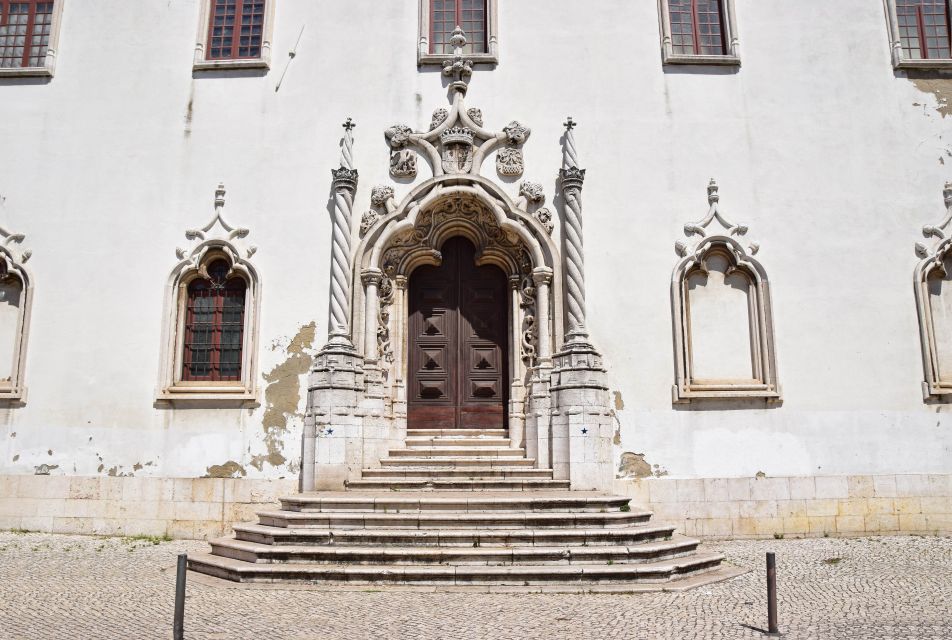
This visit works best if you treat it like a guided conversation with the museum, not a scavenger hunt with a schedule. Your ticket comes by email, and you’ll get instructions on downloading the audio guide after booking. Do yourself a favor and check your spam folder right away, because that email is your key to moving fast at the entrance.
The experience is built around an e-ticket plus skip-the-line service. That means you’re less likely to get stuck behind crowds doing the slow paperwork dance. Still, plan for the real-world possibility of a line at the door. Even with skip-the-line, you might have to wait a bit until you’re actually allowed in.
Once you’re inside, the “meeting points” and group structure matter less than your own pace. You end back where you started, which keeps things simple if you’re pairing this with lunch in the area or another museum stop.
You can also read our reviews of more tours and experiences in Lisbon



Your Smartphone Turns Into the Guide (Offline, English, and Practical)
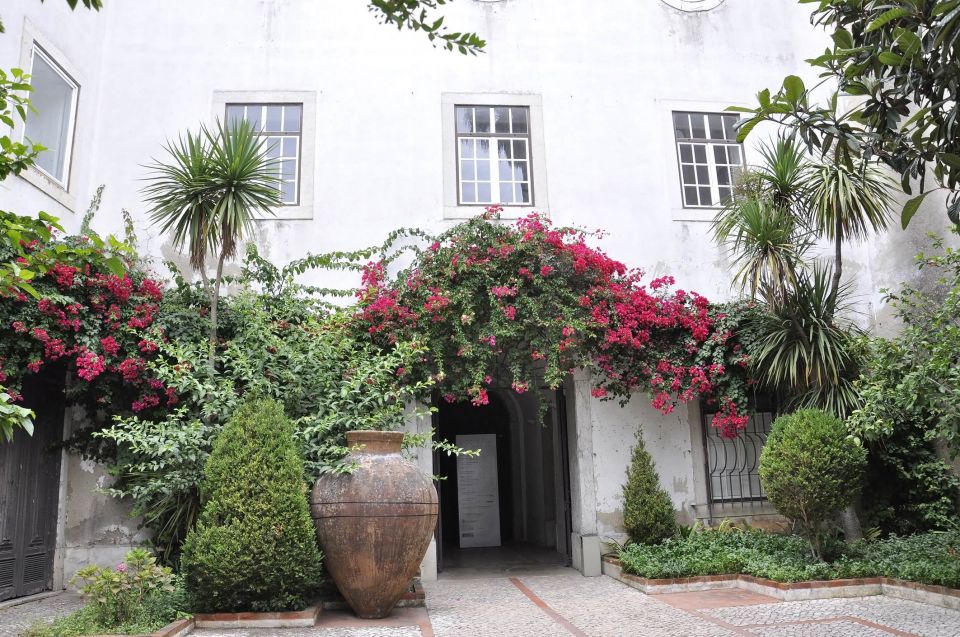
The audio guide is in English, and it’s meant to be used on your own phone with headphones. Importantly, it’s not included with your ticket as a hand-held device, and neither is a smartphone or headphones. You’ll bring those.
Here’s the big practical benefit: the content is available offline. So you’re not stuck fighting Lisbon wifi in a museum full of thick walls and signal dead zones. You do need storage—expect roughly 100 to 150 MB on your phone for the downloadable content. If your phone is tight on space, delete something first, or you might find yourself scrambling.
App compatibility is also worth noting. You need an Android phone (version 5.0 and later) or a compatible iOS device. The audio guide is not compatible with Windows Phones, and it won’t work with older iPhone/iPod/iPad models listed in the restrictions. If you’re traveling with an older device, test your setup before you arrive.
Finally, a less obvious tip: book per device, not per participant. If you’re traveling with a friend, don’t assume each person automatically gets their own audio experience unless you set it up correctly on the right device.
First Rooms Worth Prioritizing: Mickey Mouse and the Diamond Panel
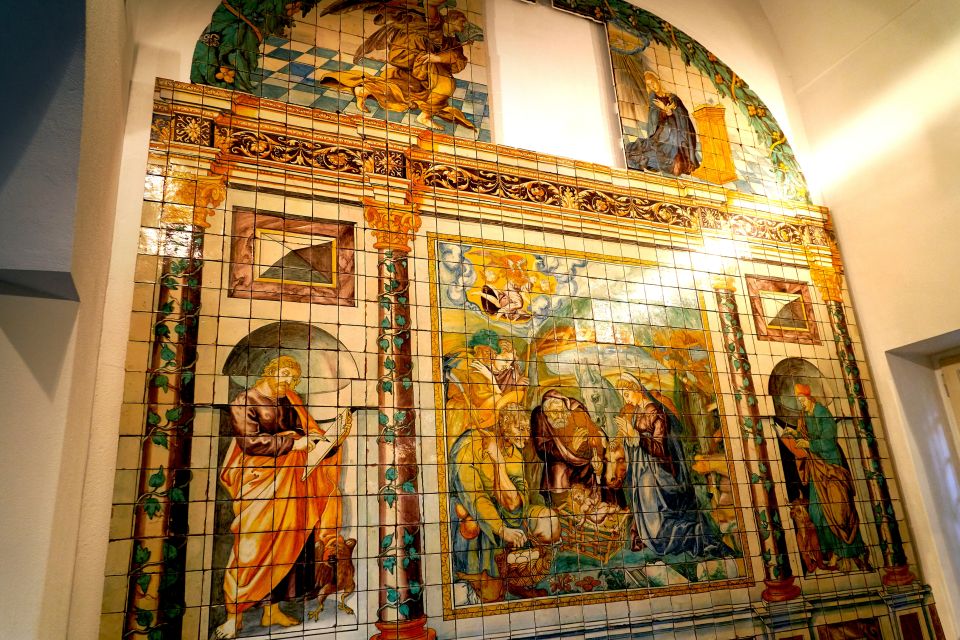
Some museums are more about information; this one is about pictures you can’t stop staring at. When you walk in, your goal shouldn’t be to “finish” everything. Your goal should be to pick up the key visual anchors, then let the audio guide connect them to the bigger story of Lisbon and Portugal.
The highlight that people remember is the Mickey Mouse tile panel. It’s exactly the kind of thing that makes you slow down, then look again—because decorative tiles have a history of borrowing popular imagery and reshaping it in ceramic form. The museum’s explanation helps you see it as more than a novelty.
Another standout to seek early is the Diamond-patterned panel. Think of it as a design study in repetition and craft. Even if you’re not a tile-nerd (totally fine), these geometric layouts show you the logic behind traditional Portuguese decoration—how pattern, light, and color work together.
If you only do a quick pass, start with these kinds of rooms and panels. They’re visual hooks. Once you have them, the later rooms about technique and industry make much more sense.
Mudéjar Patterns and the Dona Leonor Chapel: Details That Pay Off

Portugal’s tile tradition isn’t just one style. You’ll see influences layered over time, and the museum points you toward what to notice.
Look out for Mudéjar-patterned tiles. Even if you don’t know what Mudéjar means before you arrive, the audio guide gives you the context. You begin to spot how motifs traveled and transformed, and how ceramics became a way to express identity across eras.
Then there’s the Dona Leonor Chapel. This is where tiles stop feeling like wall decorations and start feeling like architecture. The chapel setting helps you understand the emotional role of ornament—how it can frame space, direct your attention, and create a mood all on its own.
If you like small details, slow down here. This is the kind of place where standing back for a moment and then stepping closer gives you two totally different views: the overall effect from a distance, and the fine lines and surfaces up close.
How the Museum Explains Lisbon’s Tile Industry Over Time
The museum’s real strength is the way it narrates the tile industry as a long-running story. You’re not just looking at artwork—you’re learning how production and demand worked, how styles changed, and how ceramics became part of Portuguese daily life and prestige.
The audio guide is built with short but interesting stories tied to what you’re seeing. It covers major periods, starting with older centuries and moving up to the modern day. You’ll hear about the way tiles relate to Portuguese medieval and early modern life, and you’ll get uncommon anecdotes along the way, not just textbook facts.
One helpful framing you can use while you listen: treat each exhibit as a clue to the craft system behind it. For example, when you see a specific pattern, ask what it would take to produce it—materials, kiln work, design planning, and the artists or workshops behind it. The audio guide nudges you toward those connections without turning the experience into a lecture.
You can also read our reviews of more guided tours in Lisbon






Pacing for a 1–2 Hour Visit: Don’t Try to Do Everything
This is a 1 to 2 hour experience. That time window is realistic if you accept that you’re not hunting for every single panel equally. Instead, you’re cycling between two modes:
- Look mode: stop, read what you can, and match what you see to what the audio says.
- Move mode: when you’re ready, progress at your own pace without feeling guilty.
The main drawback to watch for is audio navigation. The experience is self-paced, but the audio sections may not always follow the same order you naturally walk. If you start listening at the beginning and then decide you need to move faster, you might feel like you’re behind the track.
My practical advice: if the audio sounds like it’s describing a room you’re not in, don’t fight it. Use the app’s controls to jump to the section that matches your location. Some guidance at the start could make this clearer, but you can still solve it once you understand the system.
Also, plan for queues at the entrance. If you arrive at a busy time, the extra waiting time can shrink your listening time. In that case, focus on the top visual anchors first—Mickey Mouse, the Diamond-pattern panel, Mudéjar tiles, and Dona Leonor Chapel.
On-Site Comfort: Courtyard Breaks and Garden Space
Even though the core is the museum galleries, there’s a nice bonus: the museum area includes a pretty garden space near a cafeteria. It’s a good place to pause with a drink or a snack after your ceramic marathon.
This matters because tile viewing is visually intense. If you spend too long in one room, you’ll start seeing shapes without enjoying them. A short rest outside can reset your eyes and help you come back in ready to notice textures and pattern details again.
Price and Value: Is $16 Worth It?
At about $16 per person, this ticket feels fair when you compare what you’re actually getting: adult entry plus a skip-the-line service and an English smartphone audio guide. The value is strongest if you like learning while you look.
If you’re the type who reads wall labels, this can still be worth it. But the audio guide is what turns the visit from pretty tiles into a story-driven walk. Some people may find the audio ordering slightly tricky, yet the information is detailed enough that you still get a lot out of it—even if you occasionally jump around.
So the question becomes: will you use the phone audio for a meaningful chunk of the visit? If yes, $16 is a solid deal. If you prefer quiet and browsing only, you might decide to save money and rely on on-site signage instead. (The museum does have wall labels, so it’s not totally audio-dependent.)
Who Should Book This (And Who Might Skip It)

This works really well for:
- You if you want a self-paced visit with structure built in.
- You if English audio is your preferred way to learn.
- You if you’re curious about the way Lisbon and Portugal’s industry shaped everyday art.
- You if you like design details and want the story behind patterns.
You might choose something else if:
- You hate using apps in public places, or your phone storage is always full.
- You’re traveling with a device that isn’t compatible with the audio guide.
- You’re short on time and want a strict walk with a set order.
Should You Book the National Tile Museum E-Ticket and Audio Guide?
I think it’s a good booking when you want a confident, low-stress museum experience with real context. The combination of skip-the-line entry and an English offline audio guide makes it easy to get value quickly, especially if you target the big visual moments like the Mickey Mouse tile panel, the Diamond-pattern design, Mudéjar tiles, and the Dona Leonor Chapel.
If you’re the careful planner type, make sure your phone is compatible and has storage. If your device or setup is unreliable, this is the kind of ticket that depends on your tech working smoothly. But if you’re set up and ready to press play, this is one of those Lisbon stops that rewards you for slowing down just a little.
FAQ
FAQ
How long does the National Tile Museum visit take?
The visit is listed as 1 to 2 hours. Starting times can vary, so check availability for the schedule you want.
Is the audio guide included, and what language is it in?
Yes, the smartphone audio guide is included. It’s available in English.
What do I need on my phone to use the audio guide?
You’ll need an Android (version 5.0 and later) or a compatible iOS smartphone. You also need about 100 to 150 MB of storage space. The guide is not compatible with certain older devices listed in the restrictions.
Do I need headphones?
No headphones are included. You’ll need to bring your own headphones to listen.
How do I get my ticket and audio guide?
After booking, you’ll receive an email with instructions on how to access your ticket and download the audio guide. Check your email spam folder if you don’t see it.
Is there skip-the-line service?
Yes, skip-the-line service is included. Note that free and reduced admission tickets don’t come with skip-the-line privileges and must be acquired on-site.
What is included in the ticket price?
Your ticket includes adult entry to the National Tile Museum, skip-the-line service, the smartphone audio guide, and offline content such as text, audio narration, and maps.
Is it wheelchair accessible?
Yes, the museum is wheelchair accessible.
Is it suitable for small groups?
Yes. The experience is set up as a small group limited to 10 participants.
Where do I meet, and where does it end?
The meeting point can vary depending on the option booked. The activity ends back at the meeting point.