REVIEW · WORKSHOPS
Portuguese Pastry Workshop in Lisbon
Book on Viator →Operated by Casa dos Ovos Moles em Lisboa · Bookable on Viator
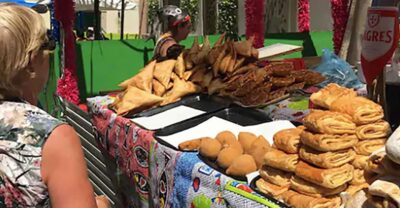
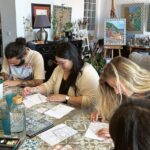
Sweet tooth plans for Lisbon start here. This Portuguese pastry workshop in Lisbon is a hands-on 2-hour class where you make Pastel de Nata and Travesseiro de Sintra from scratch, then sit down to taste what you make. It’s hosted at Casa dos Ovos Moles em Lisboa, a shop tied to Portugal’s long pastry traditions, with stories included while you bake.
I like that you don’t just watch. You learn the whole process, including the puff pastry technique done by hand, and you get clear instruction that helps even beginners aim for real results. I also like the payoff: your pastries are served with Porto wine or Ginja liquor, plus coffee and/or tea, so it feels like a real food experience, not a demo.
One consideration: the class is tightly timed at about 2 hours, so you’ll leave with skills and recipes, but you won’t have time for extra experiments beyond the two pastries. Also, the drink pairing includes alcohol, so if that matters to you, plan accordingly.
In This Review
- Key highlights you’ll care about
- Why a Lisbon pastry class beats another food tour
- Casa dos Ovos Moles em Lisboa: your small-shop baking room
- Pastel de Nata: making custard cups with the right technique
- Travesseiro de Sintra: the second pastry, different texture and mood
- The drink-and-taste moment: Porto or ginja, plus coffee and tea
- The history piece that actually helps you remember
- What you pay $96.55 for, and why it can be fair value
- Timing in Lisbon: plan around the 3:00 pm start
- Who this Portuguese pastry workshop is perfect for
- Quick tips to get the most out of your class
- Should you book this Portuguese Pastry Workshop in Lisbon?
- FAQ
- What pastries will I make in the Portuguese Pastry Workshop in Lisbon?
- How long is the workshop?
- Where do I meet, and how do I get there?
- What’s included with the pastries after baking?
- Is the workshop offered in English?
- How big is the group?
Key highlights you’ll care about
- Hands-on puff pastry work instead of just mixing batter
- Two Lisbon classics: Pastel de Nata + Travesseiro de Sintra
- Small group limit (max 6) for more attention
- Tasting with Porto wine or Ginja liquor plus coffee and/or tea
- Central meeting point near public transportation at Calçada do Sacramento 25
- History lessons tied to Portuguese monastery and Ovos Moles traditions
Why a Lisbon pastry class beats another food tour
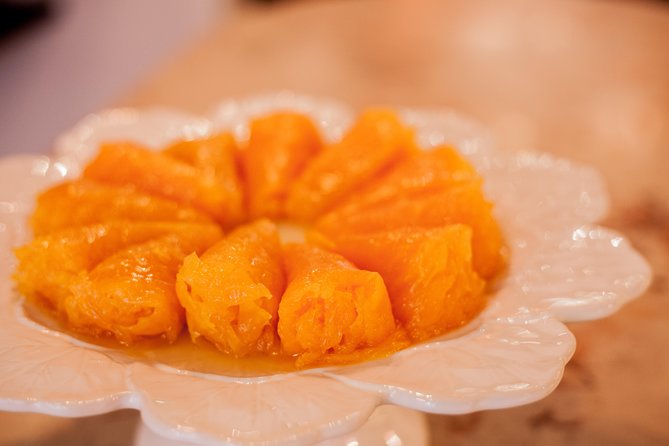
If you’re the type who likes to eat, sure. But if you like to learn, this kind of workshop is hard to top. You’ll spend your afternoon doing the work that turns those famous Portuguese pastries from mysterious into very doable.
What makes it especially satisfying is the focus on technique. You’re not relying on store-bought shortcuts. You’re building skills you can repeat later, which is why people come back saying their pastries tasted like the best they had in Portugal.
You can also read our reviews of more tours and experiences in Lisbon
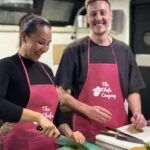
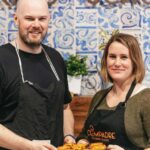
Casa dos Ovos Moles em Lisboa: your small-shop baking room
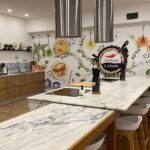
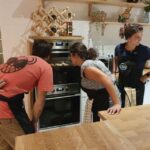
Your start point is Calçada do Sacramento 25, in central Lisbon, and the shop is close to public transportation. The setting matters here: a compact pastry shop lets the instructor move around, correct your dough, and explain what should feel different at each step.
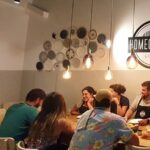
The workshop is capped at a maximum of 6 people per booking, and that size shows. You get more time for questions and more chances to actually handle ingredients and tools. Several people also note the shop’s old-building vibe, which adds to the Lisbon feel without turning it into a costume.
Pastel de Nata: making custard cups with the right technique
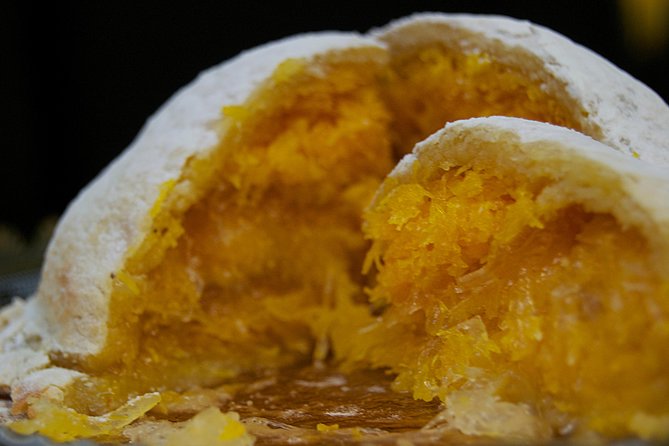
This is the pastry most people recognize, and it’s also the one that punishes shortcuts. Here, you learn it from the ground up, including the puff pastry part done by hand. That’s a big deal because the flaky, layered texture is where Pastel de Nata either shines or turns into a sad pastry situation.
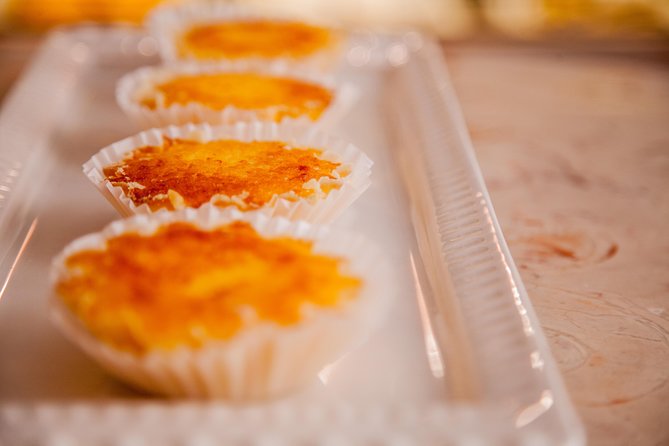
Expect a guided flow: prep, shaping, and assembly—then baking and tasting. The instructor walks you through what to watch for as the dough develops and how to build the custard so it bakes into that classic set-with-a-spot-of-creaminess look.
One more practical point: you’re working with guidance, not guesswork. Past reviews mention patient teaching and hands-on involvement, which is exactly what you want when you’re learning a pastry that has a reputation for being hard to replicate.
Travesseiro de Sintra: the second pastry, different texture and mood
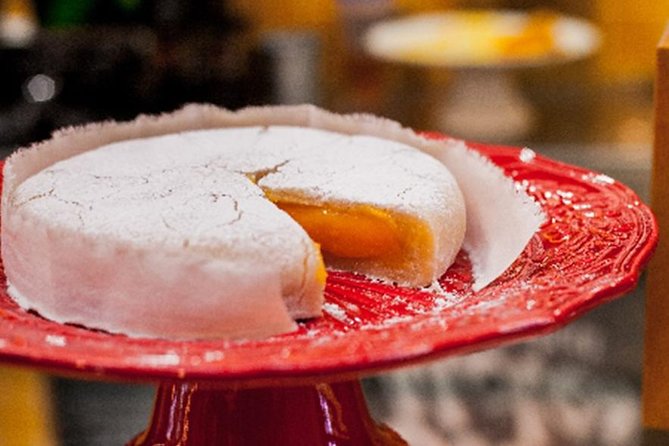
Then you switch gears to Travesseiro de Sintra, another regional specialty from Lisbon’s wider pastry world. This one tends to feel different in your hands because it focuses on a layered, filled result rather than the custard-cup style.
You’ll work through the process for the dough and filling, and you’ll learn how the assembly creates the final bite. The fun here is contrast: you get to apply your pastry skills in two formats, so the workshop doesn’t feel repetitive.
If you’ve only ever eaten Portuguese pastries and never tried to make them, this second item is a smart way to understand how flexible the region’s pastry tradition can be. You come away with a broader mental model, not one isolated recipe.
The drink-and-taste moment: Porto or ginja, plus coffee and tea
After baking, you eat what you made. Your dessert includes two pastries (Pastel Nata + Travesseiro de Sintra) and then you taste them with Porto wine or Ginja liquor. You also get coffee and/or tea, plus snacks along the way.
This is more than a perk. It’s part of how you learn. When you taste immediately, you can connect the finished texture to the steps you just did—like how the layers worked, whether the filling set properly, and how the pastry’s sweetness balances with the drink.
Also, it makes the class feel like an afternoon in Lisbon rather than a strict workshop with no social payoff. Reviews regularly mention people laughing, chatting, and enjoying the results together, which fits the small-group structure.



The history piece that actually helps you remember
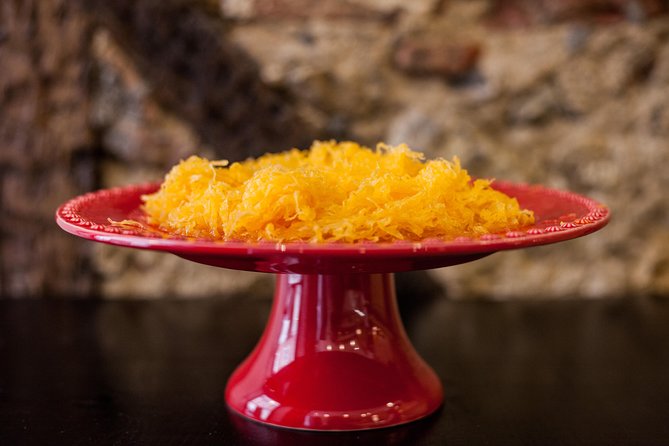
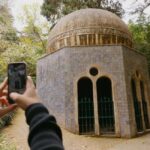
You’re not just handed a recipe and sent away. The host shares the story behind Portuguese pastry traditions, including the idea that pastries were created in Portuguese monasteries. You also learn how their shop connects to Ovos Moles, described as a tradition with about 500 years of history.
Why I like this part: it gives your pastries context. Once you know the cultural roots, the technique feels less random. It’s easier to remember what matters, like the importance of dough handling and why certain flavors show up again and again across Lisbon sweets.
What you pay $96.55 for, and why it can be fair value
At $96.55 per person for about 2 hours, it may look pricier than a basic walking tour. But you’re paying for ingredients, instruction, and the real “all-in” tasting component.
Here’s what’s included:
- Beverages and snacks
- Food tasting
- Coffee and/or tea
- Alcoholic beverages (Porto wine or Ginja liquor)
You also get hands-on time with a small group of no more than 6. That matters. In a crowd, you can’t learn the technique you need. Here, you’re built for interaction, which is usually what separates a fun activity from a useful one.
The one extra you should plan for: transportation. The tour listing doesn’t include getting you to and from Lisbon sights, so just treat this as something you slot into your day.
Timing in Lisbon: plan around the 3:00 pm start
The workshop starts at 3:00 pm and runs about 2 hours. Times can differ depending on the day of the week, so double-check your specific booking date before you lock in other plans.
Because you start mid-afternoon, you can pair it with a morning activity. Think of it as your “slow down” event after you’ve done some walking. Also, since the meeting point is central near public transport, it’s easy to reach even if your hotel is not nearby.
If weather is poor, the experience may be canceled and you’ll be offered a different date or a refund. That’s not something to ignore in Lisbon during rainy shoulder seasons.
Who this Portuguese pastry workshop is perfect for
This class is made for people who want more than photos. If you’re a foodie who likes learning how things are built, you’ll likely have a great time. The two-pastry format helps you get real practice quickly.
It’s also a strong option if you’re traveling with teens or older kids who enjoy hands-on work. Reviews mention families enjoying it together, and the small group size helps everyone stay involved.
If you hate cooking in a hands-on setting, you might find it less relaxing than a sit-down meal. And if alcohol is a deal-breaker for you, you’ll want to consider the pairing (Porto or ginja) before booking.
Quick tips to get the most out of your class
- Show up hungry. The pastries are the point, and the tasting comes after you bake.
- Wear something you can get a little flour-dust on. It’s a pastry shop workshop, not a museum.
- Ask questions while you’re working. That’s when instruction clicks best.
- Plan to use what you learn right away. You’ll likely get recipes to take home, and making them soon improves your results.
Should you book this Portuguese Pastry Workshop in Lisbon?
I think you should book it if you want a Lisbon experience that mixes culture, technique, and food you actually made. The small group cap, the hands-on approach to puff pastry, and the fact that you leave with two pastries plus a proper tasting make it a solid value for the money.
Skip it only if you’re looking for a passive activity, you don’t want to work with dough, or you strongly prefer alcohol-free food experiences. Otherwise, this is one of those afternoons that gives you a story and a skill, not just a full stomach.
FAQ
What pastries will I make in the Portuguese Pastry Workshop in Lisbon?
You’ll learn to make two pastries: Pastel de Nata and Travesseiro de Sintra.
How long is the workshop?
The class is about 2 hours (approx.).
Where do I meet, and how do I get there?
You meet at Calçada do Sacramento 25, 1200-393 Lisboa, Portugal. The meeting point is near public transportation.
What’s included with the pastries after baking?
You’ll have a dessert tasting that includes the two pastries plus Porto wine or Ginja liquor, along with coffee and/or tea and snacks.
Is the workshop offered in English?
Yes. The experience is offered in English.
How big is the group?
The booking has a maximum of 6 people per booking (and the experience has a maximum of 6 travelers).