REVIEW · FATIMA, NAZARE & OBIDOS DAY TRIPS
Tomar, Batalha and Alcobaça – UNESCO private guided tour
Book on Viator →Operated by Windland Tours · Bookable on Viator
A Templar day trip with three UNESCO stops. This private tour strings together Portugal’s medieval power and early maritime ambition in one long, satisfying day. I love the focused time at each monument and how the guide turns stonework into stories you can actually picture. One thing to consider: it is a full day, and there is no lunch included.
The biggest win is the private transport plus skip-the-line treatment for the monasteries, so you spend more time looking and less time waiting. I also liked the guide quality highlighted in the day’s experiences, including Vera’s English skills and her photo guidance. The only drawback is that the final stop is shorter, so you’ll want to move with purpose at Alcobaça.
In This Review
- Key points to know before you go
- Connecting the dots: why these three sites belong together
- Private pickup and a long, well-paced Lisbon-to-monument day
- Stop 1: Tomar’s Templars’ Castle and the Order of Christ
- Stop 2: Batalha Monastery and the birth of Manueline style
- Stop 3: Alcobaça’s first Portuguese Gothic monument and the Pedro/Inês story
- Skip-the-line and private guiding: the real value you feel
- Price and value: is $222.28 per person fair for this route?
- How to get the most out of each stop (without wasting time)
- Who this tour is best for
- Should you book this Tomar, Batalha and Alcobaça UNESCO private tour?
- FAQ
- What time does the tour start?
- How long is the private guided tour?
- Is pickup from Lisbon included?
- Is this a private tour or a shared group?
- Is skip-the-line access included?
- Are admission tickets included?
- Is lunch included?
- What language is the tour guided in?
- What is the cancellation policy?
Key points to know before you go
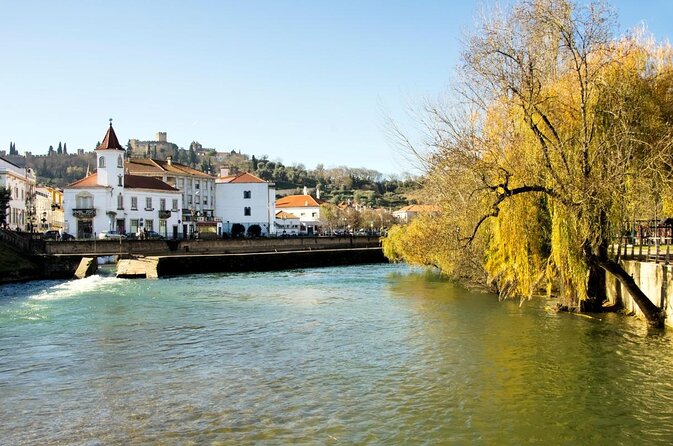
- Three UNESCO sites in one day: Tomar, Batalha, and Alcobaça, with time set aside for each.
- Skip-the-line access to monasteries: less waiting means more viewing time.
- English-speaking private guide: the history is explained in a clear, story-driven way.
- Air-conditioned private vehicle: helpful on a long drive from Lisbon.
- Admissions and lunch are not included: budget for tickets and a meal on your own.
- Great guide feedback: Vera and Gonçalo are singled out for strong storytelling and smooth pacing.
Connecting the dots: why these three sites belong together
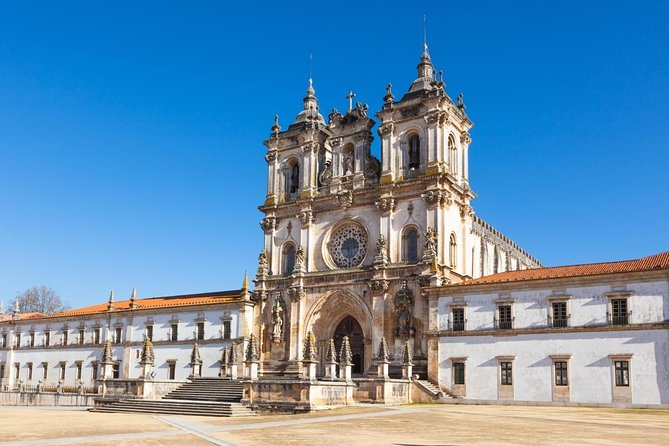
When you visit Portugal’s medieval monuments one at a time, they can feel like separate lessons. Put them on the same day, and they start behaving like a single narrative. Tomar points to the military-religious roots of Portugal’s power story, Batalha shows the style and confidence of a nation that is projecting itself outward, and Alcobaça anchors the whole timeline in the Kingdom of Portugal era.
This tour is built for that “connected history” effect. You’re not just checking buildings off a list. You’re seeing how religious orders and royal politics shaped what got built, how it got designed, and what symbols meant. And because the day is guided, you’re less likely to stare at carvings and wonder what you are supposed to notice next.
It also helps that the monuments overlap in theme. Each stop ties back to Portugal’s maritime discoveries, either directly or through the legends attached to the people who helped set things in motion. That makes the drive time feel useful instead of dead time.
You can also read our reviews of more guided tours in Lisbon


Private pickup and a long, well-paced Lisbon-to-monument day
This is a private guided day trip from Lisbon with a start time of 9:30 am and an overall duration of about 9 hours. You’ll ride in an air-conditioned vehicle with private transportation, and pickup is offered, which matters if you want to avoid the stress of coordinating your own way out to the countryside.
Timing is everything here. You get about 3 hours in Tomar, 3 hours at Batalha, and 1 hour in Alcobaça. That adds up to a packed day, but the structure is sensible: two larger time blocks for the bigger sites, then a shorter finale focused on a specific story and monument.
A smart practical note: since lunch isn’t included, plan for a meal break you can handle. The best approach is to bring a small snack for the drive and decide ahead of time where you’d rather spend your energy—food, photos, or a last look at details before the next leg.
Stop 1: Tomar’s Templars’ Castle and the Order of Christ
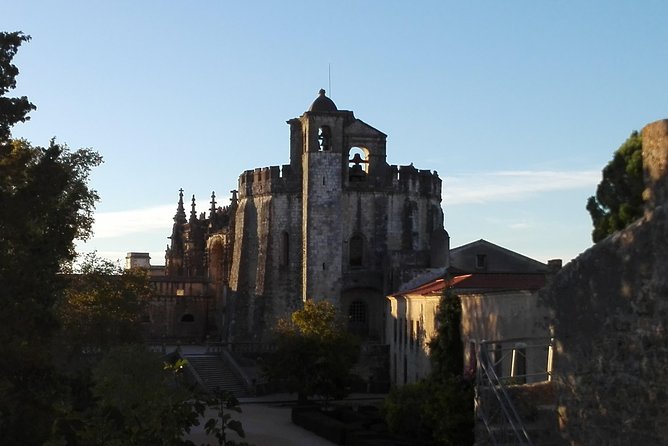
Tomar is where the day gets its medieval spine. You start at the Castelo de Tomar, the Templars’ Castle and the headquarters of the Order’s presence in Portugal. This isn’t just about walking walls. The visit is framed around history, legends, and the idea that symbols carved into stones weren’t random decoration.
What I like about this first stop is that it gives you a way to “read” the site. If you’ve ever visited a fortress-like complex and felt like you were missing the point, a good guide fixes that. Here, you’re guided through the history and legends behind the Order’s influence, plus the way hermetic knowledge is tied to symbols you can actually spot on the structure.
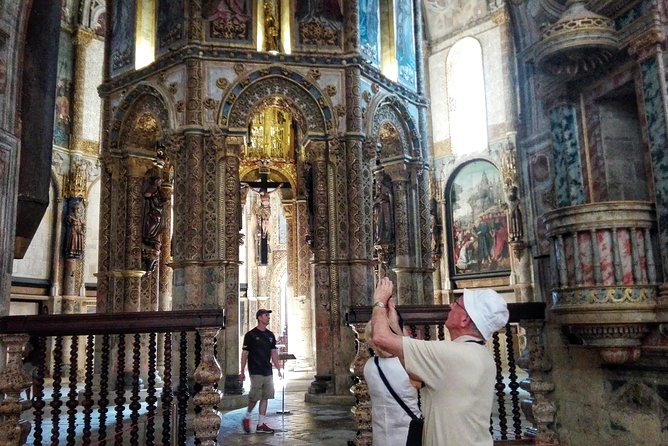
Then the tour also includes the Convent of the Order of Christ, which succeeded the Order of the Temple. This connection is key. The story moves forward, linking medieval religious power to later ambition and eventually to Portugal’s maritime discoveries. You’re not stuck in one era. You’re watching a transition happen in real time as the narrative evolves.
One consideration: Tomar is large enough that 3 hours can pass quickly if you keep stopping just for photos. If you care about understanding, keep your pace steady and save your most detailed looking for the moments your guide highlights.
Stop 2: Batalha Monastery and the birth of Manueline style
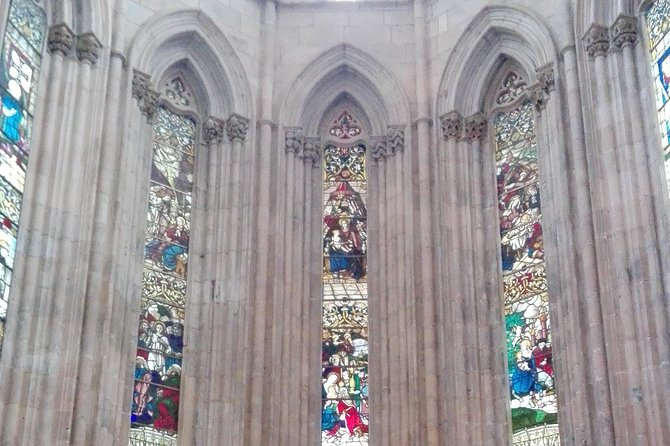
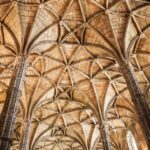
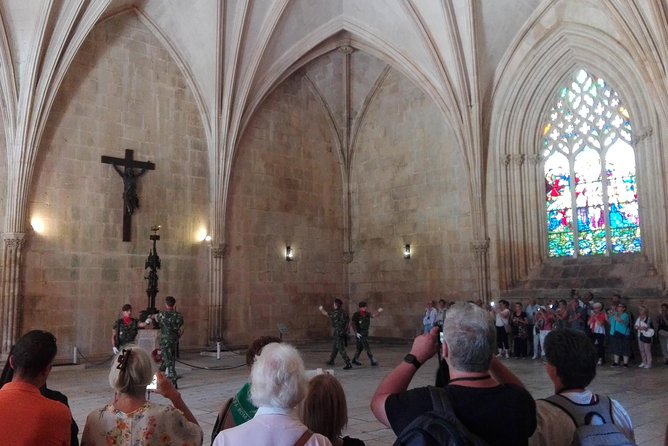
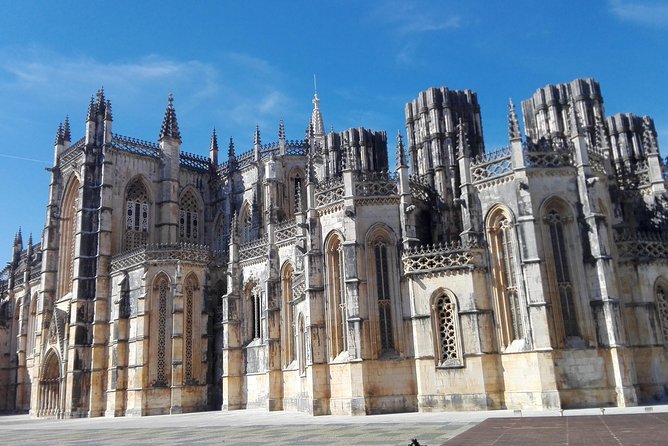
Batalha is the style lover’s stop. You’ll spend about 3 hours at the monastery, where Gothic and Manueline architecture sit side by side. If you’ve heard the word Manueline and wondered what it means beyond a label, this is the kind of place where the design choices start making sense.
This visit is not just “admire the buildings.” The tour connects architecture to the people and legends tied to Portugal’s early maritime discoveries. That matters because Manueline style is often tied to national identity and Portuguese expansion, so it helps to understand why these shapes, motifs, and details show up when they do.
Two specifics are worth flagging because they give you a clear mission while you’re inside:
- It is described as the place of birth of the Manueline style.
- You’ll see the first stained glass windows in Portugal.
Those are the kinds of details that make your photos better later. Instead of a random interior shot, you’ll remember what you were looking at and why it matters.
There’s also a very practical benefit to the way the day is set up: the tour includes skip-the-line access to the monasteries, which helps on a high-demand stop like this. You can focus on the space itself instead of waiting to enter.
Stop 3: Alcobaça’s first Portuguese Gothic monument and the Pedro/Inês story
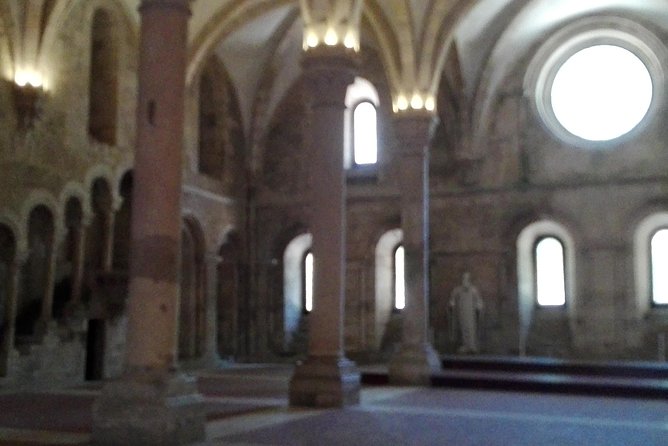
Alcobaça moves a bit faster, with about 1 hour at the Monastery of Alcobaça. The main draw here is its importance as the first Portuguese Gothic monument and the way it links to the creation of the Kingdom of Portugal in the 12th century.
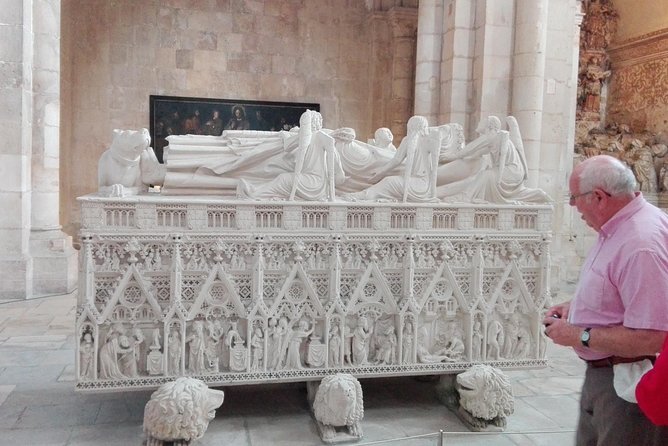
Then comes the emotional anchor: the burial place of Pedro and Inês de Castro, the protagonists of the famous tragic love story. Even if you already know the basic legend, seeing it tied to a real monument helps it land differently. Stone carvings and tombs feel more meaningful when you understand the historical and royal context they represent.
Is one hour enough? For the monument’s headline points, yes. But if you like slow wandering and repeat looks at architectural details, you’ll feel the time limit. The best move is to go in with your priorities: pick the elements your guide highlights most, and don’t try to read everything at once.
In a day with two large stops already behind you, Alcobaça is a good way to end on a clear theme: Gothic style plus one story you can’t forget.
You can also read our reviews of more private tours in Lisbon



Skip-the-line and private guiding: the real value you feel
A lot of day tours say they are guided. This one is guided in a way that affects what you actually do during the visit.
Because it is private, the pacing is controlled. You aren’t sharing every decision with a crowd. That helps when the site is complex and you want to ask questions or adjust your walking rhythm without losing the group.
The inclusion of skip-the-line access to the monasteries is also a big practical value. In these places, entrances and security can slow things down. Cutting that friction means you can arrive, settle, and start looking right away.
The guide impact is visible in the experiences with Vera and Gonçalo. Vera is praised for prompt hotel pickup, strong storytelling, and excellent English, plus pointing out fascinating details and where to take photographs. Gonçalo is highlighted for deep Portugal know-how that goes beyond just the three sites, making the ride between monuments feel like part of the day, not a waiting room.
That kind of guiding turns architecture into something your brain can organize. It’s not just seeing. It’s understanding.
Price and value: is $222.28 per person fair for this route?
At $222.28 per person, you’re paying for a lot more than tickets. The included cost covers:
- private transportation in an air-conditioned vehicle
- a private guided approach across three UNESCO sites
- skip-the-line access to the monasteries
What is not included is just as important for value math. Lunch isn’t included, and admission tickets are not included at the monuments. So your total day budget will be higher once you add site entry and a meal.
Still, for many people this price works because the alternative is usually more complicated. If you try to DIY this route, you deal with transportation coordination, timing gaps, and the reality that you’ll probably spend more time figuring things out than seeing the key parts. Here, the day has structure: time blocks at each site and a guide to keep you pointed in the right direction.
If you care about comfort and clarity, the cost starts to feel reasonable. If you are traveling super light, love wandering with zero guidance, and already know the sites inside out, you might find cheaper options. But for most first-timers or history lovers, this is a solid, efficient way to get three major monuments in one shot.
How to get the most out of each stop (without wasting time)
This is not a “sit down and relax” day. It is a monuments day, and your choices affect how enjoyable it feels.
- Wear comfortable walking shoes. You’ll move through stone complexes and interiors.
- Plan for admission costs and lunch since they’re not included. Keep that money separate so you don’t get surprised when you’re ready to eat.
- Bring a camera plan. The guide approach includes photo guidance, which means you should be ready to stop quickly and shoot when a detail matters.
- Pace your attention. Use the first stop to get context, then let that context guide your looking at Batalha and Alcobaça.
One more small strategy: if you want the day to feel coherent, listen actively during the drive. This route is packed, so the narrative glue is partly in what you hear between monuments, not only inside them.
Who this tour is best for
This private UNESCO day tour is a strong fit if you want:
- a history-focused guided day rather than independent touring
- English commentary and smooth navigation across three sites
- a plan that protects your time with private transport and skip-the-line entry
It’s also a good choice for people who prefer not to stress about getting between Tomar, Batalha, and Alcobaça. The tour’s structure does the hard work for you.
If you hate tight schedules, might be tired after a long day, or get overwhelmed by too many monuments in one run, you may want to consider a slower approach with fewer sites. Here, the tradeoff for seeing more is that you have less room to linger.
Should you book this Tomar, Batalha and Alcobaça UNESCO private tour?
I would book it if you want a guided, efficient UNESCO day that connects the story of Portugal across three major monuments. The standout advantages are the private setup, the skip-the-line advantage, and the guide quality highlighted through names like Vera and Gonçalo, especially for clear English and effective storytelling.
I’d skip it or adjust expectations if you’re hoping for a relaxed day with long free time at each site. Alcobaça in particular is short, so you need to be ready to focus.
If you’re aiming for value in the form of time saved and meaning gained, this tour makes a lot of sense. You get a clear route, a guide who knows what to point out, and three UNESCO sites tied into one connected day.
FAQ
What time does the tour start?
The tour starts at 9:30 am.
How long is the private guided tour?
The duration is about 9 hours.
Is pickup from Lisbon included?
Pickup is offered.
Is this a private tour or a shared group?
It is a private tour/activity, so only your group participates.
Is skip-the-line access included?
Yes, skip-the-line access to the monasteries is included.
Are admission tickets included?
No. Admission tickets are not included.
Is lunch included?
No. Lunch is not included.
What language is the tour guided in?
The tour is offered in English.
What is the cancellation policy?
Free cancellation is available. You can cancel up to 24 hours in advance for a full refund.