REVIEW · PASTEL DE NATA BAKING CLASSES
Pastel de Nata Pastry Class
Book on Viator →Operated by Lisbon Affair · Bookable on Viator
Pastel de nata starts with your hands. This 2-hour class in Lisbon is all about making Portugal’s best-known custard tart from scratch, with a guide who talks you through the details and the small fixes that make a big difference. I like that you get a small group up to 15 (so it does not turn into a lecture), and you leave with English digital recipes to help you recreate the flavor later.
One possible drawback: if the class runs closer to the top end of the group size, you may feel you want a bit more one-on-one hands-on time. Also, the room can run warm during the session, so if you are heat-sensitive, keep that in mind.
In This Review
- Key takeaways before you go
- Your start point at Lisbon Affair cooking classes in Av. de Roma
- The Pastel de Nata lesson: the name, the technique, and why it matters
- Dough work in a hands-on setting: feel it, shape it, get control
- Custard cream cooking: learning the texture, not just the recipe
- Tasting in the same session: you learn by comparing
- Small-group attention: how you actually get value from two hours
- Take-home payoff: English digital recipes that help you bake again
- Price and value: what $64.81 buys in real terms
- Where this class fits in your Lisbon trip
- Who should book the Pastel de Nata pastry class?
- Should you book this class?
- FAQ
- FAQ
- How long is the Pastel de Nata pastry class?
- Where does the class start and end?
- Is the class offered in English?
- What is included in the price?
- Do I need anything special to participate?
- How big are the classes?
- Are refreshments included?
- What if I need to cancel?
- What if the tour has to be canceled due to minimum numbers?
- Is the meeting point easy to reach by public transportation?
Key takeaways before you go
- Up to 15 people: small enough for questions, big enough that the energy stays friendly.
- Hands-on pastel de nata: you work the dough and cook the custard, not just watch.
- No-nata explanation included: the workshop clears up why the name sounds a little misleading.
- English digital recipes: you get instructions in your language for baking again at home.
- Tasting plus refreshments: tea, coffee, orange juice, and water keep you comfortable while you learn.
Your start point at Lisbon Affair cooking classes in Av. de Roma
Your class begins at Lisbon Affair – Cooking Classes Lisbon, at Av. de Roma 87B, 1700-344 Lisboa. The activity ends back at the same meeting point, so you are not juggling directions after you finish baking.
You’ll get a mobile ticket, and the location is near public transportation, which matters if you are doing this alongside other Lisbon stops. The studio provides practical basics too: you’ll wear an apron, and there is washing up/cleaning support built into the session. That sounds minor, but it keeps the experience focused on learning instead of chores.
Before you start working, you’ll also have refreshments on hand, including tea, coffee, orange juice, and water. In a pastry class, this helps more than it sounds. Sugar makes people feel thirsty, hands get sticky, and you want breaks that do not turn into a long stop-start routine.
You can also read our reviews of more tours and experiences in Lisbon


The Pastel de Nata lesson: the name, the technique, and why it matters
Pastel de nata is everywhere in Lisbon, but most people only experience it one way: warm, flaky, and disappearing fast. This class adds the missing half—how to build it so the tart is truly balanced.
A fun and useful part of the workshop is that they explain why it is called Pastel de Nata even though there is talk about it not having nata. You will hear that clarification during the session. That is not just a trivia moment; it sets you up to understand what you are actually making and why certain texture and flavor cues matter.
From the class structure, you can expect more than step-by-step baking. Instructors also bring in context and stories about the dessert, which helps the technique stick in your brain. Guides like Beatriz and Bernardo (both mentioned in different classes) are described as patient and calm, with lots of answers for questions. If you have ever tried baking something famous and wondered why your result did not match what you ate in Portugal, this is where you start closing the gap.
Dough work in a hands-on setting: feel it, shape it, get control
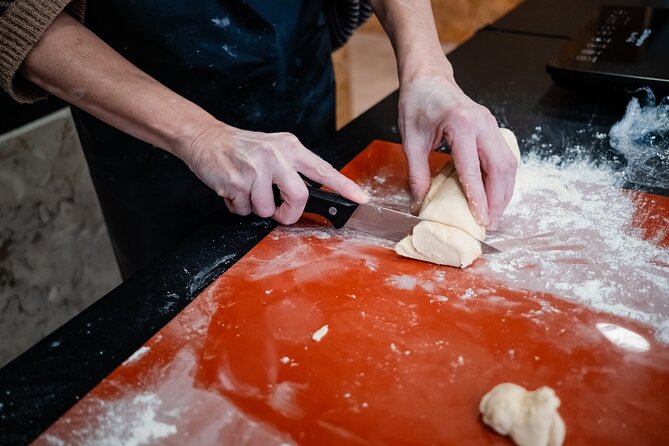
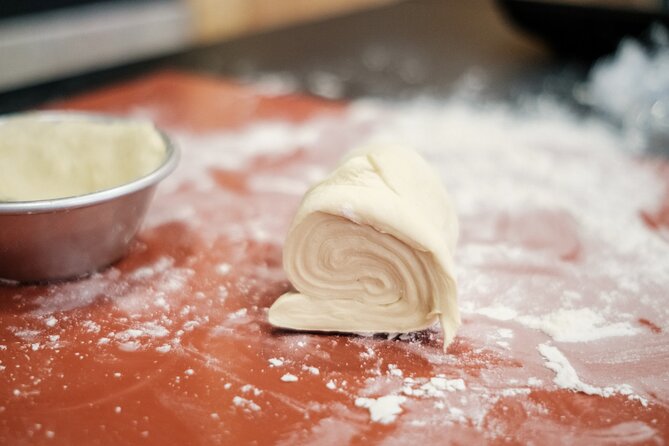
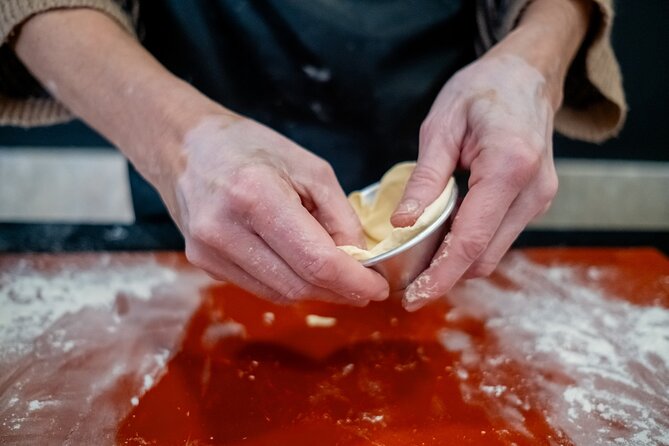
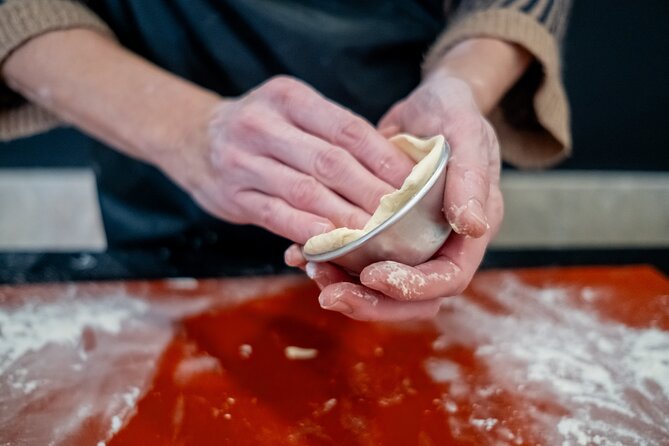
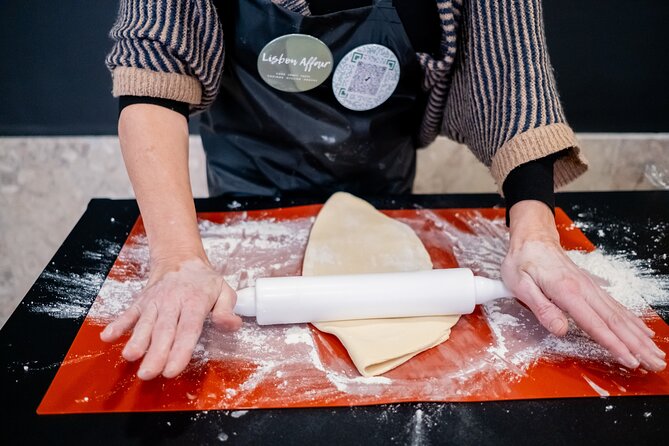
You do not just get handed a pastry shell. The workshop includes the part where you feel the dough and learn how to handle it properly. That matters, because pastel de nata pastry is not about fancy tools. It is about control: how thin, how even, how you move without tearing, and how you keep the dough in the right state while you work.
During the session, you’ll work through the process of making the pastry and preparing it for the custard. In a class this short, the goal is not to turn you into a pastry chef by magic. The real win is learning the practical moves you can repeat at home without guessing.
Also, the small-group setup makes a difference here. When you can see and ask questions, you can correct issues immediately. One important clue from the experience descriptions: even when the class is small (sometimes as few as a handful of people), the instruction still stays organized and hands-on, not chaotic.
Custard cream cooking: learning the texture, not just the recipe
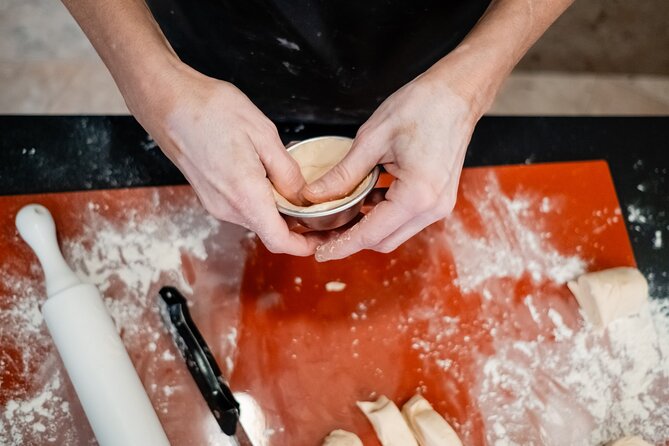
The heart of pastel de nata is the custard cream. The class explicitly includes cooking the custard as part of what you do, which is the difference between a sweet-making demo and a true skill-building workshop.
You will learn how to cook it so it tastes like the real deal from Lisbon. The workshop is designed around the idea that you can recreate the flavors at home, which means they are not teaching you only the motions. They are trying to help you understand what you are aiming for in taste and texture.
This is also where instruction style matters. One instructor described as very calm and patient can be a big deal, because custard steps reward attention. If you are prone to rushing, a good teacher keeps you on track. If you are new to baking, a patient teacher helps you avoid common mistakes that are easy to make when you only have a short time in the kitchen.
Tasting in the same session: you learn by comparing
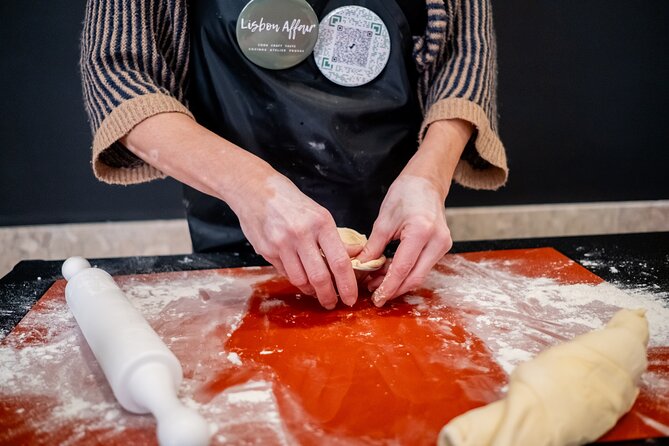
You get a tasting as part of the class, and it is one of those quiet advantages that turns the workshop from a nice activity into a real learning moment. When you taste what you made right after cooking, you can connect flavor to technique quickly.
The tasting also matters because pastel de nata is not just sweet. It has a balance of creamy custard, crisp pastry edges, and that lightly caramelized top you associate with the best ones. If yours comes out different, the instructor can usually help you understand why, which is the fastest way to improve next time.
And yes, you are not tasting dry. Refreshments are included, including orange juice and water, plus coffee or tea. That keeps you comfortable during the hands-on parts, and it makes the final bite feel like a reward rather than an afterthought.






Small-group attention: how you actually get value from two hours
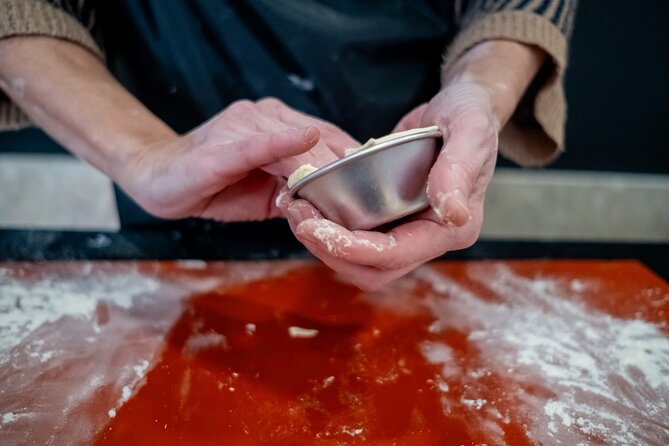
The class runs around 2 hours, and that time has to count. With a maximum of 15 travelers, the workshop has enough people for a lively atmosphere but is still set up for interaction.
In practice, many people are likely to enjoy this most when they ask questions. The instructors are described as generous with answers, and when the group is smaller, you get even more of that personal guidance. One consistent theme across the experience notes is that the teaching stays light and fun while still being informative.
If you’re traveling as a couple, this format can feel ideal. It is a shared activity that is not complicated, but it is also not generic. If you’re solo, you still get attention and a built-in social moment without needing to force conversation all day.
There is one practical consideration, though. If the class ends up closer to the maximum group size, your hands-on time may feel slightly less individualized. You might still leave satisfied, but if you really want maximum one-on-one help, this is the one thing I would watch.
Take-home payoff: English digital recipes that help you bake again
This is where the class goes from fun to useful. You get digital recipes in English, which means you are not relying on memory and guesswork after you return home.
I like this because it respects how travel works. Lisbon has a way of making you forget details the moment you’re back in daily life. Having a recipe in your language helps you relive the process and adjust based on your own results.
Also, the recipes are paired with what you did during the session, including the tips that make pastel de nata taste authentic. The goal is explicitly to help you recreate the flavors at home. That is the best kind of souvenir: not something you store in a cabinet, but something you use.
You also get the basic workshop gear support, including the apron and cleaning/washing up. That keeps the whole experience smooth, and it means you are more likely to finish thinking about baking again instead of thinking about mess.
Price and value: what $64.81 buys in real terms
At $64.81 per person for about two hours, you are paying for more than ingredients. You are paying for:
- Guided instruction in English
- A hands-on baking session (dough + custard cooking)
- Tasting
- Refreshments like coffee or tea and orange juice
- Digital recipes to take home
- Apron use plus cleaning/washing up support
When you put it that way, the price starts to make sense, especially if you compare it to paying for lessons and then still needing to buy tools or hunt down reliable instructions later.
Another value point is group size. Since it can run up to 15, and sometimes ends up smaller, the experience has a better chance of being interactive. That is hard to replicate if you just do a tasting tour and call it education.
And if you care about timing, the class is typically booked ahead (on average about 16 days in advance). Popular workshops can fill up, so booking early is a smart move.
Where this class fits in your Lisbon trip
This is a great mid-day or afternoon activity when you want something that feels local but does not require a half-day commitment. You are working in a real kitchen setting, learning a signature Lisbon dessert, and then you are done. No long line. No waiting for a table. Just two hours of purposeful fun.
It also pairs well with other food-focused plans. If you are doing a walking day, schedule this when you want something indoors. If you are doing museum time, this can be your “hands-on reset” that ends with a treat.
If you are the type who likes to eat your way through a city, this class adds a different skill layer. You will still get to enjoy pastry, but you will also leave knowing how to reproduce the key elements at home.
Who should book the Pastel de Nata pastry class?
Book this if:
- You want hands-on learning, not just eating
- You like the idea of going home with English digital recipes
- You enjoy small group classes where you can ask questions
- You are a couple, friends, or a family group looking for a shared activity
Skip it or reconsider if:
- You prefer very small classes and you are sensitive to a room that feels busy
- You are extremely heat-sensitive and would rather pick another time of day
The nice part is that the experience is flexible in practice. Classes can be small enough to feel intimate, and others include mixed ages, so it tends to work across different kinds of travel groups.
Should you book this class?
I think it is a strong yes if your goal is a skill you can repeat. The hands-on dough work, the custard cooking, and the digital recipes in English turn this into more than a “nice afternoon.” It is a practical way to understand what makes Lisbon’s pastel de nata so good.
My only caution is about expectations around personalization. The class can reach up to 15 people, and if you are hoping for lots of direct attention at every step, you should choose this with that in mind. Still, even with that cap, the overall teaching approach is described as fun and patient, and the tasting and take-home recipe are clear reasons to go.
FAQ
FAQ
How long is the Pastel de Nata pastry class?
It runs for about 2 hours.
Where does the class start and end?
It starts at Lisbon Affair – Cooking Classes Lisbon on Av. de Roma 87B and ends back at the same meeting point.
Is the class offered in English?
Yes, the class is offered in English.
What is included in the price?
The price includes the pastry class, tasting, orange juice and water, coffee or tea, digital recipes in English, and use of an apron plus cleaning/washing up.
Do I need anything special to participate?
The experience provides the apron, and cleaning/washing up support is included. A mobile ticket is used for entry.
How big are the classes?
The class has a maximum size of 15 travelers.
Are refreshments included?
Yes. You get orange juice and water, plus coffee or tea.
What if I need to cancel?
Free cancellation is available up to 24 hours in advance for a full refund.
What if the tour has to be canceled due to minimum numbers?
If it is canceled because the minimum number of travelers is not met, you’ll be offered a different date/experience or a full refund.
Is the meeting point easy to reach by public transportation?
It is near public transportation.