REVIEW · COOKING CLASSES
Pastel de Nata Cooking Class in Lisbon
Book on Viator →Operated by Compadre Cooking School · Bookable on Viator
Egg tarts meet Portuguese storytelling in Lisbon. In a Pastel de Nata cooking class at Compadre Cooking School, you’re not just watching a pastry chef work. You roll up your sleeves, learn the logic behind the tart, and leave with a better sense of why this Portuguese egg tart is such a big deal.
I love the small-group feel, because it usually means more time for questions and fewer moments where you are stuck waiting your turn. I also like that you get take-home recipes, so the class doesn’t end the moment you walk out the door. One possible drawback to consider: depending on the day and how many people are in the room, the hands-on time can vary if the kitchen setup has fewer stations than participants.
In This Review
- Why Pastel de Nata at Compadre Feels Like a Real Workshop
- Compadre Cooking School: Finding the Kitchen Fast in Central Lisbon
- Pastel de Nata Step by Step: From Dough and Filling to Fresh from the Oven
- Getting organized before you start
- Working the pastry the way Portuguese cooks expect
- Mixing and filling the custard
- Baking and tasting right away
- The Second Portuguese Treat: How It Adds Value Beyond One Dessert
- Small Group Attention in English: What That Means for Your Learning
- Who this suits best
- Coffee, Tea, Snacks, and What You Take Home
- Price of $62.89: Is This a Smart Value in Lisbon?
- Tips to Get the Most From Your 2 Hours
- Should You Book This Pastel de Nata Cooking Class in Lisbon?
- FAQ
- How long is the Pastel de Nata cooking class?
- Is the class offered in English?
- What’s included in the price?
- Is alcohol included?
- Are children allowed?
- What’s the maximum group size?
- What are the free cancellation terms?
Why Pastel de Nata at Compadre Feels Like a Real Workshop
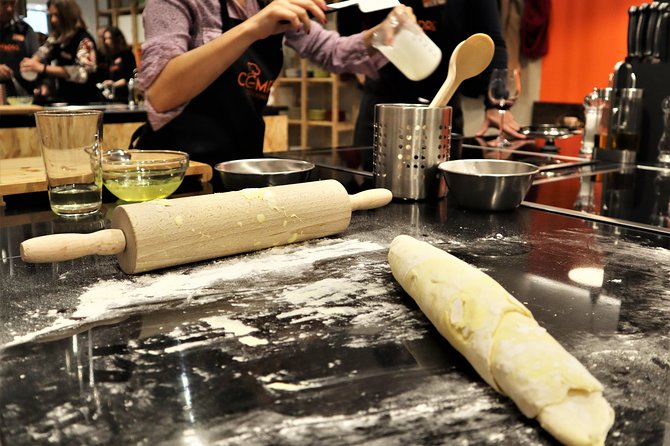
This isn’t the kind of tour where you sit quietly and hope you remember every step. A Pastel de Nata class works best when you touch the dough, smell the lemon cues, and learn how the custard behaves as it bakes. With a maximum group size of 12, you’re more likely to get direct coaching and smoother pacing than in larger classes.
The vibe also matters. The kitchen at Compadre Cooking School is set up for actual cooking, with the practical basics you’ll care about during a short workshop. One review even pointed out the kitchen includes bathrooms and a small locker area for personal items. In other words, you’re not juggling bags and chaos while you try to learn pastry technique.
Finally, the class is designed as a compact 2-hour experience. That time window is long enough to learn a full tart process, but short enough that you don’t lose the thread or feel like you’re stuck in a cooking marathon.
Compadre Cooking School: Finding the Kitchen Fast in Central Lisbon
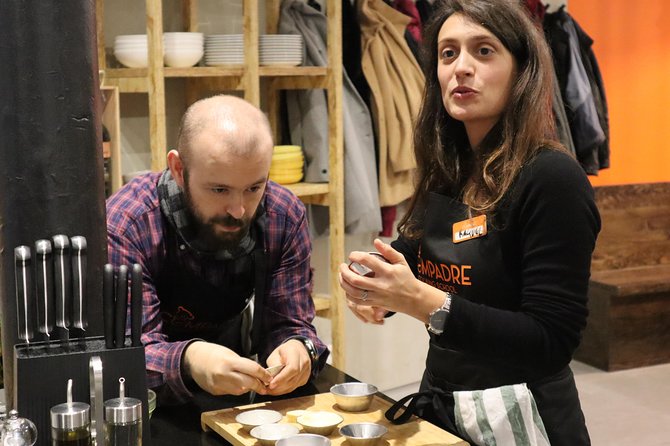
Meeting up is usually where classes either feel smooth or stressful. Here, the start point is at Compadre Cooking School, R. Heliodoro Salgado nº14, 1170-176 Lisboa, Portugal. The location is also near public transportation, which is a big deal in Lisbon where streets can be steep and walking times can surprise you.
If you like planning, this is the kind of setup that reduces friction. You show up, get oriented, and then move into the workstations. The activity ends back at the meeting point, so you’re not left figuring out where your host disappeared to.
Also, you’ll want to bring the right mindset when you arrive. You’re there for technique, not just for dessert. So arrive a few minutes early if you can, and plan to stay focused for the full session. Pastry steps can be fast, and the best results come from keeping your pace with the instructor.
You can also read our reviews of more cooking classes in Lisbon


Pastel de Nata Step by Step: From Dough and Filling to Fresh from the Oven
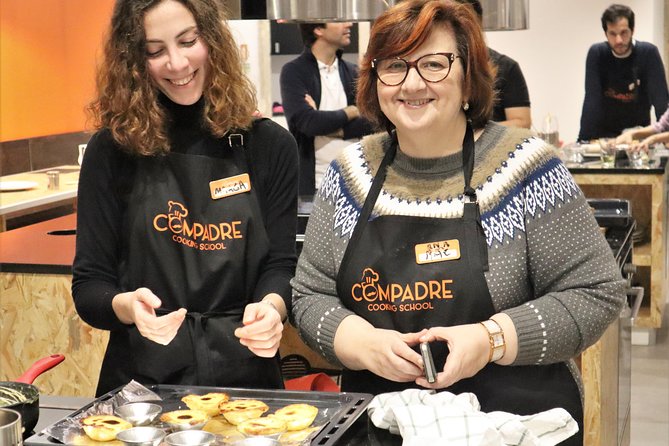
The heart of the experience is learning Pastel de Nata—Portugal’s most traditional egg tart style. You’ll do a full hands-on workflow that makes the tart feel less mysterious and more repeatable at home. Pastel de Nata is one of those desserts where small details matter, especially around the pastry and how the custard bakes.
Getting organized before you start
First, you’ll get the course structure and the key ingredients you need. Reviews describe the hosts as fun and organized, and that matters because in pastry, clarity saves time. When someone tells you what to do next and why it works, you’re less likely to end up with a “pretty but wrong” tart.
Working the pastry the way Portuguese cooks expect
You’ll work with the tart pastry process, which is part of what gives Pastel de Nata its texture. Different classes may emphasize different steps, but the consistent goal is that you learn the method well enough to recreate it later rather than just produce one good tart.
One detail that came up in feedback is how ingredients may be prepped to keep the class on track—for example, some components like lemon rind may already be peeled ready to use. That’s not a flaw so much as a practicality: you’re in a 2-hour class, and the instructors are balancing teaching with timing.
Mixing and filling the custard
Next comes the filling. Pastel de Nata custard is where you start to see the “secrets” people talk about. It’s not just sweet egg mixture; it’s about how the ingredients combine and how the tart behaves in the oven.
During the class, you should have a chance to work with the custard process yourself. And once filled, you’re also learning what “done” looks like before it goes in the oven.
You can also read our reviews of more tours and experiences in Lisbon



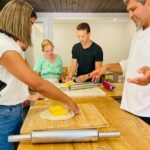

Baking and tasting right away
Then you bake, and you taste your creations. The freshness is a huge part of why this type of class is worth your time. Warm Pastel de Nata tastes different than the same tart cooled and stored. The experience is paced so you can enjoy the payoff during the session, not just take home something that’s already slightly past its prime.
A lot of feedback highlights how delicious the final tarts are, including comments about making enough to eat right away. That’s what you want from a short class: clear results in a limited time block.
The Second Portuguese Treat: How It Adds Value Beyond One Dessert
The class doesn’t stop at Pastel de Nata. You’ll also learn another typical Portuguese recipe, described as a two-for-one experience. The “second treat” can vary based on what’s being taught during that session.
What’s consistent is that it broadens your understanding of Portuguese pastry or snack culture. Even when you’re primarily there for egg tarts, the extra recipe teaches you how Portuguese cooks think about flavor balance, texture, and technique.
In one set of notes, cod fritters were specifically mentioned as a savory dish that sometimes appears as part of the class. If your session includes something savory like that, it’s a nice contrast to the sweet tart, and it can help you remember the steps because the flavor profile changes the whole experience.
So if you’re trying to get genuine value from your time, don’t treat the second dish as a bonus you can ignore. Use it to learn a second technique, and you’ll feel much more confident recreating Portuguese food later.
Small Group Attention in English: What That Means for Your Learning
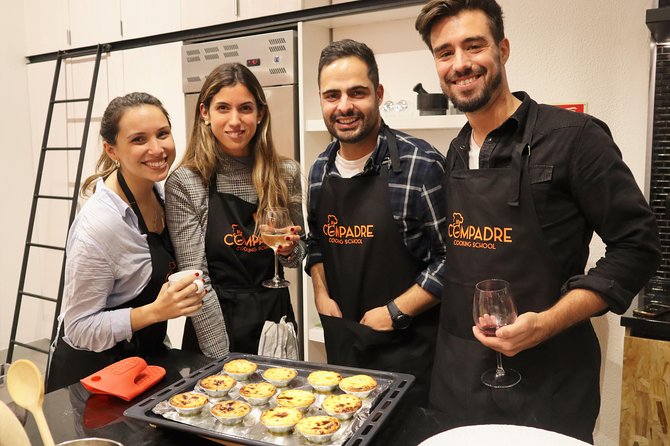
The class is offered in English, which matters if you don’t want to play translation games while your hands are covered in dough. In short workshops, language can affect how quickly you understand instructions and how comfortable you feel asking questions.
A maximum of 12 travelers also helps with that. In smaller groups, instructors can spot problems sooner. If your pastry isn’t folding right or your filling seems off, you’re more likely to get a quick adjustment instead of waiting until the end.
You’ll also be guided through both the cooking and the story around the tart. Several comments mention you learn history and origins along with practical tips. That combination is what turns a dessert lesson into a cultural experience, without turning it into a lecture that eats up your time.
Who this suits best
This is a strong fit for:
- Couples looking for a shared, fun activity that still produces real food
- Solo travelers who want a structured way to meet people in a class setting
- Families and teens, since the learning format is beginner-friendly and still engaging
There’s also an age rule to keep in mind. Children up to 17 must be accompanied by a participating adult.
Coffee, Tea, Snacks, and What You Take Home
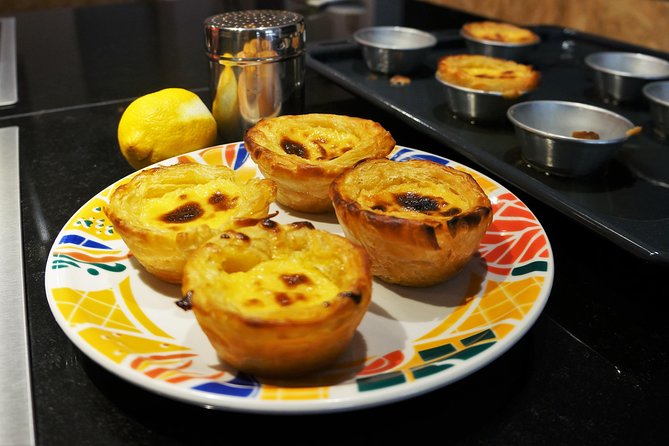
One of the most practical parts of the experience is that you’re fed while you learn. Included are coffee and/or tea, water, and both hot and cold tea. You’ll also get snacks after you learn how to master the way of the Pastel de Nata and try your creations.
Alcohol is not included. Also, alcoholic beverages won’t be served to participants under 18 years old, with water or tea as substitutes. So if you’re planning a family outing or a group with teens, you can expect a straightforward beverage setup.
Most importantly, you take home recipes. That is the difference between a “nice activity” and a “useful skill.” Even if your first attempt at Pastel de Nata at home isn’t perfect, having the method and ingredient logic can help you improve fast.
Price of $62.89: Is This a Smart Value in Lisbon?
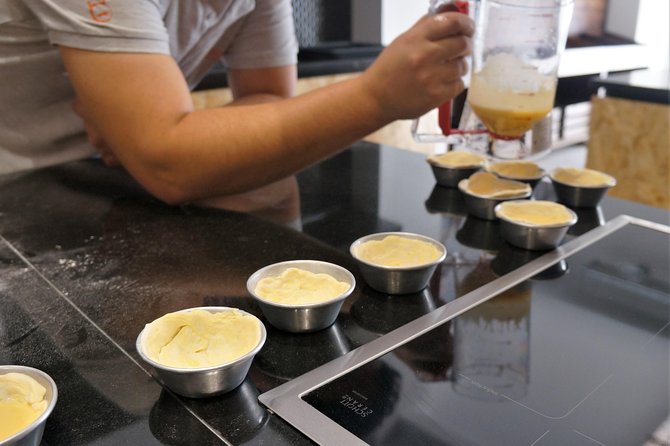
At $62.89 per person for an approximately 2-hour class, you’re paying for several things at once: hands-on instruction, a high-demand ingredient experience (Portuguese egg tart), plus extra teaching time for a second Portuguese recipe.
The value improves if you like cooking or if you want a guided shortcut. Many people struggle to replicate Pastel de Nata because they only know the final dessert, not the process. Here, you’re learning the steps inside a proper teaching kitchen, and you’re getting snacks and beverages along the way.
Also, the small group size matters for value. If you were in a crowded class, you might spend half the time waiting for turns or cleaning up. With a max of 12, the instructor-to-kitchen-time ratio is more likely to feel fair.
If you only want dessert with no learning component, there are cheaper ways to eat a tart in Lisbon. But if you want a skill plus food plus cultural context in one compact experience, the price feels reasonable for the format.
Tips to Get the Most From Your 2 Hours
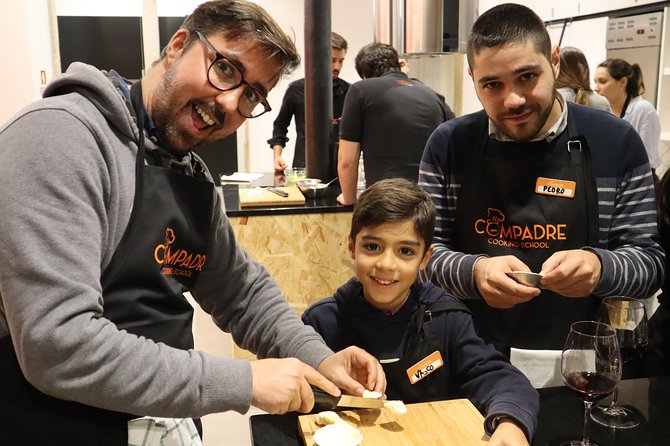
If you want your class to go smoothly, treat it like a workshop, not a casual show.
- Arrive on time so you get full instructions before the hands-on part starts.
- Come hungry. Snacks and coffee/tea are included, but you’ll want to work through the tart process without rushing your meal.
- Keep your questions simple and timely. Ask when you see a step you don’t understand, not after the oven timer goes off.
- If your session includes both sweet and a second recipe (sometimes savory), pace yourself. The lesson can run fast because you’re doing more than one dish.
One more practical note: based on kitchen station setup, your hands-on share can vary by the number of participants. Don’t assume you’ll do every single action from start to finish in the way a private class would. Still, you should expect real participation, not just watching.
Should You Book This Pastel de Nata Cooking Class in Lisbon?
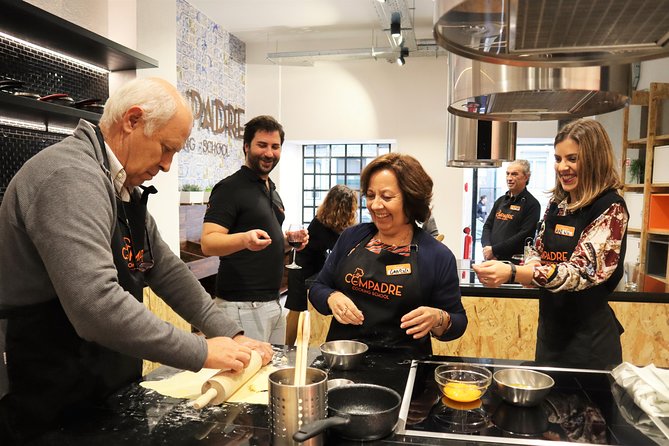
I think you should book it if you want a short, friendly, hands-on Portuguese egg tart experience that teaches you more than the final product. The best reasons to choose this class are the small-group format, the English instruction, and the fact that you leave with recipes you can actually use.
You might skip it if you want a long, fully hands-on pastry session where you do every step end-to-end without pauses. A few people have said the balance between listening and working can feel different depending on the day’s station setup.
But if you’re the kind of traveler who likes learning something practical and eating well right after, Compadre Cooking School is a smart use of time.
FAQ
How long is the Pastel de Nata cooking class?
It runs for about 2 hours.
Is the class offered in English?
Yes, it is offered in English.
What’s included in the price?
Coffee and/or tea, water, and snacks are included. You’ll also learn the Pastel de Nata and receive recipes to take home.
Is alcohol included?
No. Alcoholic beverages are not included, and under 18 they will not be served (water or tea will be substitutes).
Are children allowed?
Children up to 17 must be accompanied by a participating adult (plus 18 years old).
What’s the maximum group size?
The class has a maximum of 12 travelers.
What are the free cancellation terms?
Free cancellation is available up to 24 hours before the experience starts for a full refund.