REVIEW · FADO SHOWS
Lisbon Fado History Cultural Walking Tour
Book on Viator →Operated by Blue Emotion Tours · Bookable on Viator
Fado starts in Lisbon’s alleys. This Lisbon Fado History Cultural Walking Tour leads you through Mouraria and nearby streets where fado’s roots make more sense, before you ever hear it as a performance. You also get a sense of how neighborhoods change, plus time to meet people and enjoy the dinner side of the evening.
I love the small group feel (maximum 6), because the route is conversational, not a loud school field trip. I also like that the tour includes admission tickets at the two main stops, so you spend more time learning in the right places and less time guessing where to look.
One thing to consider: it asks for moderate physical fitness, and the timing is set for an evening meetup and walk (Friday 7:00 PM to 10:00 PM). If you want a super relaxed, flat stroll, plan for a bit more uphill street walking than you’d get on some city-center tours.
In This Review
- Key Points
- Fado Before the Music: Why Mouraria and São Cristóvão Matter
- Meeting at Rossio Square: A Smart Starting Point for an Evening Walk
- Praça Martim Moniz: Mouraria’s Origins and Today’s Change
- Church of São Cristóvão Area: Urban Art Meets Fado History
- What the 3-Hour Format Feels Like on the Ground
- Price and Value: What You Get for $34.89
- The Guides and the Style: Friendly, Practical, and Story-Driven
- Who Should Book This Fado History Walk
- Quick Tips to Get the Most From the Walk
- Should You Book This Lisbon Fado History Cultural Walking Tour?
- FAQ
- How long is the Lisbon Fado History Cultural Walking Tour?
- What is the price per person?
- Where does the tour start and end?
- Is the ticket mobile or paper?
- What time does it run?
- Is there a group size limit?
- Is the tour physically demanding?
- Are admissions included?
- What is the cancellation policy?
- What happens if the minimum number of travelers is not met?
Key Points

- Max 6 travelers keeps the walk personal and easier to ask questions.
- Mouraria origin + today’s gentrification issues add context to why fado fits this neighborhood.
- Church of São Cristóvão area connects street art and fado’s backstory in one stop.
- Included admission tickets at both key stops make the experience feel more complete.
- Mobile ticket keeps things simple on your phone.
- Rossio Square start puts you near a major transit hub, so getting there is straightforward.
Fado Before the Music: Why Mouraria and São Cristóvão Matter
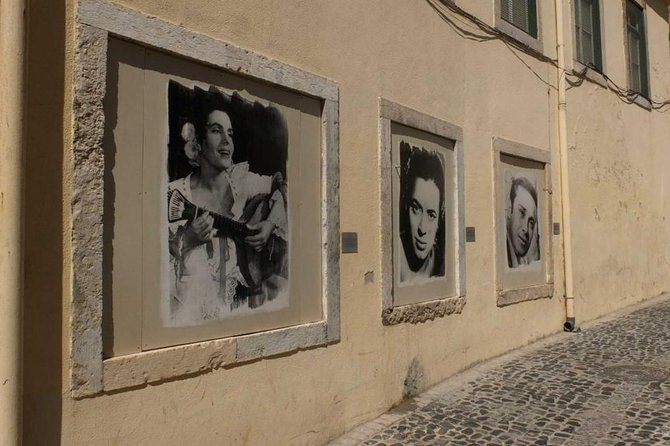
Lisbon does fado well, but it can also feel like a show you either love or don’t. This tour helps you land on the first page of the story: the neighborhood context. Instead of treating fado as a fixed tradition, you learn how it grew from real places and real social life.
Mouraria is the big name here. The tour frames it as a neighborhood with deep roots, plus current challenges tied to gentrification. That matters because fado is emotional, but it also has a sense of place. When you understand the pressures and changes around the streets where the music formed, the later performance feels less like entertainment and more like memory with a melody.
You also get a route that’s not the same as the usual postcard circuit. You’re taken to streets many people would not find on their own, which is exactly what you want if your goal is authentic Lisbon rather than a checklist.
You can also read our reviews of more walking tours in Lisbon



Meeting at Rossio Square: A Smart Starting Point for an Evening Walk
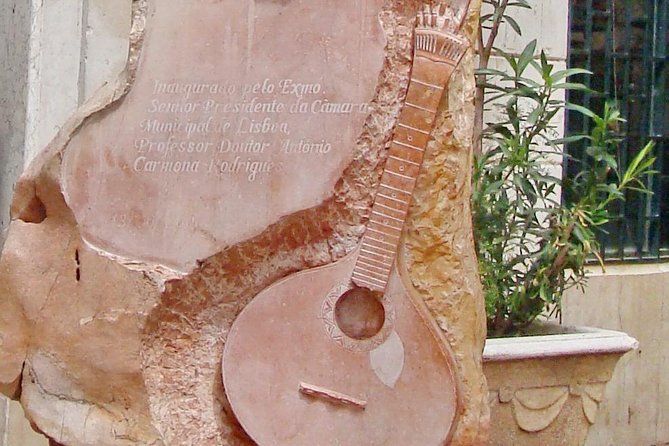
You start at Praça do Rossio (1100-200 Lisboa). That’s one of the most central squares in town, and it tends to be well connected by public transportation. So even if you’re juggling plans that day—museum time, tram rides, late lunch—you’ll likely be able to reach the meeting point without stress.
The tour is about 3 hours (approx.), and it runs in an evening slot for the timeframe listed, Friday 7:00 PM to 10:00 PM. Evening timing is a plus in Lisbon. Streets feel more alive, shop shutters are changing, and the whole city has that softer light that makes stories feel real.
The end point is São Cristóvão (R. São Cristóvão 28). You’re finishing close to where you spent the later part of the walking route, which can be convenient if you plan to continue with dinner or explore the area after.
Praça Martim Moniz: Mouraria’s Origins and Today’s Change
The first stop is Praça Martim Moniz. This is where the tour turns from general Lisbon history into neighborhood-specific storytelling. You’re looking at the origin story of Mouraria and learning why that neighborhood is so closely tied to the cultural roots behind fado.
What makes this stop valuable is the balance: you get both the past and the present. The tour doesn’t only explain where Mouraria came from. It also brings in the gentrification problems the city faces today, so you understand that cultural traditions live inside modern realities too.
Why this helps you later: fado isn’t just about singing. It’s about identity—community, hardship, and belonging. When you learn the neighborhood pressures and transitions, you’re better prepared for the emotional tone of fado performances without needing to memorize dates.
A practical note: this is an early chunk of the walk (listed around 15 minutes). So if you tend to arrive ten minutes late to everything, keep that habit in check. It’s short enough that missing the opening context can make the rest of the tour feel less connected.
Church of São Cristóvão Area: Urban Art Meets Fado History
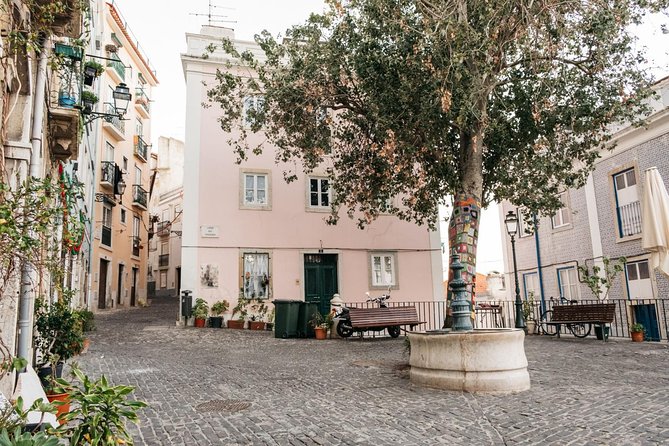
The second stop is the Church of São Cristóvão area. Just below the church, the tour explains a well-known urban art mural in the city and connects it to the history of fado.
This is a clever setup. Urban art is modern, but it often references older themes—identity, struggle, local memory. Pairing street art with fado history gives you a bridge: the music may be old, but the neighborhood voice is still speaking.
The listed stop time is about 10 minutes, but it’s not the kind of quick photo stop where you rush through and hope the meaning sticks. The goal is interpretation. You’re meant to look at the space and then understand why this kind of storytelling matters in Lisbon.
If you care about authentic context, this is the part that can make the performance later feel like it has a location in your mind. You’ll remember streets and symbols, not just general “Portugal is passionate” vibes.
What the 3-Hour Format Feels Like on the Ground
A 3-hour walking tour is a good length for this kind of cultural theme. Long enough to build a story, short enough that you’re not out there for half the day wishing you’d booked something else.
Still, it’s not a slow stroll. The tour asks for moderate physical fitness. Lisbon streets often mean uneven pavement, slopes, and steps. Even if the tour isn’t described as heavy trekking, you’ll want comfortable shoes and a bit of stamina for an evening route.
Expect a format that mixes short stop explanations with actual walking between points. This works well because you’re not stuck standing in one place. It also keeps your attention from drifting. You get to process one idea, then move to the next real-world clue.
You can also read our reviews of more historical tours in Lisbon





Price and Value: What You Get for $34.89
At $34.89 per person, this tour sits in the mid-range zone for a guided cultural walk. What improves the value isn’t just the guide—it’s that the tour includes admission tickets at both listed stops.
That means part of your cost goes toward access to the specific locations that make the storytelling work. Instead of paying for a route that only points and talks, you’re paying for a walk that connects you with the places tied to Mouraria and fado context.
It’s also capped at 6 travelers, which usually translates to more interaction and less “listen and move on” pressure. For a topic like fado, where understanding the why matters as much as the what, a small group is a real advantage.
One more value factor: the tour uses a mobile ticket. In practice, that reduces friction. No printed vouchers to track, no extra step to figure out at the meeting point.
The Guides and the Style: Friendly, Practical, and Story-Driven

This experience is presented as more than logistics. It’s framed as a neighborhood time-warp where you learn the origin of fado’s meaning and then enjoy Lisbon with others. That style tends to work best when the guide can balance storytelling with real-life context.
From past comments tied to this operator’s Lisbon walking tours, the consistent strengths show up as warmth, humor, and practical help. One example: guides have helped people figure out what to do next by pointing them to the right bus connection. That’s the kind of detail that makes a tour feel useful, not just entertaining.
Could a tour ever feel off? It can. One past account described a slower, more break-focused pace on a different Lisbon walk within the same provider’s offerings. The lesson for you is simple: if you’re sensitive to pacing, choose a departure time you can be fully present for, and go into the walk expecting a conversation, not a stopwatch schedule.
Who Should Book This Fado History Walk

This tour is a strong match if you want:
- A neighborhood-based explanation of fado, not just a general overview.
- A small group route where you can ask questions and get human-scale attention.
- Context that helps you understand the later fado show experience more deeply.
It’s also a good fit if you like mixing culture with social atmosphere. The tour description emphasizes meeting new people and sharing the evening, and that’s often where these tours feel most Lisbon.
You might reconsider if:
- You want a totally low-movement, flat route.
- You’re the type who gets frustrated when a guide needs a bit of flexibility in timing.
- You’re only in Lisbon for quick, big-ticket sights and you prefer museums or viewpoints over street storytelling.
Quick Tips to Get the Most From the Walk
Bring comfortable shoes. Lisbon evenings can mean uneven ground and slopes even on short routes.
If you’re planning a fado performance later, think of this tour as your pre-show context. You’ll get more out of the music when you know what neighborhood pressure, identity, and change can sound like in song.
Finally, arrive a touch early at Praça do Rossio. Since the key stop explanations are short (15 minutes and 10 minutes), you’ll feel the benefit of being there for the full run.
Should You Book This Lisbon Fado History Cultural Walking Tour?
Yes, if you want Lisbon fado to make sense as culture, not just as entertainment. For $34.89, you’re paying for a small-group walk that connects Mouraria’s origin story, current gentrification realities, and fado history with real landmarks—plus admission tickets at the key stops.
I’d book it if you’re also planning a fado show later and you want your brain to have a map before the music starts. The walking route and the specific focus on Mouraria and the Church of São Cristóvão area make this more than a generic city tour.
Skip it (or at least weigh it) if you’re expecting a leisurely, flat stroll or if moderate physical effort is a deal-breaker for you. In that case, you might prefer a viewpoint-based or indoor-focused alternative.
If you’re ready for street-level context and a story you can feel in the neighborhood, this is a smart pick—and a very Lisbon way to start your night.
FAQ
How long is the Lisbon Fado History Cultural Walking Tour?
The tour lasts about 3 hours.
What is the price per person?
The price is $34.89 per person.
Where does the tour start and end?
It starts at Praça do Rossio (Praça do Rossio, 1100-200 Lisboa) and ends at São Cristóvão (R. São Cristóvão 28, 1100-177 Lisboa).
Is the ticket mobile or paper?
The tour uses a mobile ticket.
What time does it run?
For the listed timeframe, the tour shows Friday hours from 7:00 PM to 10:00 PM.
Is there a group size limit?
Yes. The tour has a maximum of 6 travelers.
Is the tour physically demanding?
It’s described as requiring moderate physical fitness.
Are admissions included?
Admission tickets are included for the stops listed on the tour.
What is the cancellation policy?
Free cancellation is available. You can cancel up to 24 hours in advance for a full refund.
What happens if the minimum number of travelers is not met?
If it’s canceled because the minimum isn’t met, you’ll be offered a different date/experience or a full refund.