REVIEW · 3-HOUR EXPERIENCES
Old Lisbon: Alfama and Sao Jorge neighborhood 3-Hour Walking Tour
Book on Viator →Operated by Lisboa Autêntica · Bookable on Viator
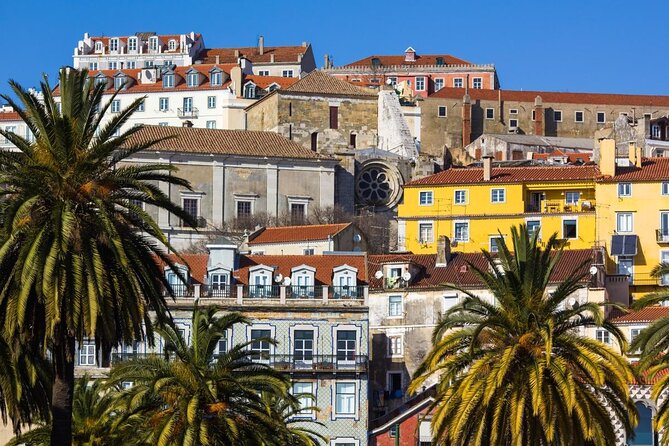
São Jorge hill makes Lisbon feel close-up and dramatic. This 3-hour walk pairs Alfama alley time with the São Jorge neighborhood vantage points, plus guided stories that connect Roman Lisbon (Olisipo), Moorish influence, and the city’s later Jewish and Christian chapters.
My favorite parts are the way the route is built around real places you can still see—starting at Casa dos Bicos—and the payoff: viewpoints like Portas do Sol and the River Tagus scene from the castle area. I also like that the group is kept small (max 15), so guides can answer questions and match your pace as you weave through tight lanes.
One thing to plan for: this is not a flat stroll. You’ll climb partway up to the castle hill (about 110 meters/364 feet mentioned for the walk’s rise), and the streets are uneven with stairs, so wear good shoes and don’t expect a slow, stroller-friendly route. Also, you’ll spend some time at churches, including Lisbon Cathedral.
In This Review
- Key things worth knowing before you go
- Casa dos Bicos to the Roman salting tanks: starting with Lisbon’s “before-and-after”
- Lisbon Cathedral and Portas do Sol: where architecture meets the best short break in the walk
- Following the Olisipo-to-Al-Hamma story through alleys, patios, and stairways
- São Jorge Castle viewpoints: the Torre da Igreja stop and the River Tagus pay-off
- Churches, pace, and your guide: why the small-group size matters
- Price and value: why $24.14 works for a 3-hour history-and-views walk
- A practical game plan for enjoying Alfama without getting worn out
- Should you book this Alfama and São Jorge walking tour?
- FAQ
- How long is the Old Lisbon: Alfama and São Jorge neighborhood walking tour?
- What’s the starting point for the tour?
- Does the tour end back at the meeting point?
- How large is the group?
- Is Lisbon Cathedral entry included?
- Are any other attractions included with tickets?
- What’s included in the price?
- Is food or drinks included?
- What language is the tour offered in?
- What’s the cancellation policy?
Key things worth knowing before you go
- Max 15 people keeps the tour from feeling rushed or crowded.
- Casa dos Bicos is a strong starting point, tied to the 1755 Lisbon Earthquake story.
- Lisbon Cathedral admission is included so you get inside time rather than only looking from outside.
- Roman details show up in the walk including the old salting-tank remnants at the Cetária area.
- River Tagus viewpoints are part of the plan, not an optional bonus.
- Mask and disinfectant gel (PPE) are included, which is handy in busy old-town corridors.
Casa dos Bicos to the Roman salting tanks: starting with Lisbon’s “before-and-after”
The tour begins at Casa dos Bicos, also known through its link with the José Saramago Foundation. Built around 1523, it’s known as one of the rarer survivors of the 1755 Lisbon Earthquake, which gives your walk an immediate frame: this city has been broken, rebuilt, and rebuilt again.
From there, you move toward evidence tied to Roman Lisbon. The route includes a stop referencing old Roman salting tanks at the Cetária area—small, practical infrastructure from daily life that most visitors never notice. I like this kind of start because it teaches you how to “read” Lisbon: you stop seeing it as postcards and start seeing it as layers.
You’ll also get your first dose of Alfama’s flow: walls, narrow lanes, and little turns that keep changing the street-level view. It’s a good setup for what comes next, because São Jorge isn’t just a destination—it’s a whole hillside neighborhood built around movement and angles.
You can also read our reviews of more walking tours in Lisbon


Lisbon Cathedral and Portas do Sol: where architecture meets the best short break in the walk
Lisbon Cathedral is the first major landmark stop on the route. It was built in the 12th century, then altered over time, so you’ll see a mix of architectural styles instead of one “uniform” look. The key practical win here is that entry and guided time are included, so you’re not stuck at the doorstep with a quick photo.
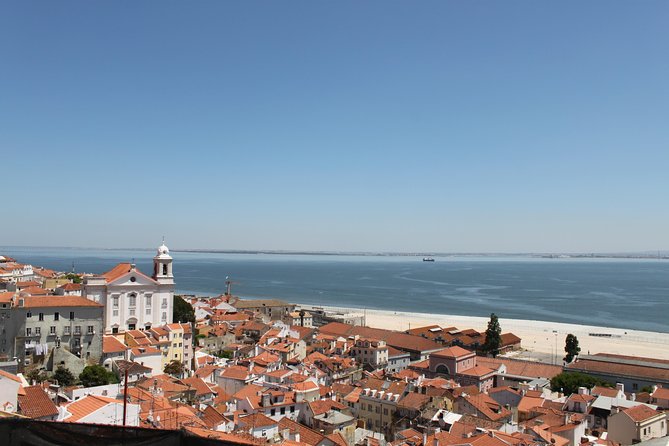
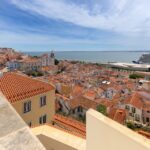
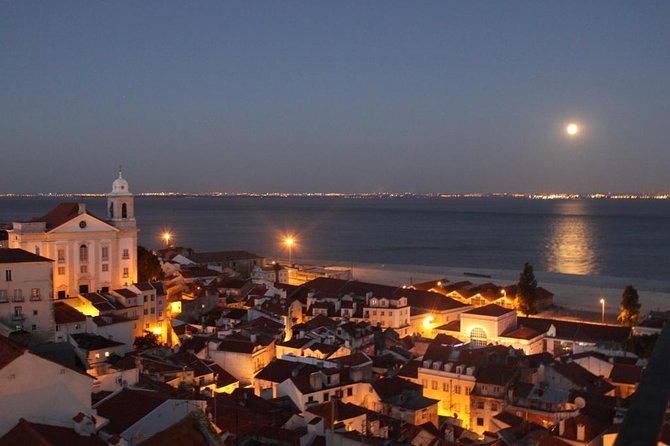
After the cathedral, you head to Portas do Sol, a belvedere famous for views over Alfama and toward the River Tagus direction. This is one of the best stretches of the tour to catch your breath, since the belvedere gives you a wide shot that makes the winding streets below feel more logical.
If churches aren’t your thing, you should know this is not a “church-and-nothing-else” tour. You’re visiting a few major religious sites mainly to explain Lisbon’s changing population and power—who built, who adapted, and what survived.
Following the Olisipo-to-Al-Hamma story through alleys, patios, and stairways

This is where the walk gets more cinematic. The route shifts back in time to when Lisbon was known as Olisipo and the Romans discovered the thermal waters in the Alfama area. Later, the story turns toward the Islamic period and the name Al-Hamma, connecting place names to what people experienced there.
Then you’re on foot through the kind of street pattern that makes you understand why Lisbon has always felt like it belongs to pedestrians. Expect a labyrinth of alleys, interior patios, and secret-feeling stairways that lead you toward what used to be the city’s Jewish Quarter. The tour is designed so those “dead ends” and sudden openings feel purposeful, not random.
One particularly useful cultural stop is Largo do Chafariz de Dentro. It’s tied to local custom and to the early environment that helped shape fado. You won’t just hear the easy version of the fado origin story—you’ll get enough context to understand why music, neighborhood life, and hillside geography belong together in Lisbon.
A practical note: in Alfama, what looks like a short street can turn into a steep side climb. This tour keeps you moving, so you’ll enjoy it more if you treat it as an active stroll, not a sight-hopping sprint.
São Jorge Castle viewpoints: the Torre da Igreja stop and the River Tagus pay-off
As you work your way toward São Jorge, you’re shifting from street-level Lisbon into the castle neighborhood, which changes the feel of the air and the light. The tour includes time at Torre da Igreja do Castelo de São Jorge, with castle-quarter exploring afterward.
You’ll spend about 20 minutes at the tower area, and the tone here is different: more “how the hill shaped the city” than “look at that building.” The castle area is ideal for learning how power and defense worked, but you’ll also get those everyday connections—where people lived, how daily routes bent around the terrain, and why views mattered so much.
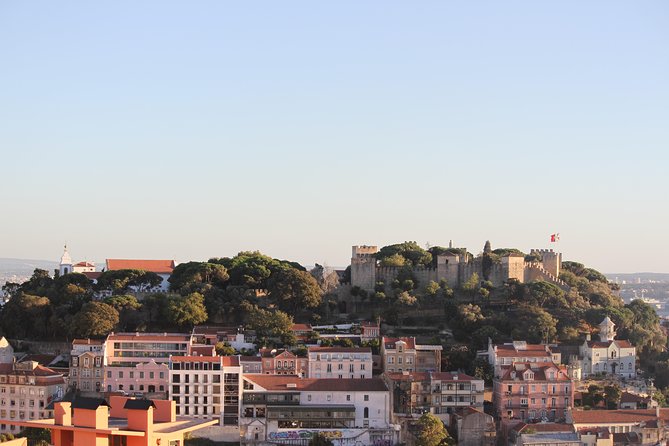
The River Tagus viewpoint moments are a big reason to book this walk. You’ll see the river from a viewpoint area around the castle neighborhood and also from Portas do Sol earlier in the day. If you only get one Tagus panorama during your trip, this tour helps you get two angles close together, which makes the coastline easier to place in your mind afterward.
Churches, pace, and your guide: why the small-group size matters
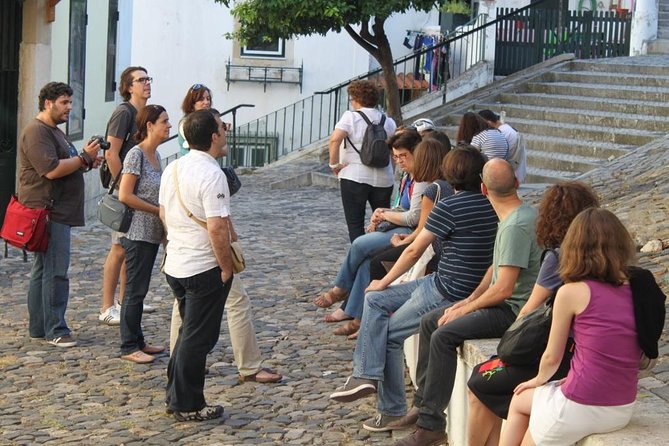
Old-town Lisbon can be chaotic for group tours because everyone arrives with a different walking speed and interest level. Here, the max group size of 15 changes the experience. You’ll typically get more questions answered, and guides can adjust the flow when people need a slower pace.
That flexibility is especially important in Alfama. Streets are narrow, cars sometimes squeeze through nearby roads, and the route includes rises and stair segments. Good guides handle this by pacing explanations with your movement—so you’re not standing around waiting while everyone else moves on, and you’re not forced to keep sprinting to “catch up.”
The tour is led by guides from Lisboa Autêntica, and the names that stand out in real-world feedback include Eleanor, Fátima, Fatima (spelled with one extra i in one note), João, Helena, Lucie, Beatriz, and Mélanie. Across those accounts, the theme is the same: guides connect the dots between buildings and neighborhood life, and they also share practical suggestions for what to do next in Lisbon.
If you have mobility concerns, you should still consider the tour—but go into it with honest expectations. It’s doable for many people, yet it isn’t a no-hill walk. If you want to take the climb more slowly, tell your guide at the start. You’ll get the best experience when the pacing matches your body.
You can also read our reviews of more tours and experiences in Lisbon






Price and value: why $24.14 works for a 3-hour history-and-views walk
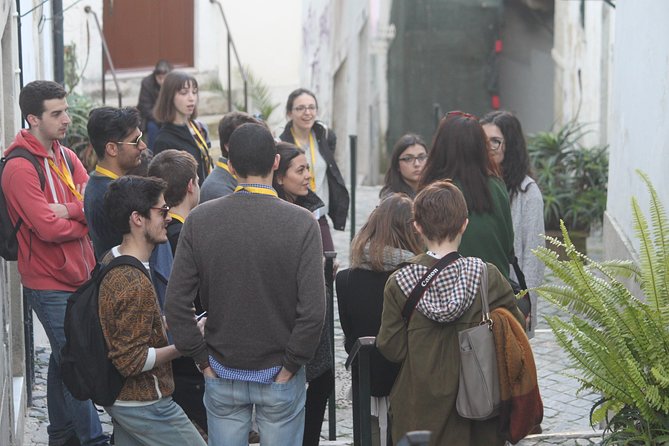
At $24.14 per person for about 3 hours, you’re paying for three things at once: guided navigation through Alfama’s maze, admission/guided time at Lisbon Cathedral, and viewpoint storytelling that turns geography into understanding.
If you try to do this on your own, you’ll likely spend extra time figuring out where to go next. Old Lisbon punishes “we’ll just wander” plans, mostly because you’ll hit stairways, dead ends, and sudden steep transitions. A guide saves you time and makes the walk more coherent.
You’re also getting included items that reduce friction: professional guide, liability and personal accident insurance, and PPE (mask and disinfectant gel). Food and drinks are not included, so you’ll want to plan a meal separately. That’s not a drawback for everyone—if you’re the type who likes choosing your own restaurant, it keeps the tour from steering you into one option.
The one “cost” you should mentally budget is effort. This tour includes a hillside climb and uneven streets, so it’s best value when you actually want to walk and learn.
A practical game plan for enjoying Alfama without getting worn out
Here’s how to make the most of the day:
- Wear shoes you can trust on uneven stone. Alfama’s surface can be slick, and you’ll be moving on stairs and slopes.
- Bring a light layer even in good weather. Churches and castle areas can feel cooler, and you’ll be standing for short explanation stops.
- Use your viewpoints like checkpoints, not just photo stops. Portas do Sol is especially useful for orienting yourself: once you see the panorama, the streets below make more sense.
- Plan your meal after, not during. Since food isn’t included, you’ll enjoy the tour more if you’re not trying to eat on the move.
- Ask for next-stop advice before you finish. Guides are set up to recommend where to go for the rest of your stay, and it’s a good moment to ask based on what you enjoyed during the walk.
The most common regret in old-city walking tours is feeling tired halfway through. You can avoid that by pacing yourself early, especially on the climb toward the castle area.
Should you book this Alfama and São Jorge walking tour?
Book it if you want a guided walk that actually connects Lisbon’s geography to its timeline—Roman traces, Moorish influence, fado-era neighborhood life, and the castle hill viewpoints that make the city feel real.
Pass or consider alternatives if you want a mostly flat walk, or if church interiors aren’t your priority. This tour includes Lisbon Cathedral and a couple of other church-related stops, since they help explain who shaped Lisbon at different moments.
If you’re aiming for good value, small-group attention, and a route that makes Alfama feel navigable, this one earns its popularity. Just show up ready to walk smart—then let São Jorge do the dramatic part for you.
FAQ
How long is the Old Lisbon: Alfama and São Jorge neighborhood walking tour?
It’s approximately 3 hours.
What’s the starting point for the tour?
The tour starts at Casa dos Bicos / José Saramago Foundation, R. dos Bacalhoeiros 10, 1100-135 Lisboa, Portugal.
Does the tour end back at the meeting point?
Yes, it ends back at the meeting point.
How large is the group?
The tour has a maximum of 15 travelers.
Is Lisbon Cathedral entry included?
Yes. Entrance and a guided tour at Lisbon Cathedral are included.
Are any other attractions included with tickets?
The stop at Torre da Igreja do Castelo de São Jorge includes an admission ticket status noted as free.
What’s included in the price?
A professional guide, entrance and guided tour at Lisbon Cathedral, liability and personal accident insurance, and PPE (mask and disinfectant gel).
Is food or drinks included?
No. Food and drinks are not included.
What language is the tour offered in?
English is listed as an option, and multiple languages are available if you select at booking.
What’s the cancellation policy?
You can cancel for a full refund up to 24 hours before the experience start time. If you cancel less than 24 hours before, no refund is provided. The experience also requires good weather, and if it’s canceled due to poor weather you’ll be offered a different date or a full refund.