REVIEW · 3-HOUR EXPERIENCES
Lisbon: 3-Hour The Slave Trade – An Historical Walking Tour
Book on GetYourGuide →Operated by My Lisbon Tours · Bookable on GetYourGuide
Lisbon hides a brutal trade in plain sight, and this 3-hour slave trade walking tour connects the dots on foot. You meet in the old-city area at Largo do Chafariz de Dentro and follow your guide through streets, churches, monuments, and public squares that were shaped by human bondage.
What I really like is the small group feel and the way the guide—Rui, an African guide with a background in history, political science, and economics—turns facts into a clear story you can actually hold onto. I also love how he makes room for questions throughout, using a patient, paced delivery and even referencing visuals to help you picture what he’s talking about.
One thing to consider: this is a heavy topic. If you’re after light sightseeing, you may find the material emotionally intense, even though the tone stays respectful and grounded.
Key takeaways before you go
- African-led perspective led by Rui, with training across history, politics, and economics
- Old Lisbon on foot: back streets plus major avenues, churches, monuments, and squares tied to the story
- Rarely covered themes like the day-to-day life of an enslaved person in historical Lisbon
- A full timeline from Prince Henry the Navigator to the abolition of trade in Portugal
- Real Q&A time in a small group (max 6) with sensitive, inclusive answers
- Break built in: one coffee stop and one WC break during the walk
In This Review
- A Lisbon tour that turns street corners into evidence
- Starting at Largo do Chafariz de Dentro: pacing that actually works
- The story arc: Prince Henry to Lisbon’s Atlantic machine
- Portugal’s connections: Brazil’s importance and the economics behind the violence
- A day-to-day look at enslaved life in historical Lisbon
- Abolition in Portugal and the wider fight for liberation
- Coffee break, questions, and how the guide keeps it personal
- Price and value: what $35 buys you in real terms
- Who should book this tour (and who might pause first)
- Should you book the 3-Hour The Slave Trade Historical Walking Tour?
- FAQ
- Where do I meet the guide for the Lisbon slave trade walking tour?
- How long is the tour?
- What language is the tour conducted in?
- How big is the group?
- Is there a break during the walk?
- Is the walking route hilly?
- What should I bring?
- Is the tour topic suitable for everyone?
A Lisbon tour that turns street corners into evidence
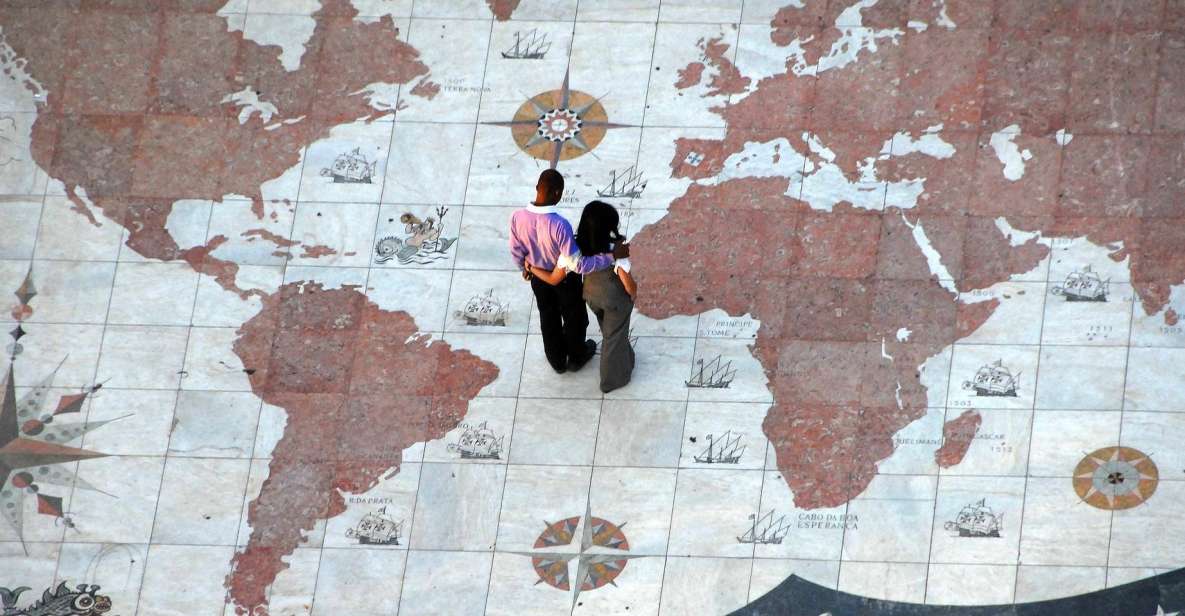
This walking tour asks you to look at Lisbon the way history actually works: not as separate buildings and dates, but as a chain of decisions with consequences. You’ll connect what you see in the city center—street patterns, churches, monuments, public spaces—to Portugal’s role in the Atlantic slave trade.
The core time period starts in the early 15th century under Prince Henry the Navigator. From there, the tour tracks how Portugal’s involvement fed a system that forcibly moved Africans across the ocean to the Americas. You’ll hear the scale of the trade too—often cited as 12 to 14 million Africans sold into slavery—along with the idea that the damage lasted for centuries.
This is not a history lecture from a bench. It’s a walking narrative. You move between meaningful locations while your guide explains how wealth, institutions, and policies were linked to trading in human lives.
Starting at Largo do Chafariz de Dentro: pacing that actually works

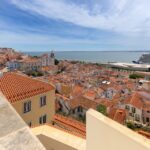
You’ll meet at Largo do Chafariz de Dentro, in Lisbon’s older fabric of lanes and viewpoints. The tour is 3 hours, and it’s built for comfort: you’ll wear-in your attention, not your knees.
The group size matters here. The tour is limited to a maximum of 6 participants, which keeps the conversation human. In practice, that means more time to ask questions and get answers tailored to your curiosity—whether you’re focused on Portugal’s political role, economic motives, or the lived experience of enslaved people.
Also, the walking rhythm tends to be manageable. People doing it report it’s almost completely flat, with minimal inclines, so you’re not stuck grinding up steep hills for a “history tour tax.” Still, bring comfortable shoes—because Lisbon’s stone streets will be Lisbon’s stone streets.
You can also read our reviews of more walking tours in Lisbon


The story arc: Prince Henry to Lisbon’s Atlantic machine
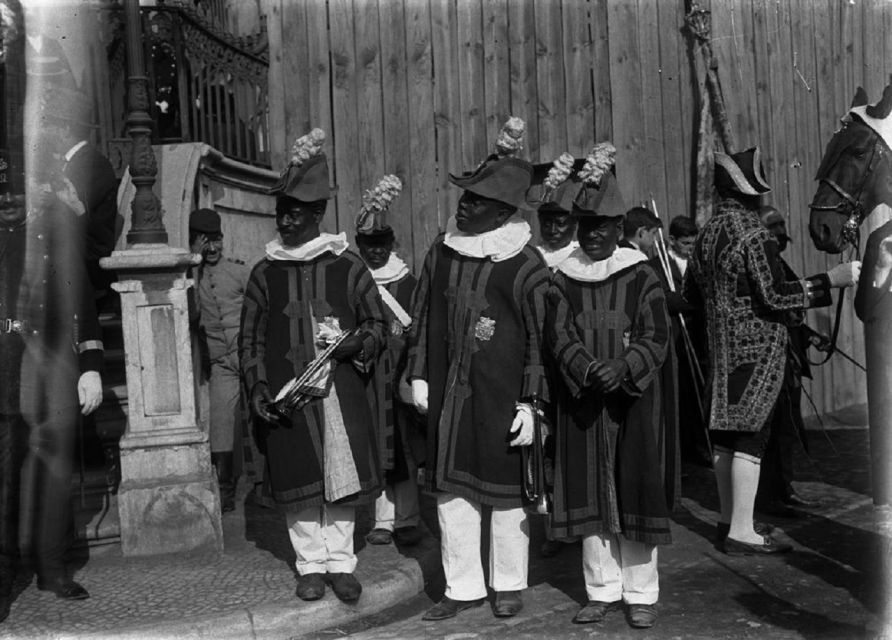
One reason this tour earns its top rating is how clearly it organizes a hard topic into an understandable sequence. It starts with the early 1400s and Portugal’s role in what we now call the Atlantic slave trade. Under Prince Henry the Navigator, voyages and navigational ambition helped set the conditions for expanding overseas exploitation.
Then the tour follows the thread into the Age of Discovery—when exploration, trade, and political power were braided together. The guide connects those ideas to Lisbon’s development, so the city stops looking like a postcard and starts looking like a hub.
You’ll walk past places that help explain how the trade shaped daily reality and later systems. Expect a mix of back streets and bigger public areas, with the guide pointing out how history can show up indirectly: through street names, building uses, and the long shadow of “respectable” institutions that benefited from coercion.
A key value for you: you don’t just learn the “what.” You learn the “how,” the mechanics—who gained, what policies supported it, and why it persisted. That makes it easier to interpret Lisbon once you’re done, because you’ve seen the logic behind what you’re looking at.
Portugal’s connections: Brazil’s importance and the economics behind the violence
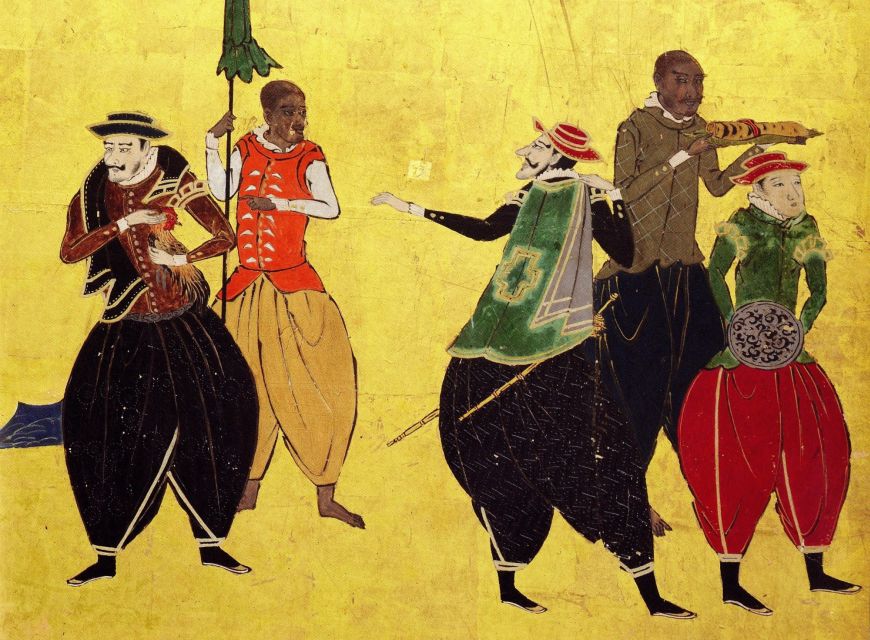
If your Lisbon history tends to stop at kings, tiles, and famous voyages, this is where the tour adds a missing piece. You’ll hear how Brazil fits into the larger Atlantic picture. That matters because it explains demand, profits, and why the system kept running long after moral objections existed.
Your guide doesn’t treat slavery as a side-note. Instead, he frames Portugal’s role with the tools of political science and economics: trade routes, institutional incentives, and the ways power turns cruelty into routine. You’ll also learn about how slavery’s origins took shape in the Iberian peninsula before the Atlantic system expanded.
This is especially useful if you like history that connects to present-day questions. The tour structure helps you connect past decisions to later outcomes, including why many countries have complicated, uneven relationships with confronting this chapter of their past.
If you’re the type who likes context, you’ll probably enjoy the way the guide keeps bringing it back to Lisbon’s role. You see the city as a node in a network, not as an isolated destination.
A day-to-day look at enslaved life in historical Lisbon
A lot of mass tourism skims the headline and moves on. This tour tries to slow down and explain the human reality behind the big numbers. You’ll cover the day-to-day aspects of the life of an enslaved person in historical Lisbon, which changes your perspective from abstract history to lived consequences.
That shift is not just emotional—it’s practical for understanding how systems operate. When you learn how people were treated, controlled, and exploited within Lisbon, you can better interpret why later laws and abolition efforts took the form they did.
You’ll also learn about the “genesis” of the trade as it expanded, and how it relied on institutions and networks that required ongoing labor and repeated transactions. The guide links this to the monuments and spaces you’re walking past, so the city becomes part of the narrative rather than a stage set.
You should go in knowing the topic is unsettling. But the guide’s approach aims to be factual, respectful, and anchored in explanation instead of shock. That helps you stay with the material instead of shutting down.
Abolition in Portugal and the wider fight for liberation
The timeline doesn’t end when the oceans do. You’ll learn about the abolition of trade in Portugal, and how that shift didn’t magically undo centuries of exploitation overnight. The tour keeps the focus on what changed, what stayed, and why the end of one stage didn’t erase the harm.
Then it expands outward again—toward Portuguese colonies in Africa and the struggle for liberation by African nationalists. This matters because it frames resistance and agency, not just suffering and victimhood. You’re guided toward understanding how liberation movements grew in response to systems built through colonial control.
This portion helps you connect two things you might otherwise keep separate: Lisbon’s local story and Africa’s political transformations. By the end, you likely feel less satisfied with a simplistic “Portugal did X long ago” explanation. Instead, you get a chain of cause-and-effect.
You can also read our reviews of more historical tours in Lisbon





Coffee break, questions, and how the guide keeps it personal
There’s a reason people mention the guide so often: Rui handles the human side of history. The tour is licensed and local, and he uses a clear, evenly paced way of speaking that makes it easier to follow. He also creates room for questions rather than treating them like interruptions.
You’ll get one coffee stop and one WC break, which gives your brain a reset without fully breaking the thread of the story. On a hot Lisbon day, shade and pacing aren’t minor details—they help you listen better.
Rui also tends to remember names and make the group feel included. That’s not just a social nicety; it affects the Q&A. When you feel comfortable asking, you get more value from the time. If you’re worried you’ll feel behind, don’t be. The tour’s format encourages you to ask what you actually want to know.
One practical tip: bring a notebook or save questions in your phone notes. The tour covers politics, economics, and lived experience—so you might want to capture terms you want to look up afterward.
Price and value: what $35 buys you in real terms
At $35 per person for 3 hours, you’re paying for a specialized guide and a focused route, not for a generic overview of Lisbon. The value here is in the tight format: you get a guided historical narrative that’s hard to assemble on your own, especially for a topic that’s rarely treated head-on in mass tourism.
The small group size (max 6) is a big part of that value. You’re not competing for attention, and you’re not forced into passive listening. If you care about asking questions—about Portugal’s role, abolition, or how this history shows up in the present—this structure helps.
You also get the coffee and restroom break included, which makes the experience more comfortable and keeps the pacing practical. And since the tour is in English, it works well even if you don’t speak Portuguese.
If you’re deciding between a short “highlights” walk and something deeper, this tour is the better pick when you want meaning behind the scenery. It’s also a good match if you’re the kind of traveler who wants your Lisbon to feel researched, not just photographed.
Who should book this tour (and who might pause first)
This is a strong fit for:
- People who want a clearer understanding of Portugal’s role in the Atlantic slave trade, not just a general European history overview
- Travelers who like discussion and Q&A and want to ask follow-up questions in real time
- Anyone curious about how Lisbon’s institutions and public spaces connect to darker chapters of global history
You might pause if:
- You’re looking for a light, entertainment-first afternoon
- You prefer history delivered through museums or documents rather than walking conversations
- You know this topic will hit you harder than usual and you won’t have the emotional space for it
That said, the guide’s tone and pacing seem designed to keep the experience respectful and understandable. You’ll still learn a lot, but you’re not likely to feel steamrolled.
Should you book the 3-Hour The Slave Trade Historical Walking Tour?
Yes—book it if you want Lisbon with context. This tour gives you a framework that helps you read the city differently, linking Prince Henry’s era to Portugal’s economic and political role, then carrying the story through abolition and liberation struggles.
Do book it early in your stay if you can. When you’ve heard the story once, the next time you see Lisbon’s squares and churches, you’ll notice the connections.
And if you go, go prepared to ask questions. Rui clearly thrives on them, and the small group setup makes it easier to get answers that actually match what you’re trying to understand.
FAQ
Where do I meet the guide for the Lisbon slave trade walking tour?
You meet your guide at Largo do Chafariz de Dentro.
How long is the tour?
The tour lasts 3 hours.
What language is the tour conducted in?
The tour is conducted in English.
How big is the group?
It’s a small group limited to a maximum of 6 participants.
Is there a break during the walk?
Yes. One coffee stop and one WC break are included.
Is the walking route hilly?
The walking is reported as mostly flat, with minimal inclines.
What should I bring?
Wear comfortable shoes.
Is the tour topic suitable for everyone?
It focuses on slavery and the Atlantic slave trade, including day-to-day aspects of enslaved life and liberation struggles, so it can feel emotionally heavy.