REVIEW · CITY TOURS
Lisbon Walking Tour – The Perfect Introduction to the City
Book on Viator →Operated by Hi Lisbon Walking Tours · Bookable on Viator
Lisbon rewards curiosity, and this walk gives it direction. You’ll cover the downtown heart in about 2 hours 30 minutes, with an English-speaking guide who ties major sights together with the big turning points of Portuguese history.
I especially love how it hits must-see landmarks fast—starting around Praça do Comércio and working through classics like the Santa Justa area and Rossio—without feeling like a race. The other big win is the storytelling: you learn about the 1755 Great Lisbon Earthquake, then the political switch that came much later, including the Carnation Revolution backdrop near Largo do Carmo.
One thing to consider: pacing can depend on the guide, and a few past guests noted some guides talk quickly. If you’re the type who likes questions at every stop, bring your questions up early and don’t be shy about asking for slower repetition.
In This Review
- Key things to know before you go
- Why this Lisbon walking tour works as a first-day move
- The start at Praça do Comércio: the perfect orientation point
- Baixa and Chiado stops that teach you how Lisbon is built
- Statue of D. José I and the big-square entrance
- Praca do Comercio and Municipal Square: Lisbon’s civic core
- Santa Justa area: the landmark you’ll want to revisit
- Praca Dom Pedro IV and Rua Augusta: the main street logic
- The 1506 memorial: learning the city beyond the postcard
- Churches and their earthquake connections: why Lisbon’s skyline looks like it does
- Avenida da Liberdade and Casa do Alentejo: a change in mood
- Largo do Carmo, Rossio, and Bairro Alto: ending with modern Lisbon energy
- Largo do Carmo: the Carnation Revolution setting
- Estacao do Rossio: Lisbon’s rail-meets-city moment
- Praca Luis de Camoes: iconic square energy before night
- Bairro Alto: where the night plans start
- Guides, tips, and group size: how this tour feels in real life
- Practical advice so you enjoy the full 2.5 hours
- Should you book this Lisbon walking tour?
Key things to know before you go
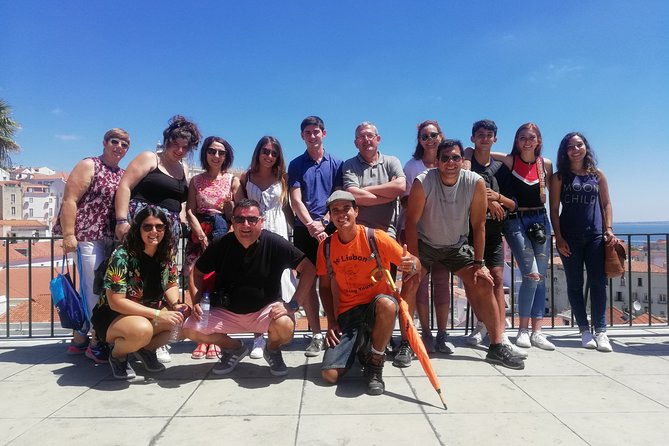
- Small group feel: capped at 20 people, so it’s easier to hear and ask questions
- Earthquake to revolution: you’ll connect the 1755 tragedy to later modern change
- Downtown Lisbon in one loop: Baixa and Chiado highlights without needing a plan
- Landmark walking + context: from Santa Justa sights to churches tied to 1755 survival
- Bring cash for fairness: the guide is paid what you see fit at the end
- Works in real weather: it’s designed for walking, so plan for rain
Why this Lisbon walking tour works as a first-day move
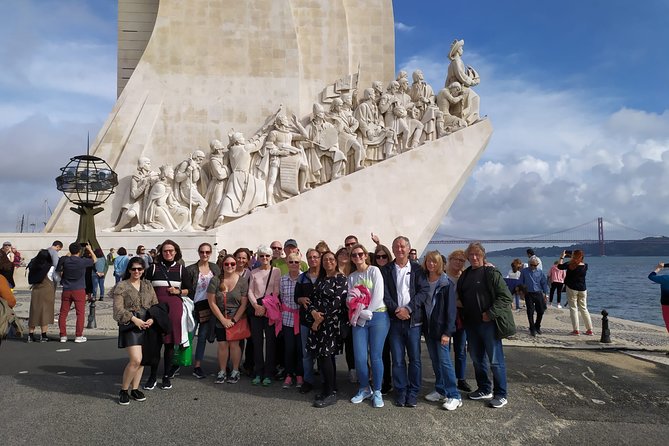
If this is your first time in Lisbon, you need two things: orientation and context. You can grab photos later. Right now, you want to understand why the city looks the way it does, and why people point you toward certain squares, streets, and viewpoints.
This tour is built around the downtown areas many first-timers miss when they jump straight to hills and waterfronts. You move through Baixa and Chiado—Lisbon’s classic grid of squares and streets—so you learn the city’s “navigation system” fast: where the big plazas are, what street names matter, and how neighborhoods connect. After a walk like this, everything else you do feels easier. A metro ride is simpler. A tram line makes more sense. Even ordering food feels more confident because you’ll recognize where you are.
Then there’s the history thread. Lisbon isn’t just pretty buildings and tiled facades. It has a shock event that reshaped much of what you see, and a later political moment that changed the country’s direction. The guide frames both, so the earthquake story doesn’t stay trapped in a textbook.
The price is also part of the appeal. This is listed at $1.25 per person, and you’re getting a real guided walking experience in English. In practical terms, that’s a very low entry cost for a “set your bearings” orientation walk. The catch—same with any walking tour that works on what you choose to pay—is that your guide’s effort is expected to be rewarded fairly at the end.
You can also read our reviews of more walking tours in Lisbon


The start at Praça do Comércio: the perfect orientation point
You meet in the open, bright heart of downtown at Praça do Comércio. It’s the sort of place where you can immediately understand why people call Lisbon a city of angles and viewpoints. The giant arch, the river-facing space, and the central statue make it easy to spot your group and settle in.
This is a good starting choice for a first tour for one main reason: it gives you a baseline view of the city layout. From here, Baixa feels less confusing. The streets you’ll walk later aren’t random; they’re part of a deliberate downtown plan. Even if you don’t know the history yet, you’ll feel the structure.
From there, the tour quickly introduces you to the civic center energy of downtown—big spaces, important buildings, and the kind of architecture that makes Lisbon feel both formal and everyday at the same time. If you’ve ever tried to “wing it” through Lisbon, you know the trap: you can end up walking in circles. Starting at Praça do Comércio helps you avoid that.
And because the meeting time is designed around public access and transit connections, it’s simple to get there. The tour also runs in English and uses a mobile ticket, which keeps the start hassle-free.
Baixa and Chiado stops that teach you how Lisbon is built
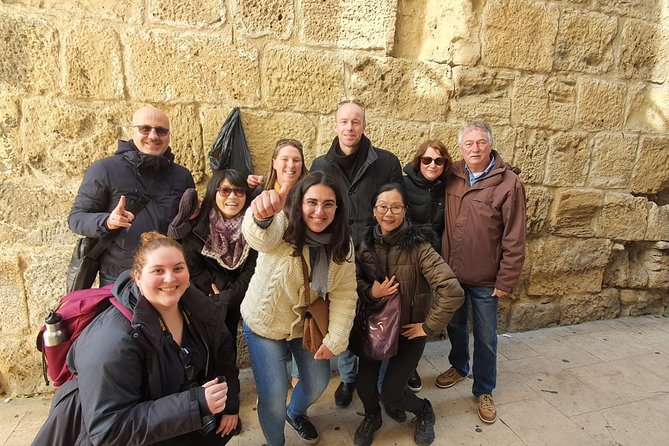
This walk is packed with downtown anchors. That’s good news if you’re short on time, because you’ll see a lot without needing separate ticketed attractions. Here’s what each key area does for your understanding of the city.
Statue of D. José I and the big-square entrance
You begin with the statue area linked to King D. José I, then you glide into the biggest square in Lisbon, Praça do Comércio. The reason this matters isn’t just sightseeing. It’s your first chance to learn the rhythm of the city’s public spaces: where crowds gather, where the city opens up, and where major routes begin.
If your goal is to orient yourself, this early segment pays off later. You’ll recognize the square and feel less lost as you head toward the narrower streets.
Praca do Comercio and Municipal Square: Lisbon’s civic core
After Praça do Comércio, you pass by the Municipal Square, the location associated with the city hall. Think of it as the pivot from grand riverfront openness to the more civic, administrative center vibe. You’ll start to see how Lisbon’s downtown is more than tourism—it’s a working city with real institutions right inside the historic core.
You can also read our reviews of more city tours in Lisbon






Santa Justa area: the landmark you’ll want to revisit
You stop near the Elevador de Santa Justa, one of Europe’s best-known elevator landmarks. Even if you don’t ride it (the tour doesn’t require that), it’s one of those sights that instantly makes Lisbon feel unmistakable.
Why I like including it on an introduction walk: it gives you a vertical reminder. Lisbon isn’t only flat squares and street level. It has a constant upward energy. When you later plan a tram or a viewpoint hike, you’ll remember why Santa Justa matters.
Praca Dom Pedro IV and Rua Augusta: the main street logic
Then comes Praca Dom Pedro IV, called the oldest square in Lisbon, followed by Rua Augusta, the most important street in the downtown core. This is where Lisbon goes from “I’m learning names” to “I’m learning movement.”
Rua Augusta gives you a practical street experience: a long, central spine that helps you understand where to wander safely and efficiently. If you plan to return for shopping, coffee, or just people-watching, this is your reference line.
The 1506 memorial: learning the city beyond the postcard
On the route, you’ll also see the Memorial as Vitimas do Massacre Judaico de 1506, honoring victims of the 1506 massacre. This stop is quieter, but it’s important. Lisbon is often presented as sunlit tiles and dramatic viewpoints, yet it also holds painful chapters.
For me, this is one of the values of a good introduction tour: it doesn’t only show the most photogenic parts. It also gives context for the city’s real human history.
Churches and their earthquake connections: why Lisbon’s skyline looks like it does
Next up: Igreja de S Domingos, followed later by Igreja de Sao Roque. Churches in Lisbon aren’t just religious buildings. They’re historical markers. The earthquake theme matters here, because you can’t understand Lisbon’s rebuilding without it.
The walk specifically highlights the great Lisbon Earthquake of 1755, and you’ll encounter churches tied to what survived and what didn’t. Even if you’re not a history buff, the guide’s explanation helps you “read” the skyline. It stops being decoration and becomes evidence.
Avenida da Liberdade and Casa do Alentejo: a change in mood
You also pass along Avenida da Liberdade, Lisbon’s more upscale avenue. This section offers a mood shift: less ancient core, more elegant boulevards. It’s a nice way to show you that Lisbon isn’t one neighborhood. The city changes character as you move.
Then there’s Casa do Alentejo, a charming building that breaks the route with a more inviting, elegant feel. It’s a reminder to look beyond only the biggest attractions. Small architectural stops can be useful too, especially when you’re planning where to spend evenings.
Largo do Carmo, Rossio, and Bairro Alto: ending with modern Lisbon energy
A great intro walk should end where your next day can start. This one does that.
Largo do Carmo: the Carnation Revolution setting
You reach Largo do Carmo, the place connected with the Carnation Revolution. Nearby is also the area associated with the Carmo Church ruins—a visual reminder of the earthquake’s long shadow. In this part of the route, the guide connects the physical scars of 1755 to the later political scars and hopes of the 1900s.
This is the emotional center of the tour. The history isn’t abstract. It’s attached to streets you’ll walk later.
Estacao do Rossio: Lisbon’s rail-meets-city moment
Then you arrive at Estacao do Rossio, described as the old central station of Lisbon. Even if you’re not using trains that day, it’s a practical mental map point. Stations are where Lisbon’s wider routes start. If you plan day trips, a stop like this helps you understand how the city connects to the rest of Portugal.
Praca Luis de Camoes: iconic square energy before night
The walk continues to Praca Luis de Camoes, one of Lisbon’s iconic squares. This stop is useful because it puts you in a place that feels lively and easy to pivot from. It’s also where the tour ends around Camões Square, so you finish already near a solid hub for food and wandering.
Bairro Alto: where the night plans start
Finally, you reach Bairro Alto, the famous nightlife area. You’re not being told to go party. You’re being pointed toward the neighborhood that’s known for evening energy—where you’ll likely want to return after you’ve soaked in the city center.
For first-timers, that matters. You learn where the evening buzz lives without needing to guess.
Guides, tips, and group size: how this tour feels in real life
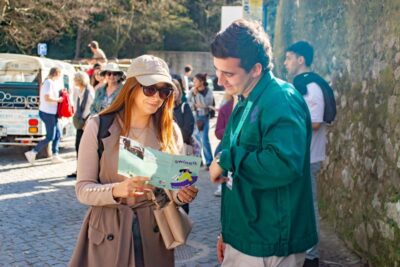
This tour runs in small groups, with a maximum of 20 people. That size helps. You don’t feel swallowed by the crowd, and you have a better chance of hearing the guide’s explanations at each stop.
The guides also seem to be a major part of the value. Past guests have praised guides like Tiago, Jose, Natalia, Walter, Jose Tenorio, Kate, and Thiago for storytelling, energy, and practical advice. What you’ll notice on a well-run walk like this is that the facts come with personality. The earthquake story sounds less like a paragraph and more like a turning point that helps you understand why Lisbon rebuilt the way it did.
Now, about payment: the tour highlight says you can pay the guide whatever you see fit at the end. That’s the heart of the experience. You’re not just buying a ticket to watch history. You’re supporting a person who’s organizing the walk, managing a group, and giving you context you likely won’t find on your own at these exact stops.
One consideration from feedback: a few people felt pacing was too fast for them, and one person described an uncomfortable start when the guide emphasized a minimum expected amount. I’d treat that as a “know what style you’re walking into” reminder. If you prefer totally fixed pricing and no discussion of tips, pick a different format. If you’re comfortable with pay-what-you-fair, it’s a strong value approach.
Practical advice so you enjoy the full 2.5 hours
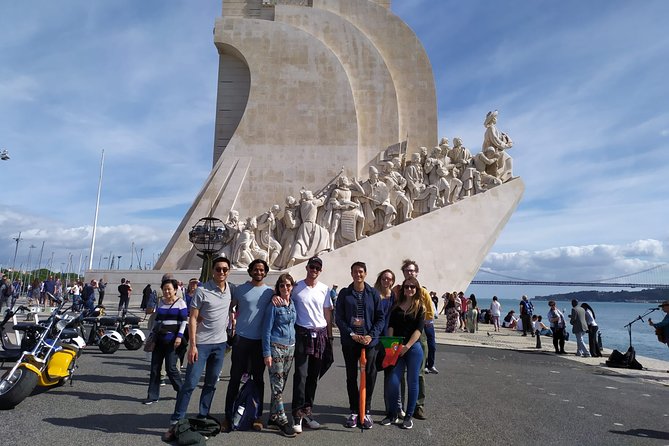
You’ll be walking in central Lisbon, mostly on pedestrian-friendly routes. That means you should dress for comfort and move with purpose.
Here’s what I’d do before you go:
- Wear comfortable shoes. Downtown streets add up fast.
- Bring a small umbrella or poncho. The tour runs even in rain, and you’ll still want to see the church stops and squares clearly.
- If you want more from the guide, ask early. Some guides move quickly through material, and a simple question can guide the pace.
- If you have strollers or need easier movement, note that the tour group size is limited, which can make it easier than huge open tours.
Also, confirmation is received at booking, and the tour allows service animals. It’s near public transportation, which helps you stitch the day together.
And if you’re planning your first day in Lisbon, aim to book early. The tour is commonly booked about 15 days in advance, so popular dates can fill.
Should you book this Lisbon walking tour?

Book it if you want a fast, low-stress orientation to Lisbon’s downtown. This is a smart first outing because it connects major landmarks—Praça do Comércio, Santa Justa area, Rossio, and Bairro Alto—with the stories that explain Lisbon’s rebuilding and political shifts. The price-to-time ratio is hard to beat, especially with English guide support and a small group size.
Skip or consider a different style if you know you need slower pacing or fixed pricing with no tip talk. And if you’re extremely sensitive to guide delivery style, arrive ready to communicate—ask for repetition if you miss something.
If you want a practical beginning that turns Lisbon from confusing streets into a city with a story, this is one of the best ways to start your trip.