REVIEW · LISBON WALKING TOURS
Lisbon Tram No. 28 Ride & Walking Tour
Book on GetYourGuide →Operated by Lisbon Spirit · Bookable on GetYourGuide
Tram 28 is famous, but this tour makes it useful. I like the combo of a ride on Tram 28 plus a hands-on walk through Alfama, where you learn why Lisbon grew the way it did. The big bonus is the viewpoints and stories along the hills, not just a photo stop. One thing to consider: you’re doing real walking on steep, uneven streets, and the tram is still public transport, so traffic can nudge timing.
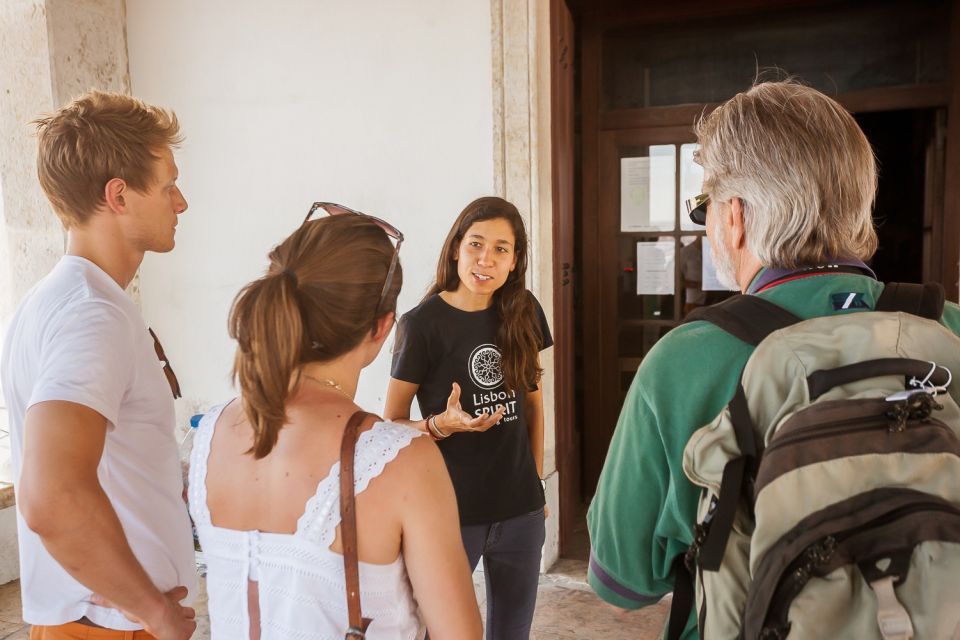
In a small group capped at 10, the guide can keep things moving and answer questions without the whole herd stopping every 30 seconds. Guides such as Nuno or Nono often bring a very personal tone—history, culture, and local life all braided together. Meet at Praça Luís de Camões near the statue, and look for the guide with a black Lisbon Spirit backpack.
In This Review
- Key Things I’d Pay Attention To
- Meeting at Praça Luís de Camões: Quick start, easy orientation
- Riding Lisbon Tram 28: Why starting on the rails is smart
- Panoramic viewpoints on the hill: Seeing Lisbon the way locals do
- Sé de Lisboa and Lisbon’s 1,000 years in stone
- Mosteiro de São Vicente de Fora: Monastery views and practical context
- Panteão Nacional dome legend: Why it’s more than a photo
- Alfama on foot: narrow streets, tiny squares, and real pace
- Fado lessons in tiny bars and cafés: making the music make sense
- Feira da Ladra on Tuesdays and Saturdays: a street-market window into old Lisbon
- The guide factor: why Nuno/Nono’s style matters
- Price and value: $23 for Tram + guided Alfama isn’t just cheap, it’s practical
- Who should book this Tram 28 and Alfama walk?
- Should you book? My honest take
- FAQ
- How long is the Tram 28 and Alfama tour?
- Where do I meet the guide?
- Is the tour guided in English?
- What’s included in the price?
- Is pickup or drop-off provided?
- What should I wear or bring?
- Is Tram 28 ride time guaranteed?
- Is this a small group tour?
- Is Feira da Ladra part of the tour?
Key Things I’d Pay Attention To
- Tram 28 ride first: you get the famous climb before you’re tired from hill walking.
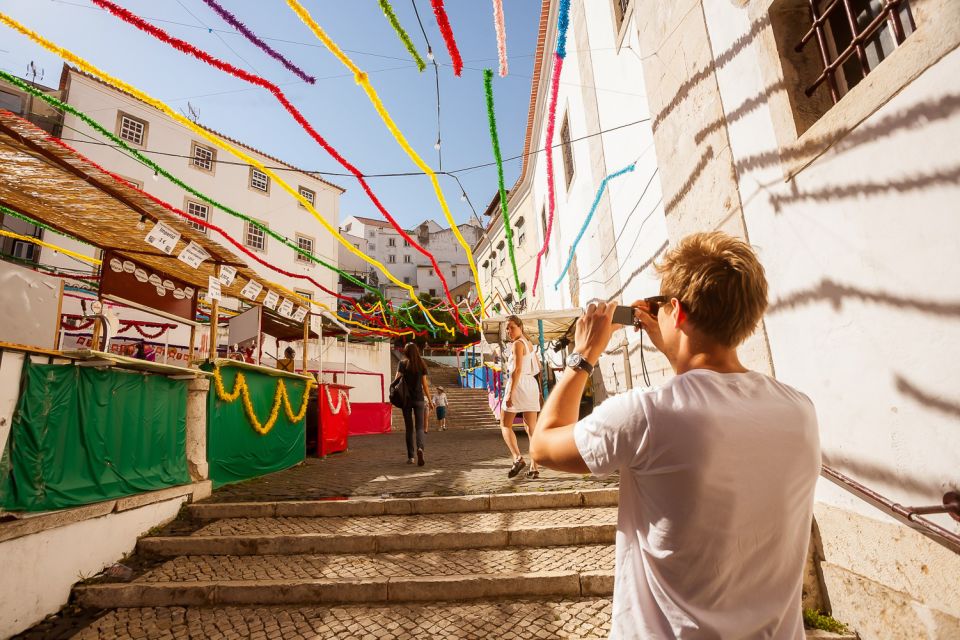
- Alfama on foot: narrow alleys and tiny squares make the neighborhood feel real, not staged.
- Fado context: you learn what the music connects to locally, not just when and where it’s played.
- Hilltop landmarks: stops around Sé de Lisboa and Mosteiro de São Vicente de Fora help explain Lisbon’s layers.
- Feira da Ladra option (Tuesdays & Saturdays): you might catch the oldest flea-market buzz in the middle of history.
- Small group pacing: it’s relaxed enough for mixed ages, but still active enough to be satisfying.
Meeting at Praça Luís de Camões: Quick start, easy orientation
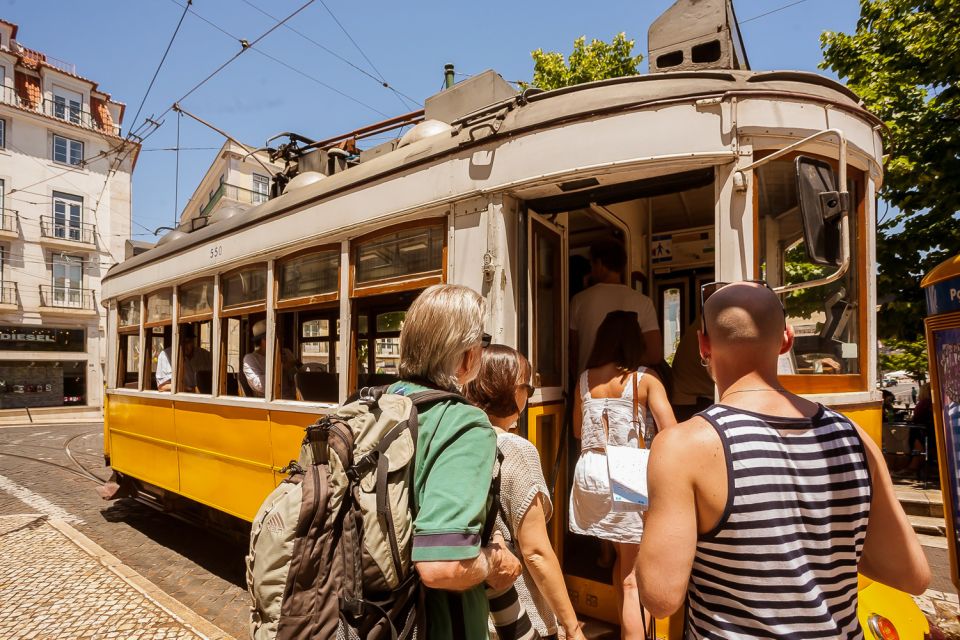
You’ll start in the area around Praça Luís de Camões, near the statue. It’s a good choice for first-timers because the meeting point feels central enough to orient yourself, and you’re not hunting through side streets before the tour begins.
Your guide will be wearing a black backpack with the Lisbon Spirit logo. That detail matters in Lisbon, where several tour groups can swarm the same corners. Once you spot the backpack, you’re set.
Practical tip: bring your most comfortable shoes. This tour isn’t about a slow stroll on flat ground. Lisbon’s Old Town is built on hills, and you’ll feel it.
You can also read our reviews of more walking tours in Lisbon


Riding Lisbon Tram 28: Why starting on the rails is smart
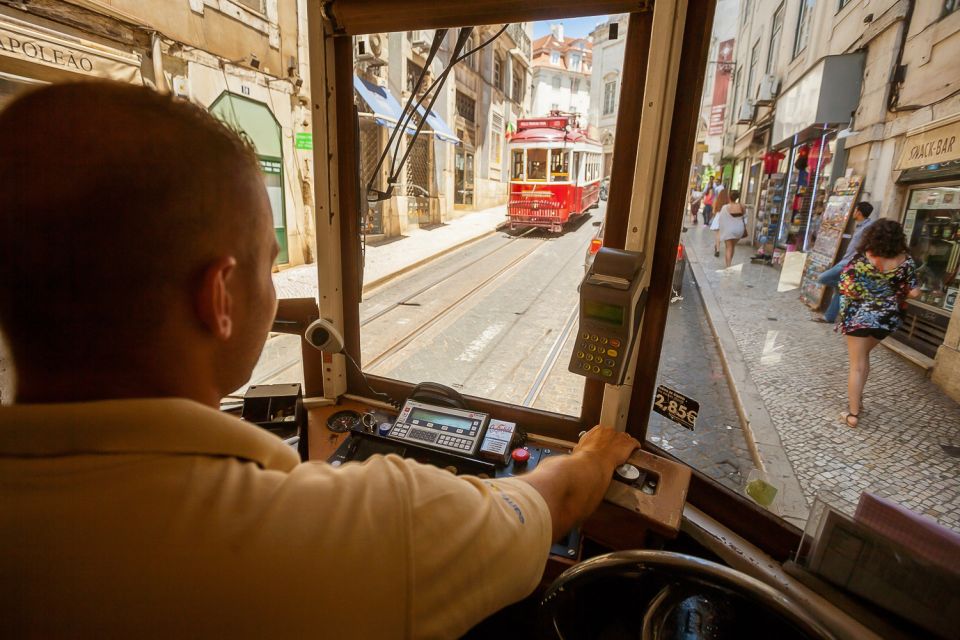
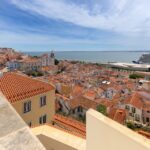
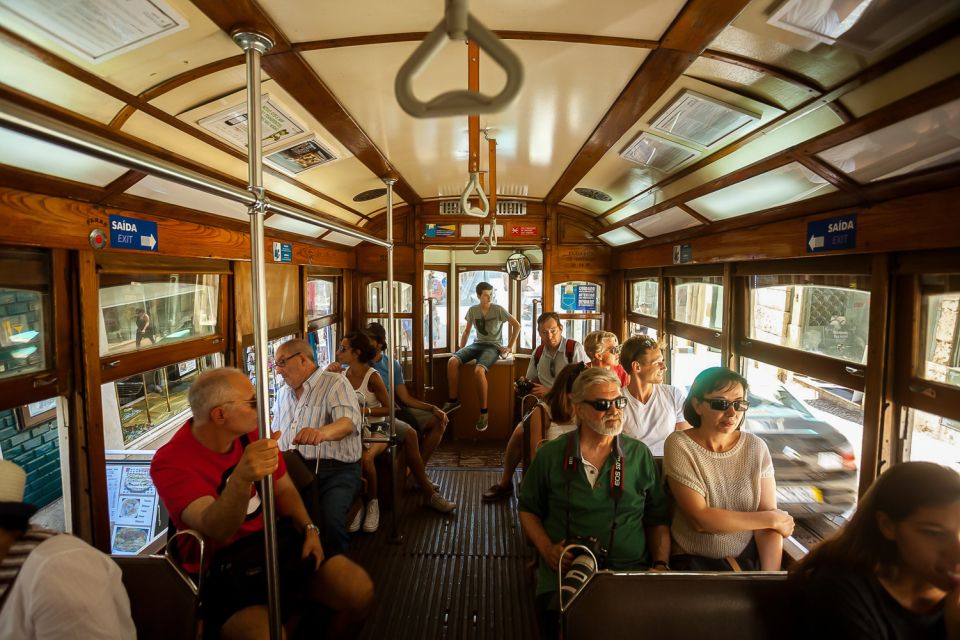
The heart of the experience is the ride on historic Tram No. 28 across Lisbon Old Town. You get that classic feel immediately: metal wheels, old-school styling, and the sense that you’re moving through a living, working city center.
What I love here is the rhythm. You’re on the tram for the uphill sections, then you continue on foot where the streets narrow into the kind of labyrinth you don’t easily choose on your own. That mix is exactly what helps this tour work for visitors who only have a short time.
Also, expect the route to act like public transport. If traffic or an operational hiccup happens, the tram ride can be subject to unpredictable timing. In one common scenario, guides may adjust the plan to keep the day moving (for example, using another local transit connection) before returning to the Tram 28 experience.
Panoramic viewpoints on the hill: Seeing Lisbon the way locals do
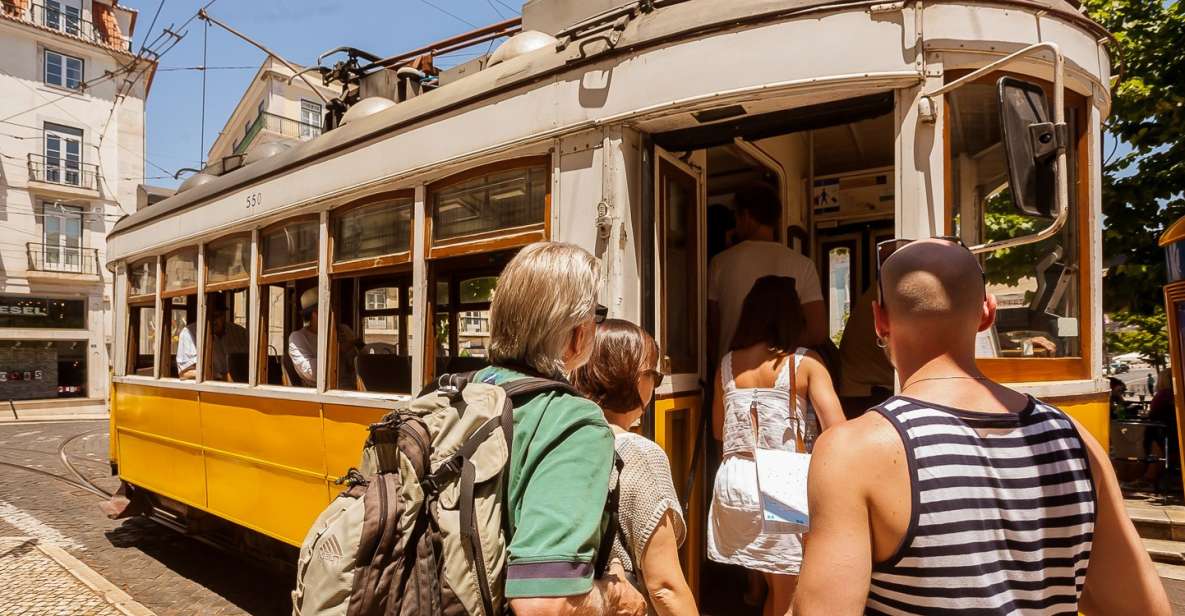
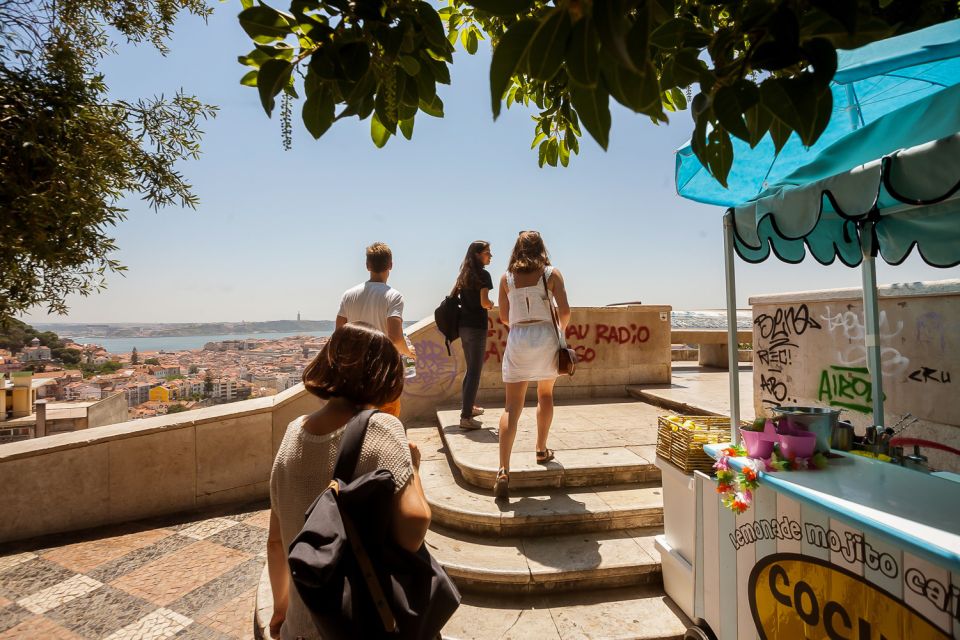
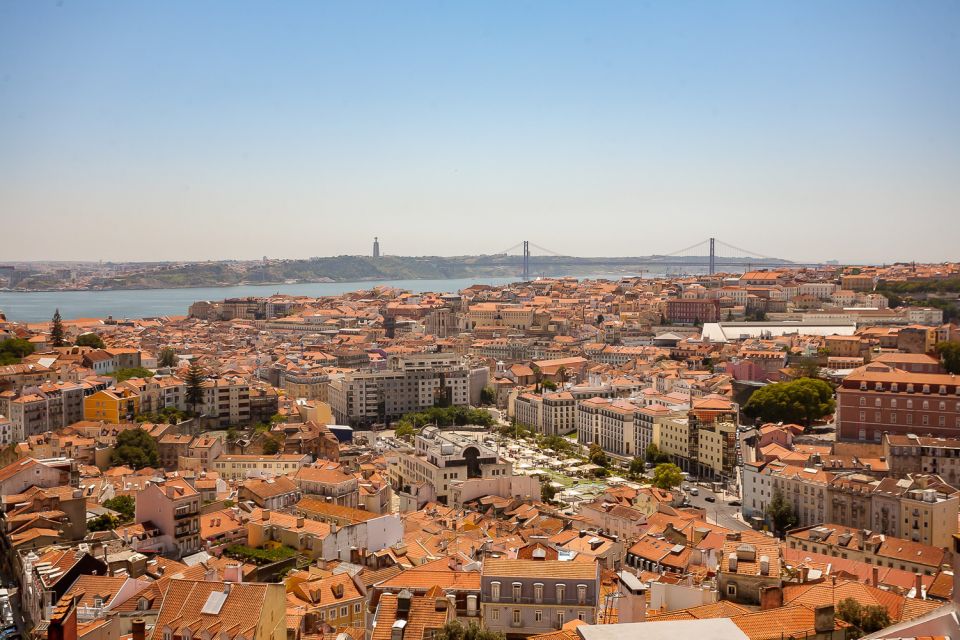
The tram climbs Lisbon’s hills, and along the way you get breathtaking panoramic views of the city and the river. This matters more than it sounds. Lisbon’s layout is the whole story—ridges, viewpoints, and viewpoints within neighborhoods—so seeing the city from above helps you understand what you’re walking through later.
From the tram, the city snaps into focus. Streets that look like chaos on the ground start to make sense as part of a topography-driven plan. It also sets you up for better photos, because you’ll understand what you’re aiming at instead of just shooting whatever is in front of you.
Small travel note: tram rides can mean crowds, slow boarding, and occasional stop-and-go movement. That’s normal on Tram 28, and it’s part of the charm. The guide’s job is to keep you oriented so you don’t waste the time you paid for.
Sé de Lisboa and Lisbon’s 1,000 years in stone
After the tram ride, you shift from “ride-view” to “close-view,” where landmarks start telling a longer story. One highlight is Sé de Lisboa, the medieval cathedral. It’s a major historical anchor, and the interesting part is how the building carries layered time—walls that have held on, changed, and accumulated almost a millennium of Lisbon.
Walking in this area also helps you understand why the hill mattered. Places like the cathedral weren’t just religious stops. They were waypoints, community landmarks, and control points in different eras.
A quick caution: this is not an area you want to rush through in cheap sneakers. Even if you’re not climbing stair towers, the ground can be uneven and you’ll want stable footing.
Mosteiro de São Vicente de Fora: Monastery views and practical context
Another key stop is Mosteiro de São Vicente de Fora (Saint Vincent Monastery). Monasteries can feel like they exist in a museum world, but here the surrounding neighborhood context keeps it grounded. You’re not just looking at architecture—you’re in the part of Lisbon where the buildings connect to daily life and long-term civic identity.
If you like religious architecture, you’ll appreciate how this site fits into Lisbon’s skyline and hill geography. If you don’t, it still works as a view-and-stories stop that helps the walk feel bigger than the immediate street corners.




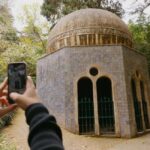
Panteão Nacional dome legend: Why it’s more than a photo
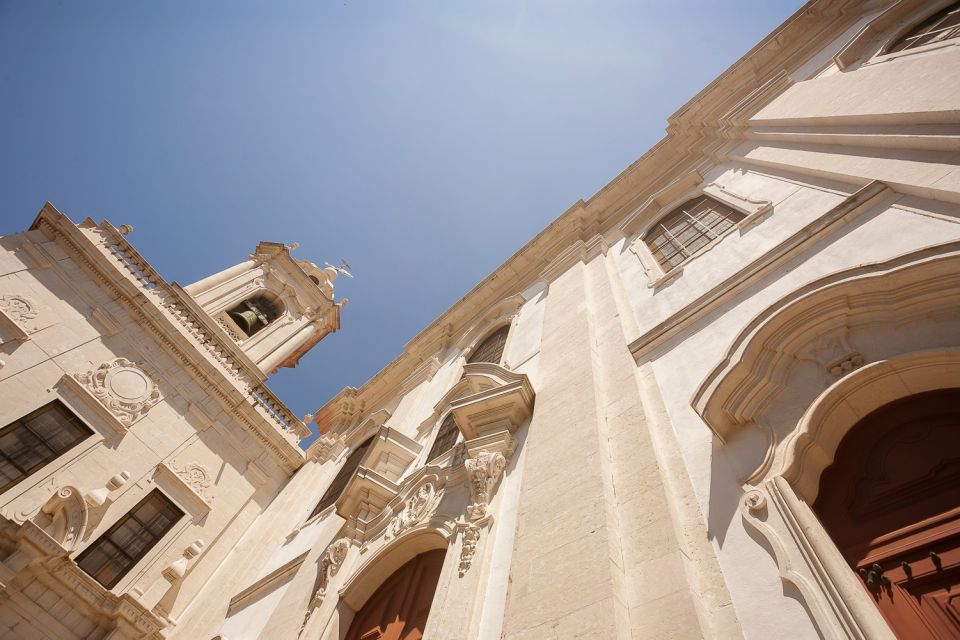
You’ll also see the National Pantheon (Panteão Nacional), including what’s often the most recognizable dome on Lisbon’s skyline. The tour ties this visual into legend and cultural meaning, which is what turns it from a simple landmark into something you remember later.
This is one of those stops where the guide’s storytelling style really helps. Instead of treating it like a name on a map, the narrative connects the monument to Lisbon’s identity—how the city remembers itself and displays symbols in the open air.
Alfama on foot: narrow streets, tiny squares, and real pace
Then comes the heart of the experience: Alfama, Lisbon’s traditional neighborhood. Here the tone changes from tram-and-landmark to alley-and-life. Expect steep, narrow streets that funnel you between walls, doors, and small squares.
This is the part I think most visitors underestimate. From far away, Alfama looks like a single scenic zone. On the ground, it behaves more like a collection of micro-neighborhoods. The guide’s job is to keep you moving while also explaining what you’re seeing so you don’t just feel like you’re walking from one viewpoint to the next.
As you go, you’ll spot the kind of street layout that shapes daily habits: where people pass, where they pause, and why some streets feel dramatically intimate. It’s easy to feel like you’re in a set if you move too fast. A guided pace keeps the neighborhood feeling human.
Fado lessons in tiny bars and cafés: making the music make sense
Fado isn’t just something you attend. It’s something Lisbon carries in its everyday rhythms, and this tour gives you context so the experience lands better if you seek a show later.
You’ll learn about traditional Portuguese Fado and the cultural role it plays. The walking through Alfama and then hearing the theme explained helps you connect the music to place, mood, and local history instead of treating it like a performance with zero backstory.
A note for your expectations: this portion can feel smaller and more intimate than the big-name sightseeing moments. That’s a good thing. You’re learning the meaning behind the vibe.
Feira da Ladra on Tuesdays and Saturdays: a street-market window into old Lisbon
On Tuesdays and Saturdays, you may get the chance to experience Feira da Ladra, Lisbon’s famous flea market. This is the kind of stop that turns “history buildings” into “living city.” You’re not just seeing the past—you’re watching how people hunt, trade, and browse in an old setting.
If you can align your schedule, this is a strong reason to pick one of those days. Markets are messy in a good way. They’re also a shortcut to understanding local taste and everyday commerce, not just heritage tourism.
If your day isn’t a Tuesday or Saturday, don’t worry. Alfama still gives you plenty of street atmosphere, and the tour’s landmark stops still do the heavy lifting.
The guide factor: why Nuno/Nono’s style matters
One of the most consistent strengths people highlight is the guide. Guides like Nuno or Nono tend to bring a steady mix of history, humor, and practical Lisbon perspective. You can feel it in how the tour flows: explanations don’t sit like lectures. They land in the same places you’re standing.
Also, pacing comes up often. A relaxed cadence helps on steep streets. If your group includes different ages or mobility levels, the guide can usually keep it manageable while still hitting key sights.
There’s also a “helpful after the tour” vibe that shows up in feedback—people note that the guide keeps answering questions when time allows. That kind of attention makes the tour feel less like a transaction and more like a handhold into a city that can be tricky if you’re winging it.
Price and value: $23 for Tram + guided Alfama isn’t just cheap, it’s practical
At $23 per person for about 3 hours, this is strong value because you’re paying for two high-demand experiences in one package: a ride on Tram 28 and a guided walk through Alfama. Tram 28 itself is famous, but without context it can feel chaotic and crowded. The guide makes the ride and the walk connect.
You’re also getting a small group size (10 max). That helps a lot on narrow streets. In a bigger group, you’d constantly pause for spacing. Here, you get a more natural rhythm, plus better chances to ask questions.
One possible drawback on value: Tram 28 is public transport, and the ride portion can be shorter than you’d hope if you’re trying to do the full tram experience on your own later. A couple of people even wish they had longer on the tram segment. Still, the trade-off is that you leave with a much better grasp of Alfama and Lisbon’s key hill landmarks.
Who should book this Tram 28 and Alfama walk?
This tour is a great fit if:
- You want a first-time-friendly way to understand Old Town geography fast.
- You care about Fado context, not just seeing pretty streets.
- You want a guide who explains what you’re looking at while you’re moving.
- You’re comfortable with steep hills and uneven paving.
It may be less ideal if:
- You hate walking for 3 hours on steep ground.
- You expect a private, guaranteed, front-row tram experience. Tram 28 can be busy and timing can shift due to real-world transport conditions.
If you’re the type who likes to know why a city looks the way it does, this will click quickly.
Should you book? My honest take
I’d book this tour if you want the most efficient way to do Lisbon’s famous sights without wandering in circles. The Tram 28 ride gives you the big, scenic payoff, and the Alfama walk gives you meaning—street layout, landmark context, and Fado understanding, not just postcards.
If you’re flexible on timing and you bring good shoes, it’s a solid, low-stress way to spend a half-morning or afternoon in Lisbon’s oldest neighborhood. If you want more tram time than the package allows, you can always add extra Tram 28 rides on your own after you’ve already learned how the city’s hills work.
FAQ
How long is the Tram 28 and Alfama tour?
The tour lasts 3 hours.
Where do I meet the guide?
Meet at Praça Luís de Camões, near the statue.
Is the tour guided in English?
Yes, the tour guide speaks English.
What’s included in the price?
Included are the Tram 28 ride and a walking tour of Alfama.
Is pickup or drop-off provided?
No pickup or drop-off is included.
What should I wear or bring?
Bring comfortable shoes for walking on steep, uneven streets.
Is Tram 28 ride time guaranteed?
Tram 28 is public transport, so it can be affected by traffic and unpredictable situations beyond the provider’s control.
Is this a small group tour?
Yes. The group is limited to 10 participants.
Is Feira da Ladra part of the tour?
You can enjoy Feira da Ladra on Tuesdays and Saturdays.