REVIEW · CRUISES & BOAT TOURS
Lisbon: Tagus Estuary Nature Reserve Birdwatching Boat Tour
Book on GetYourGuide →Operated by River Friends · Bookable on GetYourGuide
Birds put Lisbon on a different map. On this 3-hour boat trip, Carlos Cera steers you into the Tagus Estuary Nature Reserve, where you’ll learn how to spot and identify birds in real time. Two things I especially like: the small-group pace (up to 10 people) and the way Carlos finds birds without rushing you, so you get time for photos and proper looks.
One thing to plan around is weather and sea conditions. The sightings are great, but they’re not guaranteed in every season or tide cycle, and fog can sometimes mean changes to the schedule.
In This Review
- Key things that make this tour worth your time
- Tagus Estuary Nature Reserve: why this feels special so close to the city
- Starting at Onda Luso-Americana: quick, simple meeting and safety setup
- Parque das Nações photo stop: modern Lisbon first, then the wildlife switch
- Bairro dos Pescadores 21 stop: where the river feels lived-in
- Tagus Estuary Nature Reserve (2.5 hours): the main event for birdwatchers
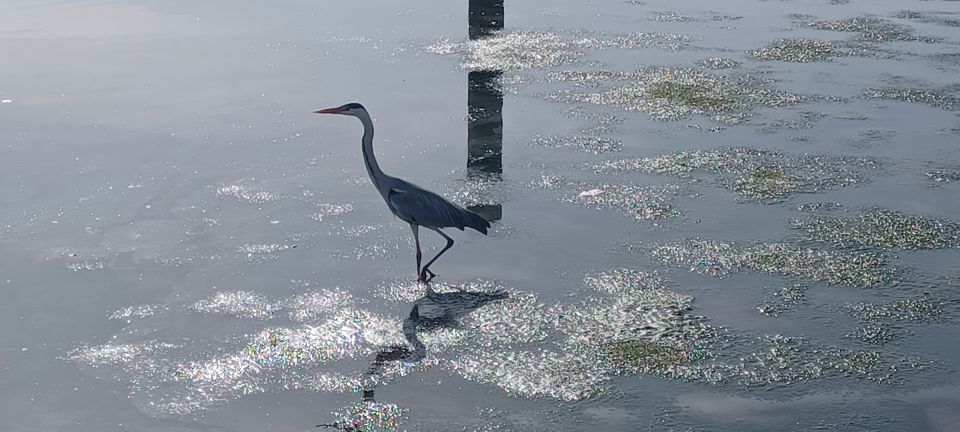
- What kinds of birds you might realistically expect
- Tide timing and why it can make or break your sightings
- Mouchao da Povoa and the Vasco da Gama Bridge pass: finishing with scale
- Small-group speedboat comfort: better spotting, less waiting
- What to bring (and what to wear) so you’re not uncomfortable during the chase
- Price and value: does $58 make sense for a birding boat tour?
- Who should book this Tagus Estuary birding tour?
- Booking mindset: how to maximize your odds on the water
- Should you book this Lisbon Tagus birdwatching boat tour?
- FAQ
- How long is the Lisbon Tagus Estuary Nature Reserve birdwatching boat tour?
- How big is the group?
- Where do I meet for the tour?
- Is food and drinks included?
- Are binoculars provided?
- What languages is the guide available in?
- Is the boat tour dependent on weather?
- What if the tour gets cancelled due to fog or weather?
- Is free cancellation available?
Key things that make this tour worth your time
- Carlos Cera’s bird-spotting game plan: he calls out species and explains habits so the estuary feels alive, not random.
- A real nature reserve a short ride from Lisbon: the Tagus Reserve covers 14,000 hectares, with 200 bird species identified.
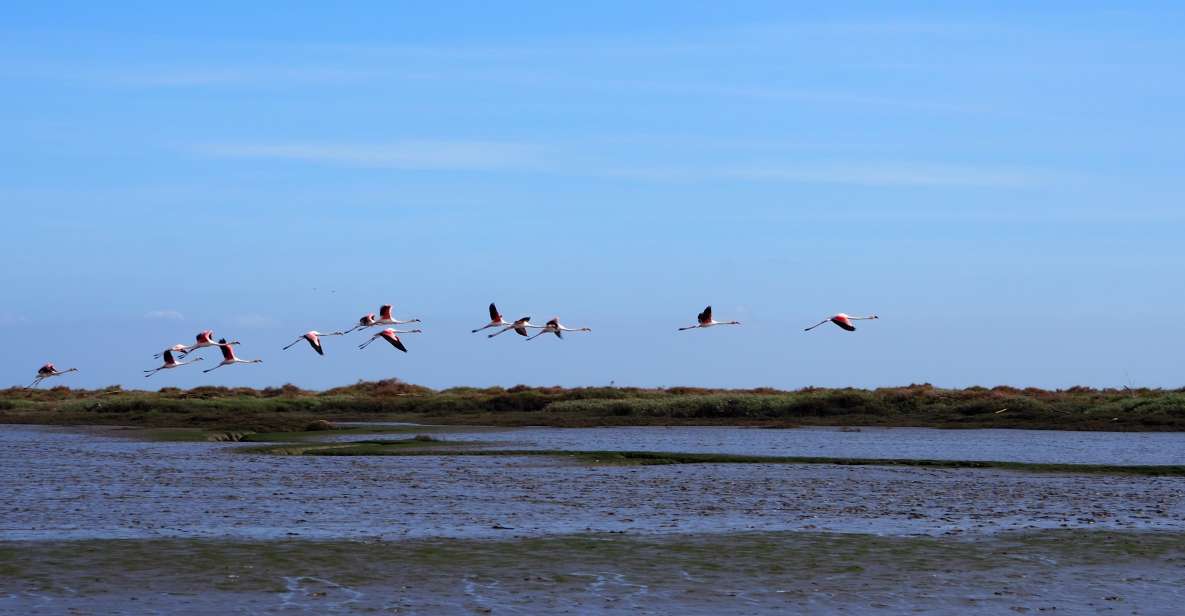
- Big-number bird moments can happen: counts have recorded wintering totals around 120,000 birds, and 12,000 flamingos were tallied in 2024.
- You’ll have the right tools: binoculars are included, and you’re on the water with life vests for safety.
- City views, then wildlife work: you start near Lisbon’s modern riverfront, then trade city noise for mudflats, channels, and islands.
- Tide matters: this trip is timed to where and when birds feed, so the estuary’s shape at that moment is part of the show.
Tagus Estuary Nature Reserve: why this feels special so close to the city
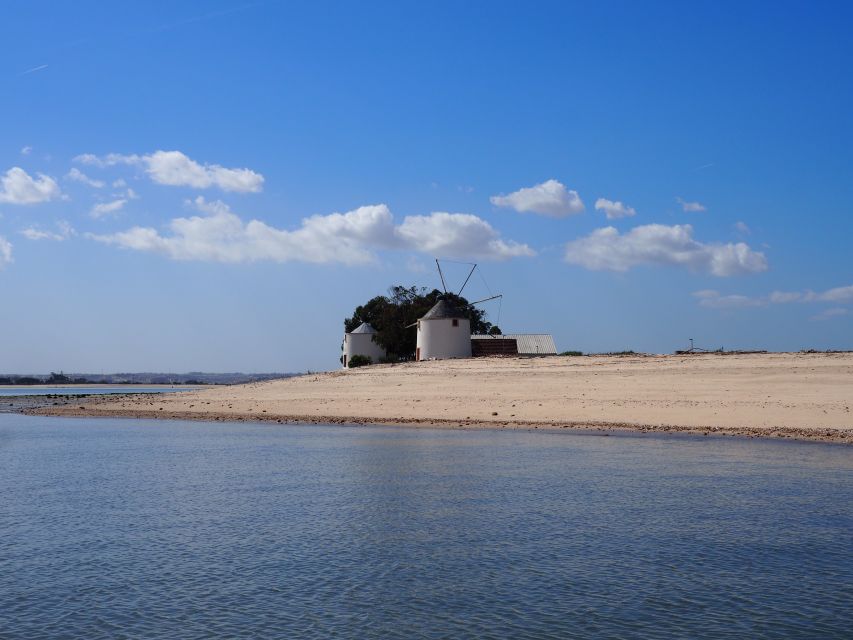
Lisbon is famous for viewpoints and tiled streets. This experience gives you something rarer: a wildlife commute. The Tagus Estuary is the largest estuary in western Europe, and it’s the kind of place where birds don’t just visit—they use it like a living schedule.
You’re going to hear numbers that sound almost too big to be real. The reserve is 14,000 hectares, and researchers have identified about 200 different bird species there. In winter, regular counts point to around 120,000 wintering birds. Then there are standout moments—like the 12,000 flamingos counted in the estuary in 2024. Even if your day doesn’t hit that peak, the estuary still delivers birds of many types: waders, herons, birds of prey, and seasonal visitors.
The biggest value for you is perspective. From the water, the estuary isn’t a backdrop. It’s the main character.
You can also read our reviews of more boat tours in Lisbon



Starting at Onda Luso-Americana: quick, simple meeting and safety setup
Your meeting point is right by the artwork at Onda Luso-Americana. It’s a straightforward spot to find, and the ride from the city is part of the fun—especially if you’re using public transit. The tour starts with a short safety briefing once you’re at Marina Parque das Nações, so you know what to expect before you’re moving.
This matters more than it sounds. When you’re going to spend time scanning water and shorelines, you want confidence early. Life vests are worn on board, and that safety focus helps you relax into the experience instead of worrying about the boat.
Parque das Nações photo stop: modern Lisbon first, then the wildlife switch
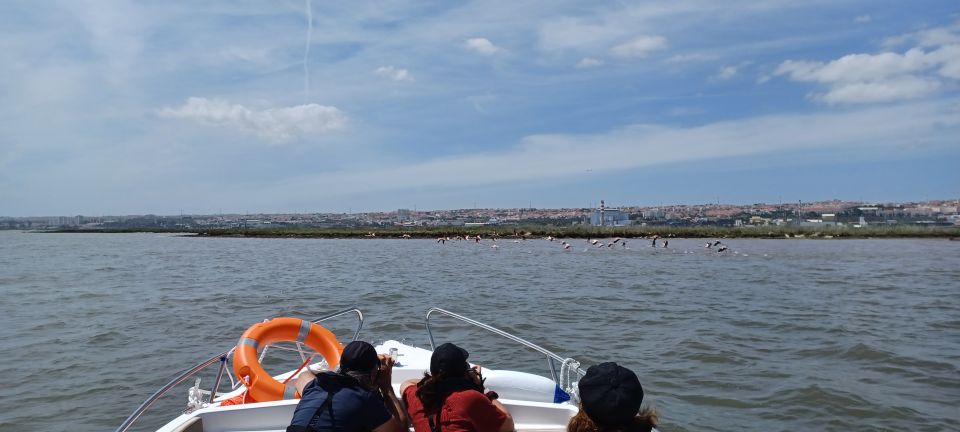
Before the wildlife action, you get an easy ramp-in. One early segment includes a stop around Parque das Nações with a photo moment and a guided orientation, plus scenic views along the way. This part works as a contrast check.
You’re still in Lisbon’s orbit—then you start shifting your attention to the river’s edges, the channels, and the places where birds can use wind, shallow water, and exposed ground. If you’re coming from sightseeing all day, this is a nice way to transition without feeling like you’ve jumped into the deep end.
A practical note: plan on bringing a camera. You’re going to be trying for both “birds-in-flight” shots and “standing still on the mud” shots, and you’ll want quick access.
Bairro dos Pescadores 21 stop: where the river feels lived-in
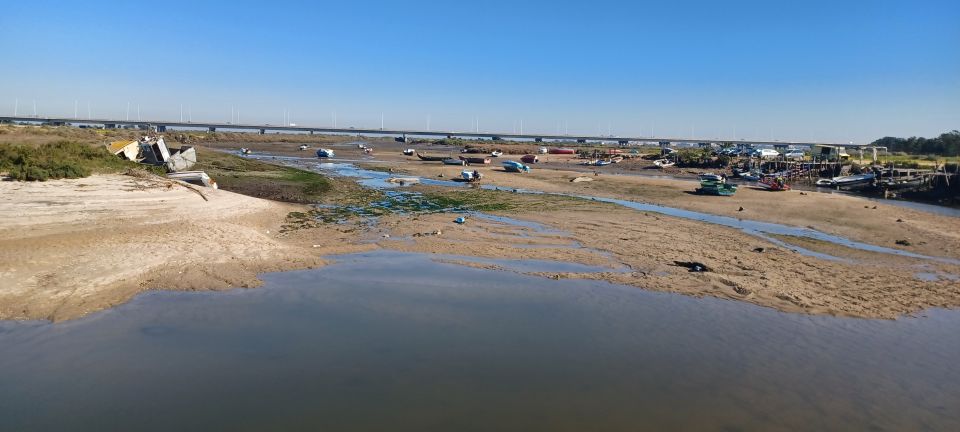
After Parque das Nações, you stop at Bairro dos Pescadores 21. Think of this as another viewpoint change and another chance to spot activity along the water. It’s not just a scenic pause. The guided part is there to help you connect what you see to where the birds can feed and rest.
This stop also helps the tour feel balanced. You’re not only hunting birds. You’re learning how the estuary works as an ecosystem right next to a working human coastline.
Tagus Estuary Nature Reserve (2.5 hours): the main event for birdwatchers
The heart of the trip is the long stretch inside the Tagus Estuary Nature Reserve, where you spend about 2.5 hours on the water with guided spotting and wildlife viewing.
This is where the tour becomes less about a checklist and more about understanding behavior. Birds aren’t random dots. They cluster where food is available and where they can watch for danger.
On this part of the route, you’ll typically do a mix of:
- Photo stops when you spot the right concentration of birds
- Guided cruising through channels and around islands
- Wildlife viewing for marine life and bird activity
- Scenic passes that let you track movement across the estuary
If you care about identification, you’re in good hands. Carlos’s style is to help you connect species to habitat and behavior, not just name tags. People consistently mention that he’s good at locating birds and clearly identifying them, including species that many visitors don’t expect to see so close to a major city.



What kinds of birds you might realistically expect
You’ll likely see a mix of waders and waterbirds. From past tours on this route, common highlights include:
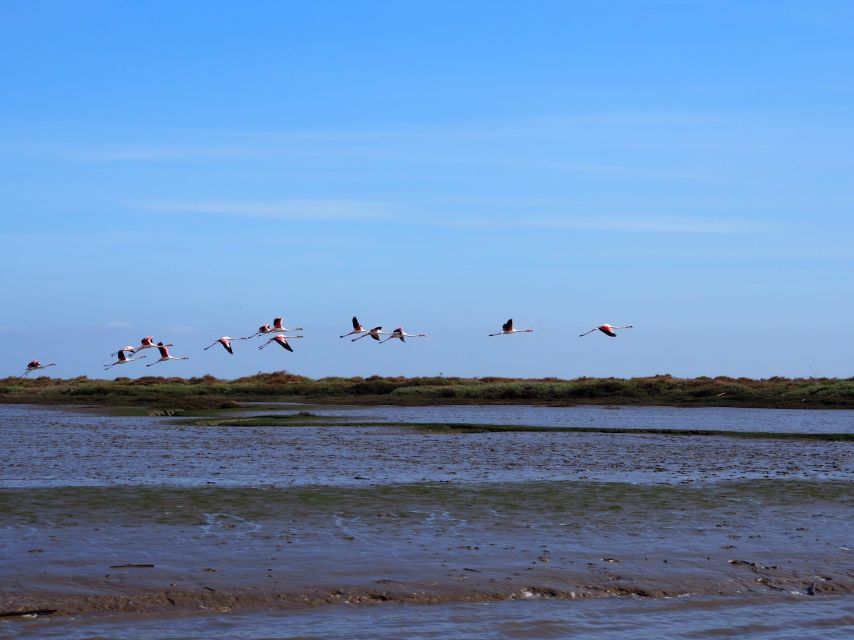
- flamingos (including large flocks in the right season)
- spoonbills
- avocets
- herons and egrets
- ibises (including black ibis during migration windows)
- ospreys and marsh harriers
- terns and other smaller shoreline birds
- even species like black-winged stilts, when the conditions line up
That list is your north star, not a promise. The estuary’s bird mix changes with season, tide, and weather. But the structure of the trip is built to put you in the right zones as the day unfolds.
Tide timing and why it can make or break your sightings
A recurring theme with this tour is that tides affect where birds feed. You might hear the guide talk about the changing tide and timing movement so you reach mudflats around the moment they become exposed and productive. That’s not trivia. It’s why birdwatching here can feel surprisingly productive even within a short 3-hour window.
If you’re photographing, this also matters. The best light and the best bird positions often happen when the shoreline shape changes.
Mouchao da Povoa and the Vasco da Gama Bridge pass: finishing with scale
After the reserve, you keep moving. There’s a photo stop around Mouchão da Povoa, with guided viewing and scenic cruising. This segment is a continuation of the habitat story—more shoreline, more channels, and often more opportunities to pick up different species depending on where birds are moving.
Then you pass the Vasco da Gama Bridge. This is the big “wow, we’re still in Lisbon” moment. It’s also a good reminder that this trip doesn’t feel like a full-day detour. You’re seeing the city from the river while still keeping the wildlife focus intact.
Small-group speedboat comfort: better spotting, less waiting
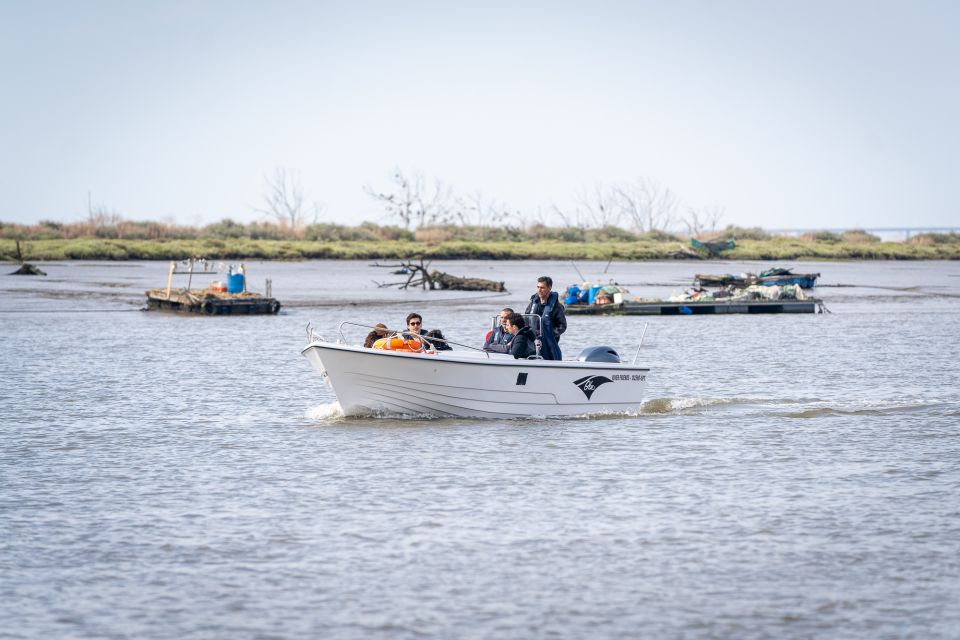
You’ll travel with a small group limited to 10 participants. That size is the difference between “everyone points in the same direction” and “the guide can’t reach everyone with explanations.”
Past groups describe the boat as a small speedboat that feels comfortable in calmer water. You’re out there long enough to learn, but not so long that you feel trapped. The pace is also built for birdwatching: stop, scan, identify, take a photo, move again.
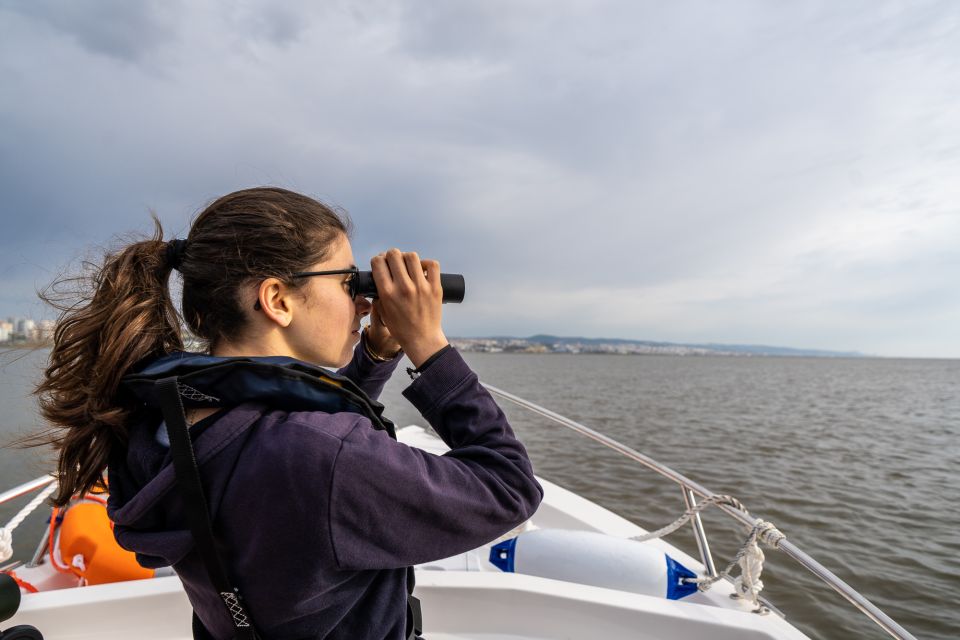
Also, binoculars are included. If you forgot yours, you’re covered. If you brought your own, it’s worth pairing it with the guide’s spotting style, because he tends to point out what to look for before you see it.
What to bring (and what to wear) so you’re not uncomfortable during the chase
This is one of those tours where comfort quietly boosts your birding results. If you’re cold or squinting, you’ll miss behavior.
Bring:
- Comfortable shoes (you’ll move around at the start and stops)
- Sunglasses and a camera
- A jacket or weather layer—conditions can change on the water
- Biodegradable sunscreen
- Weather-appropriate clothing
- Passport or ID card
- Binoculars if you like your own view (optional since binoculars are included)
My practical tip: wear layers you can adjust fast. On the water, wind can flip you from fine to chilly without warning.
Price and value: does $58 make sense for a birding boat tour?
At $58 per person for 3 hours, this isn’t a bargain in the “cheapest boat exists” way. It’s priced like what it is: a guided, small-group wildlife cruise with equipment and a specialist guide focused on bird identification.
Here’s why it can still feel like good value:
- Binoculars and insurance are included
- you get guided spotting in multiple languages (Portuguese, English, Spanish are listed; French is also mentioned among available languages)
- the boat trip is long enough to cover real habitat—about 2.5 hours in the reserve
- the group size limits the “waiting your turn” effect
For me, the deciding factor is the guide. When someone can help you identify birds and find them without pushing you, you don’t just “watch nature.” You actually learn how to see it. That learning time is worth money.
If you want a city-only Lisbon plan, this isn’t it. If you want a nature break that stays close to Lisbon, it’s a solid use of your time.
Who should book this Tagus Estuary birding tour?
Book this if:
- birds are a priority for you (even if you’re a beginner)
- you want a calmer outdoor activity with real wildlife focus
- you like small groups and a guide who explains what you’re seeing
- you want an experience that shows a different side of Lisbon without a huge travel day
Consider something else if:
- you hate weather-dependent plans (the tour is always subject to weather and sea conditions)
- you need a guaranteed “same birds every time” itinerary
- you’re looking for a long, food-and-drink included cruise (this one does not include meals)
Booking mindset: how to maximize your odds on the water
A few choices can make the day better:
- Plan to scan actively. The birds can be close, but they blend into the shore.
- Bring your camera settings ready for quick movement. Some best moments are short.
- If you care about specific species, aim for seasons when those birds are most likely. (The estuary’s bird mix shifts through the year.)
- If conditions are foggy, be flexible. The operator may reschedule, and if rescheduling isn’t possible, you’ll be refunded.
When things are calm, the result is relaxing. When conditions are changing, you’ll still get a guided look at how the estuary supports bird life—just with less control over exactly what’s in front of your binoculars at each stop.
Should you book this Lisbon Tagus birdwatching boat tour?
If you want one nature-focused activity that actually teaches you how to look, I’d book it. The combination of a specialist guide (Carlos Cera), small-group boat time, and a long stretch in the Tagus Estuary Nature Reserve makes it a strong match for bird lovers and curious travelers alike.
Go in with the right expectations: this is wildlife watching, not a theme park. But that’s the point. You’re close enough to Lisbon to feel easy, yet far enough into the estuary to feel like you slipped into another world for a few hours.
FAQ
How long is the Lisbon Tagus Estuary Nature Reserve birdwatching boat tour?
The tour lasts 3 hours.
How big is the group?
It’s a small group limited to 10 participants.
Where do I meet for the tour?
The meeting point is next to the work of art at Onda Luso-Americana.
Is food and drinks included?
No. Food and drinks are not included, and lunch is not included in the ticket price. You’re welcome to bring a picnic.
Are binoculars provided?
Yes. Binoculars are included, and you can also bring your own.
What languages is the guide available in?
Tours are listed as available in Portuguese, English, Spanish, and French is mentioned among the various languages.
Is the boat tour dependent on weather?
Yes. All boat tours are subject to weather and sea conditions for safety.
What if the tour gets cancelled due to fog or weather?
If the tour is expected to be cancelled, you’ll be contacted within 24 hours prior to the activity to try to reschedule. If rescheduling isn’t possible, you’ll be 100% refunded.
Is free cancellation available?
Yes. You can cancel up to 24 hours in advance for a full refund.