REVIEW · STREET ART
Lisbon: Street Art Tuk Tuk Tour
Book on GetYourGuide →Operated by Mon Ami Tours · Bookable on GetYourGuide
Street art in Lisbon has wheels. This tuk-tuk tour threads you through Marvila’s open-air walls and up to big hilltop pieces where the city and the river show up in the same frame. I love how the guide links the art to the neighborhoods it lives in, and I love the practical photo rhythm with stops where you can actually look up close instead of just driving past. One caution: the ride can be bumpy, so it’s not a fit if you have a bad back.
What makes it extra fun is the human energy behind the stories. Names like Tiago and Mário come up again and again for a reason: they talk about street art as part of Portuguese life, not as a random add-on.
You’ll spend about 2–4 hours in a private group (price is per group up to 2), with pickup offered in the city center. It’s a simple setup, but it also means you should dress for stops and walking—this is not a sit-and-watch show.
In This Review
- Key takeaways from the Lisbon Street Art Tuk Tuk Tour
- Why a tuk-tuk makes sense for Marvila’s street art
- Marvila’s open-air gallery: graffiti as neighborhood identity
- Hilltop murals and the Tejo view in the distance
- Convents, palaces, and Lisbon’s habit of stacking time
- Art deco industrial warehouses and the city’s worker-era backbone
- Worker villas and urban vegetable gardens: the Lisbon locals know
- How long 2–4 hours really feels on a tuk-tuk
- Cost and value: what $165 per group up to 2 buys you
- Guide style: what you gain from names like Tiago and Mário
- What to wear and who should skip this tuk-tuk
- Should you book this Lisbon Street Art Tuk Tuk Tour?
- FAQ
- How long is the Lisbon Street Art Tuk Tuk Tour?
- Is this tour private?
- What’s the price?
- What does the tour include?
- What’s not included?
- What neighborhoods and sights will we see?
- Will there be a view of the river?
- Are pickup and meeting points included?
- What languages are available for the live guide?
- Who shouldn’t take this tour?
Key takeaways from the Lisbon Street Art Tuk Tuk Tour
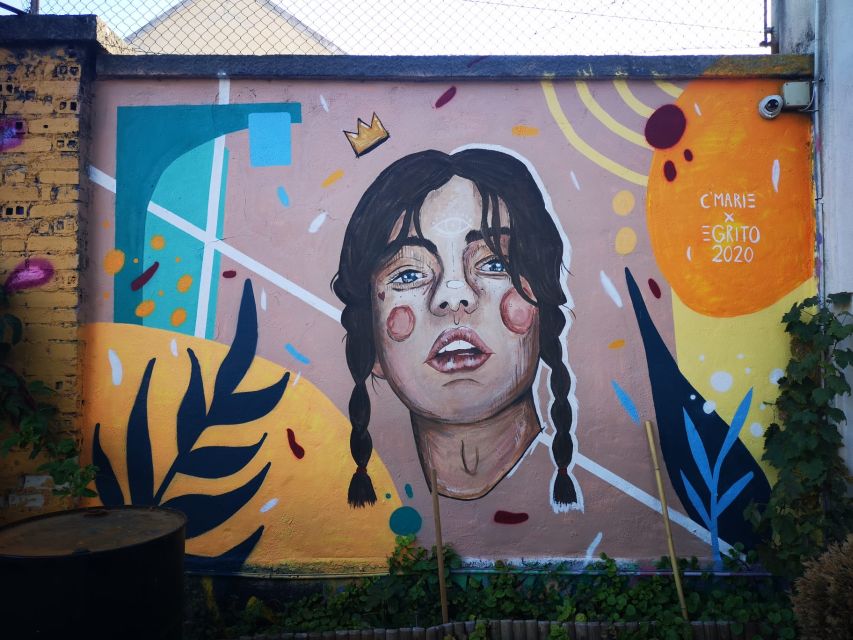
- Marvila’s open-air gallery: international graffiti with an Ibero-American flavor you can feel in the neighborhoods.
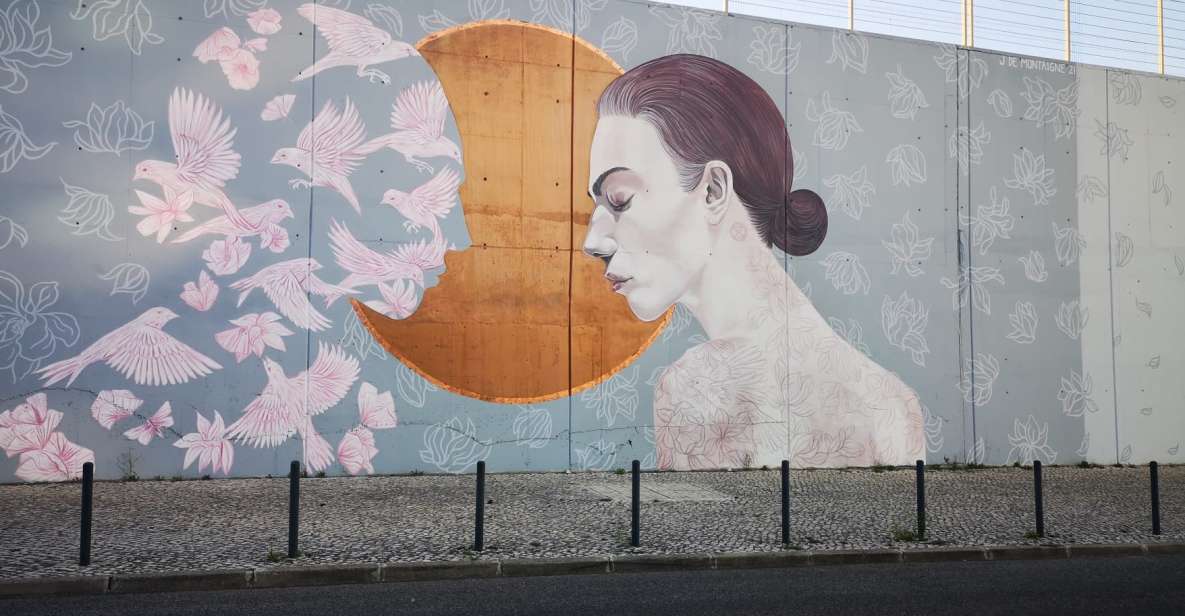
- Hilltop mural time: 15 huge pieces on buildings where Lisbon and the distant Tejo show up together.
- Layer-by-layer Lisbon: convents and palaces mixed with industrial warehouses and workers’ housing.
- Art deco meets street culture: you’re not just seeing murals—you’re seeing the city’s working-era shells.
- Guides who talk context: Tiago, Mário, Frederico, Raquel, and others are praised for turning walls into stories.
- Bumpy-tuk-tuk reality: great for the experience, not great for back issues.
Why a tuk-tuk makes sense for Marvila’s street art
Lisbon is steep, spread out, and full of walls that only reveal themselves after you turn the right corner. A tuk-tuk cuts the walking time and gets you into the neighborhoods where street art has grown over years, not weeks.
The real win is rhythm. You’re moving fast enough to cover serious ground in 2–4 hours, then stopping long enough to actually see brushwork, textures, and details on the buildings. That’s how you get more than a quick mural sighting—you get to read what the artist is doing.
You can also read our reviews of more tours and experiences in Lisbon



Marvila’s open-air gallery: graffiti as neighborhood identity
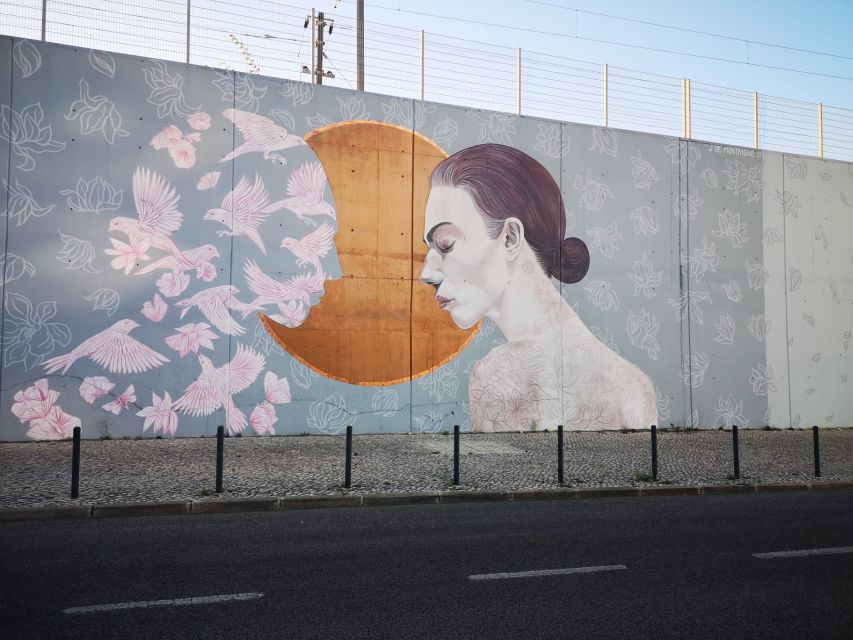
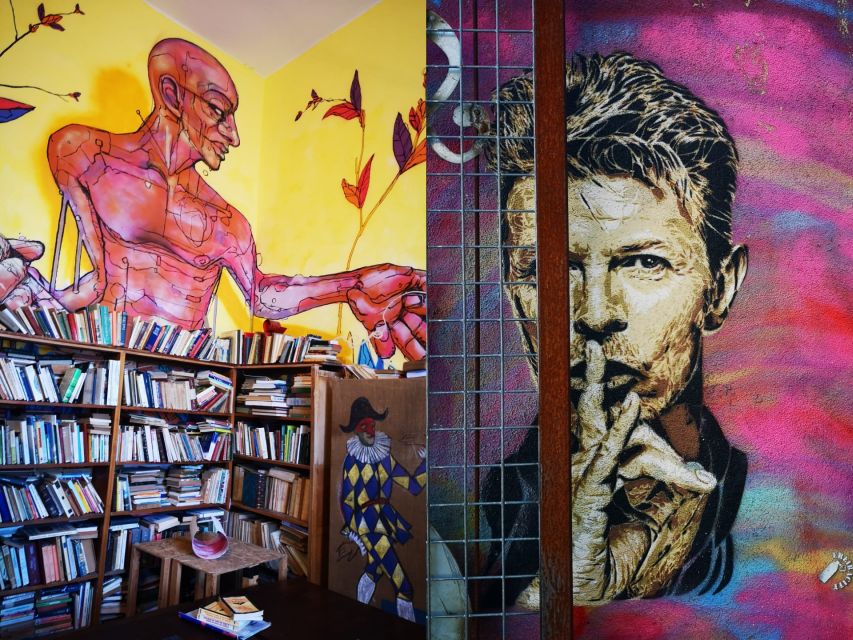
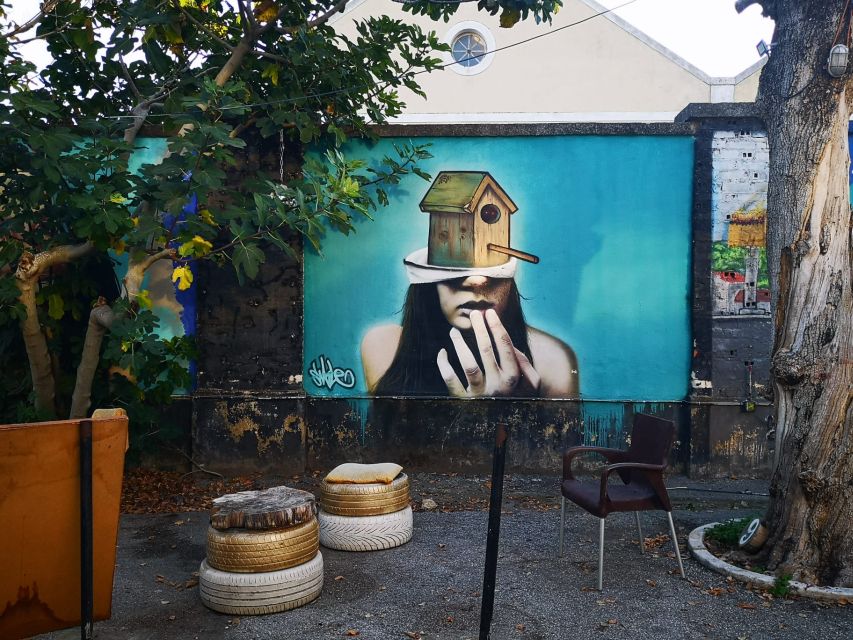
Marvila is the beating heart of the tour. This is the open-air gallery area where international graffiti artists paint on building exteriors, and where the vibe is explicitly cultural—especially Ibero-American influences.
What you should expect here is less like an art museum and more like a living conversation. The walls reflect who lives around them, what the neighborhood values, and how artists respond to the city outside the postcard core. If you like street art for its relationship to place, Marvila delivers.
A practical note: street art in places like this can be high on walls and wrapped across multiple sides of a building. Bring your phone, but also pause long enough to look with your eyes. The best pieces often reveal their meaning in layers, not in one quick glance.
Hilltop murals and the Tejo view in the distance
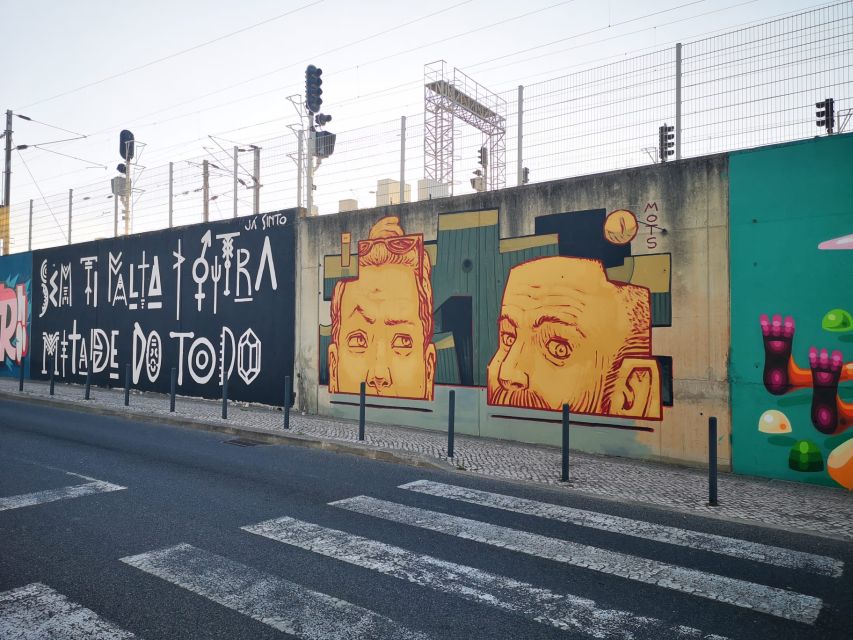
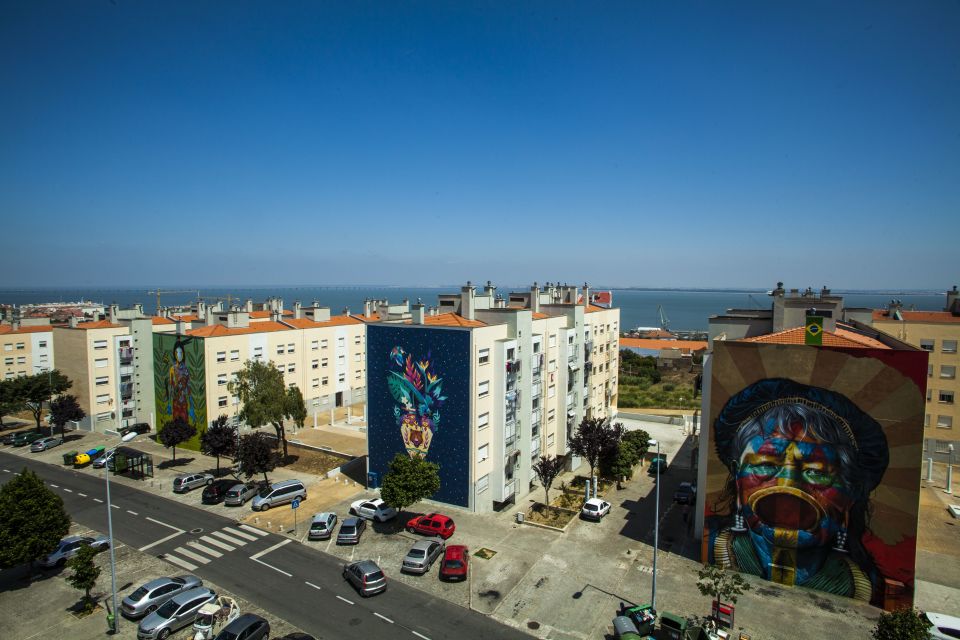
One of the standout moments is the hilltop stop with 15 huge pieces on buildings set above the neighborhood. This is where the tour shifts from intimate street-level details to big-scale composition—paint that’s meant to be seen from farther away.
And yes, you’ll get a view of the Tejo in the distance. That matters more than it sounds. When you can see the river and the city in the same direction as the murals, the whole street-art story clicks into a larger geography of Lisbon.
The only drawback is timing. Hilltop areas can mean more walking and more uneven ground around viewpoints. Wear shoes you trust, and plan on a little effort if you want the best photo angles.
Convents, palaces, and Lisbon’s habit of stacking time
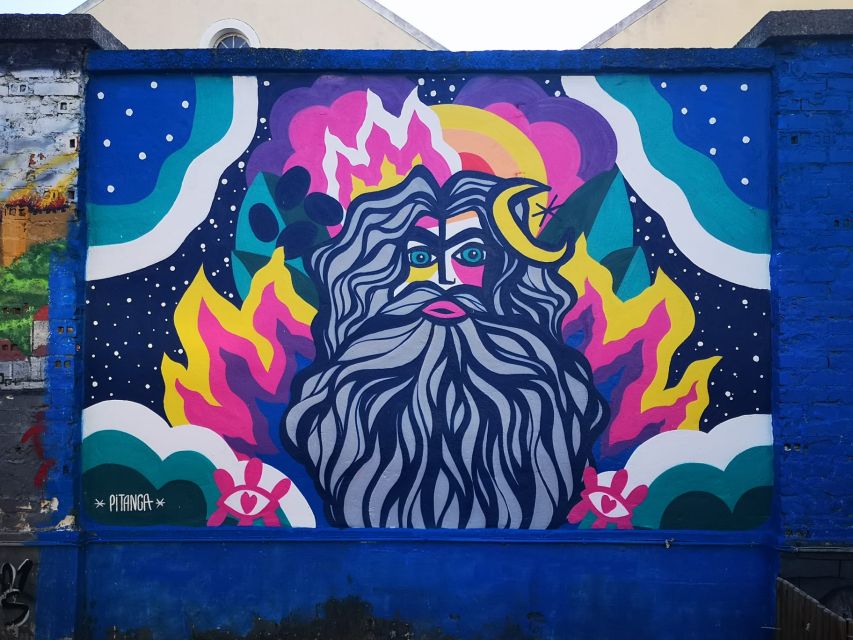
Lisbon doesn’t grow in straight lines. The tour’s great trick is making you feel that stacking of eras while you move through different kinds of streets.
You’ll see 17th and 18th-century convents and palaces, but not as isolated monuments. They show up inside the same tour world as contemporary street art, so you start noticing how different artistic expressions occupy the same city architecture—sometimes in harmony, sometimes in contrast.
This pairing is valuable because street art can be misunderstood as temporary or purely rebellious. When you watch it next to older religious and civic buildings, it reads differently: it becomes another way Lisbon marks identity, power, migration, and community storytelling.
Art deco industrial warehouses and the city’s worker-era backbone
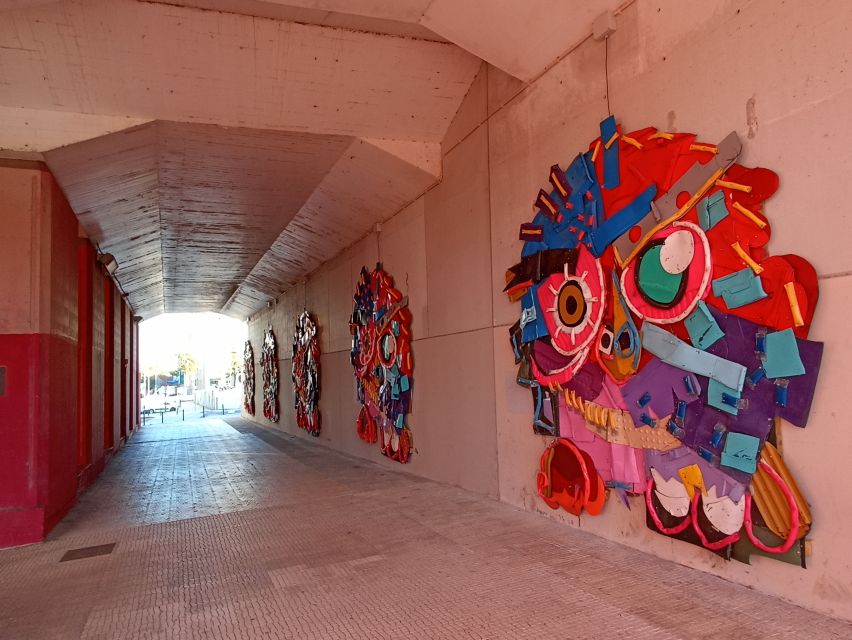
Between the older buildings and the street walls, you’ll also spot art deco industrial warehouses and buildings. These spaces are part of Lisbon’s economic history, and the tour helps you see why that matters.
The practical takeaway is simple: murals don’t appear only on “pretty” facades. Artists often choose surfaces that already feel tied to daily life—work-related buildings, edges of neighborhoods, and places with a history of labor and industry.
You’re also shown vilas—worker housing style areas—and that context changes what you see. Street art stops being just decoration and starts reading as commentary, memory, and sometimes even a sign of neighborhood change.






Worker villas and urban vegetable gardens: the Lisbon locals know
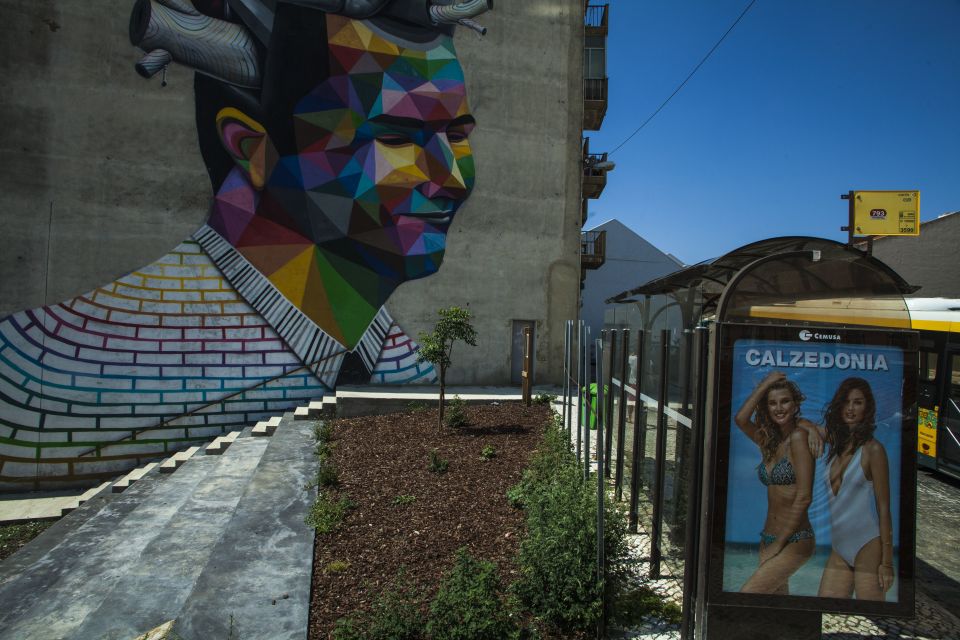
Here’s where the tour turns from art viewing into actual neighborhood observation. The route includes details like urban vegetable gardens and the residential textures of Lisbon’s working districts.
These stops aren’t random. They remind you that street art is part of an ecosystem: people live there, work there, grow food there, and then—over time—artists add color where blank walls used to feel permanent.
If you’re the type who likes getting a sense of everyday life instead of only seeing sights, this is where you’ll feel satisfied. You’ll leave with more than images. You’ll have a sense of how the city functions.
How long 2–4 hours really feels on a tuk-tuk
A 2–4 hour tour can sound short. In practice, it depends on how many photo moments you want and how closely you like to read mural details.
A good strategy is to treat the ride as a moving connector. Let the guide get you to the next cluster, then take real time at the stops with big walls—especially the hilltop pieces. That’s where you’ll naturally get the best results without rushing.
Also, there’s an important comfort factor. Because it’s a tuk-tuk, the experience includes travel bumps along the way. If you’re sensitive to jolts, it’s worth considering an earlier or shorter option within the time window.
Cost and value: what $165 per group up to 2 buys you
The price is $165 per group up to 2, which makes it a very different value proposition than per-person city walking tours. Since this is a private group, you’re paying for transportation plus a live guide, and you’re getting the benefit of covering neighborhoods that are harder to reach efficiently on foot.
Is it worth it? For me, it comes down to one question: do you want street art with context and movement, or do you just want murals on a map. If you want the first one—walls connected to neighborhood history and visible in the places you’d probably skip—this setup usually feels fair.
You also save time. In Lisbon, the distance between “interesting street art areas” can be more than you expect. The tuk-tuk helps you connect points without turning your day into a steep stair workout.
One more value note: entrance fees and food/drink aren’t included. That’s normal for a tour like this, but it means you should plan on snacks separately if your route hits mealtimes.
Guide style: what you gain from names like Tiago and Mário
The biggest difference between a good street art walk and a truly satisfying one is explanation. And this tour tends to deliver that through the guide’s approach.
In the guide lineup you’ll hear names like Tiago, Mário, Frederico, Raquel, Nuno, Raphael, and others. The theme is consistent: they talk about street art’s role in neighborhoods, not just the art itself.
You’ll typically get a mix of three things:
- Artist and style context tied to what you’re seeing
- Lisbon neighborhood history that explains why this art shows up here
- Practical guidance on where to look next and how to understand what’s changing
That’s a lot for one ride, and it’s exactly why street art tours can be worth doing even if you’re already curious. Without context, murals are just visuals. With context, they become part of a real story.
What to wear and who should skip this tuk-tuk
This is a street art tour with real movement. Wear comfortable shoes and plan for some walking around stops. The ride itself can be bumpy at times, so comfort matters.
It’s not suitable for children under 5, people with back problems, wheelchair users, and pregnant women. If any of those apply, choose a different format with smoother transport and less motion.
If you’re the right fit, you’ll likely enjoy it most if you:
- Like street art and want it tied to neighborhoods
- Want a break from the usual Lisbon loop
- Prefer guided context over self-guided wandering
- Are traveling with someone and want it to feel private (up to 2)
Should you book this Lisbon Street Art Tuk Tuk Tour?
If you’re curious about Lisbon’s current identity—what the city is saying now—this is an easy yes. The blend of Marvila street art, hilltop mural scale, and historical layers (convents, palaces, industrial-era buildings) gives you a fuller picture than a standard highlights route.
I’d book it if you want:
- Off-the-beaten-path street art where the walls are part of local life
- A private, small-group pace with transport included
- A guide who explains the why, not just the where
I’d think twice if you’re sensitive to bumps or you need accessibility support, since the tuk-tuk format and the route conditions don’t match every body. And if you’re only in Lisbon for a tiny taste of street art, you might find the experience more rewarding when you have a little extra time to savor stops.
Overall, this is a smart value for a private, guided street art day. You’ll end with photos, sure—but more importantly, you’ll understand how Lisbon writes its story in paint across time.
FAQ
How long is the Lisbon Street Art Tuk Tuk Tour?
The tour lasts 2 to 4 hours. You can check starting times for the option that fits your day.
Is this tour private?
Yes. It’s a private group.
What’s the price?
The price is $165 per group, up to 2 people.
What does the tour include?
It includes a live driver guide and transportation in a tuk-tuk.
What’s not included?
Entrance fees to museums or monuments are not included. Food or drink is also not included.
What neighborhoods and sights will we see?
You’ll see Marvila’s open-air street art, plus large mural pieces on a hill. The route also includes 17th- and 18th-century convents and palaces, art deco industrial warehouses and buildings, worker housing areas, and urban vegetable gardens.
Will there be a view of the river?
Yes. The tour includes a view of the Tejo in the distance.
Are pickup and meeting points included?
Pickup is offered for locations within the city center. If you’re outside the pickup reach, the provider will contact you to arrange a suitable meeting point.
What languages are available for the live guide?
The live guide is available in English, Portuguese, and Spanish.
Who shouldn’t take this tour?
It’s not suitable for children under 5, people with back problems, wheelchair users, or pregnant women.