REVIEW · STREET ART
Lisbon Street Art Lovers Walk
Book on GetYourGuide →Operated by Lisbon Street Art Tours · Bookable on GetYourGuide
Street art in Lisbon is a map you can walk. This tour turns walls, alleys, and squares into a story about who lives here, what they fear, and what they still dare to paint. You start in Mouraria and finish near the Graça viewpoints, with guide talk that makes the art readable instead of random.
I really like two things: first, the mix of (inter)national artists alongside local context, including names like Vhils and Bordalo II. Second, you get genuinely great photo angles as you move, not just a lecture—plus a little bonus in the form of a #whatsuplisboa card for deals with local partners.
One consideration: you’ll climb and walk on Lisbon’s hills, often with stairs, and the route is rain or shine. Bring comfortable shoes and water, because you’ll rack up steps.
In This Review
- Key highlights you’ll feel on the walk
- Why Lisbon’s street art hits different on foot
- How the route works (and how long it really takes)
- Mouraria: where the walls start talking
- The artists you’ll actually recognize (and why that’s useful)
- The guide’s job: making technique and context click
- A real Lisbon angle: views you can’t get from a bus
- Neighbourhood history you get without feeling like homework
- The #whatsuplisboa card: small perk, real local value
- Supporting yesyoucan.spray: your ticket does something
- Who this tour suits best
- What to bring so the walk feels easy
- Price and value: why $23 can make sense here
- Should you book the Lisbon Street Art Lovers Walk?
- FAQ
- FAQ
- How long is the Lisbon Street Art Lovers Walk?
- Where does the tour start and where does it end?
- What neighborhoods do you visit during the walk?
- Who is the guide and what languages are offered?
- Is the tour easy walking or does it include hills and stairs?
- What should I bring?
- Is the tour dog-friendly and does it run in rain?
Key highlights you’ll feel on the walk
- Mouraria to Graça route: you move from a multicultural neighborhood to one of Lisbon’s best viewpoints
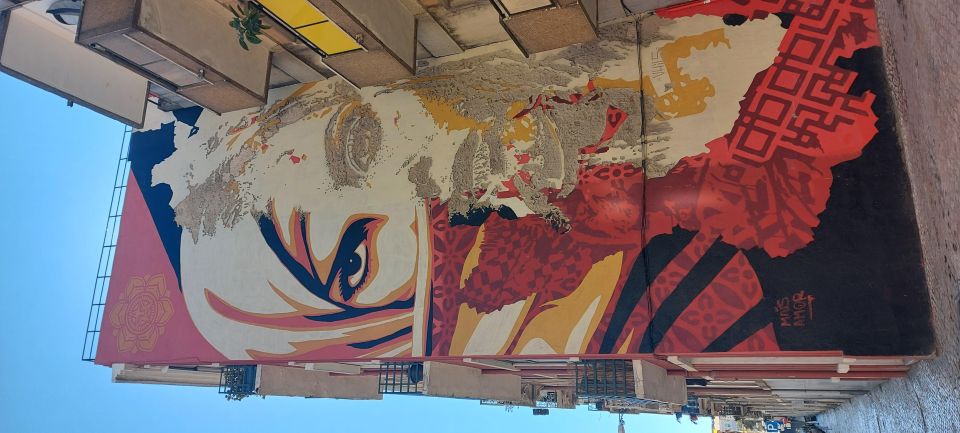
- International artist mix: you’ll see big names like Shepard Fairey and Bordalo II, plus local and emerging styles
- Politics and daily life behind the paint: the guide connects graffiti choices to social and economic pressures
- Top viewpoint photo stop: there’s a quick stop at Miradouro da Graça for perspective
- Support the scene: part of the experience backs emerging artists through yesyoucan.spray
- Small groups (max 8): more questions, better pacing, less standing around
Why Lisbon’s street art hits different on foot
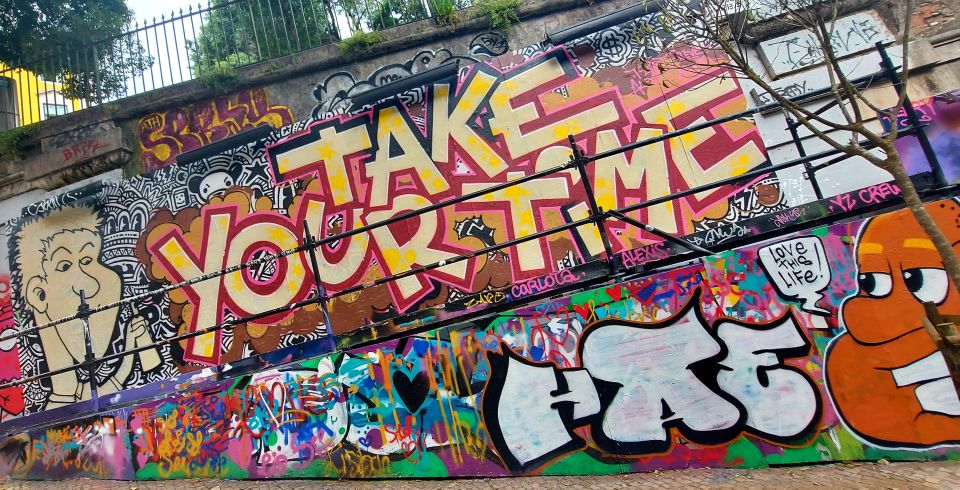
Lisbon’s street art isn’t just decoration. It’s commentary in public space—about migration, money, identity, housing, power, and protest—plus it’s also simply a craft. Walking lets you read the city the way artists do: up close, from awkward corners, and at the height where the wall actually meets the street.
This is a street art lovers walk built on an edu-tainment idea: you learn, but it stays fun. You’re not asked to memorize dates. Instead, you’re taught to notice techniques—stencils, paste-ups, large murals, layered pieces—and then connect those choices to what’s going on in the neighborhoods.
And the route design matters. Starting around Mouraria gives you ground-level energy and plenty of walls that reflect local life. Ending in Graça means you earn the views, with a finale that’s both visual and personal (there are even locally produced works like the Wall(s) of Fame mentioned as part of the experience).
You can also read our reviews of more walking tours in Lisbon


How the route works (and how long it really takes)
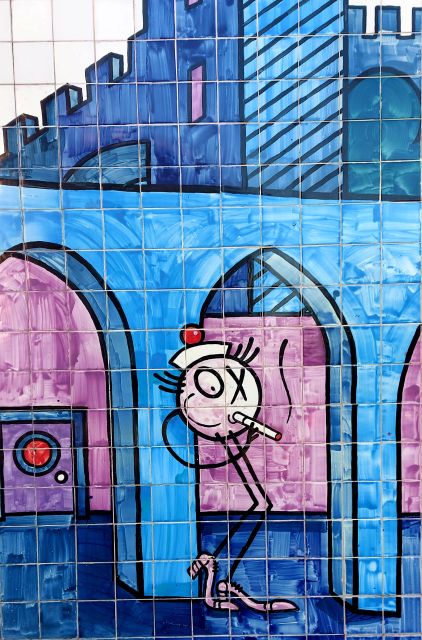
Expect a walking tour around 150 to 210 minutes. That range mostly comes down to which option you book and how you pace your group. The walk is not flat—plan on ups and downs as you move across Lisbon’s seven hills.
You’ll also have options in how you structure the time:
- Graça Historic District option runs about 1.5 hours
- Mouraria option runs about 1.5 hours
- Miradouro da Graca includes a 10-minute photo stop and sightseeing, typically tied to the Graça end of things
In practice, you’ll feel like you’re doing one connected tour because the neighborhoods link visually and thematically. But if you’re short on time, choosing a focused option can still get you the main ideas: reading walls, learning styles, and seeing the city through art.
Mouraria: where the walls start talking
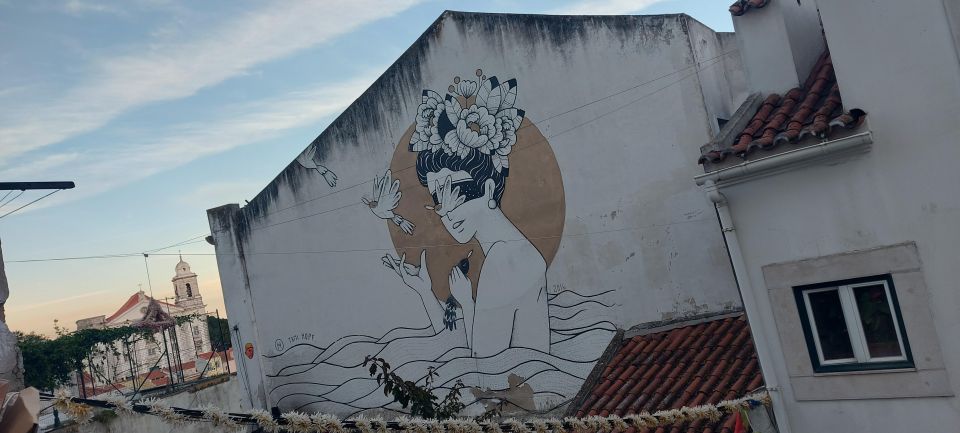
Mouraria is a smart opening move. It’s described as a multicultural though authentic neighborhood, where you’ll see pieces that reflect both Portuguese traditions and newer voices. The tour uses this starting point to set the tone: street art here isn’t floating on the surface. It’s responding to people and history that are still in motion.
As you walk, your guide isn’t only pointing out what’s painted. You’ll get explanations of the wallpaintings, history, and stories behind a wide range of artists—both international and local. That matters because the same technique can mean different things depending on who uses it and why.
If you like political street art, Mouraria is where the conversation often feels most direct. The tour is set up to highlight issues that generate graffiti and street art—so when you see something striking, you understand the pressure behind the style.
The artists you’ll actually recognize (and why that’s useful)
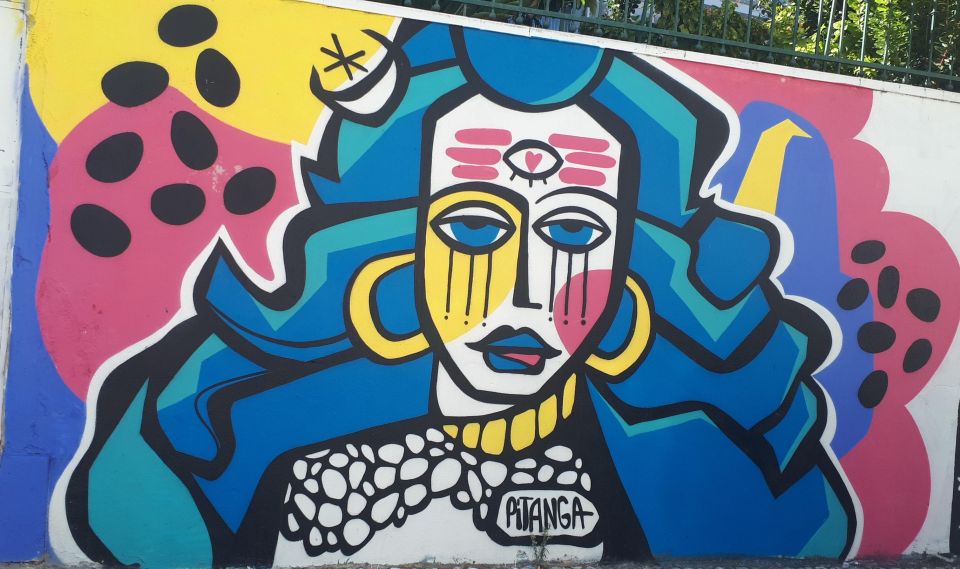
One of the best parts is the mix of names you might know, alongside artists you may not have seen before. The tour specifically references artists such as Shepard Fairey, Vhils, Bordalo II, Add Fuel, Andrea Tarli, Ozearv, PichiAvo, and Camilla Watson, among others.
That lineup does more than add star power. It helps you practice street-art literacy:
- If you recognize a style from another city, you can compare what it means in Lisbon
- If you don’t recognize a name, the guide gives you enough context to keep up
- You learn to spot the technical choices behind impact, not just the final image
Some pieces are tied to broader themes like identity or power. Others are more about craft and public presence. Either way, you start seeing patterns: recurring symbols, color choices, how artists scale up or stay intimate, and how messages change depending on the street.
The guide’s job: making technique and context click
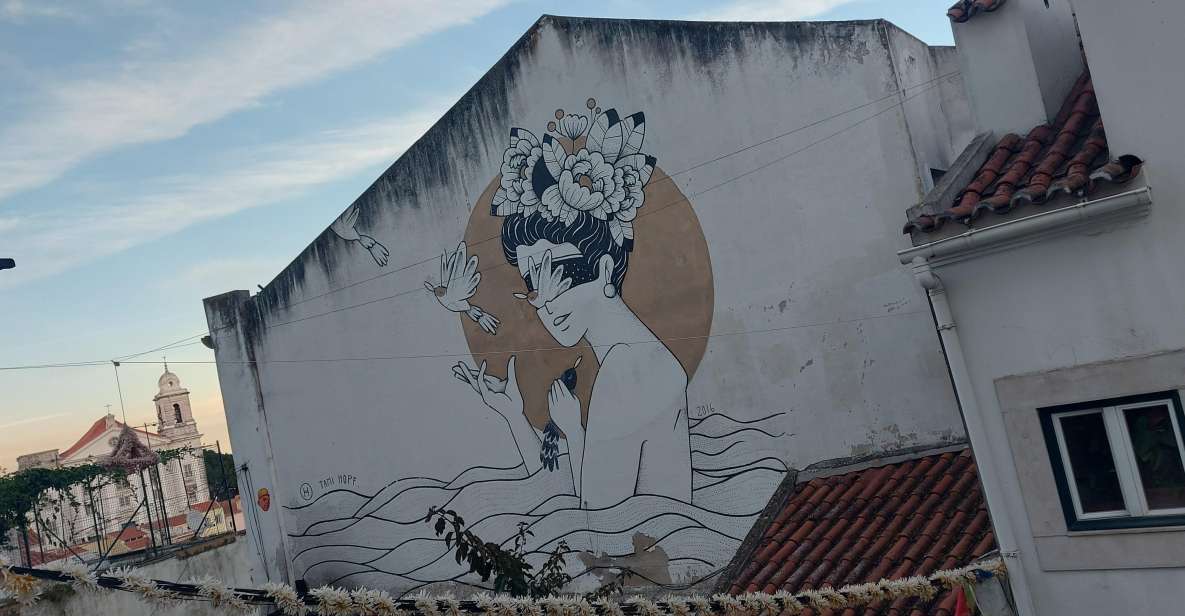
The tour is led by an experienced and passionate street art guide, and the small group size (up to 8 participants) is there for a reason. When you’re close, you can ask questions about a specific wall—what technique you’re looking at, why it was placed where it is, or what’s going on politically in that moment.
A detail I like from the experience is that guides can bring real street-artist perspective. One review highlights Ben, noting he can explain the images and artists in a way that carries extra weight because he’s also an artist. That kind of perspective tends to make the explanations less generic and more grounded in how the work is actually made.
The tour also frames street art with a note about legal and illegal pieces. Even if you have mixed feelings about walls being controlled or not, the guide’s approach helps you see graffiti as part of Lisbon’s social conversation rather than just a visual hobby.
You can also read our reviews of more tours and experiences in Lisbon





A real Lisbon angle: views you can’t get from a bus
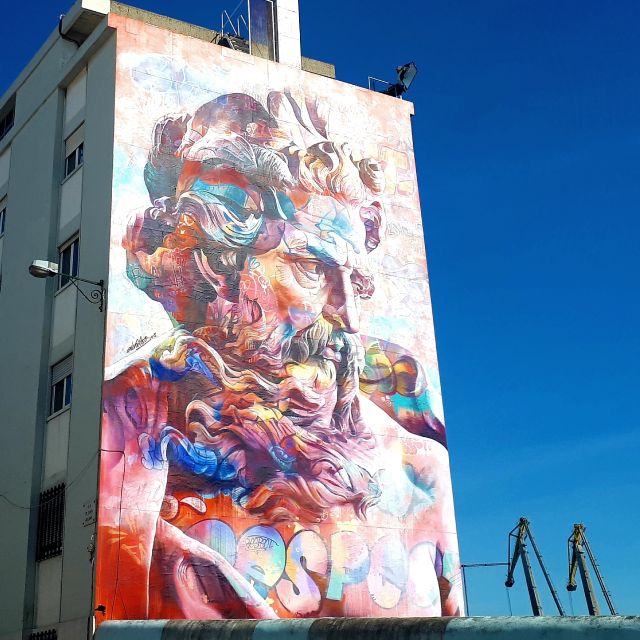
You don’t just learn about walls—you also earn great street-level sightlines. The tour promises some of the best street art views in town, and that tracks with the end location near Miradouro da Graça and Graça’s viewpoints.
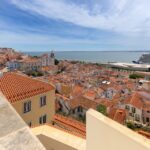
There’s even a 10-minute photo stop at Miradouro da Graca. That’s short enough that you won’t get bored, but long enough to reset your eyes. After you’ve been reading walls, you look out over the city and suddenly the art’s placement makes more sense: angles, sightlines, neighborhood texture, and how the hills affect what you see.
If you’re the type who collects photos of cities, you’ll like the flow. It’s not just one viewpoint and done. You get multiple moments where the city and street art meet.
Neighbourhood history you get without feeling like homework
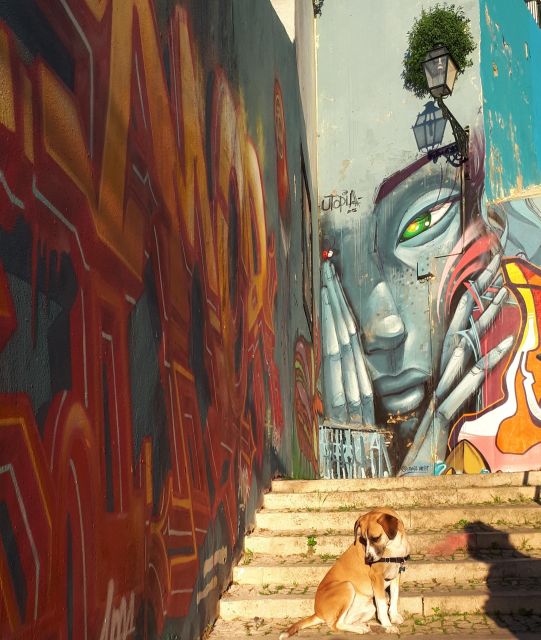
This walk teaches Lisbon through what’s on the walls—history and neighbourhood change—so it doesn’t feel like a separate museum lecture. The tour’s pitch is that you learn about Lisbon and its neighbourhoods just by reading the walls and exploring legal and illegal pieces all around.
I think that’s the right way to do it here. Lisbon’s street art acts like a timeline that’s constantly updated. It shows what’s urgent now and what people have been arguing about for years. You leave with a better sense of why certain themes show up repeatedly—especially around social and economic stress.
And because the route starts in Mouraria and ends in Graça, you get a sense of how neighborhoods can share the same city but feel completely different at street level.
The #whatsuplisboa card: small perk, real local value
Included with the tour is a VIP card offering special deals with local partners-in-crime, plus more things to do through a #whatsuplisboa cityguide. In plain terms: this is the kind of extra that helps you not waste time after the walk.
You still need to decide what’s worth your money and time. But having a card that points you toward local spots can be useful on your first days in Lisbon, when you haven’t figured out which areas feel right for you yet.
If you’re traveling for the first time and want street art without losing the practical side, this is a nice balance.
Supporting yesyoucan.spray: your ticket does something
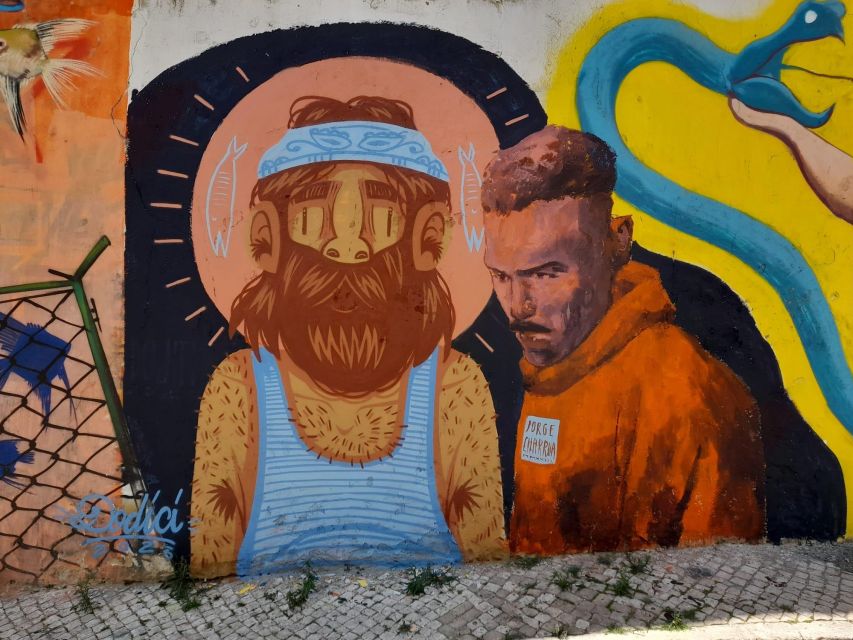
This is one of those details that makes the tour feel more responsible than a simple photo hunt. Part of what you pay supports the yesyoucan.spray Street Art Collective, including funding new artistic projects and helping preserve space for creativity in Lisbon.
What I like about this is that it’s not vague. The tour explicitly frames participation as direct support for emerging artists and the local scene. Even if you’re not usually into cause-based travel, you’ll probably feel better about street art tours when you know you’re supporting production and space, not just consuming images.
Who this tour suits best
This is a good fit if:
- You want Lisbon in a way that feels local and specific, not generic sights
- You like street art but also want the political and social context behind it
- You prefer walking with a small group and space for questions
- You’d like a first-day orientation to neighborhoods, starting in Mouraria and finishing in Graça
You might choose a different option if:
- You have very limited tolerance for stairs and hills
- You expect a mostly flat, easy stroll (this is described as moderate uphill/downhill walking)
Also note: the tour is French and English. If you’re comfortable with one of those, it keeps the whole experience smooth.
What to bring so the walk feels easy
Keep it simple. Bring:
- Comfortable shoes (this is non-negotiable on Lisbon hills)
- Water
- Sunscreen
And plan for rain or sunshine. Lisbon weather can change fast, but you’re still walking, so dress like you’ll actually be out there for a while.
The tour also mentions a stroller note: they recommend not using a baby stroller due to stairs included. On the brighter side, it’s dogfriendly, and you can bring your dog if you let the team know up front.
Price and value: why $23 can make sense here
At $23 per person, the price is tied to more than “someone shows you where the art is.” You’re paying for:
- A guide who explains styles and techniques
- A structured route across meaningful neighborhoods
- Access to the #whatsuplisboa card and cityguide perks
- And direct support for yesyoucan.spray
If you’re doing Lisbon on a budget, you’ll usually get the best value when a guided walk saves you from guessing. This one helps you interpret what you’re seeing, so you don’t just take photos and move on. For street art lovers, that explanation component is often what makes the difference between a fun walk and a memorable one.
Should you book the Lisbon Street Art Lovers Walk?
If you want Lisbon through walls, neighborhoods, and viewpoints, I’d book this. The route makes sense for first-timers because Mouraria and Graça give you two sides of the city story. The small group size keeps it friendly, and the inclusion of a local deals card gives you a practical reason to keep moving after the tour ends.
Book it especially if you care about context—politics, social pressure, and why street art shows up where it does. If you’re only interested in quick photo spots and want minimal walking, you might feel the effort more than the reward.
FAQ
FAQ
How long is the Lisbon Street Art Lovers Walk?
The tour lasts about 150 to 210 minutes, depending on the option and route.
Where does the tour start and where does it end?
It starts from one of several starting locations and the meeting point may vary depending on the option booked. The tour commonly begins in Mouraria and ends close to Graça, near a major viewpoint area.
What neighborhoods do you visit during the walk?
The experience includes Mouraria and Graça (Historic District), with a photo stop at Miradouro da Graça as part of the Graça-side option.
Who is the guide and what languages are offered?
You’ll have a live tour guide. The languages listed are French and English.
Is the tour easy walking or does it include hills and stairs?
Expect moderate walking up and down Lisbon’s hills, and there are stairs included.
What should I bring?
Bring comfortable shoes, sunscreen, and water.
Is the tour dog-friendly and does it run in rain?
Yes, it’s dogfriendly (dogs are always welcome if you let them know up front). It runs with rain or sunshine.