REVIEW · LISBON
Lisbon’s Post-Colonial Feast
Book on Viator →Operated by Culinary Backstreets Walks · Bookable on Viator
Food with empire-era meaning. Lisbon’s Post-Colonial Feast turns a meal into a lesson. You’ll follow a local guide through post-colonial communities while sampling Portugal’s far-flung influences and learning about the grim history of slavery, repression, and exploitation that shaped tastes, trade, and power.
What I like most is the combo of full-on tasting plus clear context, so you’re not just eating and moving on. I also appreciate the format: a maximum group of seven keeps the walk personal enough to ask questions and actually connect dots between what you’re served and what you’re hearing.
One thing to consider: this experience runs best with good weather, since you’re outdoors for multiple stops. If you don’t want any heavy themes mixed into dinner plans, you may find the history side a lot for an afternoon.
In This Review
- Key highlights worth knowing
- Why this Lisbon food walk has a different emotional weight
- What you eat: chocolate, chorizo stew, and other regional delicacies
- The route: how five stops shape the story
- Stop 1: Paço da Rainha (about 45 minutes, ticket-free)
- Stop 2: Campo dos Martires da Patria (about 45 minutes, ticket-free)
- Stop 3: Avenida da Fonte Luminosa (about 45 minutes, ticket-free)
- Stop 4: Jardim do Torel (about 45 minutes, ticket-free)
- Stop 5: Largo de Sao Domingos (about 1 hour, ticket-free)
- Celia, and why the guide style makes the difference
- Price and what $150 buys you in real life
- Timing, meeting point, and day-of logistics that actually matter
- Who should book this, and who should pause
- Should you book Lisbon’s Post-Colonial Feast?
- FAQ
- How long is Lisbon’s Post-Colonial Feast?
- Where does the tour start?
- What time does it begin?
- How much does it cost?
- Is the tour available in English?
- How large is the group?
- Does it run in any weather?
Key highlights worth knowing
- Small group size (max 7): easier conversations and fewer people blocking your view while you taste
- Post-colonial focus: you connect dishes to Portugal’s former colonies and their shared history
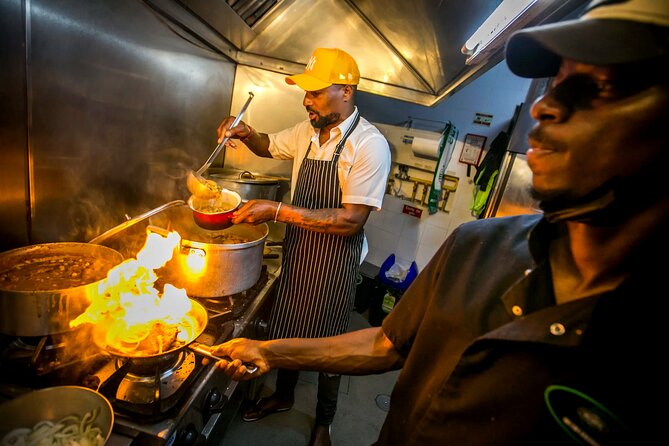
- A real feast: chocolate, chorizo stew, and many regional delicacies along the route
- Free site entry built in: all listed stops are ticket-free for admissions
- English-speaking guide: the tour is offered in English and is designed to be understandable
- Mobile ticket convenience: you’ll use a mobile ticket and can plan with less hassle
Why this Lisbon food walk has a different emotional weight
Most Lisbon food tours focus on what tastes good. This one starts there, then asks what brought those flavors to Portugal in the first place. That sounds heavy, but it’s also honest. You’ll learn how Portugal’s former colonies shaped foodways through a long, painful history involving slavery, repression, and exploitation—and you’ll see how those influences show up on plates today.
I like the balance here: you’re not sent into a museum lecture. You’re walking the city, stopping for tastings, and getting guided interpretation as you go. For me, that’s a key difference. When history is attached to everyday life—like chocolate or a warming chorizo stew—it lands differently.
The small group matters too. With up to seven people, you’re more likely to hear the guide’s explanations clearly and get your questions answered without a scramble. And you’ll likely share the table with like-minded folks who came for food plus meaning, not just photos.
You can also read our reviews of more tours and experiences in Lisbon.



What you eat: chocolate, chorizo stew, and other regional delicacies
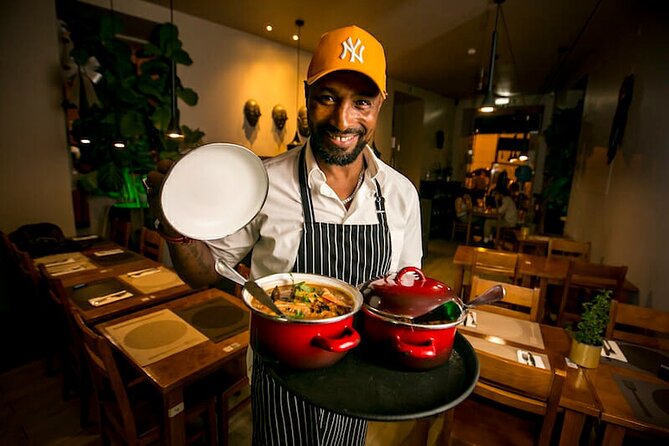
The feast isn’t just one snack at one place. The tour is built around multiple stops where you’ll sample a variety of regional specialties, including chocolate and chorizo stew. That mix is smart: chocolate is an easy crowd-pleaser, while stew gives you something hearty enough to fuel a 5-hour walk.
You should also expect the theme to show up on the menu. This isn’t a general Portuguese tasting. It’s designed as a post-colonial tasting of flavors that traveled—and in some cases were forced to travel—through Portugal’s historic connections.
One helpful mindset for this tour: don’t think of it as trying to memorize a culinary map in one afternoon. Think of it as building a stronger feeling for Lisbon’s food culture—how it absorbed influences and how people kept food traditions alive even under harsh conditions.
The route: how five stops shape the story
The tour runs about 5 hours, starting at 11:00 am and returning to the meeting point. You’ll hit five stops, most around 45 minutes, with a longer finish at the last square. Each stop is ticket-free for admission, so your money goes toward the guide and tastings rather than entrance fees.
Here’s how the pacing works in a practical, day-planning way: you get an orientation early, then the guide ties what you see to the theme of the day, then you refuel as the walk continues. By the final stop, you’re not just eating—you’re understanding why the last bites matter.
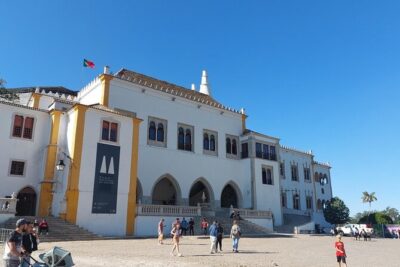
Stop 1: Paço da Rainha (about 45 minutes, ticket-free)
You start at Paço da Rainha, taking in the sights while you’re introduced to the idea of post-colonial communities in Lisbon. This first segment is meant to get your bearings fast—place matters, because the tour is about how neighborhoods carry history through everyday life.
Potential drawback: since you’re arriving from a meeting point and settling into the walk, the first stop can feel a bit like orientation. If you like tours that go straight to food, you might need a little patience before the first major tastings.
Stop 2: Campo dos Martires da Patria (about 45 minutes, ticket-free)
Next is Campo dos Martires da Patria, where the focus shifts to history and culture. This part is about framing the city beyond its most famous postcards. The goal isn’t to overload you with names and dates; it’s to help you understand why this tour’s theme fits the neighborhoods you’re walking through.
A nice thing here: because the tour is paced in chunks, you can absorb the history without feeling stuck in one place for too long.

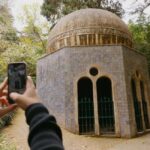
Stop 3: Avenida da Fonte Luminosa (about 45 minutes, ticket-free)
At Avenida da Fonte Luminosa, the guide discusses the theme of the day and points you toward the next sights. This stop is often the hinge. Early on, you’re learning what the tour will mean. In the middle, you start seeing how the meanings connect to what you’ll taste later.
Practical tip: if you have questions about how colonial-era connections show up in food, this is the kind of stop where asking makes sense. The guide’s talking theme-to-place, not just place-to-spot.
Stop 4: Jardim do Torel (about 45 minutes, ticket-free)
At Jardim do Torel, you get a breather in a beautiful setting, and the rhythm shifts toward food again. The tour explicitly positions this as the moment where you’ll find the next best bite.
This stop is a good chance to reset your pace. You’ll have been walking and listening for a while, and now you can enjoy the tasting with less mental load.
Stop 5: Largo de Sao Domingos (about 1 hour, ticket-free)
You end in Largo de Sao Domingos, a square where you’ll find specialties and bring the day together. The longer time here matters: a final stop isn’t just for another tasting—it’s where the guide’s themes should click with what you ate and where you walked.
If you’re the type who likes to linger, this last square-style stop is where you’ll feel less rushed. It’s also where you may notice how the neighborhoods you’ve seen through the afternoon actually operate as lived-in community spaces, not staged attractions.
Celia, and why the guide style makes the difference
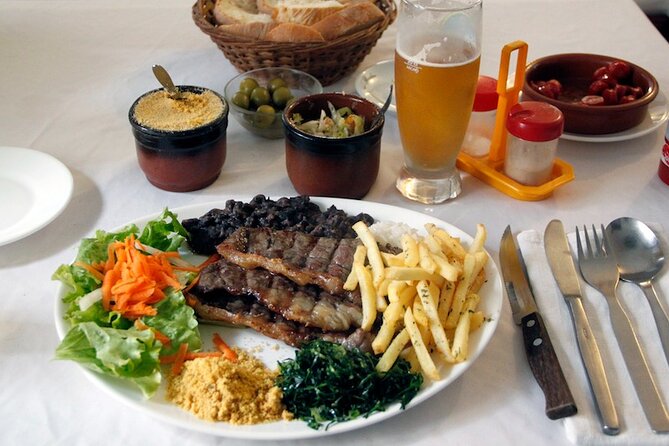
The tour’s description is built around food plus context, but the guide is what keeps it grounded. One named guide you may encounter is Celia, who has been described as super lovely and knowledgeable in how she connects the tasting to the broader story.
That connection is exactly what you want on a post-colonial themed tour. Without a strong guide, history lessons can turn dry or abstract. With a guide who can connect the dots, it becomes a conversation you can carry with you after the last bite.
And yes—if you appreciate that effort, it’s smart to plan for a tip. One review specifically mentioned to tip the guides, and honestly, that’s good travel etiquette for a walking tour where you’re relying on a person’s time, pacing, and explanations.
Price and what $150 buys you in real life
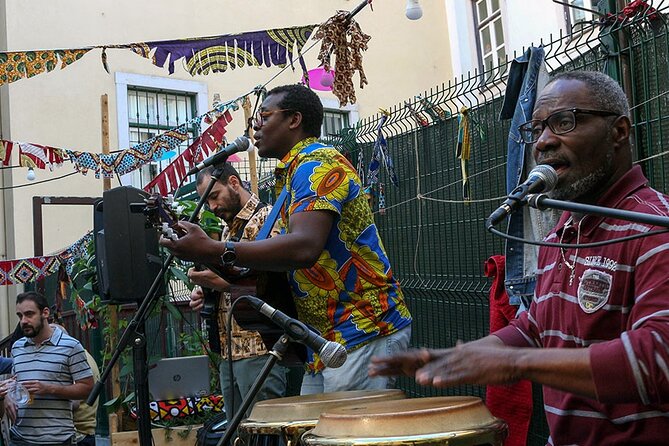
At $150 per person for about 5 hours, the price is not cheap. But it also isn’t just for walking around Lisbon. You’re paying for a guided, structured route, multiple tastings, and admission-free stops that keep the cost focused on the experience itself.
Here’s how I’d judge the value before booking:
- Small group (max 7): you’re not fighting a crowd for attention
- Multiple food stops: you’re getting a true feast, not a single tasting
- Guided explanation: the tour includes learning about grim aspects of Portugal’s colonial past
- Free admissions at the listed stops: your money isn’t siphoned into entrance fees
Also, the tour is offered in English and uses a mobile ticket, which reduces friction on travel day. That may sound minor, but the best food walks are the ones that stay smooth.
Timing, meeting point, and day-of logistics that actually matter
The tour starts at 11:00 am from Praça do Chile 2, 1170 Lisboa, Portugal and ends back at the same meeting point. That matters because you don’t have to plan an extra transit plan to “get back” at the end.
It’s also listed as near public transportation, which is a big help if your Lisbon itinerary is already packed. And because the tour ends where it begins, you can roll into your next activity without recalculating the city.
One more reality check: it requires good weather. If conditions are poor, the experience may be canceled, then rescheduled or refunded. For planning, it’s smart to avoid booking this as the only outdoor activity on a day where rain is a possibility.
Cancellation is free up to 24 hours before start time for a full refund, so you have some flexibility. And the tour says most people can participate, which makes it a reasonable option for a wide range of travelers.
Who should book this, and who should pause
This is a great fit if you want:
- a food tour that explains why the food looks and tastes the way it does
- a post-colonial theme handled in a respectful, guided way
- a small-group walk where you can ask questions
It’s also a smart choice for repeat visitors. One detail that stood out from the experience’s reputation is that even long-time Lisbon visitors can discover neighborhoods they have never explored—so it’s not just “reheating the same sights” you can find on your own.
Who might pause? If you’re looking for a purely light, carefree tasting with zero history, the tour’s focus on slavery, repression, and exploitation may feel too serious. The structure is designed to connect those themes to food, but it’s still part of the day’s core content.
Should you book Lisbon’s Post-Colonial Feast?
If you’re the kind of person who likes eating with context—who wants more than just flavor—this is worth booking. The combination of chocolate, chorizo stew, and multiple regional specialties, plus the route through post-colonial communities, makes it a strong value for a 5-hour, small-group experience.
Book it especially if you want to understand Lisbon’s culinary identity as something shaped by people, movement, and hard chapters—not only by chefs and recipes. And if you like meeting in the middle—good food, thoughtful explanations, and a manageable walk—this one hits the right pace.
Just plan your day around the 11:00 am start, keep an eye on the weather, and bring curiosity. The payoff is a meal you’ll remember for more than the taste.
FAQ
How long is Lisbon’s Post-Colonial Feast?
The tour lasts about 5 hours.
Where does the tour start?
It starts at Praça do Chile 2, 1170 Lisboa, Portugal.
What time does it begin?
The start time is 11:00 am.
How much does it cost?
The price is $150.00 per person.
Is the tour available in English?
Yes, it’s offered in English.
How large is the group?
The maximum group size is 7 travelers (participants).
Does it run in any weather?
It requires good weather. If it’s canceled due to poor weather, you’ll be offered a different date or a full refund.