
REVIEW · FOOD
Lisbon Roots – Small group Food & Culture Walking Tour w/tastings
Book on Viator →Operated by Taste of Lisboa Food Tours · Bookable on Viator
Food in Mouraria has a story. I like this tour because it gives you Lisbon culture on foot and backs it up with 12 food tastings plus 5 drinks across 7 stops. You’ll leave with a much clearer sense of where Lisbon’s flavors come from, not just what to order.
One heads-up: the route is medium-level walking. Expect uphill cobbles and some steps, plus you’ll do best with comfy shoes and a little grit when the streets turn steep.
In This Review
- Key Takeaways Before You Go
- Mouraria’s Fado Roots: The Real Reason This Tour Feels Local
- Starting at Largo São Domingos Near Rossio: Easy to Find, Easy to Begin
- The Walking Plan: 2 km of Cobble Climb and Step-Downs
- How the 7 Stops Teach Lisbon Food (Without Making It Feel Like School)
- Stop Type 1: The Fine Grocery Store Moment
- Stop Type 2: Family-Run and Ethnic Restaurants
- Stop Type 3: An Old Pub for Drinks and Storytelling
- Stop Type 4: A Modern Tavern Where Pairing Makes Sense
- Stop Type 5: The Ancient Pastry Shop Sweet Spot
- Coffee and/or Tea: The Gentle Finish
- 12 Tastings and 5 Drinks: Is $168.09 Actually Good Value?
- The Guides: Ricardo, Daniella, Miguel, and Sophia Sets the Tone
- Dietary Restrictions: Good Options, But Vegan Needs a Heads-Up
- Who Should Book Lisbon Roots (and Who Should Think Twice)
- Should You Book Lisbon Roots? My Practical Take
Key Takeaways Before You Go
- Mouraria + Fado context: you’ll understand why this neighborhood matters musically and culturally
- 12 food tastings + 5 drinks: a full experience, not a few samples
- 7 stops across local-style venues: from a fine grocery store to taverns and an old pastry shop
- Small group size (2–12 people): easier questions, faster pacing, less crowd noise
- Rain or shine: plan for weather and dress for cobblestones
Mouraria’s Fado Roots: The Real Reason This Tour Feels Local
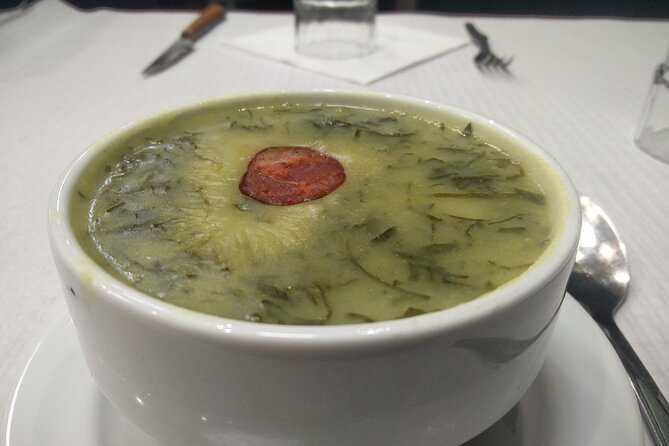
Lisbon can feel like two cities at once: the postcard spots, and the neighborhoods where people live, eat, argue, celebrate, and keep traditions going. This tour starts in Mouraria, often described as a cradle for Fado music, so the food isn’t treated like a random checklist. It comes with place-based stories.
I like that you’re not just hearing facts. You’re walking through the texture of the city—small streets, everyday shops, and restaurants that look like they belong to locals. That matters because Portuguese eating is regional and historical. It changes depending on trade routes, migration, and what’s available. Mouraria is a great starting point because it has layers: older Lisbon streets plus a more modern mix of influences.
Also, you’ll be in a small group (max 12). That’s a big deal for a food tour. You can ask questions without getting drowned out, and the guide can keep the pacing friendly even on older streets.
You can also read our reviews of more walking tours in Lisbon


Starting at Largo São Domingos Near Rossio: Easy to Find, Easy to Begin
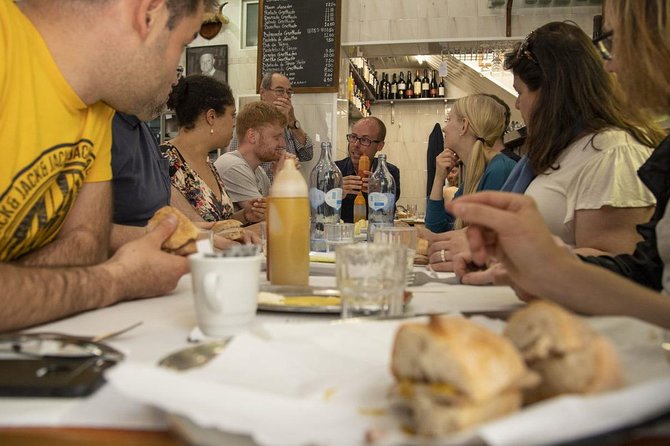
The meeting point is Largo São Domingos (São Domingos Square), near Rossio. Look for the Star of David sculpture in the middle area—that’s your landmark.
Start time is 3:00 pm. Arrive about 10 minutes early so you’re not rushing when the group is lining up. The tour is also set up for an easy start: you’ll get a mobile ticket, and the area is near public transportation, which makes it simple to slot into a first afternoon or early evening planning window.
And because the tour runs rain or shine, you’ll want to show up with the right gear. A light rain jacket beats trying to tough it out in drizzle, especially when you’re walking cobblestones.
The Walking Plan: 2 km of Cobble Climb and Step-Downs
This tour is about 2 km / 1.2 miles total, but the “distance” doesn’t tell the whole story in Lisbon. The streets here can feel like a staircase disguised as a road. You’ll do a certain amount of uphill walking on cobblestones and you’ll also climb down steps, which is typical for older Lisbon neighborhoods.
So yes, it’s manageable, but it’s not a stroller-friendly stroll. The tour lists the physical level as medium, and I’d treat that seriously. If you’re fine with occasional stairs and uneven pavement, you’ll likely be happy. If stairs and steep cobbles make you nervous, this is one place where you may want to adjust your expectations or wear shoes with real grip.
Practical tip: bring a bottle of water and comfortable clothes and shoes. The tour itself is built around food stops, but you still need water for the walking.
How the 7 Stops Teach Lisbon Food (Without Making It Feel Like School)

You’ll hit 7 stops, and the food plan is the real engine of the experience. You get 12 food tastings plus 5 different drinks—both alcoholic and non-alcoholic options. You’ll also get coffee and/or tea, so you’re not just tasting your way to a sugar rush.
Here’s the best part: each venue type tends to explain something different about Portuguese eating—how people snack, what they save for a meal, and how drinks pair with it. The stops aren’t random. They’re chosen for variety: a fine grocery store, family-run and ethnic restaurants, an old pub, a modern tavern, and an ancient pastry shop.
Stop Type 1: The Fine Grocery Store Moment
One of your stops is a fine grocery store. Think of this as the “anchoring” stop. You start to notice Portuguese pantry logic: how bread, dairy, eggs, cured items, vegetables, and simple seasonings turn into something you actually want to eat every day.
This is also where you’ll start learning to read menus like a local. Instead of asking what’s popular, you’ll learn what’s typical and why.
You can also read our reviews of more food & drink experiences in Lisbon


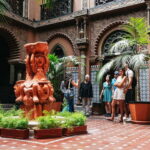


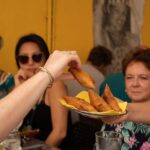
Stop Type 2: Family-Run and Ethnic Restaurants
You’ll also spend time in family-run spots and ethnic restaurants. That mix is valuable in Lisbon because it reflects how the city eats today, not just how it ate 100 years ago.
Expect tastings that rely on the Portuguese base—fish, meat, vegetables, dairy, eggs, and bread—but with variations that show Lisbon’s wider influences. If you’re used to thinking of Portugal as one flavor profile, this part helps break that habit.
Stop Type 3: An Old Pub for Drinks and Storytelling
An old pub is on the list. This stop tends to work well because it gives you a drink-centered pause without turning the tour into a bar crawl. It’s also a natural setting for neighborhood stories: how people gather, how routines shape nightlife, and why certain drinks show up alongside certain foods.
You may also notice how the guide explains local culture in a way that makes the neighborhood feel lived-in.
Stop Type 4: A Modern Tavern Where Pairing Makes Sense
Then comes the modern tavern stop. This is where tastings often start feeling more like a meal rehearsal—small bites matched with drinks. Since you’re getting 5 drinks total across the tour, you’ll see how the guide thinks about pairing: something savory with something refreshing, something sweet with something warming, and so on.
Stop Type 5: The Ancient Pastry Shop Sweet Spot
An ancient pastry shop rounds out the story. Lisbon pastry isn’t just dessert; it’s part of daily culture. This is where you’ll likely get your strongest “Portugal moment” because pastry is one of the easiest entry points into Portuguese history and technique.
One review specifically called out Manteigaria Silva as a standout, praising the selection and a port element. If you’re a sweet-to-savory person, this is the stop to pay attention to.
Coffee and/or Tea: The Gentle Finish
Since coffee and/or tea is included, you’ll usually end on a calmer note than the food-and-wine peaks. It’s a good landing pad if you want to keep your energy for the rest of your evening afterward.
12 Tastings and 5 Drinks: Is $168.09 Actually Good Value?
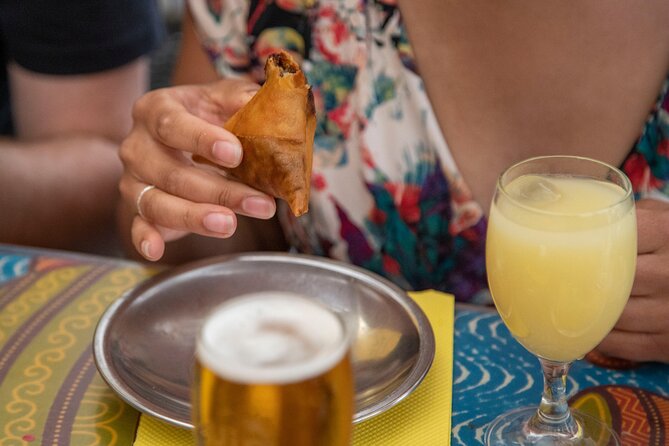
At $168.09 per person, this tour isn’t the cheapest way to eat in Lisbon. But it also isn’t just a snack walk. You’re paying for:
- a 3.5–4 hour guided experience in a small group
- 12 food tastings plus 5 drinks
- entry into local-style venues you’d miss on your own
- cultural context tied to where you’re standing
If you break it down, you’re effectively paying for many separate tastings and pairings, while still getting a guide to tie everything together. That’s why multiple people leave feeling like they’ve had lunch (and often more). If you want food plus context, this can function as a major meal for your trip planning.
The other value angle is time. Doing this route on your own would mean hunting down places, figuring out what’s worth trying, and losing the “why” behind the choices. Here, you get that structure in a compact afternoon.
The Guides: Ricardo, Daniella, Miguel, and Sophia Sets the Tone
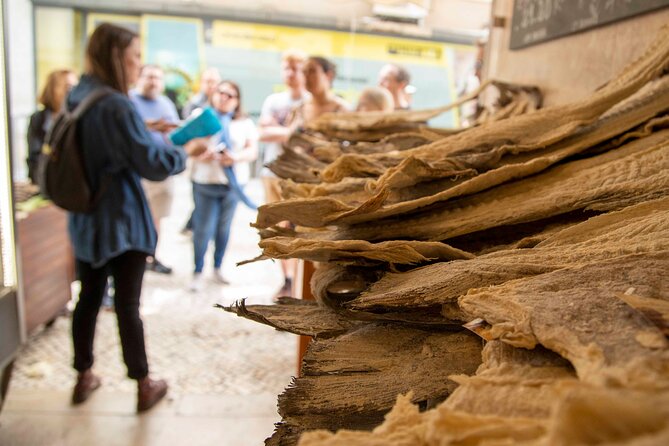
This tour has a clear strength: the people leading it. In the feedback, names like Ricardo, Daniella (Dani), Miguel, and Sophia show up with the same theme—guides who connect food to neighborhood history and who keep things lively.
That matters because food tours can become either stiff lectures or chaotic eating. From what I see in the way people describe the experience, the guides tend to hit the sweet spot: stories that make sense as you walk, plus real attention to the group.
One more practical thing I love in a good host: they answer questions and help you feel comfortable slowing down. This tour is tight enough to stay fun, but flexible enough to handle curiosity.
Dietary Restrictions: Good Options, But Vegan Needs a Heads-Up
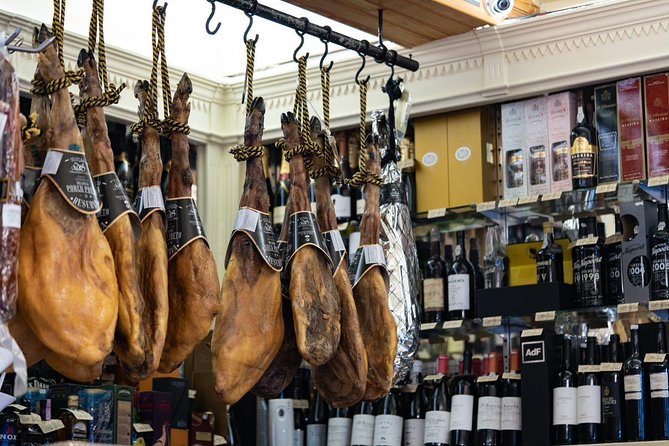
Portuguese cuisine is often built around the basics—fish, meat, vegetables, dairy, eggs, and bread. The tour says they can adapt tastings for a wide variety of restrictions, including things like vegetarian, pescatarian, no pork, no fish, no shellfish, no alcohol, celiac, and lactose intolerance.
But there’s an important limitation: vegan diets are the exception. The tour explicitly notes that alternatives for vegan diets can’t be guaranteed. If you have any dietary needs, tell the host when you make the booking. They also say they can only guarantee alternatives if restrictions are communicated up to 1 day before.
That’s the kind of detail you should take seriously. It lets you show up confident instead of hoping the kitchen can improvise.
Who Should Book Lisbon Roots (and Who Should Think Twice)
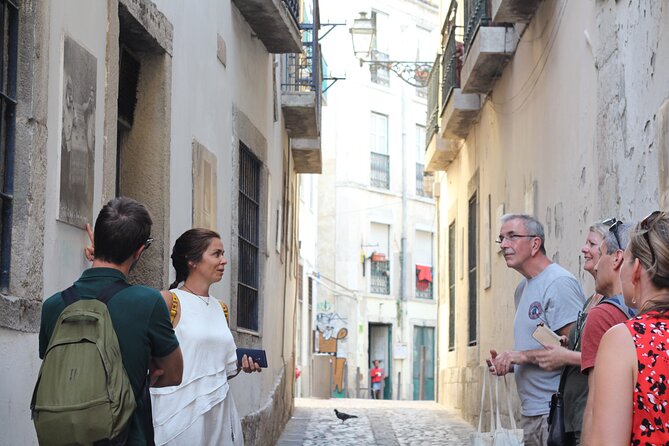
This tour is a great fit if you want:
- a first-day orientation feel to Lisbon food, especially if you’re planning multiple neighborhoods afterward
- a small group experience where you can actually talk to the guide
- the mix of history + eating, with Mouraria and Fado roots anchoring the route
- a guided way to try a range of Portuguese flavors without making a risky restaurant guess
It may be less ideal if:
- you hate steep cobblestones or stairs. The tour is medium-level and includes uphill walking and step-downs.
- you need vegan certainty. Vegan alternatives aren’t guaranteed, even though other dietary needs can be adapted.
If you’re comfortable walking, this tour has a strong chance of becoming one of your Lisbon afternoons.
Should You Book Lisbon Roots? My Practical Take
If you’re choosing between a generic “food tastings” stop and a neighborhood-based route with serious drink-and-snack variety, I’d lean toward this one. Mouraria’s Fado context gives the food meaning, and the volume of tastings plus small group size make it feel like more than just samples.
Book it if you want Lisbon to feel local fast—by tasting and walking through the kinds of places you’d overlook on your own. Just pack proper shoes, and if your diet is vegan, message ahead early so you’re not stuck with uncertainty.