REVIEW · FOOD
Lisbon Food Tour with 10+ Tastings of Local Delicacies & Wines
Book on Viator →Operated by Secret Food Tours · Bookable on Viator
Lisbon tastes better on foot. This 3-hour walk links Portugal’s most beloved bites with Lisbon’s old neighborhoods, with 10+ tastings and plenty of local wine stops along the way. I love how the guide ties food to place, so you’re not just eating, you’re also getting street-level context.
I also like that the menu hits multiple classics in a smart order: cheeses and cured meats, sardines, Portuguese tapas-style petiscos, and finishes like pastel de nata. The one thing to consider is pacing: it involves a fair amount of walking and standing in Lisbon’s hills, so comfortable shoes are not optional.
In This Review
- Key highlights you’ll actually feel
- A 3-hour Lisbon food walk that makes the city make sense
- What you’ll eat: Lisbon classics plus a few surprises
- Artisan cheeses and cured meats
- Sardines that go beyond the stereotype
- Petiscos-style Portuguese tapas
- A classic pork sandwich, pastry, and smart snack pacing
- Pastel de nata and Portugal’s dessert choices
- Wine and liqueur stops: Porto wine, ginjinha, and vinho verde
- Walking route: Restauradores to Santa Justa, then into Alfama vibes
- Praça dos Restauradores: your starting anchor
- The Santa Justa Lift: a hill-saver
- São Jorge Castle area and the slopes of Alfama
- A former Catholic convent stop
- Pedro IV Square: the downtown meeting point feeling
- Monday–Saturday vs Sunday menus: the same spirit, different plates
- Monday to Saturday: cheeses, sardines, and Lisbon pastry culture
- Sunday: bacalhau, canned fish, and craft beer notes
- The signature secret dish and vinho verde are the constant
- Price and value: what $97.94 gets you in Lisbon
- Pacing, group size, and what to wear
- Who should book this Lisbon food tour
- Should you book this Lisbon Food Tour?
- FAQ
- FAQ
- What’s the duration of the Lisbon Food Tour?
- How much does it cost?
- How many tastings and drinks are included?
- Where do I meet the guide, and where does the tour end?
- Is the tour mostly walking?
- Can the tour accommodate dietary requirements?
- FAQ
- What’s the cancellation policy?
Key highlights you’ll actually feel
- Small group, up to 12 people: more help, fewer missed details, and easier to keep the pace.
- Port wine plus ginjinha: you get both a grape classic and Portugal’s sour cherry liqueur in the same tour.
- A full spectrum of Lisbon food: cured meat, artisan cheeses, sardines, petiscos, and classic pastries.
- Route built for hills: you use the Santa Justa Lift to make the climb easier.
- Signature moments: the tour includes a secret dish and some vinho verde.
- Pastel de nata (and sometimes Pastel de Belém): the sweet ending depends on which day you go.
A 3-hour Lisbon food walk that makes the city make sense
This tour is built around the idea that Lisbon is best understood by taste. You start near Praça dos Restauradores and spend about three hours moving through historic areas like Mouraria, Baixa, and Alfama while stopping often enough to keep things fun.
The big win is the balance: you get food, wine, and short bursts of history that explain why these dishes show up again and again. Guides like Vanda, Marta, Claudia, Marianna, and even Tony have been part of different groups, and the common thread is storytelling that connects the flavor to the neighborhood.
One practical note: Lisbon is hilly. The tour includes an elevator/lift to help, but you’ll still be on your feet for stretches, with some standing at tastings.
You can also read our reviews of more food & drink experiences in Lisbon



What you’ll eat: Lisbon classics plus a few surprises
If your goal is to try the Portuguese stuff you’ll keep hearing about, this tour delivers. You’re not doing one tiny bite and then waiting around. You’re sampling a sequence of flavors that cover salty, creamy, smoky, briny, and then sweet.
Here’s what to look forward to:
Artisan cheeses and cured meats
Early tastings include artisan Portuguese cheeses and pata negra (cured ham-style pork). It’s a good pairing choice because cheese and cured meat teach you what Portuguese charcuterie tastes like without needing a full sit-down meal.
If you like to learn by comparing, this is a nice setup. You can pay attention to salt levels, fat texture, and how the flavors change as you go from cheese to meat.
Sardines that go beyond the stereotype
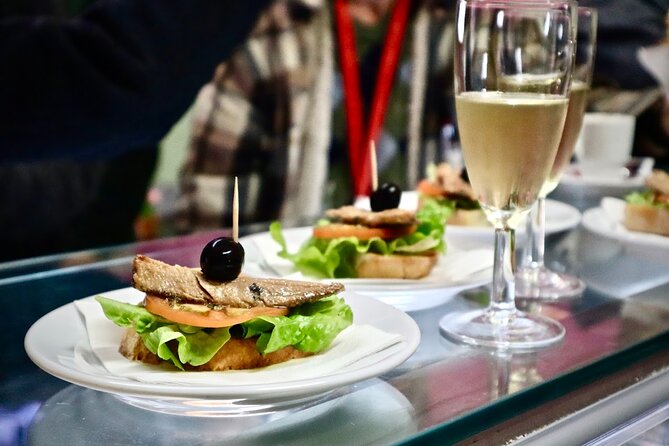
You’ll stop for fresh Portuguese fish, including sardines. Sardines in Portugal can be a revelation if you only know them from cans or past lunches. The tour-style tasting helps you try them prepared in a local, everyday way.
This is one of those stops where the guide’s food choices matter. When the sardines are right, they taste clean and briny, not fishy or heavy.
Petiscos-style Portuguese tapas
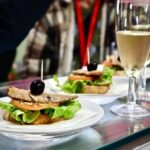
You also try petiscos, Portuguese tapas you’ll often see paired with drinks at casual bars. This part is valuable because it shows how Portuguese eating works in real life: small plates that encourage mixing and chatting instead of formal courses.
If you’re wondering what to order on your own later, this is the best preview you can get.
You can also read our reviews of more tours and experiences in Lisbon



A classic pork sandwich, pastry, and smart snack pacing
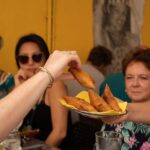
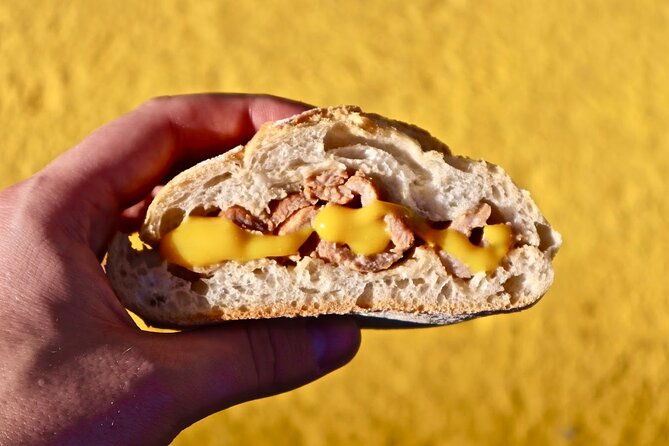
Included items can include bifana (a classic pork sandwich) and pastel de nata (custard tart). The tour treats these as part of the tasting flow rather than a final dessert bomb.
That pacing matters because it keeps your appetite from crashing. Lisbon is more fun when you’re still hungry enough to enjoy the last couple of bites.
Pastel de nata and Portugal’s dessert choices
Your sweet finale is a key part of the tour’s personality. Pastel de nata is one of the stops, and on some days you may also see other custard-style treats like Pastel de Belém.
Why I like this approach: Lisbon desserts are easier to compare when you taste them after savory bites. You notice the contrast right away—creaminess, caramel notes, and the difference between pastry textures.
Also, you’ll likely get guidance on how to eat these so they stay warm and enjoyable. In a walking tour, that small detail is worth money.
Wine and liqueur stops: Porto wine, ginjinha, and vinho verde
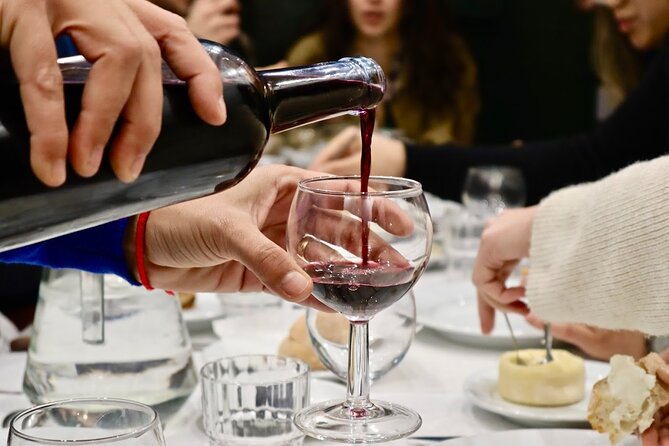
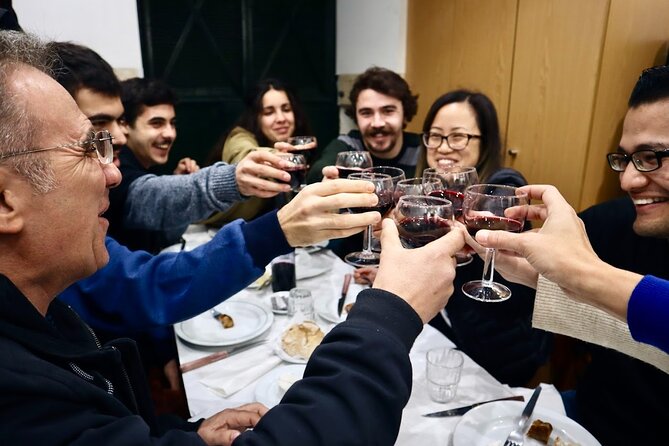
This tour doesn’t treat drinks as an afterthought. You’ll taste Port wine in red and white styles, and you’ll also try ginjinha, the sour cherry liqueur that shows up all over Lisbon.
One more included item is vinho verde. Even if you don’t know Portugal’s wine regions, you’ll quickly understand what people mean by easy-drinking local wine—especially when it’s served during tastings rather than at a long dinner.
Important practical point: non-alcoholic options are available. That means you can keep the tasting rhythm without feeling left out.
If you’re doing a day-trip to Sintra or doing lots of museums afterward, consider spacing out your pours. You’ll still have a fun tour day, but you’ll also feel better later.
Walking route: Restauradores to Santa Justa, then into Alfama vibes
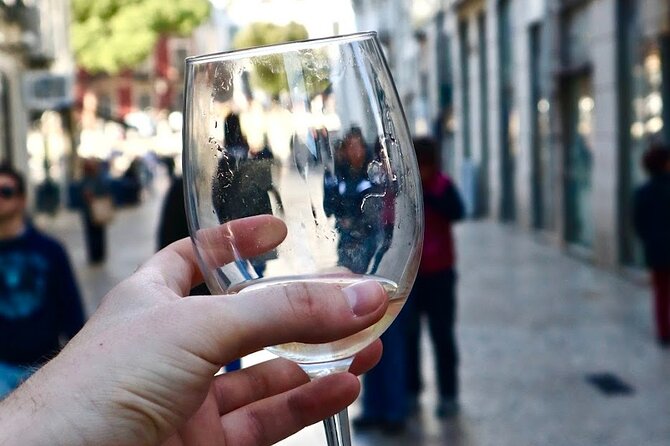
The tour is a “see and taste” plan, and the landmarks help you remember where the food fits into Lisbon.
Praça dos Restauradores: your starting anchor
You meet at Praça dos Restauradores. Since the tour ends back at the same square, it’s a nice setup if you’re planning transit afterward or meeting someone nearby.
The Santa Justa Lift: a hill-saver
One of the clearest practical moments is the Santa Justa Lift. It connects the lower streets of Baixa with higher areas near Largo do Carmo. You’re using it not just to move, but to avoid draining your energy early.
This is especially helpful in groups where people walk at different speeds. You’ll get a breather without losing time.
São Jorge Castle area and the slopes of Alfama
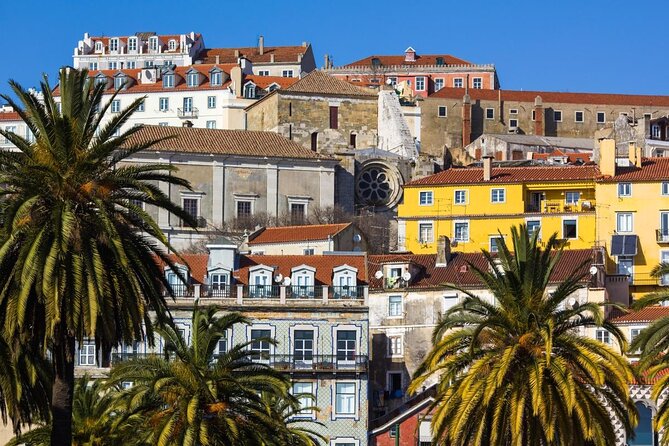
You’ll spend time in the area around São Jorge Castle and then head into Alfama, Lisbon’s oldest district. Alfama spreads along the slope between the castle and the Tejo river, and that geography shapes everything: views, narrow lanes, and yes, more walking than you might expect.
This is where the guide’s pacing matters. The small group size helps you stay together, and the tastings give you micro-rewards along the way.
A former Catholic convent stop
You’ll also pass a former Catholic convent in the Santa Maria Maior area. Stops like this add weight to the walk because they remind you this city wasn’t built for casual strolling alone. It was built for centuries of daily life, prayer, trade, and change.
You don’t need museum-level patience here. Think of it as a quick history lens that makes your later street-wandering more meaningful.
Pedro IV Square: the downtown meeting point feeling
You’ll include Pedro IV Square (also known for being a major city square since the Middle Ages). This helps place your walk in the broader downtown grid, so you don’t feel like you only did side-streets.
It’s also a helpful visual reference when you’re trying to orient yourself the rest of the trip.
Monday–Saturday vs Sunday menus: the same spirit, different plates
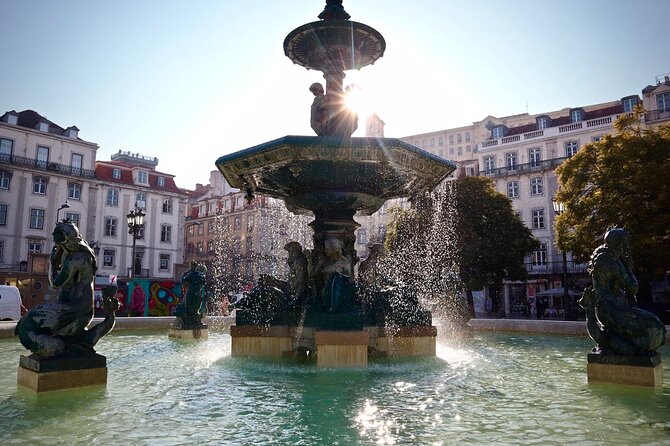
The tour menu varies by day, and you should know that going in. It’s not just one fixed spreadsheet of foods.
Monday to Saturday: cheeses, sardines, and Lisbon pastry culture
On Monday to Saturday, you’ll see highlights like petiscos, artisan cheeses, fresh Portuguese fish, and a pastel de nata stop. You’ll also taste port wine and a few other classic Lisbon flavors as the walking loop unfolds.
A bifana (classic pork sandwich) can be part of the tastings too, which makes sense since it’s street food you’ll notice in Lisbon beyond the tour.
Sunday: bacalhau, canned fish, and craft beer notes
On Sunday, the menu tilts toward Portuguese staples like bacalhau with spinach and potatoes and gourmet canned fish. You might also see crispy pastéis de massa tenra, plus Pastel de Belém.
Sunday includes craft beer along with ginjinha. It’s a clear signal that the tour is meeting Portugal where it already lives: casual bars, recognizable flavors, and drink pairings people actually choose.
The signature secret dish and vinho verde are the constant
Across both versions, you’ll get the tour’s signature secret dish plus vinho verde. Since the exact dish can be part of the surprise, don’t plan your day assuming you’ll be able to predict it from photos.
Price and value: what $97.94 gets you in Lisbon
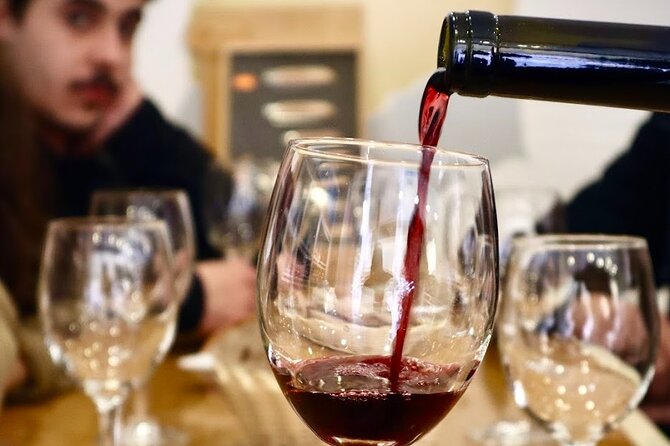
$97.94 for about three hours sounds like a decision, so here’s how I’d judge it in real terms.
You’re not paying just for walking with a guide. You’re paying for:
- multiple tasting locations,
- a mix of food categories (cheese, cured meat, fish, tapas-style plates, pastry),
- wine and liqueur tastings (with non-alcoholic options),
- and guide time spent choosing where to go.
If you tried to replicate this on your own, you’d spend time figuring out what’s good, how to order efficiently, and where you can taste multiple items quickly without waiting forever. In Lisbon, that time has a cost.
Also, this tour maxes at 12 travelers, which makes it easier to ask questions and get recommendations for what to order later. That factor alone often makes tours feel better value than solo restaurant hopping.
Pacing, group size, and what to wear
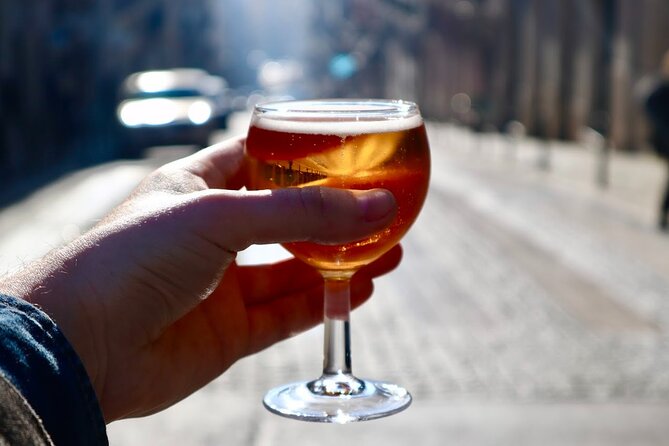
This tour involves a fair amount of walking, and you’ll also stand during tastings. Lisbon hills are real. You’ll handle them better with shoes that don’t punish you after 90 minutes.
A helpful expectation to set: you’re likely covering around two miles total, and the lift helps cut down the hardest climb. Still, some people in the group will need a slower rhythm, so you should plan for a steady pace rather than a power-walk.
If you’re traveling with kids or teens, it can work well as long as they’re willing to snack through stops. Guides such as Marta and Vanda have a track record of keeping younger people engaged with humor and food talk, and that energy can make the day feel lighter.
Who should book this Lisbon food tour
This is a strong fit if you want:
- a first-time Lisbon introduction focused on food,
- a guided route through Mouraria, Baixa, and Alfama without getting lost,
- wine and liqueur tastings paired with real local plates,
- and an easy way to learn what to order next while you’re exploring on your own.
You might skip it if you strongly dislike standing at bars or if hills are a major problem for your body. You’ll use the Santa Justa Lift, but you still have an active walking day.
Should you book this Lisbon Food Tour?
Yes, if you want a well-paced sampler of Lisbon flavors with enough structure that you can wander confidently afterward. The best part is that you’re tasting across categories—cheese, cured meat, sardines, petiscos, pastries—while also learning why those foods show up in Lisbon everyday life.
I’d book it early in your trip, since it gives you ordering confidence for the rest of your stay. And I’d wear comfortable shoes and come with an appetite you can stretch over several tastings.
FAQ
FAQ
What’s the duration of the Lisbon Food Tour?
It runs for about 3 hours.
How much does it cost?
The price is $97.94 per person.
How many tastings and drinks are included?
You get 10+ tastings of local delicacies, plus wine tastes such as red and white Porto wine and ginjinha. Non-alcoholic options are available.
Where do I meet the guide, and where does the tour end?
You meet at Praça dos Restauradores (Lisbon) and the tour ends back at Praça dos Restauradores.
Is the tour mostly walking?
Yes. It involves a fair amount of walking, so comfortable shoes are recommended. The route includes a lift to help with hills.
Can the tour accommodate dietary requirements?
You should contact them in advance about any dietary needs so they can cater as best as possible.
FAQ
What’s the cancellation policy?
Free cancellation is available up to 24 hours in advance for a full refund. Within 24 hours, the amount paid is not refunded.