REVIEW · DOLPHIN WATCHING
Meet the Lisbon Dolphins – Dolphin Watching in Lisbon
Book on Viator →Operated by Lisbon Dolphins · Bookable on Viator
Dolphins can feel like luck. This small-group Lisbon coast cruise turns it into a plan, with targeted searching in the Tagus River and out toward the Atlantic, plus a crew that helps you spot what you’re seeing. You’ll also get short facts as you pass classic sights from the water.
What I like most is the small group size (max 10 travelers), which makes it easier to stay positioned for viewing. I also love that the guide focuses on how to watch dolphins—so the trip doesn’t end when you spot them. One thing to consider: you’re on the water for about 3 hours, so bring proper weather gear and accept that cold wind is part of the deal.
If the dolphins don’t show up quickly, the experience leans into searching. You can even get an extra hour of dolphin searching if needed, but that also means your morning can feel longer at sea when conditions are tough.
In This Review
- Key highlights worth knowing before you go
- Why Lisbon Dolphins Works as a Half-Day Marine Adventure
- Getting to Doca de Santo Amaro Before 9:30
- Tagus River Hunting: Where the Morning Starts
- When Sea Conditions Let You Go Beyond the River
- The Crew’s Dolphin Strategy: Consistent Steering and Fewer Boats
- Learning on Board: How You Identify What You Saw
- The Route Treat: Belém Landmarks Glimpsed From Water
- What to Pack for Lisbon Dolphins (Cold Water Is Real)
- Price and Value: Is $78.61 a Good Deal?
- Who This Tour Fits Best (And Who Should Skip It)
- Final Call: Should You Book Lisbon Dolphins?
- FAQ
- What is the duration of the Lisbon Dolphins dolphin watching tour?
- How much does the tour cost?
- Where do we meet, and where does the tour end?
- What language is the tour offered in?
- What wildlife might we see?
- What happens if dolphins are not found right away?
- Does the boat have a restroom?
- Are lifejackets provided?
- Should I bring warm clothes?
- What’s the cancellation and weather situation?
Key highlights worth knowing before you go

- Max 10 travelers on board, which helps visibility and keeps the vibe calmer
- Tagus River first, then out to the ocean if sea conditions allow
- Up to 40 miles of searching plus an extra hour if dolphins are not found
- Lifejackets included and the crew works to keep dolphins close with consistent steering
- Onboard dolphin-spotting lesson, including how to identify species you saw
- You’ll sail past major landmarks with short, useful facts from the water
Why Lisbon Dolphins Works as a Half-Day Marine Adventure
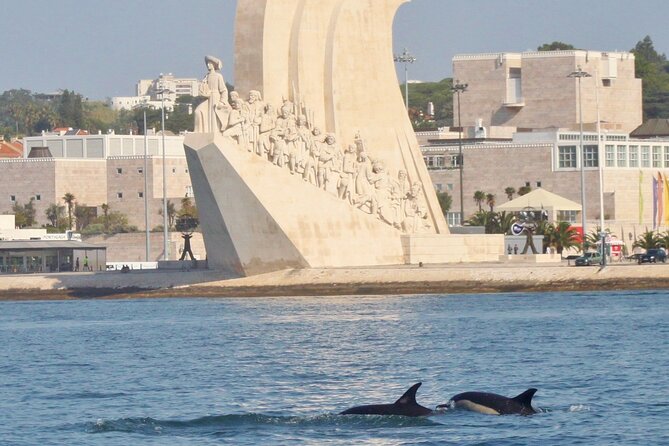
This is a trip for people who want real wildlife, not a generic boat ride. You’re not just cruising for scenery; you’re actively searching for dolphins and related marine life like sea turtles and seabirds (and sometimes other species when luck is with you).
The value here is in the process. The boat starts in the Tagus River, which can be a strong place to get your first sighting. Then, if conditions allow, you head out to sea where sightings can shift fast. That “search and adjust” approach is exactly what makes a dolphin outing feel more reliable.
Also, you get coaching while you’re out there. A guide (including dolphin expert Francisco, mentioned in past trips) helps you observe behavior and marks so you’re not staring like it’s a lottery ticket. It turns a one-off glimpse into a better understanding of what you’re looking at.
You can also read our reviews of more dolphin watching tours in Lisbon



Getting to Doca de Santo Amaro Before 9:30
The tour departs from Doca de Santo Amaro, just under the bridge. The start time is 9:30 am, and you’ll return to the same meeting point at the end.
This location is handy because it’s near public transportation. Still, I recommend arriving early enough to get settled and not rush onto a small boat. If you’re traveling with kids, it’s especially worth giving yourself a few minutes to handle jackets, sunscreen, and any last questions.
You’ll have a mobile ticket, so keep your phone charged. And yes, you should expect a brief stretch of waiting before departure—boats run on their own schedule.
Tagus River Hunting: Where the Morning Starts
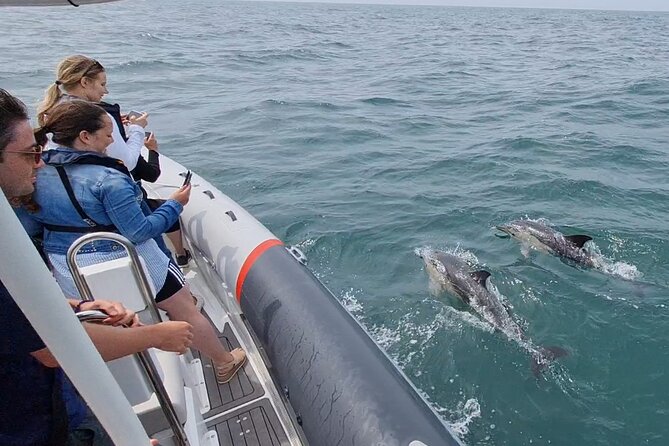
The first stretch is all about dolphins in the Tagus River. It starts close to Lisbon and gives the crew a practical starting point before committing to farther open-water searching.
This matters for you because Tagus sightings can happen relatively soon, which keeps energy up for the whole group. It also sets expectations: dolphins aren’t on a timetable. The plan is to look in the river first, then expand search range if needed.
As you’re watching, the crew doesn’t just point. They explain how the dolphins behave and what you can look for as you scan the water. That helps even when you’re not seeing animals instantly, because you know what to watch for instead of hoping you’ll get lucky.
When Sea Conditions Let You Go Beyond the River
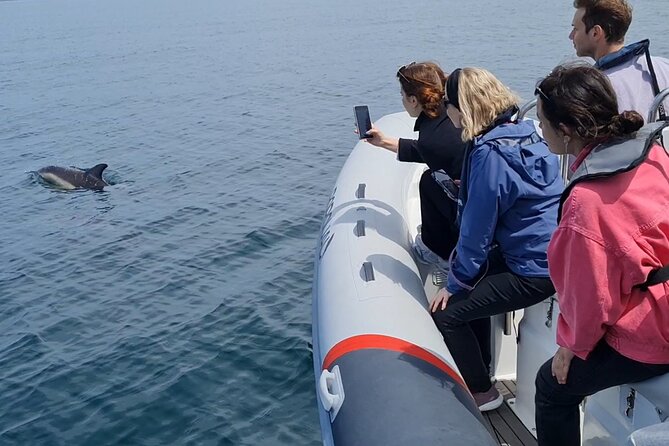
After the initial look, the trip sails into the ocean if sea conditions allow. That means you may or may not leave the river depending on wind and waves, which is why the day matters.
Going out to sea can increase your odds, and it’s also where you can get more dramatic sightings. The trip is designed for that possibility: once you move outward, the search becomes more flexible, covering areas with high sighting chances.
One practical note: motion is real on any boat in open water. Wear what you need to feel steady and comfortable, not what looks cute in a photo. If you’re prone to getting seasick, plan ahead.
The Crew’s Dolphin Strategy: Consistent Steering and Fewer Boats
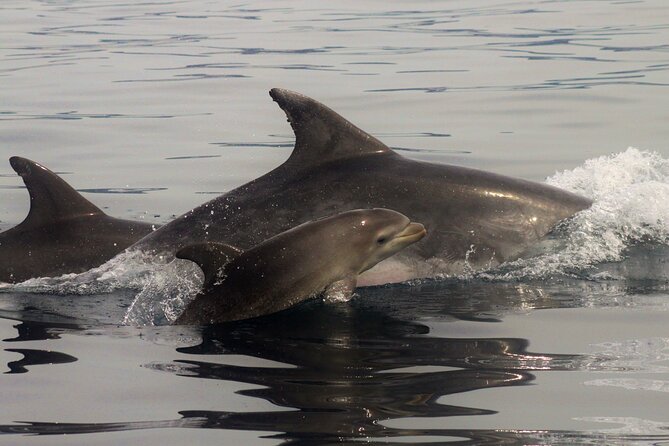
A standout detail is how the crew tries to improve your viewing. They aim to stay away from other boats and keep consistent steering that encourages dolphins to stay close.
That may sound like “boat magic,” but it’s really about behavior. Dolphins react to how a boat moves—speed changes, sharp turns, and constant interference can scatter groups. Consistent paths make it easier for dolphins to approach and keep swimming nearby.
You’ll also get time to watch when you find dolphins, and then you’ll likely get guidance on how to look more carefully. That’s the point: the trip isn’t over when the animals appear. You learn to see them differently.
The experience also depends on group conditions. If dolphins are active and nearby, the crew can likely keep the viewing interactive. If sightings are distant or the sea is choppy, the pace can shift.






Learning on Board: How You Identify What You Saw
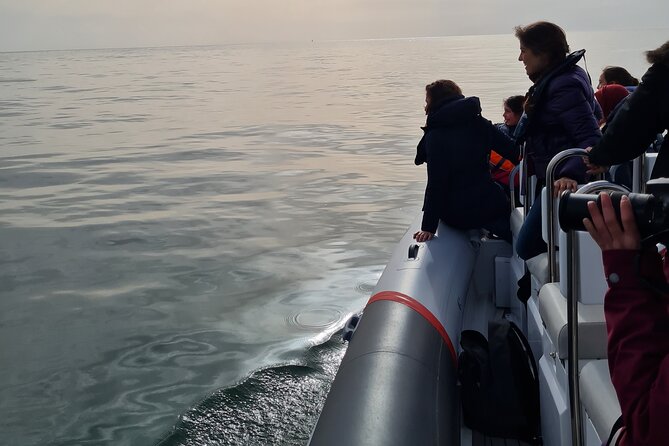
One of the best parts of this kind of outing is the payoff after the sighting. Here, you’re taught how to observe dolphins in a more structured way—so the animals don’t blur into a quick “there they are” moment.
Before arrival, the guide teaches you how to identify the species you saw and explains some behavior patterns. If you get a guide like Francisco, you may hear a practical lesson on recognizing dolphin marks and how to tell individuals or group traits apart.
After a quick WC break on arrival, there’s another short wrap-up and optional stick-around time for those who want more. That’s a nice touch if you care about marine life details and want the “now I get it” feeling to last.
You’ll also get short bits of information connected to what you’re seeing, which helps you connect wildlife behavior to where you are along the coast.
The Route Treat: Belém Landmarks Glimpsed From Water
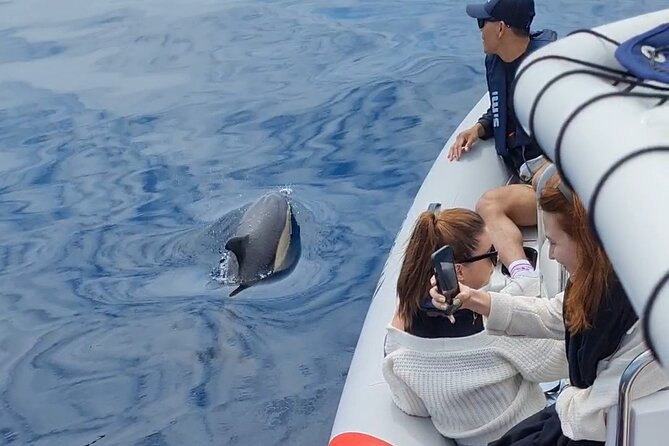
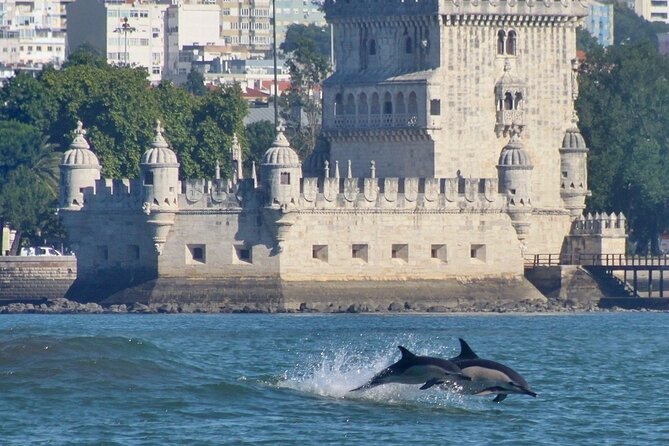
Even though this is a dolphin trip, you don’t waste your time staring at plain water all morning. Before you arrive, the boat passes major monuments with quick facts.
You’ll pass Torre de Belém, Padrão dos Descobrimentos, Ponte 25 de Abril, and MAAT – Museu de Arte, Arquitetura e Tecnologia. From the water, these stops read differently than they do from land. You notice scale, lines, and how the city meets the river and ocean.
A small drawback: you’re on a moving boat and sightseeing is brief. Don’t expect a museum-level interpretation. The facts are meant to add context, not replace actual sightseeing time on shore.
Still, this route feels smart because it links your wildlife focus to Lisbon’s identity. You get the best of both: ocean life and a handful of big landmark moments.
What to Pack for Lisbon Dolphins (Cold Water Is Real)
This is the trip where packing can make or break your comfort. The experience runs in the morning and includes time on open water, so you’ll likely deal with wind chill even if Lisbon feels warm on land.
I strongly recommend bringing:
- A warm layer you can wear on deck
- Sunscreen (the sun can still hit while you’re moving)
- Water to sip during the search
- Clothes you don’t mind getting a little damp if the boat splashes
Past trip feedback also emphasizes jackets and a second layer. If someone forgets, they often end up uncomfortable instead of focused.
Also, plan your bag like a pro: keep your essentials secure and out of the way when moving. On small boats, spilled bags are avoidable, and you’ll thank yourself later.
Price and Value: Is $78.61 a Good Deal?
At $78.61 per person for about 3 hours, the price sits in the midrange for Lisbon wildlife boat trips. The question is what you get for the money—and here the list of extras helps.
You get lifejackets, all fees and taxes, and a guide/driver team. You also get a meaningful wildlife-search commitment: up to 40 miles of dolphin searching, plus an extra hour of searching if dolphins aren’t found during the first round.
That matters because dolphin trips have an unavoidable uncertainty. What you’re paying for is not just transportation—it’s the boat and crew’s effort to increase your odds. A small group (max 10) is also a value factor. More space around you usually means better viewing and less “everyone’s fighting for angles.”
If you’re comparing options, the best “value” signal is the combination of small group + long search plan + instructional component.
Who This Tour Fits Best (And Who Should Skip It)
This works well if you:
- Want a hands-on wildlife experience with learning, not just sightseeing
- Prefer small groups rather than large boats
- Enjoy bird watching, because seabirds often become part of the story once you start scanning the air and water
It may be less ideal if you’re not comfortable with water conditions or motion. The tour includes guidance and safety gear, but it’s still an impact activity environment, and it’s not recommended for travelers that can’t do impact activities.
Kids can go, with the requirement that children must be accompanied by an adult. The small group size tends to work in families’ favor because the crew can manage everyone more easily.
If you hate cold wind or forget layers easily, you’ll feel it here. Bring the jacket, and you’ll likely have a much smoother time.
Final Call: Should You Book Lisbon Dolphins?
I’d book this if you want a focused morning on marine wildlife with a real chance to learn as you watch. The small-group format, the structured search (Tagus first, then ocean when possible), and the extra search time if needed all point to a crew that’s trying to make the experience work for you.
Skip it only if you know you’re likely to be miserable on the water. If you can dress for wind chill, you’ll get a better experience—and you’ll also get more out of the dolphin behavior lesson when you’re comfortable enough to pay attention.
If you’re the type who enjoys noticing details—how animals move, how groups behave, how birds react—you’ll love the way this outing turns sightings into understanding.
FAQ
What is the duration of the Lisbon Dolphins dolphin watching tour?
It’s approximately 3 hours.
How much does the tour cost?
The price is $78.61 per person.
Where do we meet, and where does the tour end?
You meet at Doca de Santo Amaro at 9:30 am, and the tour ends back at the same meeting point.
What language is the tour offered in?
The tour is offered in English.
What wildlife might we see?
The experience focuses on spotting dolphins, and you may also see sea turtles and seabirds. The plan also includes checking areas where dolphins and whales might appear.
What happens if dolphins are not found right away?
The crew continues searching. If dolphins aren’t found during the initial search, you can get one extra hour of dolphin searching, and they’ll shift to areas with higher sighting chances.
Does the boat have a restroom?
No restroom on board is listed as included, so plan on a quick WC break as part of the experience.
Are lifejackets provided?
Yes, lifejackets are included.
Should I bring warm clothes?
Yes. Warm clothes/jackets are not included, and it can be cold on the water.
What’s the cancellation and weather situation?
There is free cancellation up to 24 hours in advance for a full refund. The experience requires good weather; if it’s canceled due to poor weather, you’ll be offered a different date or a full refund.