REVIEW · BELEM TOURS
Lisbon: Belem Walking Tour with Jeronimos Monastery Entry
Book on GetYourGuide →Operated by LP FASSI SIMARDI VIAGENS E TURISMO ME · Bookable on GetYourGuide
Belém makes Lisbon feel like a world port. This walking tour strings together Jeronimos Monastery entry (with tickets already handled) and a stop for the original Pastéis de Belém, so your morning has both big sights and a very Lisbon payoff. I like that the guide helps you read what you’re seeing, especially in spaces where signage is limited, but keep in mind the Belém Tower can be closed for restoration and is not always visitable.
You’ll start at the Jerónimos complex, go inside around 9:30 a.m., and then walk the Belém waterfront landmarks tied to Portugal’s 15th and 16th century Age of Discoveries. I like the pacing for people who want meaning, not just photos—plus you get a clear path through the architecture, the church, and the key monuments.
In This Review
- Key Highlights to Look Forward To
- Why Jerónimos + Belém Works as One Smart Morning
- Mosteiro dos Jerónimos Meeting Point and Getting Inside Fast
- Upper Cloister Views and the Manueline Story You’ll Actually Remember
- Santa Maria de Belém Church and the Names Tied to Portugal’s Power
- Pastéis de Belém Stop: How the Classic Custard Tart Fits the Day
- Empire Square Garden and the Discoveries Monument: From Cloister to Compass Rose
- Belém Tower Exterior During Restoration: What You Can Still Get From the End Point
- Walking Time, Shoes, and Who This Tour Suits Best
- Price and Value: What $70 Buys You Here
- Final Take: Should You Book This Jerónimos and Belém Tour?
- FAQ
- Where is the meeting point for this tour?
- What is included in the price?
- How long is the tour?
- Does the tour include entry to Belém Tower?
- What should I bring?
- Is this tour wheelchair accessible?
Key Highlights to Look Forward To
- Skip-the-line Jerónimos Monastery entry with tickets already purchased for you
- Upper Cloister views paired with explanations of Manueline symbolism and design
- Church visit focused on burials, including Vasco da Gama and the Avis dynasty
- Original Pastéis de Belém stop (with the classic monks-linked story)
- Monument to the Discoveries storytelling tied to Infante D. Henrique and 1960 commemoration
- Belém Tower exterior during restoration with context even when you can’t enter
Why Jerónimos + Belém Works as One Smart Morning
This is one of those Lisbon combinations where the places actually connect. Jerónimos Monastery is the heart of Manueline grandeur, and Belém is where Portugal’s maritime ambition becomes visible in monuments, architecture, and public memory.
You’re not just moving from point to point—you’re following a narrative. First you learn how the monastery was shaped by power and faith, then you walk into the broader Belém storyline of exploration, defense, and global reach.
You can also read our reviews of more walking tours in Lisbon
Mosteiro dos Jerónimos Meeting Point and Getting Inside Fast
The meeting spot is outside the Jerónimos Monastery entrance, near the south entrance to the church where queues form. Your guide is supposed to be waiting there, and you’re advised to pay attention to the photo they provide so you don’t get pulled into the wrong line.
This tour’s biggest practical win is that your guide is set up to handle entry—so instead of spending your vacation standing in the busiest queue, you spend that time learning. The tour also targets an interior start around 9:30 a.m., which matters in Belém where crowds build quickly.
One more thing: the pace is walking-and-standing, not a sit-down museum. I’d treat this as a morning stroll with purposeful stops, and wear shoes you’d be happy to walk in for a few hours.
Upper Cloister Views and the Manueline Story You’ll Actually Remember
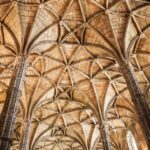
Once inside, the experience begins at the Upper Cloister. This is where you get the sweeping sense of the monastery as an architectural statement—open sight lines, detailed stonework, and that strong feeling of Portugal at the height of its influence.
What makes the cloister stop valuable is the way it’s explained. You get context for what the complex represented in society at the time, and how it fits into the era of the Great Portuguese Navigations in the 15th and 16th centuries. If you’ve ever looked at ornate buildings and wondered what you’re supposed to be noticing, this is the moment the guide helps you “read” the structure.
From there, you move through key spaces in the lower cloister area, including:
- the Chapter Room
- the old Refectory
- and the tomb of Fernando Pessoa (moved into this space only in the 20th century)
That Pessoa detail is a fun angle for modern travelers. It’s a reminder that Belém isn’t frozen in the 1500s—Portugal keeps reusing its historic settings to tell new stories.
Santa Maria de Belém Church and the Names Tied to Portugal’s Power
The next big interior stop is the church, Santa Maria de Belém. The guide frames it as a majestic expression of Manueline architecture, a style that blended late Gothic structures with Renaissance elements in Portugal around the early 16th century.
This is also where the tour earns its “do it with a guide” credibility. Inside, there are fewer signs than you’d expect for a world-famous site, so a lot of what you see can feel like pretty detail unless someone helps connect the carvings, the layout, and the symbolism to people and events.
The church visit includes the burial legacy of major historical figures. You’ll hear about prominent names from the Avis dynasty, including King D. Manuel I and his son João III. You’ll also learn how the site connects to the navigation-era figures such as Vasco da Gama and Luiz Vaz de Camões.
Even if you’re not a Portugal-history superfan, these names give the building a human scale. The architecture stops being abstract and starts feeling tied to leadership, ambition, and storytelling.
Pastéis de Belém Stop: How the Classic Custard Tart Fits the Day
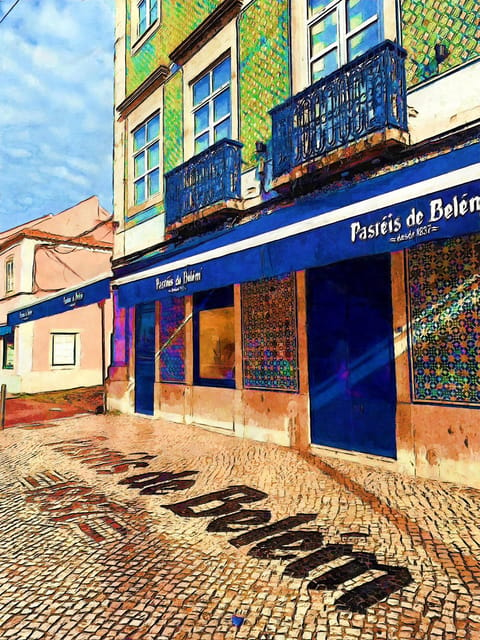
Then comes the snack break that feels like part of the tour, not a random detour. You stop at Pastéis de Belém to try the real “Pastel de Belém,” the famous Lisbon custard tart.
The story you’ll hear matters: the recipe is linked to the monastery monks of the Jerónimos Monastery and has been sold in the same establishment since the mid-19th century. That’s exactly the kind of local detail that turns a dessert run into a cultural moment.
In a few departures, guides also take care of small extras like sharing tips and taking photos for your group—so don’t be surprised if your guide treats the pastry stop as a light reset before you continue walking. And yes, it’s worth trying the tart fresh here rather than treating it as a generic pastry.



Empire Square Garden and the Discoveries Monument: From Cloister to Compass Rose
After the monastery complex, you move through the Belém area with short walks that keep the momentum.
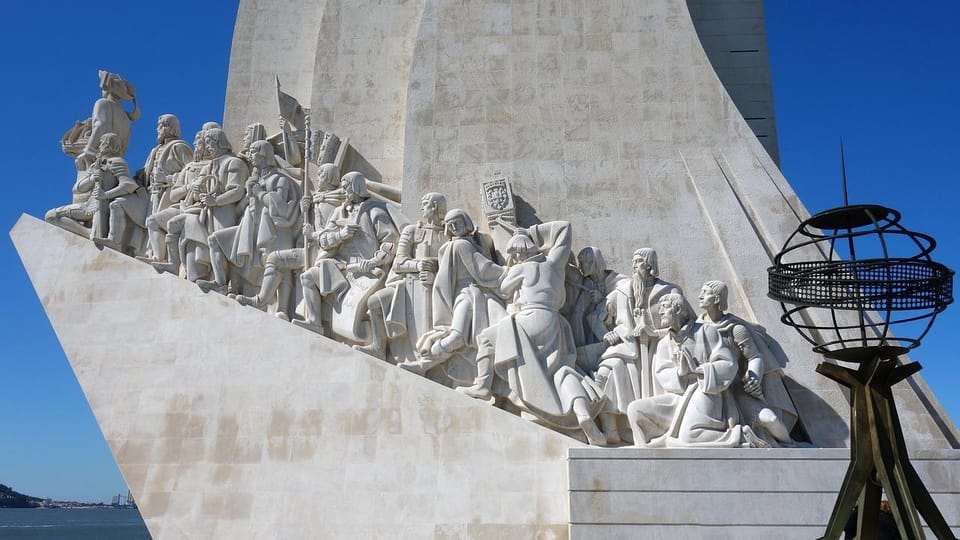
A quick stop happens at Empire Square Garden, followed by a guided visit and sightseeing at the Monument to the Discoveries. This monument was erected in 1960, as a commemoration tied to the 500th anniversary of the death of Infante D. Henrique—often associated as the main figure behind Portuguese navigation.
What I like about this section is that the monument doesn’t sit there as a photo prop. You get the cast of characters approach—other important navigation-era figures are represented, and the guide explains their connection to Portuguese cultural expansion through the world.
This stop is great for people who want their sightseeing to come with a thread. It helps you connect the church’s “who” (kings, explorers, writers) with the monument’s “why” (why Portugal pushed outward in this period).
Belém Tower Exterior During Restoration: What You Can Still Get From the End Point
The tour ends at the Torre de Belém, but here’s the practical catch: the tower is currently undergoing restoration work and cannot be visited. That means you’ll generally get exterior views and the guide’s explanation from outside.
This matters because you should set expectations before you arrive. You won’t be going inside the tower, so you’re there to see its role in defensive history and Manueline-era architecture—not to step into every interior space.
What you still gain is context: the tower and Jerónimos together hold UNESCO World Heritage status, and the guide explains how the tower served as a defensive point against invaders trying to reach Lisbon.
If you’re the type who takes architecture seriously—shapes, materials, how buildings function—this exterior segment can still feel complete. If you’re hoping for maximum interior access, consider whether you’re okay with an exterior-focused ending.
Walking Time, Shoes, and Who This Tour Suits Best
This runs about 3 to 3.5 hours, and it’s a walking tour with standing time during the monastery and church visits. Bring comfortable shoes. You’ll also want sun protection like a sun hat and sunscreen, plus an umbrella because the tour runs rain or shine.
The tour isn’t set up for everyone. It’s listed as not suitable for people with mobility impairments and not for wheelchair users. If you rely on step-free access or have limited walking stamina, you’ll want to look for an alternative format.
Group fit is also worth noting. The experience is guided, and it can feel small enough for questions to land. If you like to ask follow-ups—about symbols in the cloisters, the meaning of tomb placements, or why certain monuments look the way they do—this is a good match.
Price and Value: What $70 Buys You Here
At about $70 per person, the value comes from three things working together.
First, you get entrance tickets to Jerónimos Monastery included. That alone prevents the “tickets + confusion + lost time” problem that can happen with major sites.
Second, the tour is built around time savings. Getting your group into the monastery without getting stuck in the main queue makes a real difference, especially for the 9:30 a.m. start.
Third, the guide role is about interpretation. In places like Jerónimos and the church, it’s easy to stare at stone details and still feel like you don’t know what they mean. Here, your guide connects the architecture to the Age of Discoveries, to the burials, and to Portuguese power—so you leave with a framework, not just images.
If you’re the kind of traveler who likes monuments explained in plain terms, this price tends to feel fair. If you only want the quick photo version, you could do the sights independently—but you’d miss a lot of the meaning.
Final Take: Should You Book This Jerónimos and Belém Tour?
Yes, if you want a guided way to understand Belém’s most important landmarks in one focused morning. The combination of skip-the-line Jerónimos entry, a guided path through cloisters and church, and the included Pastéis de Belém stop makes it hard to beat for convenience and value.
I’d especially recommend it if you care about architecture and want the “why” behind Manueline design, plus the names tied to the church. Set one expectation in advance: the Belém Tower may be outside-only due to restoration.
If that limitation would bother you, you can still consider it—just treat the end point as an exterior landmark stop with context, not a full tower visit.
FAQ
Where is the meeting point for this tour?
Your guide waits in front of the entrance to Jerónimos Monastery, near the south entrance to the church, where the queues form. The instructions say to look for a photo indicator so you choose the right meeting location.
What is included in the price?
The tour includes entrance tickets to Jerónimos Monastery, the original Custard Tart from Pastéis de Belém, and an expert English-speaking guide.
How long is the tour?
Plan on 3 to 3.5 hours total.
Does the tour include entry to Belém Tower?
No, the tour notes that Belém Tower is currently undergoing restoration and cannot be visited.
What should I bring?
Wear comfortable shoes. Bring a sun hat and sunscreen, and also an umbrella, since the tour runs rain or shine.
Is this tour wheelchair accessible?
No. It is listed as not suitable for people with mobility impairments and not for wheelchair users.