REVIEW · LISBON
Lisboa – A Morte do Corvo, new immersive theatre, not spoken
Book on GetYourGuide →Operated by UZERX - CONSULTORIA, LDA · Bookable on GetYourGuide
A Morte do Corvo is theatre without a single spoken line. Set in 1924, it follows Poe’s envy-fueled plan against Portuguese poet Fernando Pessoa, with actors guiding you through a large building that feels like its own world. The format is rare in Portugal, and that alone makes it worth planning for.
I love the way the show leans hard on body movement and choreography to communicate character and emotion. You don’t just watch scenes happen; you follow the action through space, and your brain starts translating gesture into meaning fast.
One consideration: the lack of dialogue can make you feel a little lost at first, especially if you want names and motives explained out loud. Also, it’s two floors with a staircase and no lift, and it’s not suitable for mobility impairments.
In This Review
- Key things to know before you go
- Where the show really happens: an abandoned military hospital in Estrela
- The silent story: how Poe vs Pessoa works with no dialogue
- What you’ll likely pass through: rooms that shift tone fast
- The pacing and logistics that matter (especially in a two-floor building)
- Price and value: $44 for a rare format in Lisbon
- Who this show suits best (and who should skip it)
- How to get the most out of the experience in your first 20 minutes
- What to expect from the acting and staging
- Quick tips for a smooth night
- Should you book A Morte do Corvo in Lisbon?
- FAQ
- How long is A Morte do Corvo?
- Is there spoken dialogue in the performance?
- Where do I meet for the show?
- Are cameras or video recording allowed?
- What should I bring?
- Is the show suitable for children?
- Is it accessible for people with mobility impairments?
- Are English speakers accommodated?
Key things to know before you go
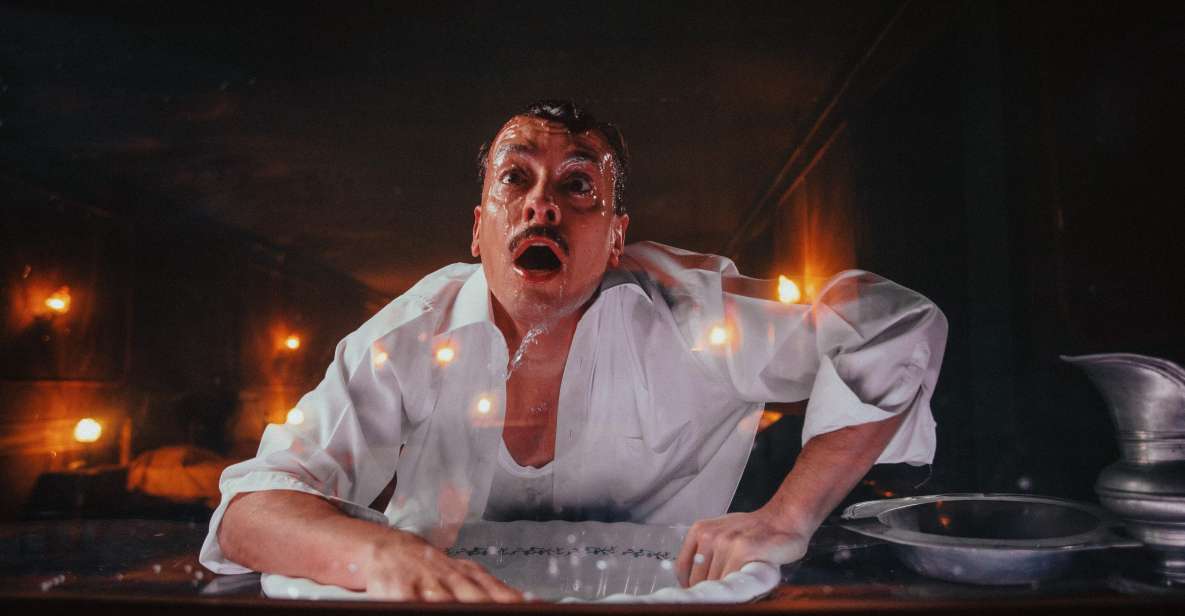
- No spoken word: the story lands through movement, staging, and presence
- 1924 plot: Edgar Allan Poe’s envy vs Fernando Pessoa, performed as physical theatre
- A huge space: explore 2,000+ sqm across 25 rooms
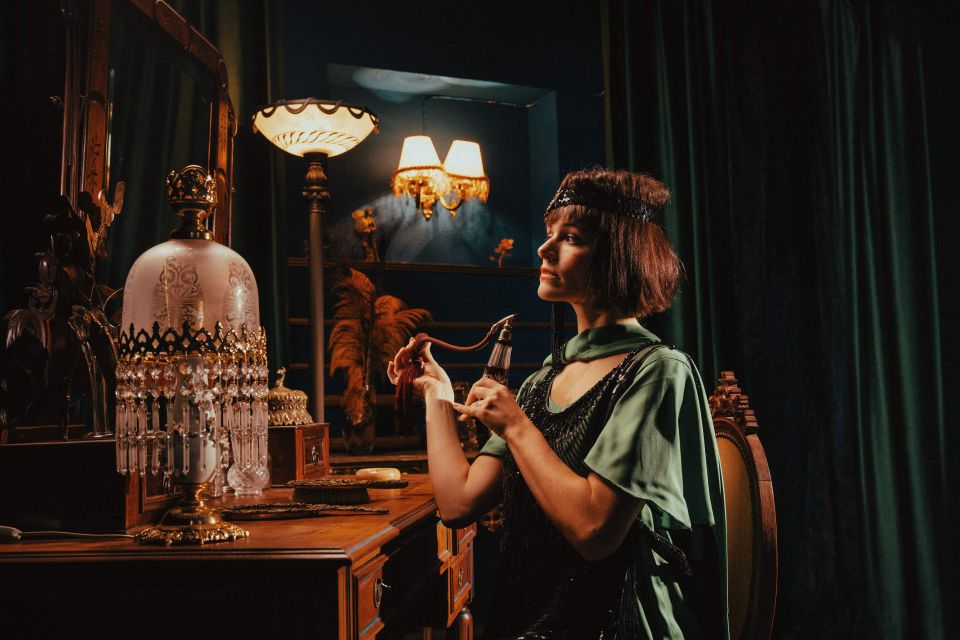
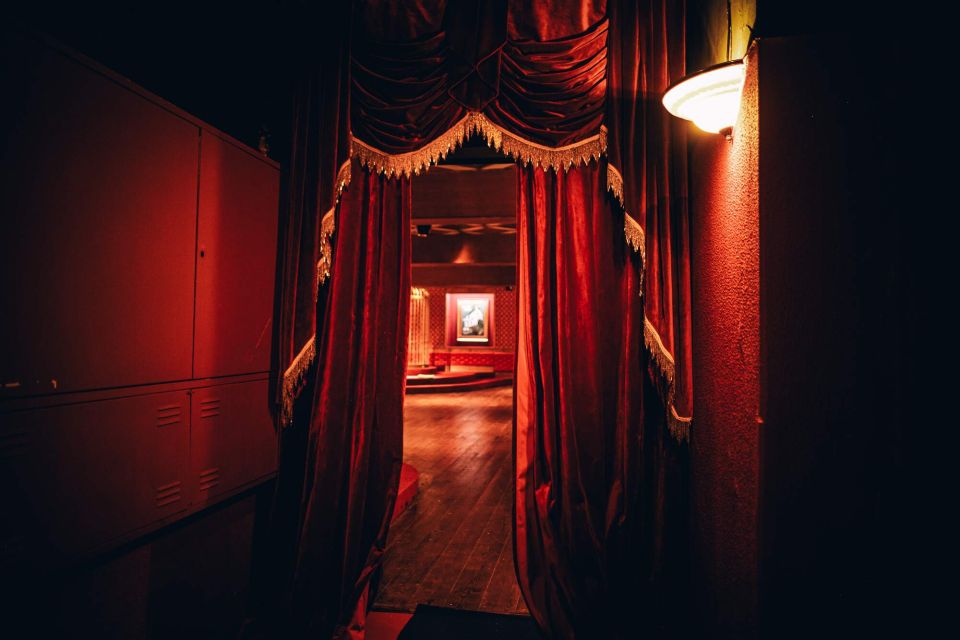
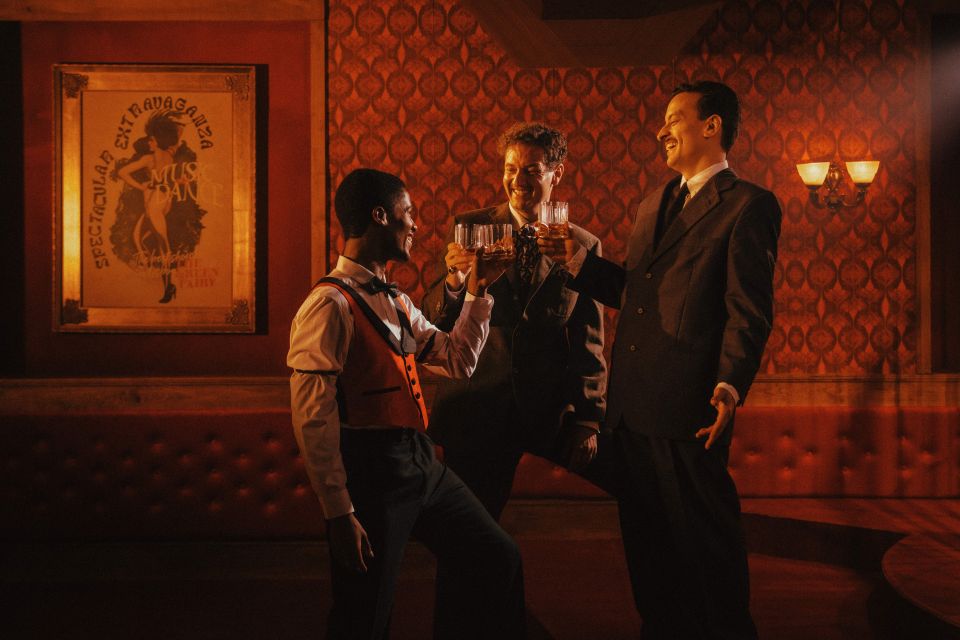
- Design-led stops: you may pass areas like an Initiation Forest, Burlesque Cabaret, and an Opium Den
- Follow the actors: you move through the show, including across two floors
- Quiet rules: cameras and video recording are not allowed, and you can’t make noise
Where the show really happens: an abandoned military hospital in Estrela
“A Morte do Corvo” takes place inside a former military hospital right by Basílica da Estrela. That setting matters more than you’d think. Big stone interiors, long corridors, and rooms built for order give the production an instant structure—like the building is already part of the story.
The show’s atmosphere is helped by the size: you’re free to explore 2,000+ sqm across 25 rooms during your time inside. Instead of one main stage, you get multiple spaces that can shift tone quickly, so the experience doesn’t feel stuck to one view. Even if you don’t catch every beat instantly, the physical design keeps giving you new frames to read.
Getting there is straightforward. Use the meeting gate into the parking lot area with 24/7 security. There’s a concierge at the gate to lead the way into the venue. I’d treat that as part of the show prep: arrive with enough time to settle your shoes and your expectations before the actors pull you into the flow.
You can also read our reviews of more tours and experiences in Lisbon.



The silent story: how Poe vs Pessoa works with no dialogue
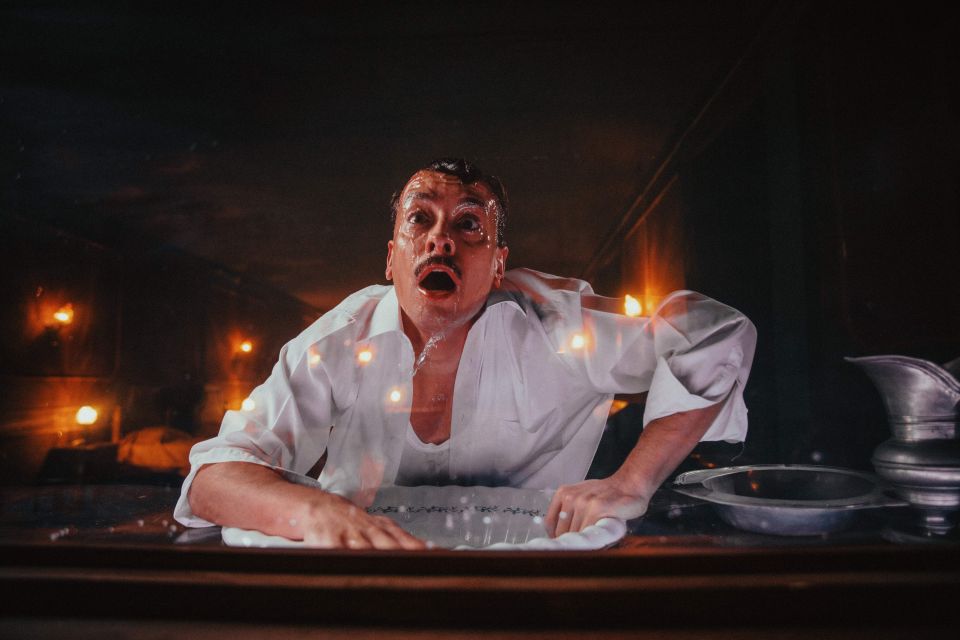
This production is built around one big challenge: how do you tell a plot when nobody speaks?
The answer here is choreography. The show is described as having no spoken word, and the characters express the story and their feelings through body movement. That means you’ll watch for intensity changes, proximity, and how performers use the space around you. Emotions show up as tempo—who moves fast, who freezes, who blocks, who yields.
The storyline is set in 1924 with a clear literary hook: Edgar Allan Poe plans to kill Fernando Pessoa out of envy. If you already know the names, great—you’ll catch extra texture. If you don’t, that’s also fine. You’re not required to have background knowledge to experience the conflict; you’ll feel the rivalry through action and staging.
One practical tip: in silent theatre like this, you’re often better off focusing on relationships than on trying to memorize who everyone is. If two performers repeatedly face each other, grab attention, or mirror each other’s movement, it’s usually the emotional core of the moment.
And yes, that’s also why some people may feel uncertain about characters early on. You’re being asked to process meaning in real time without the usual verbal cues. Give yourself the first portion to adjust, then you’ll likely find the rhythm.
What you’ll likely pass through: rooms that shift tone fast
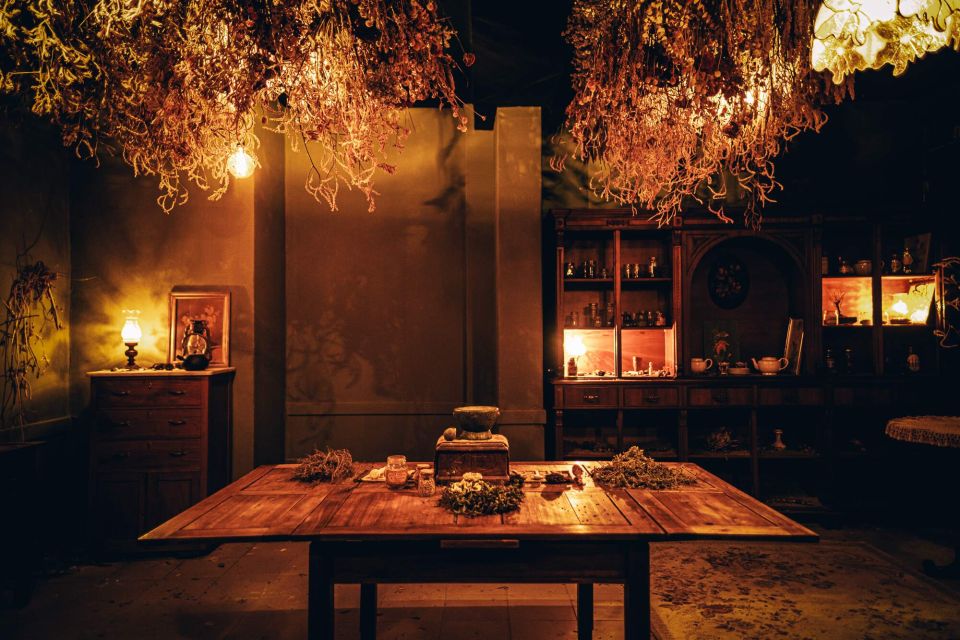
You’re not just walking into one scene and sitting down. The experience is designed so you can be directed through different areas, and the venue includes themed spaces such as:
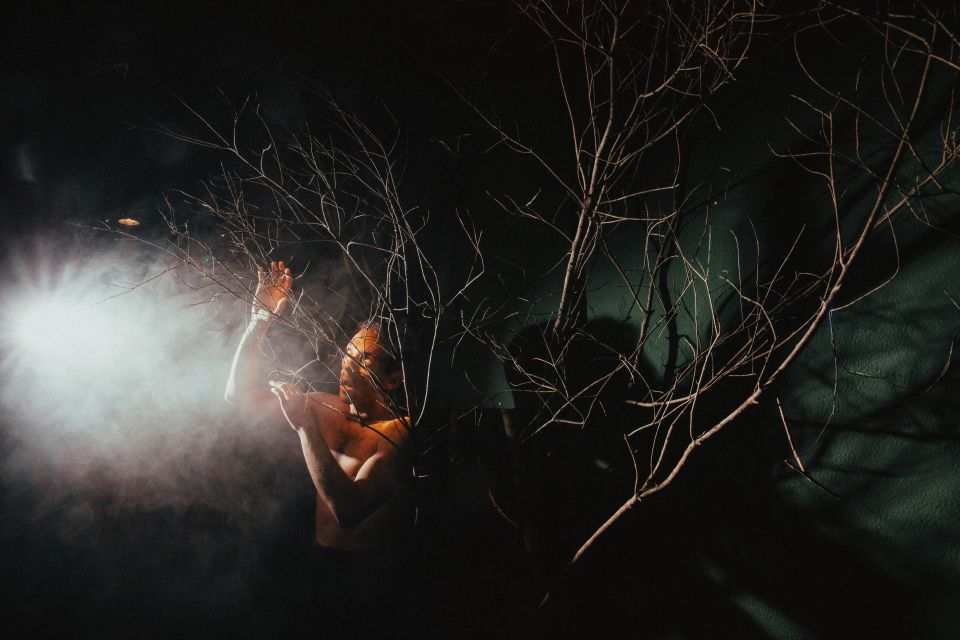
- an Initiation Forest
- a Burlesque Cabaret
- an Opium Den
Even though you won’t have time to study each area like a museum, these kinds of rooms do something helpful: they act like emotional shortcuts. A forest-like section suggests transformation or danger; a cabaret space signals performance and temptation; a den setting hints at secrecy and altered states.
This kind of spatial storytelling is a strong fit for a show with no dialogue. Without words, the set design becomes extra loud. You’ll understand what’s going on faster because the environment is telling you what mood you’re entering.
Also, because you’re free to explore across the building’s size, the production can feel different each time you move from room to room. That’s one reason this works better than traditional single-stage theatre. You’re active, not just seated.
The pacing and logistics that matter (especially in a two-floor building)
The show lasts about 2 hours. Starting times vary, so check availability before you plan dinner or other Lisbon stops.
You’ll follow the actors throughout the two-floor building. Here’s the practical part: there’s a staircase and no lift. Plan for stairs, and don’t treat this like an optional walk. Your feet will do real work over a condensed time.
Comfort matters. Bring comfortable shoes. I’d also recommend wearing something that lets you move easily. A silent, choreography-heavy production rewards viewers who can stand, shift position, and keep your balance.
Rules are clear: no cameras, no video recording, and you can’t make noise. That’s not just about manners; it helps the show stay focused. If you’re the type who takes lots of photos while you walk, you’ll need to switch modes here and watch instead of document.
There’s also an optional purchase: a premium brochure is available for sale on the way out. If you love deep context and want an extra layer after the performance, it’s the kind of add-on you might enjoy—but it’s not required to understand the experience.
Price and value: $44 for a rare format in Lisbon
At $44 per person, this isn’t the cheapest night of culture in Lisbon, but it doesn’t feel like a gimmick price either—mainly because the format is rare. The show is described as something you can only see in New York or London elsewhere, which gives this a real “catch it while you’re here” vibe.
You’re paying for three things at once:
- A large-scale venue (2,000+ sqm across 25 rooms)
- A full theatrical experience with movement (not just a standard performance)
- A non-verbal format that requires high coordination from the cast
That combination is why the value can feel strong even if you don’t know the story. You’re buying time, atmosphere, and skilled physical acting, all in one package.
One note on expectations: if you prefer theatre where plot is spelled out line by line, the no-dialogue approach might frustrate you. But if you enjoy reading gesture, rhythm, and atmosphere, it’s likely to feel worth every euro and every step.


Who this show suits best (and who should skip it)
This is not for everyone, and it’s better to know that up front.
It’s not suitable for children under 18. It also isn’t recommended for people with mobility impairments, because the experience includes stairs and you’ll be following action through multiple spaces.
This is a great match if you:
- like performance art where you read emotion through movement
- enjoy artsy, theatrical environments and themed spaces
- want something different from the usual Lisbon sightseeing loop
- don’t mind staying off your phone camera for a couple hours
If you get anxious when stories don’t explain themselves, consider going with a mindset of discovery. In silent theatre, you’re often assembling the meaning as you go.
How to get the most out of the experience in your first 20 minutes
Silent theatre can feel weird until your brain re-tunes. Here’s how to make that easier:
- Watch for repeated actions
If a performer keeps using the same gesture type—pointing, beckoning, guarding—that usually signals identity, motive, or status.
- Pay attention to distance
In choreography, proximity is language. Who gets close, who gets blocked, who pulls back—those patterns often carry the plot.
- Accept a little confusion early
One downside people can feel is being a bit unsure about characters. Don’t panic if you can’t label everyone immediately. The show’s job is to create emotional logic, not a lecture.
- Stay ready to move
You follow the actors through the building. If you’re stiff or planning to keep your viewing stance fixed, you may miss more than you’d like.
If you do those four things, the silent format usually starts to click quickly.
What to expect from the acting and staging
The core experience is performance-led. The production relies on actor skill to carry feeling without speech, and the staging is built to give your eyes constant work.
The big win is clarity of intent through movement. Even when you’re not getting names and explanations out loud, you can still sense when someone is threatening, pleading, seducing, or panicking. That comes from physical control—how performers enter a space, how they stop, and how they use group choreography.
The setting also helps the story land. A former hospital has a built-in mood—long rooms, rigid layout, and institutional corners. When you layer Poe’s envy plot onto that kind of space, it turns literary conflict into something you can feel in your body.
Quick tips for a smooth night
- Wear comfortable shoes and plan for stairs
- Expect no cameras and plan to watch, not record
- Arrive with time to find the gate and let the concierge direct you
- Keep your voice down. Rules say no making noise, and it helps the show
- If you want context afterward, consider the premium brochure on the way out
Should you book A Morte do Corvo in Lisbon?
Yes—if you’re open to silent storytelling and you want a theatre night that feels more like walking through a themed world than sitting through a scripted play. The combination of 2-hour pacing, a huge former hospital setting, and a plot built for choreography makes it a strong pick for anyone who enjoys performance art.
I’d skip it if you:
- need spoken dialogue to follow character motivations
- struggle with stairs or need accessibility-friendly venues
- prefer theatre that’s designed around camera-friendly moments
If you fall in the first group, book it. This is the kind of show that’s worth planning around because you can’t easily recreate the experience later from home.
FAQ
How long is A Morte do Corvo?
The show lasts about 2 hours. Starting times depend on availability, so check the schedule when you book.
Is there spoken dialogue in the performance?
No. The show has no spoken word, and the story is told through body movement and choreography.
Where do I meet for the show?
Meet at a gate that leads into a parking lot with 24/7 security. A concierge will be there to lead you to the abandoned military hospital.
Are cameras or video recording allowed?
No. Cameras and video recording are not allowed, and you also need to avoid making noise.
What should I bring?
Wear comfortable shoes. You’ll be moving through the building and need footwear that supports walking.
Is the show suitable for children?
No. It is not suitable for children under 18.
Is it accessible for people with mobility impairments?
No. The experience isn’t suitable for people with mobility impairments, and there is a staircase with no lift.
Are English speakers accommodated?
Yes. The host or greeter is English, and the language listed is English.