REVIEW · HISTORICAL TOURS
Lisbon: African History and Heritage Walking Tour
Book on GetYourGuide →Operated by Autêntica - Travel Experience · Bookable on GetYourGuide
Lisbon’s African roots are written into the streets. This 3.5-hour walk connects Alfama’s Moorish beginnings to African heritage you can still spot today—fountains, church spaces, ports, and city squares—through a guide-led story that treats the subject with real honesty. I especially like how the tour points you to specific places that explain social life, not just big dates, and how the route links Lisbon to wider Atlantic history, including the start of the transatlantic slave route.
One consideration: this is a walking tour in hilly neighborhoods, and it’s not designed for people with mobility impairments. Plan on comfortable shoes and a steady pace, especially around the uphill segments near older streets.
In This Review
- Key highlights to look for
- Lisbon’s African Heritage Walk: What Makes It Worth Your Time
- Alfama First: Getting Oriented With Moorish Roots
- Chafariz D’El Rei: Reading Social Class in Stone and Water
- Campo das Cebolas: The Old Port Where Enslavement Took Footprints
- Praça do Comércio and Baixa: Lisbon’s Public Square History
- Rua Cor de Rosa and Rossio: Integration, Work, and Everyday Presence
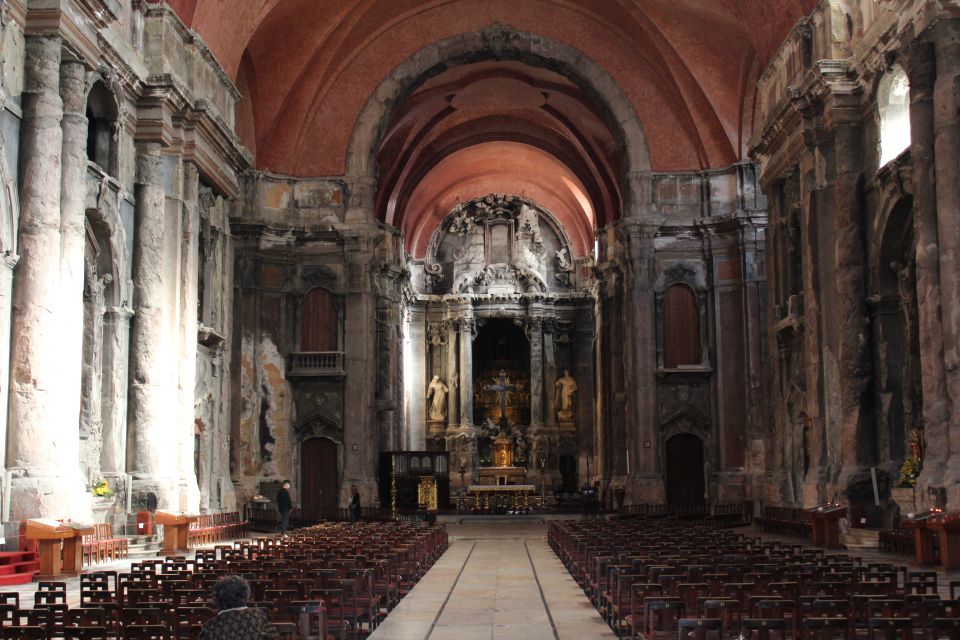
- Church of S. Domingos: Catholic Integration and Human Achievement
- Rossio Train Station and the Berlin Conference Shadow
- Price and Value: Is $176 Fair for a 3.5-Hour Walk?
- Practical Tips: What to Bring and How to Prepare
- Who This Tour Suits (and Who Might Prefer Something Else)
- Should You Book This Lisbon African Heritage Tour?
- FAQ
- FAQ
- How long is the Lisbon African History and Heritage Walking Tour?
- Where do I meet the guide?
- What’s included in the price?
- What’s not included?
- What languages are the live guides available in?
- Is this tour suitable for people with mobility impairments?
- What is the cancellation policy?
Key highlights to look for
- Alfama (Moors to African connections): Start with the neighborhood’s Moorish origins and see how that early mixing set patterns you’ll revisit later.
- Chafariz D’El Rei: A fountain used to show how social classes were visually marked—plus where Africans fit into that picture.
- Campo das Cebolas and the old port: A stop tied to the early arrival of enslaved Africans in Europe.
- Praça do Comércio and Baixa: One of Lisbon’s most emblematic squares, plus post-1755 earthquake context for how society regrouped.
- Rua Cor de Rosa and Rossio: Clues about African presence in everyday life, including where African women provided services and how communities formed.
- Church of S. Domingos and Rossio station: Catholic integration stories and a close look at the 19th-century station’s Manueline style alongside Lisbon’s imperial era.
Lisbon’s African Heritage Walk: What Makes It Worth Your Time
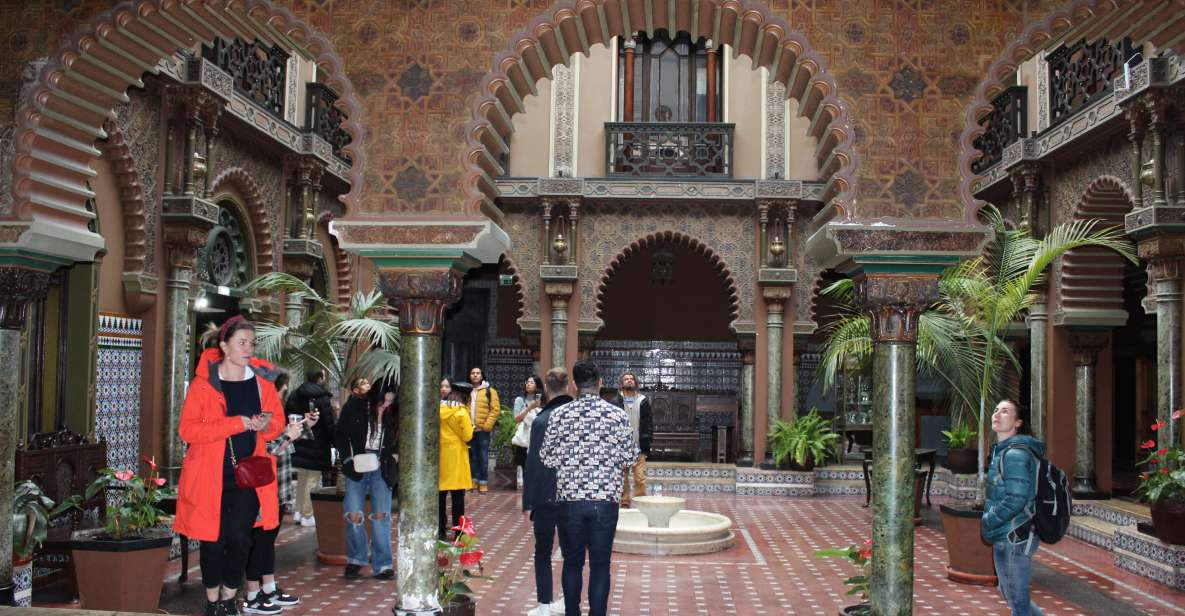
This tour is about seeing Lisbon as a city shaped by African presence—before, during, and after the era of the Atlantic slave trade. If your usual sightseeing tends to skip the hard parts, this is a route that deliberately keeps the focus where it belongs: in the streets, architecture, and institutions that people still walk past every day.
I like that the experience doesn’t stay abstract. It points you to physical details—where Africans appear in the city’s built environment, how social divisions were displayed, and how religion and society interacted. And the pacing is built for questions: guides such as Jose, Al, Alcides, and Alfie are praised for being friendly, thorough, and willing to answer what you’re curious about.
The price—$176 per person—isn’t cheap for a 3.5-hour walk, but you’re paying for more than motion and landmarks. You’re paying for a guide who ties the city’s layout to the history, so the walk starts to feel like a guided argument for attention.
You can also read our reviews of more walking tours in Lisbon
Alfama First: Getting Oriented With Moorish Roots
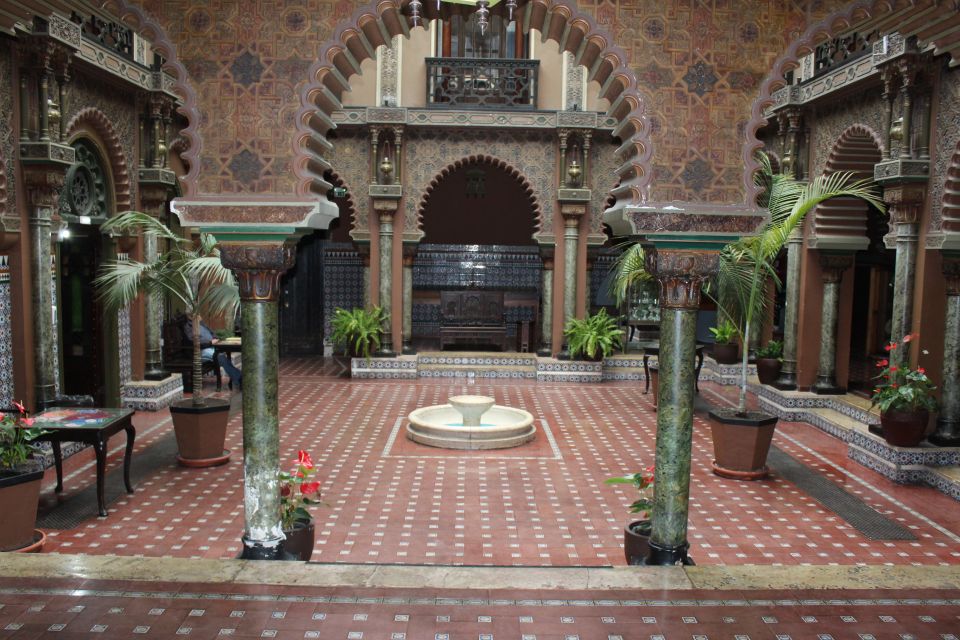
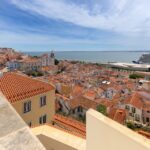
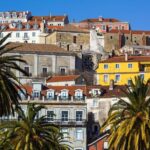
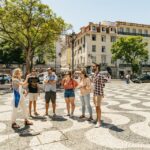
The tour kicks off in Alfama, Lisbon’s oldest neighborhood, founded by the Moors. That opening matters because it frames Lisbon as a place with long-running cultural contact, not just a European-only story. You’ll get a foundation for why later African presence didn’t arrive in a vacuum—it connected to earlier patterns of movement, trade, and community mixing.
As you walk, you’ll be encouraged to look at the neighborhood the way locals do: streets as history. Alfama isn’t just charming; it’s a starting point for understanding Lisbon’s early connections with North Africa and beyond. The route sets you up to notice how later stops echo those connections, even when the topic turns to darker chapters.
If you’re visiting for the first time and want a “how to read Lisbon” primer, this is a strong early-day choice. It gives your later museum visits and viewpoint walks a framework.
Chafariz D’El Rei: Reading Social Class in Stone and Water
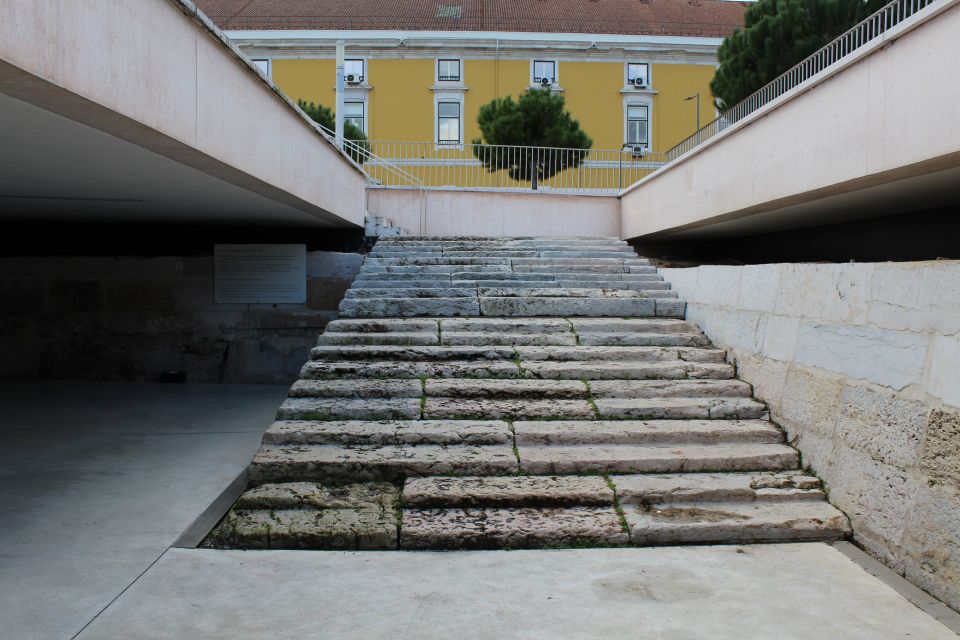
One stop that makes the history feel real is Chafariz D’El Rei. This fountain isn’t presented as a pretty photo-op. It’s used to explain how social classes were divided in the Middle Ages—and the tour notes that Africans are represented in that structure.
That’s the kind of lesson I appreciate on walking tours: you don’t just hear that discrimination existed. You see how people built it into the everyday world—how access, status, and visibility could be shaped by design.
The value here is perspective. Once you’ve looked at a landmark this way, you’ll start noticing the same pattern in other European cities: power shows up in public space. Lisbon happens to show it in a particularly teachable way.
Campo das Cebolas: The Old Port Where Enslavement Took Footprints
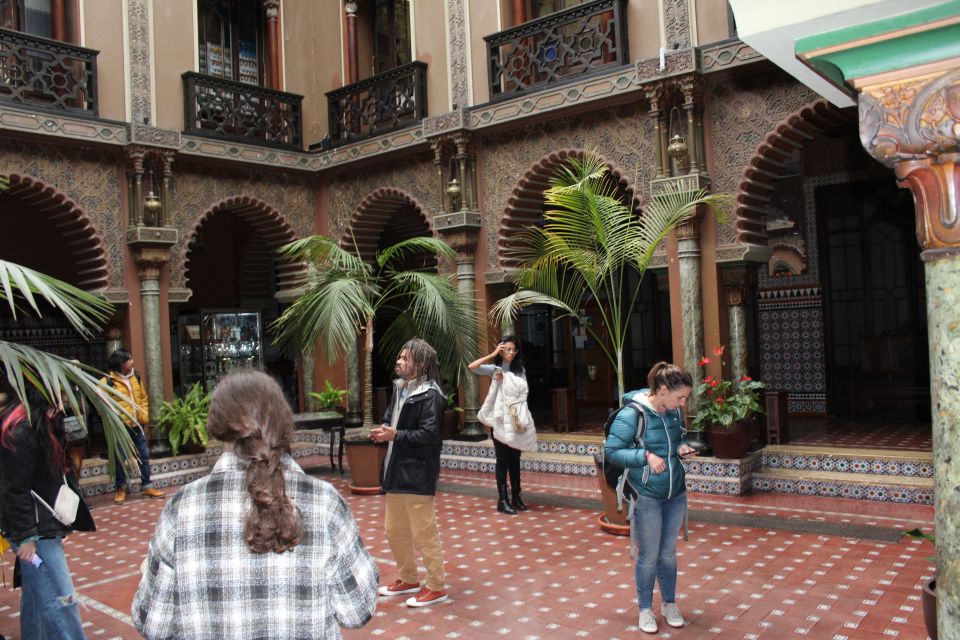
From there you head toward Campo das Cebolas, tied to Lisbon’s old port. This is a difficult stop by topic, but the tour handles it with historical honesty. The idea here is direct: this area connects to when the first enslaved Africans arrived in Europe, linked to Lisbon’s role at the start of the transatlantic slave route.
What makes this stop meaningful is how it turns an urban location into a historical mechanism. Ports aren’t neutral. They’re logistics, profit, and human cost built into geography. By grounding the story in a specific place, you’ll better understand how Atlantic history was made right here, not somewhere “out there.”
A note on expectations: this portion of the tour is emotionally serious. You’ll get more value if you come ready to think, not just collect facts.
Praça do Comércio and Baixa: Lisbon’s Public Square History
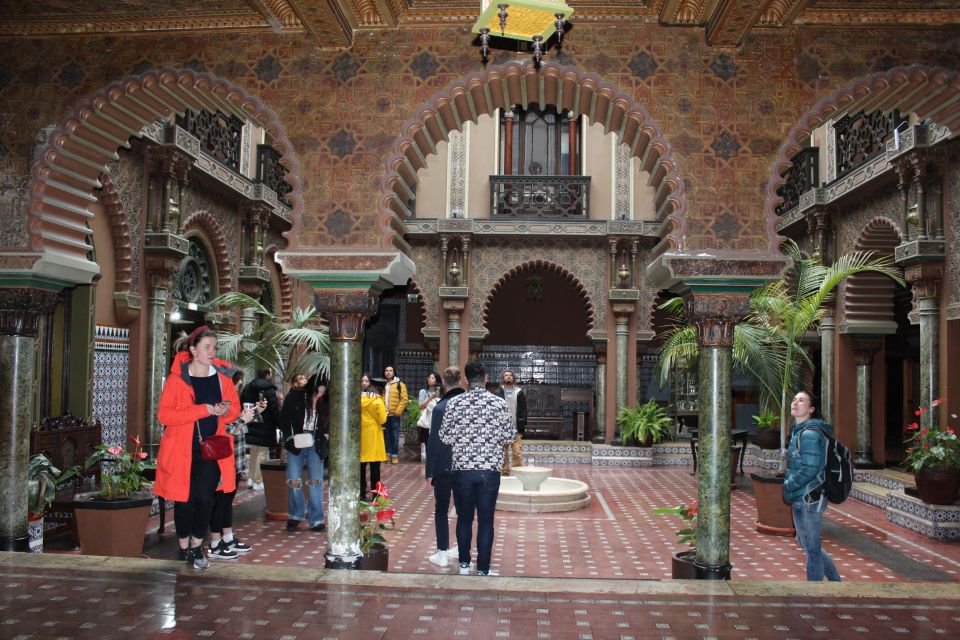
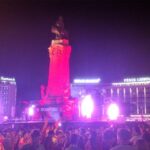
Then comes Praça do Comércio, one of Lisbon’s most emblematic spaces. It’s also framed here as a key stage where major events in Portuguese history played out—including the slave trade connection.
This is where I think the tour earns its broader claim: Lisbon wasn’t only a destination; it was an operating center. A square like this becomes a symbol of how institutions, commerce, and power all occupied the same visible center.
From there you move through Baixa, the central neighborhood of Lisbon. The tour brings up the 1755 earthquake and uses it to discuss how the city rebuilt itself and what that meant for society. The focus is on interaction—how Africans were part of Portuguese society rather than treated as an afterthought.
If you’ve walked through Baixa before, you might have viewed it as elegant straight lines. This tour helps you see the social story underneath the planning.
You can also read our reviews of more historical tours in Lisbon





Rua Cor de Rosa and Rossio: Integration, Work, and Everyday Presence
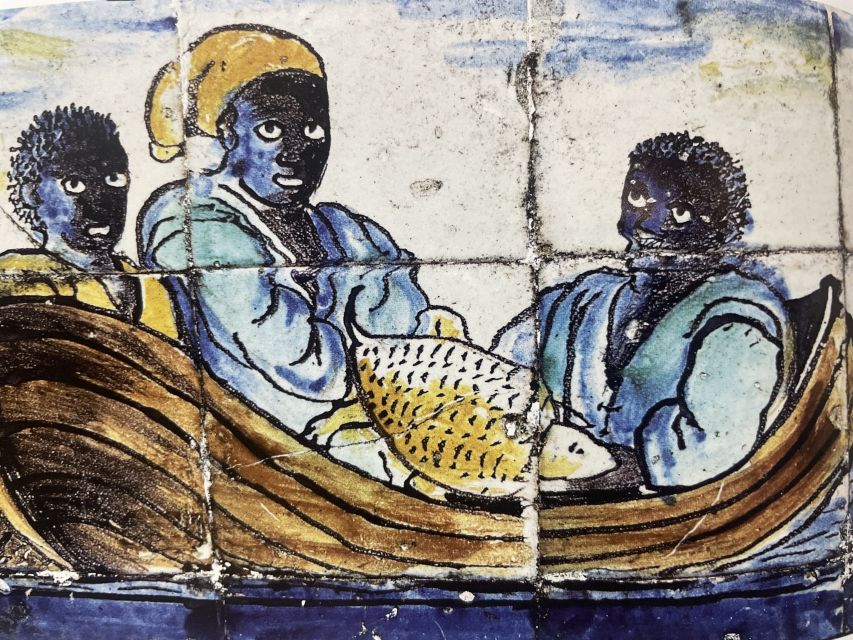
The route turns toward Rua Cor de Rosa, presented as a place where African women provided services. That’s a sensitive topic, and it’s also an important one if you want a complete picture of African presence in Lisbon—not only in official monuments, but in everyday life.
After that, you reach Rossio, one of Lisbon’s central, busy areas. Here the tour connects integration with the creation of colonies and community formation. The lesson is that integration didn’t happen only through high-level laws or sermons. It happened through neighborhoods, work, and constant contact.
You’ll likely appreciate how guides keep the city’s rhythm in view. Rossio isn’t just a stop—it’s a reminder that history is lived in the same places people still use today.
Church of S. Domingos: Catholic Integration and Human Achievement
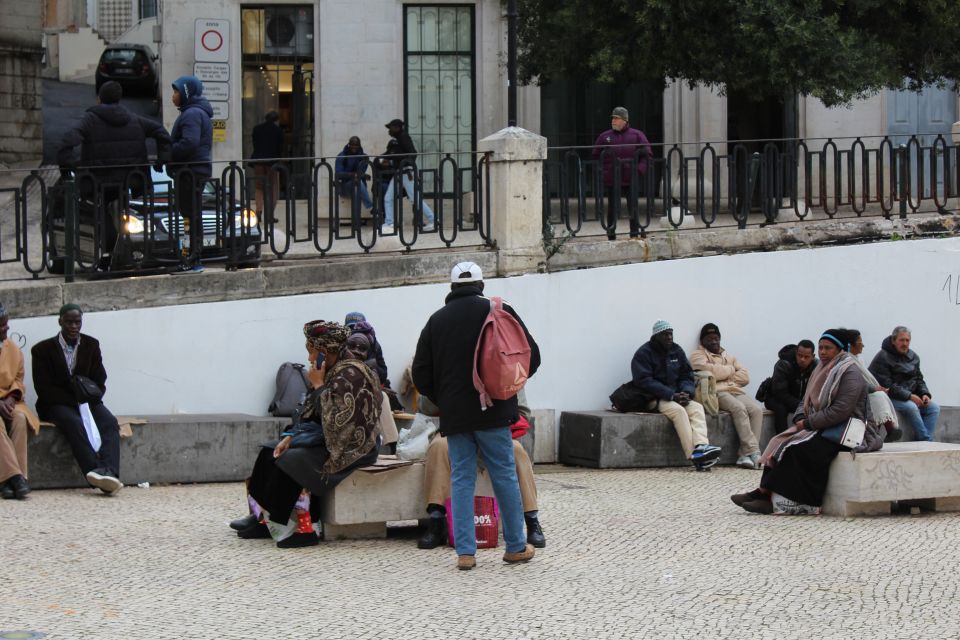
At Church of S. Domingos, the tour focuses on African integration in the Catholic religion and on achievements tied to that process. This is a different angle than slavery-focused stops, and that’s a good thing. It widens the story beyond the trauma.
I like that the tour keeps the discussion grounded in the physical setting of a church. Religious space isn’t just doctrine; it shapes community access, public belonging, and social identity. When the tour points you to how Africans were included—and where they achieved something inside that structure—it makes the history more balanced.
Just keep your mindset open here. This part isn’t about softening hard history. It’s about insisting the story includes how people adapted, survived, and built lives.
Rossio Train Station and the Berlin Conference Shadow
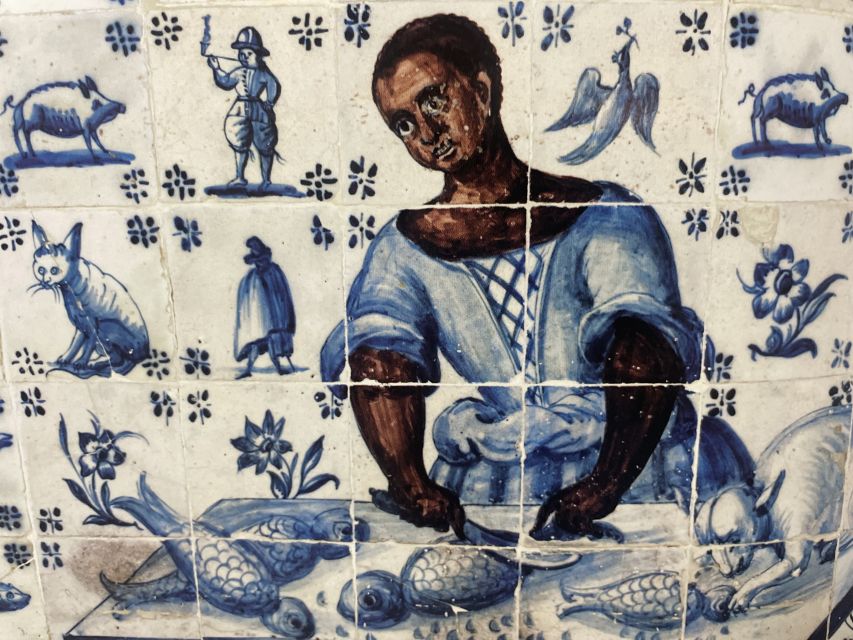
The tour closes with the Rossio train station, built during the 19th century with a Manueline architectural style. The explanation you’ll hear connects the station to Portugal’s “golden times” and to a wider European claim to status during the era when European powers divided Africa into colonies—referencing the Berlin Conference of 1884.
This ending choice works because it links architecture to ideology. A train station is a symbol of modernity and national ambition. When you understand the empire context behind that ambition, the building becomes more than pretty facades.
It also ties the timeline together. The tour started with Moors and early connections, moved through port and slavery, and ends by pointing at how later colonial thinking shaped Europe’s relationship with Africa. It’s a tidy arc, even when the content is hard.
Price and Value: Is $176 Fair for a 3.5-Hour Walk?
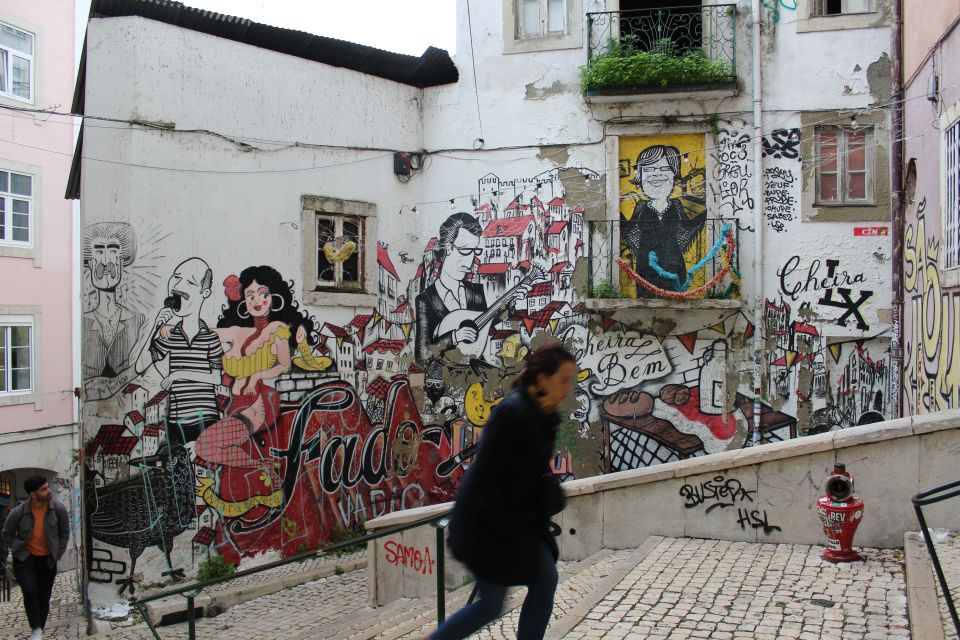
At $176 per person for 3.5 hours, this tour sits in the higher range for walking tours. So the key question is value.
Here’s what you’re getting:
- A live guide (English, Spanish, Portuguese)
- A walking route with named stops and explanations at each site
- A bottle of water included
What you’re not getting:
- No hotel pickup or drop-off
- No food and drinks included
For me, the value comes from how specific and place-based the storytelling is. You’re not paying for a generic overview of Lisbon. You’re paying for a route that uses fountains, squares, churches, and street names to explain African legacy and integration in Portugal.
Also, the guide quality seems to be a consistent strength. Guides like Jose, Al, Alcides, and Alfie are described as friendly and professional, with the ability to answer questions and keep the story tight. If you’re the type who likes your history with context and direction, that’s exactly what you want.
If you’re visiting with limited time, this kind of guided structure can also reduce the risk of missing the key places that explain the bigger story.
Practical Tips: What to Bring and How to Prepare
This walk is not about museum time. You’re on streets, which means you should plan like a local:
- Wear comfortable shoes for uphill sections.
- Bring sun protection or a light layer depending on the season.
- Since food and drinks aren’t included, have a snack plan before or after.
The tour does include a bottle of water, so you’re not starting from zero. And there’s at least one mention of a snack break in the experience flow, which suggests the pacing includes some breathing room—still, don’t assume a full meal.
Also, the meeting point is A Padaria Portuguesa. If you’re arriving from a different neighborhood, give yourself extra time to find it without stress.
Who This Tour Suits (and Who Might Prefer Something Else)
I think this is a strong match if you:
- Want Lisbon history that centers African heritage, not just peripheral references
- Enjoy walking tours when they come with context you can use later
- Prefer guides who answer questions and connect sites to meaning
It’s less ideal if you:
- Need an accessible route (it’s not suitable for mobility impairments)
- Want a light, casual stroll with minimal serious topics
The tone is serious, especially around the slave trade. If you prefer purely celebratory cultural tours, you’ll need to decide if you want this level of honesty.
Should You Book This Lisbon African Heritage Tour?
Book it if you want Lisbon to make sense beyond viewpoints and tiles. The tour’s biggest strength is its insistence on place-based storytelling: you’ll walk from Alfama to key squares and religious spaces and leave with a clearer sense of how African presence shaped Lisbon’s social world and linked to Atlantic history.
Skip it only if you can’t handle uphill walking or you want a very relaxed, low-emotion experience. Otherwise, this is the kind of tour that helps you read the city the moment you step outside the door.
FAQ
FAQ
How long is the Lisbon African History and Heritage Walking Tour?
It lasts 3.5 hours.
Where do I meet the guide?
Meet your guide at A Padaria Portuguesa.
What’s included in the price?
The price includes a bottle of water, a guide, and the walking tour.
What’s not included?
It does not include hotel pickup and drop-off, and it does not include food and drinks.
What languages are the live guides available in?
The live tour guide is available in English, Spanish, and Portuguese.
Is this tour suitable for people with mobility impairments?
No. It is listed as not suitable for people with mobility impairments.
What is the cancellation policy?
You can cancel up to 24 hours in advance for a full refund.