REVIEW · LISBON
Lisbon: Lisbon Cathedral Entry Ticket
Book on GetYourGuide →Operated by Sé de Lisboa and Torre da Igreja · Bookable on GetYourGuide
800 years, one ticket, big views. Lisbon Cathedral (Sé de Lisboa) feels like a time machine you can walk through at your own pace, with layers of faith and architecture stacked from different eras. I love the mix of sacred spaces and practical sightseeing stops in one visit, and you’ll quickly see why the church is tied to stories like Saint Anthony growing here and the relics of Saint Vincent.
I especially like the views from the Upper Choir and balcony, where you look down the central nave and then out over Lisbon. I also really value the Treasury of the Patriarchal Sé, because it’s not just dusty display cases—it covers objects made for real worship, including goldsmithing, clothing, sculpture, and painting. One consideration: the visit isn’t suitable for wheelchair users.
In This Review
- 5 things I’d prioritize at Sé de Lisboa
- Sé de Lisboa: why Lisbon’s cathedral is worth your time
- What’s actually included with your entry ticket
- Upper Choir + balcony views: the moment you’ll remember
- Treasury of the Patriarchal Sé: not just art, but objects with a job
- Walking route inside: naves, ambulatory, and chapels
- How to plan your visit (so you don’t feel rushed)
- Value check: why $8 feels fair for what you get
- Who should book this entry ticket
- Should you book the Lisbon Cathedral entry ticket?
5 things I’d prioritize at Sé de Lisboa
- Upper Choir + Balcony: go up early for the best light and calm.
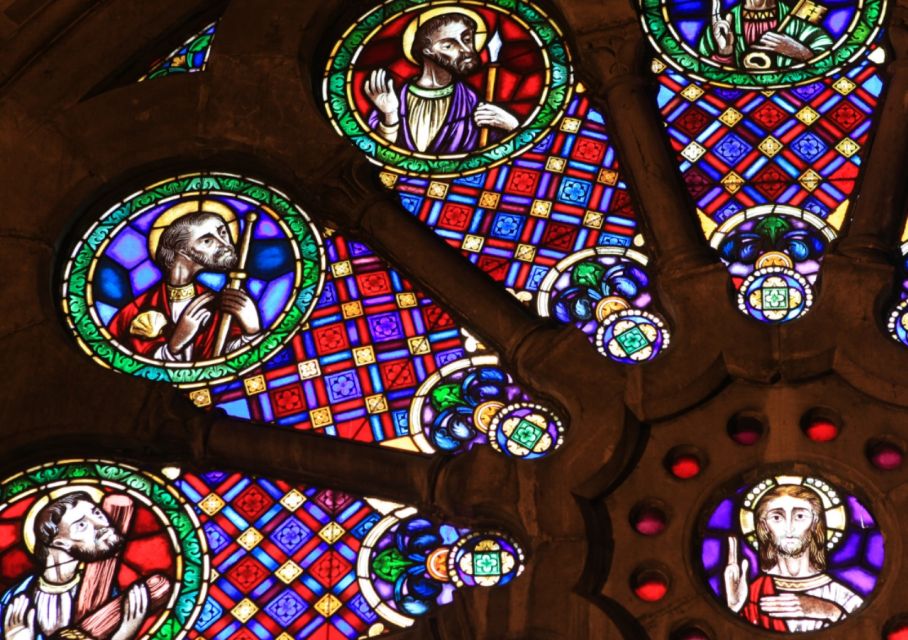
- 1952 High Choir structure: concrete beams, Romanesque rosace, and two towers in view.
- Treasury of the Patriarchal Sé: goldwork, sacred clothing, and art objects with a living purpose.
- Architectural variety: you’ll move through spaces that feel Romanesque, Gothic, and beyond.
- Timing matters: last admission is 30 minutes before closing, and you don’t want to rush those views.
Sé de Lisboa: why Lisbon’s cathedral is worth your time
The Lisbon Cathedral isn’t famous because it’s flashy from a distance. It’s famous because it has been doing its job for centuries—spiritual center, civic landmark, and a place where Portuguese history left its fingerprints.
Your entry takes you through the most important parts of the cathedral, so you’re not just looking at walls. You walk through major church zones, from higher areas like the choir to the central nave and on toward the deambulatory with radiating chapels. That “route through the building” matters because you start to understand how the cathedral functions: where the focus sits, how people would gather, and how the space shapes sound, light, and movement.
And yes, the stories attached to this site are part of the draw. The cathedral is connected with Saint Anthony’s time here and it keeps relics of Saint Vincent. Even if you’re not following every religious detail, those connections make the building feel more human and less like a museum prop.
You can also read our reviews of more tours and experiences in Lisbon



What’s actually included with your entry ticket
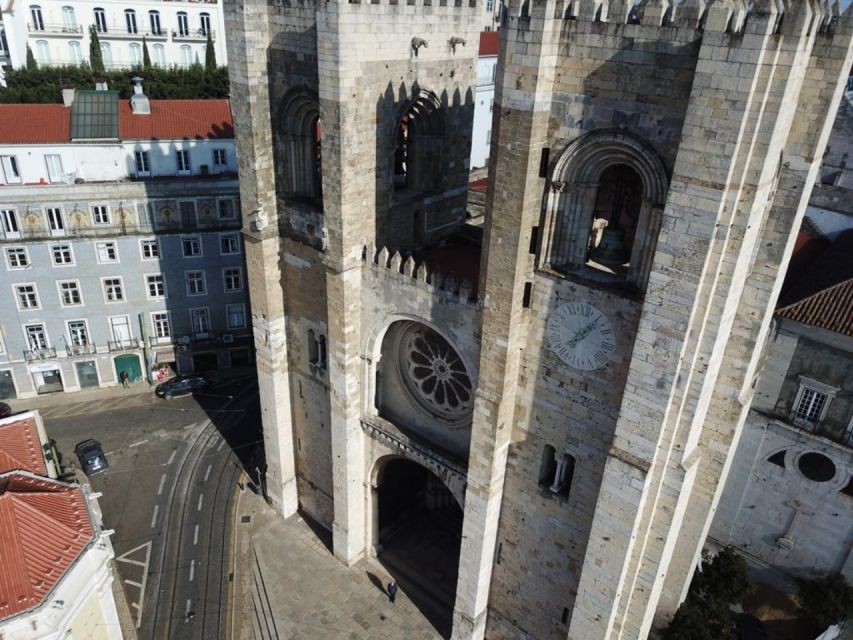
This ticket is good value because it covers several distinct experiences inside one stop:
- Upper Choir and Balcony (the main viewpoint option)
- Treasury visit (Treasury of the Patriarchal Sé)
- Tour of the basilica’s naves and ambulatory (the core church walk-through)
The cathedral spaces themselves can feel endless in the best way. You’ll go from the central nave to the chancel area, then you’ll move through the deambulatory and its radiating chapels—this is where the building starts telling its architectural story. Depending on what’s accessible during your visit, you may also encounter spaces like the baptistry or the Patriarch’s dressing room as part of the cathedral tour.
What you should not expect: a major shopping stop. Merchandising isn’t included, so don’t build your plan around browsing.
Upper Choir + balcony views: the moment you’ll remember
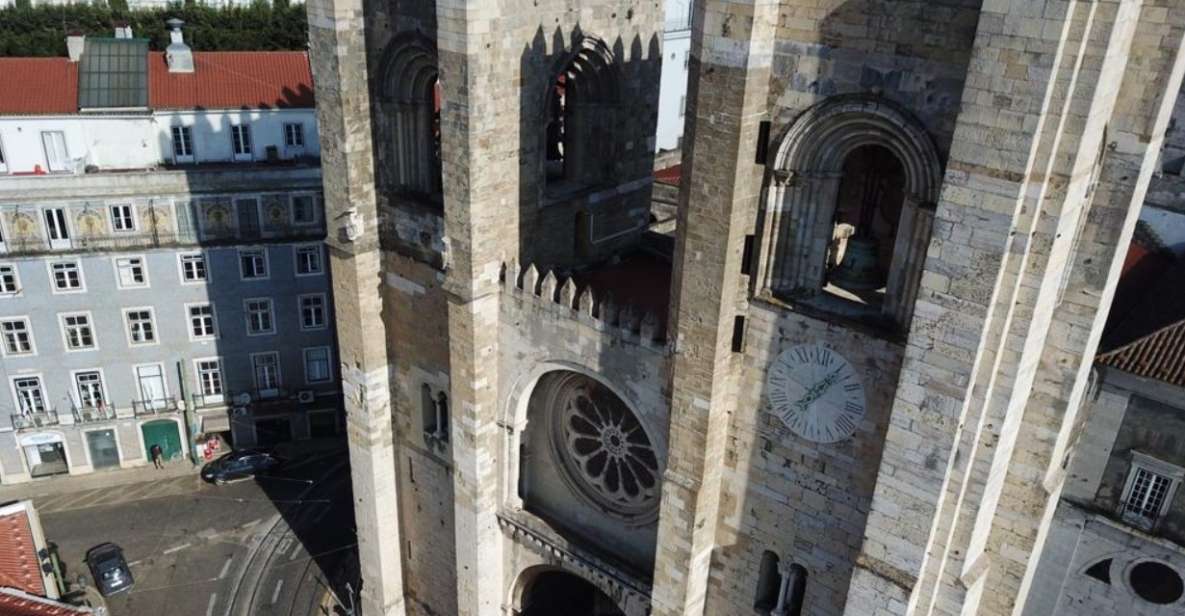
If you only do one thing inside the cathedral, make it the Upper Choir and balcony. This is where Sé de Lisboa stops being just “old church” and turns into a viewpoint with scale.
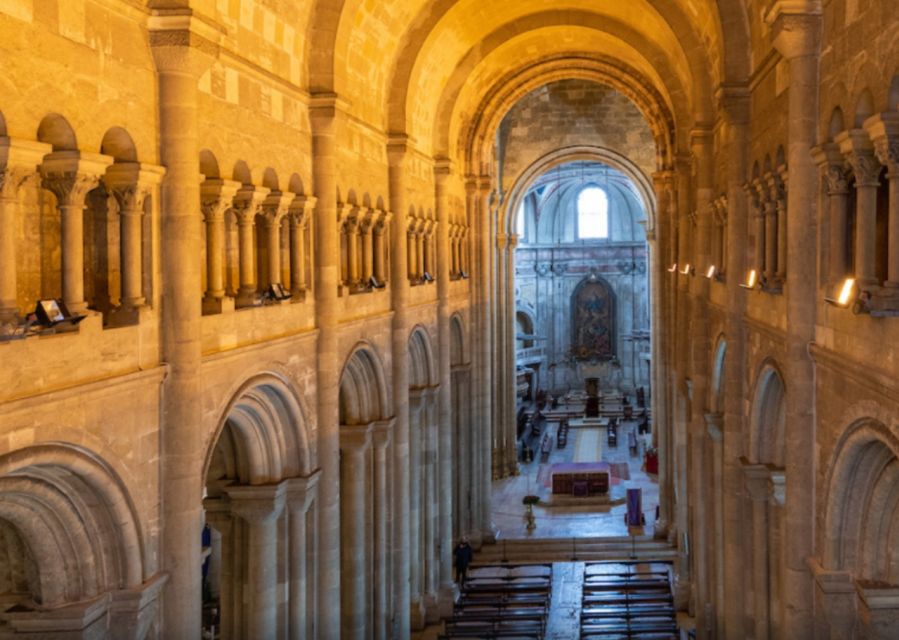
From the High Choir, you get an impressive line of sight: a perspective from above that runs through the entire central nave toward the chancel. It’s a cool feeling, like you’re looking at the cathedral’s body from the spine up. The High Choir was built in 1952 and supported by concrete beams, which makes the whole area feel like a chapter added in the modern era rather than something preserved in amber.
Then there’s the rosace. You can observe the large Romanesque rose window on a façade that sits between two imposing towers. The visual payoff comes from the angle: from the Upper Choir, the rosace isn’t just an object on the wall—it becomes part of a wider composition that frames the cathedral.
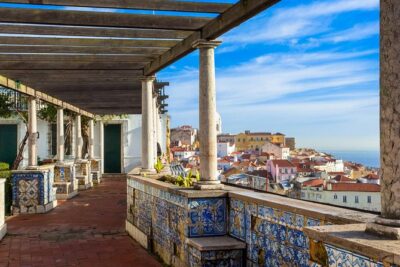
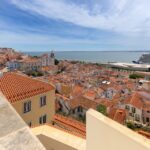
Behind the rosace you’ll also find the balcony area with an incredible view over Lisbon. It’s the kind of lookout that changes your mental map of the city. From street level, Lisbon can feel like hills and rooftops in every direction. From up here, you understand how the cathedral sits inside the bigger picture.
Practical tip: go up earlier rather than later. Even if you’re not chasing sunshine, you want time to look slowly and not sprint. The ticket’s last admission rule (30 minutes before closing) is unforgiving.
Treasury of the Patriarchal Sé: not just art, but objects with a job
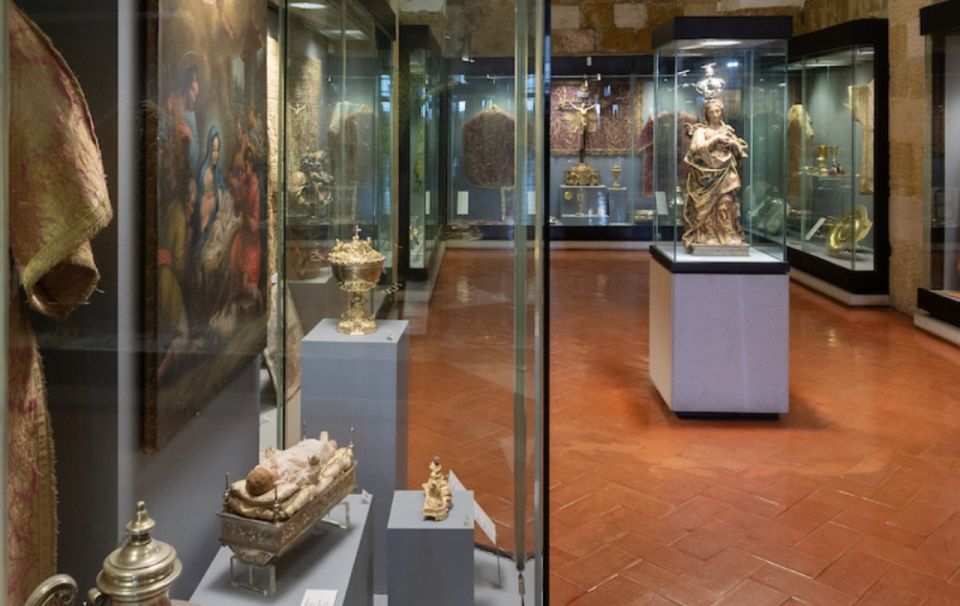
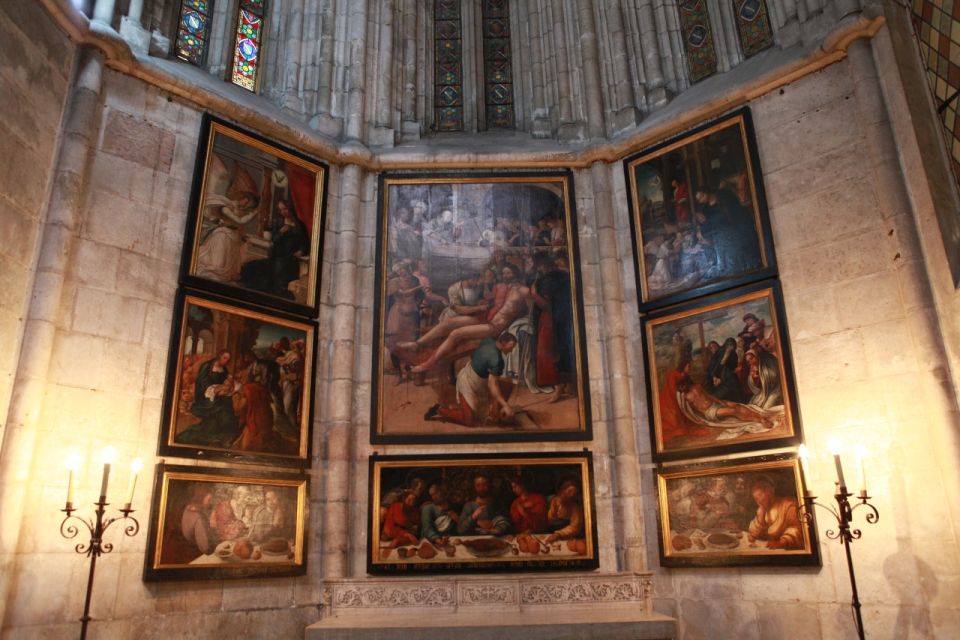
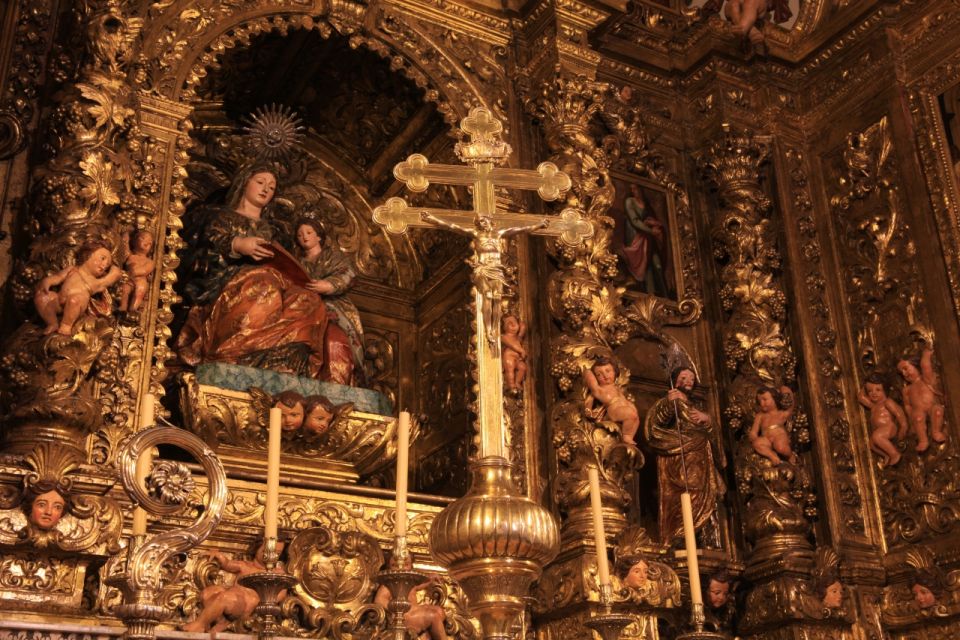
The Treasury is one of the main reasons this entry ticket feels more satisfying than a quick stop. The treasury is described as more than a storage room for religious works of art from the past. The point is testimony of faith—objects connected to worship practices.
Here’s what you’ll get a sense of:
- Goldsmithing (metalwork meant to catch light in candlelit spaces)
- Sacred clothing (garments designed for liturgy, not fashion)
- Sculpture and painting (the visual language of devotion)
What makes this section feel practical is the way it connects objects to living use. Some pieces still remain in use during liturgical celebrations in the cathedral. That detail shifts your mindset: you’re not only reading history; you’re seeing that religion here isn’t frozen. It’s part of an ongoing routine.
You’ll also notice how the treasury fits with the rest of the cathedral visit. After you’ve seen the architecture—naves, ambulatory, chapels—then the treasury adds context: the building wasn’t only built to look impressive. It was built to house and display objects used in ceremony.
Walking route inside: naves, ambulatory, and chapels
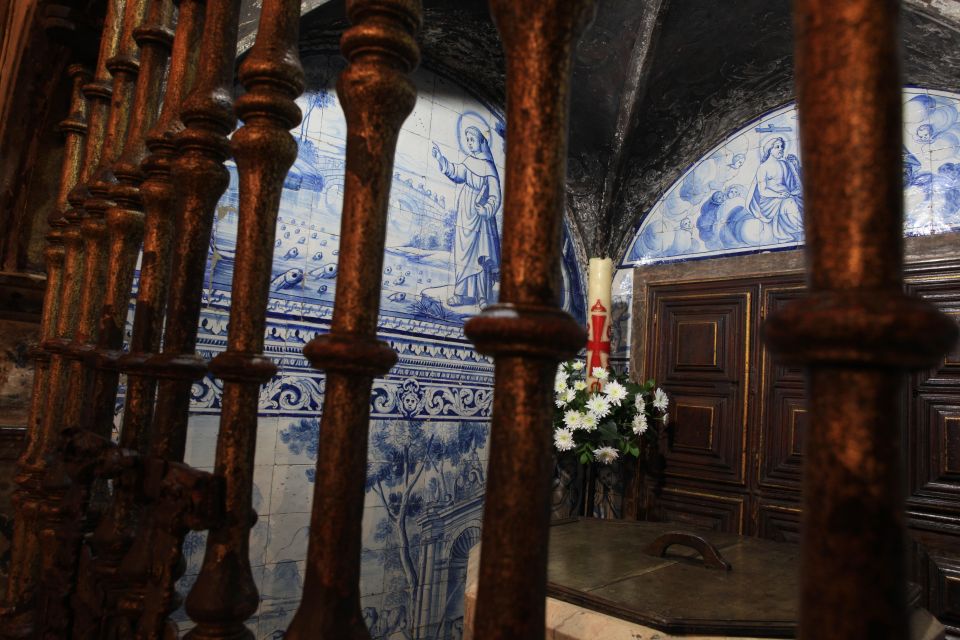
The cathedral tour portion is where you get the architectural rhythm. The central nave is the big spine, the part that visually pulls you forward. Then you move toward the deambulatory, and you start encountering radiant chapels that branch out like quiet side stops.
This is a good time to slow down. Church spaces can be easy to rush because you assume you’ll see the highlights quickly. But Sé de Lisboa rewards patience: you’ll catch different architectural styles as you walk, and the building begins to feel like multiple eras in one shell rather than a single uniform “look.”
If you enjoy acoustics, you’ll appreciate the cathedral’s atmosphere. Even outside formal performances, church acoustics can create a special kind of stillness. On days when there’s live singing, the space can sound powerful and clear, since the main sanctuary carries voices well.



How to plan your visit (so you don’t feel rushed)
This ticket is valid for one day, but you still need to pay attention to timing. The most important rule: last admission is 30 minutes before closing. That means you should aim to start earlier than you think, especially if you want to climb, look at the rosace, and then spend time with the treasury.
Also, this isn’t described as a true skip-the-line pass. In practice, you should expect a short process on site: you may collect or confirm your ticket using the QR code at the cathedral, then enter through the normal access points. Plan a bit of buffer time so you’re not stuck waiting while everyone else is already enjoying the views.
Language-wise, don’t assume you’ll be guided by English signage. Some information signs are in Portuguese, and the audio guide you can access is described as extremely limited. You don’t need perfect language skills to enjoy the architecture and the treasury, but if you want deeper explanations, bring curiosity and be ready to read what’s available.
One more practical note: the site isn’t suitable for wheelchair users. If mobility is an issue, you’ll need to plan carefully around stairs and the upper levels.
Value check: why $8 feels fair for what you get
At about $8 per person, this ticket is a strong value if your goal is more than a photo-op. You’re paying for:
- entry to the Upper Choir and Balcony viewpoint
- access to the Treasury
- the core walk through naves and the ambulatory
Many paid cathedral visits are either a quick highlight tour or a museum ticket with one main room. Here, the money buys multiple “modes” of experience: viewpoint, object-focused interior history, and a full architectural walk.
The best part is how the stops connect. You see the cathedral from inside the body (naves and chapels), then you see the ceremonial “items” that help give the building meaning (treasury), then you come back to the present with the skyline view from above.
If you’re short on time in Lisbon but want something genuinely worth your feet, this is one of the more efficient choices.
Who should book this entry ticket
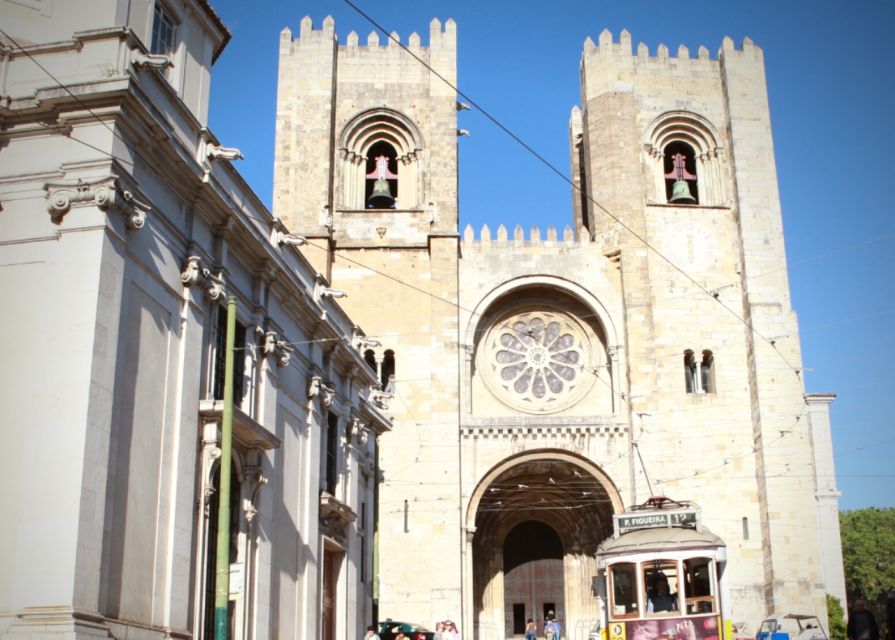
Book this if:
- you want a serious Lisbon landmark without committing to a multi-stop tour
- you like church architecture and viewpoints
- you’re curious about how sacred objects connect to real worship practice
Skip or rethink this ticket if:
- wheelchair access is required
- you only want outside sightseeing and minimal stair climbing
- you rely heavily on English audio or English signage for context
Should you book the Lisbon Cathedral entry ticket?
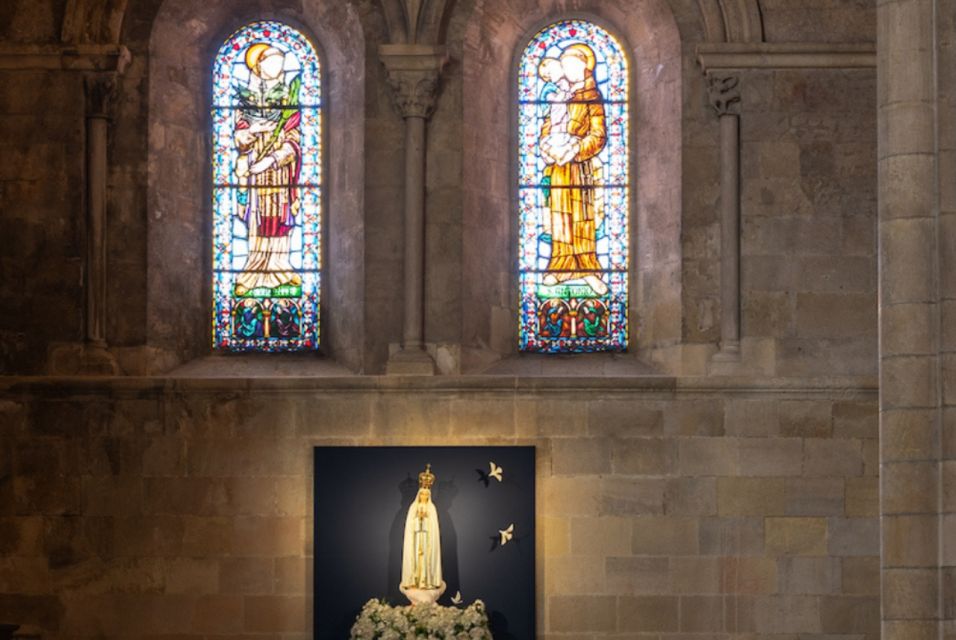
Yes, I’d book it if you can do it within the opening hours and you care about seeing the cathedral from both inside and above. The Upper Choir and balcony are the payoff for most people, and the Treasury makes the ticket feel more substantial than a quick walk-through.
If you tend to rush, plan for a slower pace anyway. This is the kind of place where the best moments happen when you stop trying to “check boxes” and let the architecture guide you.