REVIEW · PASTEL DE NATA BAKING CLASSES
Lisbon: Pastel de Nata Masterclass at a Real Bakery
Book on GetYourGuide →Operated by Nat'elier · Bookable on GetYourGuide
Custard tart magic happens in a real bakery. This masterclass is about making Portuguese Pastel de Nata from scratch inside a working kitchen, not just watching from the sidelines. You’ll also walk away with at least 3 tarts you baked by hand, plus a hot or cold drink to finish.
I like that the class keeps things practical: you’re introduced to the story of Pastel de Nata, then you get geared up and put your hands on dough, custard, and a professional oven. I’ve found that this kind of small, hands-on format makes the whole experience feel doable, even if you’ve never baked anything before.
One thing to consider: the instructions are in English or Portuguese, and when communication gets rushed (or if you’re the only non-native speaker in the room), it can slightly limit how much you catch in real time.
In This Review
- Key things to know before you go
- Why baking Pastel de Nata inside Nat’elier is the point
- Finding Nat’elier near Baixa-Chiado (and what to expect on arrival)
- The warm-up: history of Pastel de Nata before hands-on baking
- Puff pastry from zero: lamination you can actually understand
- Custard technique: the filling is where the magic lives
- Baking in a pro oven: what you need for the right finish
- Tasting with a barista drink (and taking more than pastries home)
- Group size, pace, and how to get the most out of 2 hours
- Who this class is for (and who might prefer something else)
- Price and value: is $74 for Pastel de Nata fair?
- Should you book the Nat’elier Pastel de Nata Masterclass?
- FAQ
- Where do I meet for the Pastel de Nata masterclass?
- How long is the class?
- How much does it cost?
- Do I need prior cooking or baking experience?
- What will I make during the class?
- What is included in the price?
- Is the class family-friendly?
- What languages are used during the masterclass?
- Is it accessible for people with mobility impairments?
Key things to know before you go
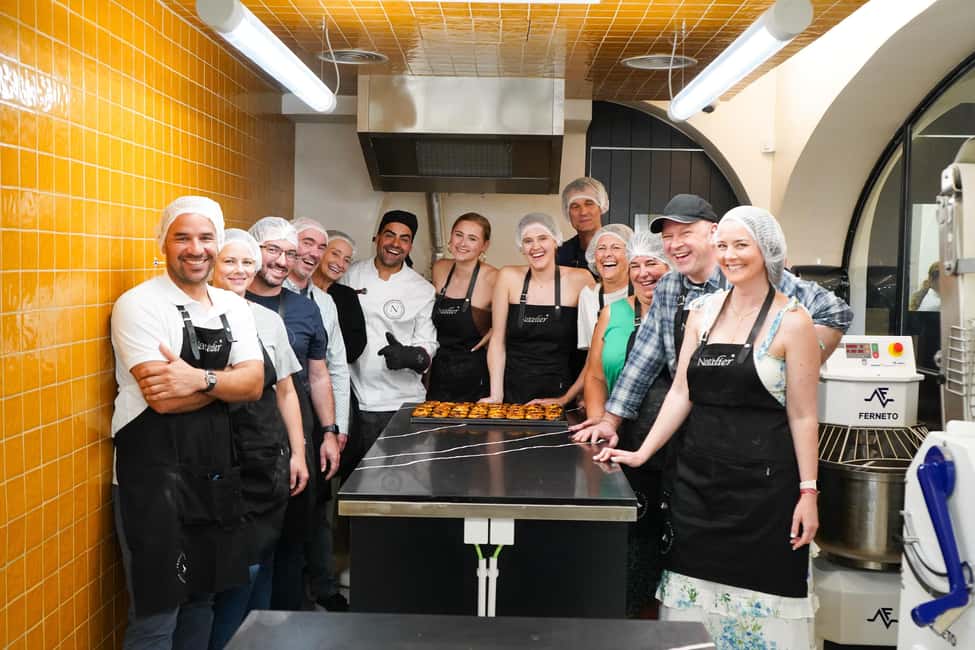
- Real bakery kitchen: you’ll work where the pros actually bake.
- Pastéis de Nata by hand: you make at least 3 tarts, not just one.
- Puff pastry from scratch: lamination and technique are part of the lesson.
- Professional oven baking: custard goes in, then it hits the heat like it should.
- Chef-taught with small groups: max 12 participants keeps the pace friendly.
- Finish with a tasting + barista drink: warm tarts, your choice of beverage.
Why baking Pastel de Nata inside Nat’elier is the point
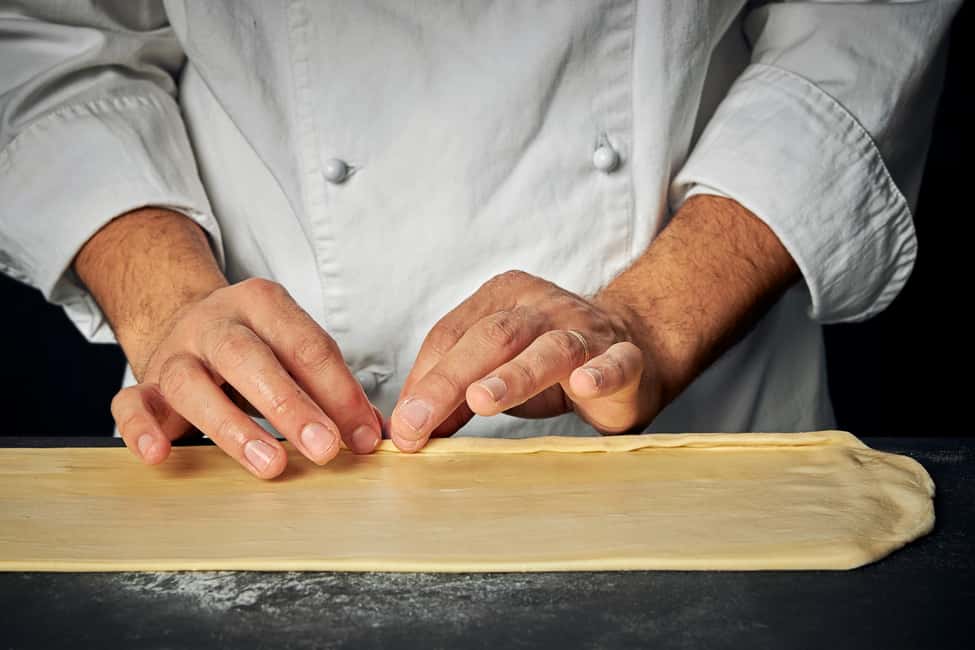
Lisbon has no shortage of Pastel de Nata. The trick is finding a class that teaches the why, not just the how. At Nat’elier, you’re learning in a real bakery setup, with a professional pastry workflow and the kind of equipment you can’t replicate at home without some serious upgrades.
I also like how the experience treats Pastel de Nata like a craft. You’re not only mixing custard; you learn dough technique (including puff pastry and lamination), then you apply a specific method for spreading and filling. That combination is what helps you understand what makes a great tart taste like a great tart.
Finally, the class is built around teamwork. Groups are small (max 12), so you get coaching without waiting around forever. It’s a fun group vibe, and it’s also serious enough that you’ll feel like you learned something you can repeat.
You can also read our reviews of more tours and experiences in Lisbon.



Finding Nat’elier near Baixa-Chiado (and what to expect on arrival)
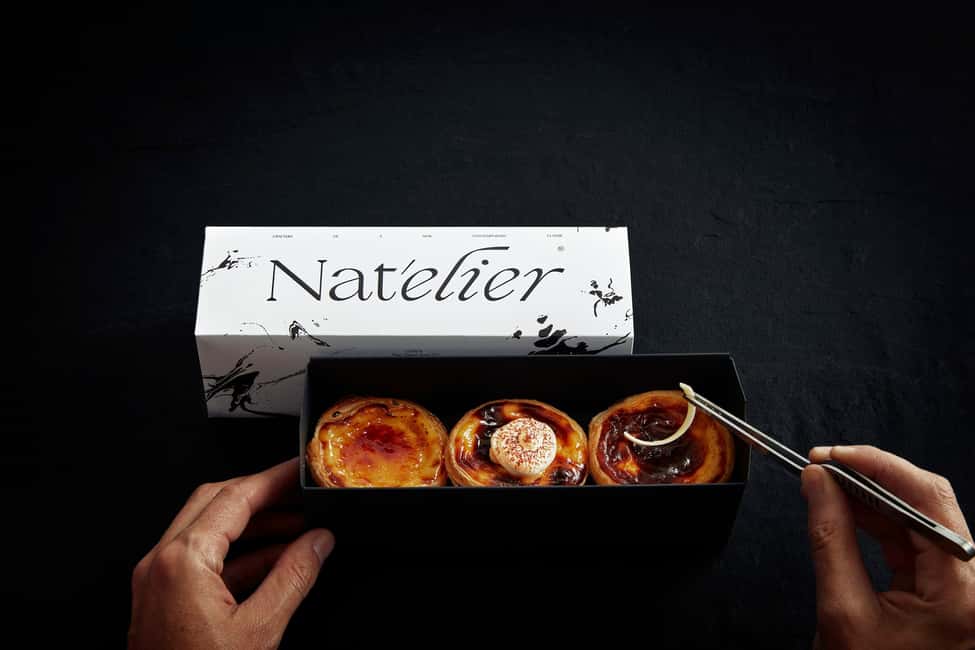
Your meeting point is at the pastry store Nat’elier, located outside the metro station of Baixa-Chiado on the blue line. Plan to arrive a little early so you can check in smoothly—this is one of those experiences where missing the first instructions can throw off your timing.
When you get there, staff will direct you to the masterclass. You’ll start with an introduction and then head into the pro kitchen, where you’ll be given what you need to work comfortably (aprons and hair nets are included).
You can also expect the class to run exactly like a workshop. Things move from explanation to action, and you’ll switch tasks as the dough and custard need attention. It’s not a long lecture. It’s more hands, less sitting.
The warm-up: history of Pastel de Nata before hands-on baking
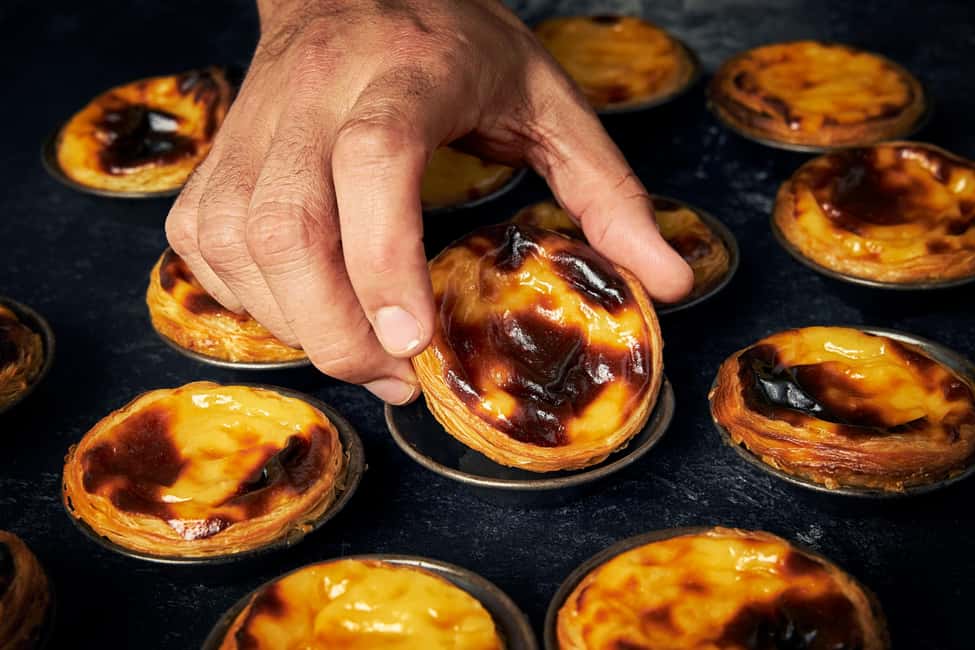
The session begins with an overview of Pastel de Nata—where it comes from and how it became a Lisbon icon. You don’t need to be a food historian to enjoy this part, but it gives context for what you’re about to make.
Then the pace turns practical. You’ll gear up and get ready to move into the kitchen area where the real work happens. This is where the experience earns its name masterclass: you’re shown what to do and you’re expected to do it.
A nice detail is that the chefs don’t just run the room. Several named pastry professionals may teach the class, including João Batalha (co-founder of Nat’elier) and other experienced in-house chefs such as Silvia Sousa or Adriano Cardoso. Even when the instructor changes by date, the method stays consistent: learn the technique, then execute it.
Puff pastry from zero: lamination you can actually understand
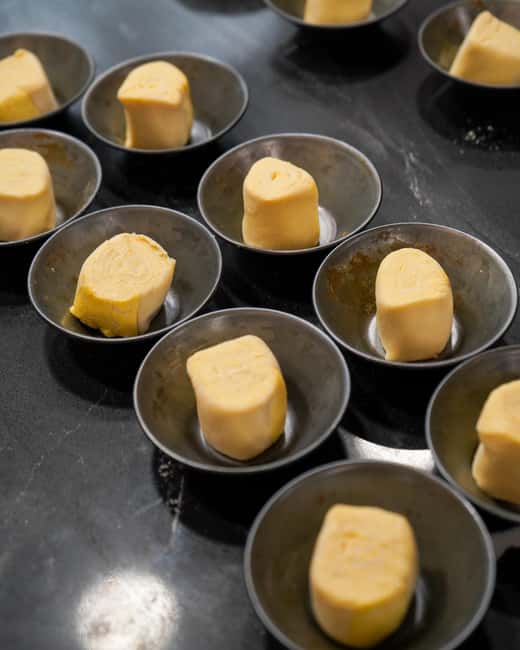
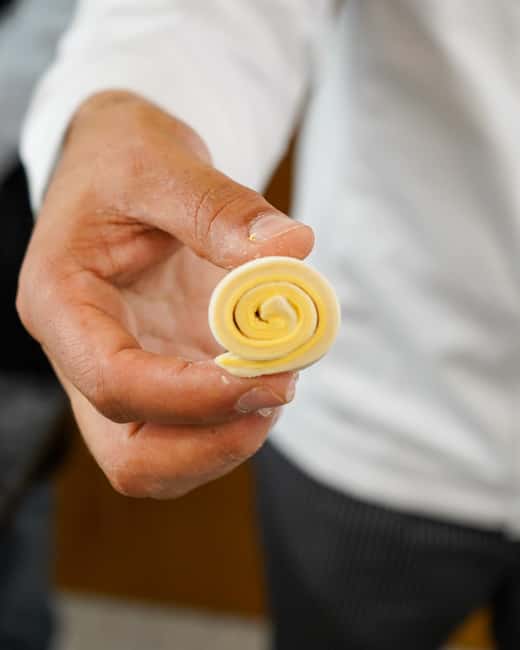
Pastel de Nata starts with dough that matters. Here, you’re not relying on shortcuts like store-bought puff pastry. You’ll learn how to make puff pastry from scratch, including the lamination steps that create that crisp, layered texture.
In a short class, lamination can sound intimidating. But the way it’s taught helps. You work as a team, and the coaching is there so you understand what each stage is for. The goal isn’t perfection on your first try; the goal is learning the logic behind the layers and how they affect the final bake.
This part is also why the class feels valuable. If you only eat Pastel de Nata, you taste the result. If you learn the dough process, you start to taste the technique the next time you make it—or even when you compare pastries later.
Custard technique: the filling is where the magic lives
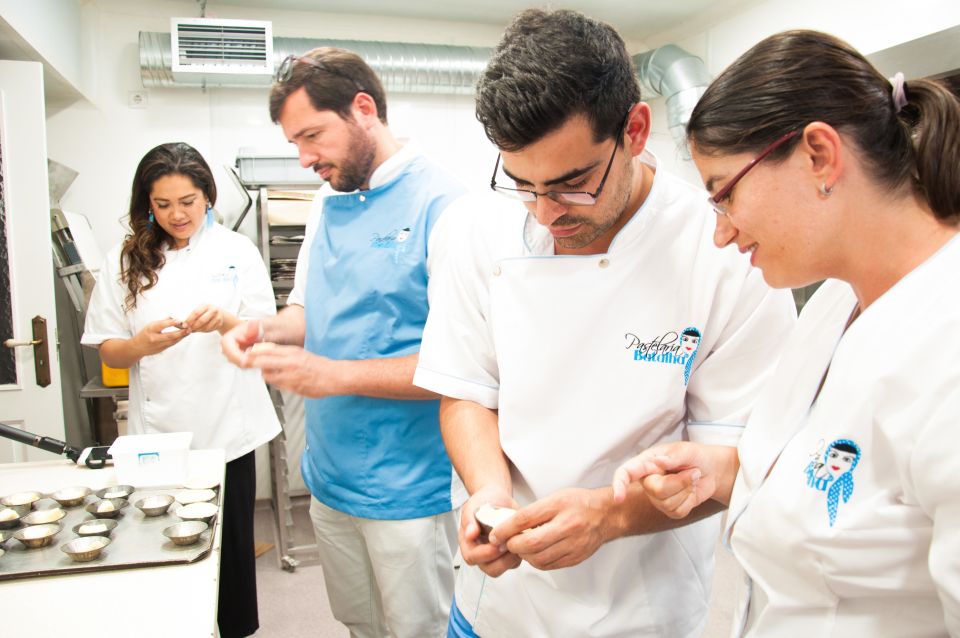
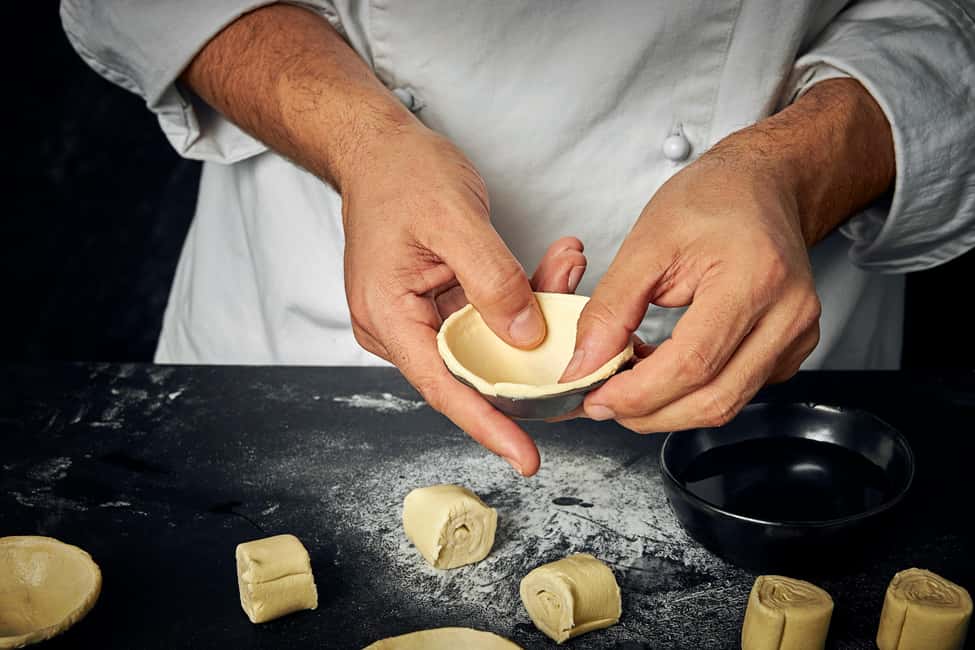
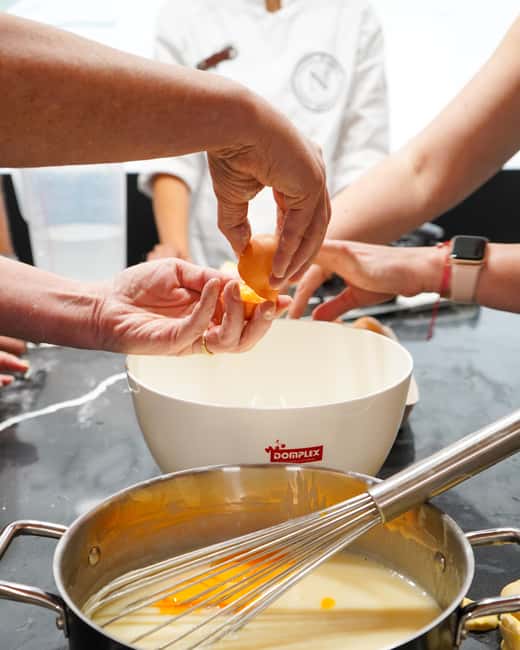
Once the dough work is underway, the lesson shifts to the custard. You’ll learn how to make the egg-based filling, then you’ll fill the tart shells using the technique the chef teaches.
The class structure is designed so you’re not just waiting for someone else to do the important bits. Everyone works together, and each person makes at least 3 tarts by hand. That includes tasks like spreading the dough with the Pastel de Nata method, filling with custard, and following the workflow that keeps everything moving toward the oven.
This is one of the most enjoyable parts for beginners. You’re building confidence quickly because you can see the transformation right in front of you. Dough becomes tart shape. Custard becomes that signature glossy filling. Then it’s ready for heat.

Baking in a pro oven: what you need for the right finish
After you shape the tarts and fill them, everything goes into the oven. This is where Lisbon’s Pastel de Nata identity shows up: high heat and timing turn your careful work into the crisp top and creamy center people chase.
Because it’s baked in a professional oven, you’re experiencing more than just a recipe. You’re getting the conditions that make the crust set properly and the custard bake into its texture. At home, your oven might not match, but you’ll understand what to adjust because you’ve seen how it behaves here.
When the tarts come out, they’re served warm. That matters, because the crust and custard are at their best right away. You won’t just get a finished product; you’ll get the moment when it tastes like it should.
Tasting with a barista drink (and taking more than pastries home)
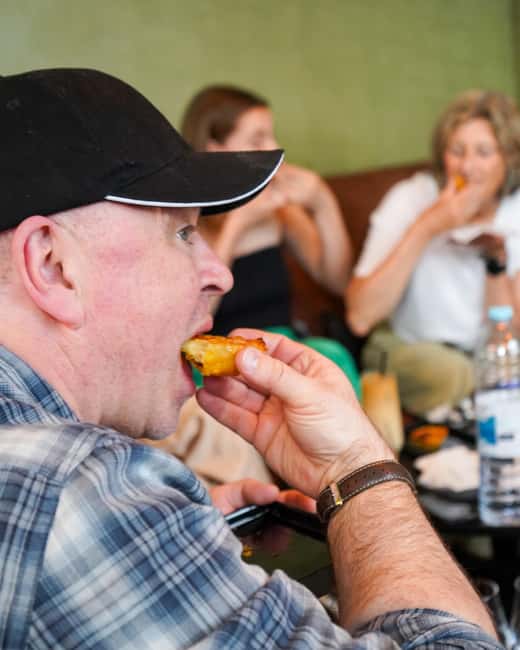
The class ends with a shared tasting of the warm tarts. You also get a barista-crafted hot or cold beverage of your choice (alcohol, milkshakes, and hot chocolate are excluded). It’s a simple pairing, but it makes sense—espresso-style drinks are a natural match for the egg custard sweetness.
You’ll also receive a certificate of participation, which is included. Plus, based on what you may receive after class, you can get a recipe by email so you can try recreating your version later.
And yes, you’ll probably talk about your tarts on the way out. The whole setup encourages that. It’s fun, hands-on, and social without turning into chaos.
Group size, pace, and how to get the most out of 2 hours
This masterclass runs about 2 hours. The schedule changes by day, so check starting times when you reserve. The format is built around action, so if you like structured, step-by-step teaching, you’ll likely enjoy it.
Group size is max 12 participants, which is a sweet spot. Big enough to have a lively vibe. Small enough that you don’t feel lost. Some steps are team-based, so you might not do every micro-step completely alone. But you still get meaningful hands-on practice—especially because you make at least 3 tarts yourself.
Language can affect the experience. The class is taught in English and Portuguese. If your comfort level in Portuguese is low (or if your group dynamics favor one language), you may catch less detail in the moment. Still, the process is visual and practical, so you’ll usually keep up.
Who this class is for (and who might prefer something else)
I’d steer you toward this class if you want more than a food stop in Lisbon. If you enjoy learning by doing—measuring, shaping, filling, baking—this is a strong choice. It’s also beginner-friendly: no previous cooking experience is required.
It can work well for:
- Couples who want an activity that feels special without being stressful
- Solo travelers who want a built-in conversation group
- Families with kids +8 years old, since the class welcomes adults and kids together
If you’re traveling with younger children, a private experience may be better. And if anyone in your group has mobility impairments, this one is not suitable, based on the activity info provided.
Price and value: is $74 for Pastel de Nata fair?
At $74 per person for a roughly 2-hour workshop, you’re paying for more than the pastries. You’re paying for:
- Instruction by a professional pastry chef
- Access to a real bakery kitchen setup and equipment
- Ingredients and the tools of the trade (including aprons and hair nets)
- The finished outcome (you make and take part in tasting at least 3 tarts)
- A beverage included, plus a certificate
- A skill you can carry home, not just a snack
If you compare it to buying pastries alone, the cost looks higher on paper. But this isn’t really a purchase—it’s training. You’re getting technique, workflow, and timing. And because you make multiple tarts, you leave with proof you can do it.
For value-minded travelers, the small group size matters. When max 12 people share chef attention and equipment time, $74 starts to look more like a workshop rate than a tourist gimmick.
Should you book the Nat’elier Pastel de Nata Masterclass?
Book it if you want an authentic Lisbon food experience that goes beyond eating. This is one of the rare chances to learn Pastel de Nata inside a functioning bakery, with a chef-led process that includes both puff pastry work and custard filling. You’ll walk away with tangible results—tarts you baked yourself—plus a clear recipe route to try again at home.
Skip it (or choose a different format) if you strongly prefer self-guided sightseeing or if language might be a major barrier for your group. Also keep in mind it’s not suitable for mobility impairments.
If you’re the type who likes to come home with a skill and not just a photo, this class is a very solid use of a couple of hours in Lisbon.
FAQ
Where do I meet for the Pastel de Nata masterclass?
Meet at the pastry store Nat’elier. It’s outside the metro station of Baixa-Chiado on the blue line.
How long is the class?
The masterclass lasts about 2 hours.
How much does it cost?
The price is $74 per person.
Do I need prior cooking or baking experience?
No. Previous cooking experience is not required.
What will I make during the class?
You’ll work hands-on to make Portuguese custard tarts, and you will make at least 3 Pastéis de Nata by hand.
What is included in the price?
Included are 3 Pastéis de Nata, a barista-crafted hot or cold beverage (excluding alcohol, milkshakes, and hot chocolate), a certificate of participation, ingredients, baking equipment, aprons and hair nets, and water.
Is the class family-friendly?
Yes. Adults and kids 8 years old and up are welcome. For younger kids, the experience suggests booking a private class.
What languages are used during the masterclass?
The class is taught in English and Portuguese.
Is it accessible for people with mobility impairments?
No. It’s not suitable for people with mobility impairments.