
REVIEW · ALFAMA & OLD TOWN TOURS
Alfama Walking Tour Lisbon
Book on Viator →Operated by Discover Lisbon · Bookable on Viator
That hill climb is the whole point. This Alfama Walking Tour Lisbon packs Rossio-to-cathedral streets, viewpoints like Portas do Sol, and strong guide-led history into a very short day plan for a laugh-small price. I especially love the pacing: you get multiple stops without feeling rushed, and you also get time to look, not just listen. Another thing I like is how the tour mixes big-picture Lisbon stories—earthquake and destruction included—with places you can actually point at right away.
One possible drawback: you are walking uphill in real heat and sun, so bring sunscreen and a hat and expect the pace to feel more like a hike than a stroller stroll.
In This Review
- Key highlights worth showing up for
- From Rossio to the Cathedral: what 2.5 hours in Alfama really feels like
- Praça Dom Pedro IV and the Portas do Sol viewpoint moment
- Teatro Nacional Dona Maria II: Lisbon’s theatre without the ticket line
- Inside Igreja de S Domingos: history you can see with your own eyes
- São Jorge Castle: a quick stop on a hill that explains the whole area
- The stories that tie it together: earthquakes, rebuilding, and street-level meaning
- Small extras you may get: water breaks, pastel, and ginjinha add-ons
- Price and value: paying almost nothing for real direction
- Who should book this Alfama Walking Tour (and who might skip it)
- Timing, meeting spot, and how to finish your day near Lisbon Cathedral
- Should you book the Alfama Walking Tour Lisbon?
- FAQ
- How long is the Alfama Walking Tour Lisbon?
- Where does the tour start and end?
- Is the tour offered in English?
- How much does the tour cost?
- What’s included in the tour price?
- What is not included?
- Do I need a printed ticket?
- What if the weather is bad?
- Is the tour easy to join for most people?
- Can I cancel and get a refund?
Key highlights worth showing up for
- Expert local guides who make Lisbon history feel personal and easy to follow
- Miradouro Portas do Sol as a high-payoff viewpoint stop on the way through Alfama
- Multiple religion-and-architecture stops with at least one inside visit (including Igreja de S Domingos)
- São Jorge Castle area tied to long-term occupation, from ancient times to the later fortifications
- Short, manageable segments with frequent chances to pause, ask questions, and reset
- Optional treats along the way, with alcoholic drinks not included in the ticket price
From Rossio to the Cathedral: what 2.5 hours in Alfama really feels like
This tour is built for a classic Lisbon day: start near Rossio, wander into Alfama, then work your way to the cathedral area. It runs about 2 hours 30 minutes, so it fits nicely between meals, museums, or a long dinner plan.
What makes it work is the stop structure. You get a handful of focused stops instead of a nonstop march. The timing is short enough that you stay fresh, but long enough that the guide can explain why each place matters.
The group size is capped at 100, which keeps things moving without turning into a stampede. And because it’s offered in English and uses a mobile ticket, it’s pretty straightforward to join without a lot of pre-planning stress.
You can also read our reviews of more walking tours in Lisbon


Praça Dom Pedro IV and the Portas do Sol viewpoint moment
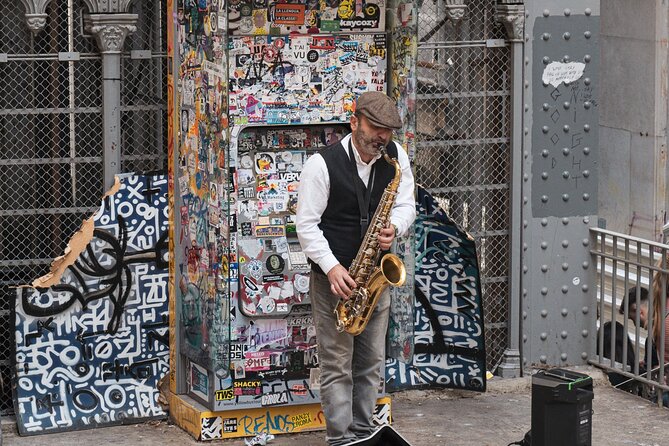
You begin at Praça Dom Pedro IV (Rossio). From there, the route shifts from the broad city feel into the tighter, hillier Alfama streets. This is one of those transitions you can actually feel under your feet: the city narrows, the views open, and you start seeing why Alfama looks the way it does.
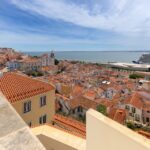
A key highlight is a stop at Miradouro Portas do Sol. This is where Lisbon delivers on the promise of those postcard angles. Expect a strong “okay, now I get it” moment—stone rooftops, the river direction, and the layered rooftops that make Lisbon feel like it’s stacked by design.
Why this viewpoint stop is valuable: it’s timed early enough to give you context. Once you’ve seen the city from above, the rest of the walk makes more sense, especially when the guide starts explaining how the city has survived major destruction and rebuilding over time.
Practical note: viewpoints can be breezy, but the walk to them can be hot and sun-heavy. Plan to reapply sunscreen and keep water handy even if you think you will be fine.
Teatro Nacional Dona Maria II: Lisbon’s theatre without the ticket line
You’ll also pass by Teatro Nacional Dona Maria II. The focus here is on understanding the famous theatre from the outside rather than going in. That makes sense for a short tour: you get cultural context without consuming the time and queues that can come with ticketed indoor visits.
From the outside, it’s easier to connect the theatre to the broader story the guide tells about Lisbon’s public spaces and how the city expresses itself. Even if you’ve never set foot inside, you’ll likely leave with clearer mental pictures of where performance culture lives in Lisbon’s center.
This stop is brief, so don’t treat it as a standalone activity. Treat it as a waypoint where the guide helps you look at familiar Lisbon landmarks with sharper eyes.
Inside Igreja de S Domingos: history you can see with your own eyes
One of the best “value for time” stops is Igreja de S Domingos, where you actually go inside. You get a chance to experience the atmosphere of the church rather than just admiring the exterior from the street.
This is the kind of stop that turns generic “old church” into something more specific. The guide typically connects details to the city’s turning points—how communities changed, how Lisbon rebuilt, and why certain places carry weight long after the original events.
If you like architecture and stories, this inside visit is your payoff. If you’re not a church person, you can still enjoy it by focusing on what you can observe fast: the feel of the interior, how light falls, and the way the guide frames what you’re looking at.
São Jorge Castle: a quick stop on a hill that explains the whole area
Then it’s up to Castelo de Sao Jorge area. The tour stop is short, but it’s positioned well because the walk naturally builds toward that hilltop feeling. You’re moving from Alfama streets toward a landmark that dominates Lisbon’s skyline.
The tour’s framing here matters. You get context on how human occupation on Castle Hill dates back to at least the 8th century BC, and how the first fortifications were built around the 1st century BC. Even if you don’t go deep into the castle itself, hearing that timeline while you’re on the hill gives you instant scale.
Why this works for most people: it’s not just castle trivia. It helps you understand Lisbon’s defensive geography and why these areas matter when the city faces major disruption. Pair that with the tour’s earthquake and destruction stories, and the hilltop setting becomes more than a photo spot.
Shoes matter on this part. If you’re doing Lisbon on flip-flops, you’ll feel it. Choose something with grip and plan to take the climb at a comfortable pace.




The stories that tie it together: earthquakes, rebuilding, and street-level meaning
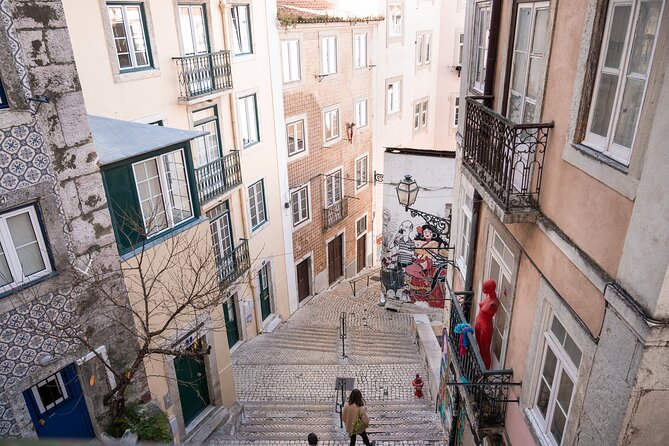
A standout part of this walking tour is that the guide doesn’t keep everything in the past tense. You’ll hear about the history of earthquake and destructions and how those events shaped Lisbon. It’s the kind of theme that makes Alfama feel like more than a maze of lanes.
What I like about a storytelling backbone like this is that it changes your experience of everyday details. A wall isn’t just old. A street isn’t just winding. It becomes part of an ongoing story of survival, rebuilding, and adaptation.
You’ll also notice how the guide’s style influences the pacing. Some guides are super fast. If you need slower, clearer delivery, you can still adapt by asking questions as you go—this kind of tour works better when you make it interactive.
Small extras you may get: water breaks, pastel, and ginjinha add-ons
This is not a wine-tour setup. Wine/ginjinha tasting is not included in what you pay. Still, the walk often creates natural moments for snacks and sips because Alfama is built for lingering.
From what’s been said about the experience, you can expect helpful breaks for water, and you may get opportunities to try Lisbon classics like pastel de nata. Ginjinha and ginja-style treats may show up as optional stops, but budget for them like you would in a normal day—this tour ticket isn’t covering alcoholic tastings.
If heat is your main enemy, treat this as an outdoors day. Bring sunscreen, a hat, and a little patience. The best guides handle the pace well, but the sun will still do sun things.
Price and value: paying almost nothing for real direction
The cost is listed at $0.35 per person, which is wildly low for an expert-guided, 2.5-hour walking experience. Even with that price, the tour includes an expert local guide, the walking time, and the guided storytelling.
So what’s the trade-off? You’re not paying for private transport or long indoor museum time. You’re paying for orientation and context. That’s an excellent deal if you want to understand Alfama quickly and then explore more at your own rhythm.
It’s also a good value move because the tour includes discounts for other tours (day and nights). If you’re building a multi-day plan, this can help you stitch together the rest of your Lisbon sightseeing with fewer ticket-price surprises.
Who should book this Alfama Walking Tour (and who might skip it)
I’d recommend this tour if you want:
- A guided introduction to Alfama with viewpoints and history
- A compact plan that ends near the cathedral area
- A low-cost way to learn Lisbon context before you go explore on your own
You might consider skipping it if:
- You hate uphill walking, or you’re traveling with limited mobility (the tour is described as for most travelers, but it’s still Lisbon hills)
- You prefer long, ticketed museum time over short, focused stops
- You need very slow pacing; some guides can talk quickly, so ask questions if you get lost
Families often do well on this type of format because stops are brief and visual. Still, bring the same heat-smart items you’d bring for any outdoor city day.
Timing, meeting spot, and how to finish your day near Lisbon Cathedral
The tour starts at Praça Dom Pedro IV, 1100 Lisboa and ends at Lisbon Cathedral, Largo da Sé 1. Ending near the cathedral is handy because you can naturally flow into nearby walking and views afterward.
You’ll be near public transportation for the start point, which helps. Also, the tour is designed around good weather, so if clouds roll in or the forecast looks rough, you may want to plan a flexible day.
The walk feels like an organized route with real pauses. You’re not stuck listening the entire time. You’ll have stops where you can look up, take pictures, and reset your legs before the next segment.
Should you book the Alfama Walking Tour Lisbon?
I think this one is a strong yes for most first-timers in Lisbon who want direction plus stories. The price-to-time ratio is excellent, the guide-led history theme gives you something to carry into the rest of your trip, and the viewpoint stop at Portas do Sol is a practical win.
Before you book, plan for sun and hill steps. Go with the right shoes, pack water, and treat optional food or drinks like add-ons. If you do that, you’ll get a “quick but meaningful” Alfama introduction that sets you up for exploring the neighborhood on your own afterward.
FAQ
How long is the Alfama Walking Tour Lisbon?
It lasts about 2 hours 30 minutes.
Where does the tour start and end?
It starts at Praça Dom Pedro IV, 1100 Lisboa and ends at Lisbon Cathedral, Largo da Sé 1, 1100-585 Lisboa.
Is the tour offered in English?
Yes. The experience is offered in English.
How much does the tour cost?
The price is listed as $0.35 per person.
What’s included in the tour price?
It includes an expert local guide, a walking tour of about 2.5 hours, stories and legends (including the history of earthquake and destructions), and discounts for other tours on the day and nights.
What is not included?
Alcoholic beverages such as wine/ginjinha tasting are not included, and any transport ticket is also not included.
Do I need a printed ticket?
You get a mobile ticket.
What if the weather is bad?
The experience requires good weather. If it’s canceled due to poor weather, you’ll be offered a different date or a full refund.
Is the tour easy to join for most people?
The tour states that most travelers can participate.
Can I cancel and get a refund?
Yes. Free cancellation is available if you cancel at least 24 hours before the experience starts for a full refund. If you cancel less than 24 hours before, the amount paid is not refunded.