REVIEW · COOKING CLASSES
Lisbon: Pasteis de Nata Baking Class
Book on GetYourGuide →Operated by Lisboa Food Studio · Bookable on GetYourGuide
Butter, heat, and patience make magic. This pastéis de nata baking class puts you in the kitchen where the famously flaky custard tarts come from, with chef Miguel walking you through each step in Lisbon.
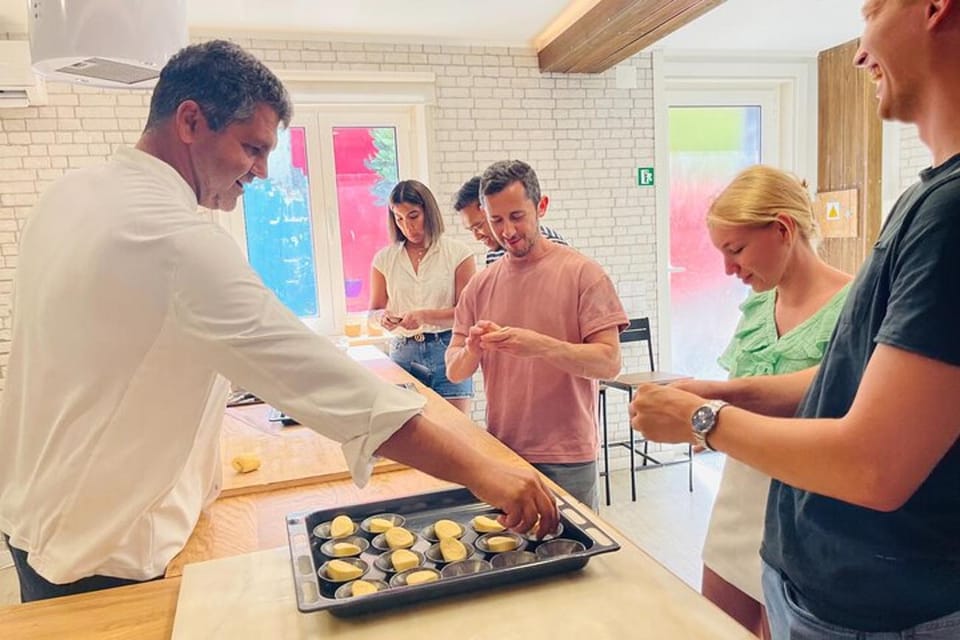
I love two things most: the small group size (up to 8) and how truly hands-on it feels, since you make the pastry and fill the tarts from scratch, not just watch.
One possible drawback: you’ll need to get yourself to the meeting spot at the green gate (no hotel pickup), and the class is short at just 2 hours, so it’s not built for a long, slow meal.
In This Review
- Key things to know
- Entering Lisbon’s Pastry Studio at the Green Gate
- What a Two-Hour Pastéis Session Really Feels Like
- Chef Miguel and the Small-Group Advantage
- Making Pastéis de Nata From Scratch (Not Just Assembled)
- The Tasting Moment: Drinks, History, and Port-Style Pairing
- Take-Home Box: Why This Class Is More Than a One-Time Snack
- Price and Value: Is $76 for 2 Hours Reasonable?
- How to Plan Around It (Morning vs Afternoon)
- Who This Class Is Best For
- Should You Book This Pastéis de Nata Class?
- FAQ
- Where is the meeting point?
- How long is the class?
- What group size should I expect?
- Do I get to make the pastry myself?
- What’s included in the price?
- Are drinks included during the tasting?
- Is hotel pickup included?
- What languages are offered?
- Is the class wheelchair accessible?
Key things to know
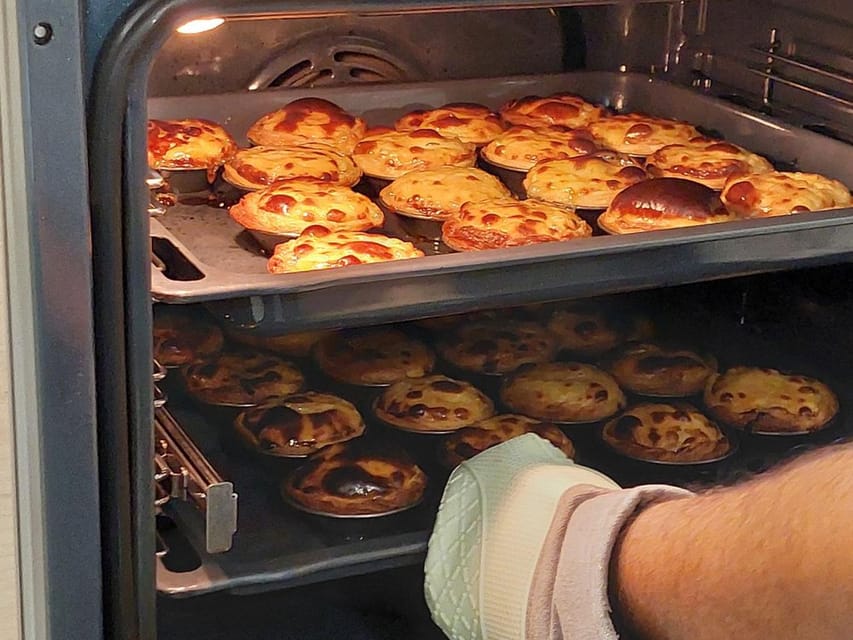
- Small group of up to 8 means plenty of attention from chef Miguel
- From-scratch baking: you make the pastry and build the tarts yourself
- Morning or afternoon start lets you fit it around Lisbon sightseeing
- Included drinks: coffee or tea plus 1 alcoholic beverage with the tasting
- Take-home tarts: you can leave with extras in a box
Entering Lisbon’s Pastry Studio at the Green Gate
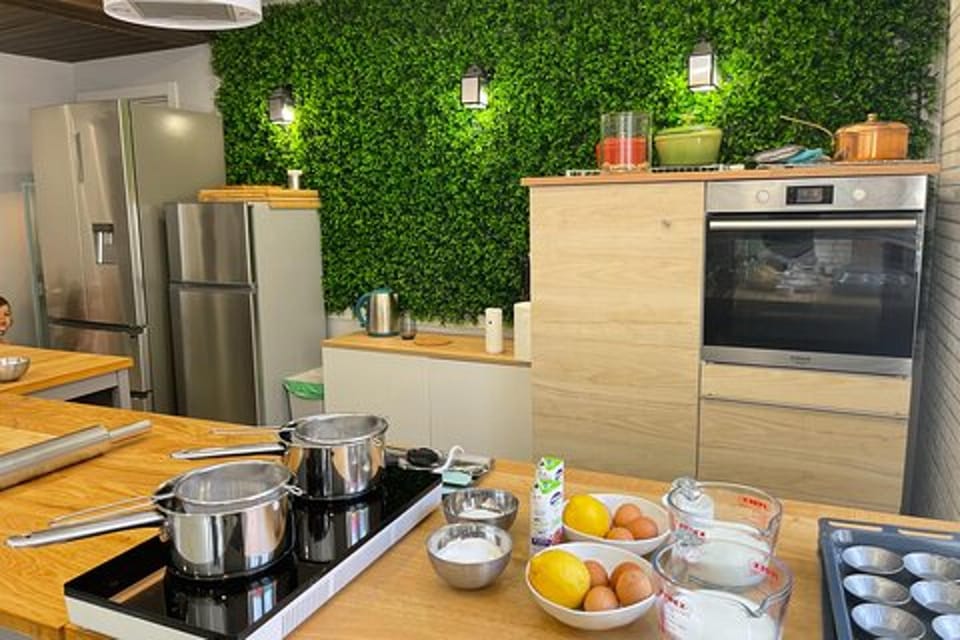
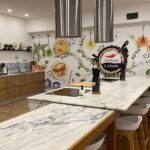
This is a cooking class in the real Lisbon rhythm: brief walking, clear instruction, and a kitchen that’s set up for people to get their hands dirty fast. Your first task is simply finding the place. The meeting point is at the green gate, and the kitchen studio sits inside a private yard, so you’re not looking for a crowded storefront. Once you arrive, the setup matters. Many participants highlight how clean the kitchen is and how ready everything is when the group walks in, which makes the experience feel calm instead of chaotic.
Practical tip: build in a few extra minutes to stroll over, especially if you’re coming from central Lisbon by bus or ride-share. People also describe the walk through the surrounding streets as part of the charm before you even reach the kitchen.
You can also read our reviews of more cooking classes in Lisbon


What a Two-Hour Pastéis Session Really Feels Like
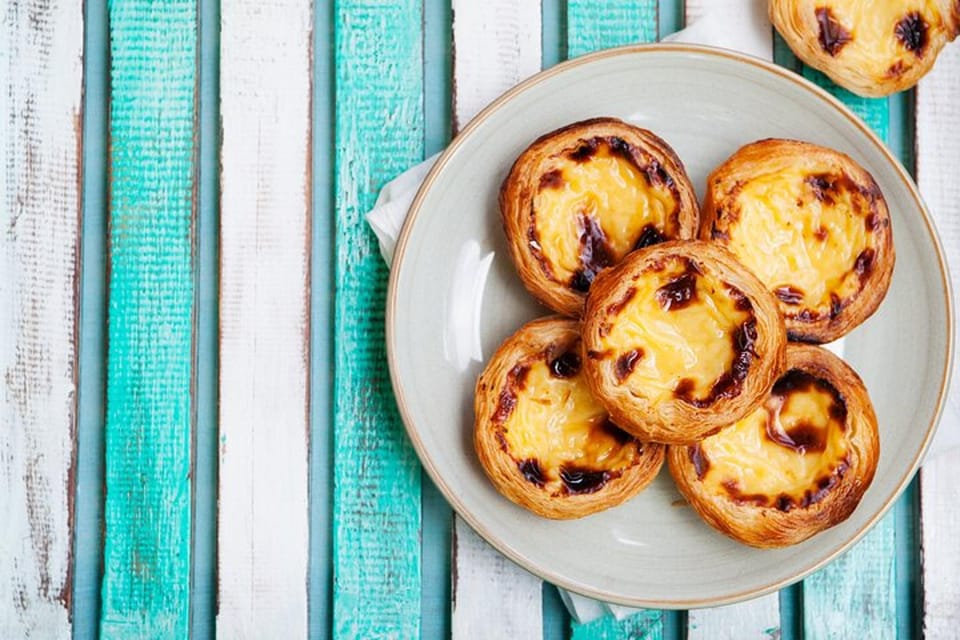
The class runs 2 hours, and that timing shapes everything. You’ll go from ingredients to finished tarts within a single sitting, with an oven break in the middle. That oven gap is important. It’s not filler. It’s when you sip your coffee or tea, add the included alcoholic drink, and get the story behind the delicacy.
Because it’s a short class, it works best when you treat it like an activity, not like an all-day event. Plan to do sightseeing around it: you can arrive, bake, taste, then still have plenty of time to wander neighborhoods before or after your session.
Chef Miguel and the Small-Group Advantage
This class stands or falls on the host. Here, the name that keeps showing up is Miguel. What people consistently like is how he balances guidance with a relaxed, encouraging tone. You’re not just following a checklist. You’re learning why things matter, and you’re given time to ask questions while you work.
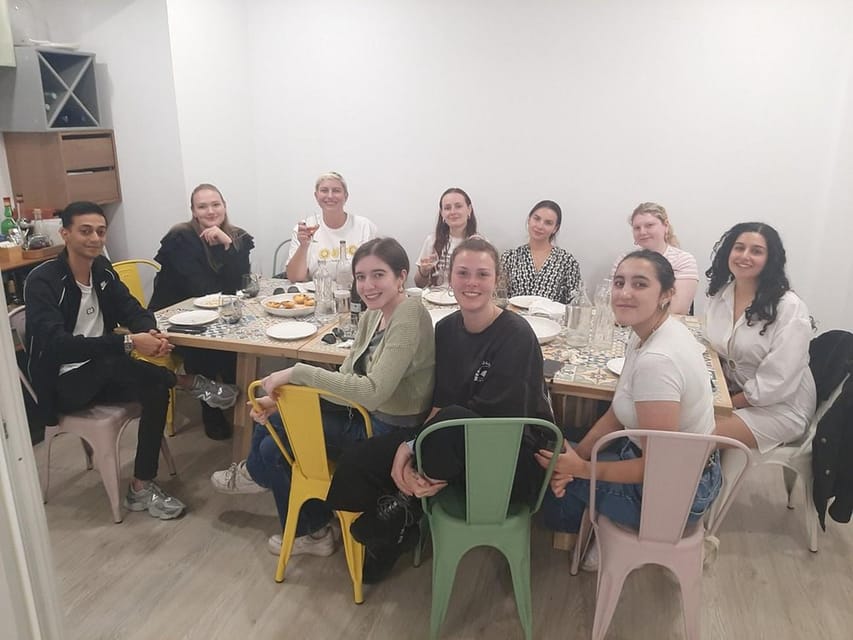
Small-group size is the real secret sauce. With a maximum of 8 participants, you’re more likely to get direct feedback on technique, and you’ll probably chat with the other people in the group during the tasting. Solo travelers especially seem to like this because you’re not stuck in a crowd—you’re in a shared kitchen experience that still feels social.
Making Pastéis de Nata From Scratch (Not Just Assembled)
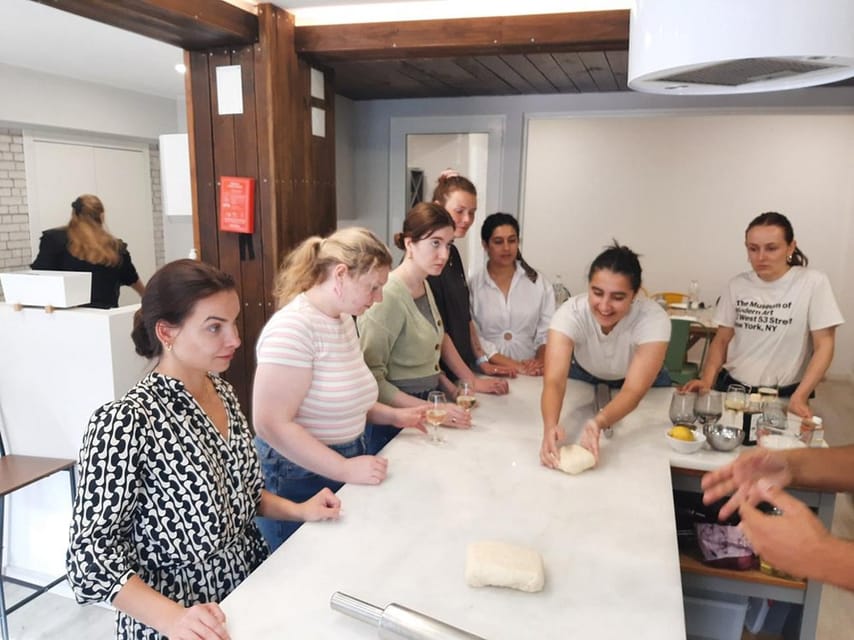
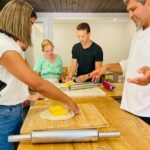
You’re not walking into a class where the pastry is pre-made and you’re simply filling. The big promise here is making everything—including the pastry—from scratch. That means you’ll work through multiple steps, each one building toward the final texture.
In practical terms, expect the process to feel like:
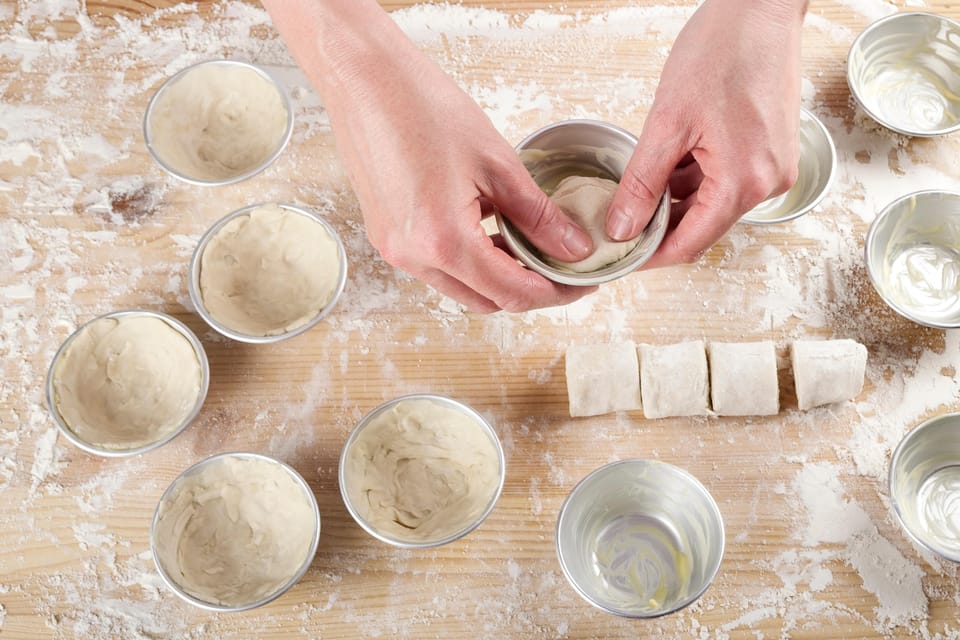
- preparing or handling the pastry dough and shaping it so it bakes up right
- making the custard filling
- portioning and assembling the tarts in your tins or molds
- letting the oven do the heavy lifting once everything is built
Even if you’ve never baked anything fancy before, this format is friendly. People describe the pace as not too fast and not too slow, and they note that the instruction is step-by-step. I also like that the class doesn’t oversell a single “official secret recipe.” The approach is presented as skill and method—something you can repeat—so you’re learning craft, not just copying a result.
One more subtle win: because you’re actively working, you understand the tart’s structure. That makes it easier to appreciate why Lisbon’s best versions taste the way they do, long after you leave the kitchen.
The Tasting Moment: Drinks, History, and Port-Style Pairing
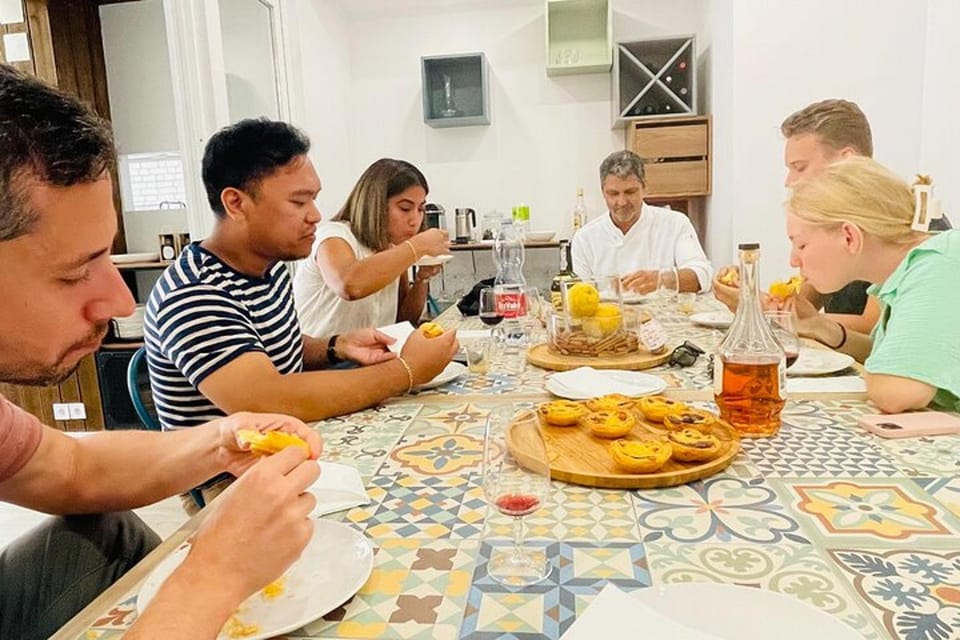
When your tarts go into the oven, your class shifts gears. The tasting isn’t just a formality; it’s where the experience turns into payoff.
You’ll enjoy:
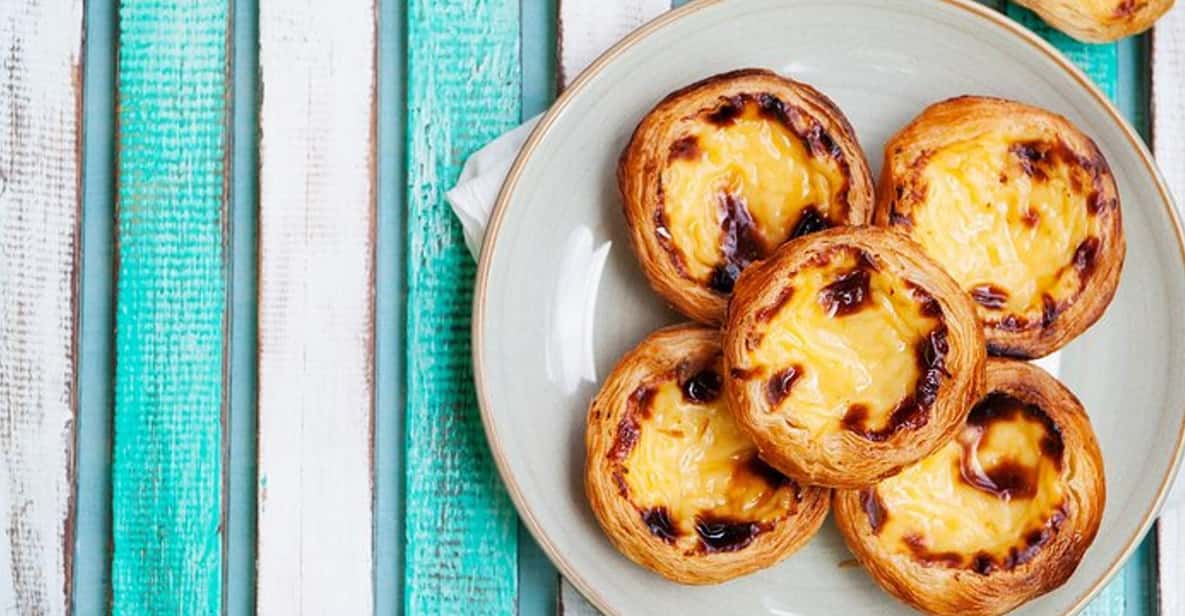
- your own pastéis de nata fresh from the oven
- coffee and tea
- 1 alcoholic beverage
Different participants mention different Portuguese pairings. Some recall port alongside the tarts, while others mention Portuguese liqueurs. The key point for you: plan to taste slowly. The tart is hot, the custard is delicate, and the pastry should be crisp and flaky. If you rush, you miss the texture contrast that makes pastéis de nata worth the trip.
You’ll also hear a bit of the history of this delicacy while the oven runs. This is where the class becomes more than cooking. You get context about why these tarts became a Lisbon signature, and you learn what to look for in future tastings across the city.
You can also read our reviews of more tours and experiences in Lisbon


Take-Home Box: Why This Class Is More Than a One-Time Snack
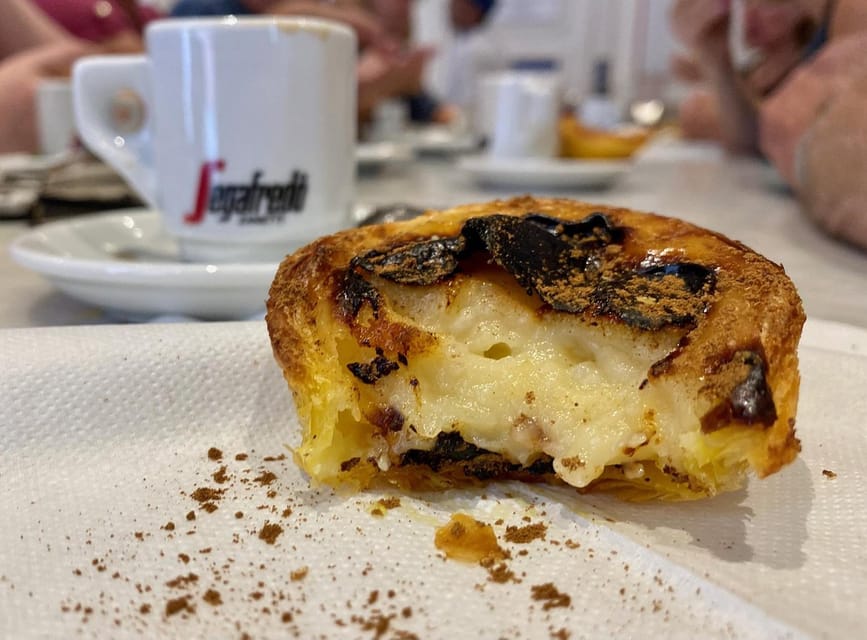
You don’t just eat your tarts on site. The experience includes your own pastéis de nata, and many people mention being able to take leftovers home in a box. That turns the class into a practical souvenir: you get something edible you can share with someone later, or save for the next day when you’re deciding what to do for dessert.
Some participants even describe the quantity they made per person (with reports like roughly five each in some group setups). Since group size and oven timing can affect distribution, think of it as: you’ll bake multiple tarts, you’ll taste yours, and you’ll likely leave with extras.
Price and Value: Is $76 for 2 Hours Reasonable?
At $76 per person for a 2-hour class, you’re paying for more than ingredients. You’re paying for:
- a small-group kitchen experience (up to 8)
- hands-on instruction by chef Miguel
- equipment and workspace to bake properly
- coffee and tea
- 1 alcoholic beverage
- bottled water
- and the food: the pastéis you make and take away
Is it “cheap”? No. But value-wise, it checks a lot of boxes for people who care about food. You’re leaving with at least one full dessert experience you made yourself, plus the educational part that helps you order better pastries afterward in Lisbon.
The main trade-off is also simple: it’s not a full meal, and it’s not a private chef appointment. If you want a long sit-down dinner with multiple courses, you’ll probably feel short-changed. If you want a high-impact cultural food activity that you can repeat at home, it’s priced like a focused specialty class—which is exactly what it is.
How to Plan Around It (Morning vs Afternoon)
You can choose between a morning or afternoon start time. The best choice depends on what you want Lisbon to do around it.
- If you choose morning, you’re likely to have energy for a long day of walking after baking. That’s a great match for neighborhoods where you’ll want to stop for coffee, browse small shops, and keep moving.
- If you choose afternoon, you get to turn the class into a mid-day highlight, then keep the rest of the day open for viewpoints and slower wandering.
Because you’re baking and tasting, I suggest keeping your dinner plan flexible. You’ll already have custard in your system, so you might swap a big dessert stop for something lighter later.
Who This Class Is Best For
This is a strong fit if you’re:
- a food lover who wants a hands-on Lisbon activity
- a beginner baker who wants clear, encouraging step-by-step help
- a couple or friends group looking for a shared experience in a kitchen
- a solo traveler who still wants interaction without feeling lost in a crowd
It also suits people who just want something different from museums. And if you’ve spent your days eating pastéis de nata, this class upgrades your tasting. Instead of only enjoying the flavor, you start to understand the technique behind that flaky pastry and creamy custard.
Wheelchair access is listed, which matters for planning. If you have mobility needs, it’s always smart to confirm details directly with the provider, but the activity is described as wheelchair accessible.
Should You Book This Pastéis de Nata Class?
Book it if you want a compact, memorable Lisbon experience that turns you into a participant, not just a spectator. The combination of small group size, from-scratch instruction, and the chance to eat what you made (with drinks and take-home tarts) makes the class feel like real value for food-focused travelers.
Skip it only if you:
- hate cooking workshops and prefer eating-only tours
- need hotel pickup to manage your schedule
- want a long, multi-course dining experience instead of a quick, focused 2-hour class
If you fall somewhere in the middle—curious, hungry, and open to learning—this is the kind of activity that makes your Lisbon trip taste different, in a good way, for days after.
FAQ
Where is the meeting point?
You meet at the green gate. The kitchen studio is inside a private yard.
How long is the class?
The class lasts 2 hours.
What group size should I expect?
It’s a small group limited to a maximum of 8 participants.
Do I get to make the pastry myself?
Yes. You make the tarts, including the pastry, from scratch during the class.
What’s included in the price?
The class includes the pastry-making lesson, an instructor, your pastéis de nata, coffee and tea, 1 alcoholic beverage, and bottled water.
Are drinks included during the tasting?
Yes. You’ll have coffee and tea plus 1 alcoholic beverage as part of the experience.
Is hotel pickup included?
No. Hotel pickup and drop-off are not included.
What languages are offered?
The instructor provides instruction in English and Portuguese.
Is the class wheelchair accessible?
The activity is listed as wheelchair accessible.