REVIEW · 1-DAY TOURS
Lisboa Story Centre: 1-Day Admission Ticket
Book on GetYourGuide →Operated by Distributor: GetYourGuide Tours & Tickets GmbH · Bookable on GetYourGuide
Lisbon history can be a little dry—this place keeps it moving. Lisboa Story Centre turns the Portuguese capital’s big turning points into a hands-on, multimedia 60-minute walk through time, built across six exhibition areas in a revamped wing of Terreiro do Paço. I really like the way the exhibits are organized chronologically, so you don’t feel lost, and I also like that the audio guide is a real storyteller-style route, not just facts on a screen. One thing to consider: the experience leans heavily on earlier centuries, so if you’re hoping for lots of detail on modern everyday Lisbon, you may feel a bit short-changed.
The setting matters. Terreiro do Paço is a strong starting point, and using an East Wing location inside a newly renovated complex helps the visit feel like part of the city, not a detached museum stop. I appreciate the focus on major events—especially the immersive 1755 earthquake moment—and the center’s state-of-the-art technology keeps the historical scenes from feeling like static dioramas. A practical heads-up: you’ll spend time indoors in an installation style that may not feel temperature-friendly in hotter weather.
- Six exhibition areas across two floors give you a complete time route, not a quick one-room stop
- Chronological order on the ground floor helps you build a mental map fast
- Multisensory earthquake and reconstruction scenes make the 1755 story hit harder than text
- 16th-century warehouse + New World goods with caravela ships connects trade and empire to everyday objects
- First-floor virtual scale model helps you link architecture and urban change to what you see outside
- Audio guide in many languages keeps the experience smooth and self-paced
In This Review
- Lisboa Story Centre: a quick, story-driven history stop in Terreiro do Paço
- Timing it right: what a 60-minute route really means
- Ground-floor route: the five main exhibition areas in chronological order
- How to read the exhibits as you walk
- The 16th-century warehouse: New World goods and caravela ships
- The 1755 All Saints’ Day earthquake: an immersive look at consequences
- The Marquis of Pombal: rebuilding Lisbon with a long vision
- First-floor payoff: the virtual scale model of Lisbon’s architecture
- Temporary exhibitions: how they fit without stealing your hour
- Audio guide and multilingual storyteller: your “on-the-move” companion
- Comfort and pacing: heat, sensory design, and kid energy
- Who should book Lisboa Story Centre?
- Value without the guesswork: what you’re really getting
- Entering Terreiro do Paço: how to make it an easy part of your day
- Should you book Lisboa Story Centre?
- FAQ
- How long is the Lisboa Story Centre experience?
- Where is Lisboa Story Centre located?
- What are the opening hours?
- Is an audio guide included?
- What languages are available for the audio guide?
- How are the exhibitions arranged?
- What’s in the first-floor exhibition?
- Is there a temporary exhibition area?
- Is it wheelchair accessible?
- Is there free cancellation?
Lisboa Story Centre: a quick, story-driven history stop in Terreiro do Paço
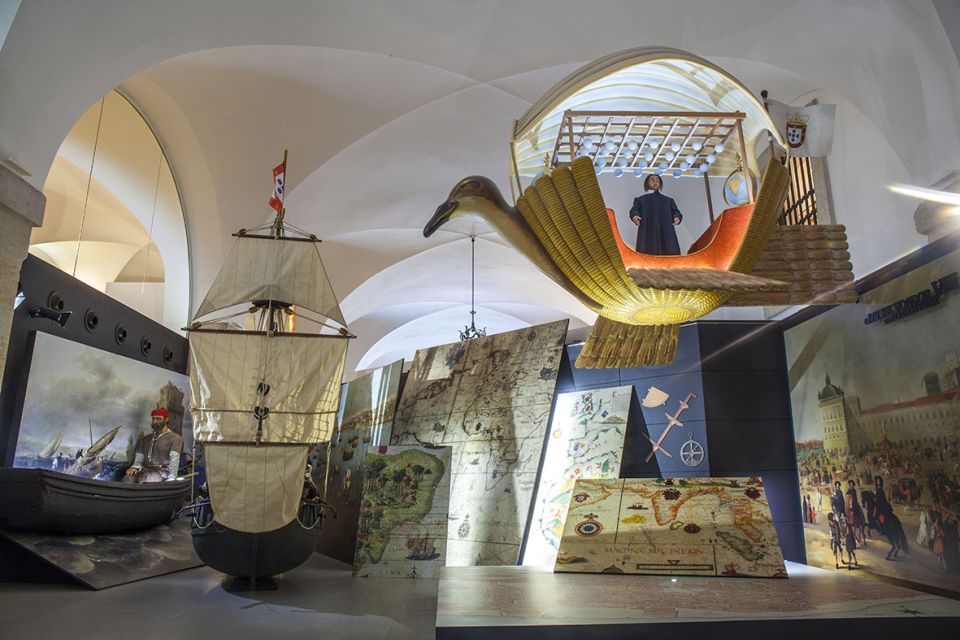
If you want Lisbon history without getting trapped in a lecture, this is a smart pivot. Lisboa Story Centre is built for motion: sets, multimedia, and sensory moments guide you through key episodes that shaped the city. You get a 1-day admission ticket, but what you’re really buying is a focused 60-minute journey through time and space.
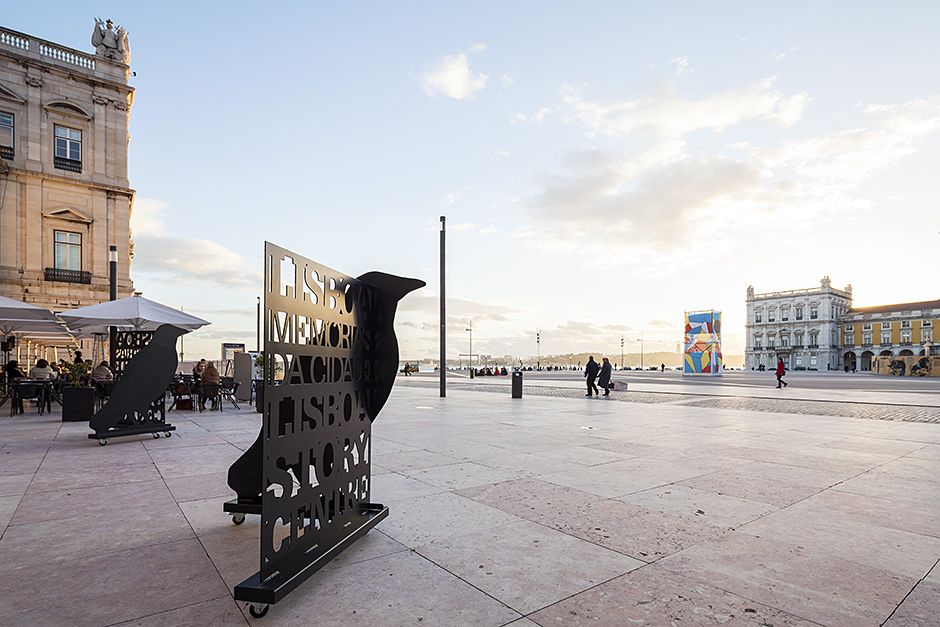
The center is located in the East Wing of the newly renovated Terreiro do Paço area. That matters because Terreiro do Paço is already a strong base for Lisbon sightseeing, and it gives your visit a natural “start here, then go explore” flow. Even if you only have a single day slice, this fits neatly between other stops because it doesn’t balloon into a half-day marathon.
I also like the “interactive but not chaotic” approach. You’re guided by a recorded multilingual storyteller, and the layout helps you stay oriented without constantly checking your phone. Still, plan your expectations around the center’s priorities: it covers Lisbon’s story broadly, but the strongest scenes are from earlier periods, especially the 1755 catastrophe and the reconstruction era.
Timing it right: what a 60-minute route really means
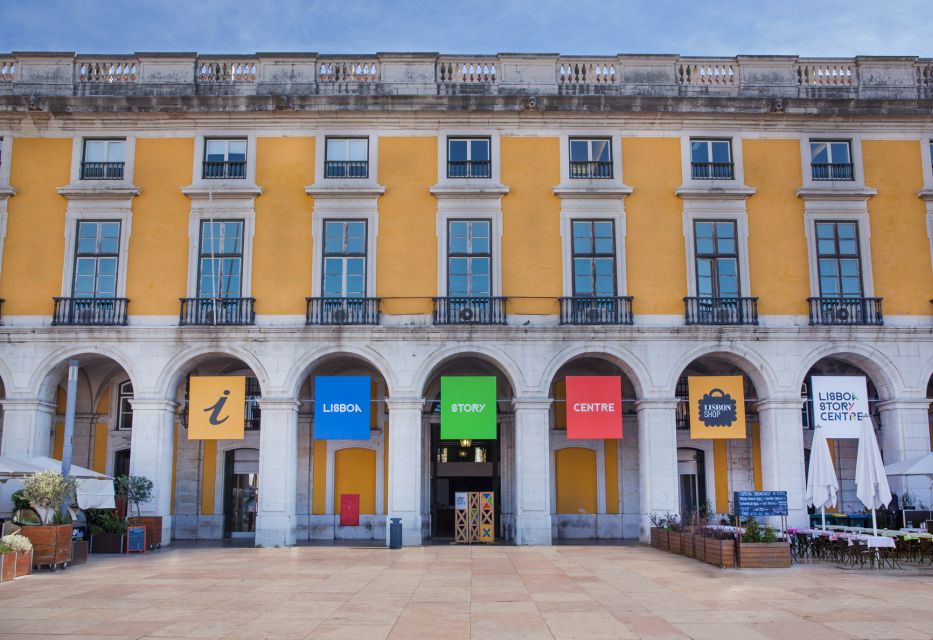
The center is open every day from 10:00 to 19:00, and the last entrance is at 18:00. That’s a helpful window if you’re building a sightseeing day with a buffer for lines or timing changes. Your ticket is valid for 1 day, and the actual experience is designed as a set tour path that takes about an hour.
Think of it as a “time-travel circuit,” not a museum you wander for hours. Once you enter, you’ll move through the exhibition areas in sequence. That structure makes it easier to slot in around other plans and keeps the visit from turning into decision fatigue.
If you’re traveling with kids, this kind of set-length route can be a relief. One of the best review signals here is that families often find it fun enough to hold attention, and the installation style tends to give kids something to react to instead of just listening.
You can also read our reviews of more tours and experiences in Lisbon



Ground-floor route: the five main exhibition areas in chronological order
On the ground floor, you’ll find five main exhibition areas, arranged in chronological order. That’s the big organizing principle, and it makes a difference. When history is thrown at you randomly, it’s easy to forget what happened first. Here, the timeline layout helps you build continuity as you move from one scene to the next.
Each ground-floor area is built around a story, and the audio guide keeps you moving through the narrative with a recorded multilingual storyteller. In practice, this means you’re not stuck reading panels, and you’re also not stuck guessing what you’re looking at.
If you like history but hate hunting for the “point” of each display, the chronology is a feature, not a gimmick. You’ll likely come out with a stronger sense of how Lisbon changes over time—politically, economically, and physically.
How to read the exhibits as you walk
Try not to treat each room like a standalone “thing to memorize.” Instead, treat them like chapters in a single story. As you move forward, you’ll start noticing how one episode sets up another—trade leads to contact, disasters lead to rebuilding, and rebuilding changes city shape.
Also, keep an eye on the way sets and objects are used. The center doesn’t only show events; it shows the lived texture of those events, often through displays of goods, architecture, and recreated environments.
The 16th-century warehouse: New World goods and caravela ships
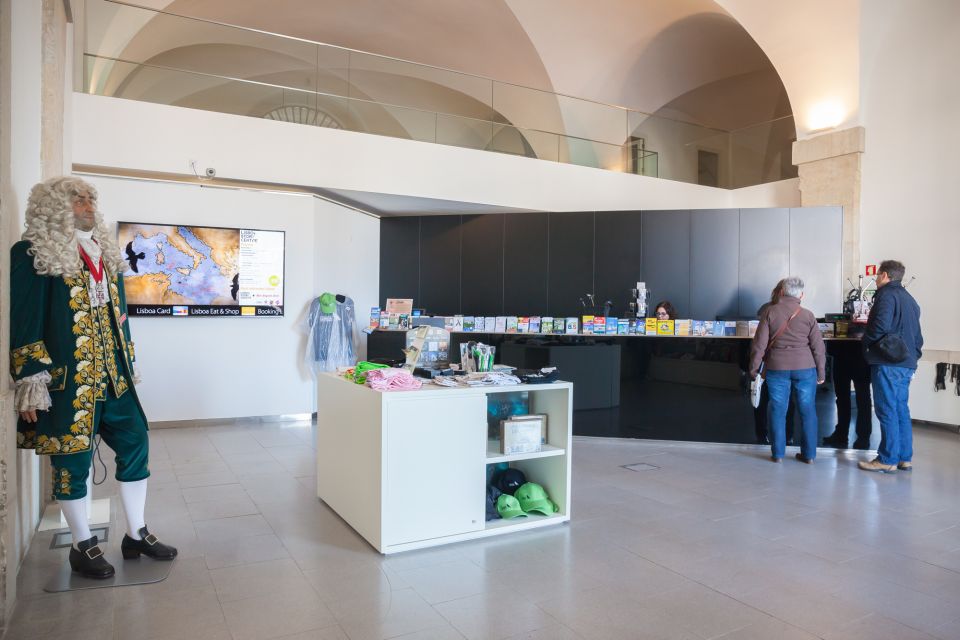
One of the most memorable-feeling areas is the recreated 16th-century warehouse. Here, you get to see products arriving from the New World, transported on ships identified as caravela ships. It’s a nice reminder that history isn’t only made by rulers—it’s made by movement of goods, people, and ideas.
This section is valuable because it connects big historical themes to physical objects. You’re not just hearing that Lisbon was tied into global trade; you’re seeing the cargo concept made tangible. That makes the story easier to remember later when you’re walking around Lisbon looking at churches, streets, and waterfront clues.
If you’re a “visual learner,” this part likely lands well. Sets plus real displays are often the quickest path to understanding what a text-only museum tries to explain.
The 1755 All Saints’ Day earthquake: an immersive look at consequences
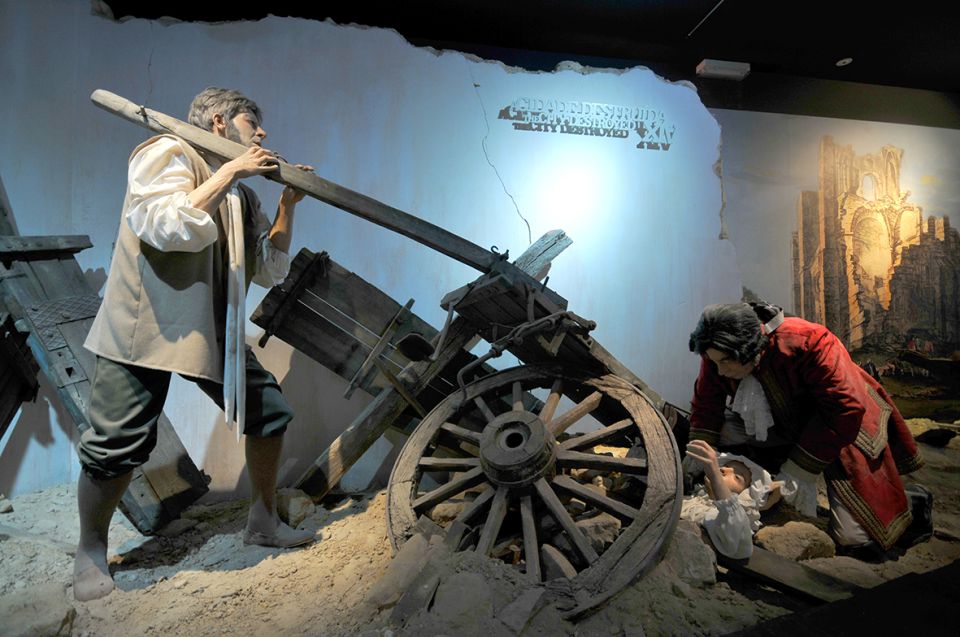
The center’s headline moment is the 1755 tragedy on All Saints’ Day. You’ll witness the event through an immersive experience of the Great Earthquake and its tragic consequences. This isn’t presented like a distant textbook fact; it’s staged to help you feel the scale of disruption.
Why this is worth your time: disasters change cities. Lisbon’s reconstruction shaped not just buildings, but planning approaches and how people thought about safety and order. Seeing this part in a dramatized environment helps you connect the emotional impact of the event with the urban response that followed.
I recommend slowing down here. Don’t rush past the “wow” moment; let it sink in, then notice the way the story transitions to rebuilding. That transition is where you’ll start understanding how Lisbon’s physical form reflects historical trauma and decision-making.
You can also read our reviews of more tours and experiences in Lisbon






The Marquis of Pombal: rebuilding Lisbon with a long vision
Right after the earthquake story, you accompany the Marquis of Pombal as he implements a far-reaching reconstruction vision for the city. This part matters because it moves you from catastrophe to response.
It also gives you a stronger framework for what you might see outside the center. If you later look at Lisbon’s urban layout and architecture and wonder why certain areas feel more planned, this section helps you understand the “why” behind the changes.
I like this pairing: tragedy first, then leadership and rebuilding. It prevents the history from turning into only spectacle. You get both the human shock and the long-term effects.
First-floor payoff: the virtual scale model of Lisbon’s architecture
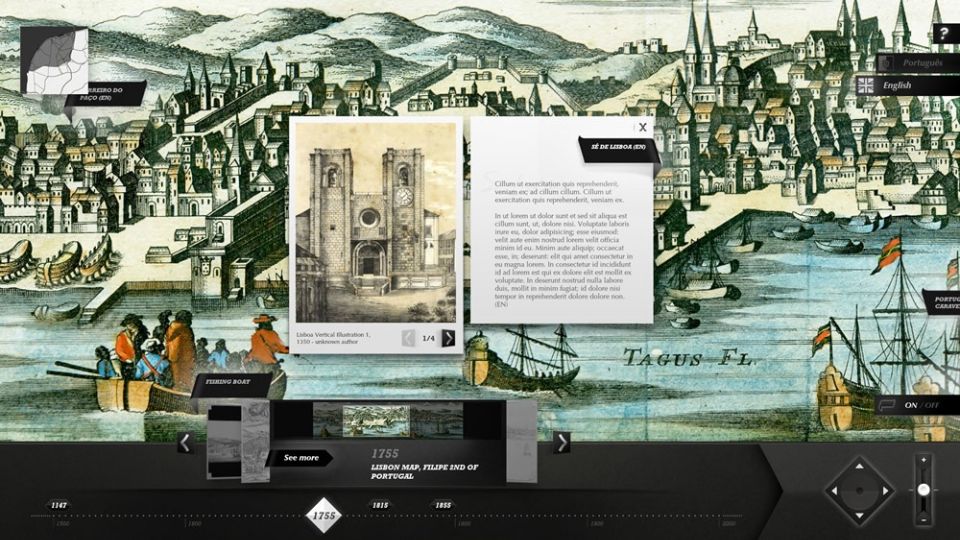
On the first floor, the center adds a sixth exhibition area with a virtual scale model of the capital. This is designed to help you see the city’s various types of architecture and get a more detailed account of Lisbon’s history.
If you’re the type who likes to connect indoor stories to outdoor walking, this is a key stop. Models can be dry, but here the goal is practical: you’re encouraged to notice modern Lisbon with better context. In other words, you may leave with clearer “where is that in real life?” questions.
This first-floor component also helps when you’re short on time. Instead of spending hours trying to identify every architectural style on your own, the model gives you a roadmap for what to look for next.
Temporary exhibitions: how they fit without stealing your hour
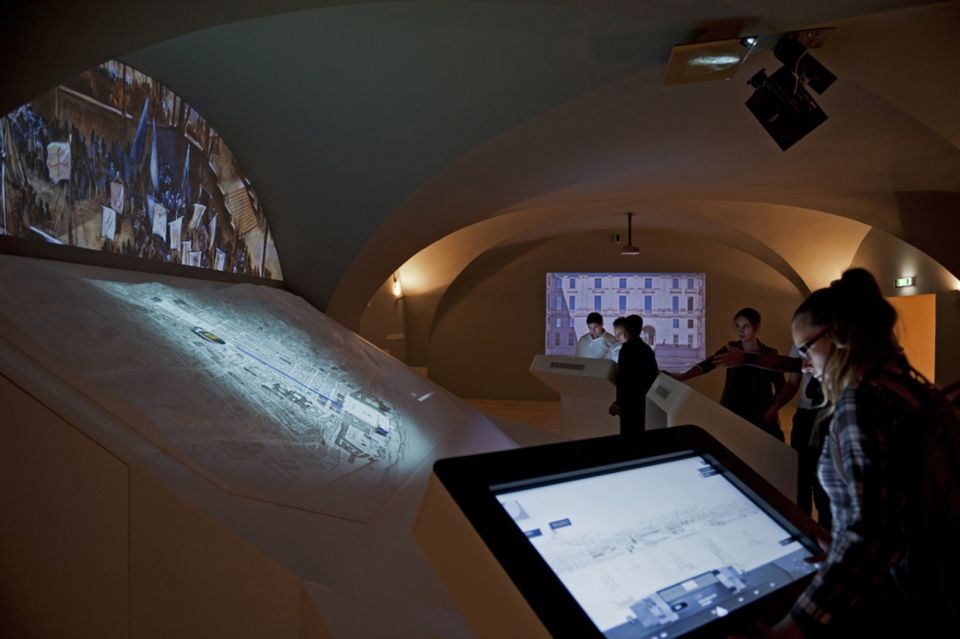
You also have access to a temporary exhibition area tied to the center’s main themes. Because your core journey is built as a roughly one-hour route, you’ll want to treat the temporary space as a bonus rather than the main mission.
The best way to use it is simple: after you’ve walked the main chronological route, decide if you still have energy. If you’re tired, skip lingering. If you’re curious, spend a little extra time here and let the temporary exhibit add a different angle to the bigger story.
This is also where your learning style can guide you. If you love object-based learning, lean in. If you prefer quick “big picture” pacing, keep it short and move on.
Audio guide and multilingual storyteller: your “on-the-move” companion
Audio guides are included, and the center offers multiple language options. You’ll find Portuguese (including adult and child versions), English, Spanish, French, Italian, German, Russian, Mandarin, and Japanese. That range is genuinely useful if you’re traveling as a mixed-language group.
Even more important is how the audio guide is used. You aren’t just listening to separate tracks while you wander randomly. The guide supports the recorded multilingual storyteller tour through the exhibition spaces. That structure helps you keep pace and understand what you’re seeing.
A practical tip: pick your language before you start and keep it throughout if possible. Switching mid-visit can break your flow, especially in installation-heavy exhibits where visual and audio cues work together.
Comfort and pacing: heat, sensory design, and kid energy
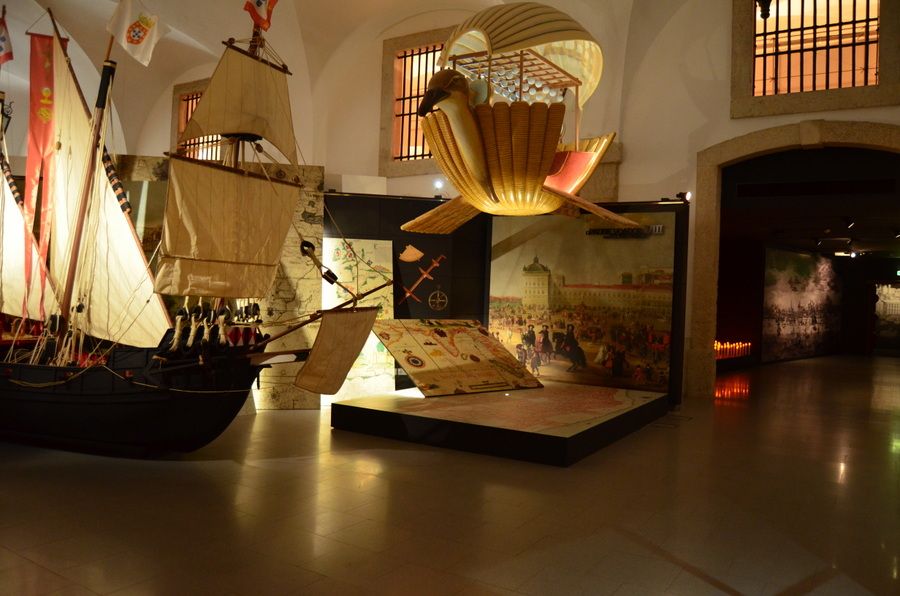
The installations are built using multimedia and sensory experiences, plus sets. That can make the experience feel “alive,” but it also means comfort can vary by season and by how much time you spend waiting inside. One downside that comes up is that some spaces may not have air conditioning, so hotter months can feel more like a workout than a stroll.
If you’re visiting in summer, plan your day to avoid peak heat if you can. Go early in the day or choose a time slot where you can relax outdoors afterward. Bring water, and don’t underestimate how long “one hour” feels when you’re also watching and reacting.
For kids, the center’s playful, interactive approach is a clear advantage. The exhibition style is built to keep attention, and the scenes provide plenty of hooks for questions and storytelling back on the street.
Who should book Lisboa Story Centre?
This is a good fit if you want Lisbon history in a form that’s easy to follow. You’ll probably enjoy it most if you:
- like hands-on storytelling more than reading long text panels
- want a clear timeline without having to piece one together yourself
- enjoy audio-guided experiences that feel like a guided route
It can also work well as a family stop. The exhibits are designed to be interactive and fun, and kids often engage better when history is shown as scenes and objects instead of lectures.
Where I’d be more selective: if you’re specifically hunting for lots of detail about contemporary Lisbon, you might find the emphasis skewed toward earlier periods. The center does include a path toward modern context through the scale model, but it isn’t positioned as a modern-history deep dive.
Value without the guesswork: what you’re really getting
Since there’s no single “money figure” here, think of value as “how much story you get per hour.” For a 1-day ticket, you get:
- a planned, guided 60-minute journey
- admission to six exhibition areas over two floors
- an audio guide included with multiple language options
- access to a temporary exhibition space
- a design that mixes elaborate sets with multimedia and sensory moments
The skip-ticket-line feature also adds real convenience. When time is limited, reducing friction at the entrance makes it easier to keep your day on track.
In plain terms: you’re paying for time efficiency plus production quality. If you’re the type who likes to spend your sightseeing minutes on experiences that actively teach, this is a strong bet.
Entering Terreiro do Paço: how to make it an easy part of your day
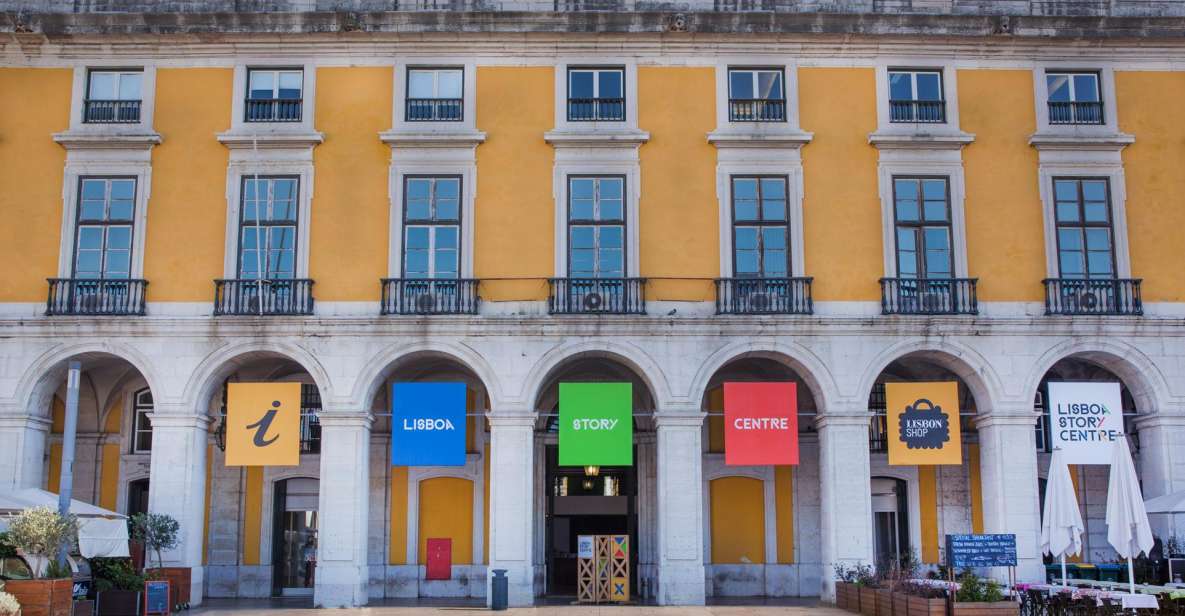
The meeting point is Terreiro do Paço (78-81, 1100-148 Lisboa). Since this is a central, recognizable area, you can often fold the Story Centre into a broader walk nearby without complicated transit planning.
To get the most from that location, I’d treat the center as your “indoors anchor.” Do it when the weather shifts or when you want to reset from outdoor walking. Then go back outside with a clearer sense of what to notice—especially urban planning clues and architecture styles.
Should you book Lisboa Story Centre?
Yes, if you want Lisbon history in a format that’s structured, guided, and entertaining without feeling childish. The combination of a chronological route, strong set pieces (especially the 1755 earthquake and reconstruction story), and an audio guide in many languages makes it a practical use of a single day.
I’d skip or at least temper expectations if your main goal is modern Lisbon in depth or if you’re very sensitive to indoor heat and sensory installations during hot months. If that’s you, aim for a cooler time of day and consider this as an hour-long history fix, not your only historical stop.
FAQ
How long is the Lisboa Story Centre experience?
The journey through time and space is designed to take about 60 minutes, even though you purchase a 1-day admission ticket.
Where is Lisboa Story Centre located?
It’s at Terreiro do Paço, 78-81, 1100-148 Lisboa.
What are the opening hours?
Lisboa Story Centre is open every day from 10:00 to 19:00, with the last entrance at 18:00.
Is an audio guide included?
Yes. Admission includes an audio guide.
What languages are available for the audio guide?
Portuguese (adult and child versions), English, Spanish, French, Italian, German, Russian, Mandarin, and Japanese are available.
How are the exhibitions arranged?
On the ground floor, there are five main exhibition areas arranged in chronological order. There’s also a sixth exhibition area on the first floor.
What’s in the first-floor exhibition?
The first floor features a virtual scale model of Lisbon that helps you see different types of architecture and learn more about the city’s history, including modern Lisbon.
Is there a temporary exhibition area?
Yes. There’s access to a temporary exhibition area related to the center’s main themes.
Is it wheelchair accessible?
Yes, it is wheelchair accessible.
Is there free cancellation?
Yes. You can cancel up to 24 hours in advance for a full refund.