REVIEW · WORKSHOPS
Surf Class in Caparica
Book on GetYourGuide →Operated by Duckdive Nature Sports · Bookable on GetYourGuide
Three words: small group, big practice. In Caparica at Praia do Castelo, you get personalized coaching that focuses on your level, plus an ocean/wave game plan so you can make smarter calls in the water. The whole thing runs as a 2-hour class with all gear handled for you.
I especially like the way instruction is set up in progression tracks—initiation, progression, advanced—so you’re not stuck doing the same drill forever. You also get training aimed at building motor patterns you can carry over to later surfing, not just random attempts. One consideration: with only two hours, you’ll leave with momentum, not mastery—so think of this as an excellent start, not a one-day transformation.
In This Review
- Key takeaways before you go
- Praia do Castelo’s 2-hour surf class setup
- Small groups and skill categories: initiation, progression, advanced
- What you actually learn: motor patterns, ocean choices, safety
- Gear, insurance, and the easy start at Castelo Beach flags
- Timing and pacing inside the 2-hour lesson
- Value for money: is $50 a fair deal?
- Who should take this Caparica surf class
- Practical checklist: what to bring and how to prepare
- The instructor vibe: real feedback in the water
- Should you book this Praia do Castelo surf class?
- Quick decision tip
- FAQ
- How long is the surf class?
- Where is the class held?
- What’s included in the price?
- Do I need to bring a towel and swimwear?
- Are there different levels for students?
- What languages are available for the instructor?
- Is there a cancellation option?
- Can I reserve and pay later?
Key takeaways before you go
- Small groups, clear skill levels: initiation, progression, and advanced are used to keep your practice on track.
- Personalized instruction: training is tailored to your strengths and what you want to improve.
- Real ocean decision-making: you build understanding of waves so you can choose what to do next.
- Drills that transfer: you work on motor patterns that fit different surfing techniques.
- In-water feedback style: the coaching tone is hands-on while you’re actually trying things.
- Castelo Beach meeting point: go to the surf school flags right on Praia do Castelo.
Praia do Castelo’s 2-hour surf class setup
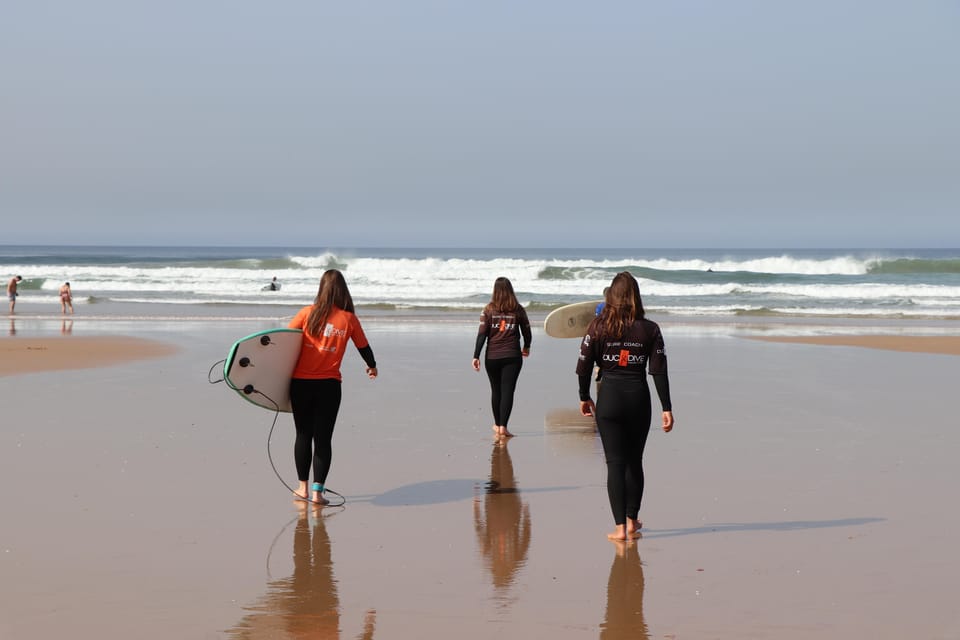
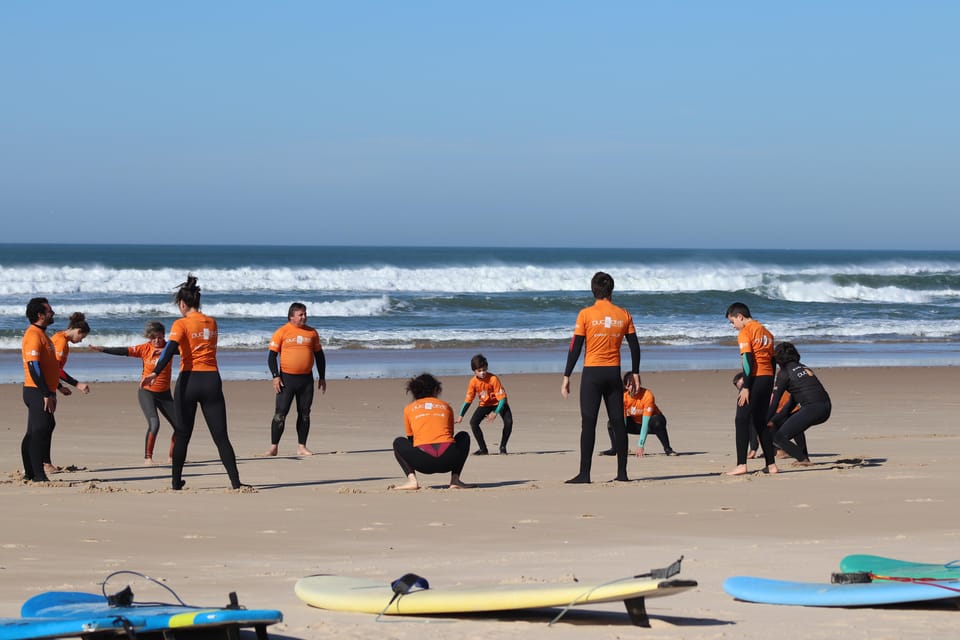
If you want a surf lesson that feels practical—not like a lecture—this one is built around time in the water. The class runs for 2 hours at Praia do Castelo in Caparica, with a meeting point right at the sand. You’ll start where the surf school is set up next to Castelo Beach: put your feet on the sand, then look for the school flags.
The beach setting matters here because the coaching is designed to help you practice the right actions repeatedly. The goal isn’t just catching a wave; it’s building a repeatable approach that you can use as conditions change and as your technique improves.
You’ll also get a clear structure from the start: small groups, pre-planned lessons, and categories based on where you are in your surfing journey. That means the class can move without wasting time, and you’re less likely to feel lost while everyone else figures it out.
You can also read our reviews of more tours and experiences in Lisbon



Small groups and skill categories: initiation, progression, advanced
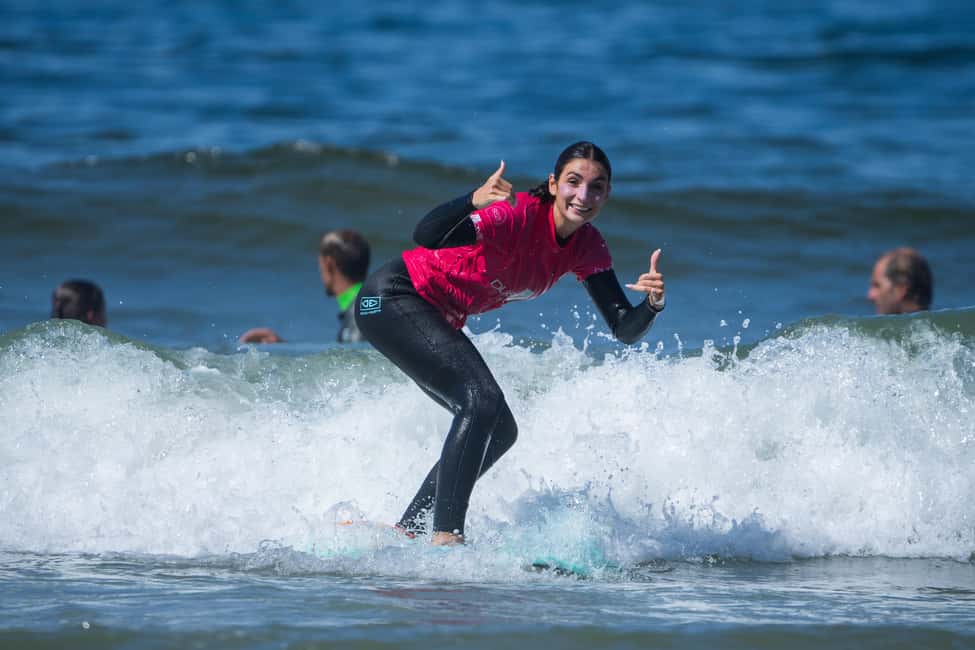
One of the biggest quality signals is how they keep the group size small and how they separate students into initiation, progression, and advanced tracks. That’s a simple idea, but it makes a big difference for your progress.
In a big mixed group, beginners often get stuck watching instead of practicing. Intermediate surfers can feel like they’re doing beginner basics. With the category system, you should get drills and coaching that match your current level and the evolution you’re aiming for. You’ll also likely spend more time working on the specific things that move the needle for you, rather than repeating what you already know.
The personalization also shows up in how they frame your training. The lesson is defined for each student based on personal strengths and your expectations for technical evolution. So if you’re strong in balance but weak on wave reading, the training focus can match that. If your goal is cleaner technique, the instruction can aim there too.
What you actually learn: motor patterns, ocean choices, safety
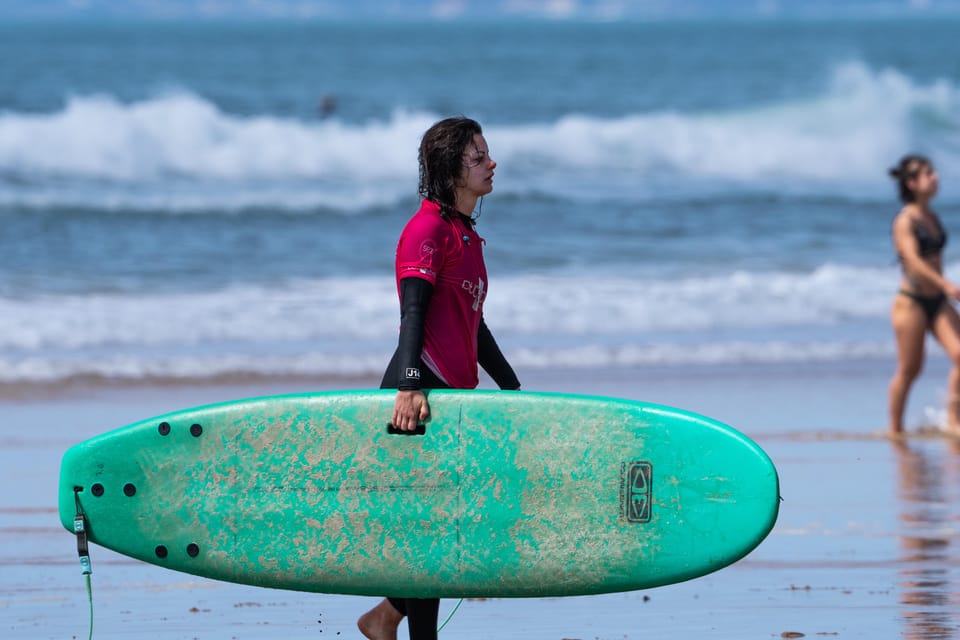
This surf class isn’t built around catch-and-go excitement alone. It includes three practical learning targets that are worth your attention:
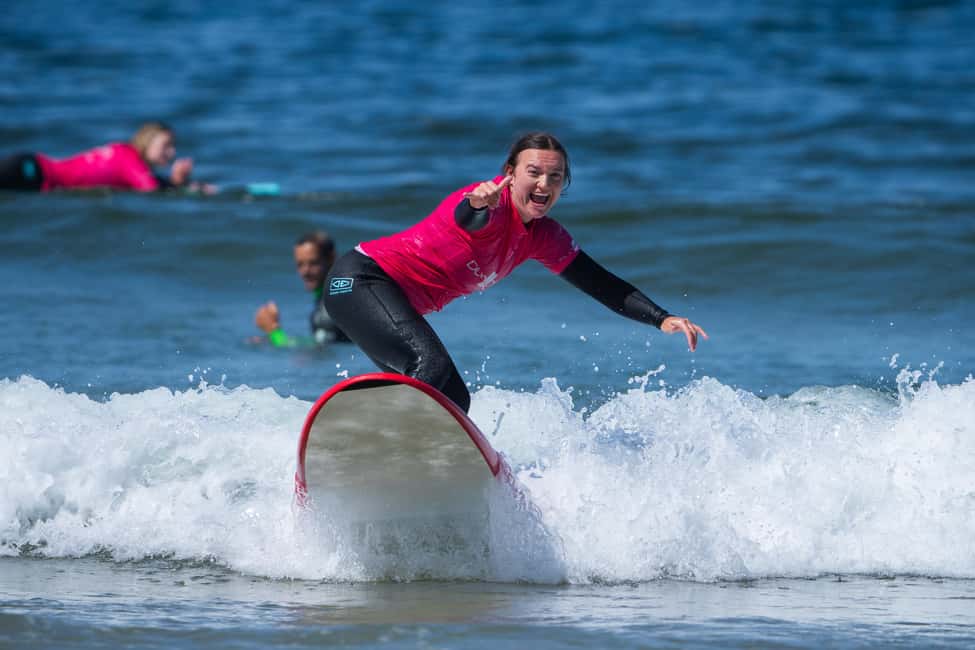
First, you work on motor patterns—the repeatable movement habits that create good surfing technique. They focus on constructing the right movement patterns so they can transfer to different surf techniques as you evolve. In plain terms: you don’t just learn a single trick. You build a body system you can reuse later.
Second, you develop ocean/wave knowledge so you can make consistent decisions. That includes learning how waves behave enough to choose what to do next. This is huge because surfing is decision-heavy. Good surfers aren’t just strong; they’re smart about timing, wave selection, and what the ocean is giving you.
Third, safety is built into that decision-making. The lesson ties ocean knowledge to staying safer while you practice and progress. You’re not just being told rules—you’re being taught how to think, so you can act intelligently in real-time.
From the review notes, the coaching style includes strong in-water feedback. That’s exactly what you want early on: you try something, you get corrected quickly, and you try again while the moment is still fresh.
Gear, insurance, and the easy start at Castelo Beach flags
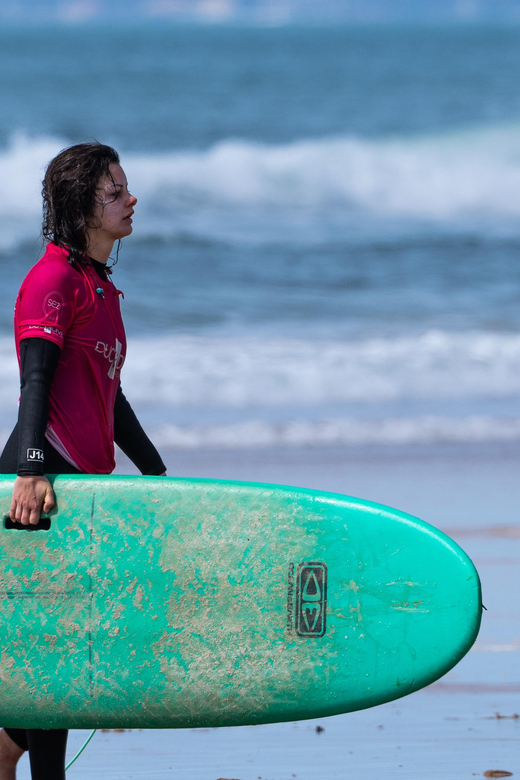
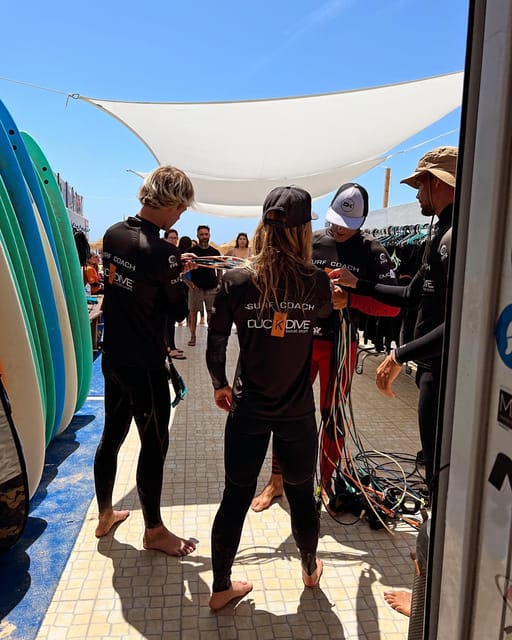
You don’t have to bring surf gear for this one. All gear is included, specifically: a surfboard, a wetsuit, and insurance. That combo is a real value point for first-timers because it removes the hassle of figuring out what to rent and whether you chose the right wetsuit thickness.
The meeting point is also straightforward. The surf school is right at Castelo Beach. When you arrive, walk onto the sand and look for the flags. That “show up, find the flags, get set up” flow matters when you’re on a tight travel schedule.
Here’s the practical angle: included gear means you can focus on technique and ocean reading instead of troubleshooting equipment. And insurance included is one less thing to worry about as you’re learning something new.
Languages are covered too. The instructor can teach in Portuguese, English, Spanish, Italian, and French. If you’re nervous about not understanding surf terms, this multi-language support is a big confidence boost.
Timing and pacing inside the 2-hour lesson
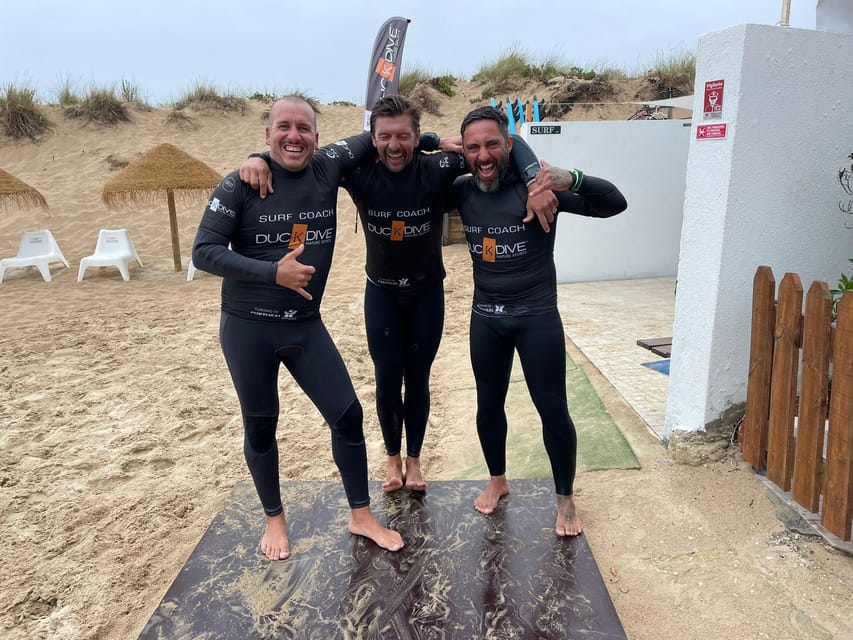
Two hours sounds short until you see how surf learning works. You need time for setup, time to get your bearings, and time for repeat attempts with coaching. This class is built to fit all of that into one clean block.
Here’s what the flow likely feels like for you, based on how the lesson is described:
- You start at the school on the beach and move into getting prepared with the included equipment.
- You receive individual, specific training tied to your level and goals.
- You focus on movement patterns so your technique becomes more repeatable.
- You practice while building ocean/wave understanding, with guidance that helps you decide what to do in the water.
- You close the session back at the meeting point, right where you started.
The key is that the session is designed as progression-based. You’re not just learning one moment; you’re building a sequence that supports the next moment. That’s why the motor pattern emphasis matters. It turns random good attempts into something closer to consistency.






Value for money: is $50 a fair deal?
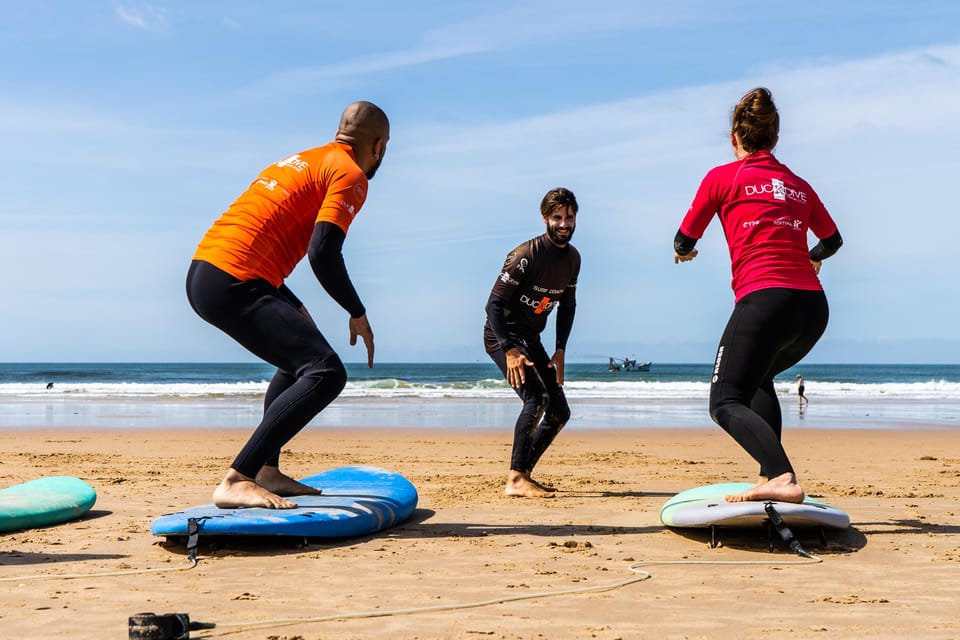
At $50 per person for a 2-hour class, you’re paying for coaching time, small-group structure, and the included equipment and insurance. For beginners and improving surfers, that can be a strong value.
The reason is simple: renting boards and wetsuits usually adds up fast. Add the cost of a private instructor and you’re in a different price tier. With small groups and level-based tracks, you get more personal attention than you’d expect from a giant group lesson, without paying private rates.
What also makes the value feel fair is the coaching intent: it targets what will help you evolve. The lesson doesn’t just hope you improve. It works on transferable movement patterns and decision-making tied to safety. That’s the kind of teaching that actually helps your next session go better, even after the waves calm down.
If you’re someone who learns best with hands-on correction, you’re in the right place.
Who should take this Caparica surf class
This class is a great match if you fit one of these profiles:
- You’re a beginner and you want a structured start in the water with clear coaching.
- You’re intermediate and you want to tighten technique using motor patterns that transfer to future skills.
- You’re progressing and safety matters—you want wave/ocean understanding that supports intelligent decision-making.
- You want personalized instruction even in a group setting, with training aligned to your strengths and expectations.
If you’re already advanced and expect a very technical, high-performance session, the initiation/progression/advanced split helps, but you may still find that a two-hour class is more about skill building than deep specialization. Still, the focus on ocean knowledge and transferable technique can benefit surfers at many stages.
Also, if you care about communication, the instructor’s language options make it easier to ask questions and get feedback clearly.
Practical checklist: what to bring and how to prepare
Keep it simple. Here’s what you should bring:
- Swimwear
- Towel
Everything else—surfboard, wetsuit, and insurance—is handled for you. That means your only real prep is showing up ready to get wet and warmed up.
If you’re the kind of traveler who likes to overpack, resist. This lesson is designed to remove friction. Bring the essentials, arrive at the beach flags, and you’ll be set.
The instructor vibe: real feedback in the water
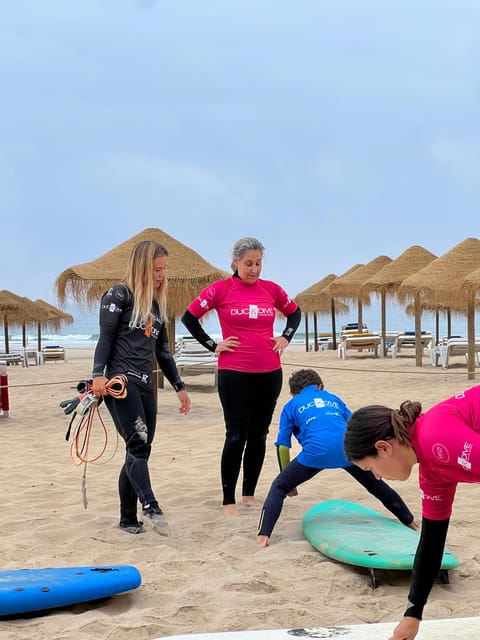
One of the most praised parts is the coaching style. The lesson is described as excellent for beginners, with small groups and clear explanations. More importantly, the feedback you get while you’re in the water is highlighted as especially useful.
That’s what makes this kind of class worth repeating. Surf improves in short cycles: try, correct, try again. If you get feedback at the right moment, you can change what you do immediately. And if the instructor can explain clearly (in multiple languages), you waste less time guessing.
And yes—there’s even a mention of a standout instructor named Tiago in the review notes. If that’s your instructor, you’re likely to get a confident, energetic teaching tone.
Should you book this Praia do Castelo surf class?
I think you should book if you want:
- a small-group surf lesson in Caparica,
- structured progression by initiation, progression, and advanced categories,
- coaching focused on transferable technique (motor patterns),
- and ocean/wave understanding tied to safety.
I’d skip it—or at least rethink it—if you’re expecting a long, multi-day training camp or a solo private session. Two hours is a solid learning block, but it’s still one session. You’ll likely leave motivated and more capable, not finished.
Quick decision tip
If you want your next surf session to start from a better foundation—more consistent technique and smarter wave choices—this class is a strong way to get there.
FAQ
How long is the surf class?
The class lasts 2 hours.
Where is the class held?
It takes place at Praia do Castelo in Caparica.
What’s included in the price?
All gear is included: surfboard, wetsuit, and insurance, plus the surf class itself.
Do I need to bring a towel and swimwear?
Yes. Bring swimwear and a towel.
Are there different levels for students?
Yes. The classes are divided into initiation, progression, and advanced categories.
What languages are available for the instructor?
The instructor can teach in Portuguese, English, Spanish, Italian, and French.
Is there a cancellation option?
Yes. Free cancellation is available up to 24 hours in advance for a full refund.
Can I reserve and pay later?
Yes. You can reserve now and pay later.