REVIEW · HISTORICAL TOURS
Lisbon: Entry Ticket for the History of Cod Visitor Center
Book on GetYourGuide →Operated by Distributor: GetYourGuide Tours & Tickets GmbH · Bookable on GetYourGuide
Lisbon can be a maze, so I like finding tickets that let me move at my pace. This History of Cod Visitor Center is small, focused, and right where you want it if you’re sightseeing along the waterfront. In an hour or two, you can connect the dots between bacalhau, Portuguese identity, and the far-flung fishing routes that helped shape Portugal’s food culture.
Two things I like a lot. First, the ticket gives you a self-guided visit, so you’re not stuck with a schedule. Second, the content centers on cod as more than a meal—think sailors’ stories, Portuguese fishing far beyond Europe, and what it means at the family table.
One consideration: this is a compact museum. If you’re expecting a big, multi-hour experience (or a guided tour with lots of live explanation), you might feel like you want more.
In This Review
- Key highlights at a glance
- Where to Enter: Centro Interpretativo Da História Do Bacalhau
- Self-Guided Means You Control the Pace (And That’s the Point)
- The Exhibition’s Core Theme: Cod as Portuguese Identity
- Sailors and the Long Reach: Greenland and Newfoundland
- The Faithful Friend Myth: Why Cod Is More Than Food
- Fishing Then and Cooking Now: Methods and New Recipe Ideas
- Lisbon Waterfront Location: Easy to Pair With a Real Sightseeing Day
- Price and Value: Why $4.72 Works (If You Know What You’re Buying)
- Who Should Book This Cod Visitor Center Ticket?
- Should You Book This Ticket?
- FAQ
- Is a guided tour included?
- How long is the experience?
- Where do I enter for the ticket?
- What languages are available?
- How many people can enter per timeslot?
- Is there free cancellation?
- Is there a reserve now & pay later option?
Key highlights at a glance
- Small and self-paced: easy to fit into a day of Lisbon sights without rushing
- Cod as cultural symbol: see how bacalhau connects to Portuguese food and history
- Sailors’ stories: traditions passed down from generations of fishermen and sailors
- Global fishing routes: learn how Portuguese fishermen reached Greenland and Newfoundland
- Myth-busting at the table: the origin story of the faithful friend legend
- Tomorrow-focused food: future of cod, plus how it’s fished and new ways to cook it
Where to Enter: Centro Interpretativo Da História Do Bacalhau
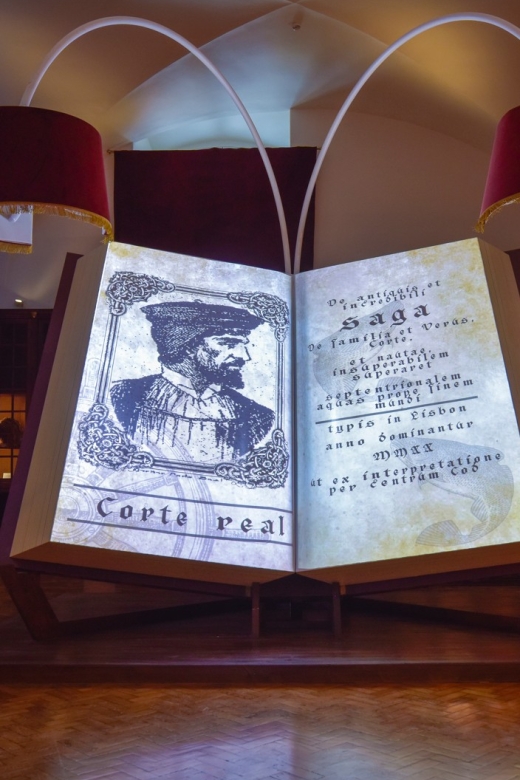
You’ll want to enter at Centro Interpretativo Da História Do Bacalhau. That matters because this is a timed, ticket-based experience, not something you just walk into whenever you feel like it.
The center is in Lisbon’s historical city area on the waterfront, which is a big plus for planning. You can pair this with nearby sightseeing without backtracking across town. And because there’s a host or greeter available in English and Portuguese, it’s straightforward if you need help finding the entry point or understanding your timeslot.
You can also read our reviews of more tours and experiences in Lisbon



Self-Guided Means You Control the Pace (And That’s the Point)
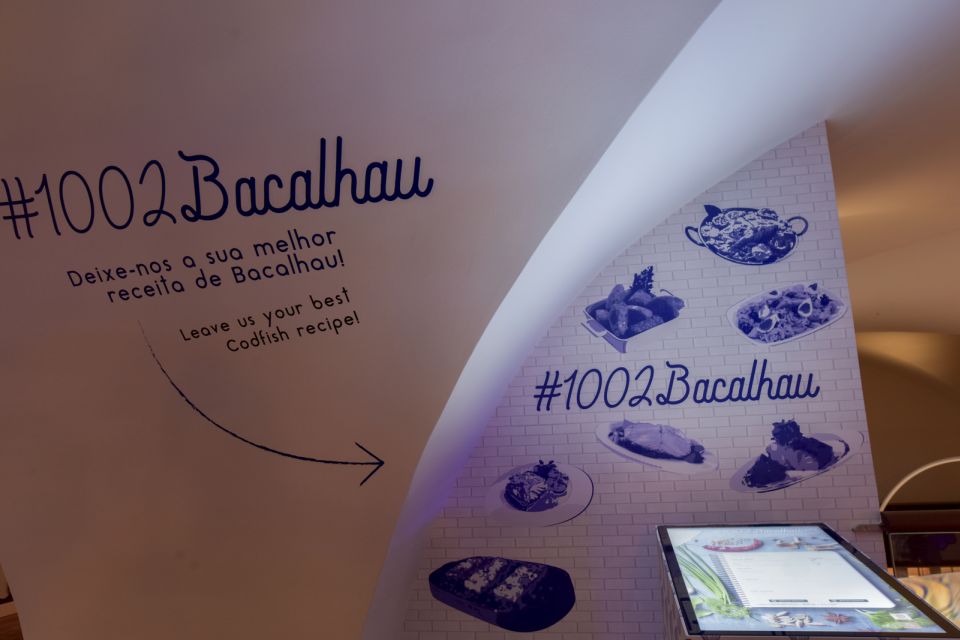
This ticket is for entry only. There’s no guided tour included, so your experience depends on how you like to travel—do you enjoy reading at your own speed and moving on when you’re done? If yes, you’ll likely appreciate the setup.
The museum is designed for a short visit with a clear flow through sections of the exhibition. You can linger on the stories that catch your attention and skip parts that don’t. If you’re the type who hates being herded, this works in your favor.
The practical reality: with only a maximum of 4 people per timeslot and a 4-minute interval between timeslots, it’s clearly run in small batches. That often makes the visit calmer, but it also means you should arrive close to your start time. Show up late and you may be forced to wait for the next window.
The Exhibition’s Core Theme: Cod as Portuguese Identity
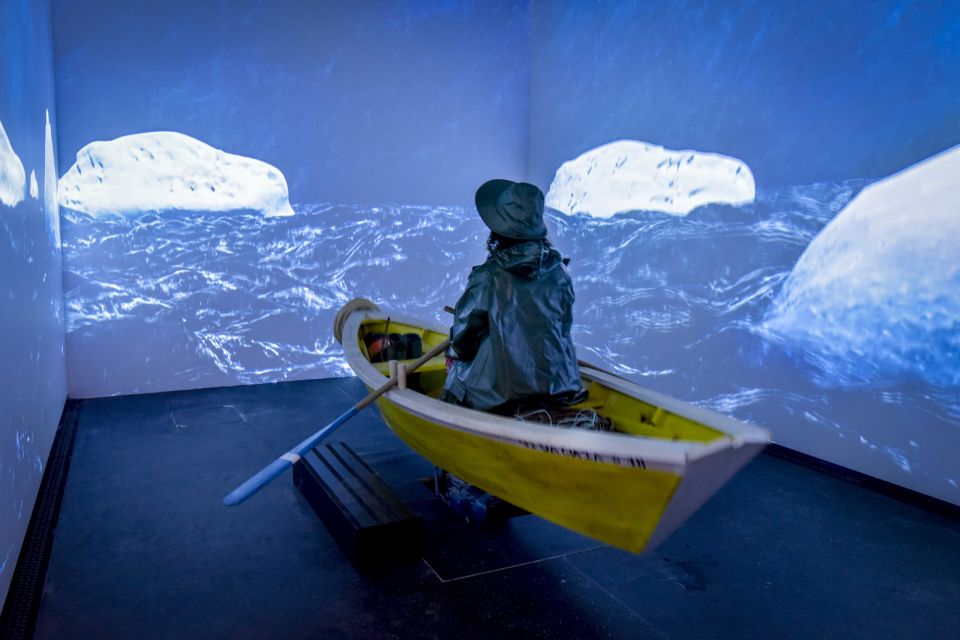
The heart of the center is simple and powerful: Portuguese culture shaped around cod—especially bacalhau. You’re not just learning a seafood fact. You’re learning why cod became a defining symbol of Portuguese food, culture, and history.
As you move through the exhibition, you’ll connect everyday eating with larger historical movements. The idea is that bacalhau didn’t just show up on menus. It traveled—along with people, trade, and hard-won fishing knowledge. If you like the way food reveals the real story of a country, this museum hits the sweet spot.
And yes, you’ll get that special kind of Lisbon satisfaction: it’s close to the water, tied to the sea, and it gives context to what you see elsewhere around town. Even if you don’t consider yourself a food historian, the way the center frames cod will probably make you look at Portuguese meals with different eyes.
Sailors and the Long Reach: Greenland and Newfoundland
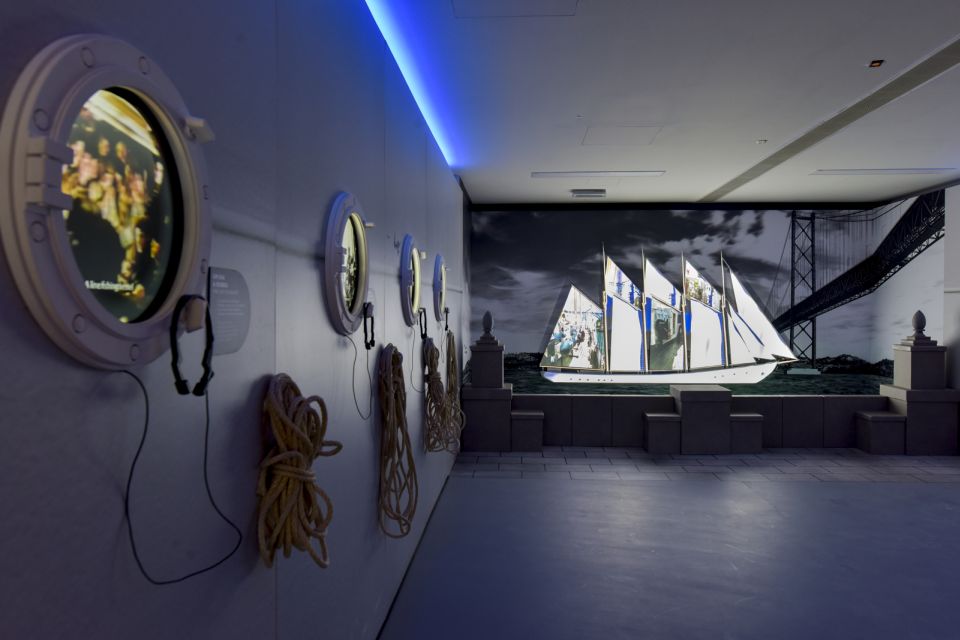
One of the best parts of the exhibition is how it focuses on the fishing effort by Portuguese sailors. The center highlights Portuguese fishing journeys that reached as far as Greenland and Newfoundland. That’s not trivia. It explains why bacalhau became so important: these were long, difficult voyages where the fish you caught could feed people and support livelihoods back home.
You also get stories passed down from generations of sailors and fishermen. That adds texture. Instead of only dates and catch sizes, you get a sense of tradition—the human side of why cod mattered.
Here’s why it’s valuable for you: Portugal has a lot of history that can feel big and distant when you read it. This makes maritime history more personal. You’re seeing how real work, risk, and knowledge connected to what families cooked later.
The Faithful Friend Myth: Why Cod Is More Than Food
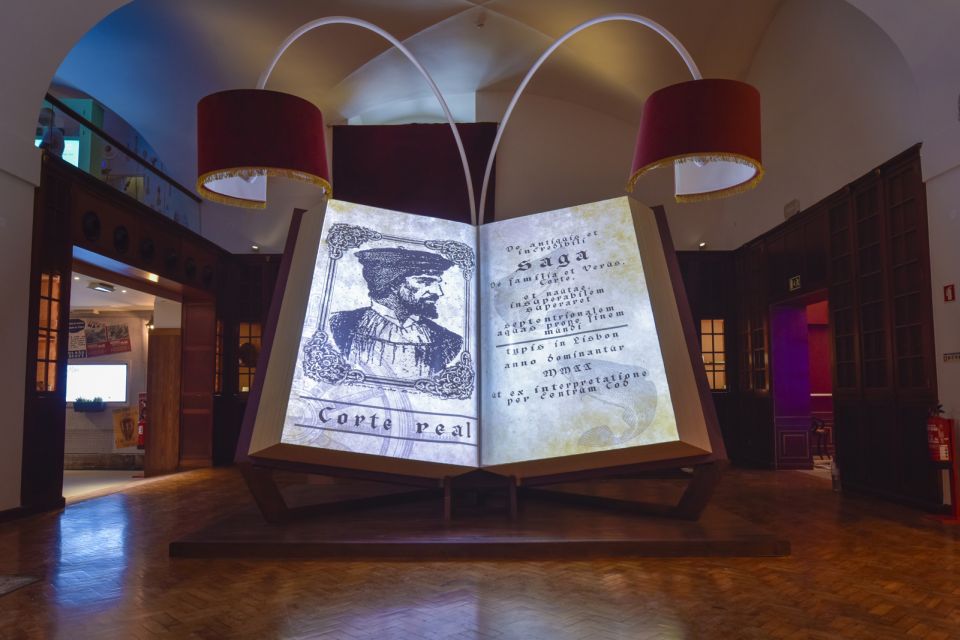
The exhibition doesn’t only cover where cod came from. It tackles the legend of the faithful friend at table—including how that myth came about.
This is one of those sections that can surprise you, because it shifts the focus from fishing to meaning. How did cod become a beloved symbol? How did the story stick around? The center guides you to consider how food myths grow—through repetition, family culture, and the comfort of familiar traditions.
If you’re the kind of traveler who likes cultural anthropology without getting too academic, you’ll probably enjoy this. It’s a reminder that food culture isn’t only about technique. It’s also about stories you inherit and repeat.
You can also read our reviews of more historical tours in Lisbon





Fishing Then and Cooking Now: Methods and New Recipe Ideas
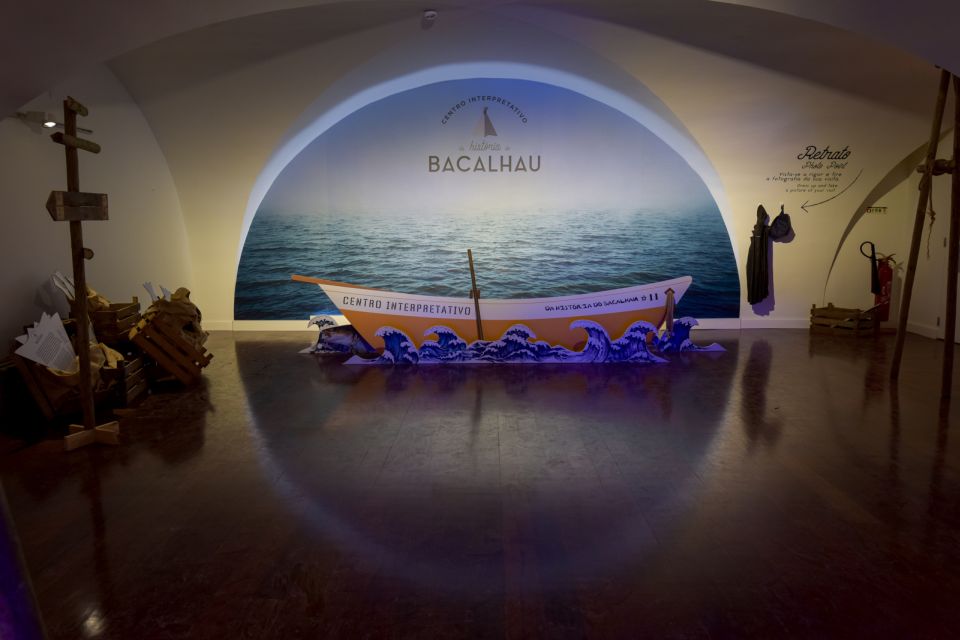
The center also looks at the practical side: how bacalhau is fished, and what that means. You’ll learn about how cod is fished as part of the broader picture of cod consumption and its role in Portuguese life.
Then the exhibition turns to the present and the future. You’ll see discussion of the future of cod, how it’s consumed, and new ways it can be cooked.
For you, that last part is key. It doesn’t leave you stuck in the past. It asks: if cod is such a symbol, what happens when the world changes? And since many people come to Lisbon thinking about what to eat, the “new ways to cook it” angle is practical even if you don’t cook yourself at home.
This is also where the center can be most useful for planning your meals. You’ll leave with more context before you order bacalhau in a restaurant, and you might notice how the dishes reflect different traditions or techniques.
Lisbon Waterfront Location: Easy to Pair With a Real Sightseeing Day
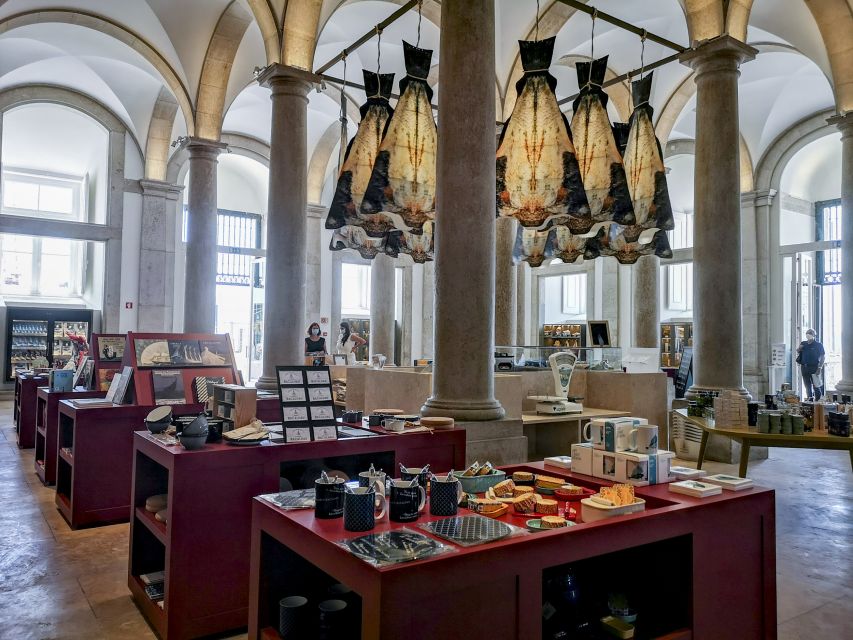
Because this is on the waterfront in Lisbon’s historical center, you can slot it into a day without turning it into a chore. If you’re already walking near major sights, this kind of ticket-based museum is a natural add-on.
Think about pacing like this: plan a morning of walking and photo stops, then use the visitor center as your calm indoor reset. Or do it the other way around if you prefer learning first and then exploring with context.
Either way, the experience is short enough that you won’t feel like you missed half the city while you were inside.
Price and Value: Why $4.72 Works (If You Know What You’re Buying)
At about $4.72 per person, this is priced like a focused stop rather than a major attraction. And honestly, that matches what the center appears to deliver: a clear theme, well-defined exhibition sections, and a self-paced visit that doesn’t require extra cost for a guide.
So here’s the value math. If you love Portuguese food culture, maritime history, or you just want a meaningful explanation behind bacalhau, this is a bargain. You’re paying for context that can make your meals and sightseeing feel more connected.
If you’re expecting a large museum with tons of interactive elements—or a long guided program—then the low price can also be a warning sign. One side of the experience is educational and compact; the other side is that there simply isn’t a huge amount of time needed.
Who Should Book This Cod Visitor Center Ticket?
I’d book this if you fit any of these:
- You’re a foodie who wants the story behind what you eat in Lisbon
- You like Portugal’s maritime history in a readable, story-driven format
- You want a self-guided activity that you can start when your day allows
- You’re sightseeing near the waterfront and want something compact and meaningful
I’d skip it (or at least lower your expectations) if:
- You want a guided tour with lots of live narration
- You need a long, multi-hour museum outing to feel satisfied
- You prefer big spaces and lots of variety over a single clear theme
Should You Book This Ticket?
Yes—if you want a low-cost, self-paced way to understand why bacalhau is a Portuguese icon. This is the kind of place that makes your later restaurant order feel smarter, not just tastier.
Also, given the small 4-person timeslots, it’s a good option if you dislike crowded attractions. Plan for a timely arrival, pick a start time that fits your route, and treat it like a focused story stop rather than a full museum day.
FAQ
Is a guided tour included?
No. Your ticket is for entry to the History of Cod Visitor Center and does not include a guided tour.
How long is the experience?
The entry ticket is valid for 1 day, and starting times depend on availability.
Where do I enter for the ticket?
Enter at Centro Interpretativo Da História Do Bacalhau.
What languages are available?
The host or greeter is available in English and Portuguese.
How many people can enter per timeslot?
A maximum of 4 people can enter the exhibition per timeslot, with a 4-minute interval between timeslots.
Is there free cancellation?
Yes. You can cancel up to 24 hours in advance for a full refund.
Is there a reserve now & pay later option?
Yes. You can reserve now and pay later to keep your plans flexible.