REVIEW · FATIMA, NAZARE & OBIDOS DAY TRIPS
Private Tour: Discover the Rich Medieval History of Obidos
Book on Viator →Operated by Knight Riders Tourism · Bookable on Viator
A walled town day trip beats museum-hopping. This private tour takes you from Lisbon to Óbidos, where you’ll walk medieval streets, peek into old chapels and tombs, and get the story behind why the town is linked to royal weddings. If you like places where every corner seems to have a reason for existing, this one works.
I especially like two things: first, the focused guide talk that turns Óbidos from pretty walls into a place with names, dates, and big events; second, the freedom to shape the rest of your day—people often add nearby stops like Sintra or Alcobaça depending on what they want to see.
One consideration: the old streets inside Óbidos are narrow-cobbled. It’s not hard, but if you’re sensitive to uneven footing or want lots of long, flat walking, plan to move slowly and wear good shoes.
In This Review
- Key highlights to plan around
- Lisbon Morning To Óbidos Walls: What Your Day Really Feels Like
- Why Óbidos Feels Like a Medieval Time Capsule (Even the Roman Layers Matter)
- Inside the Chapel of Our Lady of Mercy: Tiles, Earthquake Repairs, and a Named Tomb
- Obvious Sights in Óbidos Square: Pillory, Coat of Arms, Fountain, and the Telheiro Market
- The Hexagonal Sanctuary and the 2nd–3rd Century Cross: A Detour That Actually Matters
- Customizing Your Day: How Sintra, Alcobaça, Nazaré, and Peniche Fit In
- What To Look For While You Walk Óbidos’ Narrow Cobbles
- Price and Logistics: Is $325.80 Per Person a Good Deal?
- Who This Tour Suits Best (And Who Should Choose a Different Day)
- Should You Book This Óbidos Medieval Tour?
- FAQ
- How long is the Óbidos tour from Lisbon?
- Is pickup and drop-off included from Lisbon hotels?
- Is this a private tour?
- Can the itinerary include other places besides Óbidos?
- What are the key things you’ll see inside Óbidos?
- Is there an admission cost for the main church/tile stops?
- Can I cancel for a full refund?
Key highlights to plan around

- A true walled-town visit: you’ll walk the streets and see the medieval castle vibe up close, not just a quick viewpoint stop
- Chapel of Our Lady of Mercy: tiles from the 1600s–1700s and the Renaissance tomb of João de Noronha
- Queen Eleanor of Viseu details: the pillory’s net symbol and the story tied to the Tagus
- A very old cross with a Baroque backstory: a crucifixion cross dated to the 2nd–3rd centuries
- You can customize: ask for add-ons like Sintra, Alcobaça, or other nearby sights
- Private pickup and drop-off: hotel-to-hotel service in an air-conditioned vehicle
Lisbon Morning To Óbidos Walls: What Your Day Really Feels Like
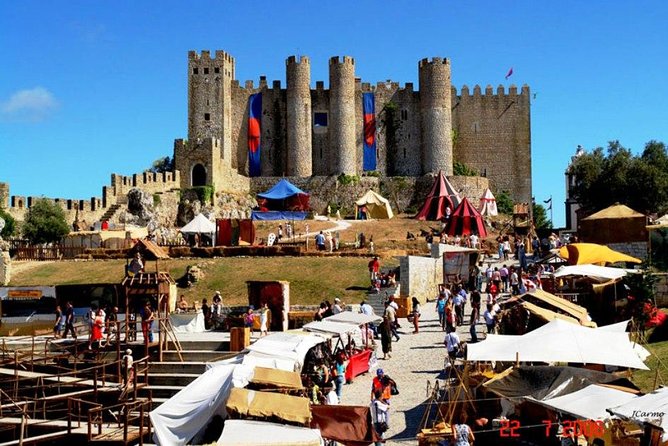
The tour starts at 9:00 am with hotel pickup and drop-off, which matters in Lisbon. You’re not trying to coordinate trains or taxis before your day of walking begins. The vehicle is air-conditioned, and your driver/guide is with you for the whole experience, so you can ask questions in real time.
Plan for an 8-hour day, give or take. You’ll spend that time on a guided walk-through of Óbidos plus the option to layer in extra places nearby. The “private” part is key here: your schedule can flex, and your guide can adjust the pace so the walking fits your group instead of the group fitting the tour.
If you’re coming from Lisbon and you want a day that feels both relaxing and specific, this format works well. You get transportation, direction, and storytelling without losing your freedom to adjust the final choices.
You can also read our reviews of more private tours in Lisbon



Why Óbidos Feels Like a Medieval Time Capsule (Even the Roman Layers Matter)
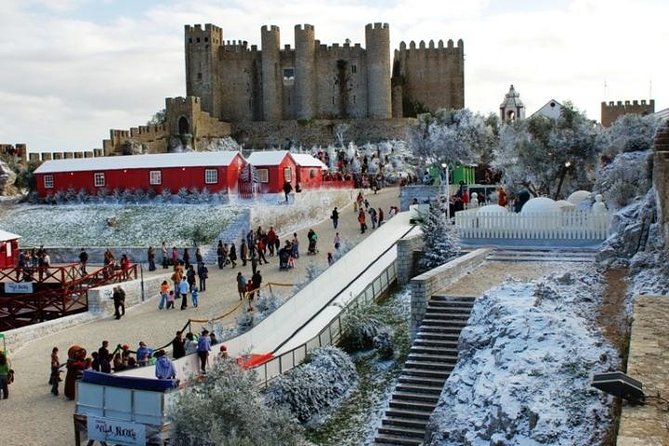
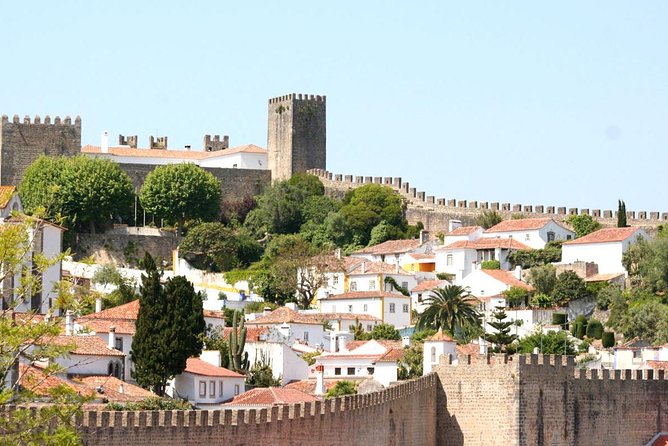
Óbidos is famous as one of Portugal’s best examples of a walled town, and it really shows when you first arrive. The town’s medieval character isn’t decorative fluff. It sits on older foundations—built upon Roman ruins in the larger story of the area—so you get layers rather than one single “theme.”
The big hook is how Óbidos was treated as a royal gift. It’s traditionally called the wedding present city because, starting with Queen Urraca in 1214, the town was given to the Queen of Portugal on her wedding day. That practice continued until the 19th century, and you can feel the pride that came from being tied to power.
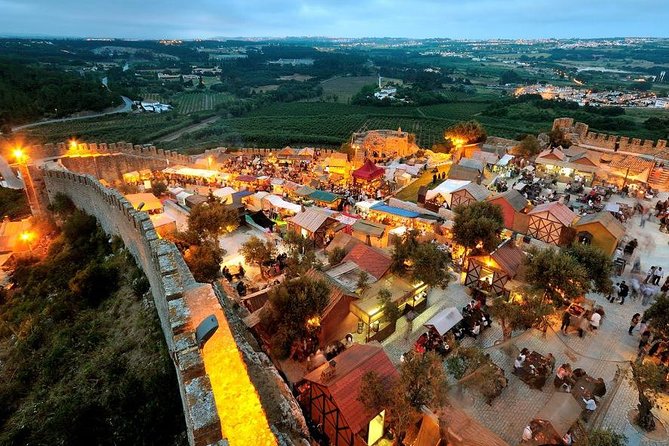
Your guide’s job here isn’t just to point at stones. It’s to explain why Óbidos ended up with its particular look and why the town still carries those symbols in public places like squares, chapels, and monuments. You’ll walk narrow streets lined with traditional painted houses, then see the imposing medieval castle presence that gives the town its dramatic silhouette.
The payoff: Óbidos becomes more than a pretty detour. It turns into a living timeline.
Inside the Chapel of Our Lady of Mercy: Tiles, Earthquake Repairs, and a Named Tomb
This is one of the best stops because it packs details into a small space. The Chapel of Our Lady of Mercy started after the Christian reconquest of Óbidos from the Moors. The church was founded on the main square not long after 1148, which gives you a sense of how quickly people wanted a religious anchor after control changed.
Here’s what makes it especially interesting: not much of the original medieval building remains. Earthquakes—yes, literal seismic events—triggered reconstruction. After an earthquake in the 1500s, campaigns gradually shaped what you see today, including the Mannerist design.
Then come the interiors. Almost every inch of the chapel walls are clad with tiles from the 1600s and 1700s, plus a marvellous retable from the same period. It’s the kind of decoration that’s hard to appreciate fast because your eyes keep wanting to track from floor-level to ceiling-level.
The star for many people is the Renaissance tomb of João de Noronha, with sculptors Jean de Rouen and Nicolas Chantereine. This is where your guide’s commentary makes the difference. It’s not only what’s there, but who paid for or shaped it, and how those artistic choices fit the town’s social identity.
If you like moments where you can say, Okay, I get why this exists, this chapel delivers.
Obvious Sights in Óbidos Square: Pillory, Coat of Arms, Fountain, and the Telheiro Market
After the chapel, you’ll have time to potter around the square. That word matters. Óbidos is at its best when you slow down just a bit and let street-level details pull you in.
Start with the pillory, a monument tied to the town’s autonomy. It’s also described as a place used to punish criminals, which instantly changes your mental image of a pretty square. This version dates to the 1400s and shows the coat of arms of Eleanor of Viseu.
Look closer and you’ll find a poignant detail on the crest: a net symbol. It represents the fisherman’s net that her infant son was wrapped in after he drowned in the Tagus. It’s not cheerful, but it’s memorable, and it gives the town’s symbols an emotional hook instead of being just decorative.
Next is the fountain. This one is tied to the town’s infrastructure: it was fed by the aqueduct, and it dates to the 16th century. Seeing a water source like this helps you connect medieval life with practical needs—water wasn’t optional.
Up on the north side is the Telheiro, recognizable by its portico with six columns. It housed an indoor market until the 1900s, which is a quiet reminder that Óbidos didn’t stop living after the Middle Ages. It kept trading, eating, and using its buildings for everyday life.
The Hexagonal Sanctuary and the 2nd–3rd Century Cross: A Detour That Actually Matters

There’s a separate stop for a hexagonal sanctuary just north of Óbidos, and it’s worth it. This is where the tour gets more surprising because you’re looking at something extremely old inside a later church setting.
The focus is the stone cross in the altar, carved with a primitive image of the crucifixion. The cross has been dated to the 2nd or 3rd century, meaning you’re seeing an object that predates the Baroque building around it by centuries. Your guide can help you spot that it’s not a decorative prop—it’s a relic that was brought into a later religious context.
Here’s the story that ties it to local route-making. It’s said that Queen Eleanor of Viseu placed the cross nearby in the 1500s to mark a route to Caldas da Rainha, the hot springs she founded. Later, the cross was forgotten until rediscovered in 1730 by a farmer. That rediscovery led to the completion of the church in 1737.
So this stop is three things at once:
- ancient material in a later setting
- royal-era travel guidance
- a rediscovery story that created a new generation of devotees
It’s the kind of thing that makes you like the tour guide’s job again: they’re not just reading facts. They’re building connections between time periods.
You can also read our reviews of more historical tours in Lisbon
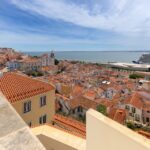





Customizing Your Day: How Sintra, Alcobaça, Nazaré, and Peniche Fit In
The base plan is Óbidos, but the real value is that your itinerary can include nearby places—your guide can help tailor the order to match your interests.
Common add-ons you may see on similar days include Sintra and Alcobaça, and you can also get coastal options. One popular pairing includes a visit to Pena Palace in Sintra, plus a drive down the coast to the monument marking the Westernmost pony on the European continent. Another version includes Nazaré and Alcobaça alongside Óbidos.
You might also be interested in the working fishing port of Peniche mentioned as part of the broader region’s draw. Even if you don’t go there, it helps you understand what kind of landscape your day could include: not only old walls and chapels, but also everyday coastal life.
A practical note: each extra stop adds driving time. The tour is 8 hours, so if you choose multiple add-ons, expect your “free wandering” time in Óbidos to shrink. I’d treat Óbidos as non-negotiable, then add one or two extras max unless your group is fine with a tighter schedule.
What To Look For While You Walk Óbidos’ Narrow Cobbles
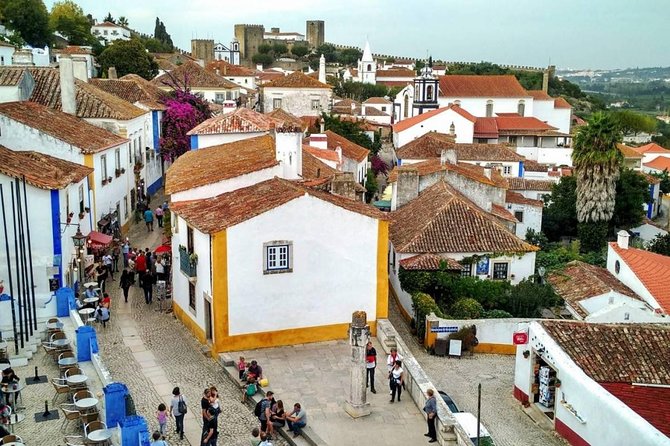
Óbidos rewards slow walking. I like to mentally separate the town into three zones: the main-square area around the churches, the symbolic monuments like the pillory and fountain, and the castle/wall views where you can understand the town’s defensive design.
Wear comfortable shoes. The streets are described as narrow-cobbled, and that’s exactly the kind of surface that punishes bad footwear. Also keep an eye out for painted façades—Óbidos is known for traditional houses that make it feel like a set, but they’re still lived-in buildings. Treat them with the respect you’d give anywhere in a working town.
Photo tip: take one “wide” shot early—capture the walls and the castle presence—then later get closer shots of tilework and the chapel tomb details. Tile scenes look different once you stop chasing the perfect angle and let your guide point you to what’s most worth seeing.
If you enjoy history at street level, this tour gives you enough structure to make the walking feel purposeful, not random.
Price and Logistics: Is $325.80 Per Person a Good Deal?
At $325.80 per person for an 8-hour private day with pickup and drop-off, you’re paying for convenience plus a guide who can adapt your route.
To judge value, focus on what’s included:
- hotel pickup and drop-off
- an air-conditioned vehicle
- driver/guide
- taxes and handling charges
- a mobile ticket
You’re also not stuck coordinating between two different transport systems. That matters if you’re staying in Lisbon and you want a smooth, stress-light plan.
If you’re traveling solo, the price may feel steep compared to group buses. But the “private” approach can save time and reduce friction. It also means your guide can answer questions as you go, and it keeps your day from turning into a checklist of hurried stops.
Where it gets especially worth it: if you plan to add at least one extra destination beyond Óbidos. The customization is part of the product, and the vehicle time becomes more valuable when it’s doing double-duty.
Who This Tour Suits Best (And Who Should Choose a Different Day)
This tour fits best if you:
- want guided explanations in a compact day
- enjoy medieval towns where details matter
- like the idea of customizing add-ons rather than committing to a fixed bus route
- prefer a private setup with pickup and drop-off
It’s also a good choice if your group has mixed interests—Óbidos gives medieval architecture and symbolism, while nearby options can bring in coastal stops or major sights like Sintra’s Pena Palace.
The main “not ideal” scenario is if your priority is maximum free time inside Óbidos with zero structure. This is guided and timed, so you’ll get “potter time,” but not hours of unplanned wandering. Still, the tour’s format is flexible enough to keep the day from feeling rigid.
Should You Book This Óbidos Medieval Tour?
I’d book it if you want a smart day from Lisbon that feels like real travel, not just transit to a postcard. Óbidos works because it’s a walled town with stories you can actually track—royal weddings, specific symbols like Eleanor of Viseu’s crest, and a chapel full of tiles and named artwork. Add the option to layer in Sintra or Alcobaça, and you get more than one kind of memorable sight in the same day.
If you’re deciding between a simple Óbidos day trip and this private setup, here’s my rule of thumb: choose private if you value comfort, a guided narrative, and route flexibility. If your group is on a tight budget and you’re happy to self-navigate, you might compare alternatives. But if you want the day to run smoothly and still feel authentic, this is a strong match.
FAQ
How long is the Óbidos tour from Lisbon?
It runs for about 8 hours.
Is pickup and drop-off included from Lisbon hotels?
Yes. The tour includes hotel pickup and drop-off.
Is this a private tour?
Yes. It’s a private tour/activity, and only your group participates.
Can the itinerary include other places besides Óbidos?
Yes. You can customize the day to include nearby cities such as Sintra or Alcobaça.
What are the key things you’ll see inside Óbidos?
You’ll visit the walled town and explore stops including the Chapel of Our Lady of Mercy, the square area with the pillory, fountain, and Telheiro building, plus the nearby hexagonal sanctuary with a very old stone cross.
Is there an admission cost for the main church/tile stops?
For the listed stops such as the Chapel of Our Lady of Mercy and the nearby sanctuary points, the admission is noted as free.
Can I cancel for a full refund?
Yes. You can cancel up to 24 hours in advance for a full refund.