REVIEW · PASTEL DE NATA BAKING CLASSES
Pastel de Nata Workshop in Lisbon
Book on Viator →Operated by Casa dos Ovos Moles em Lisboa · Bookable on Viator
Custard perfection starts with your own hands. In this Lisbon workshop at Casa dos Ovos Moles, you learn how to make pastel de nata from scratch, including the handmade dough, and then taste the results right after baking. It’s a hands-on, small-group class in English with two time options.
I love that you get a written recipe you can actually use later at home, not just a quick souvenir. I also like the payoff: you sit down for your dessert with a glass of port wine or local ginja liquor, so you’re tasting what you made while it’s fresh.
One consideration: if you prefer a totally relaxed, no-feedback cooking vibe, know the instructor’s focus on getting the technique right may feel a bit intense to some people, even in a friendly class.
In This Review
- Key Things To Know Before You Go
- Casa dos Ovos Moles: A Lisbon Pastry Shop With Convent Roots
- Walking In: What the 2-Hour Workshop Really Feels Like
- From Scratch to Finished Pastel de Nata: The Core Lesson
- The Take-Home Recipe: Your Real Souvenir
- Tasting Time: Port Wine or Ginja With Your Dessert
- Small Group Size (Max 6): Why It Makes a Difference
- The Instructor Factor: Filipa and Technique-First Teaching
- Price and Value: What $72.41 Buys You in Lisbon
- Who Should Book This Pastel de Nata Workshop
- Quick Practical Tips Before You Arrive
- Should You Book This Pastel de Nata Workshop?
- FAQ
- How long is the Pastel de Nata workshop in Lisbon?
- Where does the workshop meet in Lisbon?
- Does the workshop end at the same place it starts?
- Is the class taught in English?
- How big is the group?
- What’s included in the dessert tasting?
- Do you get a recipe to take home?
- What kind of ticket does the workshop use?
- What’s the cancellation policy?
- What if the weather is poor?
Key Things To Know Before You Go
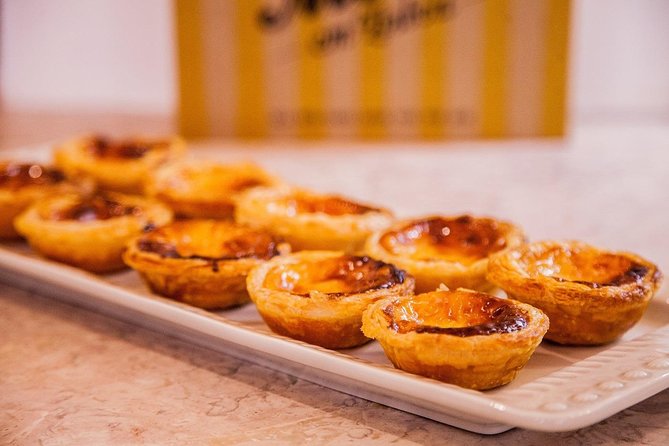
- Hands-on dough from scratch: You learn the process starting at the beginning, not just assembly.
- Take-home written recipe: You leave with instructions to recreate pastel de nata at home.
- Small group size (max 6): Expect more direct attention while you work.
- Port or ginja pairing: Your pastel de nata comes with a drink for the tasting.
- Convent-style pastry focus: The shop specializes in Portuguese conventual sweets created in the 16th century.
- English instruction + mobile ticket: Easy to plan, with confirmation at booking.
Casa dos Ovos Moles: A Lisbon Pastry Shop With Convent Roots
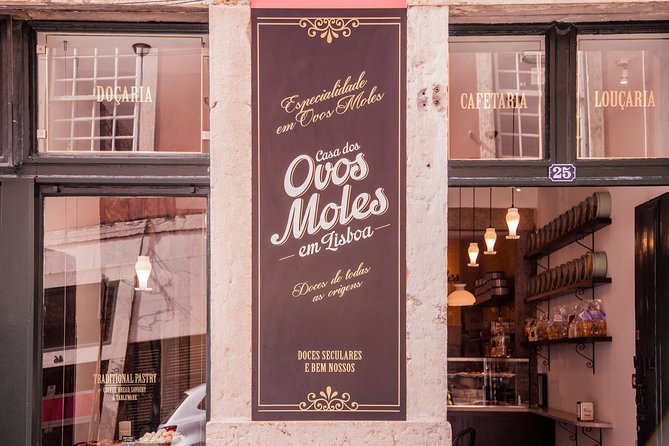
This workshop is based in Casa dos Ovos Moles em Lisboa, a pastry shop tied to Portuguese conventual baking traditions. The shop specializes in sweets first created inside convents in the 16th century, which matters because it explains why the emphasis here is on process and technique, not just the final bite.
You’ll also feel the bakery identity in the menu themes. The shop is known for ovos moles and related classics like pastel de nata, pão de ló ovar, ovos moles de Aveiro, and pudim abade de priscos. Even if you only came for pastel de nata, it helps to know you’re in a place that treats these desserts as serious craft.
Location is practical too. The meeting point is Calçada do Sacramento 25, 1200-393 Lisboa, and it’s listed as near public transportation. That’s the kind of detail that makes a cooking class feel like a vacation, not a logistical puzzle.
You can also read our reviews of more tours and experiences in Lisbon

Walking In: What the 2-Hour Workshop Really Feels Like
The stated duration is about 2 hours, and the class is designed to run as a full cycle: you learn, you cook, and then you taste. In real life, cooking classes can expand a little depending on pace and questions, so if you’re time-crunched afterward, I’d plan some buffer. One class experience was noted as running closer to 2.5 hours, which is a good reminder to stay flexible.
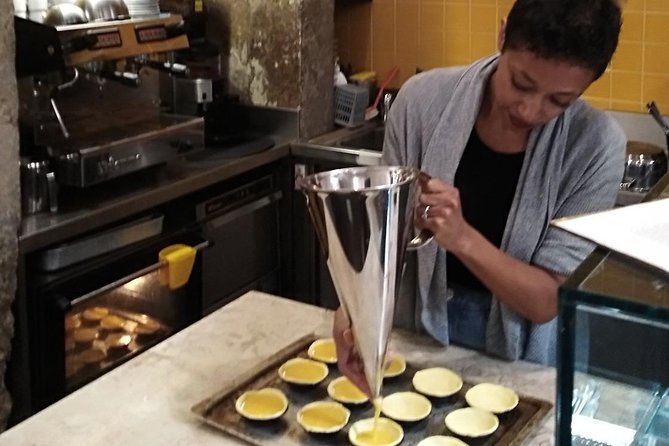
What you’re doing is not a “watch and snack” format. The workshop focuses on the method for pastel de nata, including the dough made by hand. That’s a big deal for your learning because pastel de nata isn’t just flavor. The texture, the layering, and the final result come from technique.
You’ll also get a clear sense of what matters most. The shop promises the pastries you make will be the freshest, and the tasting right after cooking reinforces that. Instead of sending you home with raw ingredients, the class builds toward a final product you can judge immediately.
From Scratch to Finished Pastel de Nata: The Core Lesson
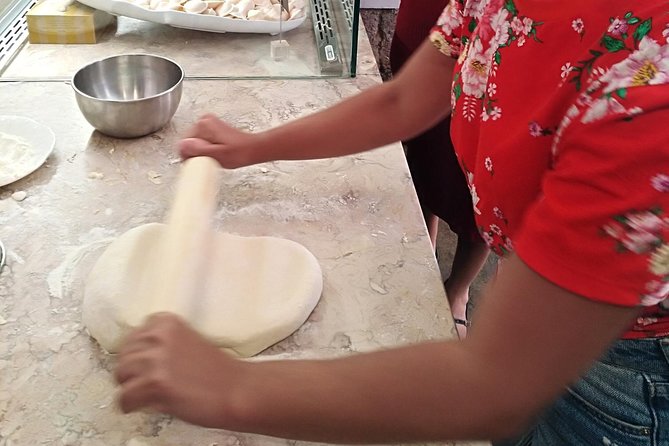
Here’s the heart of the experience: you’re taught the entire process “from the scratch,” and the dough is handmade. That wording matters. Many “quick” workshops skip the dough work, or focus on shaping and filling only. This class is built around the foundation.
Expect a guided workflow where you follow steps, practice the parts that feel tricky, and get help when your technique needs adjusting. The biggest skill you take home isn’t a secret ingredient—it’s the order of operations and how to handle the dough correctly.
Because you’re making it yourself, the tasting at the end becomes more meaningful. You can connect what you did with what you see in the finished pastel de nata. That’s how you actually improve your results when you recreate it later.
The Take-Home Recipe: Your Real Souvenir
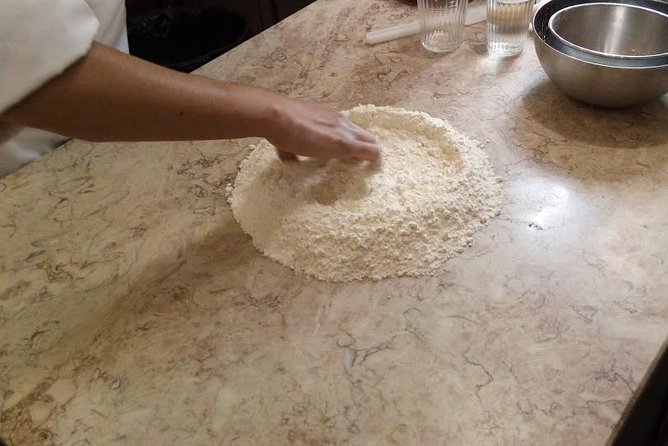
One of the most practical perks is the written recipe you receive to replicate pastel de nata at home. That’s the difference between a fun memory and a skill you can reuse. A photo is nice, but a recipe is what lets you bake again when your craving hits.
This is also a smart way to keep your notes straight. In a fast 2-hour class, it’s easy to forget details. Having a written guide means you can review the steps later without relying on memory.
If you like cooking as part of travel, you’ll probably use it. And if you don’t cook much, the recipe still helps you show your friends a real Lisbon story: not I bought dessert, but I learned to make it.
Tasting Time: Port Wine or Ginja With Your Dessert
After cooking, the class ends with tasting your pastel de nata alongside port wine or local ginja liquor. This is more than a nice drink pairing. It turns the workshop into a true local-style dessert moment.
Port wine fits the rich, custard-style sweetness of pastel de nata. Ginja liquor brings a distinctly Portuguese flavor profile—bright and traditional. You get a choice, so you can pick what matches your palate, not just what’s pre-selected.
The timing is also good. Instead of tasting something random from a display case, you taste what you made. That makes the final step feel like closure, not just an add-on.



Small Group Size (Max 6): Why It Makes a Difference
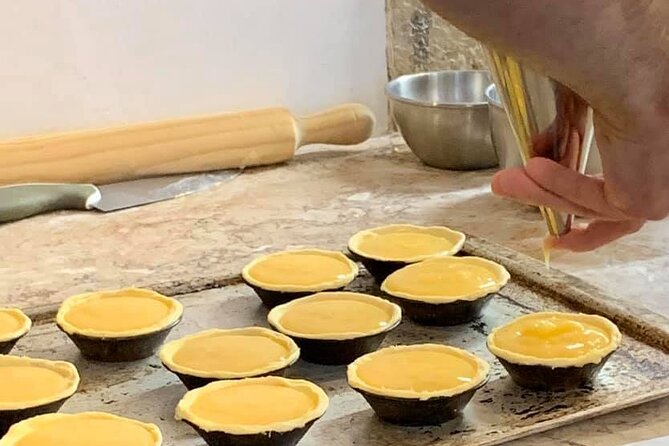
The class caps at 6 travelers, which changes how the workshop feels. With a small group, you’re not waiting your turn while someone else gets attention. You’re more likely to get direct guidance while you’re actively handling the dough.
This matters most for the part that feels easiest to mess up: working the dough correctly and staying confident through each step. When the instructor can see what your hands are doing, feedback is faster and your learning sticks.
It also keeps the vibe friendly and focused. You get to participate instead of hovering at the edge of the workspace. Several people highlighted hands-on involvement and the chance to participate fully, which is exactly what I’d hope for in a pastry class at this level.
The Instructor Factor: Filipa and Technique-First Teaching
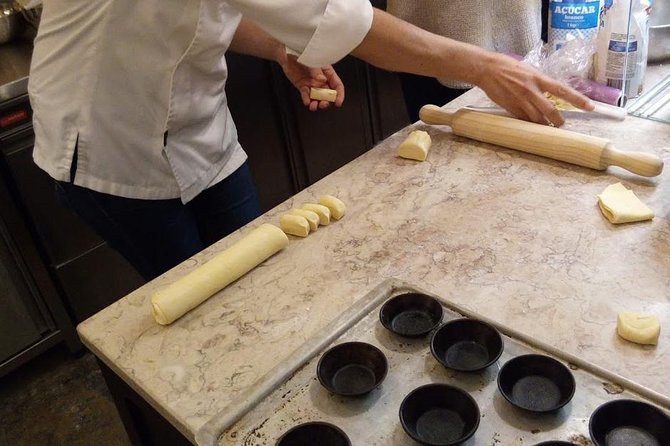
The instructors are a major part of why this experience gets such strong ratings. Filipa is specifically mentioned multiple times, and she’s described as funny, informative, and clearly invested in teaching the process properly.
Based on the way people describe the instruction, the teaching style is technique-first. That’s a good thing if you want to learn how to do it right. The only potential downside is that some participants may feel more corrected than expected. If you’re the type who prefers gentle encouragement only, you might find that direct critique isn’t your favorite style.
Still, even the negative feedback points to the same theme: the workshop’s intent is skill-building. You’re not there to passively experience Lisbon. You’re there to master the method well enough to replicate it later.
Price and Value: What $72.41 Buys You in Lisbon
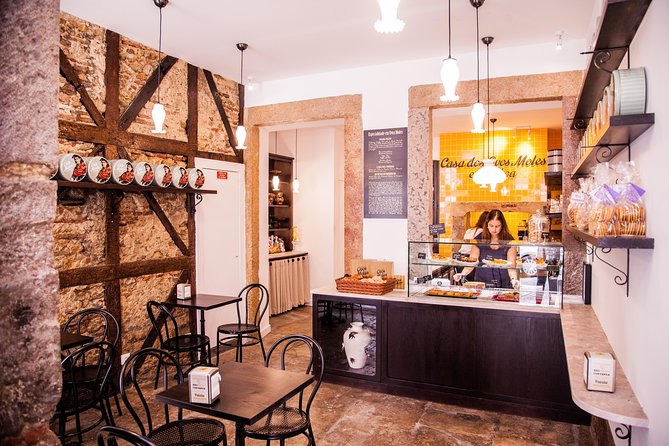
At $72.41 per person for around 2 hours, the key question is what you’re paying for. Here, you’re paying for a full hands-on lesson, a small-group format (max 6), a take-home written recipe, and a tasting with a drink.
Many food experiences in Lisbon include tasting, but fewer include from-scratch dough instruction plus a recipe you can use at home. You’re also getting the benefit of learning in English, and a local bakery setting tied to conventual Portuguese pastries. The value isn’t just the dessert. It’s the instruction time and the tangible take-home tool.
If you bake at home even occasionally, this can be a bargain. If you never cook, it’s still enjoyable, but the value depends on whether you’ll actually use the recipe afterward.
Who Should Book This Pastel de Nata Workshop
This is a great fit for people who want more than a dessert stop. If you like interactive experiences, small groups, and learning a classic Portuguese pastry you can repeat later, you’ll enjoy this format.
It also works well for couples, friends, and solo travelers. The small group size makes it feel personal rather than crowded. If you’re traveling with teens or family members who are game to get their hands involved, this kind of workshop often lands well because everyone participates.
If you hate cooking mess or you’re set on a super-slow, sit-and-watch experience, you may prefer a different style of food tour. This one is hands-on, and it expects you to work.
Quick Practical Tips Before You Arrive
- Wear sleeves you’re okay with getting flour on. Even with care, pastry work can be messy.
- Bring your curiosity. The class includes history and shop context, and it helps you connect the dessert to Portuguese tradition.
- If you’re planning a tight schedule after class, give yourself a little buffer time beyond the stated 2 hours.
Also, confirm your preferred class time at booking. The experience offers two class times, so you can match it to your day.
Should You Book This Pastel de Nata Workshop?
I think you should book it if you want a real skill, not just a quick taste. The combination of hands-on dough from scratch, a take-home recipe, small group attention, and the port or ginja tasting makes it a strong value for Lisbon.
Skip it only if you strongly prefer a totally relaxed, no-correction cooking session. Otherwise, this is one of those Portugal experiences where the best souvenir is what you can make back home.
FAQ
How long is the Pastel de Nata workshop in Lisbon?
The duration is listed as about 2 hours (approx.).
Where does the workshop meet in Lisbon?
The meeting point is Calçada do Sacramento 25, 1200-393 Lisboa, Portugal.
Does the workshop end at the same place it starts?
Yes, the activity ends back at the meeting point.
Is the class taught in English?
Yes, the workshop is offered in English.
How big is the group?
The class has a maximum of 6 travelers.
What’s included in the dessert tasting?
You’ll taste the pastel de nata you make, along with either port wine or local ginja liquor.
Do you get a recipe to take home?
Yes. You receive a written recipe to replicate pastel de nata at home.
What kind of ticket does the workshop use?
It uses a mobile ticket.
What’s the cancellation policy?
Free cancellation is available up to 24 hours in advance for a full refund.
What if the weather is poor?
The experience requires good weather. If it’s canceled due to poor weather, you’ll be offered a different date or a full refund.