REVIEW · COOKING CLASSES
Pastel de Nata Cooking Class in a Lisbon Pastry Shop
Book on Viator →Operated by eatwith · Bookable on Viator
Custard tarts meet hands-on Lisbon baking. I love the small group of up to 6 and the way Filipa teaches from-scratch pastry technique, not just quick assembly. The trade-off: it is priced as a premium class, and the short 1.5 hours means you’ll want to stay focused.
You’ll step into Casa dos Ovos Moles on Calçada do Sacramento 25 and get to work alongside your instructor. The class pairs the cooking with a drink break right in the middle, featuring Port wine and a shot of local ginja liqueur, plus more sips at the end with coffee and tea.
This is also family friendly for kids age 12 and up, and the tone stays patient and practical. If you want a hands-on Lisbon memory that you can actually repeat at home, this is a strong pick.
In This Review
- Quick Reasons to Book This Pastel de Nata Class
- Casa dos Ovos Moles: A Lisbon Pastry Shop With Real Stove Time
- Meet Filipa and the Small-Group Setup (Max 6 Travelers)
- What You’ll Make: Pastel de Nata From Dough to Custard
- The Techniques That Separate Good Pastel de Nata From Average Ones
- Drinks and Tasting: Port Wine, Ginja Liqueur, Coffee, and More
- Your 3:00 pm Schedule in Plain English
- Price and Value: Is $99.72 Worth It?
- The Small Group Effect: You Get Corrections, Not Just Vibes
- Where to Put It in Your Lisbon Day Near the Castle Steps
- Who Should Book (and Who Might Choose Another Option)
- Tips to Get Better Pastel de Nata Results Right Away
- Should You Book This Pastel de Nata Cooking Class in Lisbon?
- FAQ
- How long is the Pastel de Nata cooking class?
- What time does it start, and where is the meeting point?
- What is included with the ticket?
- Is the class in English?
- What group size should I expect?
- Is this class family friendly?
- What if I have allergies or dietary restrictions?
- Does it end at the same place?
- FAQ
- What is the cancellation policy?
Quick Reasons to Book This Pastel de Nata Class
- Small group attention: max 6 travelers, so your questions don’t float away.
- Hands-on technique: you learn the dough and custard process, not only the tasting.
- Filipa leads the class: warm, detailed instruction with corrections that stay friendly.
- Port and ginja included: wine tasting starts early, not as an afterthought.
- Team production, not a solo bake: everyone does parts of the work, then you eat what you made.
- Lisbon timing that fits sightseeing: it starts at 3:00 pm and ends back at the meeting point.
Casa dos Ovos Moles: A Lisbon Pastry Shop With Real Stove Time
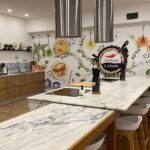
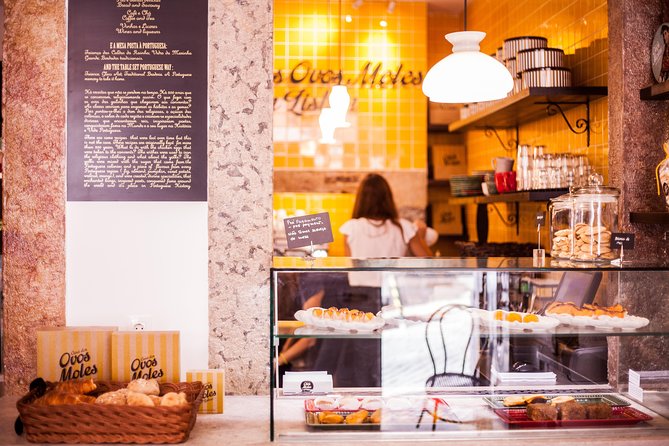
This class happens inside Casa dos Ovos Moles, an established pastry shop in Lisbon. That matters, because you’re not cooking in a generic demo kitchen. You’re learning in the kind of working space where pastry tools and routines feel normal.
Filipa runs the teaching side, and that shows in how the session moves. The vibe stays inviting, and you can tell the class is built around technique, not performance. Even in a group, she keeps everyone in the loop.
One detail I really like: this is close to the Castle area. Plan to wander before or after, and you’ll feel like your afternoon is part cooking class, part Lisbon stroll.
You can also read our reviews of more cooking classes in Lisbon
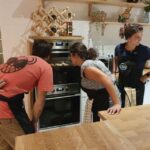

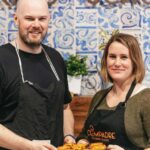
Meet Filipa and the Small-Group Setup (Max 6 Travelers)
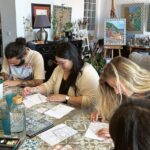
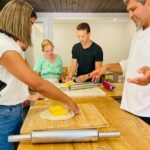
You’re capped at 6 people, and that changes everything. In a bigger class, your hands can be busy but your questions often get lost. Here, the pace lets your instructor actually watch what you’re doing and adjust your method.
In the best runs, the instruction includes both the owner/instructor and a helper (one class included Beatrix). That kind of support helps when the pastry gets fiddly. It also keeps the atmosphere relaxed, even if you have never folded or stretched dough before.
The class is in English, and you can also expect a friendly approach when you’re learning. Several people describe Filipa as patient and funny, with corrections that don’t bruise your confidence. If you’re traveling with family, that tone helps a lot too.
What You’ll Make: Pastel de Nata From Dough to Custard
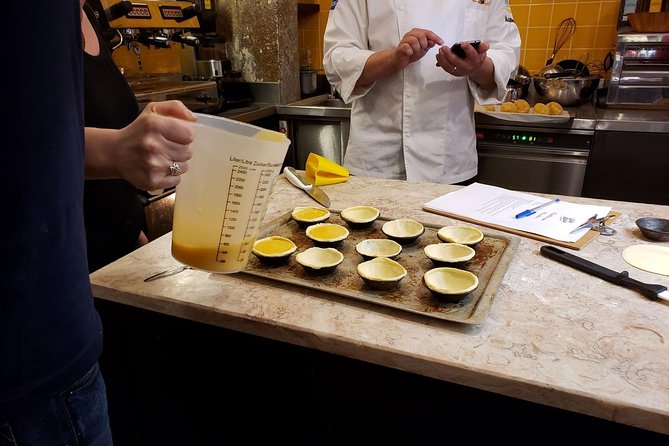
Pastel de Nata look simple when they’re lined up in pastry cases. In real life, they take a lot of careful work. This class is structured to teach you the core steps: pastry dough, filling, shaping, and baking results.
The highlights promise you’ll make the famous Portuguese custard tarts from scratch. In practice, that means you learn the process and technique for the elements, then the group works together through the steps. One reviewer notes it is a team effort: each person gets hands-on for parts of the process, but you do not literally make one tart start-to-finish entirely by yourself.
You’ll also learn the history while you cook. That pairing is useful because it keeps the work from feeling like random pastry trivia. You’re not just following steps; you understand why the tarts became a national snack and what makes them distinct.
If you’re the type who likes to know the why, this is a better format than a pure tasting. If you’re the type who just wants to eat, the food payoff comes quickly once the baking finishes.
The Techniques That Separate Good Pastel de Nata From Average Ones
The big lesson here is that pastry isn’t only ingredients. It’s handling.
One of the most repeated themes in feedback: moving and working the dough takes practice, and the difference shows in the final tart. You’ll learn how to handle the dough so it stays intact while it’s shaped. That may sound basic, but it’s exactly where many first-timers struggle.
You’ll also get guidance on building the filling and assembling the tart in a way that bakes into that classic custard top. The class design keeps you from guessing. Filipa gives minute-by-minute detail and watches for common errors, then corrects you immediately.
For kids and first-time bakers, this matters. The session is hands-on, but the teaching approach can adjust to different participants. That flexibility shows up when someone is learning faster, slower, or with a different comfort level.
Drinks and Tasting: Port Wine, Ginja Liqueur, Coffee, and More
This is not a dry baking class. It’s a snack-and-sips experience built around Portuguese flavors.
You start with Pastel de Nata served with Porto wine and ginja liqueur. Expect a glass of port wine plus a shot of local liqueur as part of the experience flow. This isn’t only about drinking; it sets the mood and gives you a taste reference early on.
Then there’s more at the end: wine, aperitif, coffee, tea, and water. So yes, you’ll eat what you made, often while it’s fresh and warm from the oven.
If you’re sensitive to alcohol or want to keep it light, just communicate that at the start of the class. The experience asks guests to communicate any food restrictions (allergy or special diet), and it’s smart to mention drink preferences too.
You can also read our reviews of more tours and experiences in Lisbon

Your 3:00 pm Schedule in Plain English
The class runs about 1 hour 30 minutes. It starts at 3:00 pm and ends back at the meeting point on Calçada do Sacramento 25.
Here’s what the time block typically feels like based on the way the session is described:
- First comes instruction and setup: you meet your instructor, get your station, and start working through the pastry steps.
- Midway, you pause for the tasting: Pastel de Nata with port wine and ginja appears during the class.
- Then you keep working and baking: you finish shaping and get to the part that turns your efforts into the final tarts.
- You wrap up with the dessert/drinks: wine/aperitif and coffee or tea round out the experience.
The good news: 1.5 hours is short enough that you won’t feel stuck. The other truth: you should come in ready to participate. Pastel de Nata rewards attention.
Price and Value: Is $99.72 Worth It?
At $99.72 per person, this is not a budget activity. It is, however, a cooking class with a real craft component, plus food and drink.
What makes the price make sense for many people:
- You learn technique, not just taste your way through Lisbon. The work is hands-on and coached closely.
- You get small-group teaching (max 6), which is rare at this type of experience level.
- You receive included drinks and multiple beverages: port wine, ginja, wine/aperitif, coffee, and tea, plus water.
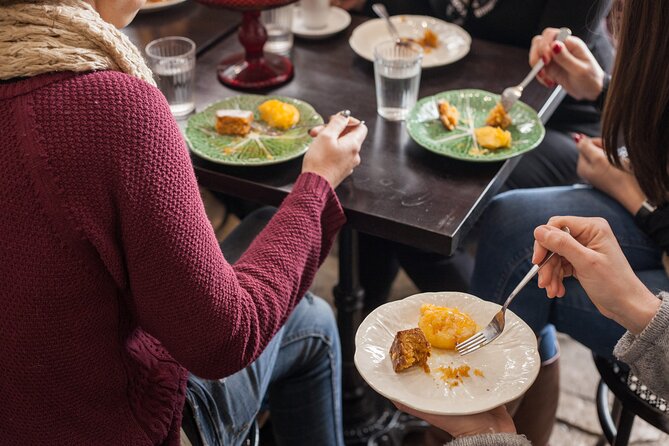
- You eat what you make fresh. That matters because Pastel de Nata are at their best right out of the oven.
Where it may feel steep:
- If you only want a quick snack and zero cooking, this won’t be your match.
- If you assume everyone makes a fully independent batch start-to-finish, the team format might not match your mental picture.
My practical take: if you like cooking, want a real skill you can repeat, and enjoy Portuguese flavors with your pastries, the price can feel justified fast.
The Small Group Effect: You Get Corrections, Not Just Vibes
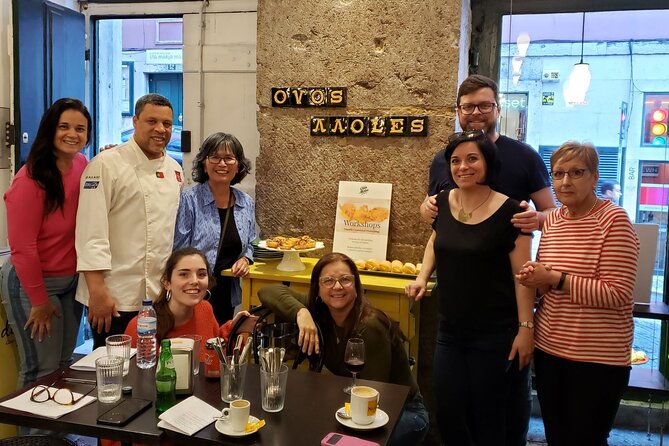
I like classes where someone can actually see what’s going wrong. In this setup, Filipa can correct your technique while it still matters.
People describe her as detailed and patient, with encouragement even when dough acts stubborn. There’s also a sense of humor in how she teaches. That combination is underrated. When pastry goes wrong, you need calm, not pressure.
Also, the group size makes the experience social. One reviewer described the tarts as a team effort where people end up chatting and sharing tips as they work. If you’re traveling solo, that can turn an activity into a pleasant social break rather than a classroom moment.
Where to Put It in Your Lisbon Day Near the Castle Steps
Your meeting point is Calçada do Sacramento 25, and the neighborhood has a built-in “walk it off” advantage. Reviews mention you can pop in for sightseeing near the Castle area immediately after.
So if you’re building an itinerary:
- Do your morning or early afternoon sightseeing first.
- Aim for the 3:00 pm start.
- After class, take advantage of being close to viewpoints and historic streets.
One more practical note: the location is near public transportation. That makes it easier to fit into a day without relying on long taxi rides.
Who Should Book (and Who Might Choose Another Option)
This fits best if you want a hands-on Lisbon food experience:
- First-time bakers who learn better with clear step-by-step coaching.
- Families with kids 12 and up who want a fun, structured activity.
- Food lovers who care about how Portuguese classics are made, not only where to buy them.
It may not be ideal if:
- You want a passive activity (you’ll be working).
- You want a fully individual bake from start to finish (this is shared steps).
- You have a very tight schedule and can’t spare 1.5 hours plus the focus time.
If you do have dietary restrictions, plan to communicate them. The experience asks guests to share allergy or special diet details so the host can plan accordingly.
Tips to Get Better Pastel de Nata Results Right Away
Come prepared for a hands-on pastry session, even if you’re not a baker. Custard tarts are forgiving with flavor, but technique drives texture.
A few practical tips:
- Pay attention to how the dough is handled. That’s one of the big skills mentioned again and again.
- Watch your instructor’s corrections. People mention that she guides and corrects without making you feel bad for mistakes.
- Stay present. With a 1.5-hour schedule, drifting off for photos can cost you steps.
- Ask questions while you’re working. If you wait until the end, you’ll miss the moment when the fix is easiest.
And when you eat: taste while they’re fresh. Pastel de Nata change fast as they cool, and you’ll get the best comparison if you eat soon after baking.
Should You Book This Pastel de Nata Cooking Class in Lisbon?
If your goal is a real, useful Lisbon skill (not just a souvenir), I’d book it. The small group size, the hands-on technique, and Filipa’s detailed, patient teaching make it feel like a craft class disguised as a friendly food outing.
Choose it especially if you want:
- Port and ginja included alongside the baking
- a learn-and-eat format in about 90 minutes
- an experience that ends with tarts you can actually remember and repeat
Skip it only if you’re not in the mood to work with dough. Pastel de Nata aren’t “press and bake.” They take attention, and that’s part of the value.
If you’re in Lisbon around mid-afternoon, this is a smart way to turn time into a story you can bring home.
FAQ
How long is the Pastel de Nata cooking class?
The class runs about 1 hour 30 minutes.
What time does it start, and where is the meeting point?
It starts at 3:00 pm. You meet at Calçada do Sacramento 25, 1200-393 Lisboa, Portugal.
What is included with the ticket?
You’ll learn to make Pastel de Nata and also enjoy a tasting that includes Porto wine and a shot of ginja liqueur. The ending includes wine, aperitif, coffee, tea, and water.
Is the class in English?
Yes, the experience is offered in English.
What group size should I expect?
The maximum group size is 6 travelers.
Is this class family friendly?
Yes. It is suitable for children aged 12 years and older.
What if I have allergies or dietary restrictions?
You need to communicate any allergies or special diets to the host.
Does it end at the same place?
Yes, the activity ends back at the meeting point.
FAQ
What is the cancellation policy?
You can cancel for free up to 24 hours before the experience starts for a full refund. If you cancel less than 24 hours before, the amount paid is not refunded.