REVIEW · BELEM TOURS
Lisbon Walking Tour – Discover Belém and the Discoveries Age
Book on Viator →Operated by Hi Lisbon Walking Tours · Bookable on Viator
Belém makes Lisbon click fast. In about 2 hours 30 minutes, you’ll follow the riverfront from Praça Afonso de Albuquerque toward the big Belém landmarks, with a local guide explaining how Portugal’s age of exploration shaped this stretch of town.
I love two things about this tour: the close-up photo stops built into the route, and the way the guide ties symbols together into one clear story—from the Rosa dos Ventos world map to monuments built to celebrate overseas voyages. Guides named in reviews, like Tiago and Jose, are praised for pacing and making the history feel organized, not lecture-y.
One consideration: it’s still an outdoors walking tour, and it requires good weather. If conditions are poor, the tour can be rescheduled or refunded, so plan a flexible slot on your calendar and bring shoes you’re happy to wear for a couple hours.
In This Review
- Key highlights to know before you go
- Belém and the Discoveries Age: the point of the whole walk
- Starting at Praça Afonso de Albuquerque: your bearings in Lisbon’s Belém
- Presidential vibes and riverfront waypoints: Belém in quick snapshots
- Pastéis de Belém and the little Lisbon ritual you can actually do
- Praça do Império and monuments of the Discoveries Age
- Ponte 25 de Abril and the Christ Rei link to Brazil
- Torre de Belém: why Manueline style matters
- Centro Cultural de Belém and ending at Jerónimos Monastery
- Price and pacing: does it feel like a bargain?
- Who this Lisbon Belém tour suits best
- Should you book this Lisbon Walking Tour to Belém
- FAQ
- How long is the Lisbon Walking Tour to Belém?
- What time does the tour start?
- Where does the tour meet?
- Where does the tour end?
- How much does it cost?
- Is the tour offered in English?
- Are admission tickets required for the stops?
- Is a guide included?
- What group size should I expect?
- What if the weather is bad?
- Is it easy for most people to join?
Key highlights to know before you go
- A tight 2.5-hour overview of Belém, ideal for first-time orientation without spending your whole day in transit
- Big-name sights with free listed admission, so you’re not scrambling for tickets at every stop
- Discoveries Age story through monuments, maps, and viewpoint connections—not just random sightseeing
- Torre de Belém and Manueline style talk, so the landmark looks different after your guide explains it
- Pastéis de Belém stop, with time set aside to understand why these custard tarts are part of Lisbon’s identity
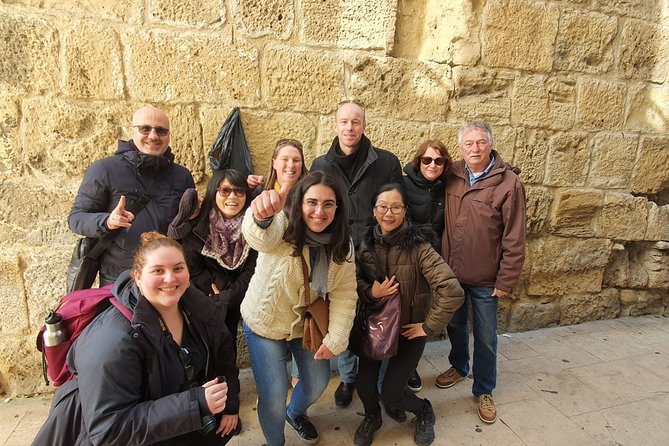
- Small group size (max 15), which helps you actually hear your guide and keep a steady pace
Belém and the Discoveries Age: the point of the whole walk
Belém is where Lisbon’s story turns outward. This tour is built to help you understand why the riverfront matters, not just what it looks like. You’ll walk through squares and viewpoints that connect to Portugal’s Discoveries Age, then hit major Belém icons that still carry that global-empires mindset in stone, tile, and design.
What makes this experience practical is the sequencing. Instead of jumping randomly between famous places, the route keeps pointing you back to the same theme: Portugal looking beyond Europe, mapping routes, and building monuments to commemorate what sailors and navigators achieved. You get explanations at each stop that act like captions for the scenery.
It’s also a good match for people who don’t want to “do everything.” With a 2.5-hour length and a start at 11:00 am, you’re set up to keep exploring right after—grab lunch nearby, visit another museum later, or simply wander at a slower pace once you know what you’re looking at.
You can also read our reviews of more walking tours in Lisbon


Starting at Praça Afonso de Albuquerque: your bearings in Lisbon’s Belém
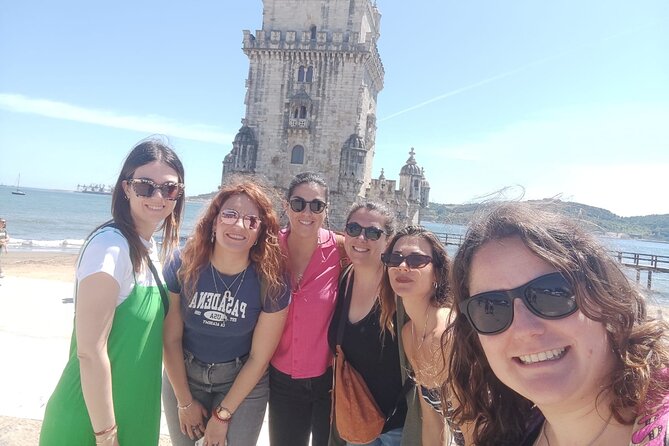
You begin at Praça Afonso de Albuquerque, at the Garden area by the square. This early stop works like a warm-up: it helps you orient yourself before the route moves into the denser Belém landmarks.
From there, the tour keeps things efficient. You’re not stuck in one place for ages. You’ll spend short blocks at each point—often around 5 to 15 minutes—so the guide can explain what you’re seeing while you’re still close enough to enjoy the details and take photos without feeling rushed.
If you’re the type who likes a clear plan (or you’re short on time), this start is smart. It gives you the “where am I” answers first, so the rest of the walk feels connected instead of like a list.
And if you’re worried about walking in the city, note that the itinerary is structured around manageable segments between stops. It won’t feel like a long slog between distant neighborhoods.
Presidential vibes and riverfront waypoints: Belém in quick snapshots
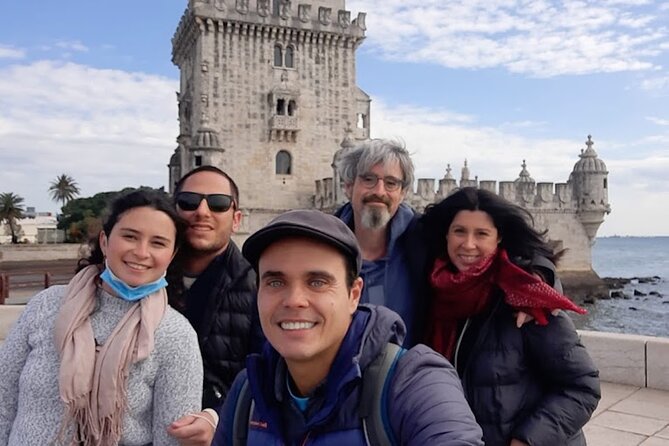
After your opening square, the tour heads into the Belém area’s recognizable landmarks. You’ll see the Palácio Nacional de Belém and learn about the Presidential Palace—quick, but useful context if you’ve only seen photos from the outside. It’s the kind of stop that doesn’t require any ticket, yet it changes how you read the neighborhood.
Next up is the Belém Garden area by Torre de Belem Garden. This is a breathing-space stop. It’s also a chance for the guide to connect the “green and open” side of Belém with the more monumental side you’ll see soon.
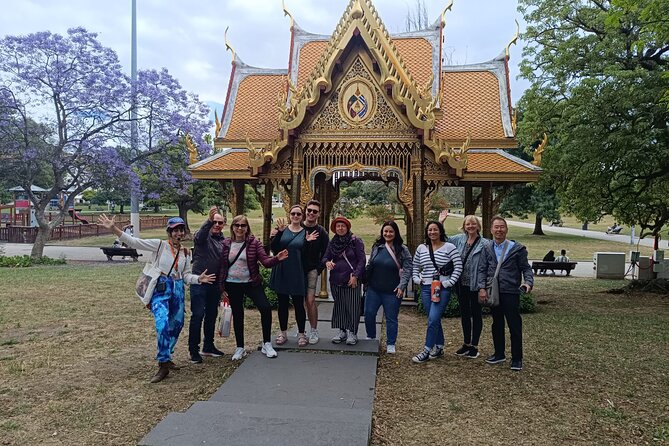
Then you get something unexpected: the Sala Thai, where the guide points out the Thai Pagoda in Belém and discusses its origin. That small cultural detour helps Belém feel more like a living district, not just a museum of Portuguese exploration.
These “snapshot stops” matter because they set up the emotional tone of the area. Belém isn’t only about ships and maps. It’s also about how different cultures and ideas have left traces here over time.
Pastéis de Belém and the little Lisbon ritual you can actually do
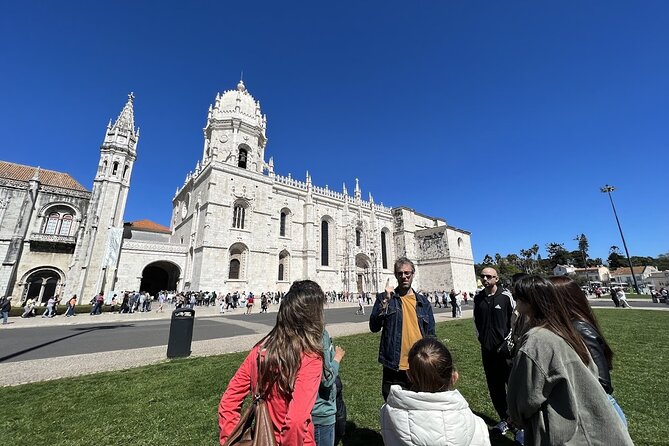
One of the most charming parts of this walk is the time spent on Pastéis de Belém. You’ll learn why they’re famous, and the stop is placed right when you’re already immersed in Lisbon’s identity-building story.
Even if you don’t treat this as a formal tasting, it’s still a valuable moment. Custard tarts sound like a food stop—until you realize how strongly these pastries are tied to place and tradition in Portugal. Learning the why behind the fame makes the experience feel grounded.
The tour schedule also gives you a practical window to plan your next step. If you want to buy something to snack on, this is when it fits best. If you’d rather save your appetite for later, you can still enjoy the history and then keep moving.
If you’re traveling with food lovers, this is a good place to bring them along, because it’s both informative and easy to turn into a small real-world reward without derailing the whole day.
Praça do Império and monuments of the Discoveries Age
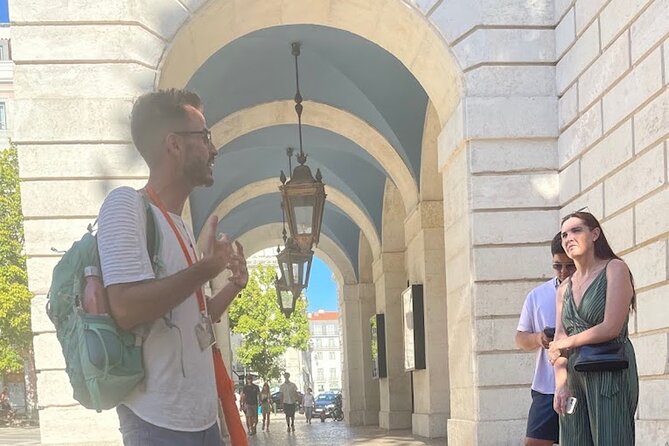
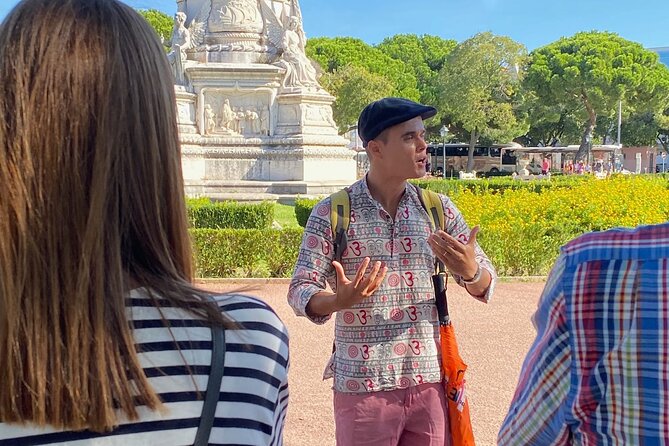
The route then leans harder into the Discoveries theme. You’ll see Jardim da Praca do Imperio and the Praça do Império, which acts like a gateway to the big “Portugal looking outward” symbols you’ll meet next.
Then comes Padrão dos Descobrimentos. You’ll learn more about the Portuguese Discoveries Age here, including how Portugal forged what was described as the first Global Empire. This stop works because it’s monument-focused. Instead of only “hearing about voyages,” you’re standing near a designed object meant to communicate power, ambition, and history at a glance.
Right after, you hit Rosa dos Ventos, the beautiful map feature that shows where Portuguese places had reached during the Discoveries age. A world-map stop like this is more than decorative. It helps you translate the story from names and timelines into geography you can actually picture.
If your brain likes connections, this is one of the tour’s best stretches. The guide’s explanations make the monuments feel like they’re part of one conversation, not separate photo opportunities.




Ponte 25 de Abril and the Christ Rei link to Brazil
You then cross into a different kind of storytelling: connections across continents. You’ll learn about Ponte 25 de Abril, including why it looks so much like the Golden Gate Bridge. That visual comparison is an easy hook, especially if you’ve seen San Francisco’s iconic suspension bridge before. It gives you a quick way to remember what you’re looking at.
Next, the tour moves to Santuario Nacional de Cristo Rei. You’ll learn the connection between the Christ in Lisbon and Rio de Janeiro. This is another good “meaning first” stop: it explains why the monument resonates beyond Portugal, rather than leaving you with only the silhouette.
These two points are especially useful if you’re trying to place Lisbon on a broader map. Belém tells you Portugal went outward. These viewpoint links help you feel how that outwardness echoes into cultural and symbolic relationships that lasted long after the ships.
It also keeps the walk from becoming only ship-and-monument monotony. You’re getting variety without losing the core theme.
Torre de Belém: why Manueline style matters
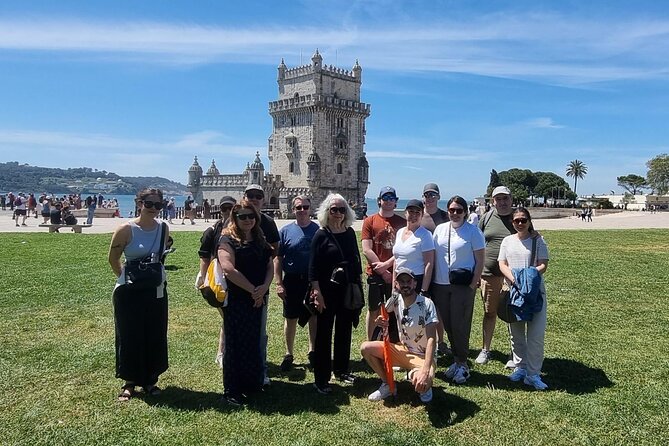
Now you’re at one of the big payoff areas: Torre de Belem. You’ll learn about the landmark and why its Manueline style is unique. That phrase can sound like museum jargon, but it’s exactly the kind of explanation you want before you stare at an old building for 20 minutes on your own.
Torre de Belém is also one of those places where the details matter because the building’s look is the message. Once you understand what you’re seeing in the architectural style, the tower feels less like a postcard and more like a design statement tied to the time period.
This stop is also practical for photos. Since the tour is structured as a series of short, guided moments, you’re more likely to get the best angles without feeling like you wandered there too late.
And since the tour eventually ends near Torre de Belém, this is where your understanding starts to lock in. You’ve heard the Discoveries story, seen the map symbolism, and now you’re standing at a symbol built for that era.
Centro Cultural de Belém and ending at Jerónimos Monastery
Before the finale, you’ll visit Centro Cultural de Belém (CCB) and learn about its origin. This kind of stop is smart because it bridges old-world Portugal to modern Belém. It shows the area isn’t frozen in time; it keeps using buildings and institutions to keep the story alive.
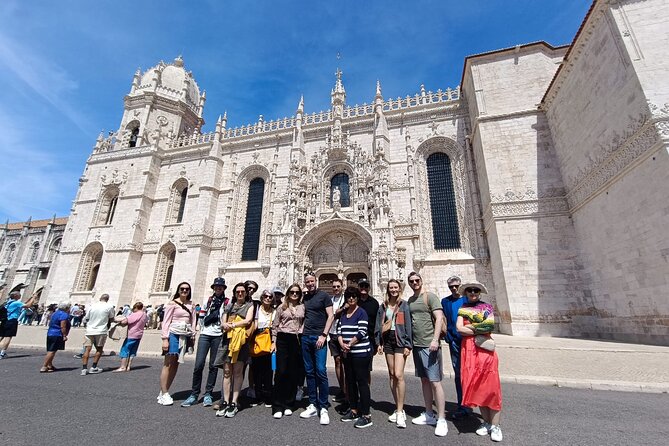
Then you end at Jerónimos Monastery, described as the most emblematic and important building in Lisbon. Ending here is a strong choice. Jerónimos Monastery has enough weight and visibility that your final minutes feel earned rather than rushed.
This closing stretch is also good for planning. Once the tour ends, you’re in a prime spot to keep exploring with less guesswork. You’ll already know what theme the guide brought you through, which makes it easier to choose what to do next—whether that’s lingering for photos, wandering nearby streets, or continuing to another museum.
Even if you’re not the type to read every plaque, the tour sets you up with a narrative you can carry through your self-guided time afterward.
Price and pacing: does it feel like a bargain?
At $3.60 per person, this is priced in what I’d call the “no-stress” category for a guided walk with a professional guide. You’re not paying for expensive entrances here. The tour notes free admission for each listed stop, which means you’re mostly buying interpretation, timing, and route efficiency.
Group size also matters. With a maximum of 15 travelers, you should expect a more conversational experience than large bus-style tours. That helps with two things: hearing the guide over city noise and getting photo moments without everyone being shoulder-to-shoulder for every stop.
The duration—about 2 hours 30 minutes—fits well if you want Belém covered without sacrificing the rest of your day. It’s also scheduled with a 11:00 am start, so it’s easier to pair with lunch nearby afterward.
Based on the reviews, the guide experience is a highlight. People highlight guides like Jose for pacing and friendliness, and Tiago for an information-heavy but enjoyable history lesson. Another review praises Nathalia for keeping the tour informative even with rain, which tells me the guide’s job here includes staying organized when conditions aren’t perfect.
Who this Lisbon Belém tour suits best
This is a strong pick if you:
- Want a first-time overview of Belém without spending a full day there
- Like history explained with visible symbols—monuments, maps, and recognizable buildings
- Have a couple other plans and want a timed, efficient route
- Prefer smaller groups (max 15) and a guide who keeps things moving
It’s also reasonable if you’re not trying to master Portuguese history. The tour is designed to make the Discoveries Age feel understandable and connected to the places you can actually see.
If you’re the type who loves ultra-deep museums and long interior visits, you might want to add extra time on your own after the walk. But as an orientation and story-building tour, this is exactly the kind of “foundation layer” that makes the rest of your day better.
Should you book this Lisbon Walking Tour to Belém
I’d book it if your goal is to get real meaning out of Belém fast. For the price, the structure is the value: a guided 2.5-hour route that connects major sights to the Discoveries Age story, with free-listed stops and a small group size that keeps the experience comfortable.
Book it on a day when you expect good weather, and plan to wear comfy shoes. If you’re visiting Lisbon for the first time or you only have a short window for Belém, this tour gives you the kind of orientation that turns future wandering into smarter wandering.
If you’re deciding between “see the monuments” and “understand why they matter,” this one leans clearly toward understanding—without making you sit still.
FAQ
How long is the Lisbon Walking Tour to Belém?
It lasts about 2 hours 30 minutes.
What time does the tour start?
The start time is 11:00 am.
Where does the tour meet?
You meet at the Garden of Afonso de Albuquerque, Praça Afonso de Albuquerque, 1300-004 Lisboa, Portugal.
Where does the tour end?
The tour ends in front of Belém Tower, Av. Brasília, 1400-038 Lisboa, Portugal.
How much does it cost?
The price is $3.60 per person.
Is the tour offered in English?
Yes, it’s offered in English.
Are admission tickets required for the stops?
The itinerary lists admission tickets as free for the listed sights.
Is a guide included?
Yes. A professional guide is included.
What group size should I expect?
The maximum group size is 15 travelers.
What if the weather is bad?
This experience requires good weather. If canceled due to poor weather, you’ll be offered a different date or a full refund.
Is it easy for most people to join?
The info says most travelers can participate.