REVIEW · HISTORICAL TOURS
Lisbon: Jewish History Private Tour
Book on GetYourGuide →Operated by Essência da Latitude Turismo Lda · Bookable on GetYourGuide
A city of hills hides big stories. This private tour brings Lisbon’s Sephardic Jewish past to life.
What I like most: you start with city views so the neighborhoods make sense, and you end with archaeology and memorials that make the history feel real, not abstract. A second win is the human touch: guides I met on this tour line up their facts clearly, and several have gone out of their way to study Portuguese Jewish history for the role. One thing to consider: you’ll walk on uneven, historic streets with comfortable-shoe requirements, and it isn’t suitable for wheelchair users.
If you want Lisbon with context, this is a strong match. You’ll connect Renaissance-era Sephardim, the tragedy after the 1755 earthquake, and the later story of Crypto Judaism and World War II refuge—without turning the whole day into a lecture. The tour also includes museum stops, but opening days matter, so plan your dates around them.
In This Review
- Key takeaways before you go
- Lisbon’s Jewish story, built from streets and stone
- The 4-hour structure that actually works
- Starting high: Miradouro da Senhora do Monte and instant orientation
- Alfama: second-oldest European district and visible traces
- Baixa and Commerce Square: using geography to frame upheaval
- Money Museum: a medieval wall with 1000 years of secrets
- Rossio Square and the Inquisition era
- The 1506 Jewish Massacre Memorial: memory made visible
- Chiado: influential families and how Lisbon blends old and new
- Largo do Carmo Square and the Carmo Convent archaeology stop
- Where the Holocaust and WWII refugee story fits
- Guide quality is the real differentiator
- What to wear and how to plan your day
- Who this tour is for (and who should choose something else)
- Should you book the Lisbon Jewish History Private Tour?
- FAQ
- How long is the Lisbon Jewish History Private Tour?
- Is this a private tour, and how many people are in the group?
- What languages are available with the live guide?
- Does the price include entrance fees and hotel pickup?
- What days are the museums closed?
- Is food or drinks included?
- What should I bring for the tour?
- Is the tour suitable for wheelchair users?
- Are there rules for children and luggage?
Key takeaways before you go
- Private, small-group feel (max 8): easier questions, more personal pacing.
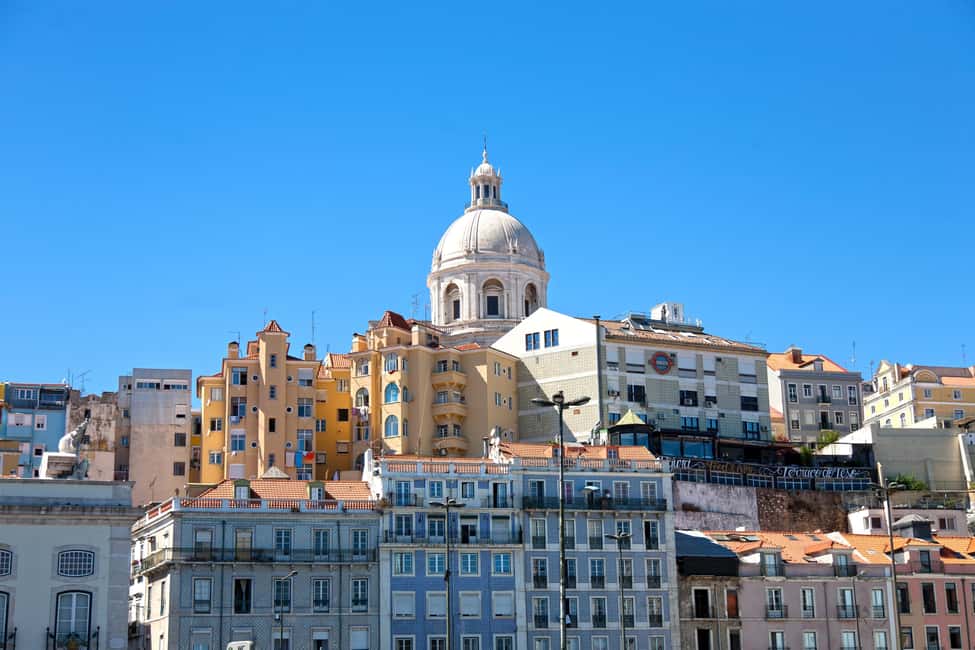
- Start at a high viewpoint: you get orientation fast before the walking.
- Alfama’s old streets: the physical geography helps you picture the Jewish quarters.
- Money Museum + 1506 Memorial: money, walls, and memory in one line of storytelling.
- Carmo Convent and archaeology: you’ll see material evidence, not just names and dates.
- Language options (Spanish, English, Portuguese): you can choose the guide style that fits you.
Lisbon’s Jewish story, built from streets and stone
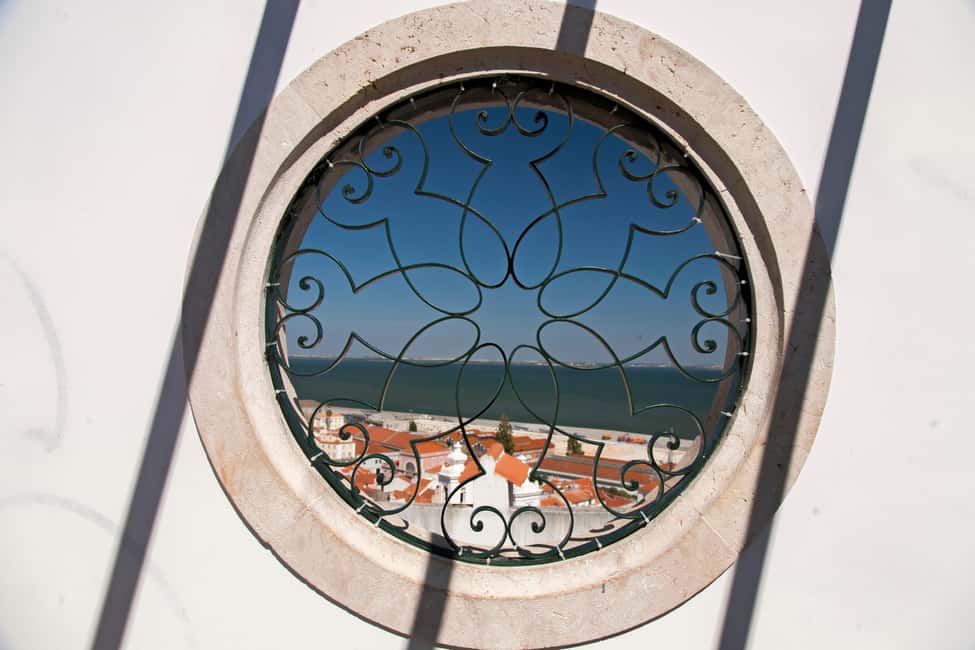
Lisbon can be beautiful on the surface—then suddenly sharp underneath. This tour is designed to show you both. Instead of handing you a textbook, it turns the city into a timeline: viewpoints first, then neighborhood streets, then monuments and museum rooms where you can actually see traces of what happened.
I like that the emphasis stays on Sephardic heritage—how a Jewish community shaped its own identity in Lisbon and later became part of Portugal’s wider cultural story. You’re not only hearing about events. You’re learning how scholars, mathematicians, and cabalists fit into the Renaissance-era image people often miss when they think of Lisbon.
And yes, this is still Portugal’s story, not a distant side note. Lisbon’s Portuguese identity includes the legacy of Crypto Judaism, where faith was practiced in secret for centuries. That theme sits quietly in the background all day, ready to connect the memorials, the churches/archives you see, and the neighborhood layout you walk.
You can also read our reviews of more private tours in Lisbon

The 4-hour structure that actually works
The format is tight: about four hours, with hotel pickup and drop-off in central Lisbon. You also get an air-conditioned vehicle to cut down on the “just getting there” time, which matters when you’re working with older neighborhoods and timed museum access.
Because the group is private (and capped at eight people), your guide can adjust pacing. That’s a real value in a tour like this, where people often want extra context—why a street is where it is, what a memorial is referencing, or how a quarter got its name.
Price is $152 per person, and for Lisbon this is in the “serious experience” category, not the cheapest sightseeing bandwagon. Here’s the honest value math: the tour includes private transport, hotel pickup/drop-off, water, entrance fees, and a live guide in your chosen language. Food isn’t included, so budget a snack or coffee on your own before or after—but most of the cost goes straight into access and guide time rather than being added on later.
Starting high: Miradouro da Senhora do Monte and instant orientation
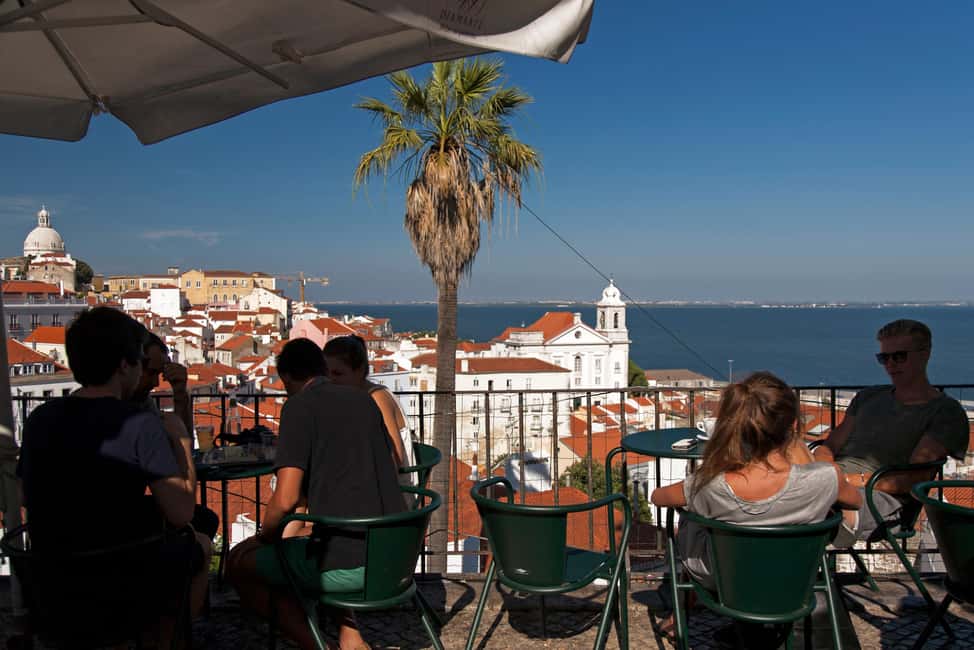
The day opens on one of Lisbon’s hills at Miradouro da Senhora do Monte. This isn’t just a pretty stop. It’s your reference point.
From up there, you can see how Lisbon’s neighborhoods stack and slope. You get a sense of where older quarters sit and how movement through the city used to feel before modern streets took over. I love this kind of setup because it stops the rest of the tour from becoming random stops on a map.
The guide gives you about twenty minutes here, focused on helping you understand what you’ll see next: the old neighborhoods, notable monuments, and the scale of Lisbon’s Jewish quarters across time.
Alfama: second-oldest European district and visible traces
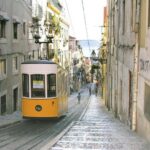
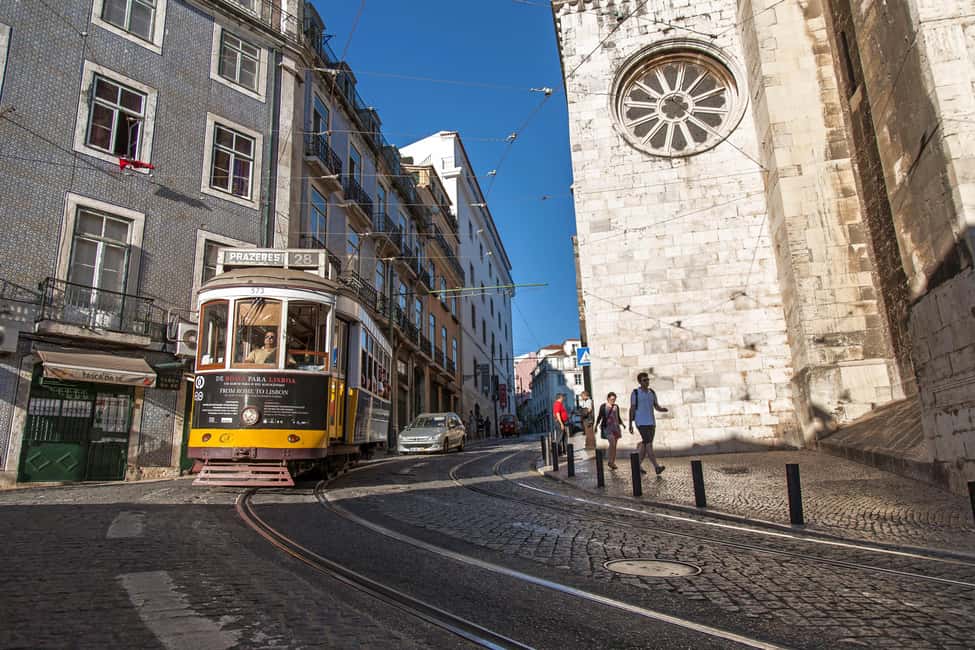
Next comes Alfama, about forty-five minutes with guided walking. Alfama is often romantic in photos, but this stop is practical: the streets are narrow, the buildings are old, and the shape of the place helps you picture daily life.
The tour’s angle is that Alfama is where physical signs of Jewish presence still linger. You’ll see how a neighborhood can carry memory even after centuries of change—especially when you’re thinking about quarters that were disrupted by major events.
Alfama also sets up the story of what’s sometimes called “Small Jerusalem,” described here as the largest Jewish quarter in Europe before it was devastated by the 1755 earthquake. You’ll learn how the earthquake reshaped the community’s ground reality, and you’ll also be shown that traces remain even after destruction—because Lisbon keeps records in stone even when paper is gone.
Baixa and Commerce Square: using geography to frame upheaval
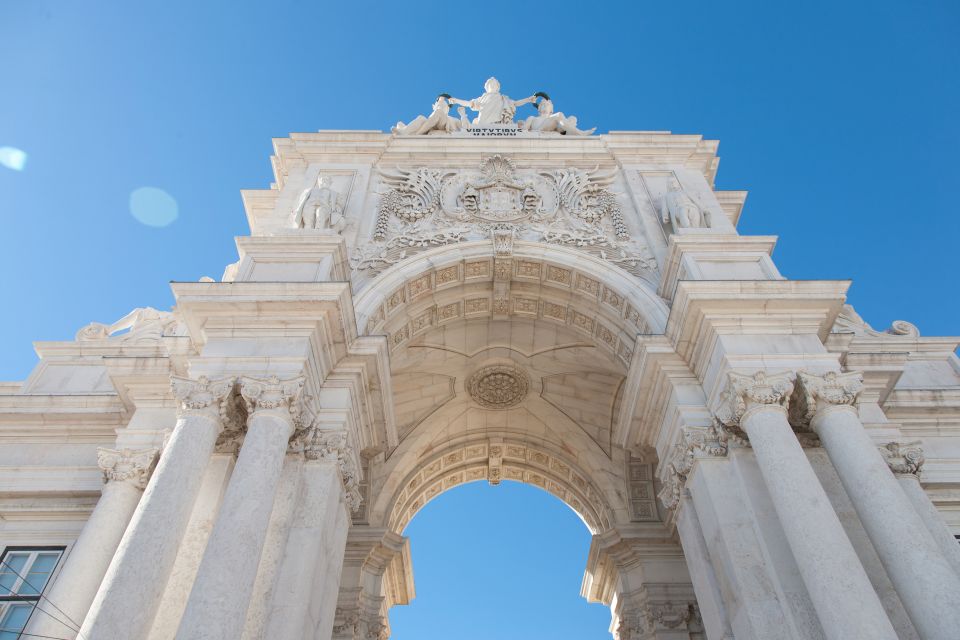
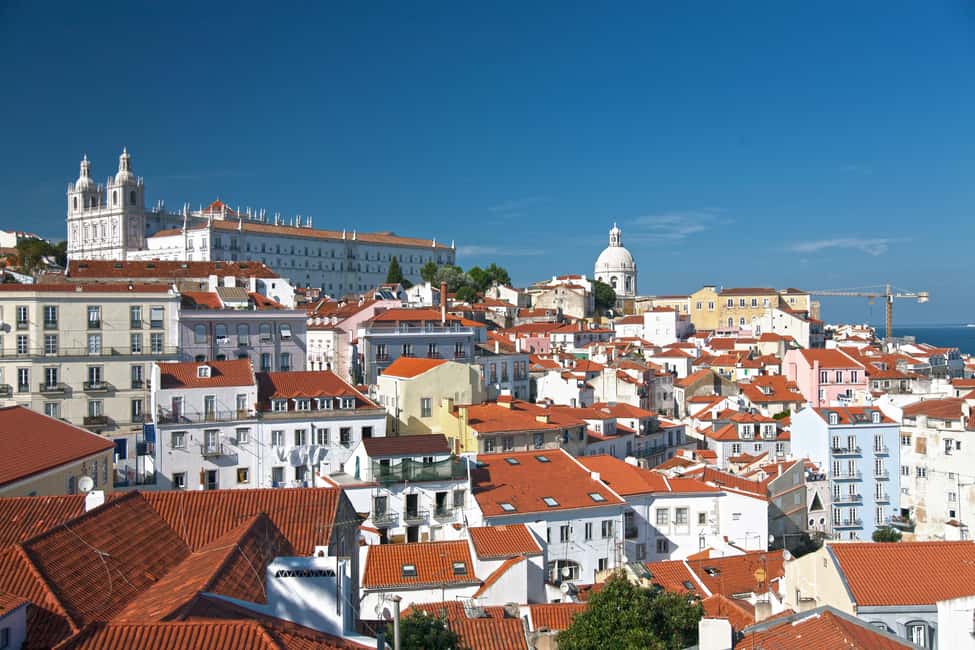
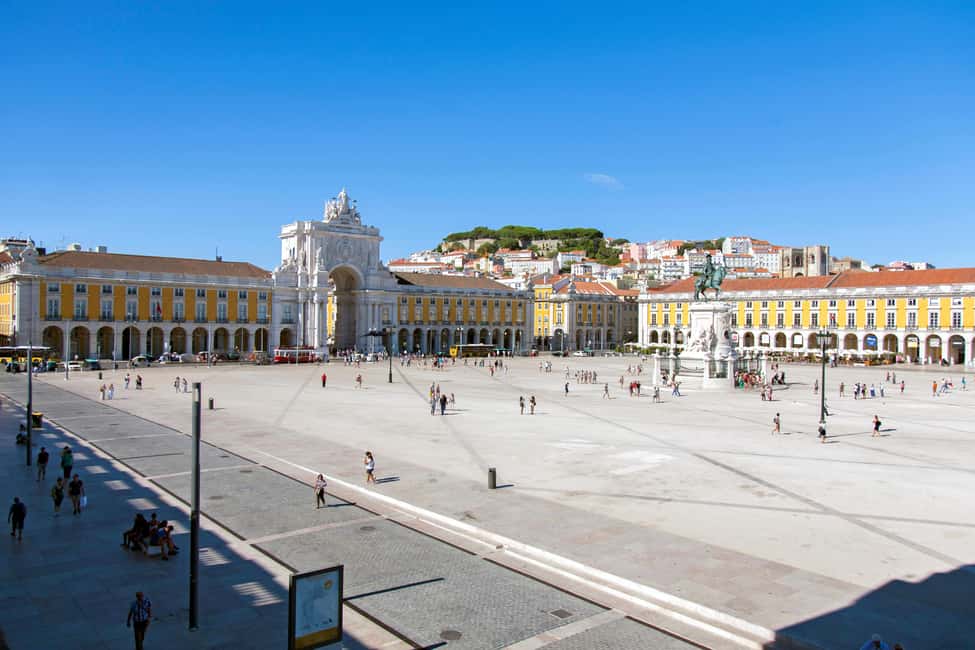
From Alfama, you head toward Baixa de Lisboa for another guided walk (about forty-five minutes), then to Commerce Square for a shorter stop (around ten minutes).
This is a useful bridge. Alfama gives you the old, surviving texture. Baixa and the square bring in Lisbon’s later evolution—how the city re-built and how major civic spaces became part of the larger story people often associate only with distant archives.
I find this sequence helpful because Lisbon’s history isn’t linear. It’s layered. A memorial or a museum makes more sense after you’ve seen how Lisbon’s center functions and where you are in the city’s flow.
You can also read our reviews of more historical tours in Lisbon





Money Museum: a medieval wall with 1000 years of secrets
One of the most memorable stops is the Money Museum, about twenty minutes. The tour describes it as holding a medieval wall packed with secrets spanning roughly a thousand years.
This matters because it connects “history” to something physical. Walls and institutional space are a reminder that Jewish life in Lisbon wasn’t only about prayers and family stories—it was also about the city as a system: economy, protection, administration, and change across eras.
If you like history you can touch (or at least see up close), this is a strong payoff. And because it’s a museum stop, it also gives you a brief shift from walking to sitting with exhibits.
Note the operating rhythm: the Money Museum is closed on Mondays and Tuesdays, so your day choice affects whether you’ll see this part.
Rossio Square and the Inquisition era
Rossio Square is where the mood shifts. You’ll spend about twenty minutes here, learning about the Portuguese Inquisition and the events that helped lead to the presence of a Jewish Memorial in this area.
This is the part of the tour where you’ll want to listen carefully, because the point isn’t sensational drama—it’s how institutions shape lives over time. The tour frames the memorial as one of the most significant sites for Portuguese Jewish history, which helps explain why the guide spends time setting the context.
Even if you’ve read about the Inquisition before, hearing it placed inside Lisbon’s actual public space gives it a sharper edge. It stops being a chapter heading and starts being a city feature you can stand in front of.
The 1506 Jewish Massacre Memorial: memory made visible
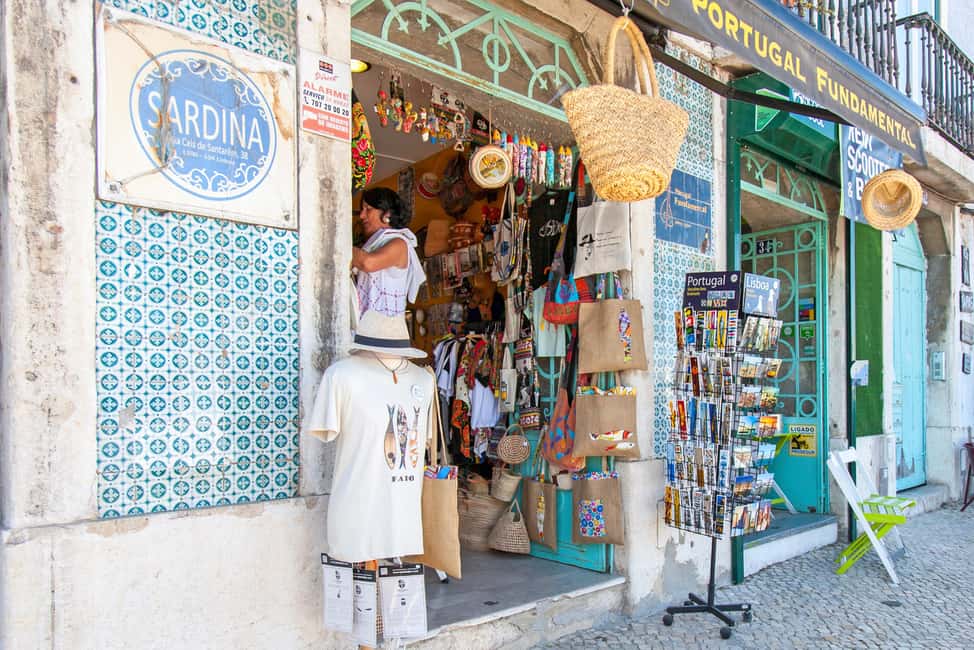
You’ll also spend time at the 1506 Jewish Massacre Memorial (about twenty minutes). This stop is paced like a key moment, not a quick photo stop.
The value here is twofold. First, the guide ties it to what came before and what followed, so the memorial isn’t floating as a one-off tragedy. Second, it gives you an emotional anchor for the later story of Crypto Judaism and how faith was practiced in secret for centuries.
I appreciate how this tour doesn’t rush grief into a checkbox. You’re given enough time to understand what you’re looking at and why it matters within Portuguese Jewish history.
Chiado: influential families and how Lisbon blends old and new
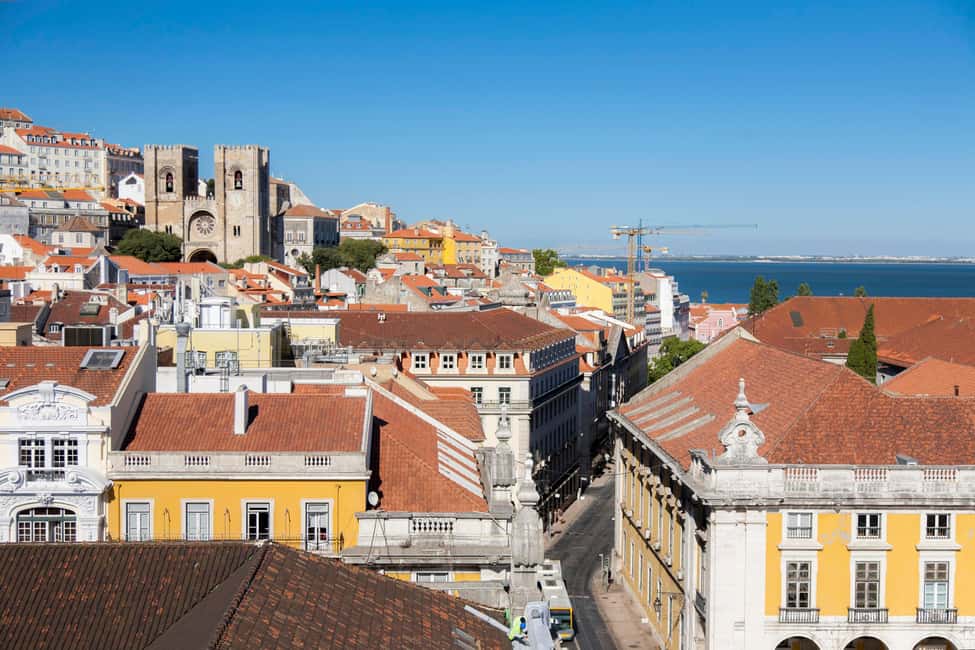
Chiado is next, around fifteen minutes. You’ll learn about influential Jewish families tied to the Portuguese Kingdom.
Chiado also helps break up the day. By the time you’re there, you’ve already walked older lanes and stood in areas tied to darker episodes. Chiado gives you a different texture: more modern Lisbon energy, but still a place where the past is part of the city’s identity.
This stop is short by design, but it’s enough to connect the Renaissance-era image—intellectual life, scholarship, and religious traditions—with the reality that Lisbon’s Jewish community shaped the larger society.
Largo do Carmo Square and the Carmo Convent archaeology stop
The last big component centers on Carmo Convent and the Carmo museum area (about forty-five minutes total at the convent site, plus time at Largo do Carmo Square).
Here’s why I think it’s a strong ending: you move from memorials and explanations into archaeology. The tour description highlights Jewish archaeological finds from the 14th–15th centuries. That’s a big deal because it offers a direct connection to everyday life and spiritual practice—something you can’t always get from stories alone.
A practical note: Carmo Archaeological Museum cannot be visited on Sundays. So if your trip window includes Sunday, you may need to adjust your schedule or accept that this specific final stop won’t happen that day.
Where the Holocaust and WWII refugee story fits
The tour also covers Lisbon’s role during World War II, when Lisbon became a sanctuary for European Jews seeking refuge from the Holocaust. It’s included as part of the broader narrative rather than as a separate showpiece.
That placement is important. You get the long view: Sephardic presence and identity-building, later persecution pressures and public memory, then the hope and danger of the 20th century. You can see how Lisbon kept functioning as a crossroad across very different historical contexts.
Guide quality is the real differentiator
The reviews-style lesson here is simple: the guide can make or break history tours. And this one appears to have strong consistency in that department.
I’d pay attention to a couple of praised details: guides have been described as personal and accommodating, and some have taken the time to educate themselves specifically about Portuguese Jewish history even if they are not Jewish. That effort shows up as careful explanations and an ability to answer follow-up questions without hand-waving.
If you’re the type who likes dates, names, and cause-and-effect, guides in this program seem to work in that mode. Several people highlighted how a guide’s recall of facts and dates improved their understanding. For me, that matters because Lisbon’s Jewish history has lots of moving parts, and you don’t want the story to blur.
What to wear and how to plan your day
This tour has one clear physical requirement: comfortable shoes. Streets in Lisbon’s older quarters can be uneven and sloped, and the tour includes walking through historic neighborhoods.
It isn’t suitable for wheelchair users, so plan an alternative if mobility is an issue.
Also keep in mind the baggage rules: baggage is limited to one standard suitcase and a small carry-on bag per person. If you’re traveling with more, you might want to rethink your luggage setup for the day.
Finally, food and drinks are not included. I suggest you plan a light snack before you start, or keep a small stop afterward. You’ll want energy for walking and for absorbing a lot of context in a short time.
Who this tour is for (and who should choose something else)
This tour is a great fit if you want Lisbon through the lens of Sephardic Jewish history, and you like guided storytelling tied to real places. It also suits couples and small groups who want privacy—because the cap of eight participants helps keep the experience focused.
You’ll likely enjoy it most if you:
- like historical context tied to neighborhoods
- appreciate museum stops that show physical evidence
- want both major events and day-to-day life threads in the same day
It may be less ideal if you dislike walking, need wheelchair access, or are looking for a purely scenic tour with minimal historical intensity.
Should you book the Lisbon Jewish History Private Tour?
Yes—if you want a structured, place-based way to understand Sephardic Jewish heritage in Lisbon. The combination of high-hill orientation, Alfama’s street-level reality, and museum/monument stops at key points in the timeline gives you a well-rounded picture in just four hours.
The value is especially strong because you’re not just buying commentary—you’re getting hotel pickup/drop-off, private transport, water, entrance fees, and a guide in your chosen language. And with guides described as engaging and personal, you’re more likely to leave with clarity than with vague impressions.
Just match the day to the openings. If you’re traveling on a Monday or Tuesday, remember the Money Museum closure. If Sunday is in your plan, keep the Carmo museum limitation in mind. If you can align those, you’ll get the full arc of the story.
FAQ
How long is the Lisbon Jewish History Private Tour?
It lasts 4 hours, with starting times that depend on availability.
Is this a private tour, and how many people are in the group?
Yes, it’s a private group. The maximum group size is 8 participants.
What languages are available with the live guide?
The tour is offered with live guiding in Spanish, English, and Portuguese.
Does the price include entrance fees and hotel pickup?
Yes. It includes hotel pickup and drop-off in central Lisbon, an air-conditioned vehicle, water, and entrance fees.
What days are the museums closed?
Carmo Archaeological Museum cannot be visited on Sundays. The Money Museum is closed on Mondays and Tuesdays.
Is food or drinks included?
No. Food and drinks are not included.
What should I bring for the tour?
Wear comfortable shoes. That’s the only specific item listed.
Is the tour suitable for wheelchair users?
No. It’s not suitable for wheelchair users.
Are there rules for children and luggage?
Children must be accompanied by an adult. There are also luggage limits: one standard suitcase and a small carry-on bag per person. Infant seats are available on request if advised at booking, with requirements based on Portuguese law.
If you tell me your travel dates and which language you prefer (Spanish, English, or Portuguese), I can help you sanity-check whether your day of the week lines up with the Money Museum and Carmo visit.