REVIEW · LISBON WALKING TOURS
Lisbon: See Lisbon Like a Local on a Private Walking Tour
Book on GetYourGuide →Operated by LocalCoolTour · Bookable on GetYourGuide
Ginja first, Lisbon second, then the views hit. I love starting with a shot of sour cherry liqueur at A Ginjinha, and I love how the tour pairs that with coffee at Miradouro da Graça for an instant sense of scale. The main drawback is simple: this is a walking tour with slopes and some climbing, so plan for stairs and uneven streets.
What makes this one work is the way your guide turns neighborhoods into a story. You’ll connect Mouraria to the origins of fado and the Arab world influence, then you’ll walk into Alfama’s narrow streets and see why it still feels old even with modern Lisbon right above it.
In This Review
- Key Things You’ll Notice on This Lisbon Private Walk
- Starting at A Ginjinha: A Sour Cherry Welcome
- Mouraria and the Story Behind Fado
- Stairs, Caracol da Graça, and a Coffee Break With a View
- São Vicente de Fora: Where the Walk Gets More Historic
- Alfama’s Slopes and Squares After the 1775 Earthquake
- Santo Estêvão Belvedere, Saramago, and a Church Stop That Resets Your Focus
- Praça do Comércio: The Sea Reveal at the End of the Walk
- Price and Value: Is $82 for 3 Hours Worth It?
- Who This Tour Suits Best (and Who Should Skip It)
- Tips to Get More Out of Every Stop
- Should You Book This Lisbon Private Walking Tour?
- FAQ
- What is the meeting point for the tour?
- How long is the private Lisbon walking tour?
- How much does the tour cost?
- What’s included in the price?
- Is hotel pickup and drop-off included?
- What time does it start and how do I know the exact schedule?
- Which languages are offered for the live guide?
- Does the tour run in the rain?
- Is the tour suitable for people with mobility impairments?
- Where does the tour finish?
Key Things You’ll Notice on This Lisbon Private Walk
- Included tastings: A ginja (sour cherry liqueur) plus a coffee, so you skip the guesswork
- Mouraria to fado context: You’ll get the explanation behind fado’s roots as you walk through Mouraria
- Real viewpoint sequence: Stops like Caracol da Graça and Miradouro da Graça set you up for great photos
- Alfama after 1775: You’ll focus on the part of Lisbon that wasn’t changed by the earthquake of 1775
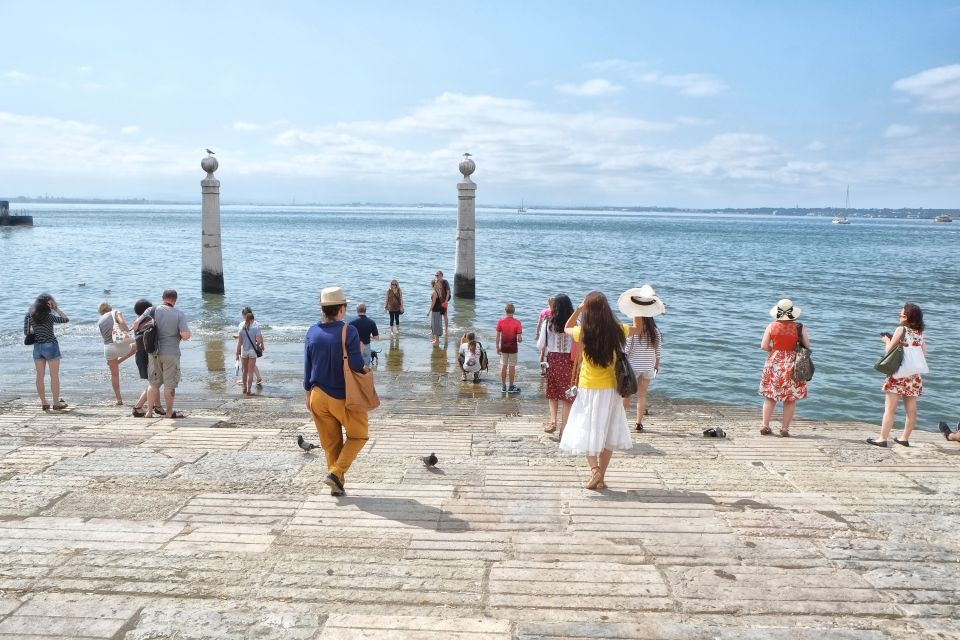
- Square-to-sea finale: Praça do Comércio opens dramatically to the Tagus and Cais das Colunas
- Guides with energy: Past guides like Alfredo and Joana have been praised for fun, historical commentary, and great rapport
Starting at A Ginjinha: A Sour Cherry Welcome
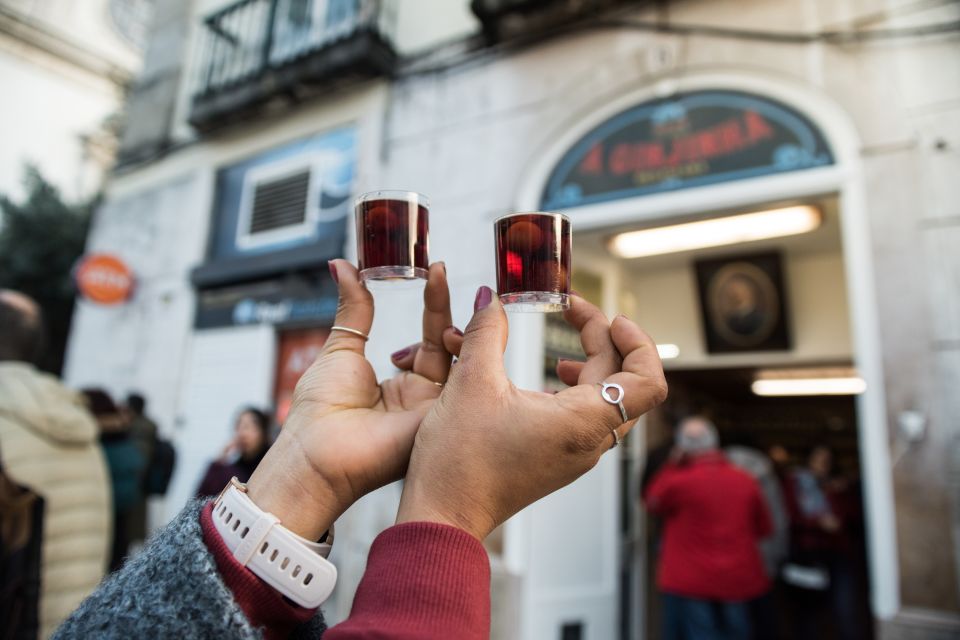
Your tour meets at the entrance of A Ginjinha, a cozy bar that makes an easy first move: you get to taste Lisbon before you start walking. The included pour is a cup of ginja, Portugal’s sour cherry liqueur. It’s small, strong, and very local, which is exactly what I like for jet-lag days.
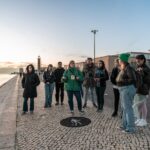
Then you’re off. This matters because you’re not spending the first hour “figuring out where to go.” Your guide already has you moving through the oldest-feeling streets at a relaxed pace, with short stops to look, listen, and take photos.
You can also read our reviews of more walking tours in Lisbon
Mouraria and the Story Behind Fado
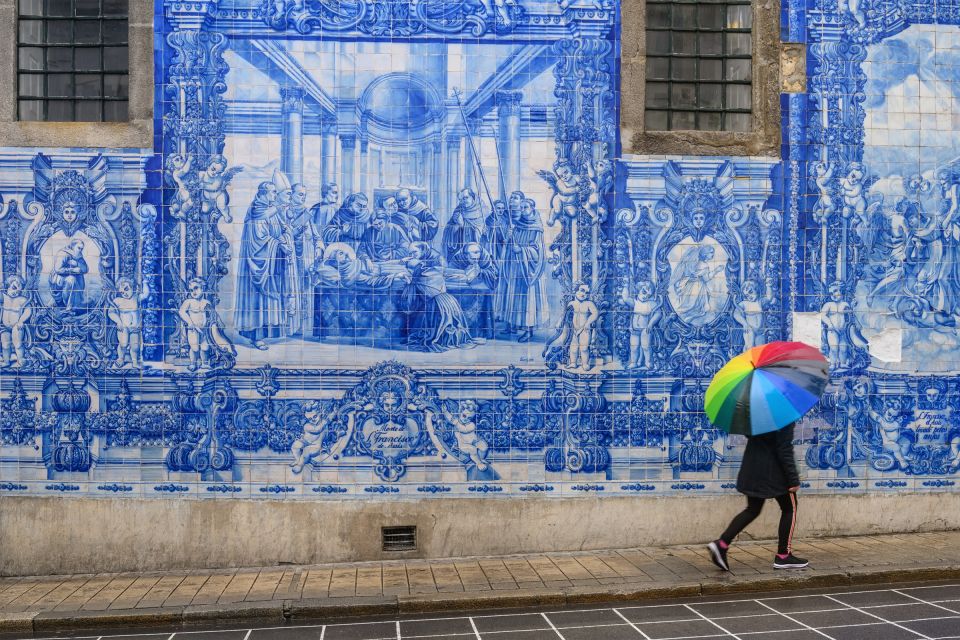
From the start, the route leans into Mouraria, the old Arabian quarter and the birthplace of fado music. Your guide explains how this musical style connects with the Arab world, so you’re not just ticking off a neighborhood—you understand why it became a cultural home.
Along the way, you’ll make a stop at the Church of St. Dominic, then you’ll continue through the Moorish Quarter area. These are short moments, but they help you see the religious and cultural layering that Lisbon carries in its architecture and street patterns.
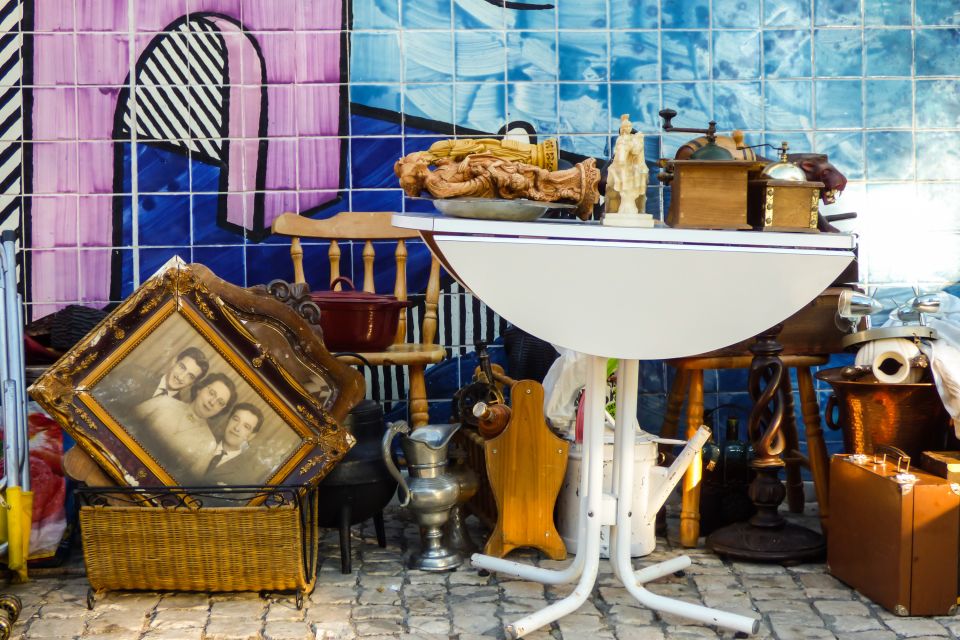
You’ll also catch the lively vibe near flea markets as you move through the older streets. I like this part because it adds everyday energy instead of keeping the walk stuck in museum mode.
Stairs, Caracol da Graça, and a Coffee Break With a View
Lisbon rewards good shoes, and the Graça area is where you feel that. You’ll stop at Caracol da Graça and then head toward viewpoints where the city suddenly spreads out in front of you.
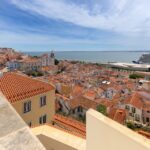
The highlight here is Miradouro da Graça. You’ll sit down for the included coffee while you take in panoramic views. This break is practical, not just scenic. It gives you a chance to slow your breathing, re-check your camera settings, and get a clearer sense of where you are in the city before you keep climbing into Alfama.
You’ll also visit the Church of Our Lady of Grace on the way. Even if you’re not a church superfan, these stops act like landmarks for your brain. When you can connect a view to a specific spot, your photos—and your memory—stick better.
São Vicente de Fora: Where the Walk Gets More Historic
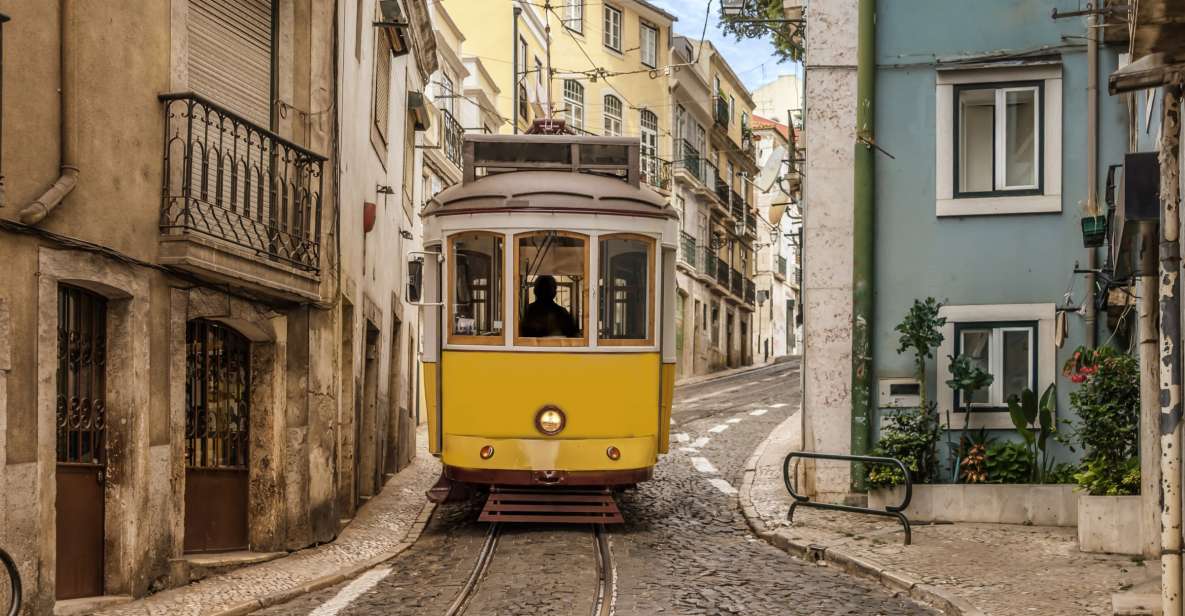
Next comes a quick stop at the Monastery of São Vicente de Fora. This is one of those places where Lisbon’s layers feel physical: stonework, long corridors, and the sense that generations used to move through these spaces at a slower pace.
Your guide uses these stops to keep the story moving. Instead of random sight-seeing, you’re building a mental map: Mouraria’s cultural roots, Graça’s viewpoints, and now the religious and political presence that shaped Lisbon over centuries.
If you’re traveling with someone who normally tunes out “architecture lectures,” this stop usually works because it’s brief and tied to the route. You get context without losing half the tour to sitting.
Alfama’s Slopes and Squares After the 1775 Earthquake
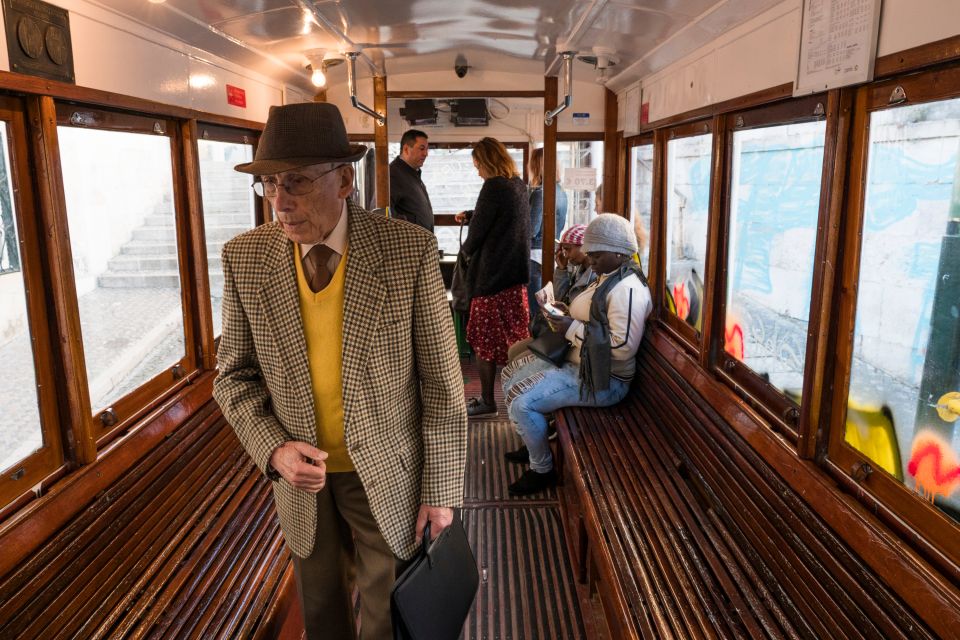
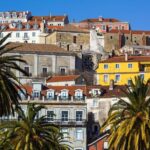
Then you hit Alfama. This is the part of Lisbon people rave about for a reason: narrow, winding, sloping streets that feel like they were drawn by hand. Your guide leads you through small squares, cafes, and charming boutiques, and you’ll see why the neighborhood still feels lived in.
A key detail you won’t want to miss is that Alfama was unscathed by the 1775 earthquake. That fact changes how you look at the streets. Instead of thinking of them as just pretty alleys, you start treating them like survival routes—places that carried on while the rest of the city shifted.
There’s also a lot of visual variety in short distances. One street feels like local daily life, the next turns into a viewpoint or a quiet corner. I like this balance because it keeps your attention without making you rush.
You can also read our reviews of more private tours in Lisbon




Santo Estêvão Belvedere, Saramago, and a Church Stop That Resets Your Focus
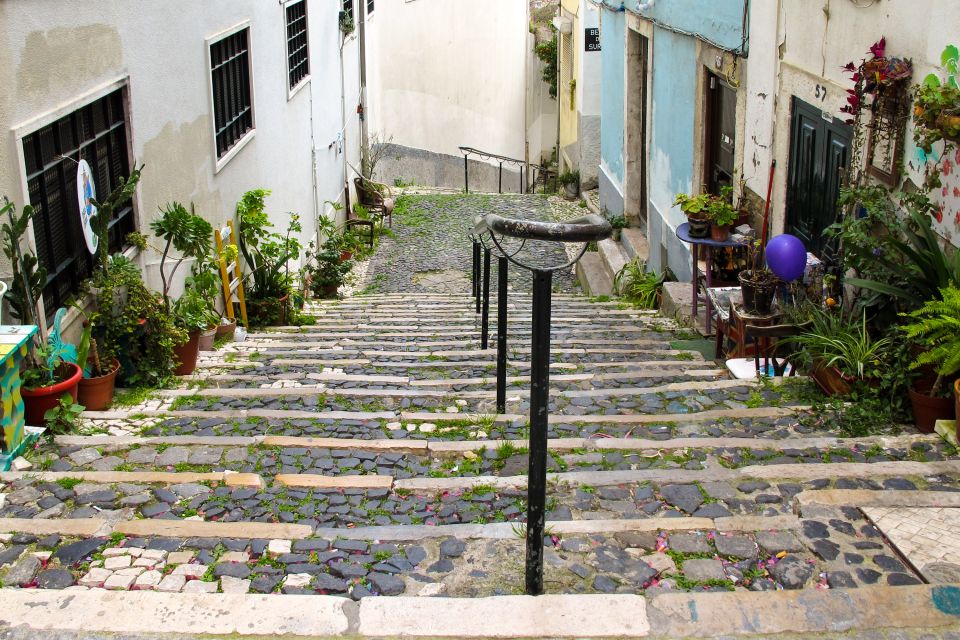
After Alfama, you’ll continue with more viewpoint energy, starting with Santo Estêvão Belvedere. If your phone battery is low, this is where you’ll want it working again—views here are the kind that reset your whole perspective.
You’ll then make a short stop at the Jose Saramago Foundation Museum. The tour doesn’t position it as a long museum break, but it’s still a meaningful stop because it keeps Lisbon’s culture wide. Not only music and old quarters—also literature and modern cultural identity.
Finally, you’ll pass through Nossa Senhora da Conceição Church. These church stops can feel similar on paper, but on foot they function like pauses. Your guide uses them to keep the route coherent and help you connect the maze of streets to the bigger city story.
Praça do Comércio: The Sea Reveal at the End of the Walk
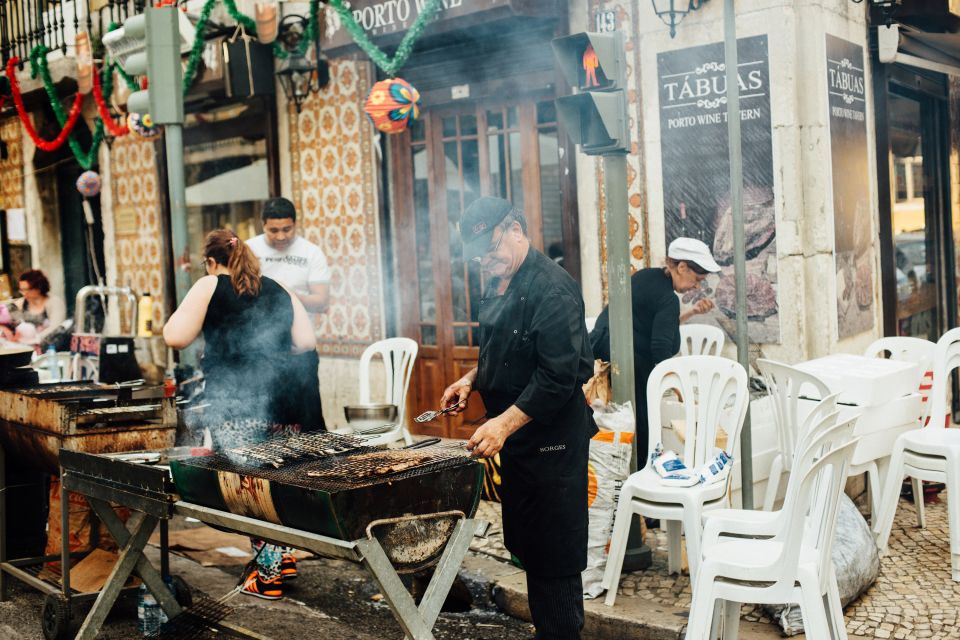
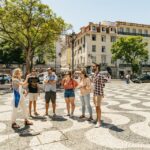
The finish is Praça do Comércio, and it’s a classic “Lisbon opens up” moment. When you finally reach the harbor area, the streets stop squeezing you and the space suddenly feels grand.
This is where you’ll spend time relaxing in the square and capturing shots of the Tagus River. You’ll also see Cais das Colunas, a footbridge that was once used by kings. That detail adds weight to the scenery—suddenly the harbor isn’t just pretty water; it’s part of how Lisbon functioned at the top of its game.
This ending works especially well for first-timers because it gives you a clean, memorable finish line. You’re not wandering at the end wondering if you’re lost. The route comes back to a recognizable, open public space.
Price and Value: Is $82 for 3 Hours Worth It?
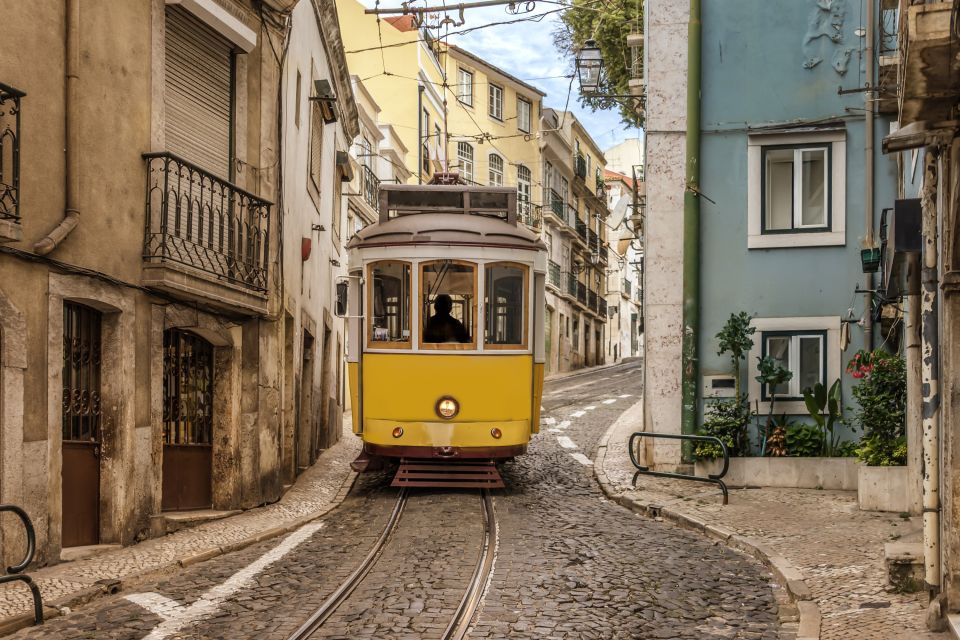
At $82 per person for a 3-hour private walking tour, you’re paying for three things: a guide, a structured route through steep neighborhoods, and included tastings (a ginja and a coffee). If you were to pay for guided help on your own and then cover the tastings separately, the math usually starts to look similar.
What you’re really buying is direction. Lisbon’s oldest streets are gorgeous, but they can also feel like a puzzle when you’re on your own. Having someone who knows the story behind places like Mouraria and fado helps you understand what you’re seeing and reduces wasted time.
One practical trade-off: the tour includes drinks, not meals. If you’re hungry after the walk, plan to grab something afterward on your own. Also, because the route may require climbing and you’ll be on narrow streets, this isn’t a “casual stroller stroll” situation.
Who This Tour Suits Best (and Who Should Skip It)
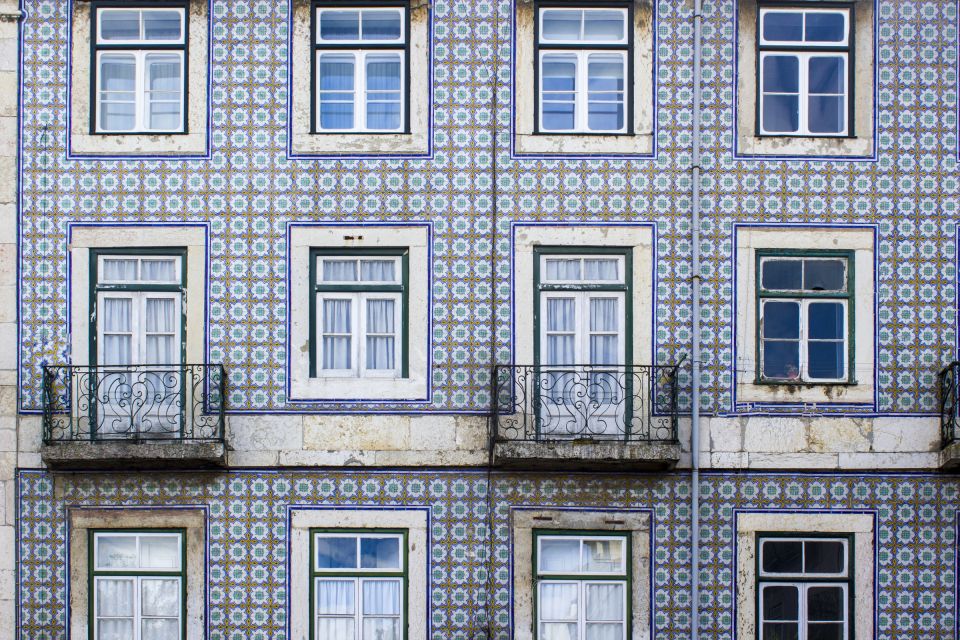
This tour fits best if you want Lisbon with context. If you like walking, photo stops, and short cultural explanations that connect neighborhoods to music, religion, and history, you’ll feel at home here.
It’s also a good match for couples and small groups who want a private pace. Past guides such as Alfredo and Joana have been praised for enthusiasm, fun energy, and historical commentary that stays understandable and engaging.
Skip it or choose carefully if you have mobility concerns. The tour is not suitable for people with mobility impairments, and the itinerary may involve climbing. If that’s your situation, you’ll likely feel stressed rather than enjoying the views.
Tips to Get More Out of Every Stop
Start with your expectations set: you’re walking and learning, not doing a long sit-down museum day. In that frame, every stop has a job—taste first, viewpoint second, and then neighborhoods that explain themselves as you move.
Wear comfortable, grippy shoes. Lisbon’s streets are narrow and sloped, and you’ll be moving between viewpoints and churches throughout the route. Bring a light layer too, because the tour runs rain or shine and Lisbon weather can change its mind fast.
Finally, ask questions at the viewpoint stops. You’ll be at Miradouro da Graça long enough to orient yourself, so use that time to get clarity on what you’ll see next in Alfama and beyond.
Should You Book This Lisbon Private Walking Tour?
I’d book it if you want a local-feeling Lisbon route that doesn’t stop at the obvious photo spots. The included ginja and coffee give you an immediate sense of place, and the Mouraria-to-fado framing makes the walk feel purposeful. The finish at Praça do Comércio is a satisfying payoff, especially if you like ending your days with open views of the Tagus.
I would not book it if climbing and long uphill walks will frustrate you. And if you want a tour that includes full meals or a lot of indoor time, this isn’t that kind of experience.
FAQ
What is the meeting point for the tour?
Meet at the entrance of the bar A Ginjinha.
How long is the private Lisbon walking tour?
The tour lasts 3 hours.
How much does the tour cost?
The price is $82 per person.
What’s included in the price?
It includes a ginja and a coffee.
Is hotel pickup and drop-off included?
No, hotel pickup and drop-off are not included.
What time does it start and how do I know the exact schedule?
You can check availability to see starting times.
Which languages are offered for the live guide?
The guide is available in Spanish, English, Portuguese, and French.
Does the tour run in the rain?
Yes, it runs rain or shine.
Is the tour suitable for people with mobility impairments?
No, it is not suitable for people with mobility impairments.
Where does the tour finish?
The tour finishes at Praça do Comércio.