REVIEW · CASCAIS
Surf Experience in Cascais, Lisbon
Book on Viator →Operated by Cascais Routes · Bookable on Viator
If you want surf basics fast, this works. I like that it keeps things practical, starting with on-beach coaching and moving quickly into the water, with a small group so you actually get noticed. You also get the option of surfing at Carcavelos or Guincho depending on your skill and what the ocean is doing that day.
Two things I really like: you learn surf theory tied to conditions (waves, currents, reference points), and the instruction is patient and encouraging, especially if you are still figuring out how to stand up on the board. The only real drawback to consider is the schedule is short, so you will leave feeling better and more confident, not fully mastering everything in two hours.
In This Review
- Key Surf Lesson Details That Matter
- Cascais Surf Lesson: Carcavelos and Guincho for real beginner waves
- Meeting Point at Carcavelos and the 2-hour flow you can plan around
- Surf theory on the sand: understanding waves, currents, and safety
- Warm-up, then practice: how your instructor corrects your position
- What’s included, and what you should bring (so you feel comfortable)
- Price and value: why $48 for a coached surf lesson adds up
- Who should book this surf experience in Cascais
- Should you book this Cascais surf lesson?
- FAQ
- What beaches might I surf from?
- How long is the surf lesson?
- Where do I meet and where does it end?
- Is equipment provided?
- What should I bring?
- Do I need any surfing experience?
- How big is the group?
- Is there free cancellation?
Key Surf Lesson Details That Matter
- Carcavelos or Guincho selection: your spot depends on your level and the ocean conditions
- Constant supervision once you’re in the water, so you are not guessing what to do next
- Warm-up + stretching before paddling, focused on balance and safety
- Surf theory on the sand: currents, wave types, and take-off and positioning tips
- All equipment included: wetsuit and surfboard, plus insurance
- Max 6 travelers means more direct feedback
Cascais Surf Lesson: Carcavelos and Guincho for real beginner waves
Cascais is one of the easiest places to try surfing around Lisbon because you’re dealing with a coastal setup that gives lessons a fighting chance. This experience is built for learning, not for showing off. You start with a quick but thorough look at the conditions of the spot and what those conditions mean for how you should paddle, position, and choose waves.
What’s especially useful here is the flexibility. You will surf at Carcavelos or Guincho, and that decision is made based on your surfing skills and the ocean conditions. That matters because one beach can be better for learning that day, and another can be better depending on how the wind and waves are behaving. In other words, the lesson isn’t a one-size-fits-all plan where everyone gets the same surf experience.
I also like that this is described as suitable for all skill levels and ages starting from age 6. That doesn’t mean the ocean is gentle. It means the coaching is designed to help beginners take meaningful steps: first understanding how to get balanced, then learning how to take off, and finally practicing on real waves with someone watching.
A quick reality check: surf is physical. If you expect a relaxing stroll on the beach, you’ll be surprised—in a good way. You’ll stretch, paddle, and work on technique. The instructors keep it friendly and supportive, including for people who struggle with standing up at first.
You can also read our reviews of more tours and experiences in Cascais.


Meeting Point at Carcavelos and the 2-hour flow you can plan around
The tour starts at Carcavelos beach, Portugal and ends back at the meeting point. The full lesson runs about 2 hours, so it fits nicely into a half-day in the area. This isn’t one of those long activities where you spend half the day waiting around. You’re there to learn, practice, and get back before you’re exhausted.
Because your session is either Carcavelos or Guincho, your day might feel slightly different depending on what the instructors decide. The lesson itself stays consistent in structure: explanation on the beach, warm-up, then technique practice in and out of the water, with you under supervision throughout. The time window stays tight, which is part of why the experience works: you get focused instruction and repeated chances to apply it.
Here’s what your timeline looks like in plain terms:
- You meet at the beach and get briefed on what you’ll do.
- You get warm-up and stretching guidance.
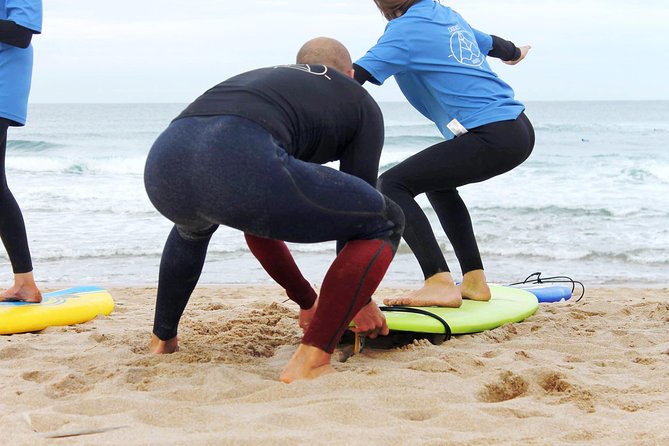
- You learn technique and safety, then practice on sand.
- You go into the water and keep practicing with real feedback.
If you’re building a Lisbon itinerary, plan other activities around the fact that you’ll be using energy and will probably want a shower and a relaxed meal afterward. Also bring water. The tour provides guidance on what to bring, but you will still feel the sun and salt.
Surf theory on the sand: understanding waves, currents, and safety
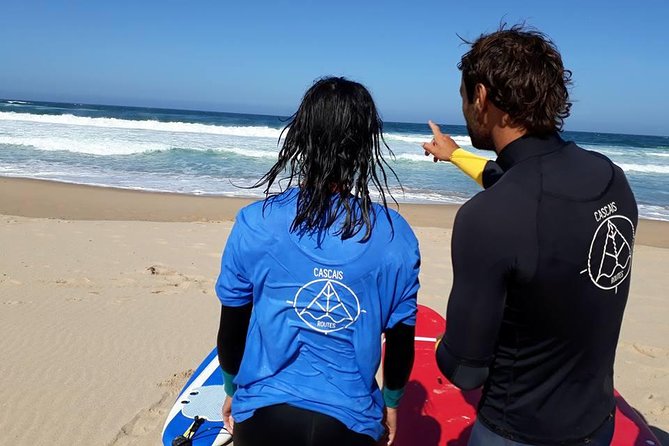
Good surf lessons do not start with jumping on a board. They start with helping you read the ocean. In this experience, your instructor begins by explaining the conditions of the spot you are using that day. That includes the beach setup, the types of waves, and how currents can affect what happens after you paddle out.
You also get reference points—basically landmarks and cues you can use to avoid wasting effort. That part is practical. When you know where to look and what to track, you spend less time flailing and more time doing the movement you came for: balancing, paddling, and taking off.
Before you even get in the water, you do warm-up and stretching exercises. Then the lesson breaks down key skills on the beach:
- how to paddle out and how to position yourself on the board
- take-off technique basics
- safety in the water
- balance drills that translate directly to standing
What I like about the sequence is that it teaches you to think in small steps. You’re not being told to do everything at once. First you learn what the board should do under you. Then you learn what your body should do. Then you practice those same actions in the water.
That makes a difference for beginners. Standing up can feel like trying to balance a chair on a moving sidewalk. Having the instructor explain your reference points and what to do with your body reduces panic and helps you keep your focus on technique rather than fear.
Warm-up, then practice: how your instructor corrects your position
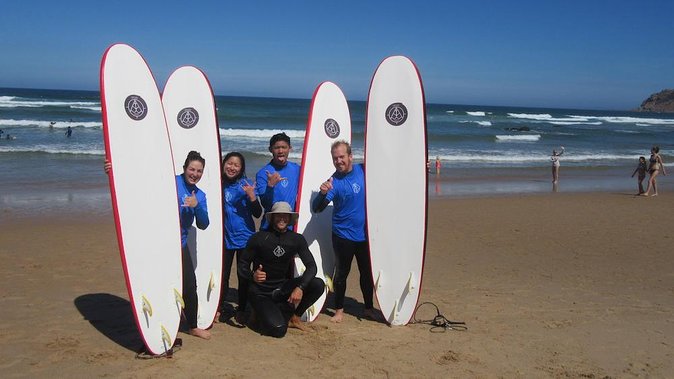
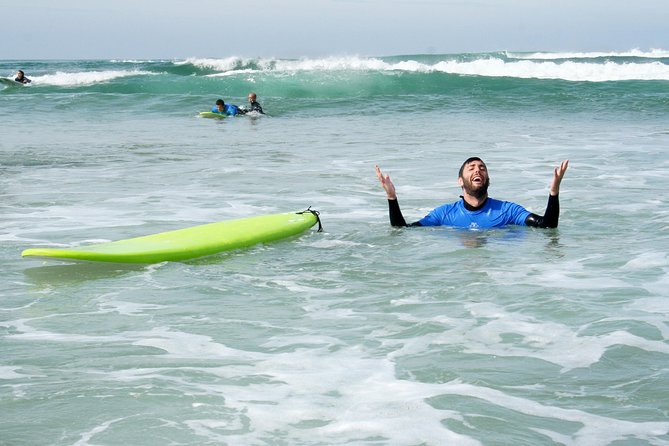
Once you’re in the water, the coaching shifts from explanation to real-time feedback. You get constant supervision, and the instructor actively helps you choose the right waves while also correcting your position if needed.
This is where the lesson becomes more than just a try-it-once experience. A big theme from strong feedback is that the instructors are patient—especially when you struggle with standing up at first. That’s exactly the moment most people decide surfing is harder than it looks. Here, you get encouragement and corrections, not judgment.
One standout detail from experience feedback is that after you catch waves, you also talk about how to find that perfect wave to try. That kind of discussion is useful because it turns you from someone who only reacts to the ocean into someone who starts learning how to read it. You leave understanding what you’re aiming for, not just what you did once.
What to expect during your session:
- you practice while the instructor watches closely
- you try different wave choices based on conditions
- you receive cues for body position and timing
- you keep refining balance and take-off mechanics
Also, the lesson includes safety guidance throughout. Surfing isn’t just standing up and smiling for a photo. It’s knowing what to do if conditions change and understanding how to stay aware around waves and currents.
What’s included, and what you should bring (so you feel comfortable)
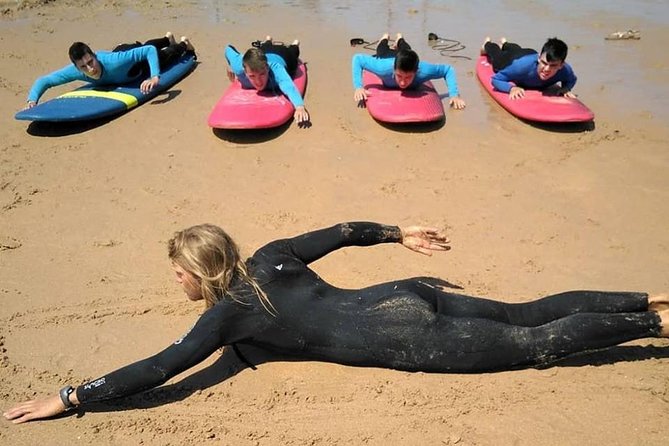
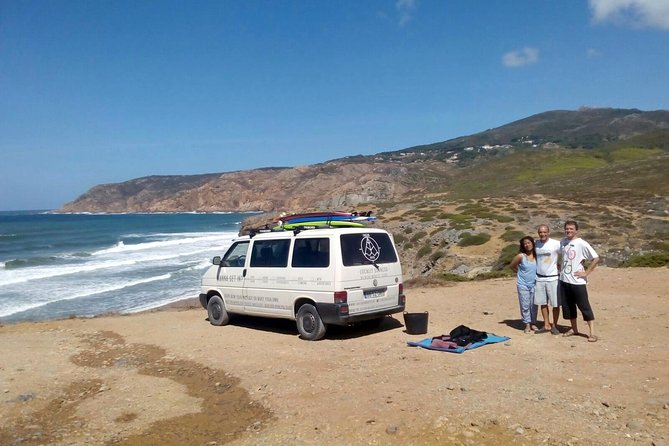
You do not need to bring surfing gear. Equipment is included: a wetsuit and surfboard, plus the necessary gear for the session. Insurance is also included, and you’re led by locally certified surf instructors who know the area.
So your job is mostly about comfort and sun protection. For the best experience, bring:
- a swimming suit
- a towel
- sun protector
- water
- comfortable clothes and footwear
Why footwear matters: you’ll likely walk on sand and around a beach setup, and you want something steady when you’re dealing with wetsuit time and gear.
If you’re sensitive to cold water, the wetsuit helps, but you’ll still benefit from planning for ocean chill. And if it’s sunny (often in Portugal), sunscreen is non-negotiable. Two hours can turn into a sunburn if you forget.
One more practical tip: wear easy-to-manage clothes for after. You’ll want to get out of your wetsuit and dry off quickly, then head to your next stop without feeling sticky and miserable.

Price and value: why $48 for a coached surf lesson adds up
At $48.16 per person for about 2 hours, this is priced like a short, high-intensity lesson. What makes the value feel real is what you get for that time: all equipment, wetsuit + surfboard, insurance, and certified local instructors, plus the small group size cap of 6 travelers.
Group size matters here because feedback isn’t theoretical. You need an instructor watching your stance, timing, and positioning. In a small group, you get more chances to be corrected and guided. That’s why people often feel a difference between a crowded lesson and one with more attention per person.
You also get a mobile ticket and the activity is offered in English, which makes it easier to follow the theory portion about currents, waves, safety, and reference points.
The main value limitation is simple: two hours means you will not master surfing in one go. You’ll likely learn enough to keep practicing on your own afterward, and you’ll build confidence for the next step. If you want full transformation, you’d book another session later. But if your goal is to learn the fundamentals with real coaching, this hits the sweet spot.
Who should book this surf experience in Cascais
This lesson is a great fit if you:
- want to learn surfing basics on a coastline near Lisbon
- like a structured lesson that mixes theory and practice
- benefit from patient, hands-on coaching
- want a small group experience (max 6) rather than feeling lost in a crowd
- are traveling in English and want the instruction delivered in that language
It also works well for different ages and skill levels because the instructors adapt the spot choice between Carcavelos and Guincho based on your skills and the ocean conditions. If you are a complete beginner, the beach-based practice and safety briefing help you get oriented fast. If you have surf experience, you can focus more on technique refinement while the instructor watches for positioning and wave selection.
If you are the type who needs total flexibility and no schedule constraints at all, this might feel a bit too structured and time-bound. But if you’re okay with a short, focused session, it’s an efficient use of your day.
Should you book this Cascais surf lesson?
I’d book it if your goal is a real first surf lesson with gear provided and coaching that stays close. The small group size, the mix of theory and practice, and the fact that instructors correct your position make it feel like a guided skill-building session, not a casual beach activity.
Skip it only if you’re looking for something long and leisurely, or if you expect surfing to be mostly passive. You will work. You will paddle. You will practice standing up. That effort is part of why the experience is so effective.
If you’re planning a Lisbon-area trip and you want a memorable, hands-on day that doesn’t require hours of travel time, this is a strong pick.
FAQ
What beaches might I surf from?
You’ll surf at either Carcavelos beach or Guincho beach, depending on your surfing skills and the ocean conditions.
How long is the surf lesson?
The total experience time is around 2 hours.
Where do I meet and where does it end?
You start at Carcavelos beach and the activity ends back at the same meeting point.
Is equipment provided?
Yes. You get all necessary equipment, including a wetsuit and surfboard.
What should I bring?
Bring a swimming suit, towel, sun protector, water, and comfortable clothes and footwear.
Do I need any surfing experience?
No. The experience is suitable for all skill levels, and your instructors adapt the session to your level and the conditions.
How big is the group?
The tour has a maximum of 6 travelers.
Is there free cancellation?
Yes. You can cancel for a full refund up to 24 hours before the experience start time.