
REVIEW · COOKING CLASSES
Lisbon: Portuguese Cooking Class for Beginners
Book on GetYourGuide →Operated by Compadre Cooking School · Bookable on GetYourGuide
Learn Portuguese cooking at the stove. This hands-on beginner class mixes the story behind the recipes with real technique, taught in Lisbon by instructors like Anna and Marta. I love the way you cook multiple dishes yourself in a small group (limited to 6), and I love that you’re not just memorizing steps—you’re also learning how food connects to Portuguese culture. One drawback: you’ll be standing for at least 2 hours, so it’s not recommended if big-back issues slow you down.
You’ll be at Compadre Cooking School, learning in English or Portuguese, and you’ll finish with a full meal that includes wine, tea, and coffee. You also get the recipes afterward, which is a big deal if you want more than a fun afternoon. Bring comfortable shoes and expect a kitchen day that’s active—not a sit-and-watch class.
In This Review
- Key things I’d watch for
- Why This Beginner Class Works for First-Timers
- Finding Compadre Cooking School in Lisbon (and why the address matters)
- How the 3-Hour Flow Actually Feels
- Your Menu: Three Portuguese Dishes You Can Recreate
- The Meal Part Matters: Wine, Tea, Coffee, and Eating What You Cook
- Anna and Marta: What Makes the Teaching Beginner-Friendly
- Recipes to Take Home: The Best Reason to Pay
- Price and Value: Is $88 a Good Deal?
- Comfort and Practical Tips (So You Don’t Hate the Kitchen Time)
- Who Should Book This Class—and Who Should Skip It
- Should You Book This Portuguese Cooking Class in Lisbon?
- FAQ
- Where is the class meeting point in Lisbon?
- How long is the Portuguese cooking class?
- How much does it cost per person?
- What will I learn to cook during the class?
- Are beverages included with the meal?
- Do I need hotel pickup and drop-off?
- What languages will the instructor speak?
- What should I bring, and is the class hard on your back?
- Can I cancel and get a full refund?
Key things I’d watch for
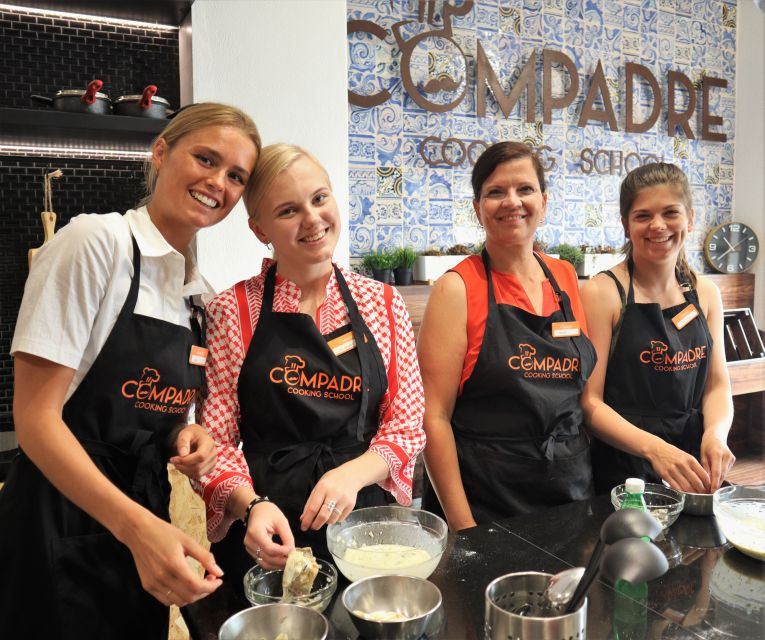
- 3 dishes in 3 hours: You’ll actually cook, plate, and eat, not just tour ingredients.
- Culture built into the menu: The class explains the role of food in Portuguese everyday life, not only techniques.
- Anna and Marta style of instruction: Reviews point to patient, step-by-step guidance that works well for beginners.
- Wine, tea, and coffee included: The meal is part of the experience, not an extra you have to find.
- Take-home recipes: You leave with something practical to recreate at home.
Why This Beginner Class Works for First-Timers
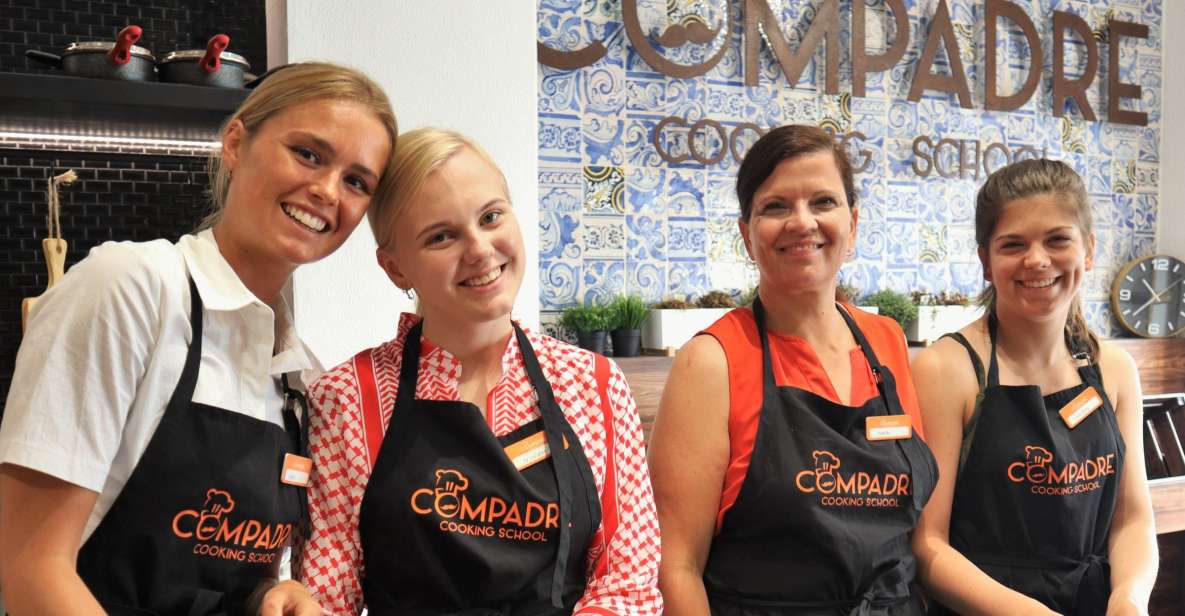
Portuguese food has a way of sticking in your mind—mostly because it’s meant for the table. This class leans into that reality from minute one: you learn why dishes matter in Portuguese culture, then you cook them yourself so the lesson lands in your hands, not just your head.
I also like that the class is designed for beginners. You’re not expected to already know Portuguese pantry basics. The instructors guide you through each step, and the small group size means you’re less likely to get lost when questions pop up.
And the vibe stays human. Reviews mention friendly, patient teachers who help you keep moving. You’re cooking with other people, eating together afterward, and leaving with a meal story you can repeat when you’re back home.
You can also read our reviews of more cooking classes in Lisbon


Finding Compadre Cooking School in Lisbon (and why the address matters)
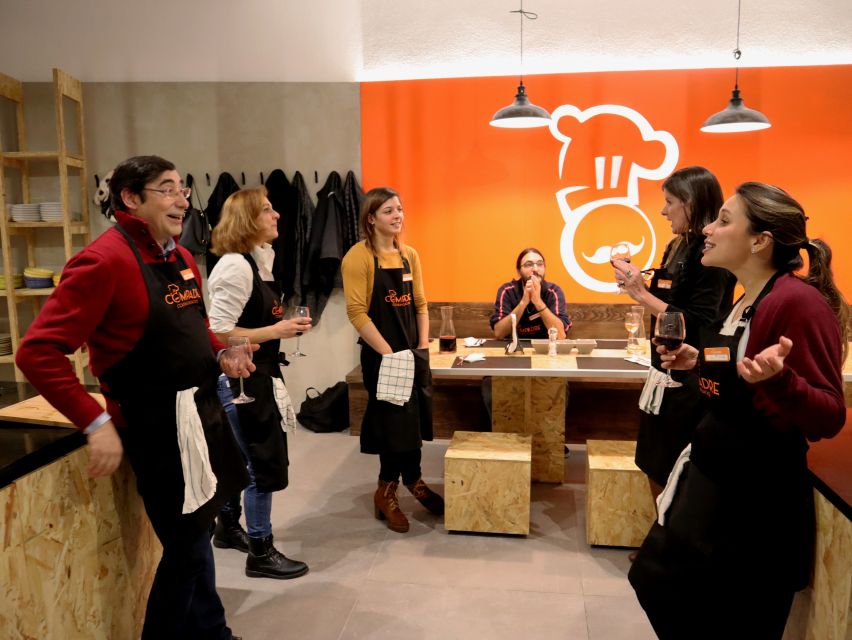
This experience is in Lisbon, specifically at Compadre Cooking School. Lisbon has plenty of meeting-point confusion potential, so it’s worth double-checking you’re in the right city before you head out.
You don’t need hotel pickup or drop-off, which is one less moving part. Plan to arrive a few minutes early on foot and wear shoes you can stand in. Once you’re inside, you’ll be working in a real kitchen setup with equipment and ingredients provided.
How the 3-Hour Flow Actually Feels
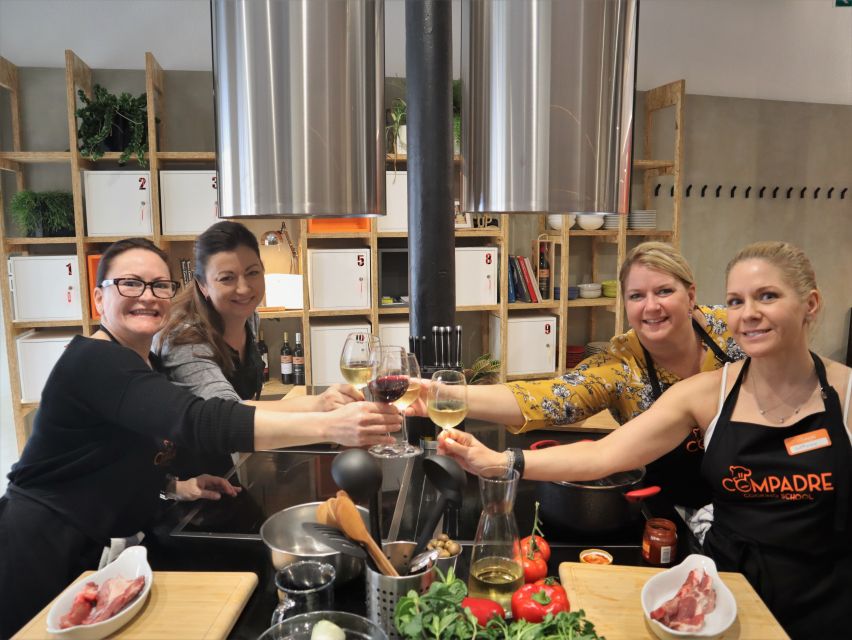
The total time is 3 hours, and the pacing is straightforward: meet the instructor, get the context, cook three dishes, then eat what you made.
Here’s the way the experience typically lands:
- Start with the recipe background: You’ll get the story behind the dishes and ingredients, plus the role food plays in Portuguese everyday life. This makes the menu feel less random and more like a guided slice of the country.
- Hands-on cooking for three dishes: Your instructor teaches you to prepare three different dishes during the class time. This is a real beginner format, where you get assistance and stay involved rather than waiting for someone else to do the hard parts.
- Eat together at the table: After cooking, you enjoy a full meal experience with the dishes you prepared. Drinks are included—wine, tea, and coffee—and that turns the class into more than a workshop.
A practical note: the class involves standing for at least 2 hours. Even if you’re not doing heavy lifting, your body will feel the kitchen time. If you know you tire quickly while standing, plan accordingly.
Your Menu: Three Portuguese Dishes You Can Recreate
The highlight is simple: you learn to prepare 3 different dishes. For a beginner, that’s the sweet spot. You get range—so you can taste more of Portugal—without the class turning into a chaotic buffet of half-finished steps.
In the reviews, people mention the teaching style more than the exact dish names, but the pattern is consistent: you learn multiple components, you get guidance through the process, and you leave with recipes so you can try again later.
Two things make this menu setup valuable:
- You’ll practice techniques you can transfer (chopping, mixing, seasoning, timing).
- You’ll go home with a short list of dishes you actually understand, instead of a notebook full of vague memories.
If you’re worried about ingredients you don’t like (especially seafood), the reviews show the team is willing to accommodate. One review mentions adjustments for people who don’t eat seafood much, so it’s reasonable to expect that they’ll try to make the experience work for you within the class flow.
The Meal Part Matters: Wine, Tea, Coffee, and Eating What You Cook
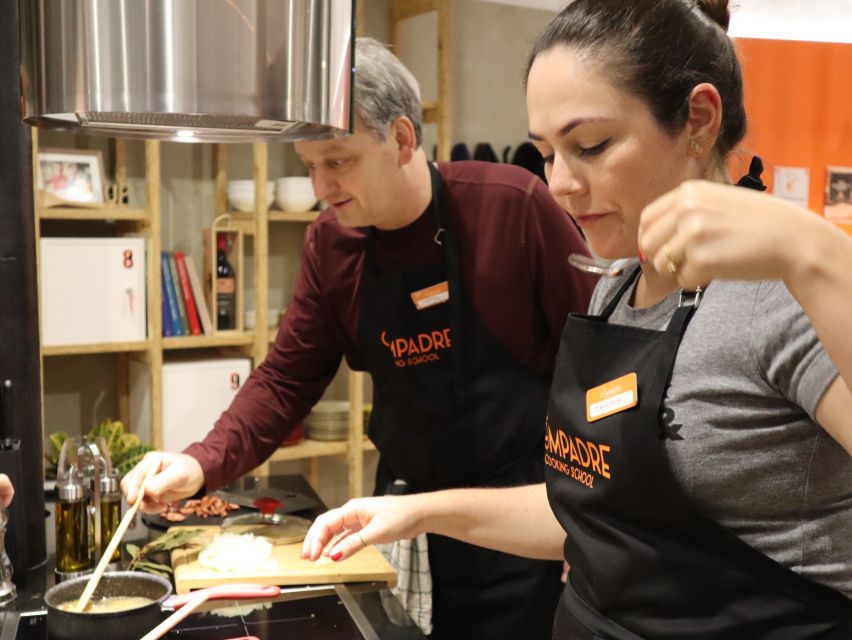
A lot of cooking classes end with food you barely helped assemble. Here, the meal is the payoff. You eat your Portuguese dishes afterward, and beverages are included: wine, tea, and coffee.
Reviews add a helpful detail: at least some classes include unlimited wine during cooking and eating, and it’s described as their own brand. Even if you don’t drink wine, you’ll still have the tea and coffee to make the meal feel complete.
This is where Portuguese table culture shows up in a practical way. You don’t just sample; you sit, taste, and talk. It’s also a good moment for the group to bond because everyone worked on the same dishes.
You can also read our reviews of more tours and experiences in Lisbon





Anna and Marta: What Makes the Teaching Beginner-Friendly
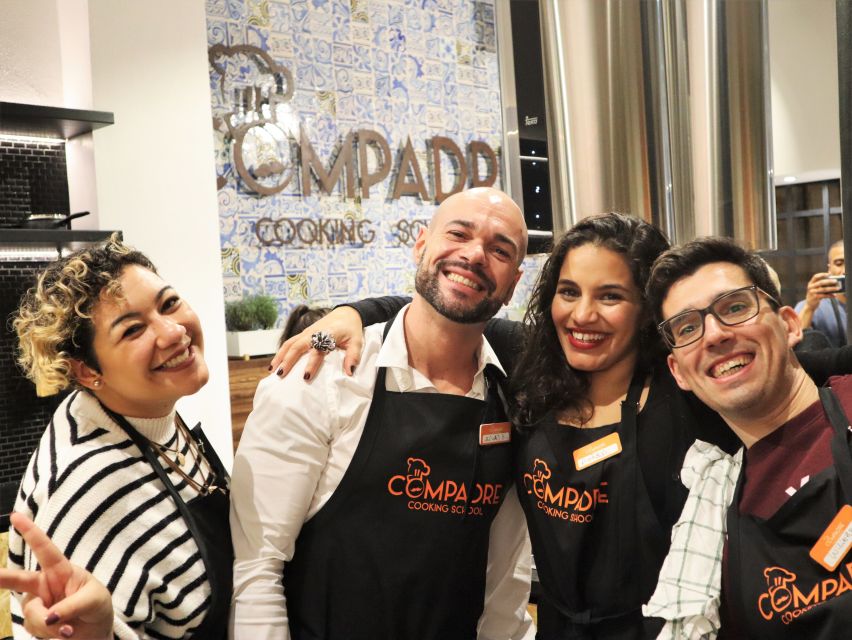
The instructors are the reason a class like this stays fun. Multiple reviews specifically call out Anna and Marta for being friendly, knowledgeable in the practical sense, and patient.
From your perspective, that usually means:
- You get step-by-step help while you cook.
- You can ask questions and get them answered in a way you can apply immediately.
- You won’t feel like you’re slowing the group down just because you’re new.
Another small but important detail: the class is offered in English and Portuguese. If your Portuguese is basic (or non-existent), you’re still covered.
And because the group is limited to 6 participants, you’re not competing for attention with a crowd. That’s what keeps the “beginner” part real.
Recipes to Take Home: The Best Reason to Pay
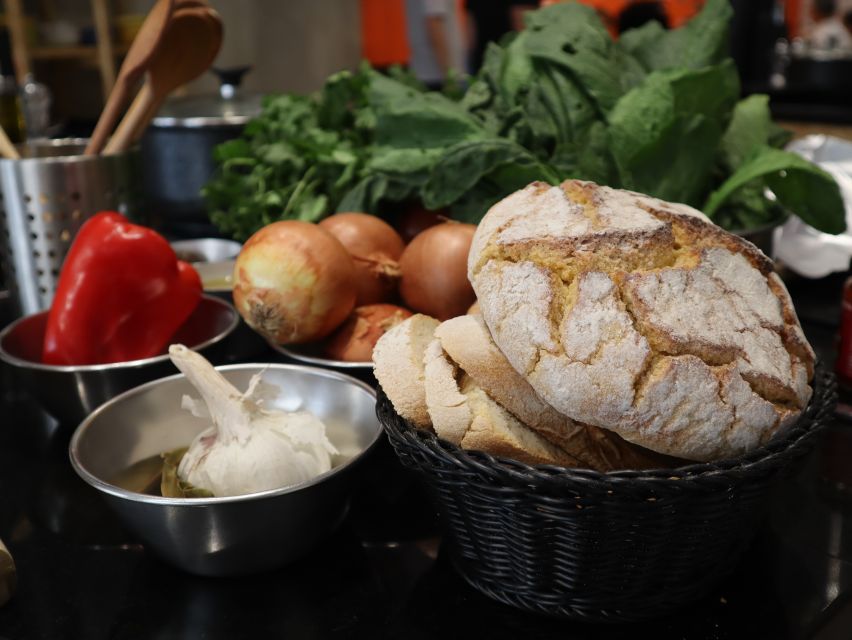
You’ll be provided with recipes after the class. That turns the experience from a one-day event into something you can repeat.
This matters more than it sounds. In cooking classes, the technique fades quickly if you don’t have something to reference. With the recipes in hand, you can recreate the dishes for friends and family and remember the choices you made—like seasoning style and how the dish should come together.
If you’re the kind of traveler who hates buying a souvenir that turns into clutter, this is a better use of money. It’s something you’ll use again.
Price and Value: Is $88 a Good Deal?
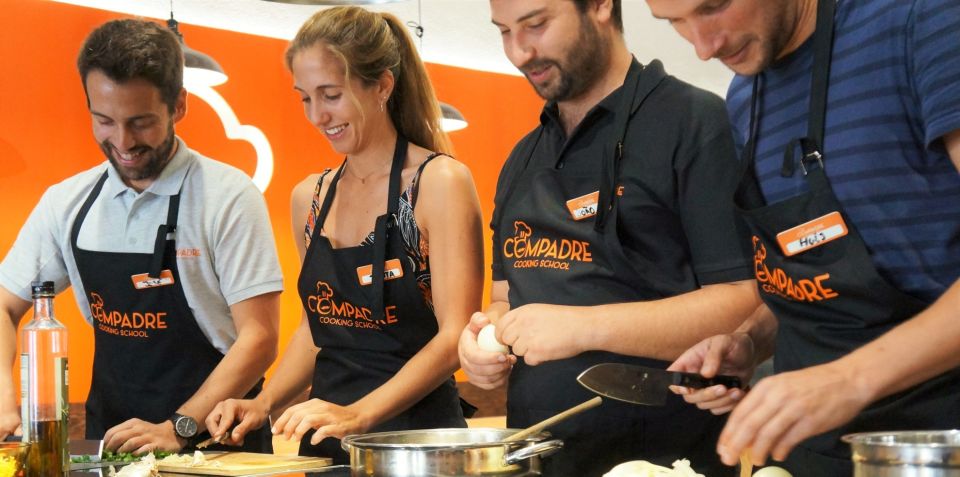
At $88 per person for 3 hours, you’re not just paying for instruction. You’re paying for:
- Cooking instruction with equipment and ingredients included
- A full meal experience (the dishes you make)
- Beverages (wine, tea, coffee)
- Recipes to take home
- Insurance coverage
When I look at value, the meal and the take-home recipes are what tip it into “worth it” territory. You’re effectively getting a guided lunch—or early dinner—plus a workshop that trains you to make the dishes again later.
Yes, you can eat Portuguese food in Lisbon for less money. But you won’t usually get the hands-on part, the recipe background, and the shared table experience in the same package.
Comfort and Practical Tips (So You Don’t Hate the Kitchen Time)
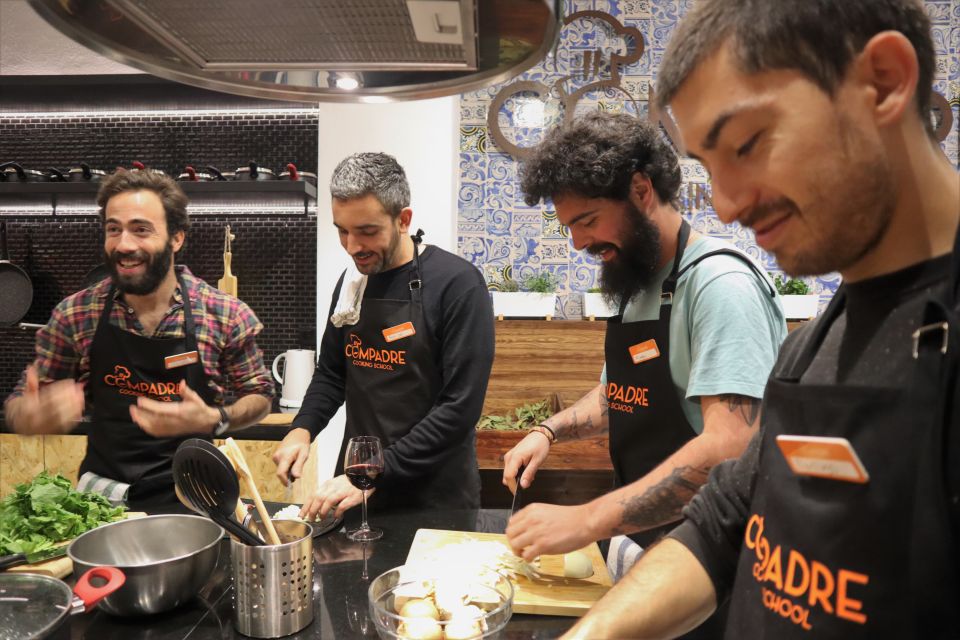
Here’s the straightforward prep advice:
- Wear comfortable shoes. You’ll be standing at least 2 hours.
- If you have back problems, treat this as not suitable. The class isn’t designed as a low-stand, low-movement session.
- Plan on being active. Even beginner cooking asks you to stand, chop, stir, and work at counter height.
Also note the basic house rules: pets aren’t allowed, and smoking isn’t allowed. It’s a normal cooking-school environment, so you won’t be dealing with any weird or unexpected restrictions.
Who Should Book This Class—and Who Should Skip It
This is a great fit if you want:
- A beginner-friendly introduction to Portuguese cooking
- An experience that includes both cooking and eating
- A small group activity where you can talk with others while you work
- Something practical to bring home via recipes
It’s especially appealing if you like learning the “why” behind dishes, not only the “how.” The class connects food to Portuguese culture, which makes the dishes feel like more than flavor.
Skip it if you:
- Have significant back issues and can’t stand for long periods
- Want a mostly seated activity (this one isn’t)
Should You Book This Portuguese Cooking Class in Lisbon?
Yes, I’d book it if you want a hands-on, beginner-level experience that ends with a real meal and take-home recipes. The price makes sense when you factor in the included ingredients, beverages, and the full dining experience—not just the cooking.
If your priority is a quiet, hands-off tour, this won’t match. But if you want to cook Portuguese dishes with help, sit down together afterward, and leave with recipes you’ll use again, this is a strong choice.
FAQ
Where is the class meeting point in Lisbon?
You meet at Compadre Cooking School in Lisbon.
How long is the Portuguese cooking class?
The class lasts 3 hours.
How much does it cost per person?
The price is $88 per person.
What will I learn to cook during the class?
You’ll learn to prepare 3 different Portuguese dishes.
Are beverages included with the meal?
Yes. The experience includes wine, tea, and coffee.
Do I need hotel pickup and drop-off?
No. Hotel pickup and drop-off are not included.
What languages will the instructor speak?
The instructor speaks English and Portuguese.
What should I bring, and is the class hard on your back?
Bring comfortable shoes. You will be standing up for at least 2 hours, so it is not recommended for people with big back problems.
Can I cancel and get a full refund?
Yes. Free cancellation is available up to 24 hours in advance for a full refund.