REVIEW · COOKING CLASSES
Portuguese Cooking Experience in Lisbon
Book on Viator →Operated by Cooking Lisbon · Bookable on Viator
Garlic tastes better when you make it. In central Lisbon, you join a chef-led hands-on cooking class to build a full Portuguese menu, learn why flavors work the way they do, and then sit down to eat what you cooked. I especially like the emphasis on Portuguese culinary traditions, with tastings of premium olive oil and included wine. One possible drawback: the setup can feel more like a shared, team kitchen flow than a one-person-per-dish technique workshop.
The evening starts at R. Bernardim Ribeiro 9 at 6:30 pm, and the class runs about 3 hours 30 minutes. You’re in good hands in English with a maximum group size of 14, plus you’ll get PDF recipes afterward. Expect a lively social vibe too, because you’re cooking alongside other food-minded travelers, not just watching from the sidelines.
If you’re hoping for a private, quiet cooking retreat, that’s not the point. But if you want a fun, structured introduction to Portuguese food—fish, meat, and dessert included—this is the kind of night that helps you come home craving the next plate.
In This Review
- Key things I’d bank on before you go
- Portuguese Cooking in Lisbon at 6:30: What the evening feels like
- The chef-led workflow: You cook, even if it’s team-based
- Your 3-course Portuguese menu: fish, meat, and dessert
- Taste lessons: olive oil, wine, and coffee as part of the teaching
- What you actually do in the kitchen (and how to get the most out of it)
- Drinks, food volume, and the dinner you sit down to eat
- Where it’s located in Lisbon and why that’s convenient
- Price and value: what $108.89 gets you
- Who should book this Portuguese Cooking Experience
- Should you book it
- FAQ
- What’s the duration of the Portuguese cooking class in Lisbon?
- How much does it cost per person?
- What time does the class start, and where is it held?
- Is the class offered in English?
- How big are the groups?
- What’s included in the price?
- Are drinks included for children under 17?
- Does the menu accommodate health or religious restrictions?
- Can I get a refund if I cancel?
Key things I’d bank on before you go
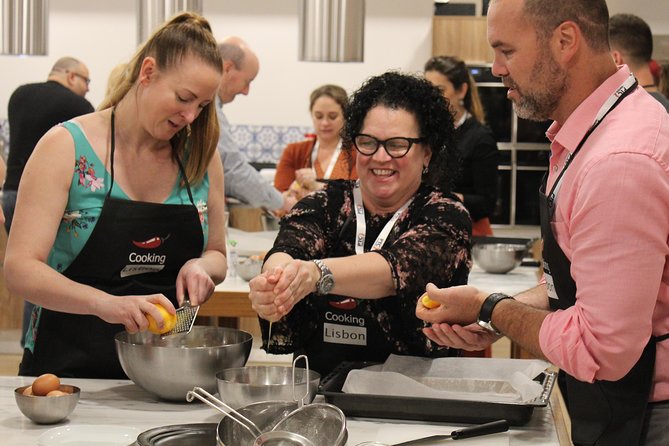
- Small-group energy: Maximum of 14 people, so you’re not stuck as a spectator.
- A real 3-course Portuguese dinner: Starter, a fish main, a meat main, and dessert make the meal feel complete.
- Cooking plus tasting: You’ll sample premium olive oil and drink wine alongside the lessons.
- Menu adapts to you: Starter and main can change based on health or religious restrictions.
- Recipes in PDF form: You take the guidance home instead of just the memory.
- Near public transportation in central Lisbon: Easy to reach for an evening activity.
Portuguese Cooking in Lisbon at 6:30: What the evening feels like
This is the kind of Lisbon experience that works because it’s practical. You’re not just learning the names of Portuguese dishes; you’re making them. The class begins in central Lisbon, right at R. Bernardim Ribeiro 9, and you kick off at 6:30 pm. That timing matters. It’s late enough to enjoy Lisbon earlier in the day, and it gives you a full dinner without hunting down restaurants afterward.
The format is structured from the first minute. You’ll greet your chef and group, wash up, and put on an apron. Then you learn what’s on the menu and start prepping ingredients. By the time the meal is ready, you’re seated with fellow food lovers and eating the fruits of your work. It’s a nice switch from the usual “tour first, eat later” rhythm.
Also worth noting: alcohol is included for adults, and it’s handled responsibly. If there are children under 17 in the group, alcohol is not served to them; the class provides alternatives like water or juice.
You can also read our reviews of more cooking classes in Lisbon


The chef-led workflow: You cook, even if it’s team-based
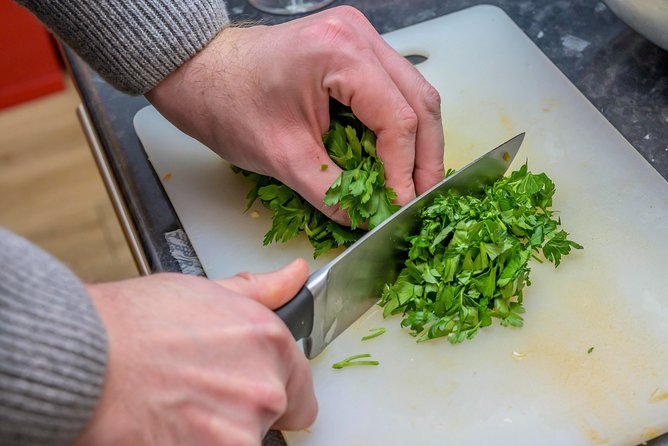
The headline promise is hands-on Portuguese cooking, and the best part is that you’re actively involved. You’ll work on ingredients that show up in Portuguese home kitchens—things like chopping, prepping, and cooking steps guided by your chef.
That said, there’s a real difference between hands-on and one-person-at-a-time mastery. The class runs with a shared workflow. In many groups, everyone gets a role, and the cooking happens together as a team—so you might not be personally “owning” every step from scratch the way you would in a private class. You’ll likely do plenty of meaningful prep, but you may still spend stretches focusing on your assigned tasks while the chef manages the overall flow.
This is where the chef personality can make a difference. Past instructors have included Pedro, Ana, Yvonne, David, Tomas, and Gonçalo Carvalheiro, and the common thread is keeping everyone cooking and teaching as they go. When the chef is strong at pacing and explaining, you get both the skills and the story behind the food.
If you’re a complete beginner, this kind of guided structure is a win. If you’re an experienced home cook wanting heavy technique refinement, you might find the class leans more toward an introduction than a deep master class. Still, the tasting, the menu context, and the group’s practical pace can be a good match for most visitors.
Your 3-course Portuguese menu: fish, meat, and dessert
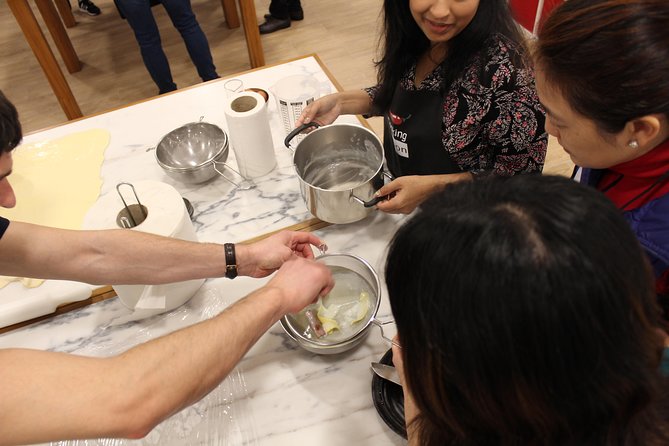
The meal is the heart of the experience. You’ll prepare a 3-course Portuguese dinner that includes:
- A starter
- A fish dish
- A meat dish
- Dessert
The exact menu can shift depending on health and religious restrictions, so don’t worry about showing up and being stuck. You’ll still get the full 3-course arc; the ingredients and dish choices just adjust for your group’s needs.
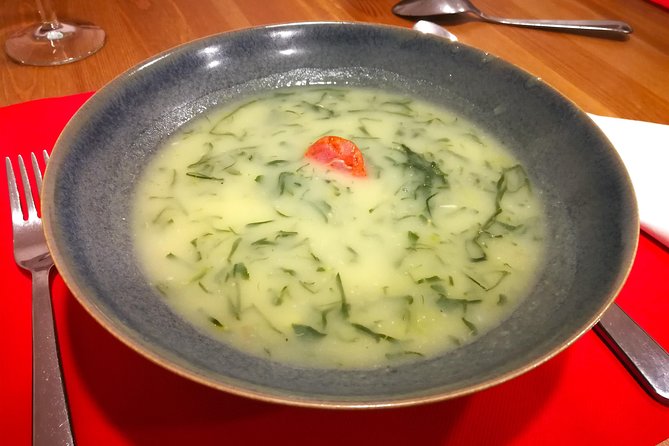
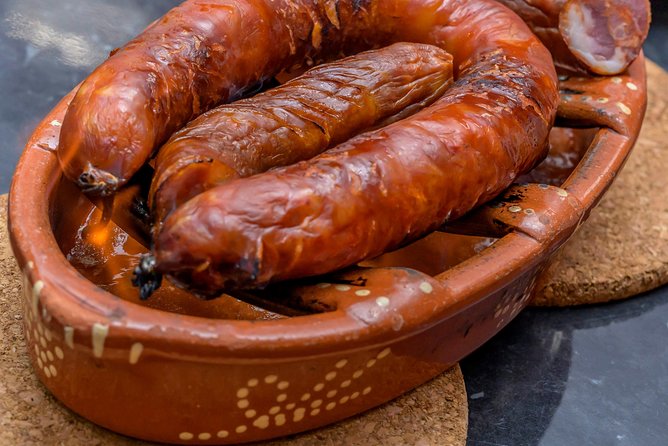
Even without knowing the specific dishes in advance, you can expect the cooking to focus on staples you’ll taste across Portugal: olive oil flavors, aromatic seasoning, and comfort-food textures. In past classes, guests have cooked dishes such as bacalhau a bras and other fish and meat mains, plus desserts like meringue with custard. You may not get the exact same menu, but the vibe is consistent: familiar Portuguese flavors, cooked from basic ingredients.
Why this menu structure is valuable: it trains your palate on how Portuguese meals feel as a whole. Instead of learning one dish, you experience the flow from appetizer to main to dessert, with techniques and tastes building on each other. That’s the part that stays useful when you cook later.
Taste lessons: olive oil, wine, and coffee as part of the teaching

Portuguese cooking is inseparable from tasting culture, and this class leans into that. You’ll taste premium samples of olive oil and also enjoy included drinks such as wine and soft drinks, plus coffee.
A big win here is that these tastings aren’t random. They tie into what you’re doing at the stove. Olive oil in Portuguese food isn’t just background flavor; it’s part of how dishes taste bright, rounded, and comforting. You also get the chance to notice differences as you cook, then taste alongside your work when the meal is served.
Wine is included with the meal, and it’s typically a natural pairing with the fish and meat courses. If you prefer not to drink wine, you still get plenty of non-alcohol options like water or juice.
This part might sound like a “nice extra,” but it’s actually central to the learning. When you connect flavor samples to real cooking steps, you remember more—and you can reproduce it later.
What you actually do in the kitchen (and how to get the most out of it)
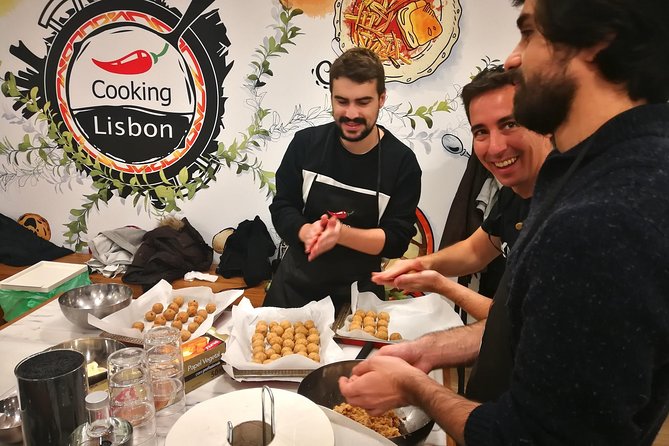
Here’s what usually makes people leave happy: they don’t just cut onions once and call it a day. You’ll have a role that helps produce the meal, and you’ll rotate through tasks as courses come together.
To get the most from the class, pay attention to two things:
- Ask about timing and doneness, not just ingredients. Portuguese home cooking often succeeds because of the “when” as much as the “what.”
- Watch the chef’s explanations while you’re working your part. The best guidance comes when you’re actively cooking, because the lesson lands instantly.
There can be a wide range in group sizes and cooking intensity. Some classes run with around a dozen people; others may feel smaller. If your group is on the smaller side, you’ll likely have more direct conversation time with your chef and more hands-on contributions. In larger groups (still capped at 14), you’ll get the team-cooking experience, which can be fun if you enjoy a shared rhythm.
One more detail that shows up in guest feedback: people often mention getting to keep the apron. It’s a small souvenir, but it also signals the class’s spirit—hands-on, not stiff or formal.






Drinks, food volume, and the dinner you sit down to eat
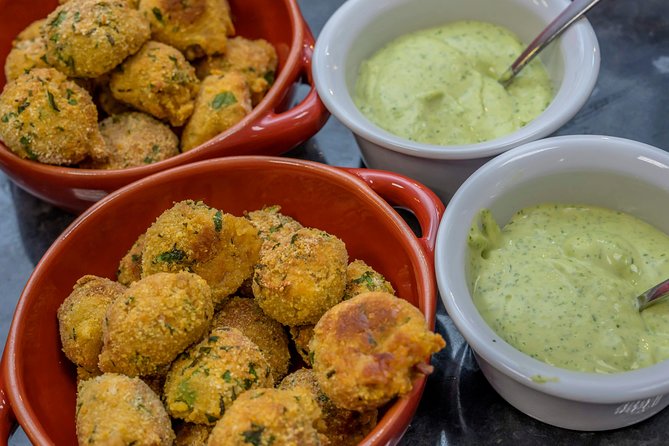
This is not a tiny tasting menu. The point is that you build a full dinner and then eat it together. The “enough food to feel satisfied” factor matters, especially in Lisbon where evening plans often end up being two things: a snack and a search for something real to eat.
You’ll also have a steady drink flow during the meal. Drinks included can include wine, water, juice, beer, coke, coffee. Alcohol rules are handled with care for minors under 17.
When it works, the result feels like a casual dinner party with cooking lessons. When it doesn’t, it’s usually because someone expected a more individual technique class. If your expectations are aligned—team-cooking, guided instruction, shared meal—you’re much more likely to have a great time.
Where it’s located in Lisbon and why that’s convenient
The meeting point is R. Bernardim Ribeiro 9, 1150-068 Lisboa, and you start at 6:30 pm. The location is described as near public transportation, which is practical for an evening class.
You also return to the meeting point at the end, so you don’t have to piece together a ride home right after dinner. That matters if you’re juggling other plans the same day, or if you want your night to feel “one clean plan” instead of a string of logistics.
Price and value: what $108.89 gets you
At $108.89 per person, this isn’t a budget cooking class. But you’re also not paying only for instruction. You’re paying for:
- A hands-on 3-course dinner (starter, fish main, meat main, dessert)
- Included drinks (wine and non-alcohol options)
- PDF recipes afterward
- Mandatory insurance
- A small-group setting (max 14)
If you compare that to the cost of a nice Portuguese dinner plus a guide plus recipes plus wine, the price often feels more reasonable. The value is strongest if you’ll actually cook at home later. Those PDF recipes can turn the class into something you reference, not just something you did once.
Where value can feel weaker is if you want a very specific, high-level technique course. If you’re expecting a “perfectly personalized cooking tutorial” where you repeat every step in depth, you may find it more introductory and more shared than you wanted. But for most visitors, the combination of food, drink, and approachable learning is a good deal.
Who should book this Portuguese Cooking Experience
I think this fits best if you want:
- A fun, structured introduction to Portuguese cuisine
- A dinner plan that includes both cooking and eating
- A social evening where you work with a small group
- The chance to learn in English with a chef guiding you the whole way
It may also work well for couples and friend groups because everyone gets involved and you end the night with a shared meal. If you’re traveling solo, it’s a comfortable way to meet people without awkward small talk, because you already have a shared task: cook.
If you’re someone who only wants watching-minimal and maximum technique drills, you might want to consider whether this class’s shared format matches your style. Still, the ingredients-to-meal flow can be exactly what you need to get started.
Should you book it
Yes, book it if you want a hands-on Portuguese food night that’s easy to fit into your schedule and ends with a satisfying dinner. The strongest reason to choose this class is the full 3-course meal paired with tastings and recipes you can use later.
Skip it only if your main goal is a high-intensity, expert-level technique workshop where you personally master every component step-by-step. Otherwise, it’s the kind of evening that helps you understand Portuguese cooking in a way that sticks.
FAQ
What’s the duration of the Portuguese cooking class in Lisbon?
It runs for about 3 hours 30 minutes.
How much does it cost per person?
The price is $108.89 per person.
What time does the class start, and where is it held?
It starts at 6:30 pm at R. Bernardim Ribeiro 9, 1150-068 Lisboa, Portugal, and it ends back at the meeting point.
Is the class offered in English?
Yes, it’s offered in English.
How big are the groups?
The class has a maximum of 14 travelers.
What’s included in the price?
You get a hands-on Portuguese cooking class, the meal, drinks (wines, water, juice, beer, coke, coffee), PDF recipes afterward, and mandatory insurance.
Are drinks included for children under 17?
Alcohol will not be served to children under 17. In those cases, the class provides water or juice.
Does the menu accommodate health or religious restrictions?
The starter and main dish can change based on health and religious restrictions of participants.
Can I get a refund if I cancel?
Yes. You can cancel up to 24 hours in advance for a full refund. If you cancel less than 24 hours before the start time, the amount paid is not refunded.