REVIEW · LISBON WALKING TOURS
Lisbon Off The Beaten Track and Main Sights Private Walking Tour
Book on Viator →Operated by Lisbon Art & Soul · Bookable on Viator
Lisbon reveals its best angles on foot. This private walking tour with a local guide (often Luis/Luiz) strings together major sights and quieter lanes in about 3 hours, and I like that the experience is paced like a conversation, not a checklist. I also like the mix of free admission viewpoints and historic stops, so you’re paying for guiding and time, not entry fees.
The main thing to watch is that this is still a walking tour in hilly, old-street Lisbon, so comfortable shoes matter. Also, food and drinks aren’t included, so plan a snack break outside the tour if you want one rather than relying on it to happen.
In This Review
- Key Things I’d Book This For
- Starting at Portas do Sol: The River as Lisbon’s First Chapter
- Santa Luzia to Santiago: Azulejos, Quiet Squares, and a Baroque Church
- Castle Hill Without the Crowds: Recolhimento Garden and East-Side Views
- Roman Remains in the Middle of Lisbon: Teatro Romano and Lapides
- Lisbon Cathedral: Fortress-Church Feel and Romanesque Roots
- St. Anthony’s Church and the 1755 Rebuild Story
- Nossa Senhora da Conceição Velha: Late Gothic Facade With Symbol Clues
- Praca do Comercio: The Grand Riverfront Square After 1755
- How Long Is It, and What’s Included (and Not Included)
- Price Value: Why Around $48 Can Make Sense Here
- Who Should Book This Lisbon Walking Tour
- Should You Book It?
- FAQ
- How long is the Lisbon Off The Beaten Track and Main Sights private walking tour?
- How much does the tour cost?
- Is the tour private?
- What language is the tour offered in?
- Are tickets or admissions included?
- Does the tour include food or drinks?
- Do I need hotel pickup or transportation?
- How many people are in a booking?
- What’s the cancellation policy?
Key Things I’d Book This For
- Private guide, private feel: Only your group goes, so you can ask questions and move at the pace that fits you.
- Major Lisbon views plus calmer corners: You start at big scenic lookouts, then work into residential and Roman layers.
- Free-to-enter stops add up: Every listed stop is marked free, which makes the price feel more reasonable.
- History told where it happened: From the Tagus to Baroque churches and Roman ruins, the stories are tied to the buildings you see.
- Flexible timing: You can choose morning or afternoon options, which helps you fit it around other plans.
Starting at Portas do Sol: The River as Lisbon’s First Chapter
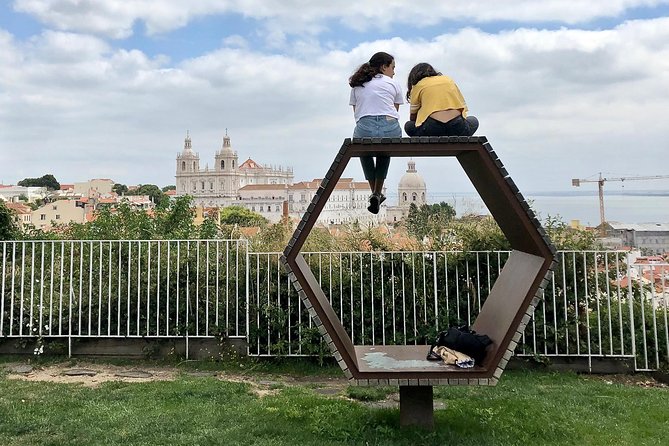
You begin at Largo Portas do Sol, a square that practically forces you to look outward first. From here, the Tagus River frames the view toward Castle Hill and the Old Town, so you get a clear mental map fast. It’s a smart start because Lisbon’s layout makes a lot more sense once you’ve seen where the river cuts in like a gateway.
Then you move to Miradouro de Santa Luzia, another lookout, but with a different personality. The balcony showcases azulejos—ceramic tiles—in different ages and styles, sitting side-by-side like Lisbon’s identity in miniature. It’s not just pretty decoration here; it’s a clue that the city keeps layers instead of wiping the slate clean.
This pair of viewpoints works well if you want both the postcard view and the local texture right away. The drawback? If you’re already a Lisbon photo expert and you dislike viewpoints, you might wish the tour started deeper in the neighborhoods sooner—but the views also help you understand what you’re walking toward.
You can also read our reviews of more walking tours in Lisbon


Santa Luzia to Santiago: Azulejos, Quiet Squares, and a Baroque Church
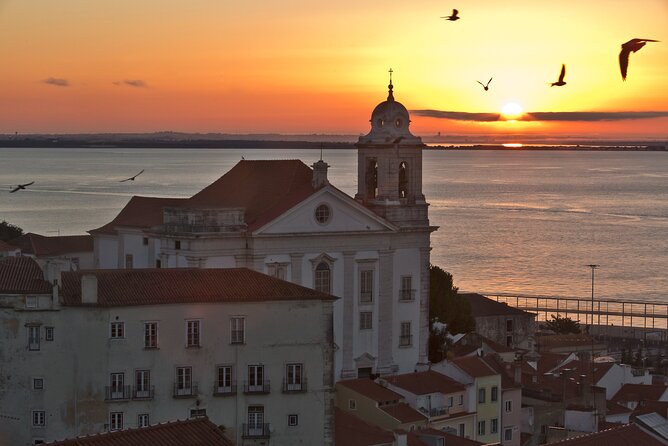
After the river-and-tiles moment, the route drops you into church architecture and small squares that feel lived-in. Igreja de Santiago is Baroque St James at a human scale, and the guide’s storytelling ties it to the long tradition of the Camino to Compostela—complete with the idea that stars play a role in that holy-city symbolism.
What I like about this stop is the nearby contrast: Largo do Contador and residential houses that predate the 1755 tsunami. In other words, it’s not only grand church facade stuff; you’re also looking at the kind of ordinary housing that carried people through huge events.
For many visitors, these church stops are the fastest way to feel Lisbon’s mix of sacred and everyday. If you’re tired of looking at religious buildings, you’ll have to pace yourself—but the way the stories connect makes it easier to stay interested.
Castle Hill Without the Crowds: Recolhimento Garden and East-Side Views
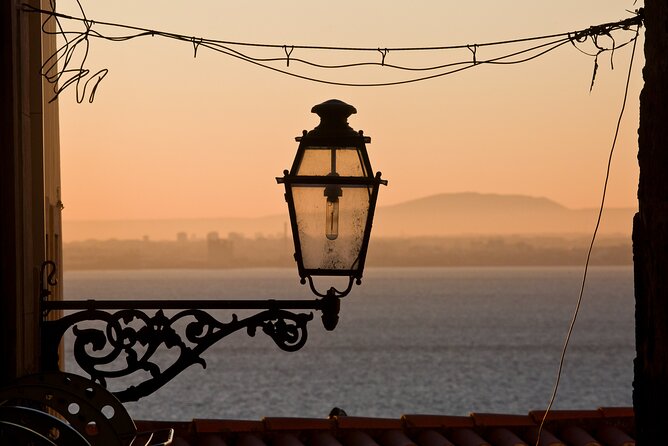
From there, you head into Beco do Recolhimento, which helps you see the residential half of The Castle of St. George rather than just the main tourist line. This is where the tour leans into “off the beaten” style without turning into something strange or isolated. You’re still in Lisbon’s big landmarks area—you’re just seeing the quieter edges.
A highlight here is the Recolhimento garden and belvedere, described as brand new and opened to the east side of town. If you like the idea of getting a view that feels slightly less competed-for, this is the part that usually delivers. It also keeps the tour varied: not every stop is a facade or a museum room.
Practical note: because you’re walking through older streets and viewpoints, plan for uneven ground and occasional steps. This isn’t an issue unique to this tour, but it’s the kind of thing that makes good shoes worth the money.
Roman Remains in the Middle of Lisbon: Teatro Romano and Lapides
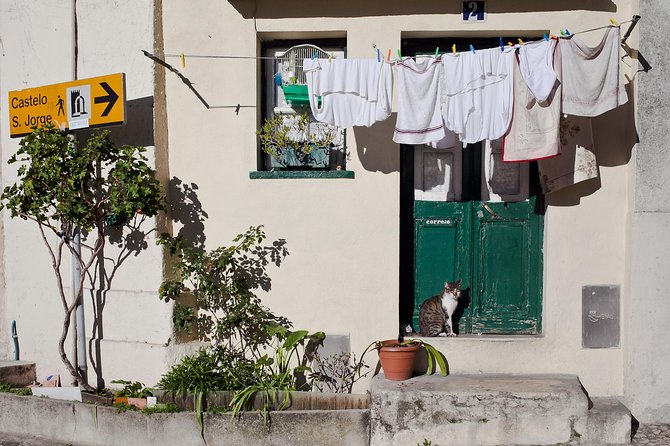
Then the tour shifts into archaeology and stone details—still outdoors, still readable, but more “follow the timeline.” Museu de Lisboa – Teatro Romano covers ruins tied to the Roman period: a first monument built during Caesar Augustus’ rule (end of the first century BC), expanded in AD 57 for Nero, then buried for centuries. The site reopening to the public in 2015 adds a modern layer to this ancient story.
Right nearby, you also get a look at Lapides das Pedras Negras, Roman tombstones embedded into the walls of an 18th-century residential building. This is the kind of stop that rewards you if you like small details. You’re basically watching Lisbon reuse the past—stone becomes part of the city’s living fabric.
If you’re the type who hates historical trivia, you might find this portion short on spectacle. Still, it’s compact and highly visual, and a good guide can make the dates feel less like homework and more like a narrative.
Lisbon Cathedral: Fortress-Church Feel and Romanesque Roots

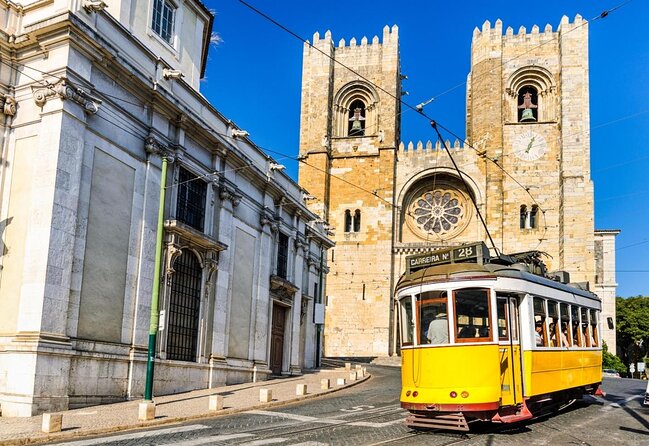
Next comes Lisbon Cathedral, described as half church and half fortress. That’s a useful mental image: not only a religious site, but also a structure shaped by defense and survival. It’s noted as the first and only remaining Romanesque monument in town, which gives the stop a strong sense of rarity.
There’s also a reminder that Lisbon didn’t stay still after major disasters. The cathedral was radically rebuilt in the 1930s, so you’re seeing something historical plus something restored. That blend is exactly why a guide matters—architecture changes make more sense when you understand what forced the change.
This stop can be great if you like to compare styles in your head: Romanesque remnants, fortress geometry, and 20th-century rebuilding. The main consideration is that you’ll likely spend most of the time looking up and around, so take a moment to slow down and actually read the facade and materials rather than just snapping a photo.
You can also read our reviews of more private tours in Lisbon






St. Anthony’s Church and the 1755 Rebuild Story
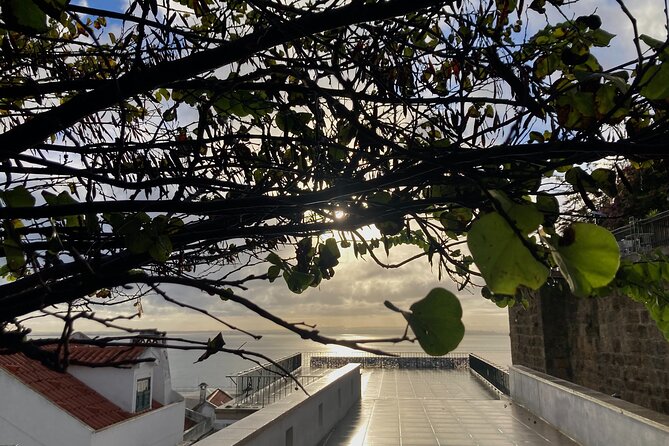
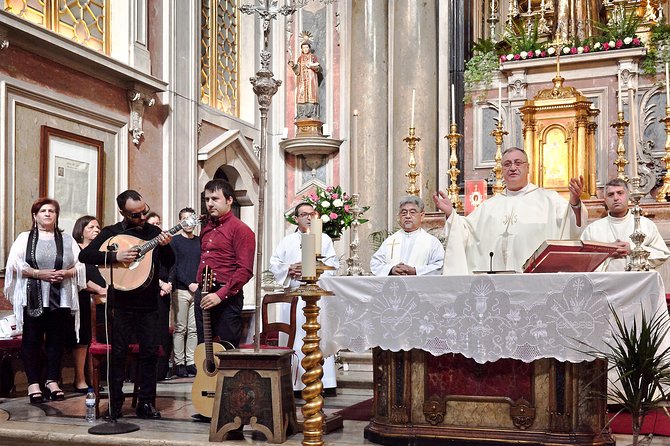
One of Lisbon’s most famous saints shows up at Church of St. Anthony. The tradition says the church was built on the room where Saint Anthony was born, and that room is now the crypt. The crypt is described as rebuilt after the 1755 tsunami, which ties this stop to the wider theme you’ll see again later: Lisbon’s tendency to rebuild and re-form after catastrophe.
A fun point the guide can help you think about: is Lisbon’s favorite saint St Anthony, or St Vincent? That little question works better than a lecture because it pulls you into local belief, not just dates.
If you’re visiting during crowded times, churches can feel slow. But with a private guide and a tight time window, this usually stays comfortable and conversational.
Nossa Senhora da Conceição Velha: Late Gothic Facade With Symbol Clues
Another architecture-forward stop is Igreja de Nossa Senhora da Conceição Velha, known for a late Portuguese Gothic facade packed with royal symbols, grotescos, and esoteric suggestions. Even if you don’t try to decode every symbol, you’ll feel the intention behind the ornamentation—this facade is designed to communicate status and meaning.
This is also a nice pacing break. You’re not only hearing dates; you’re seeing detail work. It’s the kind of stop that makes you want to stand slightly to the side and look at how elements repeat and frame the center.
If you’re not into facades and symbolism, you can still enjoy this, but I’d treat it as a quick visual stop rather than the emotional peak of the tour.
Praca do Comercio: The Grand Riverfront Square After 1755
By the time you reach Praca do Comercio (Terreiro do Paco), the tour swings toward Lisbon’s public grandeur. This is described as the city’s finest square open to the river and sea, and it was rebuilt after the 1755 tsunami like a theatrical setting. That phrase matters because the square feels designed for viewing—long lines, dramatic framing, and a “this is Lisbon” presence.
Look for the Column Pier, the King José statue, and the monumental arch. The square also hosts many events all year round, so even when you’re not there for a specific festival, you’re in a place that constantly re-activates the city’s center.
This end-of-tour area is useful in a practical way too. Once you’ve finished the walking portion, you’re in a location with plenty of ways to keep moving on your own—dinner, another neighborhood, or simply a slow final walk along the water.
How Long Is It, and What’s Included (and Not Included)
This tour runs about 3 hours and operates in all weather, so dress for sun, wind, or rain. You can choose a morning or afternoon option, which helps you plan around other days—especially since Lisbon’s outdoor viewpoints and walking routes are easier when you’re not rushed.
It’s a private tour, meaning only your group participates. The maximum is listed as 15 people per booking, with a minimum of 2, so you won’t be stuck with a huge crowd unless your group decides to be large.
Included items are straightforward: a professional local guide for a private tour. You’ll also receive a mobile ticket. Not included: food and drinks, hotel pickup/drop-off, and transportation to/from attractions. The route is near public transportation, so you’ll likely arrive on your own and join at the start point.
And one more thing: the tour ends in a different location than it starts, so have a plan for what comes next. If you’re using public transit, you’ll likely be able to connect easily, but double-check your timing so you’re not scrambling at the finish.
Price Value: Why Around $48 Can Make Sense Here
At $48.06 per person for about 3 hours, the price feels more reasonable because the experience leans on guiding, timing, and insider context—not paid entry fees. Every listed stop is marked free, so the cost is basically you’re paying for a local to stitch the story together while you walk from point to point.
This is also a good choice if you’d rather spend money on time with a guide than on taxis or multiple separate museum tickets. You’re getting viewpoints, churches, Roman ruins, and a major riverfront square in one coordinated route, and the private format keeps it from feeling crowded.
One caution on value: if you’re the type who only likes modern art or only wants one neighborhood, you might not feel the payoff. But if you want a “see Lisbon from several angles, then understand it” day, this pricing fits that goal.
Who Should Book This Lisbon Walking Tour
You’ll like this most if you:
- Want major landmarks plus quieter neighborhood textures instead of only big names.
- Enjoy history that’s tied to buildings and streets, from Roman layers to the 1755 rebuild stories.
- Prefer a private guide who can answer questions and adjust your pace.
It’s also smart for first-timers who want a fast orientation. Starting at Portas do Sol and ending at Praca do Comercio gives you a day that feels structured without being rigid.
If you’re traveling with limited walking tolerance, this might be a harder match since it’s built as a walking route through older areas. You can still consider it if you’re comfortable with city walking, but it won’t feel like a sit-down, low-effort tour.
Should You Book It?
Yes, if you want a guided Lisbon day that balances big views with free, meaningful stops. The standout reason is the combination: private format + mostly free attractions + strong architectural and historical storytelling packed into roughly three hours.
Skip it (or swap to something else) if you don’t enjoy churches, stone architecture, and Roman/medieval layers. You’ll still see Lisbon, but the emphasis here is clearly on the city’s long memory—Tagus, tiles, cathedrals, ruins, and rebuilds.
If you do book, wear comfy shoes and keep your phone charged. Lisbon’s viewpoint stops are the kind where you’ll want to re-check angles before moving on.
FAQ
How long is the Lisbon Off The Beaten Track and Main Sights private walking tour?
It’s approximately 3 hours.
How much does the tour cost?
The price is $48.06 per person.
Is the tour private?
Yes. It’s a private tour/activity, and only your group participates.
What language is the tour offered in?
It’s offered in English.
Are tickets or admissions included?
Admission tickets for the listed stops are marked as free, and no specific paid admission is mentioned as included or required.
Does the tour include food or drinks?
No. Food and drinks are not included.
Do I need hotel pickup or transportation?
No. Hotel pickup and drop-off and transportation to/from attractions are not included. The meeting point is near public transportation.
How many people are in a booking?
The maximum is 15 people per booking, and the minimum is 2.
What’s the cancellation policy?
You can cancel for a full refund up to 24 hours in advance of the experience’s start time. If you cancel less than 24 hours before, the amount paid won’t be refunded.