REVIEW · COOKING CLASSES
Private Traditional Portuguese Cooking Class in Lisbon with Paula
Book on Viator →Operated by Traveling Spoon · Bookable on Viator
Lisbon cooking for three and a half hours. This one sends you across the river to Almada for real home-kitchen instruction. I like that it is truly hands-on and centered on traditional recipes, not a warehouse-style demo.
Two things I’d bet you will appreciate: you start with a welcome drink and appetizers, then you cook a 2–3 dish meal with Paula’s guidance. You also get a Portuguese-Portuguese-Goan mix, so it is more interesting than the same old cod-and-pastel script.
One thing to keep in mind: this is an in-home experience in a family apartment, and Paula has a cat. The space can feel a bit cluttered, and the kitchen setup is not a professional cooking school.
In This Review
- Key highlights to know before you go
- Almada by ferry: the Lisbon you rarely taste
- Meeting Paula at Cacilhas and walking to her apartment
- Welcome drink, appetizers, and the two-starter format
- Starter pairing examples you may cook
- Cooking in a real Lisbon home kitchen (and what that means)
- Choosing your main dish: Portuguese cod or Goan curry
- Dinner together: where the lesson turns into a meal
- How to judge the price: $84 for skills plus an entire meal
- Who should book this in Lisbon, and who should skip it
- Tips to get the most from your evening
- Should you book Paula’s Portuguese cooking class in Lisbon?
- FAQ
- How long is the private Portuguese cooking class with Paula?
- Where do I meet Paula, and where does it end?
- Is the class taught in English?
- What kinds of dishes do we cook?
- Can the class accommodate vegetarian diets?
- Is it private, or do I join other people?
Key highlights to know before you go
- Almada location + ferry ride: Cacilhas to Almada is part of the experience, not an add-on.
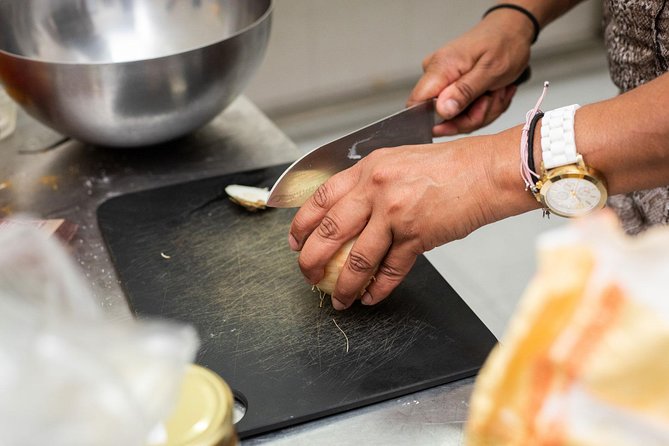
- In-home cooking with Paula: You work in the home kitchen, not just watch.
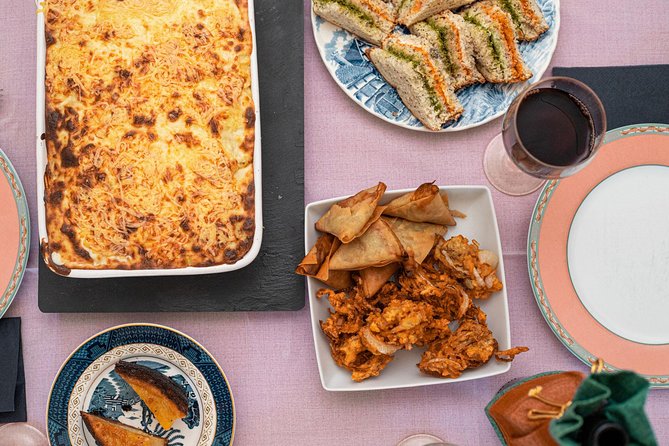
- Portuguese-Goan menu options: Expect dishes like bacalhau a braz and Goan curry.
- Start with wine and appetizers: Welcome Portuguese wine plus two starter choices.
- Vegetarian can be handled: Vegetarian options are said to be easily catered for.
- Extra space if needed: A cooking studio can be used on request for larger groups.
Almada by ferry: the Lisbon you rarely taste
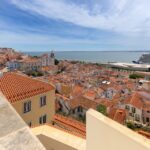
If Lisbon is your base, this class gives you a different angle: you cross the river first. Paula meets you at the ferry stop area in Cacilhas, then you take a short ferry ride (about 7 minutes) from downtown Lisbon, and you continue with a short walk (around 10 minutes) through Almada.
That ferry hop matters. It breaks the day’s rhythm and gets you into a more local mood fast. Almada is close enough that you are still in the Lisbon orbit, but far enough that the experience feels less touristy.
Price is $84 per person for about 3 hours 30 minutes, and the value is best understood like this: you are not just paying for recipes. You are paying for Paula’s time in her home, the meal you end up eating together, and the work you do alongside her. It also tends to be booked about 40 days in advance, which is a hint that people treat this as a top choice, not a random add-on.
You should also know the experience is private. Only your group participates, so you are not squeezed into a large class format.
You can also read our reviews of more private tours in Lisbon



Meeting Paula at Cacilhas and walking to her apartment
Your start point is Dá Cacilhas (LG Alfredo Dinis), 2800-252 Almada, Portugal. Paula will meet you at the ferry stop in Cacilhas and then guide you with a pleasant walk to her apartment.
What I like about this setup is how it structures the evening. You arrive, you meet your host, you get moving on foot, and then you settle into a kitchen routine. It also means you are not stuck decoding directions alone when you land.
A practical tip: communicate with Paula directly via WhatsApp if you have questions about menu choices or the meeting location. Since this is an in-home experience, that quick back-and-forth can help you feel confident before you arrive.
Also, if you need it, the tour allows service animals and it is described as near public transportation, which makes it easier to fit into a normal day.
Welcome drink, appetizers, and the two-starter format
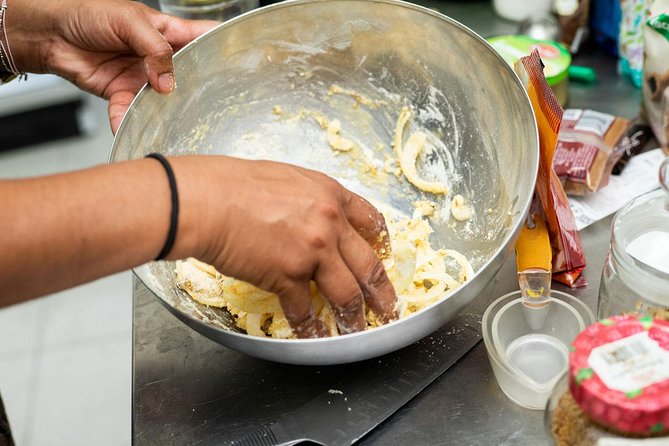
Once you’re in Paula’s home, the meal begins with a welcome drink of Portuguese wine plus appetizers. This is a small detail, but it is a good sign. It tells you the class is built like an evening meal, not a timed cooking test.
Then comes one of the smartest parts of the plan: you work with two starters side-by-side. That keeps you active for longer and it gives you a comparison you can taste.
Starter pairing examples you may cook
You can end up making combinations like:
- Pataniscas de bacalhau (traditional Portuguese cod fritters)
- Goan bojas (gram flour fritters with onion and cumin seeds)
Even if you are not a confident cook, fritter-style dishes teach you technique fast. You learn how batter behaves, how flavors develop, and how the cook knows when the texture is right. And because you do two starters, you get two styles of seasoning and frying rather than only one.
There is also an upside for vegetarians. The experience states that vegetarian options are easily catered for. That matters because cooking classes sometimes struggle with real substitution. Here, you can plan for a full meal, not a token side dish.
Cooking in a real Lisbon home kitchen (and what that means)
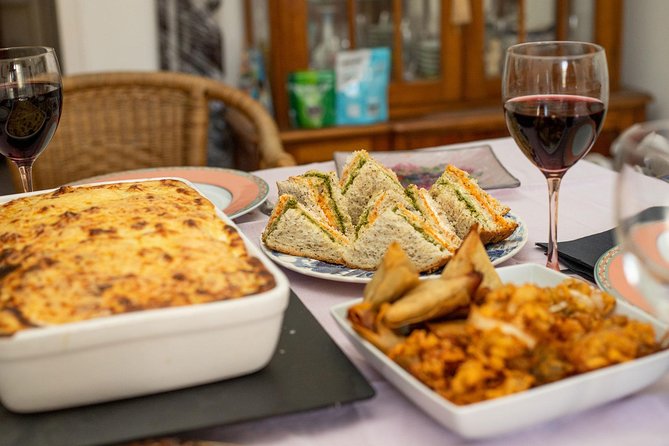
This is not a professional school. It is in-home cooking and cultural time with Paula in her kitchen. That is part of the charm, but it is also a reality check.
You will likely cook in a kitchen that is smaller and more lived-in. Paula has a cat and shares her home with her family, so the space can be a bit cluttered. That can be totally fine for you if you like authentic, lived-in travel moments. But if you’re the type who needs a spotless, commercial kitchen setup, you may feel uncomfortable.
The experience also notes that meals may be eaten at Paula’s dining table or, for some situations, at a cooking studio table across the street (a studio is available on request, especially for larger groups). That gives the operator an option to adjust the environment when the group needs more space.
My advice: if you are sensitive to home-kitchen messiness, message Paula ahead of time on WhatsApp and ask what to expect in the cooking area.
You can also read our reviews of more cooking classes in Lisbon



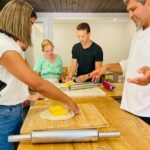
Choosing your main dish: Portuguese cod or Goan curry
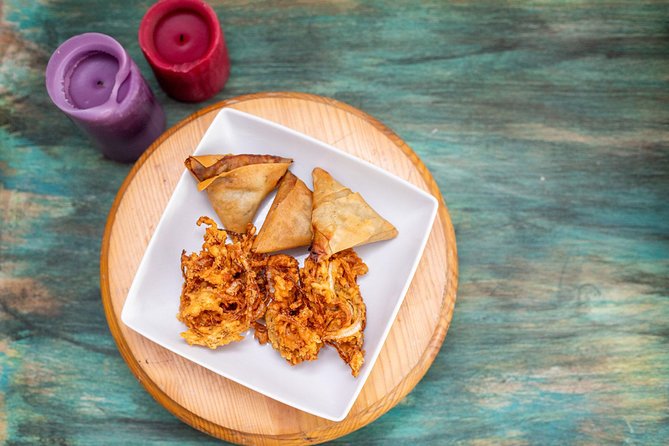
After appetizers, you move into the main course. This is where you get actual choice: you can select between a Portuguese main or a Goan main.
Examples include:
- Bacalhau a braz: cod with shredded potatoes and egg
- Goan curry: a warm, spiced main with Portuguese-Goan influences
This “choose your track” format is valuable for two reasons. First, it keeps the class from feeling one-size-fits-all. Second, it lets you tailor the flavor profile to your taste.
If you pick bacalhau a braz, you are stepping into a classic Portuguese rhythm: cod, potato, egg, and the way salt and fat balance after cooking. It is comfort food and it is also teachable—once you learn the handling of cod and the sequencing of ingredients, you can reproduce it at home.
If you pick Goan curry, you get a different logic of cooking: spices and sauce development are the star. It also gives you a chance to taste Portuguese-Goan cuisine in a way that feels connected to Portuguese cooking rather than separate from it.
Either way, you are not just tasting. You are cooking, which makes the meal stick in your memory and gives you a practical skill to take home.
Dinner together: where the lesson turns into a meal
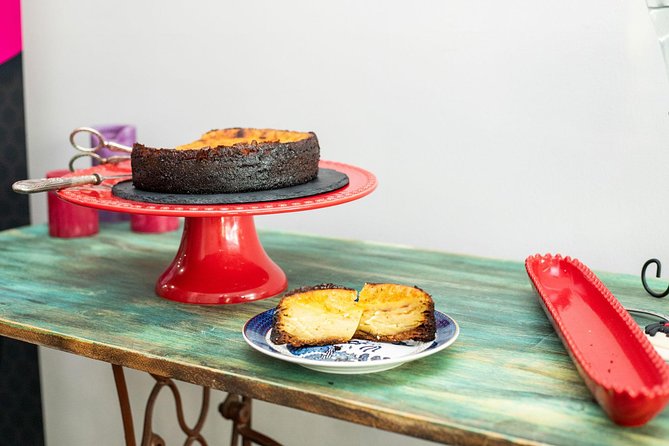
When you finish cooking, you sit down together. The experience is designed to end in a shared table moment, not a rapid departure.
You’ll eat either at Paula’s dining table, or at the nearby studio table if that setup is used. Either way, the point is the same: you get to enjoy what you made while Paula ties techniques back to flavor choices.
Then the meal ends with dessert and coffee or tea. Dessert details aren’t specified in the core menu info you have here, but the structure is consistent: savory cooking, shared table time, then a sweet finish.
One extra note from past experiences: some people have described making pastel de nata (natas) as part of the overall cooking day. That isn’t listed in the standard sample menu you’re given, so treat it as possible rather than guaranteed. If you care about natas specifically, it’s worth asking Paula in advance.
How to judge the price: $84 for skills plus an entire meal
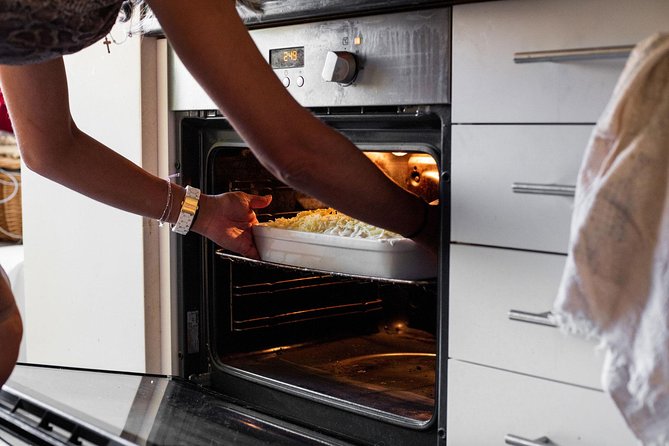
Let’s talk value, plain and honest.
At $84 per person for about 3.5 hours, you are paying for:
- A host who guides you in her home kitchen
- Ingredient time and cooking instruction for multiple dishes
- A meal that includes welcome wine, appetizers, main, dessert, plus coffee or tea
- A ferry-and-walk structure that doubles as local experience time
If you’ve done studio cooking classes where you mostly watch or where you leave without truly understanding steps, this can feel like better value. The format here is built around hands-on cooking of 2–3 dishes, with starter work as a key part of the lesson.
The only reason value could disappoint you is if you expected a bigger class production or a highly technical, school-style workshop. This is intimate, home-based, and naturally variable because it is living space, not a set kitchen.
So my recommendation is simple: if you want a personal evening with Portuguese and Goan food—and you’re okay with the reality of a home kitchen—this price tends to make sense. If you want a strict professional cooking environment and zero clutter, you might want a different option.
Who should book this in Lisbon, and who should skip it
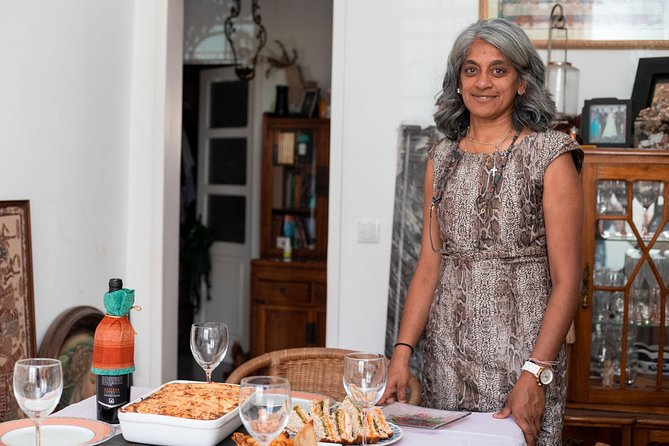
This class is a strong fit if you:
- Want traditional Portuguese recipes plus Portuguese-Goan dishes
- Like hands-on cooking and eating what you cook
- Want a local-home experience in Almada with a ferry ride
- Need vegetarian options (they’re described as easy to cater for)
- Appreciate small-group energy in a private setting
You might think twice if you:
- Need a spotless, commercial kitchen and feel uneasy in home environments
- Prefer large-format, instructor-to-student classroom teaching
- Want every minute to be fully cooking and not any time spent watching or prepping
And one more personal note: I like the fact that Paula’s setup includes flexibility for larger groups via a studio option. That suggests the host thinks about comfort and flow, not just pouring everyone into a tiny room.
Tips to get the most from your evening
A few things that will help you have a smoother time:
- Bring your appetite. This ends with dessert and coffee or tea, and the meal is part of the lesson.
- Ask questions on WhatsApp before you arrive, especially about menu preferences and vegetarian needs.
- If you have dietary restrictions beyond vegetarian (allergies, no alcohol, specific ingredients), message Paula directly so she can plan.
- Wear comfortable shoes for the short walk after the ferry.
Also, keep an open mind about the cat and home vibe. If you can handle normal household clutter, you’ll probably enjoy the authenticity. If you can’t, set expectations early with Paula.
Should you book Paula’s Portuguese cooking class in Lisbon?
Book it if you want a private, local-feeling night where you cook Portuguese and Portuguese-Goan dishes, start with wine, and end with dessert in a real home setting. The value is strongest for people who care about technique and flavor and don’t need a professional cooking-school atmosphere.
Skip or reconsider if you need a high-scrub, lab-clean kitchen or if you expected a fully choreographed production where everyone cooks every single second. Because it is in-home, the experience can feel more casual and human.
If you fall somewhere in the middle—curious, hungry, and okay with a home kitchen—you’re likely to leave with both recipes and a story you’ll actually remember.
FAQ
How long is the private Portuguese cooking class with Paula?
It runs for about 3 hours 30 minutes.
Where do I meet Paula, and where does it end?
You meet at Dá Cacilhas (LG Alfredo Dinis), 2800-252 Almada, Portugal, and the activity ends back at the meeting point.
Is the class taught in English?
Yes. The experience is offered in English and also Portuguese.
What kinds of dishes do we cook?
You cook 2–3 Portuguese and Portuguese-Goan dishes. Examples include pataniscas de bacalhau, Goan bojas, and a main you can choose such as bacalhau a braz or Goan curry.
Can the class accommodate vegetarian diets?
Yes. Vegetarian options are described as easily catered for.
Is it private, or do I join other people?
It is private. Only your group participates.