REVIEW · HISTORICAL TOURS
Lisbon: Jewish History in Portugal Guided Walking Tour
Book on GetYourGuide →Operated by Autêntica - Travel Experience · Bookable on GetYourGuide
Lisbon hides Jewish stories in plain sight. This 3-hour walking tour connects everyday streets in Alfama, Baixa, and Chiado to Jewish life in Portugal, so history stops feeling abstract. You’ll learn the back-and-forth between acceptance and rejection, and how people kept going through ingenuity, trade, and know-how.
Two things I especially like are how the guide ties the story to real neighborhoods, and how the tour explains the impact Jews and Jewish converts had on Portuguese life. You’ll hear about contributions in agriculture, finance, medicine, and even the momentum behind Portugal’s 16th-century voyages and discoveries.
One heads-up: it’s not built for everyone who has mobility limits. This is a walking route through hilly Lisbon and it’s not suitable for people with mobility impairments, and transportation is not included.
In This Review
- Key Highlights to Know Before You Go
- How Lisbon Turns Jewish History Into Street-Level Reality
- The Big Story: Acceptance, Rejection, and Survival Skills
- Walking the Neighborhoods: Alfama, Baixa, and Chiado as Clues
- Alfama: Hills, Old Streets, and a Sense of Time
- Baixa: Commerce and the Practical Side of Power
- Chiado: Cultural Connections and the Shape of Belief
- The Visible Clues: Star of David, Archaeology, and Landmarks
- How the Guide Makes It Work: Al and Luciano’s Style
- Price and Value: What $141 Buys in Lisbon
- What to Bring and How to Plan Your Day
- Who This Tour Is For (and Who Might Want Another Option)
- Should You Book This Jewish History Walking Tour?
- FAQ
- Where does the tour meet?
- How long is the Lisbon Jewish History guided walking tour?
- Are transportation costs included?
- What languages are the tours offered in?
- Is this tour suitable for people with mobility impairments?
- Can I cancel, and can I book without paying right away?
Key Highlights to Know Before You Go
- Alfama, Baixa, and Chiado stitched together by Jewish life in Portugal
- Sephardic and Marranos explained in a way that fits the streets you’re walking
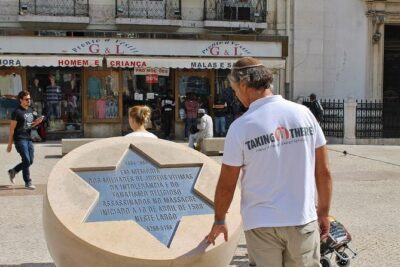
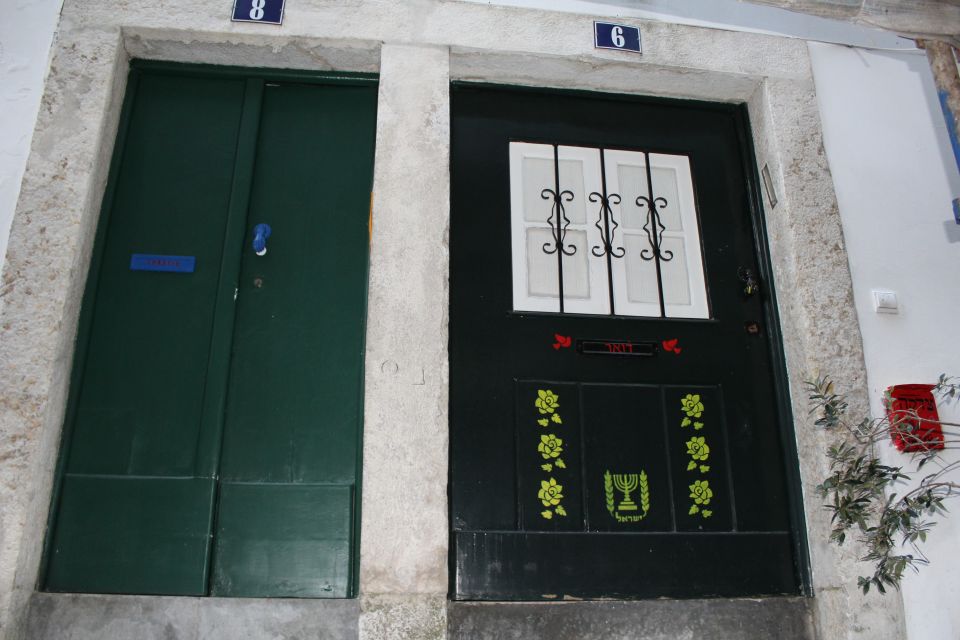
- A route that includes visible clues like a wall with a Star of David
- Time for small breaks, including moments like coffee/tea and treats such as dates from Israel (on at least one guided run)
- Guides such as Al and Luciano are praised for pacing and for linking Lisbon street corners to larger history
How Lisbon Turns Jewish History Into Street-Level Reality
If your Lisbon plans are mostly viewpoints, tiles, and pastries, this walk adds something sharper. You’re not touring a museum display; you’re moving through the places where Jewish life was shaped by daily friction and occasional opportunity. That’s the magic trick here: the city becomes the timeline.
I like that the tour keeps its focus. It’s built around Jewish culture and influence, plus the specific Sephardic and Marranos story that shaped Portugal for centuries. And because you’re walking through traditional neighborhoods tied to that history, you get a sense of geography, not just names and dates.
It also helps that the guides keep the pacing friendly. In the guide notes I saw, Al is often mentioned for being both engaging and flexible to group needs. Luciano shows up in other departures with the same theme: linking what you see in Lisbon to what it meant for Jewish communities.
One more practical point: bring comfortable shoes. The tour is three hours on foot, and Lisbon hills don’t care about your itinerary.
You can also read our reviews of more walking tours in Lisbon


The Big Story: Acceptance, Rejection, and Survival Skills
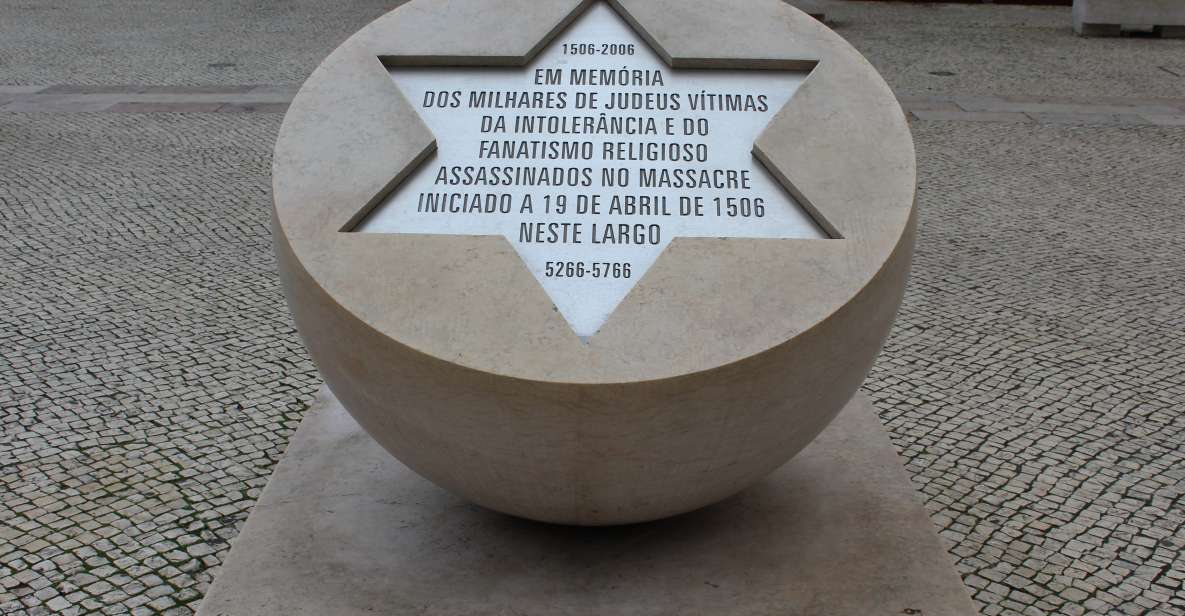
This isn’t a feel-good storyline all the way through. The tour frames Jewish life in Portugal as a constant negotiation—between periods of acceptance and waves of rejection. That tension matters, because it explains why the community’s survival leaned on smart choices.
You’ll hear how people adapted through ingenuity and knowledge, and through entrepreneurship. The tour connects that to real sectors of Portuguese society, including agriculture, finance, and medicine. In other words, it’s not only about religious identity. It’s also about skills, work, and how families built livelihoods while living under pressure.
The “Marranos” part brings in another layer: sheltered converts to Catholicism. The tour uses this to show how religious identity and social belonging could shift under authority, and how that shaped people’s daily lives. You’ll also get help understanding that the way societies accept or reject others says a lot about who a place is.
Then you zoom out. When expulsion happens in the 16th century, the story doesn’t stop at Portugal’s borders. The tour connects that rupture to communities that spread and influenced countries like England, Holland, and the United States. That wider link gives you a satisfying sense of cause and effect.
Walking the Neighborhoods: Alfama, Baixa, and Chiado as Clues
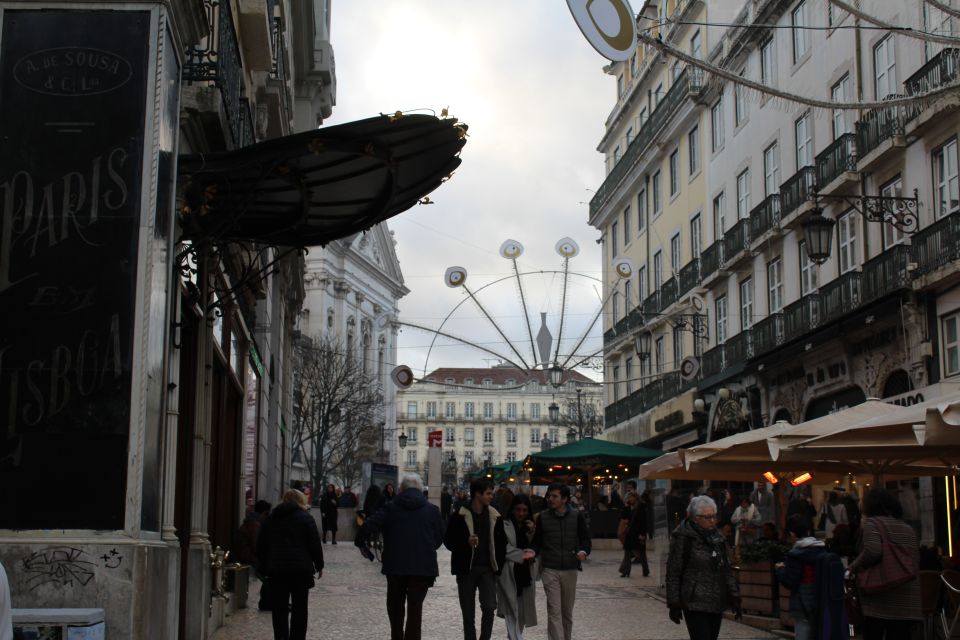
The route is designed around three classic Lisbon zones—Alfama, Baixa, and Chiado—and that choice isn’t random. Each area helps you “read” Lisbon differently.
Alfama: Hills, Old Streets, and a Sense of Time
Alfama is where Lisbon feels medieval in the best way: winding lanes, steep grades, and those sudden openings where you can see far. The tour leans into that feel with stories tied to Jewish presence in older parts of town.
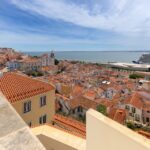
You should expect moments that make the effort worth it, including viewpoints. One highlight mentioned in the tour feedback is a view of the port, which works perfectly with the idea of Lisbon as a crossroads city. When you can see the water and imagine ships, the later chapters about the age of Portuguese voyages start to click.
Because Alfama is hilly, this is also where comfort matters most. If you’re the type who likes breaks every few minutes, this walk will still be doable, but you’ll want to pace yourself.
Baixa: Commerce and the Practical Side of Power
Baixa is more straight-line and central, and that suits the tour’s “so what did people do?” angle. Here, the conversation naturally fits themes like finance and entrepreneurship, since Baixa is where you can picture the city’s economic rhythm.
Think of Baixa as the area where Jewish life connects to the broader Portuguese economy. The tour uses the neighborhood’s role in trade and civic life to make the point that influence wasn’t only cultural—it was practical.
Even if you don’t leave with a list of exact addresses from that era, you’ll leave understanding why some communities gained leverage through trade, professional knowledge, and money systems.
You can also read our reviews of more guided tours in Lisbon




Chiado: Cultural Connections and the Shape of Belief
Chiado sits between old and new Lisbon, and that positioning fits the tour’s religious and social themes. This is where the story can feel most human: community identity, conversions, and the ongoing question of belonging.
You’ll also get the sense of how religious ideas and acceptance worked in real life—not just in theology. The tour connects how people shaped religious understanding to the broader social rules they had to live under.
In Chiado, it can feel like the walk is turning into a lesson about how societies define who belongs. That’s an important takeaway because Lisbon itself carries those definitions in its architecture and street patterns.
The Visible Clues: Star of David, Archaeology, and Landmarks
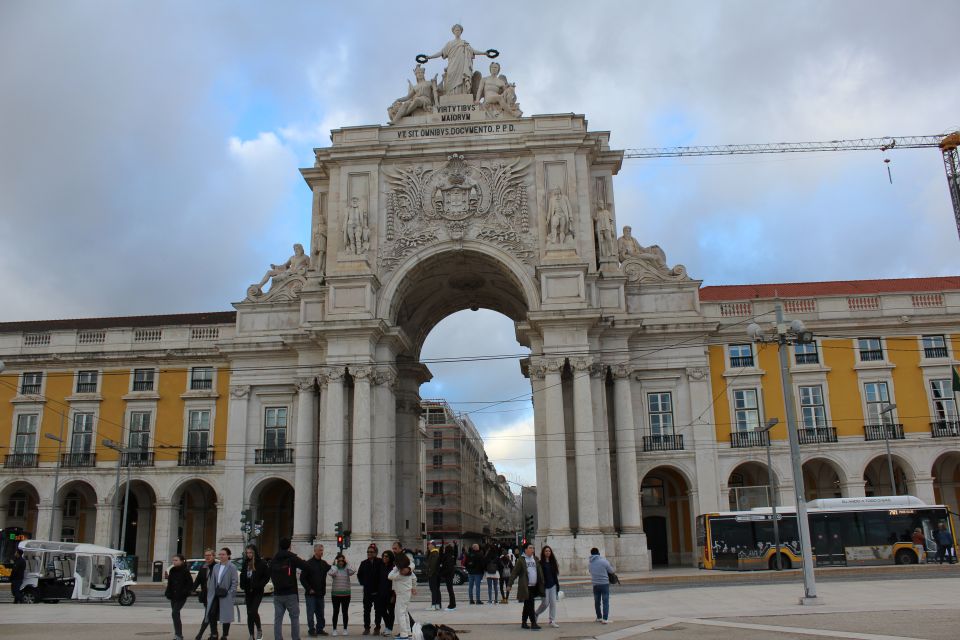
History can feel slippery until you see something physical. This walk includes a few moments that act like anchors.
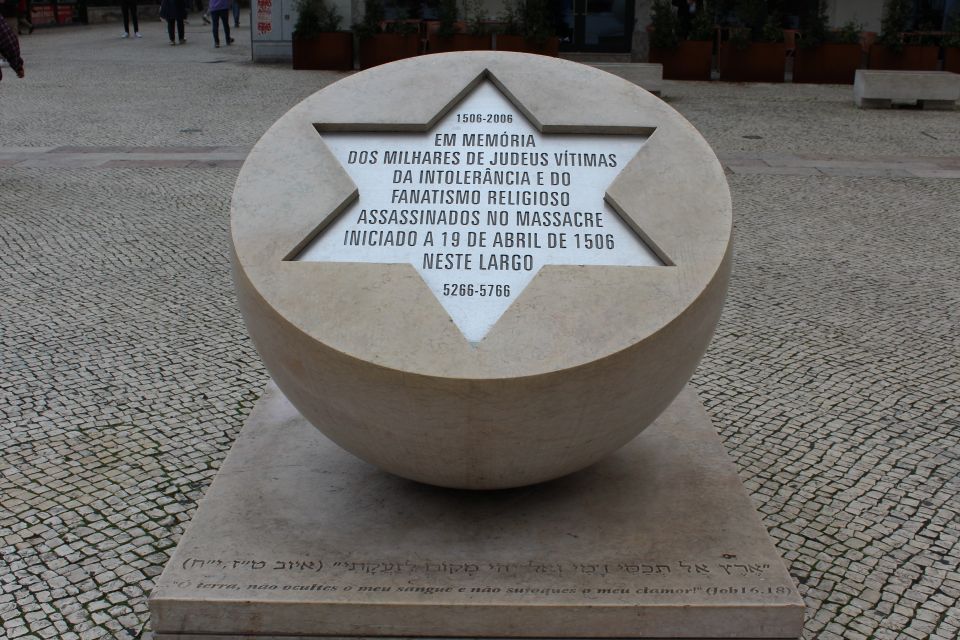
One frequently mentioned stop is a wall with a Star of David. Even if you know what the symbol means, seeing it in context helps you understand how Jewish identity showed up in public life—sometimes quietly, sometimes with a clear signal.
The tour also references archaeological sites. That matters because it reminds you that this isn’t only a narrative passed down in books. Lisbon has layers, and Jewish presence is part of those layers, not a footnote.
And because you’re walking between neighborhoods, those clues land in the right emotional order. You don’t just look; you connect. You’ll likely find that the tour’s explanation makes you notice details you would otherwise walk right past.
How the Guide Makes It Work: Al and Luciano’s Style
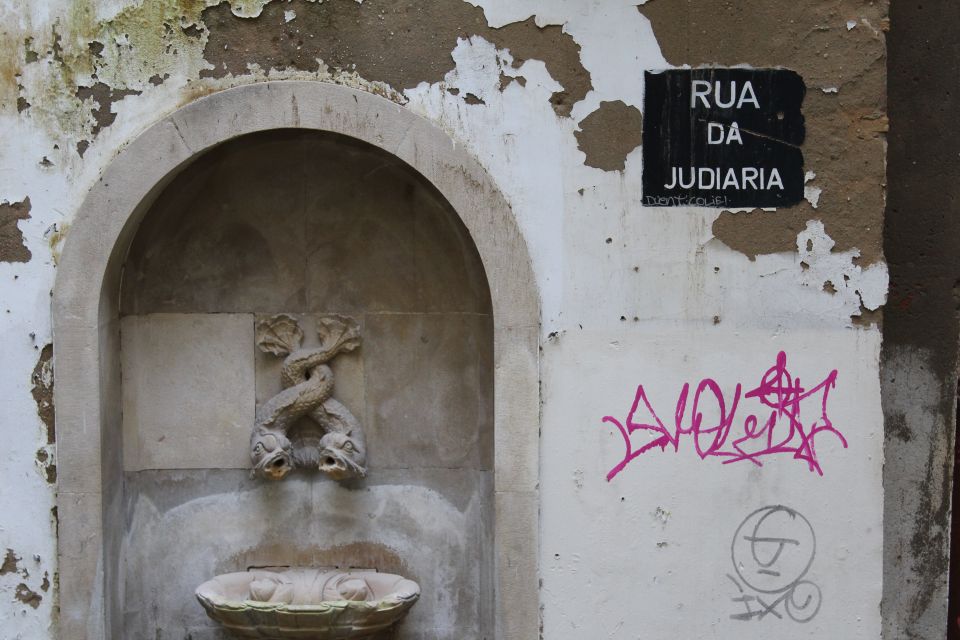
A walking tour lives or dies by the guide’s thread—how well they stitch history into what you’re seeing. This tour has a strong reputation for that.
Al gets called out for being very knowledgeable, but the more useful detail is that the pacing is often described as thoughtful and adaptable. That’s not just a comfort thing; it changes how much you take in. When a guide adjusts pace to your group, you can actually absorb the story instead of rushing through it.
Luciano is also praised for passion and for making the wider connection between Jewish history and Portuguese city history. That approach matters because Portugal’s Jewish story connects to Europe and beyond, including the diaspora after expulsion.
One small human touch that shows up: at least one guide includes a break with coffee or tea, and adds a bite-sized cultural moment with dates from Israel purchased at a local shop. These little pauses help the walk feel less like an exam and more like a guided conversation.
Price and Value: What $141 Buys in Lisbon
At $141 per person for a three-hour guided walk, you’re paying for two things: time and specialization. This is not a general highlights tour with a few background notes added.
You’re getting:
- A guided walk through three distinct neighborhoods tied to Jewish life
- A focused narrative on Sephardic and Marranos history, including conversion and expulsion
- A guide who links what you see in Lisbon to broader Portuguese and international context
Also, a bottle of water is included. It’s a small inclusion, but on Lisbon foot routes, it’s the kind of comfort that keeps you from getting cranky halfway through.
What’s not included is transportation. So think of this as the walking piece of your day, not the whole day plan. If you’re coming from outside the city center, budget time to get to the meeting point.
Is it a good deal? If you care about Lisbon beyond postcards—and you want a story that actually explains the city’s identity—yes. If you only want quick scenic stops, the price might feel steep for a topic-heavy walk.
What to Bring and How to Plan Your Day
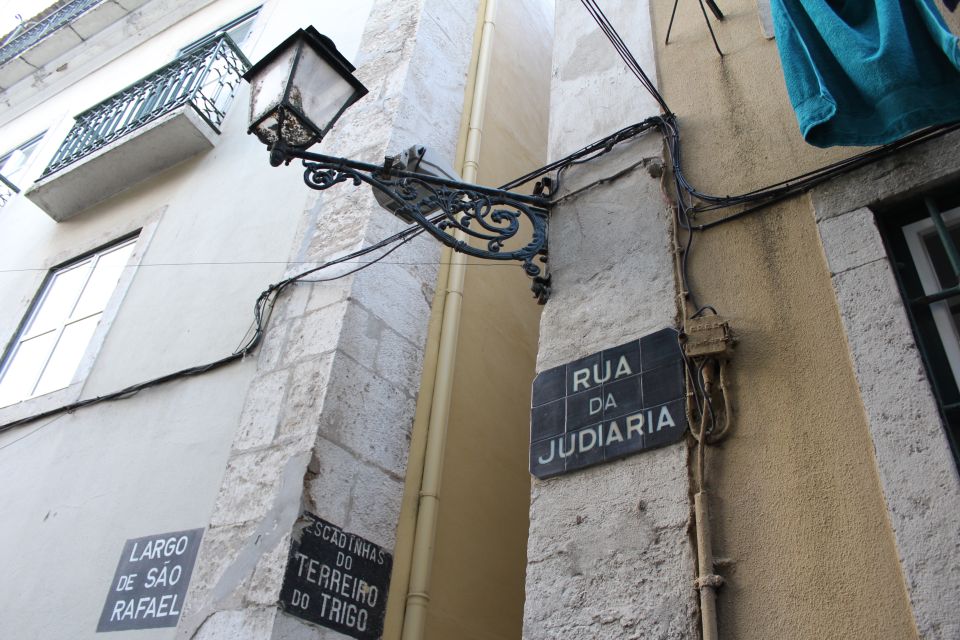
This tour is built for walking. So plan like it’s a long neighborhood stroll, not a sit-and-stare tour.
Bring:
- Comfortable, grippy shoes for hills
- A light layer for shade changes in old streets
- A refillable bottle, even if water is included
Meeting is at A Padaria Portuguesa, a bagel shop. It’s an easy landmark for starting, especially if you’re navigating Lisbon for the first time.
Then build your schedule around the idea that you’ll get good stories as you walk, not after you leave. If you stack this right before dinner with lots of stairs, your calves will remember.
Who This Tour Is For (and Who Might Want Another Option)
This experience fits best if you want:
- Jewish history in Portugal, tied to real Lisbon neighborhoods
- A narrative that covers acceptance/rejection and the Marranos story
- A walk that helps you notice Lisbon differently
It’s also a solid choice if you like connecting personal heritage to place. In the guide feedback, people with Sephardic ties were especially pleased with how the tour threaded family-level identity into city-level history.
If you have mobility concerns, you should skip this one. It’s explicitly not suitable for people with mobility impairments, and the hills matter.
Should You Book This Jewish History Walking Tour?
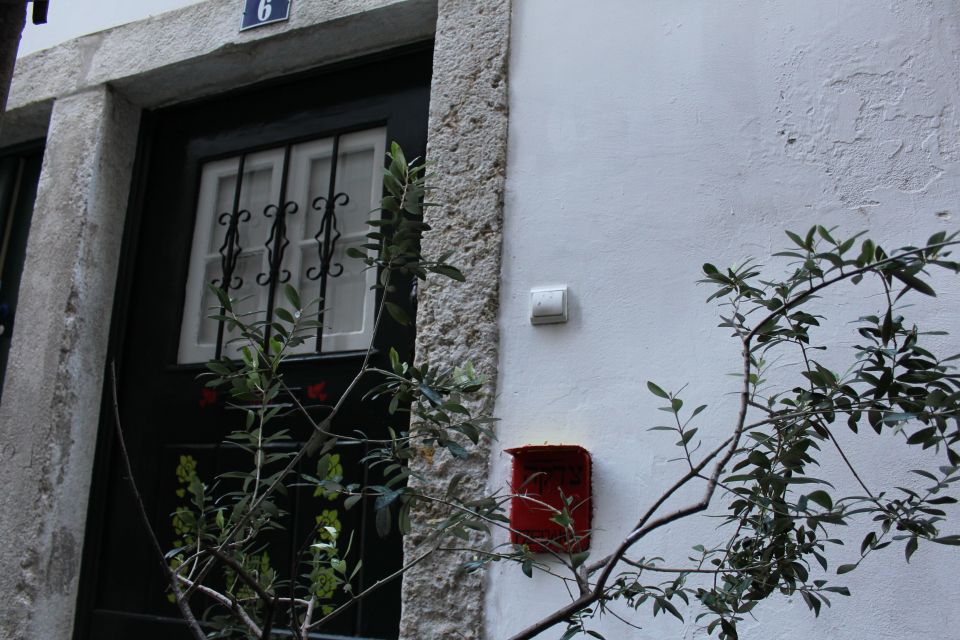
I’d book it if you’re the kind of person who enjoys stories that change how you look at a city. Lisbon is easy to enjoy on a basic level—this tour adds an honest, topic-focused layer that you can carry with you to other sights.
I’d skip it if you want only mainstream highlights or you’re worried about hilly walking.
If you do book, consider aiming for a departure led by Al or Luciano if that’s an option when you reserve. Either way, the key is the same: you’ll walk away with a clearer understanding of how Sephardic and Marranos communities shaped Portugal—and how their story echoes across borders.
FAQ
Where does the tour meet?
Meet at A Padaria Portuguesa, a bagel shop.
How long is the Lisbon Jewish History guided walking tour?
The tour lasts 3 hours.
Are transportation costs included?
No. Transportation is not included.
What languages are the tours offered in?
The live guide speaks Portuguese and English.
Is this tour suitable for people with mobility impairments?
No. It is not suitable for people with mobility impairments.
Can I cancel, and can I book without paying right away?
You can cancel up to 24 hours in advance for a full refund. You can also reserve now and pay later.