REVIEW · CITY TOURS
Lisbon: Best of City Private Walking Tour
Book on GetYourGuide →Operated by Inside Lisbon tours · Bookable on GetYourGuide
Lisbon makes more sense on foot with a guide.
I like how this private walking tour knits together the city’s big landmarks and the quieter neighborhoods in just 3 hours. You get a clear story—earthquake rebuilding, Portugal’s political turning points, and today’s Lisbon street life—plus real breaks with Portuguese tastings like pastel de nata, a tapa, and wine.
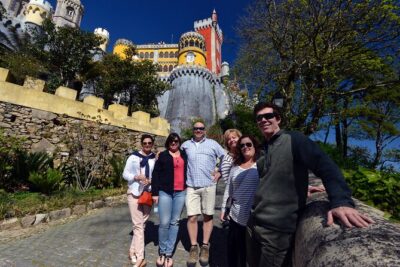
I also love the human touch: guides such as João, Ines, Beatrice, and Pedro Osario are praised for staying lively, keeping a good pace, and answering the questions you didn’t know you had (like where to go next for dinner). One possible downside: it’s still a walking tour. You’ll want comfortable shoes, and you won’t be doing guided entries inside major monuments.
In This Review
- Key highlights you’ll feel during the walk
- Why this Lisbon route works in 3 hours
- Starting at Praça Dom Pedro IV: your easy orientation point
- Rossio to Restauradores: plazas that explain Portugal’s modern identity
- Carmo Square and Carmo Church: the Carnation Revolution in plain sight
- Chiado: elegant streets, old cafés, and a real break for pastel de nata
- Baixa downtown: earthquake rebuilding you can actually see
- Alfama: Moorish lanes, hidden fado corners, and streets that don’t behave
- Wine tasting and the wrap-up near Praça do Comércio
- Price and value: what $102 buys you (and what it doesn’t)
- Who this private Lisbon walk is best for
- Should you book this Lisbon Best of City Private Walking Tour?
- FAQ
- How long is the private walking tour?
- Where do we meet for the Lisbon walking tour?
- What does the tour include?
- Are entrance tickets or monument interior tours included?
- Is this tour private?
- What languages are available for the guide?
- Is hotel pickup available and is it flexible for cruise shore days?
Key highlights you’ll feel during the walk

- Rossio Square, right at the start: meet at Praça Dom Pedro IV (the Column of King Pedro IV) and get instant orientation.
- Restauradores Square’s Obelisk for 1640: independence history is literally in the middle of the plaza.
- Carmo Square and the Carnation Revolution: politics you can walk through, tied to the fall of the 1974 dictatorship.
- Chiado streets + a pastel de nata stop: elegant neighborhood stroll paired with a classic Lisbon bite.
- Alfama’s Moorish maze and fado talk: narrow lanes, old squares, and pointers to fado culture and small places.
- Wine and a tapa before you wrap up: a proper local pause, then back to central Lisbon’s big-sky views.
Why this Lisbon route works in 3 hours
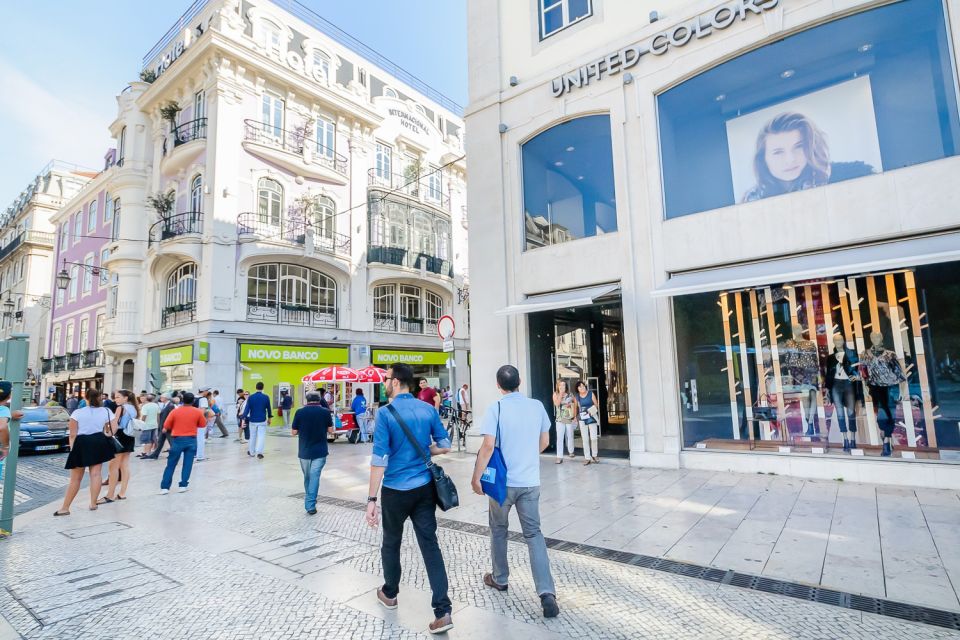
This tour is built for first-time orientation without turning into a checklist shuffle. You start in the center, move through the plazas people actually use, then end in the old-school neighborhood that feels like it’s ignoring calendars.
What I like for your planning: the route follows Lisbon’s layers. You get the “city center that got rebuilt” story in Baixa, then you switch gears to Alfama, where narrow streets and small squares make Lisbon feel older than the rest of Europe. You also get structured stops for food and drink, so you’re not just walking and hoping you find a good place on your own.
The “private” part matters here. In a group tour, you often get rushed. With a private guide, you can ask questions as you go—about architecture, history, or where the locals actually eat and hang out.
You can also read our reviews of more walking tours in Lisbon

Starting at Praça Dom Pedro IV: your easy orientation point
You meet at Praça Dom Pedro IV in Rossio Square, right in front of the Column of King Pedro IV. This is a smart start because Rossio is a natural hub. From here you can “read” Lisbon quickly—major streets, major foot traffic, and the energy of old and new Lisbon sitting side by side.
The guide’s job at the start is to help you stop seeing Lisbon as random hills and start seeing it as connected neighborhoods. Expect a quick reset of what you’re about to see: earthquake rebuilding in the downtown core, plazas tied to major political moments, then the older maze of Alfama.
If you’re the type who likes a plan but hates feeling trapped by one, you’ll probably appreciate this start. It’s central, easy to find, and sets you up so the rest of the walk feels like progress rather than wandering.
Rossio to Restauradores: plazas that explain Portugal’s modern identity
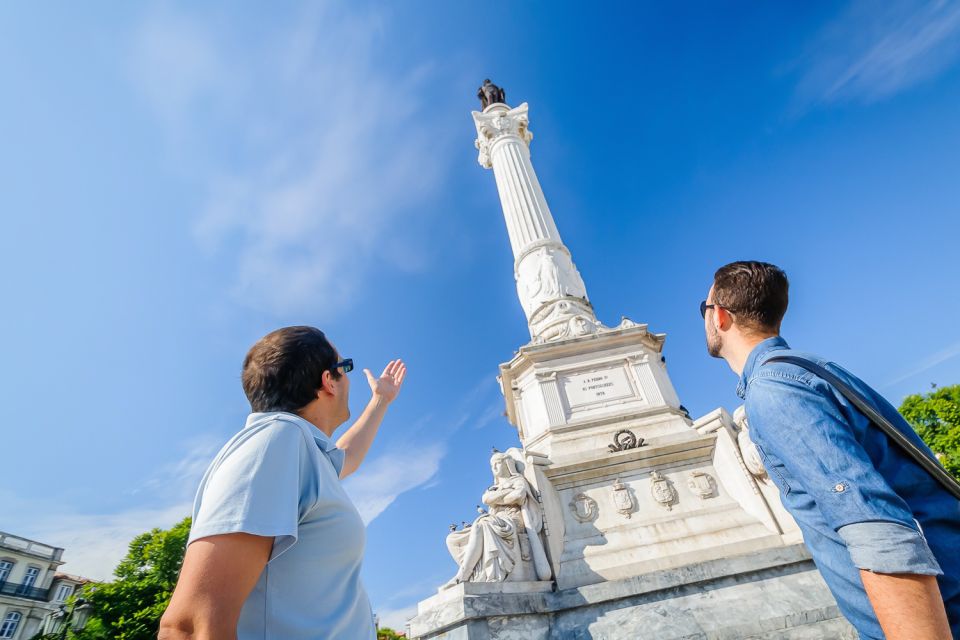
Leaving Rossio, the tour heads toward Restauradores Square, where the centerpiece is the Obelisk. This isn’t just a pretty monument. It commemorates the Restoration of Portugal’s independence from Spain in 1640, and the guide uses that as a springboard into Lisbon’s sense of political identity.
Here’s what you’ll likely enjoy most: the way the guide ties dates to visible space. When you learn that a major nation-shaping event is marked right in the middle of a plaza, you start spotting meaning everywhere—street layouts, monument placement, and why certain squares feel like meeting points even today.
Also, this part of the walk is helpful for photos, but it’s more than that. It gives you context for what comes next at Carmo Square, where the focus shifts to the 20th century.
Carmo Square and Carmo Church: the Carnation Revolution in plain sight
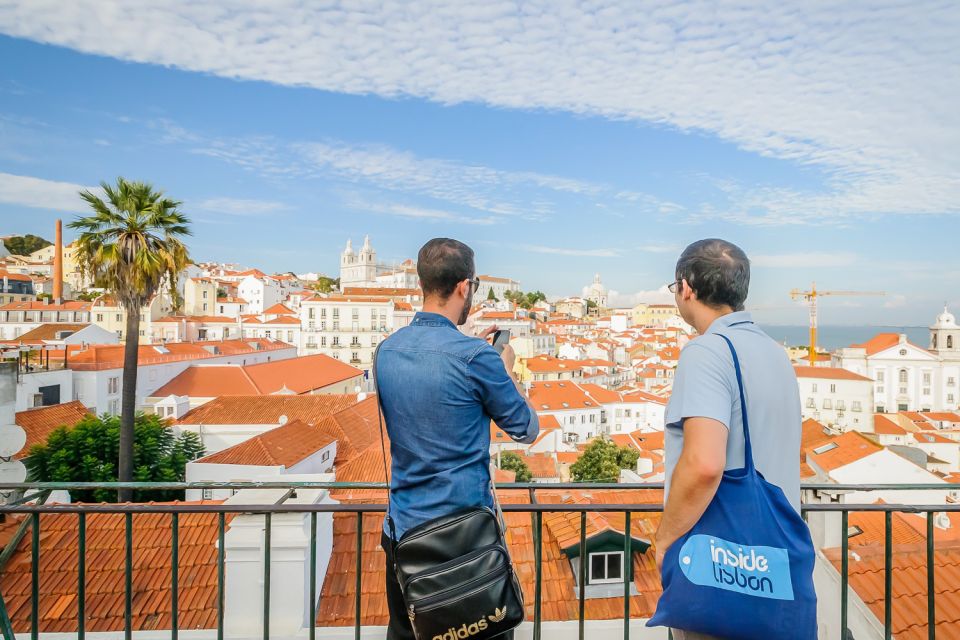
Carmo Square is one of those Lisbon stops that hits harder once you understand what it represents. The guide points out the connection to the Carnation Revolution of 1974, the moment Portugal’s dictatorial regime fell after 48 years.
I like this stop because it doesn’t feel like a lecture. You’re standing in an actual public space, looking at how the city keeps history in view. It’s the kind of context that makes you less likely to miss what you see later—especially if you plan to read signs, notice memorials, or understand why certain places feel emotionally charged.
One practical note: Carmo Church is an outdoor-focused experience on a walking tour. The tour data says guided tours inside monuments aren’t included, so don’t plan on going deep inside as part of this particular experience.
Chiado: elegant streets, old cafés, and a real break for pastel de nata
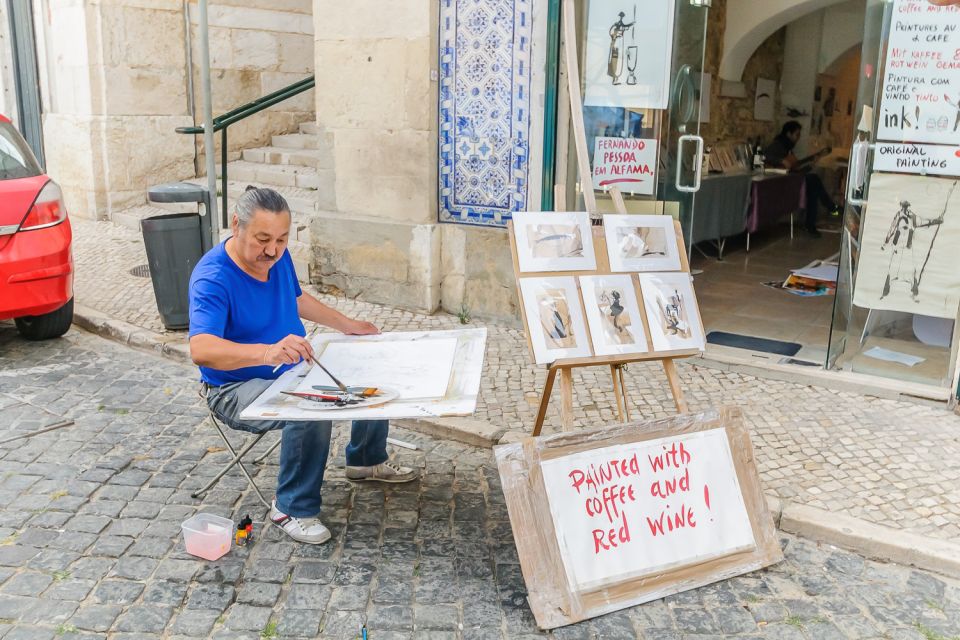
Next comes Chiado, a neighborhood known for its classic Lisbon mix: cafés, boutiques, theaters, and bookstores. The tour experience here is mostly about strolling with direction—so you notice details that you’d normally speed past.
Then comes one of the best “small but meaningful” moments: a taste of Pastel de Nata. Even if you think you already know what a custard tart is, this stop helps you understand why it’s such a Lisbon default. It’s warm, it’s portable, and it’s one of those foods that connects you to daily life rather than tourist targets.
If you’re traveling with someone who gets impatient on long walking days, Chiado often resets the mood. It’s comfortable, visually pleasant, and it breaks up the historical intensity with something simple: a snack, a pause, and a chance to keep your energy for Alfama.
You can also read our reviews of more city tours in Lisbon





Baixa downtown: earthquake rebuilding you can actually see
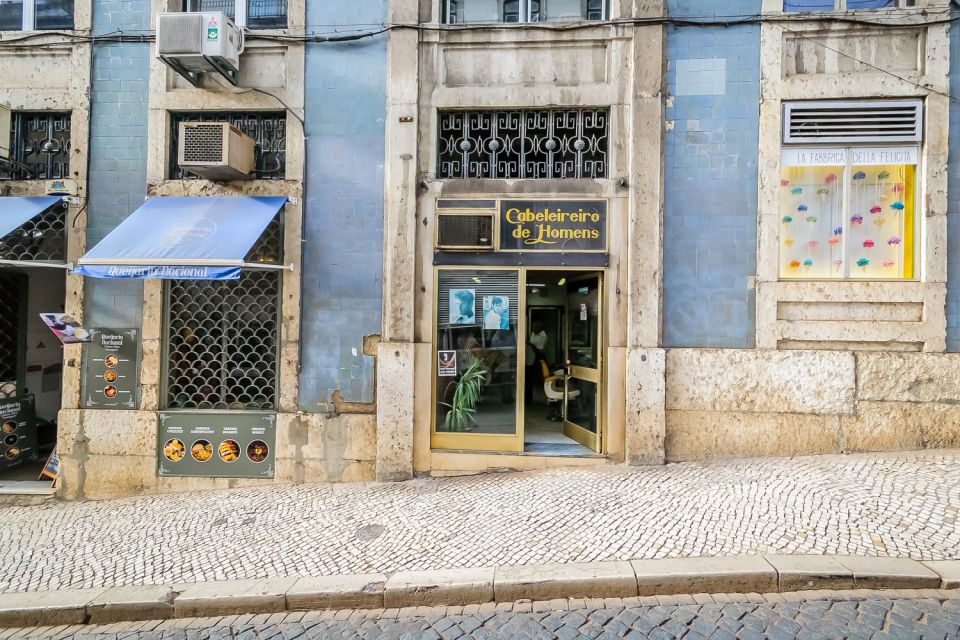
Baixa is where Lisbon shows its engineering brain. The tour focuses on how downtown was completely rebuilt after the 18th-century earthquake. The guide explains the urbanism rules and what’s called anti-systemic architecture—new ways of thinking about city design for that era.
This is one of the most valuable parts of the tour for your future travel plans. Once you understand that Baixa was planned and rebuilt, you’ll start seeing the city grid and the logic behind the downtown layout. You’ll also be better prepared when you bounce between neighborhoods, because you’ll know what’s “designed” versus what’s “grew.”
The walking pace in Baixa is also useful. It’s a good stretch for regrouping before you hit Alfama’s narrow, winding streets. If you’re worried about stamina, this section is a confidence-builder.
Alfama: Moorish lanes, hidden fado corners, and streets that don’t behave
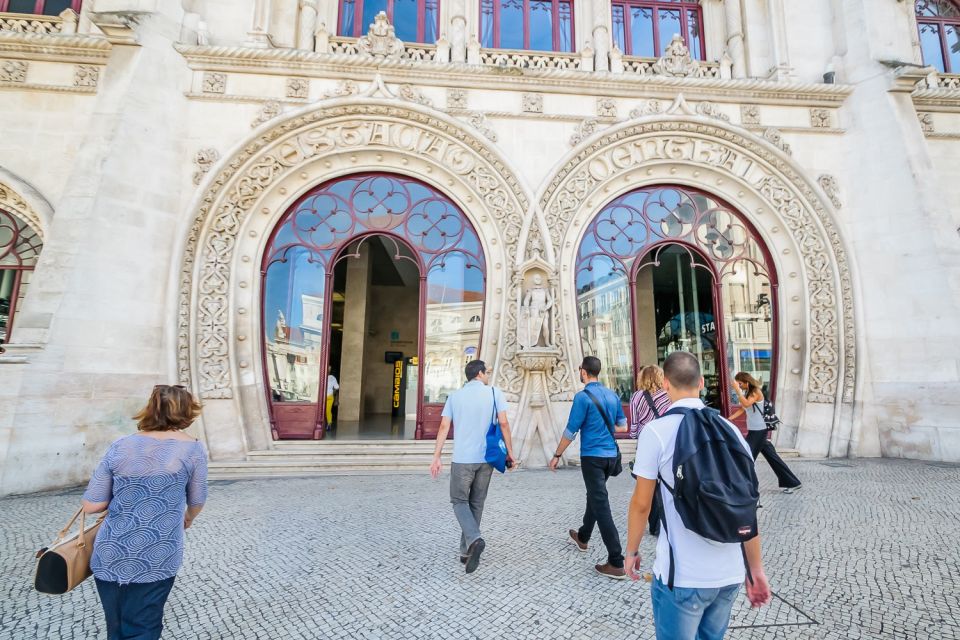
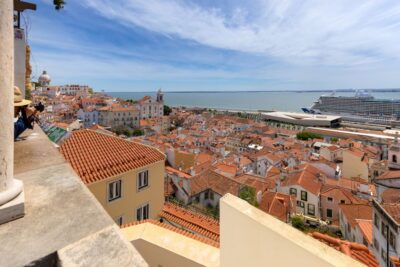
Alfama is the neighborhood people imagine when they picture old Lisbon. The tour takes you through its maze-like alleyways of small squares and narrow lanes, described as a place where time feels like it goes back about 1,000 years.
What you’re really getting here is street-level storytelling. The guide ties Alfama to its Moorish influence and uses the physical layout—tight turns, uphill textures, tiny plazas—to explain how life in this part of Lisbon works.
Another major highlight is fado. You’ll learn about Lisbon’s musical genre while seeing some hidden fado restaurants. This matters even if you don’t plan to attend a show that night. It gives you cultural context and helps you recognize fado venues when you later research or wander on your own.
One consideration: Alfama can be physically demanding. The tour is 3 hours, and Alfama is not flat in the way downtown might be. If you’re with kids, older adults, or anyone with mobility limitations, it’s worth slowing down and telling the guide early so they can match your comfort level.
Wine tasting and the wrap-up near Praça do Comércio
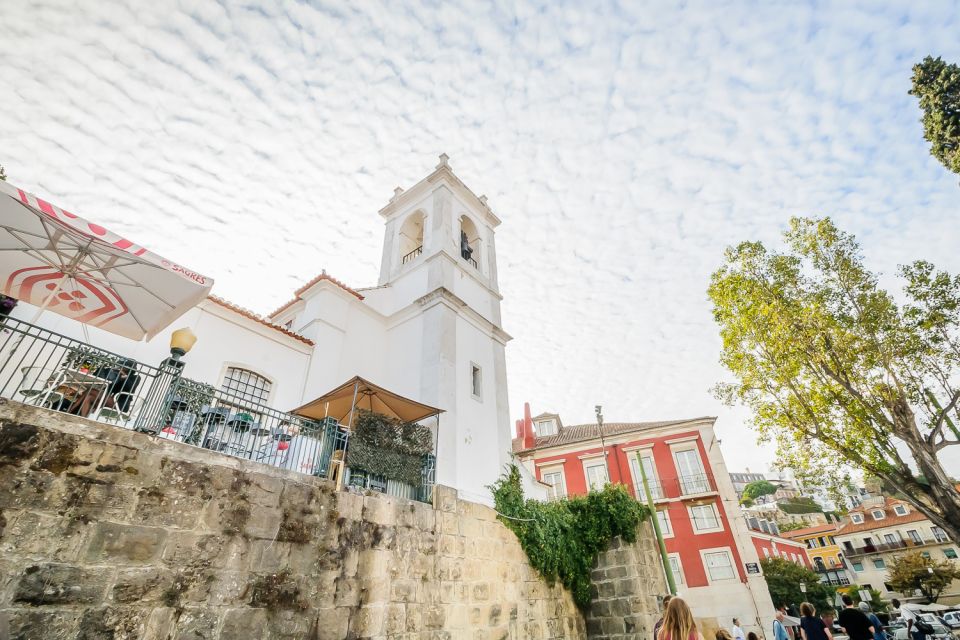
As the tour moves toward the finish, there’s a stop that gives your legs a break and gives your day a local taste. You’ll stop for wine and a tasting at a local bar, plus you get 1 tapa as part of the included food.
Some guides turn this into a more generous moment than you might expect from a walking tour. For example, one review describes a tapa featuring local sausage, ham, cheese, bread, and a glass of wine. Even if your tapa varies, the point stays the same: you’re not hunting for a “good enough” drink spot at the end of a long walk. You get a planned local pause.
The tour wraps up at Praça do Comércio, described as the former entrance hall of the city and one of Europe’s largest and most beautiful squares. This is a strong finale because the waterfront-open space makes the whole day feel bigger. After tight Alfama lanes, the wide square gives you that reset moment—air, light, and a clear view of how Lisbon opens up to the river.
Price and value: what $102 buys you (and what it doesn’t)
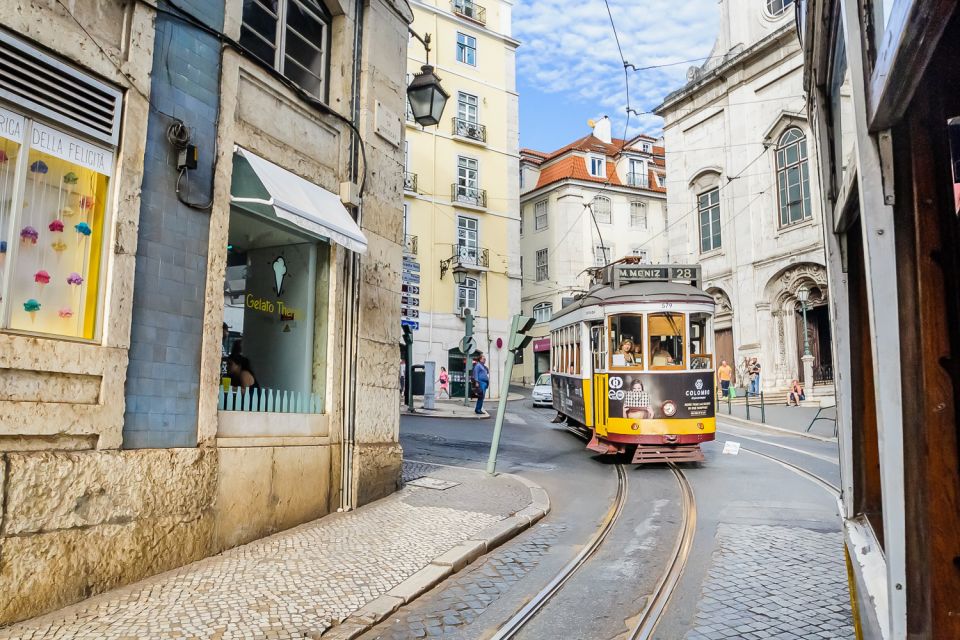
The price is $102 per person for a 3-hour private walking tour. That can sound steep until you break down what’s included.
Included:
- Guided walking tour with a live guide
- Pastel de Nata
- 1 tapa
- Wine tasting
Not included:
- Guided tours inside monuments
- Entrance tickets
Here’s how I judge the value for you: this price covers (1) a private guide who shapes the route and pacing, and (2) food-and-drink stops that would otherwise eat into your time and decision-making. If you’re planning a first trip and want to avoid the common mistake of spending hours guessing what’s worth seeing, this is a clean way to buy “direction.”
You may still spend extra if you decide you want to enter museums or go inside major sites. Since monument entries are not included, think of this as orientation + context + neighborhood experience, not a pass that replaces ticketed attractions.
Who this private Lisbon walk is best for
This tour is a strong fit if you:
- Want a first-day orientation that connects Rossio, downtown Baixa, and old Alfama without the chaos of a bus tour
- Like history that shows up in real places—plazas with monuments tied to events like 1640 independence and 1974 revolution
- Appreciate food stops built into the plan, not tacked on later
- Want a guide who can point you toward what to do next (dinner ideas, practical ideas, and how to navigate your remaining time)
It’s also a great match for families and jet-lagged days when you need structure but still want it to feel human. One review highlights how a guide adjusted the experience when the group needed the pace to feel manageable.
If you dislike hills, narrow streets, and standing around in plazas, then Alfama might be the tricky part for you. The route can still work—just plan your shoe choice like it’s part of the itinerary.
Should you book this Lisbon Best of City Private Walking Tour?
I’d book it if you want to understand Lisbon fast and feel confident wandering on your own afterward. The biggest win is the combination: major landmarks (Rossio, Restauradores, Carmo, Praça do Comércio) plus neighborhood texture (Chiado and Alfama), all tied together with a private guide and real food-and-drink stops.
Skip it only if your main goal is monument interiors or ticketed attractions. This walk is about seeing, learning, tasting, and getting bearings. If that’s your vibe, this is a solid way to kick off Lisbon with less guesswork and more “now I get it” moments.
FAQ
How long is the private walking tour?
The tour lasts 3 hours.
Where do we meet for the Lisbon walking tour?
Meet at Praça Dom Pedro IV (Rossio Square) in front of the Column of King Pedro IV.
What does the tour include?
It includes a guided walking tour with a live guide, pastel de nata, 1 tapa, and a wine tasting.
Are entrance tickets or monument interior tours included?
No. Guided tours inside the monuments and entrance tickets to attractions are not included.
Is this tour private?
Yes. It’s listed as a private group.
What languages are available for the guide?
The live guide is available in English, Spanish, and Portuguese.
Is hotel pickup available and is it flexible for cruise shore days?
Pickup is available for hotels located in Lisbon city center. If you’re on a shore excursion from the port, the times are flexible and you can exclude lunch and shorten the tour; contact the tour operator after booking for guaranteed flexibility.