REVIEW · 3-HOUR EXPERIENCES
Belém: Lisbon 3-Hour Walking Tour
Book on GetYourGuide →Operated by Lisbon Spirit · Bookable on GetYourGuide
Belém hits you with Lisbon’s maritime story fast. The mix of Manueline monuments and Tagus waterfront walking makes this feel like more than a “look and go” stroll, and the included pastel is a nice reward at the right moment. One thing to keep in mind: the guide leans heavily into history, so if you want pure sightseeing with minimal lectures, you may find the pacing a bit intense.
You start at Praça D. Pedro IV near D. Maria II Theatre, then ride a tram both ways to Belém. This is a small group (up to 10), with an English live guide in a smooth, organized flow, but you should wear comfortable shoes and expect to do real walking for the full 3 hours.
In This Review
- Key highlights to look for
- Starting in central Lisbon: Praça D. Pedro IV to Belém by tram
- The Tagus River walk: why this stretch is the “point”
- Mosteiro dos Jerónimos: Manueline details that reward close looking
- Torre de Belém: the riverside facade and the “7 Wonders” spotlight
- Rua de Belém and the pastel payoff at Fábrica de Pasteis de Belém
- When the history gets heavy: matching the tour to your style
- Price and included value: what $23 gets you (and what to plan for)
- Group size, pacing, and comfort tips that actually help
- Who this tour is best for
- Should you book this Belém walking tour?
- FAQ
- How long is the Belém: Lisbon 3-Hour Walking Tour?
- What is included in the price?
- Where do I meet the tour guide?
- Is the tour guided in English?
- How big is the group?
- Are monument fees included?
Key highlights to look for
- Mosteiro dos Jerónimos: Manueline architecture tied to the age of discoveries
- Torre de Belém: that iconic riverside facade and its UNESCO-linked fame
- Tagus River stroll: an easy walking stretch with real waterfront views
- Pastel de Belém included: one classic egg tart from a famous bakery
- Small-group feel: limited to 10 participants with a live guide
- Local Belém streets: the 160-year-old vibe on Rua de Belém
Starting in central Lisbon: Praça D. Pedro IV to Belém by tram
This tour begins near Praça D. Pedro IV, close to D. Maria II Theatre. That’s a good choice because you can get there without complicated transfers, then focus on the day ahead instead of logistics.
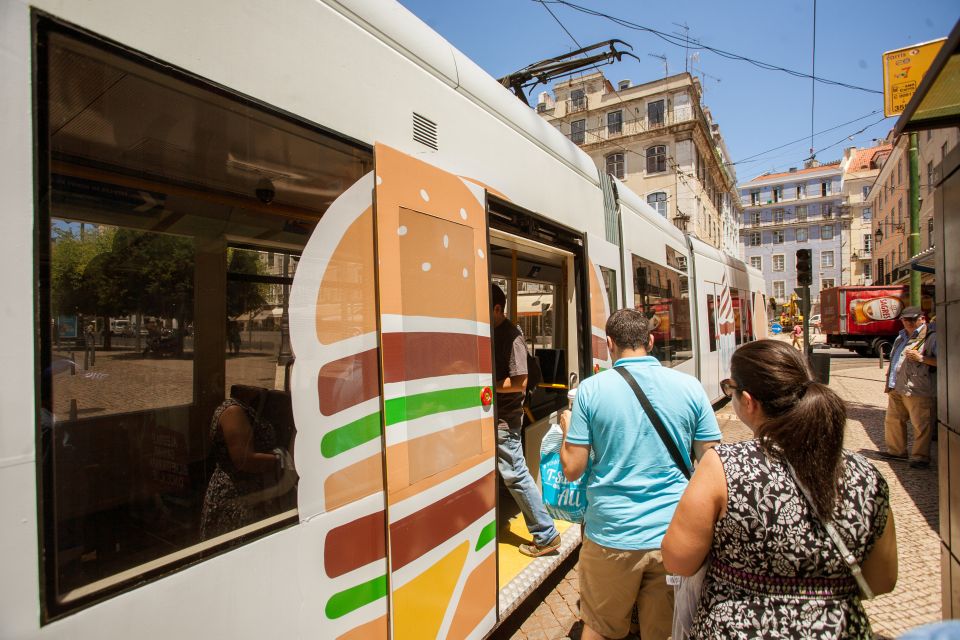
You’ll hop on a tram for the round trip between Lisbon and Belém. The tram ride matters more than it sounds. It keeps the morning from turning into a transportation puzzle, and it gives you a gentle transition into Belém’s different rhythm by the river.
The guide meets you at the plaza wearing a black backpack with the Lisbon Spirit logo. Small-group tours live or die by meeting-point clarity, and this one sets that up well.
You can also read our reviews of more walking tours in Lisbon


The Tagus River walk: why this stretch is the “point”
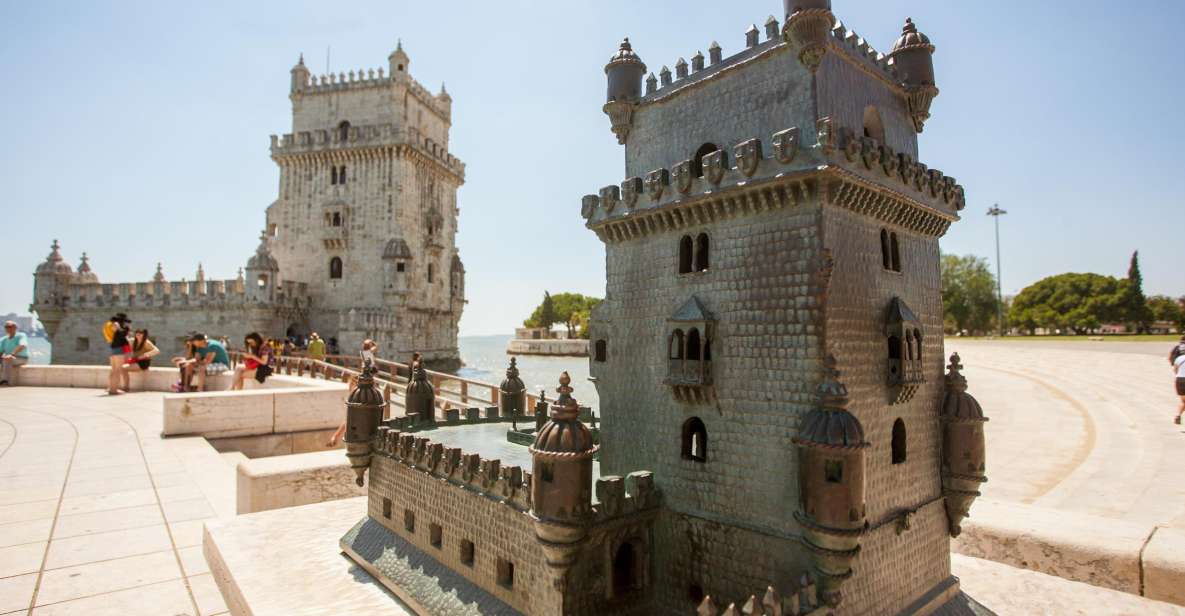
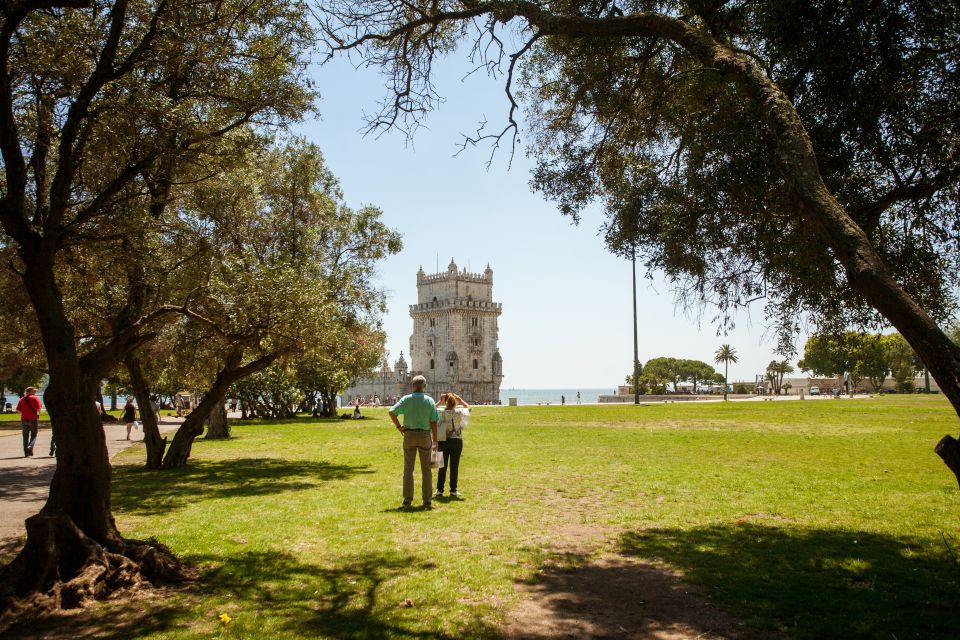
Once you’re in Belém, the tour’s structure is built around one practical idea: walk beside the Tagus instead of treating monuments like isolated photos. That means you’re not only looking at buildings. You’re also absorbing the setting that made Portugal’s sea power possible.
You get a pleasant riverside walk through the Belém neighborhood, where the scenery supports the stories. The district is known for military outposts and official-looking spaces, but you’re not trudging through a museum route. The walk is meant to feel natural, with breaks in view as you move between landmarks.
This is also where you’ll notice how Belém’s layout works. The river isn’t background decoration; it’s a main character. If you’ve ever wondered why the Tower and monastery look the way they do, this waterfront context helps your brain connect the architecture to the purpose.
Mosteiro dos Jerónimos: Manueline details that reward close looking
The Mosteiro dos Jerónimos is the big ticket on this walk. It’s a UNESCO World Cultural Heritage site, and it’s widely respected for a reason: the Manueline style is ornate, but it isn’t random decoration. It ties directly to the themes of Portugal’s age of discoveries.
Here’s the key context you’ll be given: the monastery was linked to the Hieronymite religious order. Construction was carried out around the late 1450s, with the monument associated with Infante Henry the Navigator. Even if you don’t memorize dates like a textbook, the guide’s job is to translate what those choices meant when ships and global routes were becoming reality.
Why this stop works so well on a tour
- You get the architecture explained while you’re still in front of it, not after you’ve left.
- You’re not just seeing decoration; you’re learning the symbolism behind the style.
One review note that matches what you’ll likely feel: the monastery can feel like a pure work of art, but the real value is understanding the period enough to interpret what you’re looking at. Also, the tour content supports going inside—so it’s not limited to an exterior photo run.
A practical point: the Mosteiro dos Jerónimos monument fees are included on this tour (other monument fees are not included). That matters for value. You’re paying to walk and learn, but you’re not getting nickel-and-dimed out of the main interior stop.
Torre de Belém: the riverside facade and the “7 Wonders” spotlight
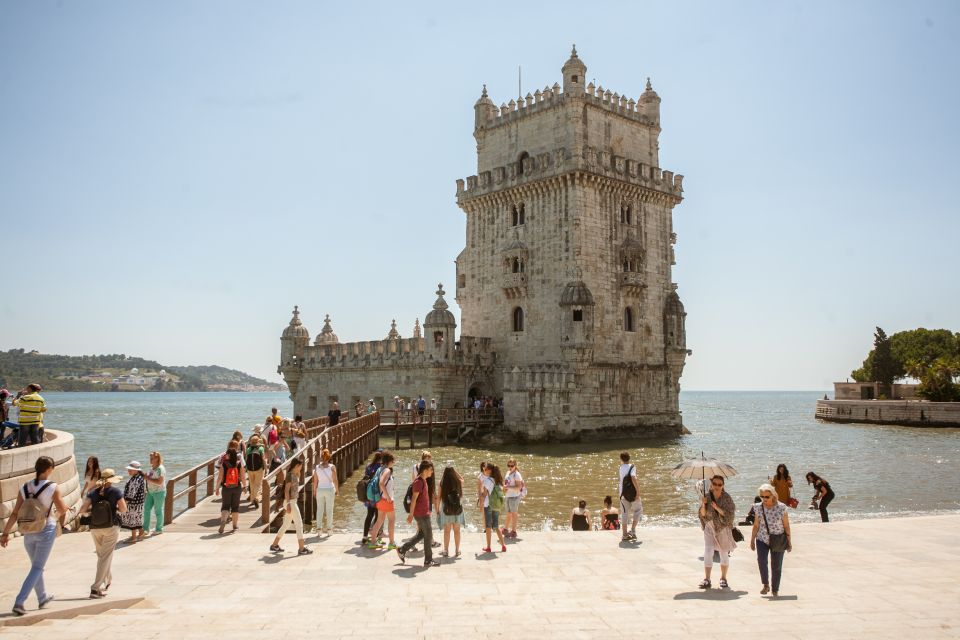
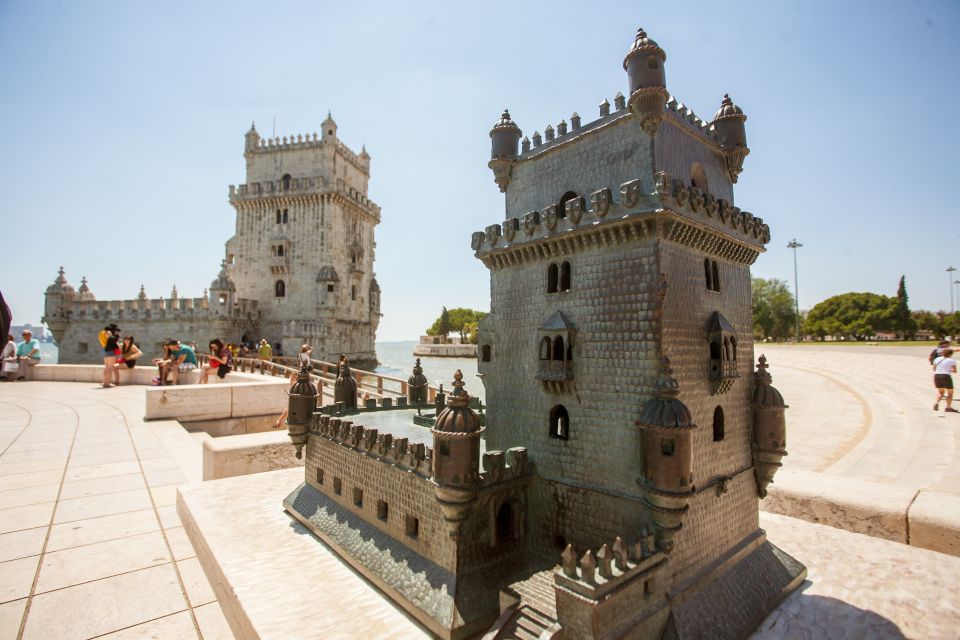
After the monastery, you move toward the Torre de Belém, another UNESCO World Cultural Heritage site. This is the tower most people recognize, especially because it sits right on the Tagus and frames the river atmosphere instantly.
You’ll see the iconic quarter façade of the tower on the banks of the Tagus River. It’s made from limestone and dates to the early 16th century, and it has two extra layers of fame you’ll hear about: it was declared one of the 7 Wonders of Portugal in 2007, and it was inscribed by UNESCO in 1983.
What makes Torre de Belém a strong “tour stop” (not just a landmark)
- It anchors the maritime theme you’ve been building.
- The setting tells you why it belongs on the shoreline of Portugal’s sea story.
Be realistic about expectations. This tour is described as a walking experience focused on seeing highlights, and the data here specifically calls out seeing the tower’s façade. So think of it as a powerful visual and historical stop, not necessarily a long, detailed interior walkthrough.
Rua de Belém and the pastel payoff at Fábrica de Pasteis de Belém
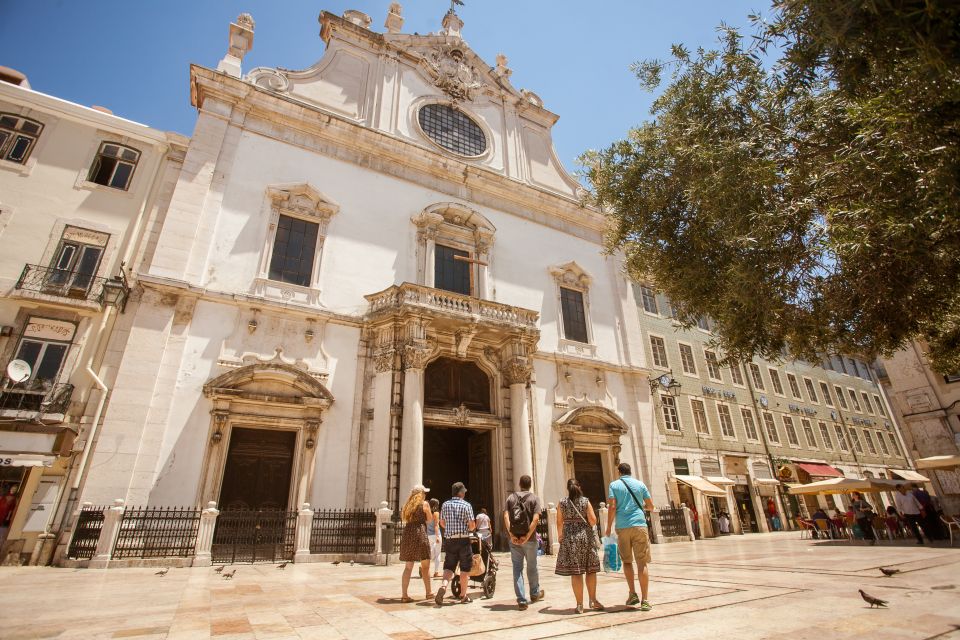
Between the big monuments, you get local color on Rua de Belém, including older buildings that have survived change for around 160 years. This street stop is important because Belém isn’t only grand architecture. It’s also everyday life shaped by its history.
Then you get the highlight snack: a Pastel de Belém from Fábrica de Pasteis de Belém. It’s the classic Portuguese egg tart known for flaky pastry and a rich, eggy filling.
This included pastry is one of the best value touches on the tour. For about the price of a normal casual meal snack, you’re getting a specific local product from a famous place, and it lands at the right time after you’ve walked enough to actually enjoy it.
Tip for your bite: eat it slowly and pay attention to the pastry texture. The point isn’t speed. You’re tasting a food that’s part of Belém’s identity, not just grabbing sugar on the way to the next photo.
You can also read our reviews of more tours and experiences in Lisbon






When the history gets heavy: matching the tour to your style
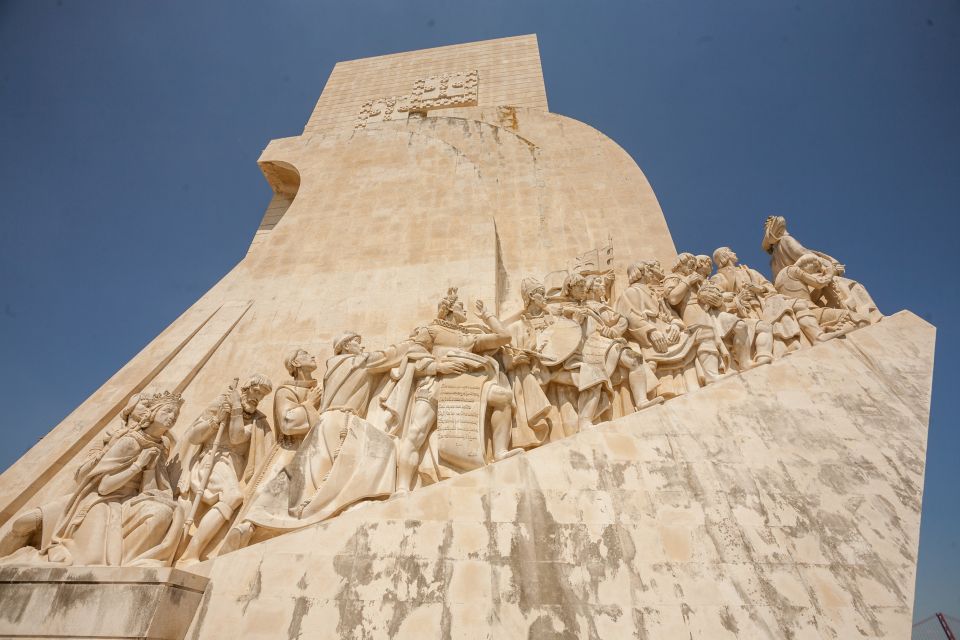
This tour’s reputation leans strongly toward guided explanation. Multiple guide-focused comments highlight deep knowledge and strong storytelling, including a guide named Nono, described as highly knowledgeable and even humorous. That’s a good sign if you want the “why” behind the buildings.
But not everyone wants that much context. One drawback that shows up clearly is that the history can feel like too much, with not enough emphasis on walking. Another note also mentions it can run longer than the planned time, with some extra time added to the day.
So here’s the honest fit check:
- If you like understanding architecture and the period behind it, this tour likely feels excellent.
- If you prefer a lighter pace focused more on scenery than storytelling, you might wish for fewer lectures or more time wandering freely.
My practical suggestion: treat this as a “learning walk.” If you want a pure panorama tour, choose one of those instead. If you’re happy to trade some silence for explanations, you’ll come away with a smarter view of Belém.
Price and included value: what $23 gets you (and what to plan for)
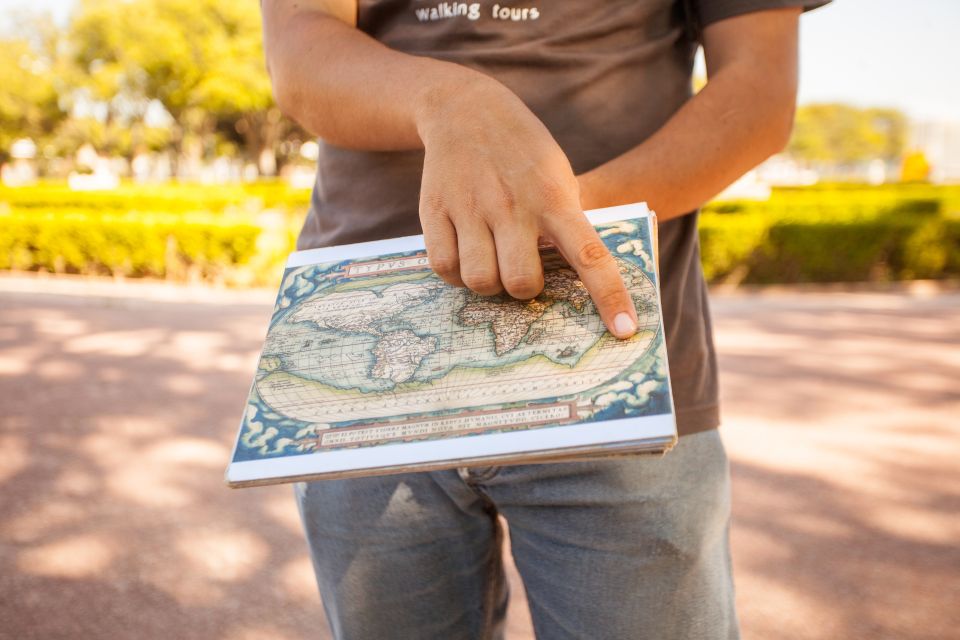
At about $23 per person for a 3-hour experience, the deal is built on two things: guided content and transportation ease. The tram ride is included for the trip to Belém and back, and you also get one Pastel de Belém.
That combination matters because it reduces hidden costs and decision fatigue. You don’t need to figure out how you’re getting from central Lisbon to Belém on your own, and you don’t have to decide where to stop for the pastry.
Monument fees are a mixed story. The Mosteiro dos Jerónimos fees are included, but monument fees are not included otherwise (with the explicit exception already noted). That means you should be mentally prepared that other sites or optional entry costs could add up depending on what the guide’s route leads you to.
In plain terms: you’re paying for structure. The price feels fair when you care about monuments plus context, and it feels less perfect if you only want a casual outdoor stroll.
Group size, pacing, and comfort tips that actually help
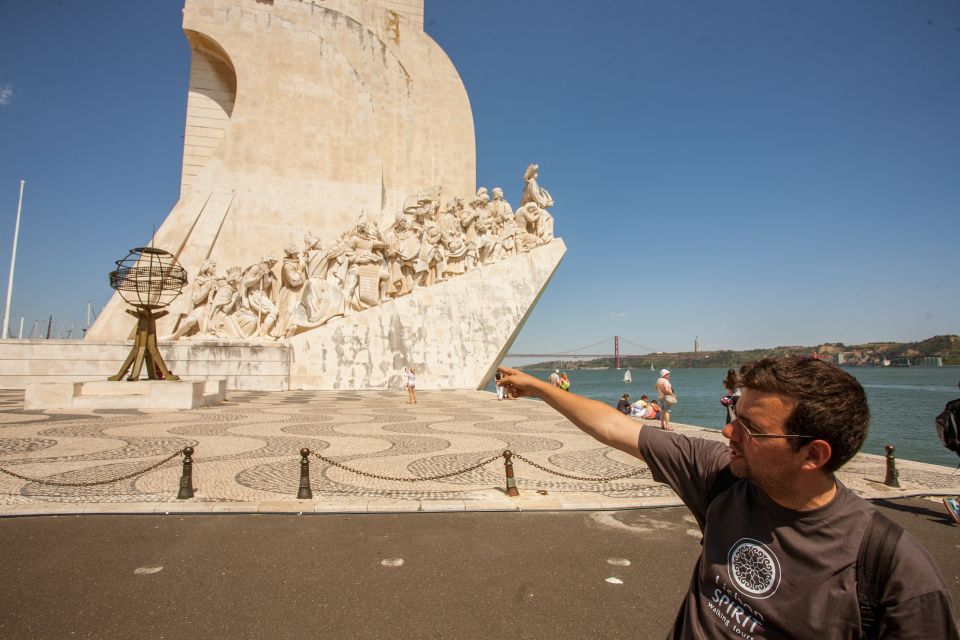
This is a small-group tour limited to 10 participants. That helps with flow and questions, especially since a live guide is doing the heavy lifting in terms of explanation.
The big comfort requirement is simple: bring comfortable shoes. Belém walking may look easy on a map, but you’re doing it for a full 3 hours plus transit, and you’ll feel it if you’re in the wrong footwear.
If you’re sensitive to long explanations, plan for patience. Some reviews suggest the guide can pack a lot of information into the time, and one note wished for more pauses so people could ask questions. You can fix that for yourself: bring a few questions ahead of time (even one or two). You’ll get more value from the guide when you steer the conversation a bit.
Also, consider that the tour can run longer than scheduled. Not every day is identical, but it’s wise to have a flexible block after you finish so you don’t feel rushed.
Who this tour is best for
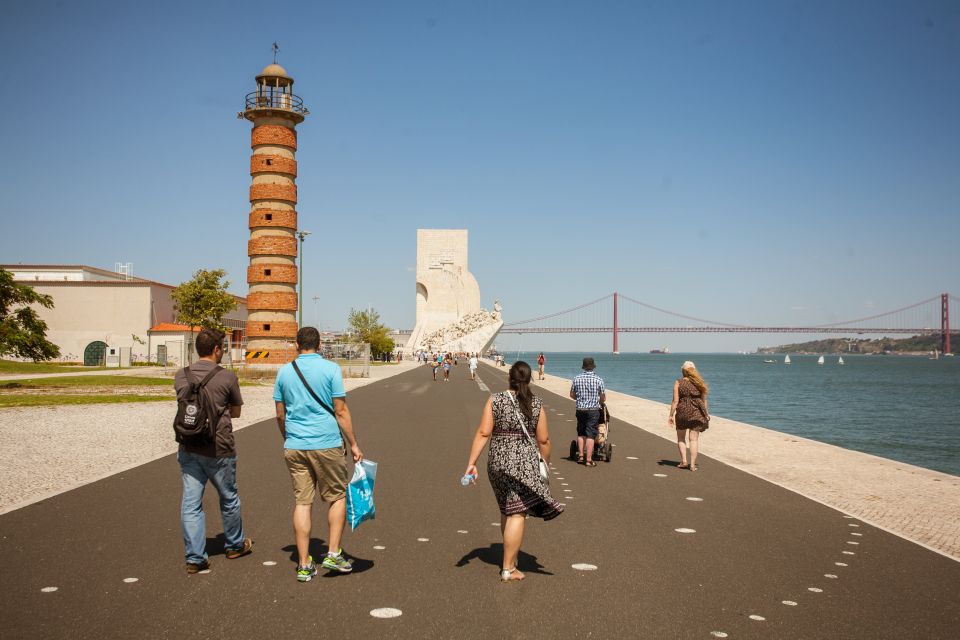
This is a strong pick if you fit any of these:
- You love Portuguese architecture, especially Manueline style tied to the age of discoveries.
- You want a guided walk where you understand what you’re seeing at Mosteiro dos Jerónimos and Torre de Belém.
- You’d rather have a structured route plus a snack than assemble Belém day plans yourself.
It’s less ideal if you want:
- A mostly independent sightseeing day with minimal talking.
- A slow stroll with lots of free time between stops.
- A trip where history is light and quick.
Language is English, and the live guide is part of the core value. If you’re comfortable in English and you like interpretation, you’ll get more out of the monuments.
Should you book this Belém walking tour?
If you want Belém to make sense—why the monuments look the way they do, what the age of discoveries shaped, and how the river connects to everything—this is a solid booking. The included tram ride and Pastel de Belém make the value easier to justify than a walk-only option, and the Mosteiro dos Jerónimos fee being included removes one common frustration.
I’d book it especially if you enjoy a guided, story-forward experience. If you’re more into drifting and photographing with little explanation, then you may want a different style of tour.
FAQ
How long is the Belém: Lisbon 3-Hour Walking Tour?
The tour lasts 3 hours.
What is included in the price?
It includes a 2-way tram trip from Lisbon to Belém and back, and 1 Pastel de Belém. Mosteiro dos Jerónimos monument fees are included (other monument fees are not included).
Where do I meet the tour guide?
Meet at Praça D. Pedro IV near D. Maria II Theatre.
Is the tour guided in English?
Yes, it’s a live tour guide in English.
How big is the group?
The group is small, limited to 10 participants.
Are monument fees included?
Monument fees are not included, except for the Mosteiro dos Jerónimos.