
REVIEW · COOKING CLASSES
Portuguese ‘Petiscos’ Cooking Class
Book on Viator →Operated by Homecooking Lisbon · Bookable on Viator
Five plates, one very Lisbon evening. This Portuguese petiscos cooking class is built for regular people, not professional chefs. In about 3 hours, you’ll learn the basics of Portuguese cooking while making multiple small plates—often including Caldo Verde—and sitting down together to share the results.
I especially like that the class stays beginner-friendly while still feeling real and hands-on. I also love the small-group vibe (max 10), where you can actually ask questions and keep up at the stove. One thing to consider: the exact dishes are seasonal, so you might not cook every item you’re hoping for on a specific date.
In This Review
- Key things you’ll notice right away
- Petiscos 101: why these small plates matter
- The 3-hour kitchen rhythm in Lisbon (and who it suits)
- What you’ll cook: Caldo Verde plus seasonal Portuguese petiscos
- Caldo Verde (the one you’ll plan around)
- Cod in different disguises: fritters, pastries, and bacalhau variations
- Egg-and-filling petiscos
- Pica-pau and other hearty mains
- Flaming Chorizo and smoky, salty bites
- Dessert? Often a Portuguese custard tart moment
- Wine, beer, coffee/tea, and the table culture
- The instructors: how the class stays calm, clear, and practical
- Where to meet and how to prepare
- Price and value: is $102.12 fair for this Lisbon class?
- Should you book the Portuguese Petiscos class in Lisbon?
- FAQ
- How long is the Portuguese petiscos cooking class?
- What dishes do you learn to cook?
- Is prior cooking experience required?
- Do you get food and drinks during the class?
- Is alcohol served to everyone?
- How big is the group?
- What language is the class offered in?
- Where is the meeting point?
- Do you receive recipes after the class?
- What is the cancellation policy?
Key things you’ll notice right away
- Up to five petiscos cooked hands-on, including Caldo Verde
- Small group size (limited to a maximum of 10)
- Portugal-style meal pacing, with snacks, wine/beer, and coffee/tea included
- Seasonal menus, so the lineup changes with the ingredients of the moment
- Recipes after class, so you can recreate the dishes back home
Petiscos 101: why these small plates matter

Petiscos are Portuguese small plates meant for sharing. Think of them as the country’s version of ordering a bunch of things and digging in—only the dishes are often simple, flavorful, and designed for the table, not for a lone diner.
What makes this class useful for you is that it teaches the logic behind petiscos. You’re not just watching one dish. You’re getting practice with several flavors and techniques that show up again and again in Portuguese home cooking: how to build comforting soups, how to handle cod, how to work with eggs and savory fillings, and how vegetables and herbs get used for punch.
Caldo Verde is the anchor. It’s the classic Portuguese comfort bowl—often built from potatoes, greens, and olive oil—so mastering it gives you a baseline you’ll recognize the next time you’re eating in Lisbon. From there, the other petiscos typically connect to the same food culture: hearty ingredients, clever seasoning, and dishes that work as part of a shared spread.
You can also read our reviews of more cooking classes in Lisbon


The 3-hour kitchen rhythm in Lisbon (and who it suits)
This is a short class by design: about three hours, with the kitchen action paced so you’re not stuck standing around. You’ll likely start with a quick setup and instructions, then move into hands-on prep and cooking. The goal is for you to leave with a set of dishes you can confidently repeat, not just a food memory.
The small size matters. With a maximum of 10, the instructor can keep an eye on cutting, stirring, and timing. It also makes it easier to make friends without the pressure of a huge group. If you’re traveling with friends, it’s still fun, but it won’t feel like a noisy cooking factory.
This works best for:
- Beginner cooks (no experience needed)
- Anyone who wants Lisbon food that’s more than tasting menus
- People who like structured fun—learn, cook, eat, repeat
If you’re the type who hates hands-on work, you might find the class less relaxing than a straight tasting. But if you like to roll up your sleeves, it’s an efficient way to get more than one meal’s worth of learning.
What you’ll cook: Caldo Verde plus seasonal Portuguese petiscos
The promise here is clear: you’ll learn up to five seasonal petiscos, and Caldo Verde is included. Since the menu changes by season, the exact lineup can vary. Still, the menu options you may see include several Lisbon favorites.
Here are dishes from the available menu ideas, plus what you should look for when you’re cooking them:
Caldo Verde (the one you’ll plan around)
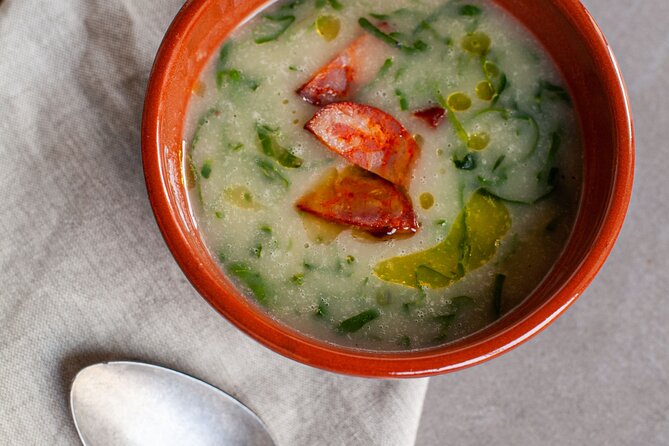
Caldo Verde is a great first lesson because it teaches fundamentals: making a smooth, comforting base and using greens so they stay lively instead of turning dull. You’ll also learn how Portuguese cooks make simple ingredients feel special with the right texture and seasoning.
Cod in different disguises: fritters, pastries, and bacalhau variations
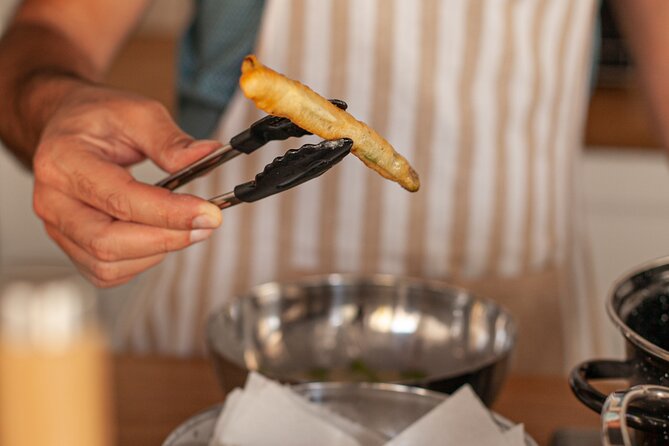
Portuguese food loves cod, and the petiscos menu reflects that. Depending on what’s scheduled, you might make items such as:
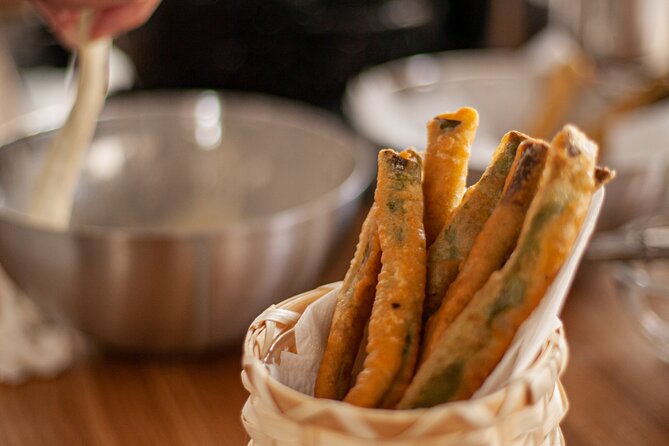
- Pataniscas de bacalhau (cod fritters)
- Pasteis de bacalhau (cod pastries)
- Peixinhos da horta (often translated as garden fish; typically vegetable-and-fish style bites)
These lessons are valuable because cod can be tricky if you overcook it or dry it out. A good instructor will show you how to keep it tender and flavorful—plus how to get the outside right (crisp, not greasy).
You can also read our reviews of more tours and experiences in Lisbon





Egg-and-filling petiscos
You may see Ovos com farinheira or Ovos verdes. These teach another Portuguese home-cooking theme: eggs as the carrier for rich flavor. If you like savory breakfasts, or you want a quick dinner idea for later, this part is practical.
Pica-pau and other hearty mains
You might also cook Pica-pau, which is known as a Portuguese braised beef dish. In a class like this, the value isn’t just the final taste—it’s learning how the chef builds flavor and manages texture, especially if it includes a mustardy or tangy element.
Flaming Chorizo and smoky, salty bites
Flaming Chorizo (when it’s on the menu) is the kind of dish that makes the class feel alive. You get lessons in handling bold flavors—smoke, fat, spice—and balancing them so the bite works as part of a shared table.
Dessert? Often a Portuguese custard tart moment
Some sessions include the famous Pastel de Nata style custard tart as a finishing treat. If it’s part of your schedule, it’s a fun capstone because it’s recognizable, and it also helps you see how Portuguese sweets fit into everyday food culture.
Wine, beer, coffee/tea, and the table culture
This class isn’t just about cooking. You also eat what you make, and Portuguese wines and beers are included—along with other non-alcoholic beverages, plus coffee/tea.
That matters for your experience in two ways:
- You taste in context, right when flavors are fresh.
- You learn how Portuguese meals function socially—petiscos are built to be shared, not saved for later.
In at least some menus, you may also encounter Portuguese apéritifs and liqueurs such as Port and Ginjinha, plus an almond liqueur. If you’re not drinking alcohol, that’s fine. The class includes non-alcoholic drinks too.
And if you’re traveling with a mixed-age group, keep in mind the class doesn’t serve alcoholic beverages to participants under 18. Water and non-alcoholic options are available.
The instructors: how the class stays calm, clear, and practical
One reason these classes earn top marks is teaching style. The best instructors in this setup are patient and organized, and they explain not only what to do, but why that step matters. When you’re cooking multiple dishes, that clarity saves you from guessing.
You might be taught by chefs such as Miguel or Pedro, and both styles show up in how the class runs:
- Step-by-step guidance at your station
- History and context tied to the petiscos you’re making (so it doesn’t feel like random recipes)
- A kitchen setup that supports more than one participant working at once
You’ll also get support as the class progresses—cleaning and kitchen help are part of the experience. That’s not “nice to have.” It makes a huge difference when you’re cooking with knives, hot pans, and multiple ingredients at different stages.
Where to meet and how to prepare
You’ll start at R. Aliança Operária 54, 1300-049 Lisboa, Portugal, and the activity ends back there.
The area is described as near public transportation, which is a big deal in Lisbon. It means you can fit this class into your day without a car plan.
What to bring is simple:
- Wear clothes you don’t mind getting a little kitchen-smudged
- Come with a normal appetite. You’re not just nibbling; you’re making enough food to enjoy as a meal
- If you’re sensitive to alcohol, decide ahead of time how much you want to taste. Alcoholic drinks are included for those who are old enough to drink.
You’ll also receive a mobile ticket, so having your phone charged and ready helps.
Price and value: is $102.12 fair for this Lisbon class?
At $102.12 per person, the value comes from what’s included, not just the instruction time.
You’re paying for:
- Hands-on cooking of up to five petiscos
- Portugal-specific ingredients and guidance (especially helpful for beginners)
- A real sit-down meal with what you cook
- Drinks: wine/beer, plus coffee/tea and non-alcoholic alternatives
The smart way to think about value is this: if you tried to recreate five Portuguese dishes on your own right after a trip, you’d spend money on ingredients, and you’d still be guessing on technique. Here, you’re getting technique plus a guided tasting session in about three hours, with a small group size that keeps the pace friendly.
If you’re the type who loves one great cooking class more than a long food tour, this price can make sense fast.
Should you book the Portuguese Petiscos class in Lisbon?
Book it if you want:
- A beginner-friendly cooking experience in Lisbon
- A focused way to learn Portuguese flavors through petiscos
- A small-group evening that ends with you actually eating what you made
- The chance to learn classic items like Caldo Verde and cod-based dishes
Skip it (or consider a different option) if you mainly want a passive food tasting, or if you’re very time-crunched. Since menus are seasonal, also remember your exact dish lineup can vary from what you expect.
If you like practical learning, you’ll probably feel like this is one of the best uses of a few hours in Lisbon. You leave with recipes, confidence, and a table full of Portuguese comfort food ideas you can bring back home.
FAQ
How long is the Portuguese petiscos cooking class?
It’s approximately 3 hours.
What dishes do you learn to cook?
You learn up to five seasonal petiscos, including Caldo Verde. The exact menu can change seasonally.
Is prior cooking experience required?
No. The experience is designed to be beginner-friendly, with instructors guiding you through the steps.
Do you get food and drinks during the class?
Yes. You’ll have finger food plus Portuguese wines and beers, and coffee/tea. Non-alcoholic beverages are also available.
Is alcohol served to everyone?
Alcoholic beverages won’t be served to participants under 18. Water, juices, or tea are available instead.
How big is the group?
The experience has a small group size with a maximum of 10 travelers.
What language is the class offered in?
The class is offered in English.
Where is the meeting point?
The meeting point is R. Aliança Operária 54, 1300-049 Lisboa, Portugal.
Do you receive recipes after the class?
Yes. You can get the recipes afterward so you can recreate the dishes at home.
What is the cancellation policy?
Free cancellation is available up to 24 hours in advance for a full refund.